


Buying guide: choosing the right carbon fiber rear fender
- Buying guide: choosing the right carbon fiber rear fender
- Why choose a carbon fiber rear fender for your Kawasaki Z900 Z900RS?
- Understanding fitment: Kawasaki Z900 Z900RS Carbon Fiber Rear Fender compatibility
- Performance benefits: weight reduction, handling, and aerodynamics
- Materials and manufacturing: what to look for in a quality carbon fiber rear fender
- Finish and aesthetics: weave patterns, clear coats, and matching factory lines
- Durability and maintenance: care tips for your carbon fiber rear fender
- Installation and fitment tips: DIY or professional?
- Safety and legal considerations: roadworthiness and insurance
- Comparing options and price: finding value with a carbon fiber rear fender
- Why choose our Kawasaki Z900 Z900RS Carbon Fiber Rear Fender
- How to buy: order, shipping, returns, and customer support
- FAQs — Frequently Asked Questions about carbon fiber rear fenders
- Contact us / View product
- Sources

Buying guide: choosing the right carbon fiber rear fender
Why choose a carbon fiber rear fender for your Kawasaki Z900 Z900RS?
Choosing a carbon fiber rear fender for your Kawasaki Z900 or Z900RS is often more than an aesthetic decision. A well-made carbon fiber rear fender can reduce unsprung weight, improve the bike's visual profile, and offer a long-lasting finish that resists corrosion. If you're considering our Kawasaki Z900 Z900RS Carbon Fiber Rear Fender, the primary selling points are improved appearance and measurable weight savings that can contribute to sharper handling and a sportier look.
Understanding fitment: Kawasaki Z900 Z900RS Carbon Fiber Rear Fender compatibility
Fitment is the most critical factor when buying any motorcycle bodywork. The Kawasaki Z900 Z900RS Carbon Fiber Rear Fender is designed to match the mounting points, wheel clearance, and subframe geometry of both Z900 and Z900RS years where the rear fender is the same style. Before purchase, check the following:
- Model year compatibility — verify your model year against the product listing.
- Mounting points — ensure the fender uses OEM or direct-fit brackets to avoid drilling or permanent modifications.
- Tire clearance — confirm the fender provides adequate clearance for your tire size and swingarm movement.
- Accessory compatibility — confirm whether the fender supports license plate brackets, reflectors, or a tail tidy (some kits will require an adapter).
The keyword carbon fiber rear fender appears in product listings and should be matched to confirm you're ordering the correct item for your Z900/Z900RS.
Performance benefits: weight reduction, handling, and aerodynamics
One of the primary reasons riders upgrade to a carbon fiber rear fender is weight reduction. Cutting weight at or near the rear wheel reduces rotational and unsprung mass, which can subtly improve suspension response and handling. Typical benefits include:
- Reduced overall and unsprung weight (faster suspension reaction).
- Improved acceleration responsiveness due to lower mass.
- Sleeker aerodynamic profile and cleaner rear-end styling.
Below is a concise comparison of common materials used for rear fenders to help quantify differences. Note these are representative ranges; exact values depend on part design and material layup.
| Material | Typical Areal Density / Notes | Typical Durability | Common Use |
|---|---|---|---|
| Carbon fiber composite (CFRP) | Lower part mass for same stiffness; high strength-to-weight (saves ~20–50% vs steel; depends on design) | High (resists corrosion; strong under tension; brittleness vs impact) | High-end aftermarket fenders, race components |
| Fiberglass | Heavier than CFRP for same stiffness; less costly | Moderate (more flexible, can crack under severe impact) | Economy aftermarket and custom bodywork |
| ABS / injection molded plastic | Lightweight and cheap; less stiff compared to CFRP | Good impact resistance; can fade/warp under heat/UV | OEM body panels and budget aftermarket parts |
Sources: material property databases and industry analyses cited at the article end.
Materials and manufacturing: what to look for in a quality carbon fiber rear fender
Not all carbon fiber fenders are created equal. Key manufacturing and material points to check when evaluating any carbon fiber rear fender include:
- Type of fiber and resin: High-modulus or standard modulus carbon fiber matched with a UV-stable epoxy or polyester resin provides an optimal balance between stiffness and impact resistance.
- Layup and weave: Look for consistent fiber orientation and tight, uniform weave patterns. Multiaxial or directional layups may improve strength in critical areas.
- Manufacturing process: Pre-preg + oven cure or vacuum-bagging processes typically yield higher fiber volume fraction and fewer voids than open-mold hand lay-up.
- Finish and clearcoat: A durable UV-resistant clear coat or gel coat preserves gloss and prevents yellowing. For a matte finish, ensure the coating is UV-stable as well.
- Reinforcements and mounting points: Metal or composite inserts at bolt holes reduce the risk of cracking around fasteners.
When buying the Kawasaki Z900 Z900RS Carbon Fiber Rear Fender from a reputable supplier, ask for photos of the raw part and finished surface, and inquire about the manufacturing method. High Quality processes usually cost more but produce a longer-lasting part.
Finish and aesthetics: weave patterns, clear coats, and matching factory lines
Carbon fiber is both a functional and visual upgrade. A few style notes to keep in mind:
- Weave type: 2x2 twill is the most popular for motorcycle parts because of its attractive diagonal pattern and balance between drapability and stiffness. Plain weave appears checkerboard-like, while unidirectional cloth emphasizes lines.
- Gloss vs matte: Gloss clear coats emphasize the weave and depth; matte finishes give a stealthy, understated look. Consider how it matches your tank, seat cowl, and existing trims.
- Color-matching: If you want to keep OEM paint accents visible, check if the fender includes paintable flanges or provision for OEM color panels.
Good manufacturers provide multiple finish options or will paint/clearcoat to order for a small surcharge.
Durability and maintenance: care tips for your carbon fiber rear fender
Maintenance for carbon fiber is straightforward but different from plastic or metal:
- Cleaning: Use a gentle automotive shampoo and soft microfiber cloth. Avoid harsh chemicals like strong solvents that can degrade the clear coat.
- UV protection: While many modern clear coats are UV-stable, prolonged sun exposure will eventually affect finish. Park in shade or use a cover when possible.
- Repairability: Small chips in the clear coat are repairable with touch-up clear coat. Structural damage (deep cracks) should be assessed by a composite repair specialist — in many cases, composite patches can be applied to restore strength.
- Fastener checks: Periodically inspect mounting bolts and inserts for signs of loosening or stress cracking.
Installation and fitment tips: DIY or professional?
Most high-quality aftermarket fenders are designed as direct-fit replacements. Decide between DIY installation and professional fitting based on your skills and tools.
- DIY: If you're comfortable with basic hand tools, a torque wrench, and following step-by-step instructions, many riders install a rear fender in under an hour. Protect the fender and paint during installation to avoid scratches.
- Professional install: Choose a motorcycle shop if the fender requires trimming, modification, or wiring relocation for brake lights/turn signals. A shop will also align mounts precisely to avoid stress points.
When installing the Kawasaki Z900 Z900RS Carbon Fiber Rear Fender, use supplied hardware or OEM-rated replacements and torque fasteners to manufacturer specifications to reduce the risk of stress damage.
Safety and legal considerations: roadworthiness and insurance
Before finalizing your purchase, verify local regulations. In many jurisdictions, fenders must allow for proper license plate and lighting mounting and sometimes include reflectors. Points to review:
- Plate visibility and angle — ensure your new fender doesn't obscure registration or required reflectors/lights.
- Insurance disclosure — some insurers require notification of aftermarket modifications; confirm whether the change affects coverage or High Qualitys.
- Structural integrity — replacement parts should not compromise crash protection or expose sharp edges that can be hazardous in a low-speed tip-over.
Comparing options and price: finding value with a carbon fiber rear fender
Price ranges vary widely depending on materials, brand, manufacturing process, and finish. Typical tiers:
- Budget ($50–$150): Mass-produced fiberglass or low-grade carbon-effect parts. Lower cost but may have fitment and finish issues.
- Mid-range ($150–$350): Better-quality carbon fiber with improved finishes and closer fitment; may be vacuum-bagged or resin-infused.
- High Quality ($350+): Pre-preg, autoclave-cured parts, precise molds, reinforced inserts, and high-quality UV-stable clear coat. These typically offer best fit and longevity.
When assessing value, consider total ownership cost: a High Quality part that fits perfectly and lasts longer may be more economical than repeatedly replacing cheaper parts. Our Kawasaki Z900 Z900RS Carbon Fiber Rear Fender is positioned to deliver High Quality fitment and finish for riders who prioritize appearance and durability.
Why choose our Kawasaki Z900 Z900RS Carbon Fiber Rear Fender
Our product is engineered specifically for Kawasaki Z900 and Z900RS riders who want a direct-fit, high-quality upgrade. Key brand advantages:
- Purpose-built fitment: Designed from OEM measurement data to ensure correct alignment, tire clearance, and mounting without modification.
- High-grade materials: Manufactured using a careful carbon fiber layup and cured with processes that improve fiber consolidation and reduce voids.
- Durable finish: UV-resistant clear coat to maintain gloss and prevent yellowing with regular use.
- Reinforced mounting points: Inserts and local reinforcements to reduce stress around bolt holes and extend service life.
- Quality control: Each fender is inspected for weave uniformity, surface finish, and fit before shipping.
- Customer support and warranty: We offer responsive pre- and post-sale support and a limited warranty on manufacturing defects (see product page for terms).
These advantages translate into a product that both looks great and serves as a reliable upgrade for riders who demand quality.
How to buy: order, shipping, returns, and customer support
To purchase the Kawasaki Z900 Z900RS Carbon Fiber Rear Fender, follow these steps:
- Confirm your Kawasaki model year and any sub-model details (ABS, special editions).
- Choose finish option (gloss or matte) and any additional accessories (license plate adapter, mounting kit).
- Place order via our product page or contact customer service for bulk or international shipping inquiries.
- We ship with protective packaging and include fitting instructions. If you encounter fitment issues, contact our support team for troubleshooting or replacement options.
Contact us at our support channel to check stock, request detailed photos, or arrange a professional installation partner near you.
FAQs — Frequently Asked Questions about carbon fiber rear fenders
Q: Will a carbon fiber rear fender fit my Z900/Z900RS without modification?
A: Our Kawasaki Z900 Z900RS Carbon Fiber Rear Fender is designed as a direct-fit replacement for compatible model years. Always confirm your exact model year and version against the product listing before purchase.
Q: How much weight will I save by switching to carbon fiber?
A: Weight savings depend on the original material and the specific fender design. In practice, riders commonly see meaningful weight reduction at the rear (often in the 20–40% range versus equivalent steel or heavy-plastic parts). These reductions help with suspension response and handling. Exact figures for our product are listed on the product specification sheet.
Q: Is carbon fiber durable enough for daily riding?
A: Yes — a properly manufactured carbon fiber fender with a quality clear coat will endure daily use. It resists corrosion and maintains stiffness. However, extreme impacts can cause cracking; regular inspections are recommended.
Q: Can I repair a cracked carbon fiber fender?
A: Small cosmetic chips can be touched up. Structural damage should be repaired by a composite repair specialist. Many cracks can be repaired using composite patching techniques to restore integrity.
Q: Does the fender affect my motorcycle's warranty or insurance?
A: Aftermarket parts can impact warranty coverage depending on region and manufacturer policy. Inform your insurer about modifications if required. We recommend checking with your dealer and insurance provider before installing aftermarket components.
Q: What finish options are available?
A: We offer gloss and matte finishes, both with UV-stable topcoats. Custom paint or painted flange options may be available on request.
Contact us / View product
If you are ready to upgrade, view the Kawasaki Z900 Z900RS Carbon Fiber Rear Fender on our product page or contact our sales team for fitment confirmation and shipping details. For immediate assistance, email our support or use the live chat on the product page.
Sources
- MatWeb material property database — common data for plastics, composites and metals (https://www.matweb.com)
- CompositesWorld — articles on lightweighting and composite benefits in automotive and motorcycle applications (https://www.compositesworld.com)
- Manufacturer product sheets and common aftermarket fitting guides (various supplier published specifications)
Custom carbon fiber racing Manufacturers and suppliers
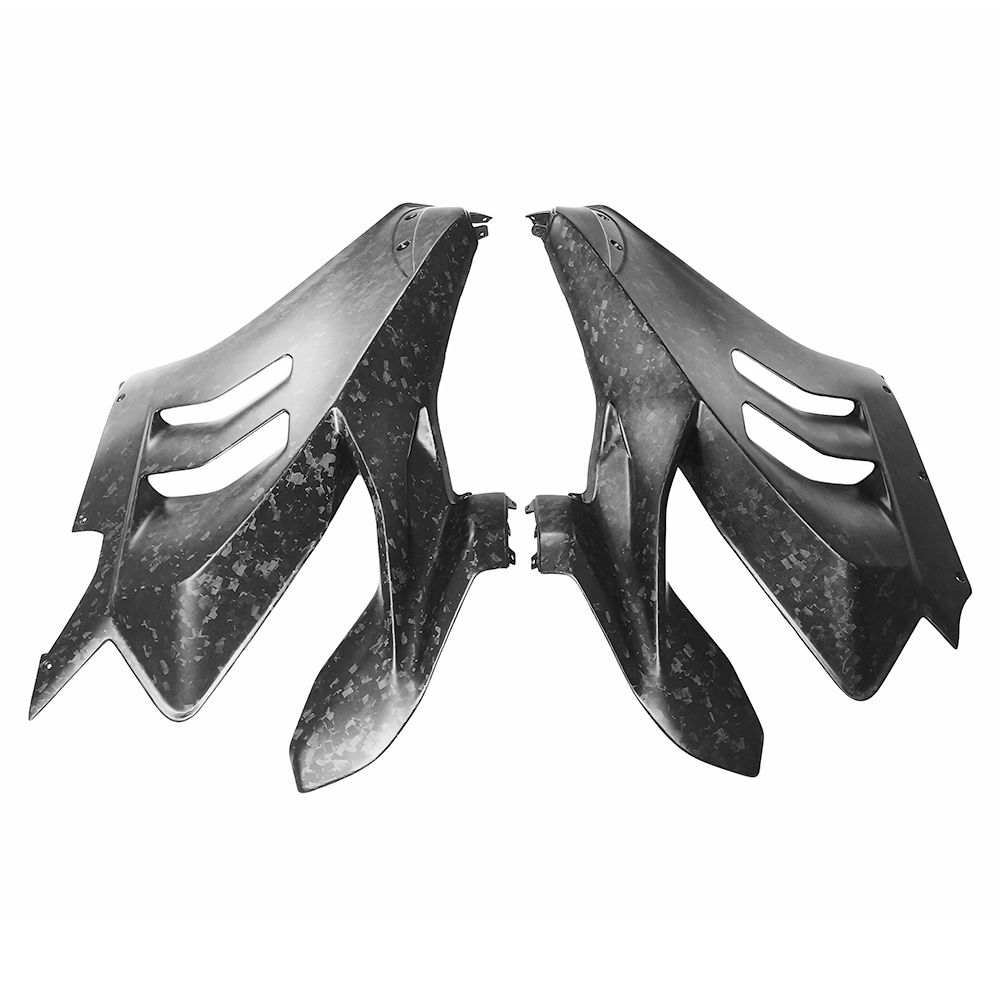
Elevate Your Ride with Supreem Carbon: The Ultimate Guide to Carbon Fiber Fairings
Custom carbon fiber square tube Manufacturers and Suppliers
Custom carbon fiber tape Manufacturers and Suppliers
For Order Delivery
How to choose the mode of transportation?
We use official shipment like Fedex,UPS,DHL and so on. Also customer can arrange delivery by themselves.
For Facotry
Supreem carbon main competitive advantages.
Rich experience
Over 10 years production experience in carbon fiber industry, providing customers with high quality carbon products.
Excellent service
From new project development to customer finished product delivery, we provide customers with full tracking and timely feedback on project progress.
High-Quality Products
Our carbon fiber products undergo rigorous quality control to ensure customers achieve the high quality and cost-effective product.
For After-sales Service
How can I cancel the order?
We may only cancel your order if it has not been fulfilled yet. We would be more than happy to assist you with any adjustments if you'd wish instead!
For Customized Service
What custom customer need to prepare?
1. Send Your Design/Idea/3D drawing.
2. Supplier Quotation Confirmation.
3. Firts Sample Feedback.
How long does the customized products order take?
This depends on the complexity and mold production cycle of the product. The first sample will be ready in 2-3 weeks after mold finished.
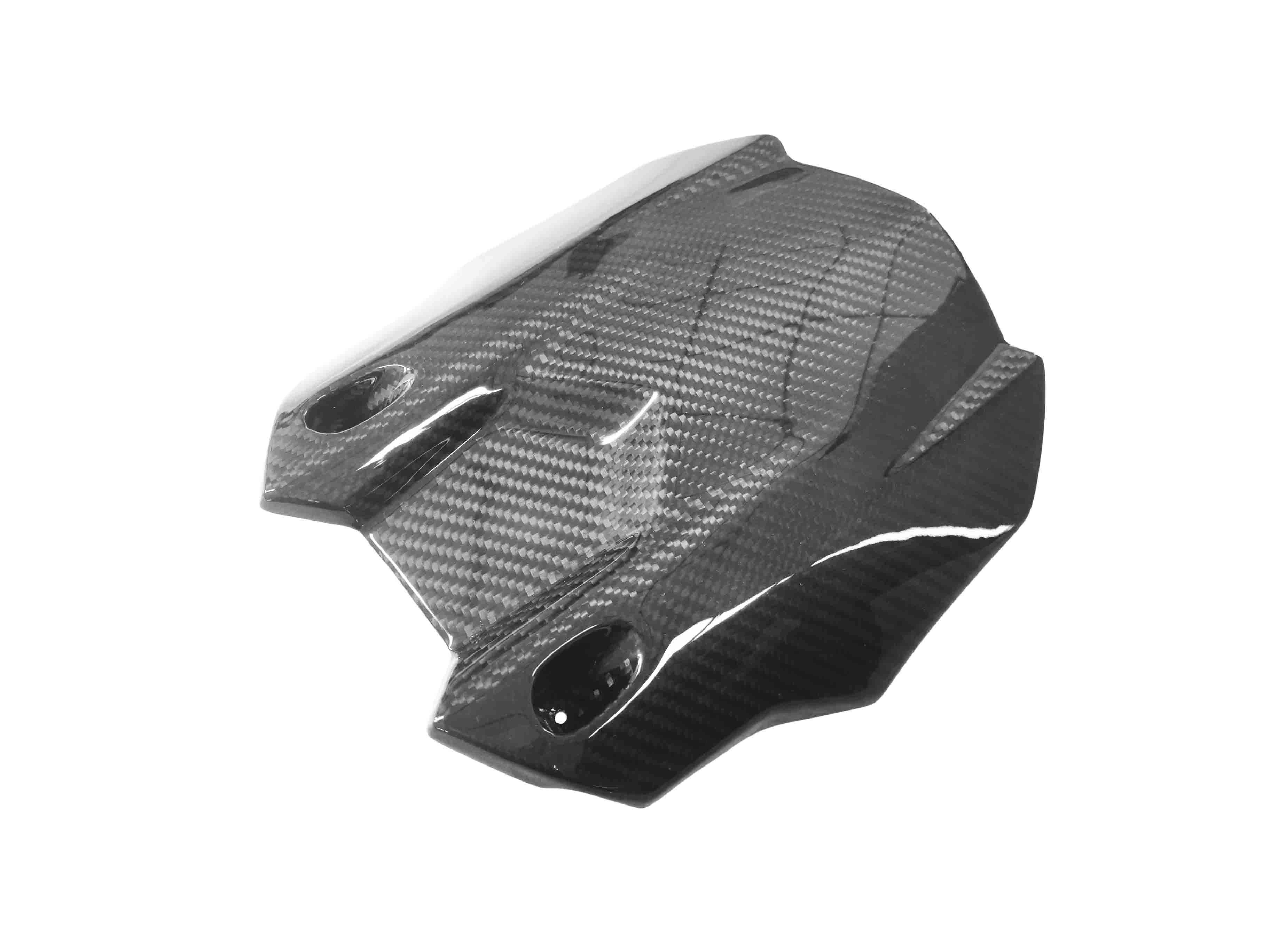
Yamaha R1/R1M Carbon Fiber Rear Fender Hugger Mudguard
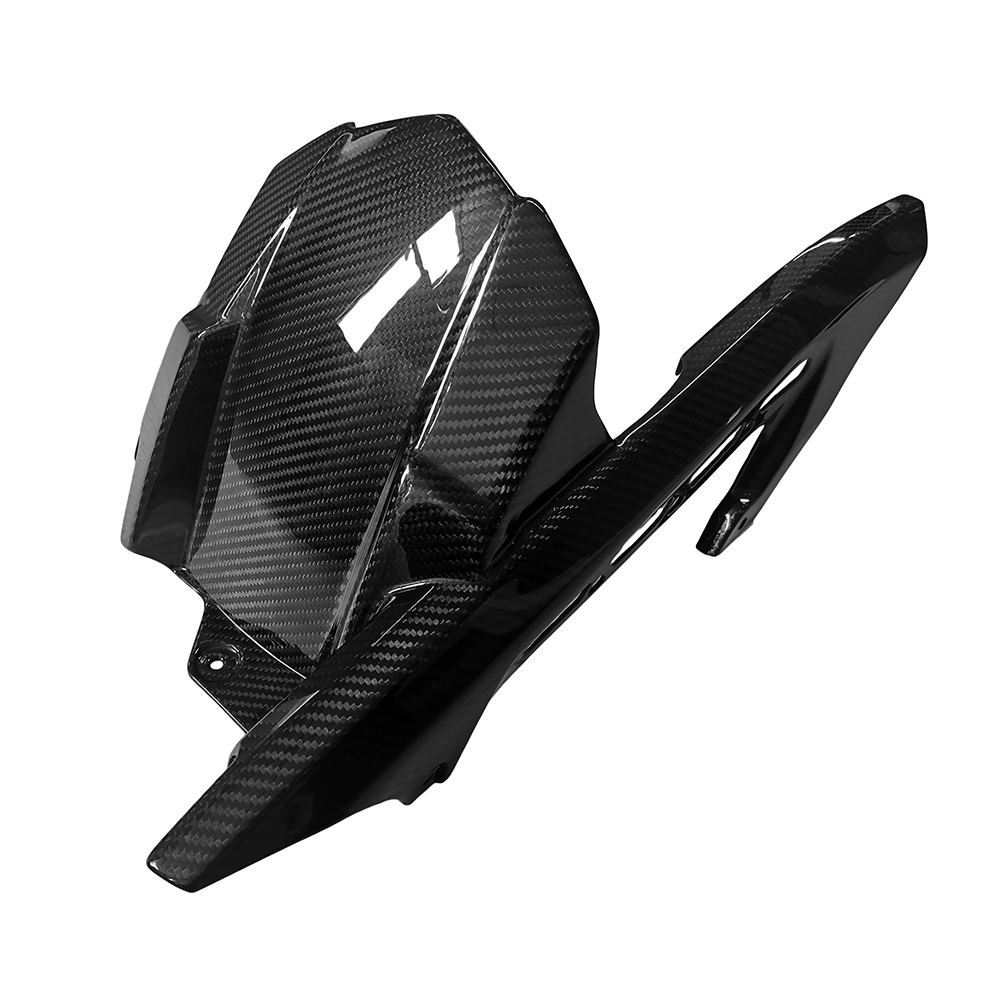
Kawasaki Z900 Z900RS Carbon Fiber Rear Fender
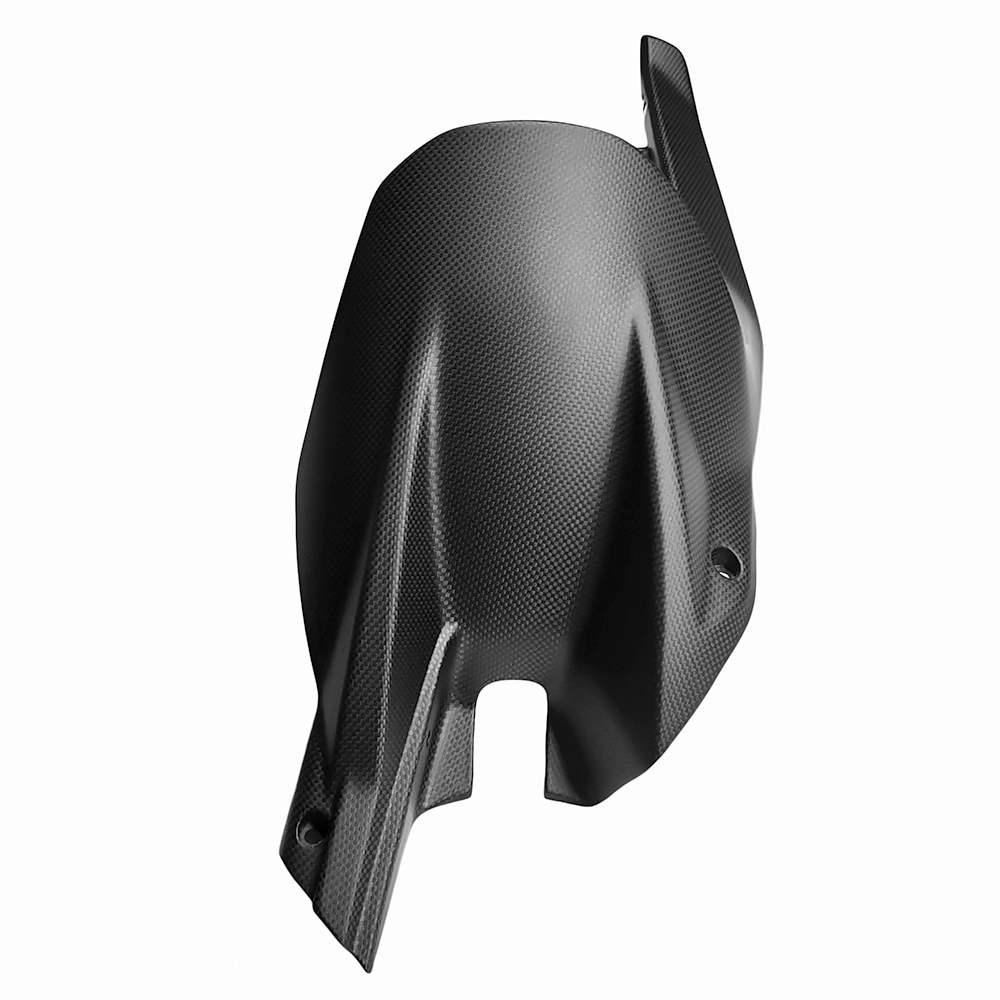
KTM 1290 Super Duke R Carbon Fiber Rear Fender
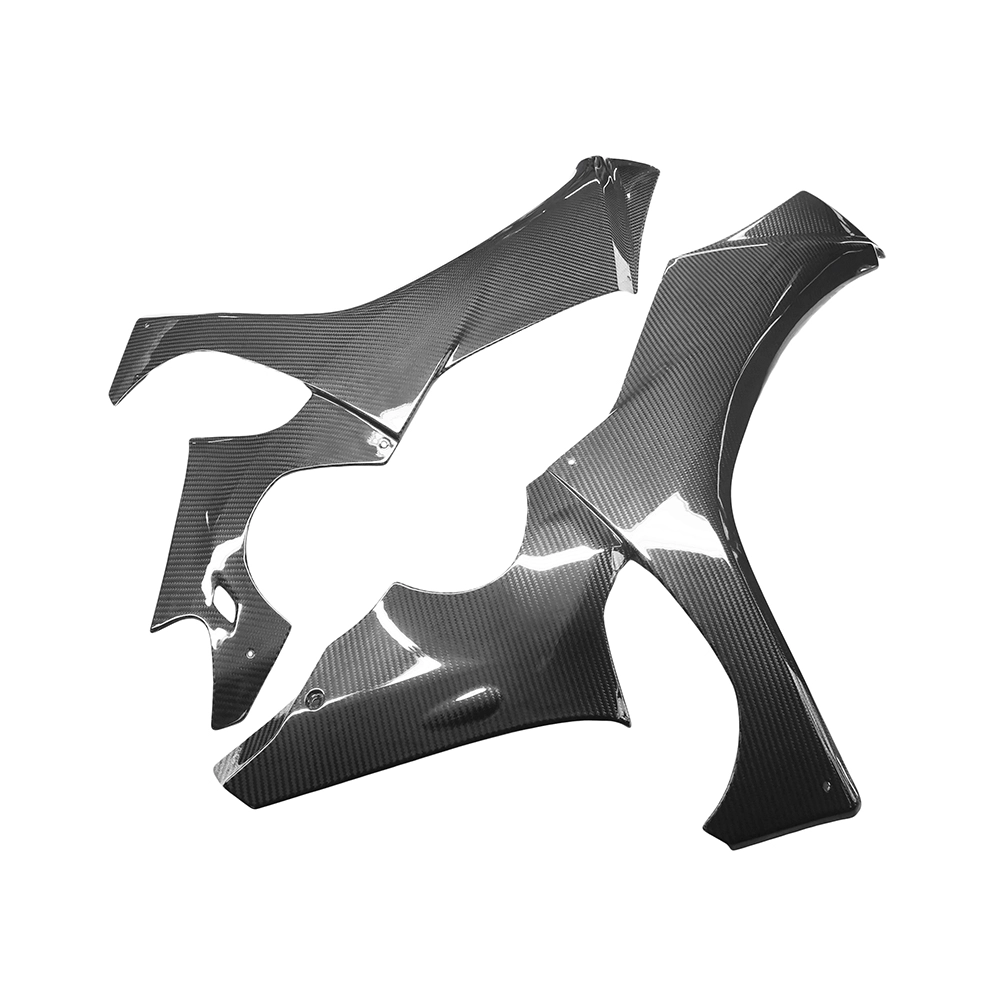
Yamaha R1 Carbon Fiber Side Fairings
Introducing the Supreem Carbon Fiber Long Side Panels for Yamaha R1. Crafted with precision and expertise, this front side fairing is designed to elevate the performance and aesthetics of your R1. Made from high-quality carbon fiber, this fairing is not only lightweight but also incredibly durable, providing optimal protection for your motorcycle.

Supreem Carbon aiming to provide customers with high-performance carbon fiber products and quality services.
Contact Supreem Carbon
Address : Building 1 No.103, Yadi Nan 1st Road, QiaoTou Town, Dongguan City, China.
© 2024 Supreem Carbon All Rights Reserved.
Facebook
Pinterest
LinkedIn
Instagram