

Carbon Fiber vs Stock Rear Fender for KTM 1290: Pros & Cons
- Carbon Fiber Rear Fender vs Stock Fender for KTM 1290 — Quick Overview
- What this comparison covers and why it matters
- Material Differences: Carbon Fiber Rear Fender vs Stock Materials
- Why material matters for a rear fender
- Weight & Performance: How Much Can You Save?
- Real-world impact of swapping to a carbon fiber rear fender
- Durability & Crash Behavior
- How carbon fiber compares to stock plastic under stress
- Fitment & Finish: OEM-Style vs Aftermarket Precision
- What to expect when replacing your KTM 1290 rear fender
- Cost & Value: Upfront Expense and Long-Term Considerations
- Is a carbon fiber rear fender worth the price?
- Maintenance, Repairability & Long-Term Care
- How upkeep differs between carbon fiber and stock fenders
- Aesthetics & Personalization: The Visual Impact of Carbon Fiber Rear Fender
- Why many riders choose carbon fiber for looks
- Safety, Legal & Practical Considerations
- Mounting, registration and road legality
- Comparison Table: Carbon Fiber Rear Fender vs Stock Fender
- Side-by-side comparison to help decide
- Who Should Choose a Carbon Fiber Rear Fender?
- Rider profiles that benefit most
- Brand Advantages: Why Choose the KTM 1290 Super Duke R Carbon Fiber Rear Fender
- What sets this product apart
- Installation & Practical Tips
- How to swap your fender safely and correctly
- FAQ — Frequently Asked Questions
- Will a carbon fiber rear fender change my KTM 1290's handling?
- Is a carbon fiber rear fender legal on public roads?
- Will a carbon fiber fender crack in a low-speed drop?
- How do I repair a scratched or damaged carbon fiber fender?
- Does a carbon fiber rear fender affect resale value?
- Final Recommendation
- Which option should you choose for your KTM 1290?
- Contact / View Product
- See the KTM 1290 Super Duke R Carbon Fiber Rear Fender
- Sources
Carbon Fiber Rear Fender vs Stock Fender for KTM 1290 — Quick Overview
What this comparison covers and why it matters
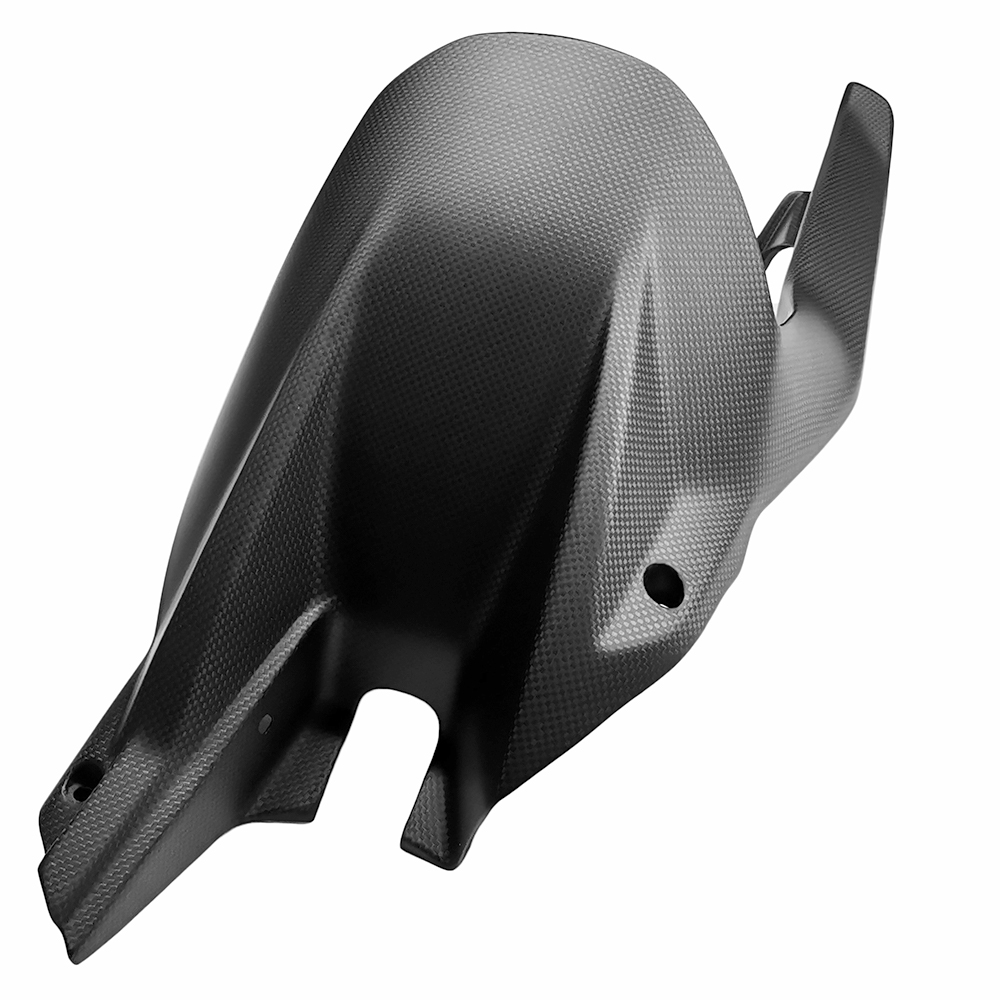
If you own a KTM 1290 Super Duke R and are considering aftermarket upgrades, one of the most visible and performance-relevant swaps is the rear fender. This article compares a carbon fiber rear fender with the stock fender across practical criteria riders care about: weight, strength, fitment, aesthetics, cost, maintenance, and safety. We also introduce the KTM 1290 Super Duke R Carbon Fiber Rear Fender — The perfect accessory to give your bike a unique visual effect and make your bike stand out from the crowd. The goal is to give you a data-informed, rider-focused recommendation so you can decide with confidence.
Material Differences: Carbon Fiber Rear Fender vs Stock Materials
Why material matters for a rear fender
A rear fender's material determines weight, stiffness, susceptibility to impacts and UV, and finish longevity. Stock rear fenders on modern sport bikes like the KTM 1290 typically use injection-molded ABS plastic or thermoplastic blends because they balance cost, manufacturability and flexibility. Aftermarket carbon fiber rear fenders use a carbon-fiber-reinforced polymer (CFRP) construction — either autoclave-cured or resin-infused — to achieve high stiffness-to-weight ratios and a High Quality surface finish.
Weight & Performance: How Much Can You Save?
Real-world impact of swapping to a carbon fiber rear fender
One of the main rationales for installing a carbon fiber rear fender is weight savings. Reducing unsprung and rotating mass improves handling feel and agility. Typical outcomes for fenders:
| Item | Typical Weight (approx.) | Practical Impact |
|---|---|---|
| Stock rear fender (ABS/plastic) | 400–900 g | Durable, economical, modest mass |
| Carbon fiber rear fender (CFRP) | 200–500 g | Lower unsprung mass, sharper handling feel |
Note: exact weights vary by design and whether the fender includes mounting brackets. Sources on composite material advantages and typical part weight ranges are cited at the end. In practice, swapping to a carbon fiber rear fender typically reduces weight by 20–50% for that specific part. That reduction is noticeable in terms of rotational/unsprung mass sensitivity (especially at low-speed flicks and quick direction changes), though it won't transform overall bike weight dramatically.
Durability & Crash Behavior
How carbon fiber compares to stock plastic under stress
Carbon fiber is extremely strong and stiff for its weight, but its failure mode differs from plastic. ABS plastic tends to flex, dent and scuff; when impacted it can crack or deform but often absorbs energy with visible deformation. Carbon fiber composites are less ductile — they can resist higher loads but may crack, delaminate or shatter under severe impact. For riders who drop the bike frequently at low speed, a plastic fender may show minor scuffs rather than a catastrophic break. Conversely, carbon fiber often keeps its shape under high loads and resists long-term creep or sag that some plastics can experience under heat and load.
Fitment & Finish: OEM-Style vs Aftermarket Precision
What to expect when replacing your KTM 1290 rear fender
Fitment matters. High-quality carbon fiber rear fenders made specifically for the KTM 1290 Super Duke R use OEM mounting points and close tolerances; they should fit without modification. Lower-cost generic pieces might require trimming or additional brackets. Finish-wise, carbon fiber fenders generally offer a gloss clearcoat and visible woven pattern (or painted/clear carbon options), delivering a High Quality look. The KTM 1290 Super Duke R Carbon Fiber Rear Fender is designed to fit the bike and provide that distinctive visual upgrade while preserving mounting alignment.
Cost & Value: Upfront Expense and Long-Term Considerations
Is a carbon fiber rear fender worth the price?
Cost is often the deciding factor. Stock replacement fenders are inexpensive, easily available and economical to repair or replace. Quality carbon fiber rear fenders command a higher price because of material costs and production labor (molding, curing, finishing). Consider total value, not only price: a carbon fiber piece can elevate the bike's appearance, improve perceived quality, and potentially help resale among enthusiasts. For track riders and those seeking lightweight performance parts, the price may be justified by measurable handling benefits.
Maintenance, Repairability & Long-Term Care
How upkeep differs between carbon fiber and stock fenders
Carbon fiber rear fenders need the same basic care as painted plastics: regular washing with mild detergent, avoiding harsh solvents that can damage clearcoats, and storing the bike out of prolonged UV when possible. Scratches to a clearcoated carbon finish can often be polished out; deeper delaminations or fiber damage require professional repair. Plastic fenders are generally easier and cheaper to patch or replace. For urban riders exposed to gravel and close-quarters incidents, repair costs for carbon components should be considered.
Aesthetics & Personalization: The Visual Impact of Carbon Fiber Rear Fender
Why many riders choose carbon fiber for looks
Carbon fiber delivers a high-end visual effect that signals performance orientation. The distinctive weave pattern under a glossy clearcoat, or painted options that preserve the weave look, are key reasons riders upgrade. The KTM 1290 Super Duke R Carbon Fiber Rear Fender is marketed specifically to give the bike a unique visual effect and make it stand out from the crowd. For owners wanting a show-quality appearance or a cohesive carbon theme across mirrors, belly pans and fenders, a carbon fiber rear fender is a strong aesthetic choice.
Safety, Legal & Practical Considerations
Mounting, registration and road legality
Ensure any aftermarket rear fender does not obstruct lights, license plate visibility, or violate local road regulations. Carbon fiber replacements designed for the KTM 1290 typically retain necessary clearances for lights and plates, but verify fit before installation. Also confirm that the fender doesn't introduce sharp broken edges in case of failure; reputable manufacturers finish edges and mounting points to maintain safety. If you use the bike on track, confirm the fender meets track-day technical standards (some series require OEM-style spec parts or specific safety features).
Comparison Table: Carbon Fiber Rear Fender vs Stock Fender
Side-by-side comparison to help decide
| Criteria | Carbon Fiber Rear Fender | Stock Fender (ABS / Plastic) |
|---|---|---|
| Weight | Generally 20–50% lighter for the same design (200–500 g) | Heavier (400–900 g typical) |
| Strength-to-weight | High — excellent stiffness and strength per weight | Lower stiffness; more flexible |
| Impact behavior | Can crack/delaminate on high impact | May deform, crack or scuff but often absorbs energy |
| Appearance | High Quality weave/clearcoat or painted carbon look | Functional; painted to match OEM color |
| Cost | Higher upfront cost | Lower cost; economical to replace |
| Repairability | Repairable by specialists; costlier | Easier and cheaper to patch or replace |
| UV / weather resistance | Depends on finish; quality clearcoat needed | Good out-of-box resistance; colorfast with UV-stable plastics |
Sources for material properties and part behavior are listed at the end.
Who Should Choose a Carbon Fiber Rear Fender?
Rider profiles that benefit most
Consider a carbon fiber rear fender if you are any of the following: a spirited street rider or weekend track rider seeking lower rotating/unsprung mass; an owner wanting a high-end visual upgrade; someone building a show or performance-oriented bike; or an enthusiast who values High Quality materials and is prepared for higher cost and specialized repair options. If you primarily commute, are budget-conscious, or need maximum low-cost durability in high-risk environments, stock replacement fenders remain a practical option.
Brand Advantages: Why Choose the KTM 1290 Super Duke R Carbon Fiber Rear Fender
What sets this product apart
The KTM 1290 Super Duke R Carbon Fiber Rear Fender combines tailored fitment, attractive finish and performance-oriented design. Key brand advantages to consider:
- Model-specific fit: Designed for the KTM 1290 Super Duke R to match OEM mounting points and clearances, reducing installation time and the need for modification.
- High Quality finish: High-gloss clearcoat that protects the weave and offers showroom-level appearance.
- Performance-oriented design: Optimized for weight savings without compromising mounting strength.
- After-sales support: Reputable suppliers offer fitment guidance and warranties; check the product page for warranty specifics.
Together these points make the KTM 1290 Super Duke R Carbon Fiber Rear Fender a compelling choice for riders seeking a balance of aesthetics, fit, and functional benefit.
Installation & Practical Tips
How to swap your fender safely and correctly
Installation is straightforward for most riders with a basic tool set. Tips:
- Check that all OEM mounting points line up before tightening — start bolts by hand.
- Use proper torque for aluminum or steel fasteners to avoid crushing carbon-fiber flange areas; consider using threadlocker on vibration-prone bolts.
- Inspect for clearance to the rear wheel and brake light — ensure no rubbing or contact at full suspension travel.
- If unsure, have a professional technician perform the swap to maintain motorcycle safety systems and lighting legality.
FAQ — Frequently Asked Questions
Will a carbon fiber rear fender change my KTM 1290's handling?
Yes, but modestly. The biggest handling change comes from reducing unsprung or rotating mass. A single-part swap like a rear fender won't overhaul handling the way suspension or tire changes will, but you should feel a slightly crisper rear-end response and quicker direction changes, especially at low speeds.
Is a carbon fiber rear fender legal on public roads?
Typically yes, if the fender preserves required clearances for lights and the license plate. Before installing, verify that the replacement does not obstruct or alter required lighting/plate positions per local regulations.
Will a carbon fiber fender crack in a low-speed drop?
It depends on the angle and force. Carbon fiber can crack or delaminate under impact, while plastic may scuff or deform. High-quality carbon components use thicker laminate at high-stress areas and reinforced mounting points to minimize catastrophic failure.
How do I repair a scratched or damaged carbon fiber fender?
Light clearcoat scratches can often be polished out. Deeper fiber damage or delamination requires a composite repair, which is best handled by a specialist. Small chips can sometimes be filled and refinished but expect higher repair costs than plastic.
Does a carbon fiber rear fender affect resale value?
It can increase appeal to performance-minded buyers, but resale impact depends on buyer preferences and overall bike condition. High-quality, well-documented aftermarket parts often add value; poorly fitted or damaged aftermarket parts may reduce appeal.
Final Recommendation
Which option should you choose for your KTM 1290?
If you value a High Quality look, modest weight savings and are comfortable with higher upfront cost and specialized repair options, the KTM 1290 Super Duke R Carbon Fiber Rear Fender is a strong upgrade. If you prioritize low cost, ease of replacement and maximum impact resistance for daily commuting or heavy urban use, the stock or OEM-equivalent plastic fender is a practical choice.
Contact / View Product
See the KTM 1290 Super Duke R Carbon Fiber Rear Fender
Keen to upgrade? The KTM 1290 Super Duke R Carbon Fiber Rear Fender is designed to be the perfect accessory to give your bike a unique visual effect and make your bike stand out from the crowd. Contact our sales team for fitment advice, pricing and warranty info, or visit the product page to view high-resolution photos and installation guides.
Sources
- Composite materials general properties — Composite World: https://www.compositesworld.com/
- Material densities and engineering properties (ABS, carbon composites) — MatWeb Material Property Data: https://www.matweb.com/
- Motorcycle aftermarket carbon parts discussion — Motorcycle.com articles and reviews: https://www.motorcycle.com/
- KTM 1290 Super Duke R specifications and OEM references — KTM official site: https://www.ktm.com/
- Practical guidance on aftermarket part fitment and road legality — Cycle World / Road tests: https://www.cycleworld.com/
For personalized advice or to order the KTM 1290 Super Duke R Carbon Fiber Rear Fender, please contact our customer service or click to view the product page.
Custom carbon fiber motorcycle parts Manufacturers and suppliers
The Ultimate Guide to Carbon Fiber Motorcycle Helmets | Supreem Carbon
What are the application scenarios of carbon fiber barrels?
Custom 350z carbon fiber hood Manufacturers and Suppliers
For Facotry
How many monthly production capacity of the factory?
The average monthly production capacity reach 3000 pieces. With the equipment upgrade, it will be increased over 4000 pieces per month.
Supreem carbon main competitive advantages.
Rich experience
Over 10 years production experience in carbon fiber industry, providing customers with high quality carbon products.
Excellent service
From new project development to customer finished product delivery, we provide customers with full tracking and timely feedback on project progress.
High-Quality Products
Our carbon fiber products undergo rigorous quality control to ensure customers achieve the high quality and cost-effective product.
For Products
Which carbon fiber material you can provide in production?
1*1 plain /2*2 twill / forged carbon / honeycomb / kevlar and so on.
Are you parts have UV protected?
Absolutely! We use multiple layers of premium quality automotive clear (or matt) coats on our products, which ensure that they will remain super pretty for years to come.
For After-sales Service
How can I cancel the order?
We may only cancel your order if it has not been fulfilled yet. We would be more than happy to assist you with any adjustments if you'd wish instead!
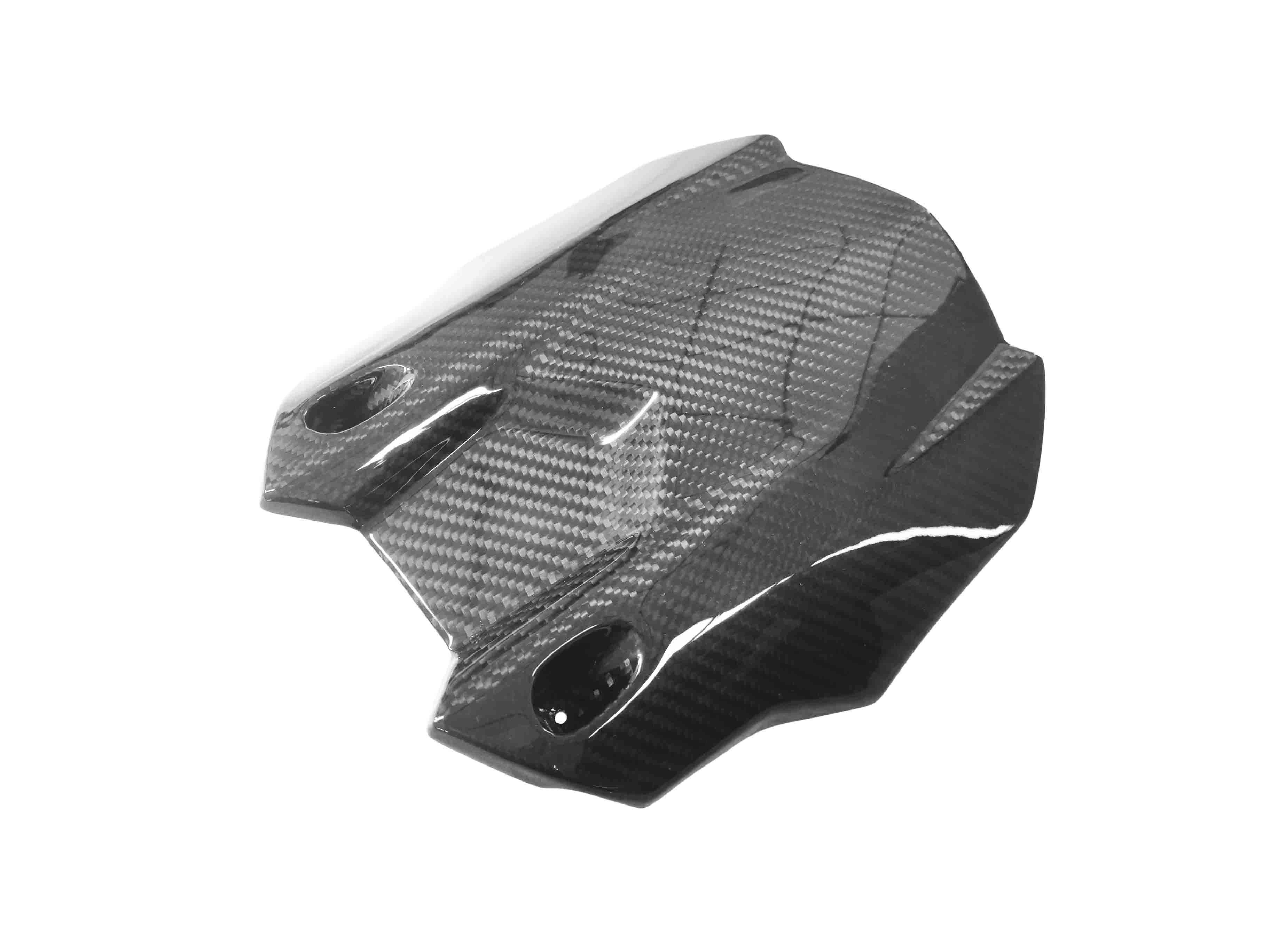
Yamaha R1/R1M Carbon Fiber Rear Fender Hugger Mudguard
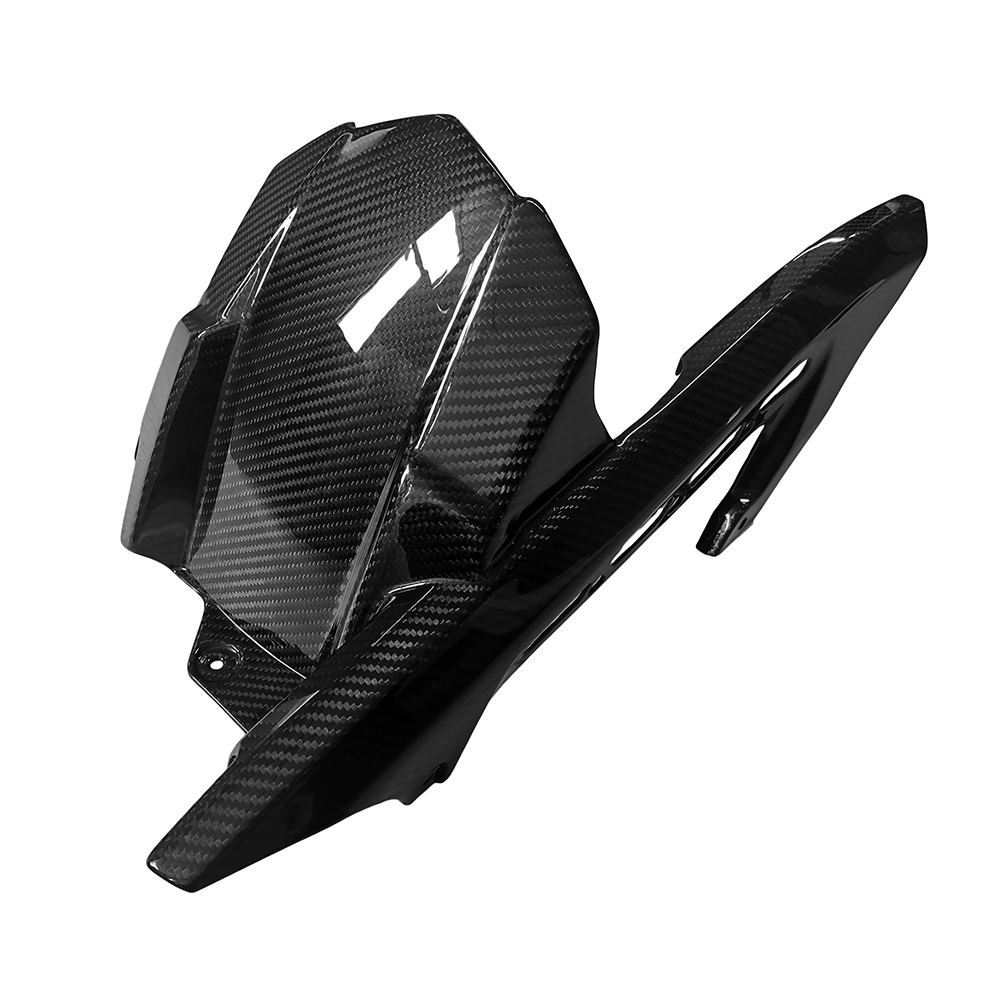
Kawasaki Z900 Z900RS Carbon Fiber Rear Fender
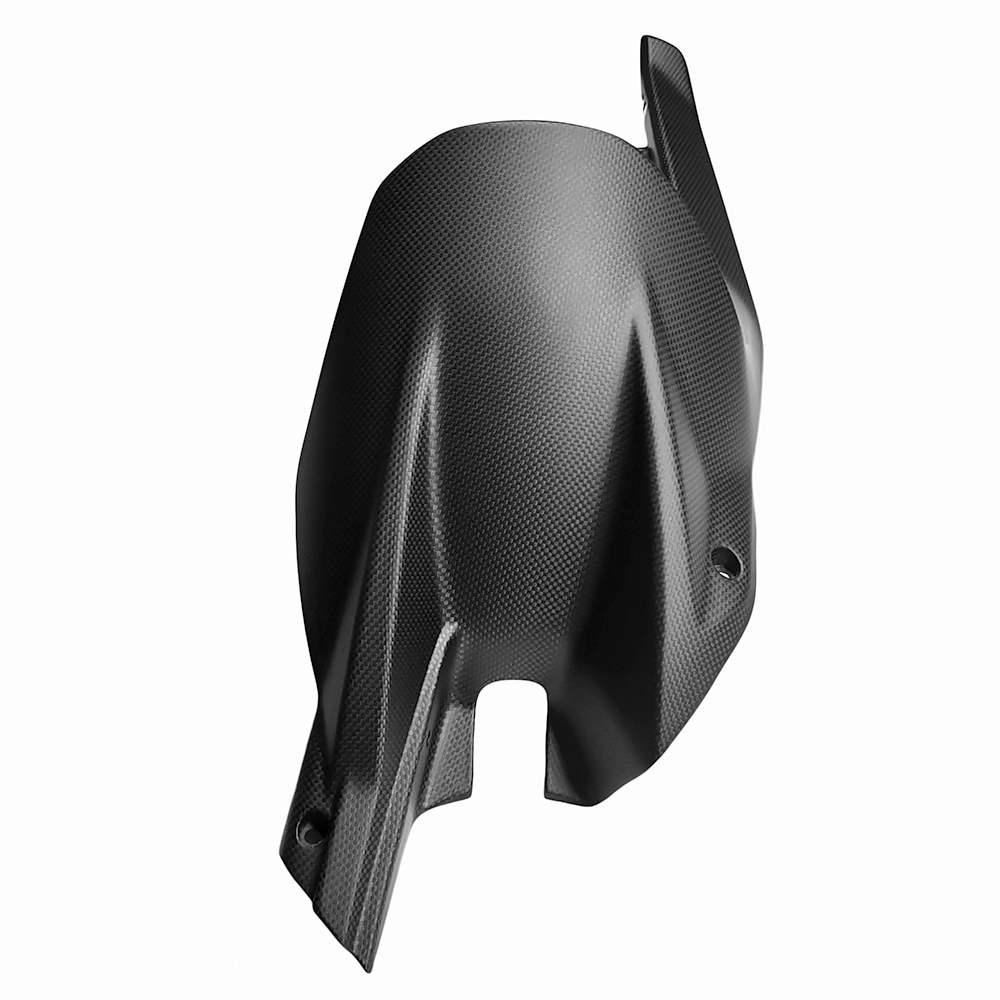
KTM 1290 Super Duke R Carbon Fiber Rear Fender
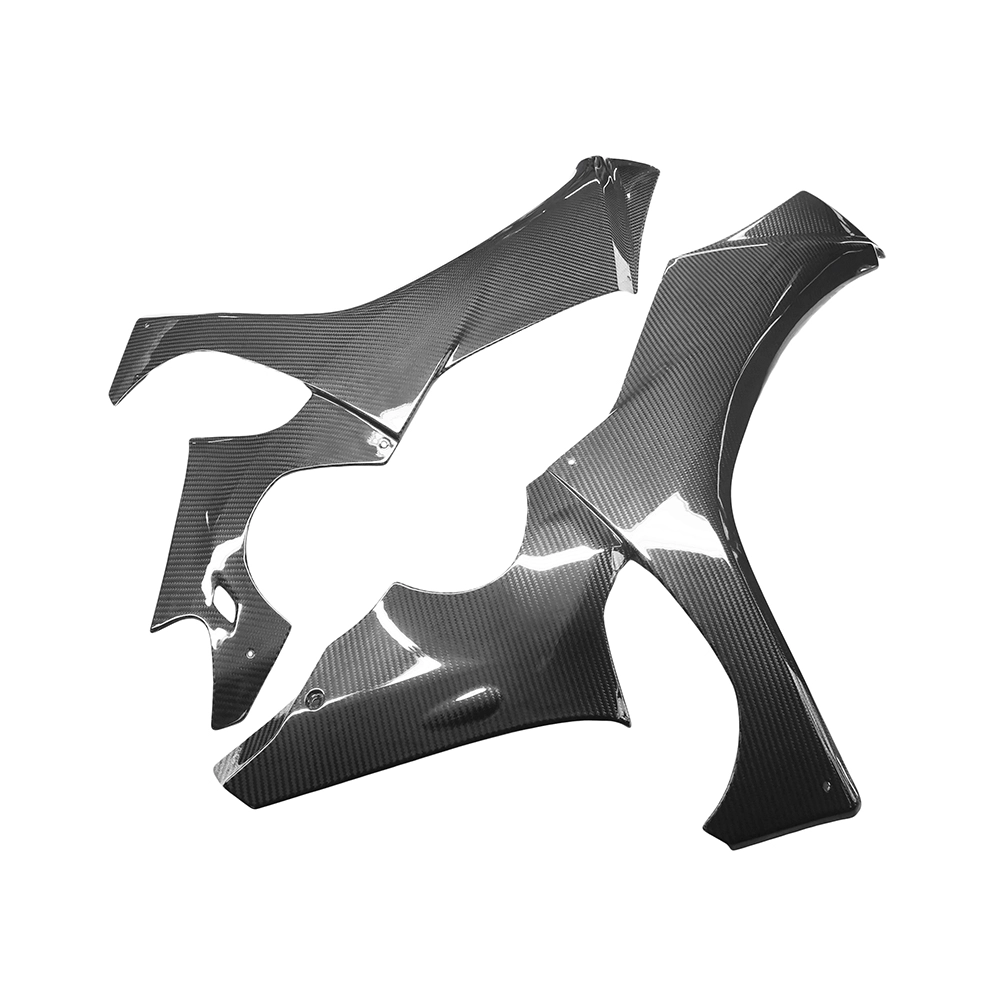
Yamaha R1 Carbon Fiber Side Fairings
Introducing the Supreem Carbon Fiber Long Side Panels for Yamaha R1. Crafted with precision and expertise, this front side fairing is designed to elevate the performance and aesthetics of your R1. Made from high-quality carbon fiber, this fairing is not only lightweight but also incredibly durable, providing optimal protection for your motorcycle.

Supreem Carbon aiming to provide customers with high-performance carbon fiber products and quality services.
Contact Supreem Carbon
Address : Building 1 No.103, Yadi Nan 1st Road, QiaoTou Town, Dongguan City, China.
© 2024 Supreem Carbon All Rights Reserved.
Facebook
Pinterest
LinkedIn
Instagram