

What is dry carbon fiber vs. forged carbon: which to choose?
- Understanding Dry Carbon Fiber and Forged Carbon: A Comprehensive Guide for Carbon Fiber Parts Procurement
- 1. What is Dry Carbon Fiber?
- 2. What is Forged Carbon?
- 3. What Are the Key Differences Between Dry Carbon Fiber and Forged Carbon?
- 4. Which Material Should I Choose for My Application?
- 5. How Do I Ensure Quality When Procuring Carbon Fiber Parts?
- 6. What Are the Advantages of Choosing Supreem Carbon for My Carbon Fiber Parts?
Understanding Dry Carbon Fiber and Forged Carbon: A Comprehensive Guide for Carbon Fiber Parts Procurement
When considering the procurement of carbon fiber parts, it's essential to understand the distinctions between dry carbon fiber and forged carbon. This knowledge will aid in making informed decisions tailored to specific application requirements.
1. What is Dry Carbon Fiber?
Dry carbon fiber refers to carbon fiber components manufactured using pre-impregnated (prepreg) carbon fiber sheets that are cured in an autoclave. This process results in parts with high strength-to-weight ratios and uniform quality.
Key Characteristics:
- Manufacturing Process: Utilizes aerospace-grade prepreg carbon fiber sheets cured under controlled temperature and pressure in an autoclave.
- Mechanical Properties: Offers high tensile strength and rigidity, making it suitable for structural components.
- Applications: Commonly used in aerospace, automotive, and motorsports industries for parts like hoods, roof panels, and structural reinforcements.
2. What is Forged Carbon?
Forged carbon is a composite material made by compressing short, chopped carbon fiber strands mixed with resin under high pressure. This process creates a unique, marble-like appearance and allows for complex part geometries.
Key Characteristics:
- Manufacturing Process: Involves molding random chopped carbon fiber strands with resin under high pressure, resulting in a distinctive marbled texture.
- Mechanical Properties: Provides isotropic strength, offering uniform strength in all directions and enhanced impact resistance.
- Applications: Ideal for non-structural components such as interior panels, trim pieces, and decorative elements in automotive and luxury products.
3. What Are the Key Differences Between Dry Carbon Fiber and Forged Carbon?
Understanding the differences between these two materials is crucial for selecting the appropriate type for your application.
Comparison Table:
| Feature | Dry Carbon Fiber
| Forged Carbon || Manufacturing Process | Aerospace-grade prepreg sheets cured in an autoclave. | Chopped carbon fiber strands compressed with resin under high pressure. | Appearance | Uniform weave patterns (e.g., 2x2 twill) with a glossy finish. | Random, marbled texture with a matte or glossy finish. | ||
|---|---|---|---|---|---|---|---|
| Mechanical Properties | High tensile strength and rigidity; anisotropic strength. | Isotropic strength; enhanced impact resistance. | |||||
| Weight | Lighter due to continuous fiber orientation. | ||||||
| Slightly heavier due to random fiber orientation. | |||||||
| Cost | Generally higher due to complex manufacturing process. | ||||||
| Typically more cost-effective for complex shapes. | |||||||
| Applications | Structural components requiring high strength-to-weight ratio. | Non-structural components where aesthetics and complex shapes are desired. |
4. Which Material Should I Choose for My Application?
The choice between dry carbon fiber and forged carbon depends on the specific requirements of your project.
Considerations:
- Structural Integrity: For parts that require high strength and rigidity, such as chassis components or load-bearing structures, dry carbon fiber is preferred.
- Aesthetics and Design Complexity: If the goal is to achieve a unique, high-end appearance with complex geometries, forged carbon offers greater flexibility and distinctive visual appeal.
- Budget Constraints: Forged carbon may provide a more cost-effective solution for non-structural components, especially when complex shapes are needed.
5. How Do I Ensure Quality When Procuring Carbon Fiber Parts?
Ensuring the quality of carbon fiber parts is vital for performance and safety.
Recommendations:
- Supplier Documentation: Request material datasheets, production process descriptions, and quality assurance protocols from suppliers.
- Mechanical Testing: Obtain sample mechanical test reports, including tensile, compression, and interlaminar shear tests.
- Certifications: Verify that the supplier adheres to industry standards and certifications relevant to your application.
6. What Are the Advantages of Choosing Supreem Carbon for My Carbon Fiber Parts?
Supreem Carbon offers several benefits for clients seeking high-quality carbon fiber components.
Advantages:
- Integrated R&D and Production: Supreem Carbon integrates research and development with production, ensuring faster iteration on customized tooling and controlled manufacturing processes.
- Experienced Team: With a team of 45 skilled production and technical staff, Supreem Carbon has extensive experience in composite fabrication and quality control.
- Comprehensive Product Range: Offering over 1,000 product SKUs, including more than 500 customized carbon fiber parts, Supreem Carbon caters to a wide array of automotive and motorcycle applications.
- Quality Assurance: Supreem Carbon emphasizes strict quality control, producing parts that meet high standards for both aesthetic appeal and functional performance.
For more information on Supreem Carbon's offerings, visit their website at (https://www.supreemcarbon.com/).
References:
- (https://www.supreemcarbon.com/article/dry-carbon-vs-forged-carbon.html)
- (https://scopione.com/carbon-fiber-comparison-guide/)
- (https://www.rwcarbon.com/blog/2022/04/25/traditional-carbon-fiber-vs-forged-carbon-find-your-look/)
- (https://www.smicomposites.com/forged-carbon-fiber-vs-carbon-fiber-what-sets-them-apart/)
- (https://www.easycomposites.us/learning/mechanical-properties-of-forged-carbon-fiber)
- (https://carbonfiberfriend.com/forged-carbon-fiber-vs-carbon-fiber-strength/)
- (https://www.supreemcarbon.com/guides/understanding-dry-carbon-fiber-guide.html)
- (https://www.rsic6.com/blogs/carbon-fiber-news/carbon-fiber-types-guide)

How Long Does Carbon Fiber Last? Unveiling the Durability of a Tech Marvel
What Are the Most Common Uses of Carbon Fiber in 2025?
How Long Do Carbon Fiber Parts Last? | Supreem Carbon

The Ultimate Guide to Carbon Fiber in Aerospace Applications
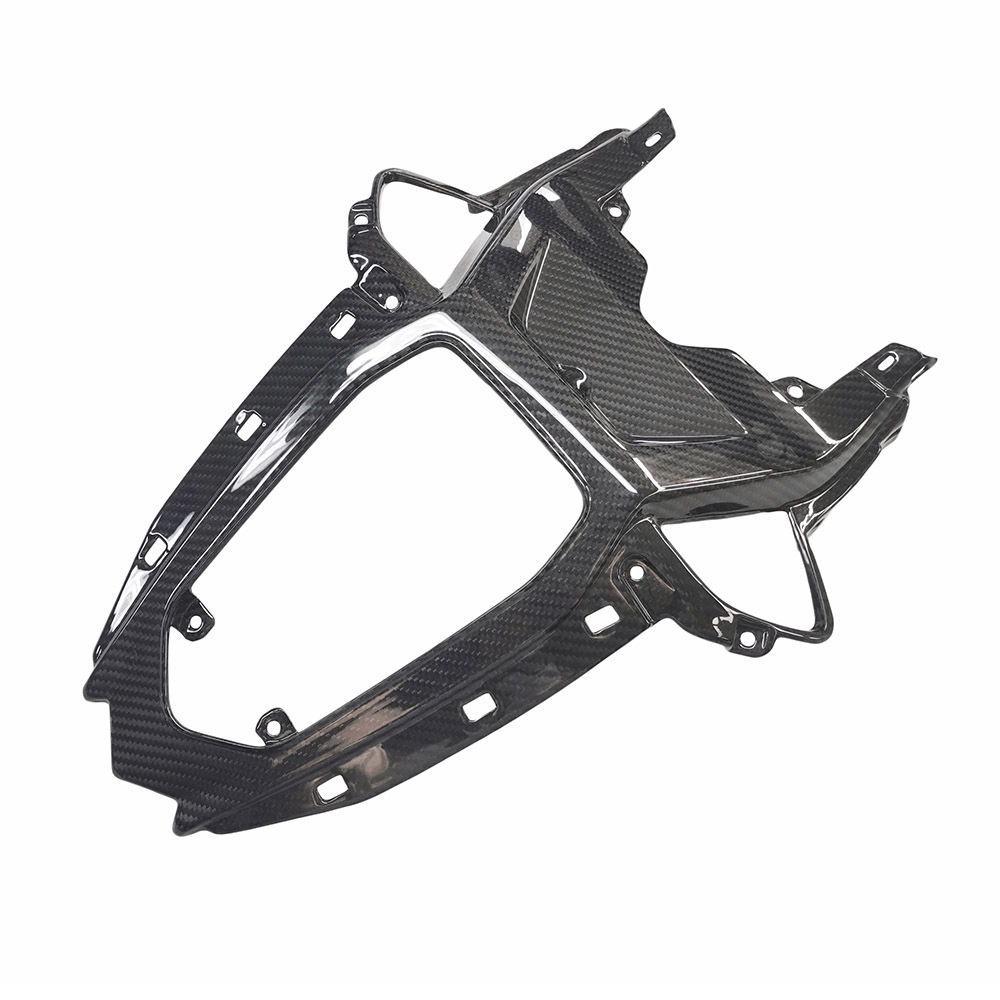
What are the Applications of Carbon Fiber in BMW Cars

Customize Your Ride: Top Makers of Automotive Carbon Fiber Parts
For Customized Service
How long does the customized products order take?
This depends on the complexity and mold production cycle of the product. The first sample will be ready in 2-3 weeks after mold finished.
What is the customization process of carbon fiber products?
1. Customer provide 3D drawing, design requirement or idea
2. Technician evaluate project feasibility and provide a quotation
3. Project confirmation and arrange sample production
4. Delivery and customer feedback
5. Big scale orders production
For After-sales Service
Do you offer the fitting advice?
Of course! If you have any questions, please contact us on info@supreemcarbon.com.
For Products
Which surface could you provide for the carbon parts?
Gloss finish, matte finish, satin finish. Some color coating as the customer needs.
For Facotry
When is Supreem carbon founded?
Our company formally established in early 2017.
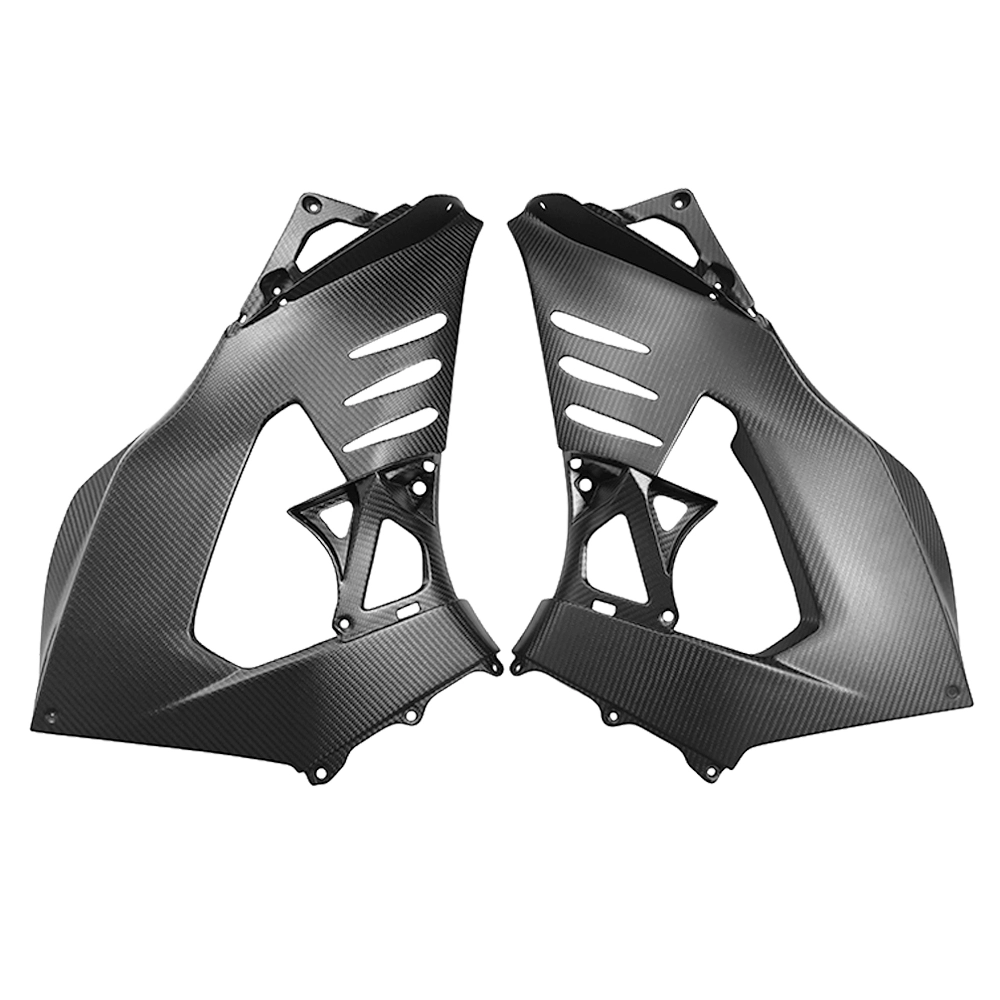
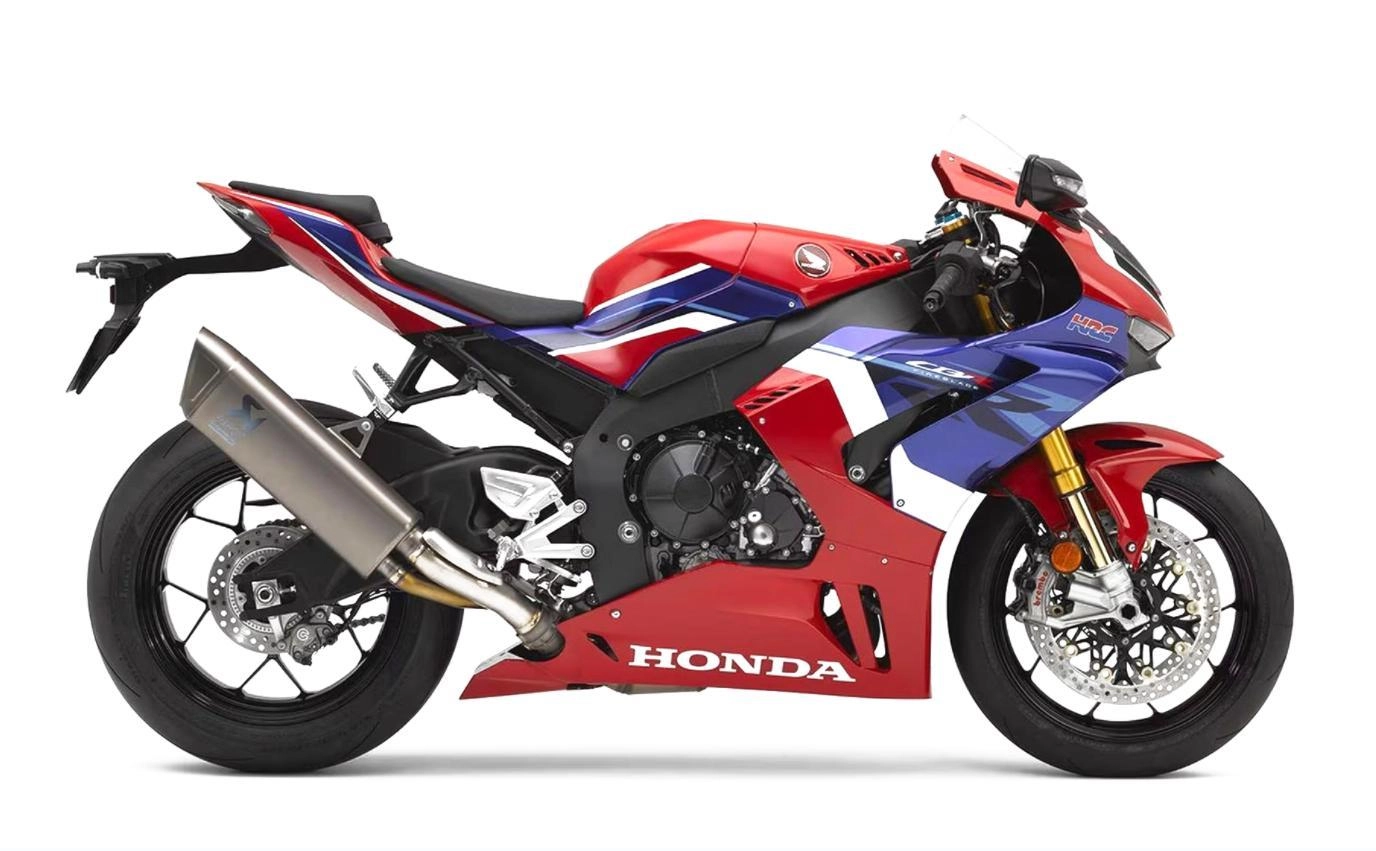
Honda CBR1000RR-R Carbon Fiber Side Fairing
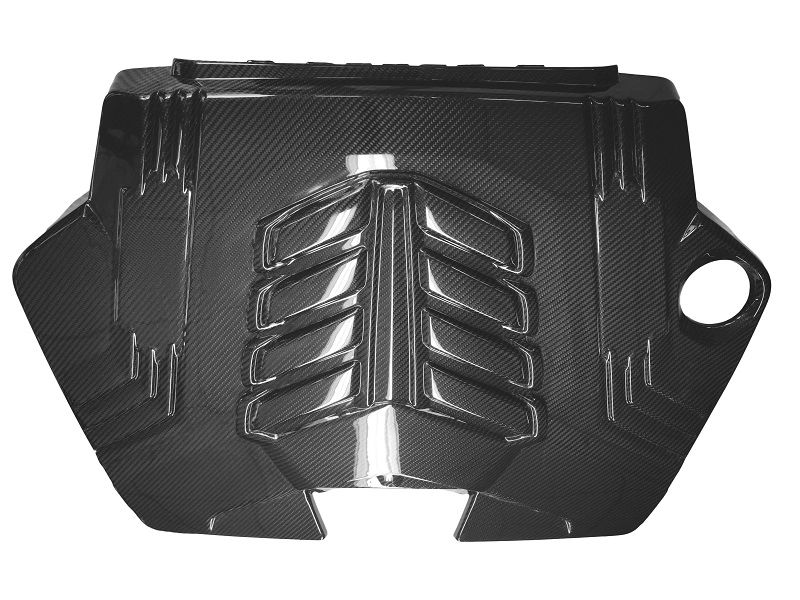
Lamborghini Urus Carbon Fiber Engine Bay Panel
Enhance the visual appearance of your Urus engine bay with these custom carbon fiber engine covers. 100% handmade and a 1:1 copy of the original part, which retains all OEM screw mounting points. Elevate your driving experience with this exquisite addition, showcasing unparalleled craftsmanship and enhancing the allure of your Urus’s engine bay.
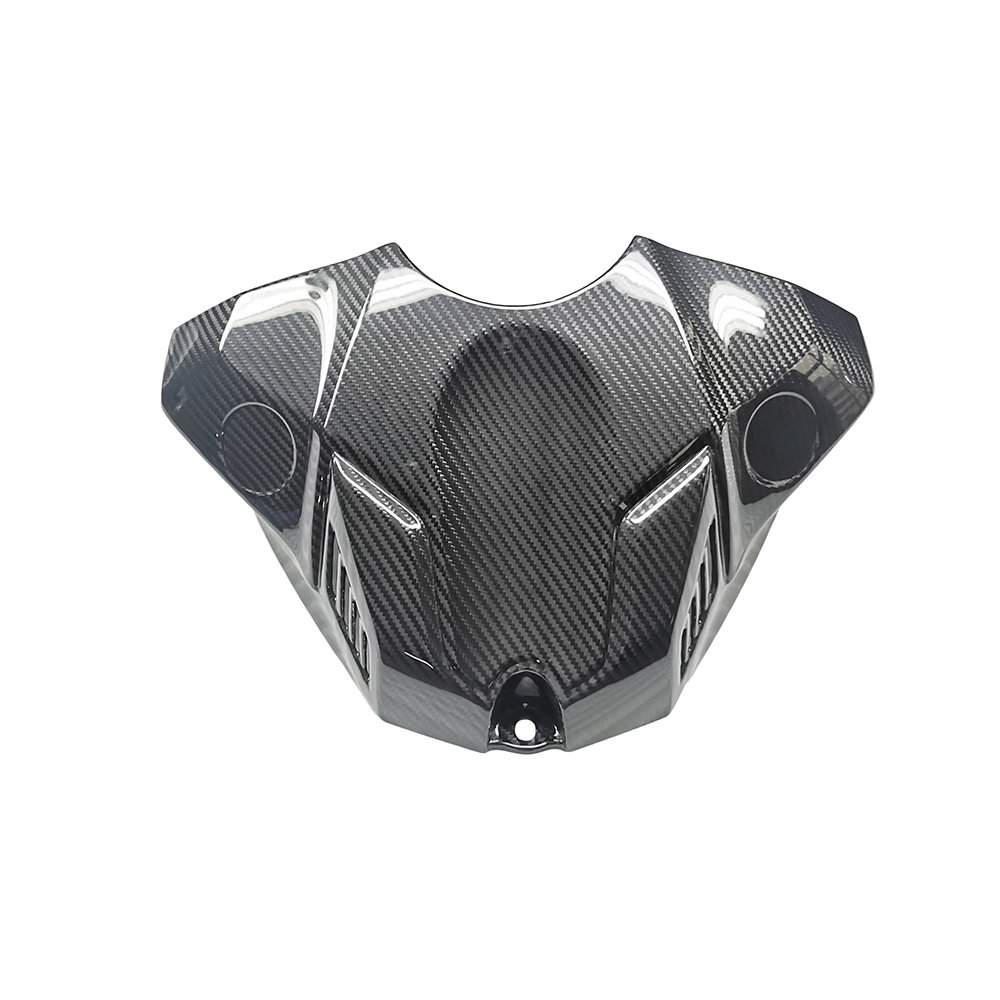
Yamaha R1 Carbon Fiber Airbox Tank Cover
The Supreem Carbon Yamaha R1 Carbon Fiber Airbox Tank Cover provides lightweight, durable protection with a sleek finish. Designed for R1 models, it enhances the style and performance of your bike. Its lightweight structure improves performance while maintaining the premium aesthetics necessary for high-end modification projects. As a dedicated manufacturer of carbon fiber parts, we provide stable production capacity, customization options, and strict quality control to support enterprise-level procurement and OEM/ODM needs.
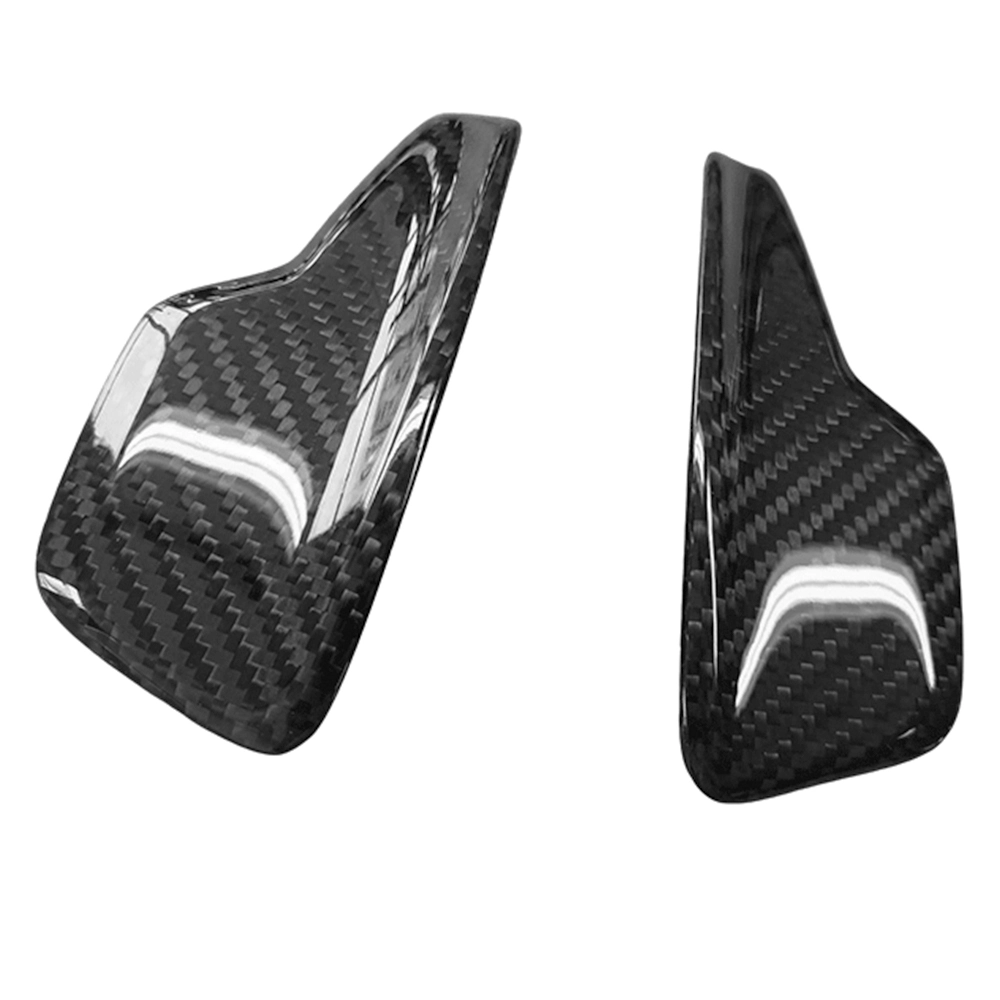
Chevrolet Corvette C8 Carbon Fiber Paddle Shifters
Let’s Bring Your Carbon Fiber Ideas to Life
Have a question or inquiry about our carbon fiber composite products? Leave us a message here, and our team will get back to you promptly.
Whether you're interested in custom orders, technical specifications, or partnership opportunities, we're here to assist you.
Please fill out the fields above with your name, email address, and message.

Supreem Carbon aiming to provide customers with high-performance carbon fiber products and quality services.
Contact Supreem Carbon
Address : Building 1 No.103, Yadi Nan 1st Road, QiaoTou Town, Dongguan City, China.
© 2024 Supreem Carbon All Rights Reserved.
Facebook
Pinterest
LinkedIn
Instagram