

Buying Guide: Carbon Fiber Sheets and Tubes Explained
- Buying Guide: Carbon Fiber Sheets and Tubes — What You Need to Know
- Why Choose Carbon Fiber Sheets and Tubes for Your Project
- Materials and Manufacturing: How Carbon Fiber Sheets and Tubes Are Made
- Mechanical Performance: Comparing Carbon Fiber Sheets and Tubes
- Key Differences at a Glance
- How to Select the Right Carbon Fiber Sheets and Tubes for Your Application
- Finishing, Joining and Machining Carbon Fiber Sheets and Tubes
- Cost, Lead Times and Sustainability Considerations for Carbon Fiber Sheets and Tubes
- Supreem Carbon High-Quality Custom Carbon Fiber Sheets and Tubes — Product Overview
- Brand Advantage: Why Supreem Carbon for Carbon Fiber Sheets and Tubes
- Frequently Asked Questions (FAQ) about Carbon Fiber Sheets and Tubes
- Q: What is the difference between carbon fiber sheets and tubes?
- Q: Can I machine carbon fiber sheets and tubes like metal?
- Q: How do I join carbon fiber parts?
- Q: Are carbon fiber components repairable?
- Q: How do I specify tolerances and finishes?
- Q: Can Supreem Carbon provide custom layups and testing documentation?
- Contact Supreem Carbon — Request a Quote or View Products
- Authoritative References and Further Reading
Buying Guide: Carbon Fiber Sheets and Tubes — What You Need to Know
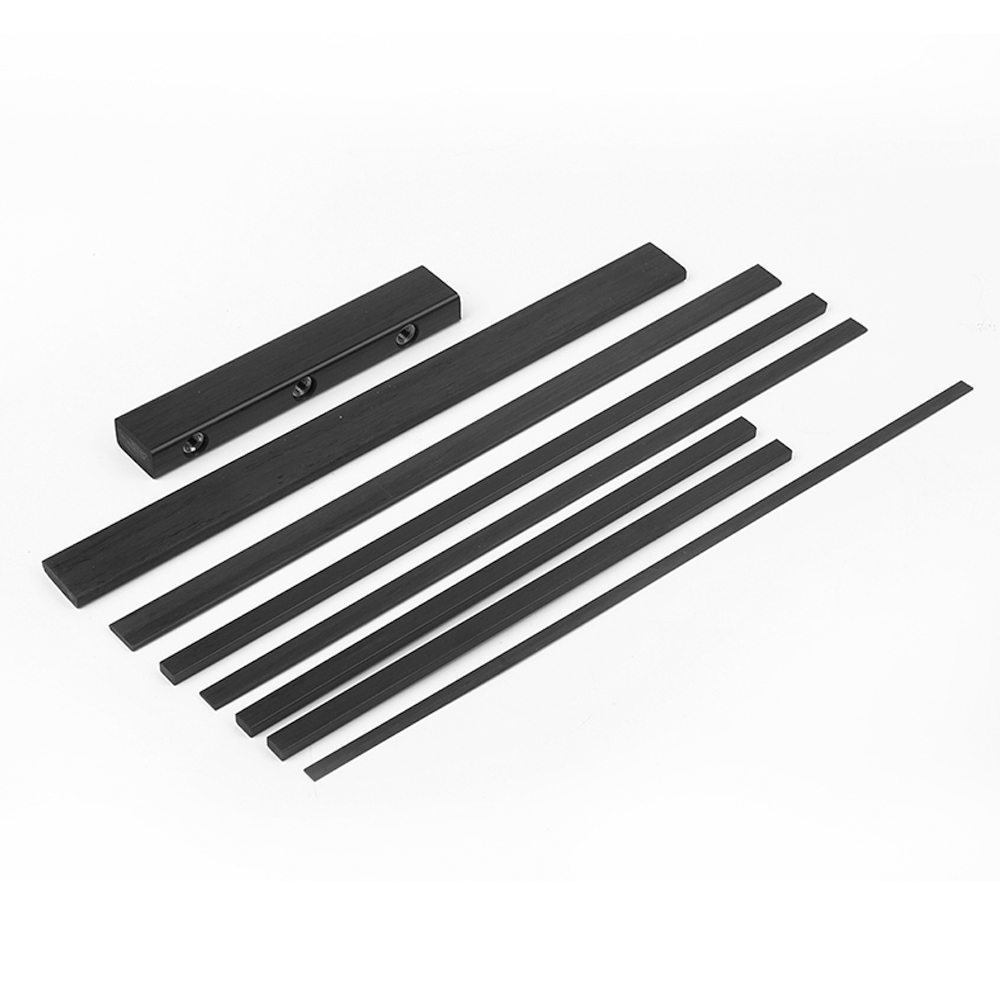
Carbon Fiber Sheets and Tubes are now central components in applications that demand high strength, low weight, and design flexibility. Whether you're an engineer specifying parts for aerospace, a designer building high-performance consumer products, or a fabricator prototyping industrial equipment, this guide explains the practical differences between sheets and tubes, how to choose the right materials and processes, and why Supreem Carbon High-Quality Custom Carbon Fiber Sheets and Tubes can simplify your sourcing and fabrication needs.
Why Choose Carbon Fiber Sheets and Tubes for Your Project
Carbon Fiber Sheets and Tubes offer a unique combination of properties that often outperform metals and plastics for many high-performance applications. Key advantages include an exceptional strength-to-weight ratio, excellent stiffness, corrosion resistance, and the ability to be tailored to specific mechanical requirements through fiber orientation and resin selection. For many industries — automotive, aerospace, sporting goods, industrial machinery, and consumer electronics — switching to carbon fiber often yields benefits such as lower mass for improved efficiency, longer fatigue life, and greater design freedom.
Materials and Manufacturing: How Carbon Fiber Sheets and Tubes Are Made
Understanding manufacturing methods helps you match performance to price. The two most common composite formats are sheets (flat laminates/plates) and tubes (hollow cylindrical laminates). Both begin with carbon fiber reinforcements (woven fabrics, unidirectional tows, or non-crimp fabrics) impregnated with a thermoset resin (typically epoxy) or thermoplastic matrix. Common manufacturing modes:
- Hand Layup / Vacuum Bagging — Common for prototypes and small runs of Carbon Fiber Sheets and Tubes; flexible but labor-intensive.
- Prepreg and Autoclave — Pre-impregnated fibers cured under heat and pressure produce high-quality, consistent sheets and tubes with superior fiber volume fractions and mechanical properties.
- Filament Winding — Often used for Carbon Fiber Tubes, delivering excellent circumferential strength and consistent wall thickness.
- Resin Transfer Molding (RTM) — Suitable for complex shapes and higher-volume parts; can produce quality sheets and closed-section tubes.
Material choices (fiber type, weave pattern, resin system) and process selection impact final properties, tolerances, and cost. For critical applications, opt for prepreg/autoclave or controlled RTM processes to ensure consistent mechanical performance.
Mechanical Performance: Comparing Carbon Fiber Sheets and Tubes
Sheets and tubes are optimized for different load cases and geometries. Use the right shape for the loads your part will see:
- Carbon Fiber Sheets: Best for bending, panel stiffness, and complex curved laminates. Sheets allow tailored layups where fiber orientation is set layer-by-layer to control in-plane stiffness and strength.
- Carbon Fiber Tubes: Ideal for axial loads, torsion resistance, and structures requiring minimal weight and high moment of inertia (e.g., drive shafts, roll cages, bike frames).
Key Differences at a Glance
| Attribute | Carbon Fiber Sheets | Carbon Fiber Tubes |
|---|---|---|
| Primary Strength Direction | Tailorable (biaxial/uni-directional) | Axial and circumferential (controlled by winding/layup) |
| Typical Uses | Panels, skins, molds, brackets | Shafts, booms, frames, roll cages |
| Manufacturing Methods | Layup, prepreg/autoclave, compression molding | Filament winding, mandrel layup, pultrusion |
| Thickness / Wall Range | 0.3 mm to 25+ mm (stacked laminates) | 0.5 mm to 20+ mm (depending on diameter) |
| Typical Tolerances | ±0.1 mm to ±0.5 mm (controlled processes tighter) | Dimensional variability depends on process; ±0.2 mm to ±1.0 mm typical |
| Cost | Generally lower for flat panels per unit area | Higher per linear meter for complex layups or small diameters |
How to Select the Right Carbon Fiber Sheets and Tubes for Your Application
Selection should be driven by functional requirements rather than aesthetics alone. Key criteria to evaluate:
- Load Case — Determine dominant loads (tension, compression, bending, torsion) and choose sheets or tubes accordingly.
- Stiffness vs. Strength Tradeoff — Adjust fiber orientation and resin to meet stiffness or strength requirements. Unidirectional fibers boost stiffness/strength along a single axis; woven fabrics add multi-directional stability.
- Mass and Form Factor — Tubes typically deliver high bending stiffness for minimal mass; sheets allow flat or contoured panels with precise lamination stacks.
- Dimensional Tolerance and Surface Finish — For mating parts and cosmetic surfaces, specify prepreg/autoclave products and post-processing options (sanding, clear coat).
- Environmental Exposure — Select resins with UV resistance or protective coatings where weather or chemicals are a concern.
- Budget and Volume — Balance process choice (hand layup vs. RTM vs. prepreg) against required volumes and part performance.
Finishing, Joining and Machining Carbon Fiber Sheets and Tubes
Working with carbon fiber requires different techniques from metals. Proper finishing, bonding, and joining ensure structural integrity:
- Cutting and Machining — Use diamond or carbide tooling with high spindle speeds and proper dust extraction. Avoid delamination by supporting the part during cuts and using sacrificial backing when necessary.
- Joining and Fastening — Adhesive bonding with structural epoxies is common for Carbon Fiber Sheets and Tubes, especially where continuous load paths are needed. Mechanical fasteners require through-lamination reinforcement (bushings, inserts) to prevent bearing failure.
- Sealing and Surface Protection — For exposed surfaces, apply UV-stable clear coats or gelcoats; epoxy resins alone can yellow over time under sunlight.
Cost, Lead Times and Sustainability Considerations for Carbon Fiber Sheets and Tubes
Cost is driven by fiber type (standard modulus vs. IM/AS fibers), resin system, process complexity, and volume. Typical considerations:
- Raw Material Costs — Carbon fiber remains more expensive than common metals, though costs fall with higher-volume production and newer manufacturing techniques.
- Manufacturing Time — Prepreg/autoclave parts require controlled cure cycles; filament wound tubes can be produced quickly for repeated diameters.
- Sustainability — Carbon fiber is lightweight and can reduce fuel consumption in transport applications, translating to lifecycle environmental benefits. End-of-life recycling is improving but still limited; consider design for disassembly and recyclable matrix systems where possible.
Supreem Carbon High-Quality Custom Carbon Fiber Sheets and Tubes — Product Overview
Supreem Carbon High-Quality Custom Carbon Fiber Sheets and Tubes are tailored to deliver precision, performance, and consistency for demanding applications. Our product offering includes a range of prepreg and RTM sheets and filament-wound or mandrel-layup tubes with customizable fiber orientations, thicknesses, diameters, and surface finishes to meet specific engineering requirements.
Carbon fiber tubes and sheets are widely used across industries thanks to their exceptional strength, lightweight construction, and versatile performance. These materials enable high-precision, durable, and innovative solutions for automotive, aerospace, industrial, and consumer applications.
Why choose Supreem Carbon's custom solutions?
- Custom layups to match stiffness and strength targets
- Tight dimensional controls for mating assemblies and shafts
- Range of surface finishes — from raw matte to polished and clear-coated cosmetic surfaces
- Engineering support for design for manufacture (DFM) and process selection
- Small-batch prototyping to full production runs
Brand Advantage: Why Supreem Carbon for Carbon Fiber Sheets and Tubes
Supreem Carbon High-Quality Custom Carbon Fiber Sheets and Tubes combine technical expertise with manufacturing flexibility. Key advantages include:
- Engineering-led customization — We help optimize layups and manufacturing choices for your specific load cases and budgets.
- Quality controls — Consistent fiber volume fraction, controlled cure cycles, and inspection routines reduce part variability.
- Comprehensive services — From prototyping to certification-ready production batches with documentation and traceability.
- Responsive lead times — Efficient scheduling and scalable production to meet project timelines.
Frequently Asked Questions (FAQ) about Carbon Fiber Sheets and Tubes
Q: What is the difference between carbon fiber sheets and tubes?
A: Carbon Fiber Sheets are flat laminates designed for panels, skins, and contoured surfaces; they allow tailor-made ply stacking to control in-plane properties. Carbon Fiber Tubes are hollow cylindrical laminates optimized for axial loads, torsion, and structures requiring high bending stiffness for low weight.
Q: Can I machine carbon fiber sheets and tubes like metal?
A: No. Carbon fiber requires specific tooling (diamond or carbide) and cutting parameters to prevent delamination and fiber pullout. Dust control is essential for safety and part quality.
Q: How do I join carbon fiber parts?
A: Adhesive bonding with structural epoxies is common and often stronger than mechanical fastening alone. Where bolts are needed, use inserts or metal reinforcement to distribute loads. Design fastener locations to avoid excessive stress concentrations.
Q: Are carbon fiber components repairable?
A: Many carbon fiber parts can be repaired using localized patching with compatible prepreg or wet-lay systems and proper curing. Repairability depends on damage type, laminate thickness, and application criticality.
Q: How do I specify tolerances and finishes?
A: For critical assemblies, specify tolerance bands based on manufacturing method; prepreg/autoclave provides the tightest tolerances. For cosmetic surfaces, request specific finish levels and protective coatings such as clear coats or painted finishes.
Q: Can Supreem Carbon provide custom layups and testing documentation?
A: Yes. Supreem Carbon offers tailored layups, prototyping, and testing documentation including material certificates and process traceability to support engineering validation and certification needs.
Contact Supreem Carbon — Request a Quote or View Products
If you are ready to source Carbon Fiber Sheets and Tubes or want engineering assistance with part design and process selection, contact Supreem Carbon today. Request a quote, ask for layup recommendations, or view our product catalog for standard and custom options. Our team provides technical consultation, sample parts, and production scheduling to meet your project deadlines.
Authoritative References and Further Reading
- Carbon fiber — Wikipedia: https://en.wikipedia.org/wiki/Carbon_fiber
- Carbon-fiber-reinforced polymer — Wikipedia: https://en.wikipedia.org/wiki/Carbon-fiber-reinforced_polymer
- CompositesWorld (industry news and manufacturing insight): https://www.compositesworld.com/
- National Composites Centre (UK) — Technology and guidance: https://www.nccuk.com/
- ASM International — Materials information: https://www.asminternational.org/
- Society of Automotive Engineers (SAE) — Standards and papers: https://www.sae.org/
Carbon Fiber Helmet vs. Composite: Safety and Weight Comparison
What are the application scenarios of carbon fiber cello?
How to Tell Dry Carbon from Wet Carbon Parts
Best professional carbon fiber insoles manufacturers and supplier brands
For Customized Service
How long does the customized products order take?
This depends on the complexity and mold production cycle of the product. The first sample will be ready in 2-3 weeks after mold finished.
For Products
Supreem Carbon parts produce by 100% carbon?
Yes,all products are made from full carbon with dry carbon.
For Facotry
How many employees of Supreem carbon?
We have over 50 employees, including over 40 skilled workers, 3 R&D designers, and 5 QC professionals and so on.
How many monthly production capacity of the factory?
The average monthly production capacity reach 3000 pieces. With the equipment upgrade, it will be increased over 4000 pieces per month.
For After-sales Service
Do you offer a warranty?
Six month standard warranty on all products. Damage due to installation error or natural elements will not be covered.
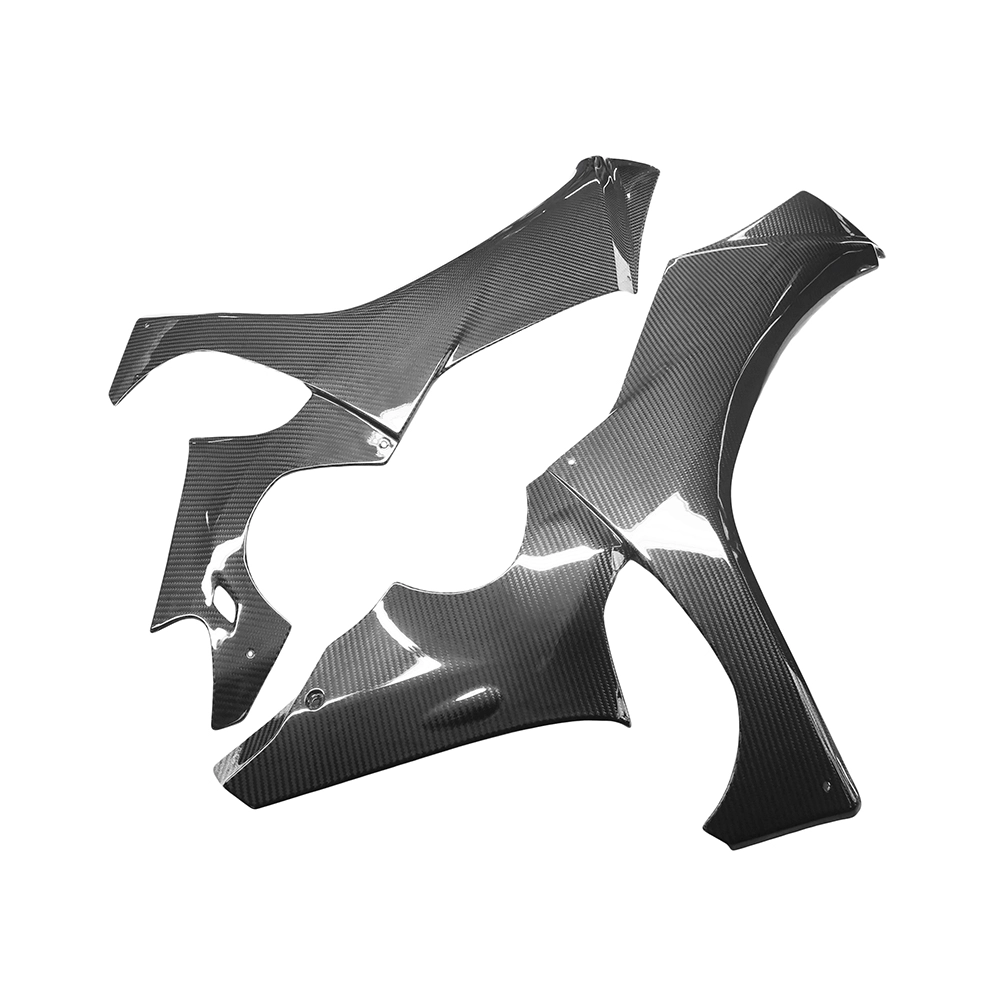
Yamaha R1 Carbon Fiber Side Fairings
Introducing the Supreem Carbon Fiber Long Side Panels for Yamaha R1. Crafted with precision and expertise, this front side fairing is designed to elevate the performance and aesthetics of your R1. Made from high-quality carbon fiber, this fairing is not only lightweight but also incredibly durable, providing optimal protection for your motorcycle.
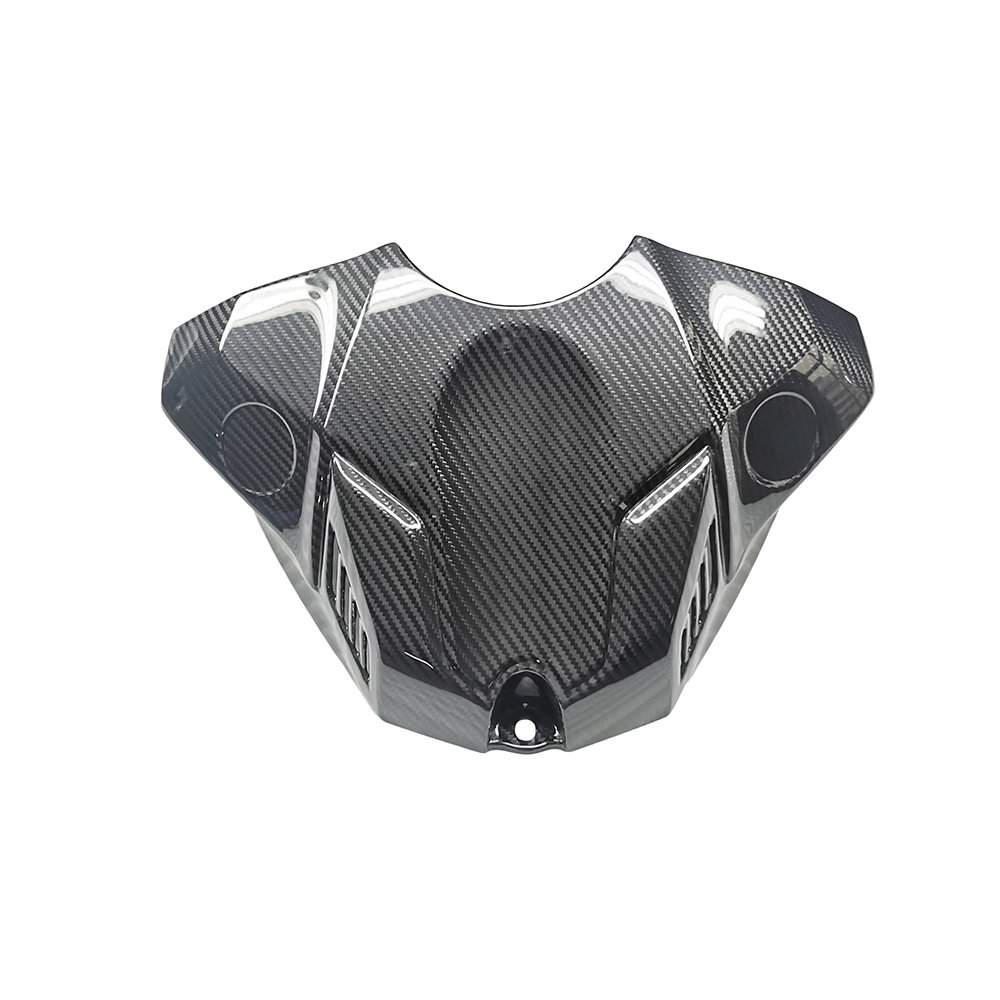
Yamaha R1 Carbon Fiber Airbox Tank Cover
The Supreem Carbon Yamaha R1 Carbon Fiber Airbox Tank Cover provides lightweight, durable protection with a sleek finish. Designed for R1 models, it enhances the style and performance of your bike. Its lightweight structure improves performance while maintaining the premium aesthetics necessary for high-end modification projects. As a dedicated manufacturer of carbon fiber parts, we provide stable production capacity, customization options, and strict quality control to support enterprise-level procurement and OEM/ODM needs.
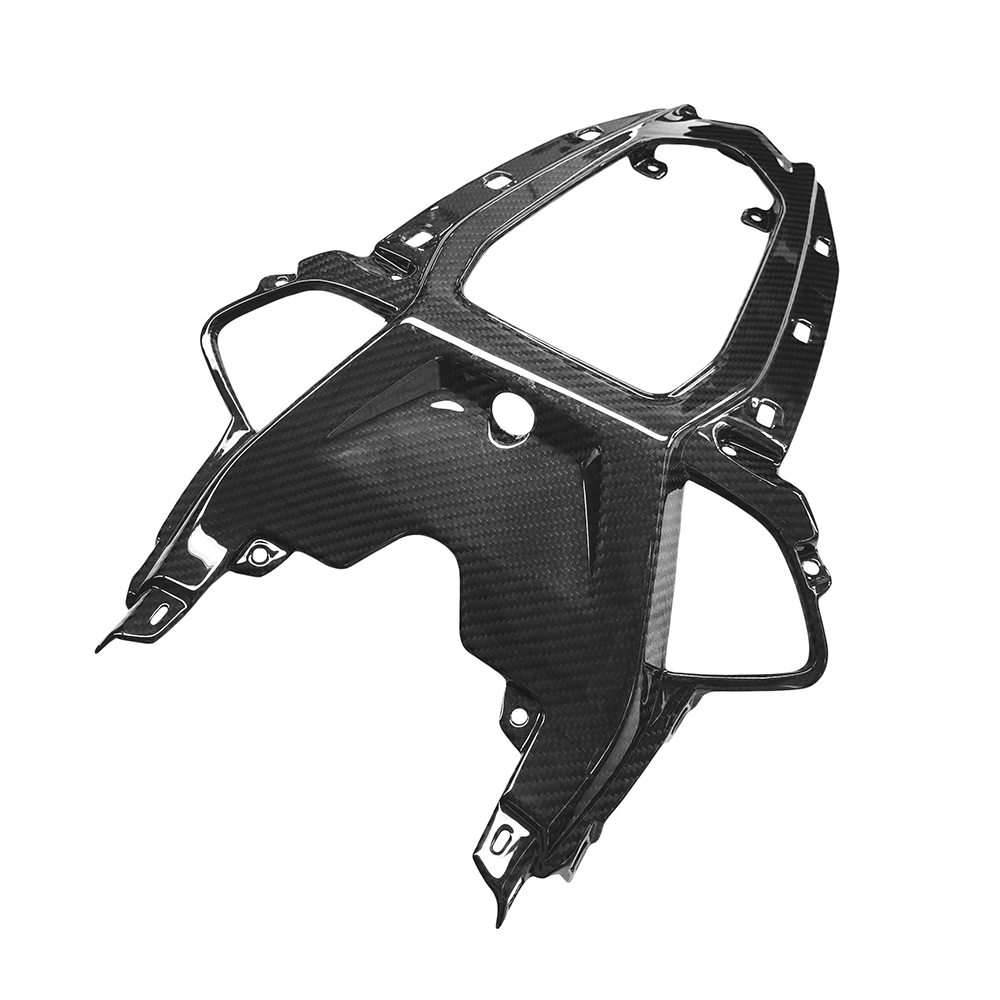
Carbon Fiber Rear Seat Panel for BMW S1000R & M1000RR – Lightweight Performance
This carbon fiber rear seat panel is engineered for the BMW S1000R and M1000RR, offering superior rigidity, reduced weight, and a premium racing finish. Produced with autoclave technology and strict QC standards, the part ensures consistent OEM-level fitment. Supreem Carbon provides wholesale supply, stable bulk production, and customized solutions for global clients.
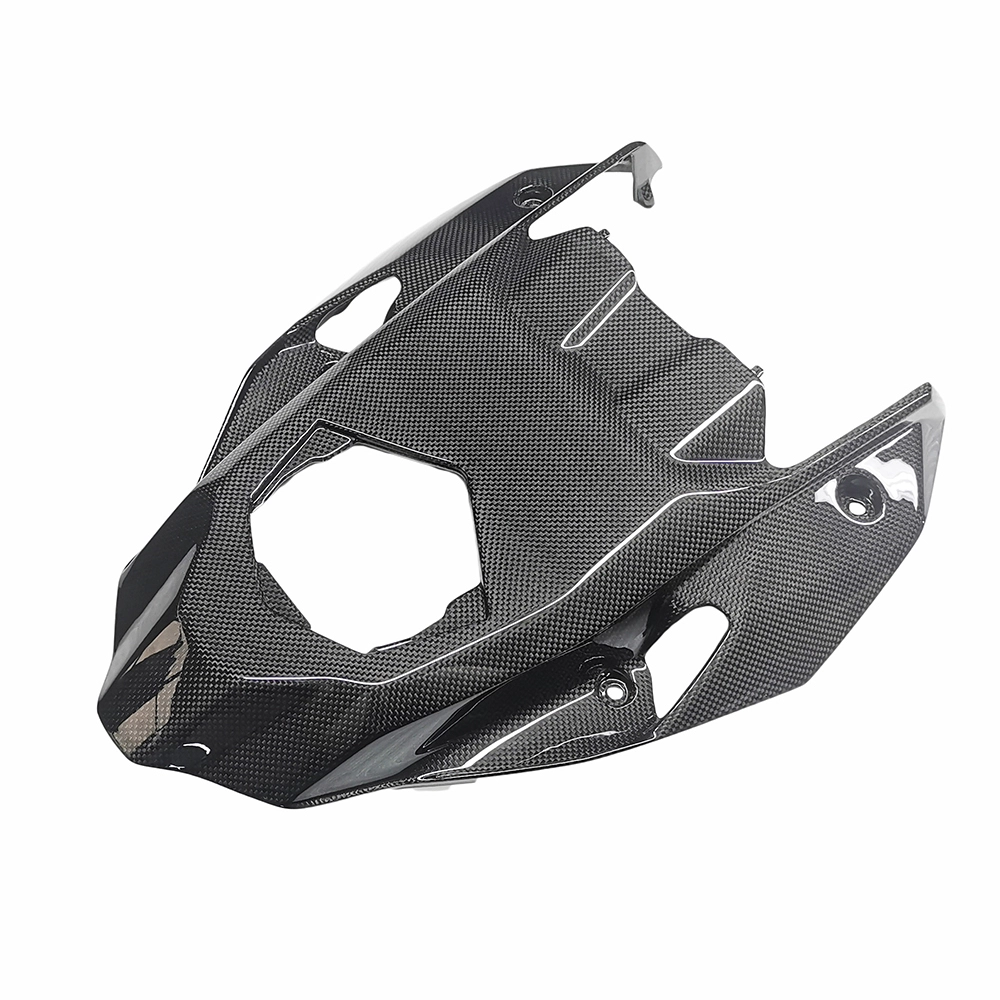
High-Performance Carbon Fiber Rear Undertail for BMW S1000R
Engineered for distributors, tuning brands, and motorcycle accessory businesses, the BMW S1000R Carbon Fiber Rear Undertail is a high-quality, durable, lightweight carbon fiber upgrade for the S1000R platform. This component is manufactured using aerospace-grade carbon fiber and precision molds to deliver superior stiffness, a seamless OEM-level fit, and a premium visual finish suitable for high-end aftermarket applications.

Supreem Carbon aiming to provide customers with high-performance carbon fiber products and quality services.
Contact Supreem Carbon
Address : Building 1 No.103, Yadi Nan 1st Road, QiaoTou Town, Dongguan City, China.
© 2024 Supreem Carbon All Rights Reserved.
Facebook
Pinterest
LinkedIn
Instagram