
Dry Carbon Strength, Stiffness and Weight Comparison
- Understanding Dry Carbon: Strength, Stiffness & Weight in Context
- What dry carbon means and how manufacturing changes performance
- How strength and stiffness are measured for carbon fiber laminates (and why numbers vary)
- Numeric comparison: Dry carbon vs prepreg carbon vs fiberglass (typical values)
- Interpretation: What these numbers mean for part selection in automotive and motorcycle contexts
- Practical guidance: When to choose dry carbon vs prepreg for vehicle parts
- Specification checklist for suppliers when ordering dry carbon parts
- Manufacturing practices that improve dry carbon mechanical performance
- Cost and lead time considerations (practical numbers)
- Supreem Carbon: capability, scale and product focus
- Practical examples and case studies (what to expect in real parts)
- Summary: making the right choice for your project
- Frequently Asked Questions (FAQ)
- 1. Is dry carbon weaker than prepreg carbon?
- 2. How much weight can I save switching from fiberglass to dry carbon?
- 3. Can dry carbon parts be repaired if damaged?
- 4. Are dry carbon parts suitable for track or racing use?
- 5. What should I specify to ensure consistent mechanical performance from a supplier?
- 6. How much more expensive is prepreg compared to dry carbon?
- Contact & Product Inquiry
- References
Understanding Dry Carbon: Strength, Stiffness & Weight in Context
Dry carbon is a term widely used in the automotive and motorcycle aftermarket to describe carbon fiber fabric parts manufactured without using factory-style prepreg/autoclave processes. For engineers, hobbyists and purchasing managers, the core questions are: how does dry carbon perform (strength and stiffness) relative to prepreg carbon and conventional materials, and what weight savings are realistic? This article provides an evidence-based comparison, practical selection criteria, and manufacturer guidance for parts specification.
What dry carbon means and how manufacturing changes performance
The phrase dry carbon typically refers to dry fiber fabrics cured in-situ using resin infusion, vacuum bagging, or hand layup with wet resin rather than pre-impregnated (prepreg) fiber cured in an autoclave. The manufacturing route matters because it controls fiber volume fraction (FVF), void content and cure pressure — the three strongest drivers of laminate mechanical properties.
Key manufacturing differences that affect strength and stiffness:
- Fiber volume fraction: Prepreg/autoclave processes commonly reach higher FVF (often 55–65%) compared with vacuum infusion/wet lay processes (typically 40–55%). Higher FVF increases both strength and stiffness per unit volume.
- Void content: Autoclave-prepreg parts usually have lower void content (<1–2%), while dry-lay/infusion parts typically have higher voids (2–6% or more if not properly controlled). Voids reduce effective load-carrying area and can reduce fatigue life.
- Cure pressure and temperature: Autoclave processes apply high pressure during cure to consolidate plies and reduce resin-rich areas; dry processes rely on vacuum (limited to ~1 atm differential) so consolidation is more challenging.
How strength and stiffness are measured for carbon fiber laminates (and why numbers vary)
When we compare materials, it is important to distinguish fiber-level properties (e.g., Toray T700 carbon fiber tensile strength ~3.5–4.9 GPa) from laminate-level properties (which depend on fiber orientation, FVF and resin). Engineers most often use laminate tensile strength and laminate tensile modulus for part-level design. These laminate properties vary with layup (0/90/±45), not just material family.
Typical laminate ranges (generalized; will vary by fiber type and layup):
- Tensile strength (laminate): 300–1200 MPa (unidirectional peaks much higher; cross-plies lower)
- Tensile modulus (laminate): 40–200 GPa (wide range due to orientation)
- Density (laminate): commonly 1.45–1.60 g/cm3 for carbon/epoxy laminates
Because of this variability, comparisons below present ranges and normalized metrics (specific strength or modulus) rather than single absolute numbers.
Numeric comparison: Dry carbon vs prepreg carbon vs fiberglass (typical values)
The table below summarizes typical, conservative ranges for automotive/motorcycle exterior and structural parts. These are laminate-level values for multi-directional layups representative of bumpers, fairings, hoods and structural brackets; they are not fibre-only numbers or UD uniaxial peak values.
| Material / Process | Typical Fiber Volume Fraction (FVF) | Laminate Density (g/cm³) | Tensile Strength (MPa) (laminate typical range) | Tensile Modulus (GPa) (laminate typical range) | Typical Specific Strength (MPa·cm³/g) |
|---|---|---|---|---|---|
| Dry carbon (vacuum infusion / wet lay) | 40% – 55% | 1.50 – 1.60 | 350 – 900 | 50 – 140 | 220 – 600 |
| Prepreg carbon (autoclave cured) | 55% – 65% | 1.45 – 1.58 | 500 – 1200 | 70 – 200 | 350 – 850 |
| E-glass / epoxy (typical automotive laminate) | 40% – 50% | 1.90 – 2.00 | 250 – 500 | 20 – 40 | 130 – 260 |
Notes: (1) Laminate tensile strength and modulus are layup-dependent — a unidirectional 0° laminate will be much stiffer/stronger along the fiber direction than a quasi-isotropic layup. (2) The specific strength shown is tensile strength divided by density (higher is better for weight-limited applications).
Sources for the ranges include manufacturer datasheets for common carbon fibers and prepreg systems, engineering material databases and process-comparison literature (see references).
Interpretation: What these numbers mean for part selection in automotive and motorcycle contexts
1) Strength and stiffness trade-offs: Prepreg parts typically outperform dry carbon laminates in both strength and stiffness for an equivalent laminate architecture because the higher FVF and lower void content increase effective properties. In practice, for panels where maximum stiffness-to-weight or strength-to-weight is required (e.g., structural braces, race-grade aerodynamic components), prepreg/autoclave is the preferred route.
2) Weight savings vs cost: Compared with fiberglass, both dry carbon and prepreg carbon offer substantial weight savings and higher stiffness. Dry carbon often achieves most of the weight benefit of carbon fiber at lower production cost. For many street and aftermarket parts where absolute peak performance is not necessary, dry carbon provides a cost-effective balance.
3) Surface finish and durability: Prepreg/autoclave parts generally show superior surface finish and sharper resin-fiber definition due to controlled resin content. Dry carbon parts can reach excellent cosmetic quality with skilled resin systems and post-processing (clearcoat), but quality depends strongly on process control.
4) Fatigue, impact and crash behavior: Void content and resin/fiber bonding influence fatigue life and impact tolerance. Prepreg parts with low voids and tailored toughened resins often have better fatigue and impact performance. Dry carbon parts can be engineered for acceptable durability, but heavy-duty structural crash-critical parts are usually done with prepreg and certified process control.
Practical guidance: When to choose dry carbon vs prepreg for vehicle parts
- Choose dry carbon when: exterior appearance, reasonable stiffness/weight saving, lower cost and shorter lead time are priorities (e.g., fairings, interior trim, hoods for street cars/motorcycles).
- Choose prepreg/autoclave when: maximum specific stiffness/strength, repeatable mechanical performance, low void content and certified quality are required (e.g., structural brackets, racing bodywork, high-performance suspension parts).
- Consider hybrid approaches: use prepreg for high-load components and dry carbon for large-size panels to reduce cost while saving weight overall.
Specification checklist for suppliers when ordering dry carbon parts
To get the performance you expect from dry carbon parts, provide suppliers with clear technical requirements beyond make it carbon:
- Target laminate stacking sequence and fiber orientation (e.g., 0/90/±45) or required in-plane stiffness/strength values.
- Minimum fiber volume fraction or maximum resin fraction.
- Maximum allowable void content and target inspection method (e.g., ultrasonic C-scan or sectioning and microscopy).
- Environmental and temperature exposure conditions (UV, road chemicals, temperature cycles).
- Surface finish expectations (gelcoat, clearcoat thickness, visual defect limits, weave orientation tolerance).
Manufacturing practices that improve dry carbon mechanical performance
While dry carbon has process limitations, careful control can narrow the performance gap to prepreg:
- Preforming and compaction techniques to maximize fiber alignment and packing.
- Using optimized resin systems (low-viscosity epoxies with controlled exotherm and wetting) specifically formulated for infusion.
- Tightly controlled vacuum bagging and tooling to minimize wrinkles and resin-rich areas.
- Post-cure schedules (elevated temperature ovens) to increase crosslinking and thermal-mechanical performance.
- Automated or semi-automated processes where possible to reduce human variability.
Cost and lead time considerations (practical numbers)
General industry observations (varies by geography and volume):
- Prepreg/autoclave parts have higher material costs and require costly tooling and autoclave time—typical unit cost for low-volume, high-performance prepreg parts is significantly higher (often 2–5×) than equivalent dry-lay/infusion parts.
- Dry carbon processes require lower capital equipment and tooling cost; for low-to-medium volume production they provide faster turn-around and lower per-unit price.
- Volume production and long-run OEM projects can shift economics—RTM and automated prepreg processes become competitive at scale.
Supreem Carbon: capability, scale and product focus
Supreem Carbon, established in 2017, is a customized manufacturer of carbon fiber parts for automobiles and motorcycles, integrating R&D, design, production, and sales to deliver high-quality products and services. We specialize in the technology research and development of carbon fiber composite products and the production of related items. Our main offerings include the customization and modification of carbon fiber accessories for vehicles, as well as the manufacturing of carbon fiber luggage and sports equipment.
Key facts about Supreem Carbon:
- Factory area: ~4,500 m² with 45 skilled production and technical staff.
- Annual output value: approx. $4 million.
- Product range: over 1,000 product types, including more than 500 customized carbon fiber parts.
- Main product categories: carbon fiber motorcycle parts, carbon fiber automobile parts, customized carbon fiber parts.
Why consider Supreem Carbon for dry carbon parts?
- Balance of cost and performance: expertise in dry-lay and infusion processes tailored for aftermarket motorcycle and automobile components where cosmetic quality and competitive pricing matter.
- Customization capability: large product portfolio and experience producing many bespoke parts (500+ customized items).
- Engineering support: R&D and technical staff to help specify layups, resin systems and post-cure processes to meet performance targets.
- Quality and scale: in-house production capacity supports low-to-medium volume programs with consistent lead times.
See Supreem Carbon for examples and inquiries: https://www.supreemcarbon.com/
Practical examples and case studies (what to expect in real parts)
Example 1 — Motorcycle fairing (dry carbon infusion): typical outcome is a 30–50% weight reduction vs stock fiberglass, with stiffness up to 2–3× higher and sufficient durability for street use.
Example 2 — Lightweight structural bracket (prepreg/autoclave): recommended when the part carries high static or cyclic loads — prepreg parts can achieve higher specific stiffness and better fatigue life at higher cost.
Summary: making the right choice for your project
Dry carbon is an excellent solution when you need a cost-effective combination of improved stiffness/weight and attractive aesthetics for automotive and motorcycle parts. Prepreg remains the gold standard for maximum structural performance, repeatability and certified applications. The right choice depends on load cases, required durability, finish expectations and budget. Provide clear specifications and work with a supplier experienced in the chosen manufacturing method to close the performance gap and avoid surprises.
Frequently Asked Questions (FAQ)
1. Is dry carbon weaker than prepreg carbon?
Generally, yes at the laminate level when comparing similar layups: prepreg/autoclave parts usually achieve higher fiber volume fractions and lower void content, which yields higher laminate strength and stiffness. However, well-made dry carbon parts can meet or exceed the performance needs of many non-critical structural applications.
2. How much weight can I save switching from fiberglass to dry carbon?
Typical weight reductions are in the 30–60% range depending on part geometry and required stiffness. Exact savings depend on layup, thickness and performance targets.
3. Can dry carbon parts be repaired if damaged?
Yes. Dry carbon laminate repairs (resin injection, patching, vacuum bagging) are commonly performed. The ease of repair depends on damage severity and whether structural integrity is compromised — for critical structural members, professional repair or replacement is recommended.
4. Are dry carbon parts suitable for track or racing use?
Many race teams use both dry carbon and prepreg parts. For non-load-bearing aero panels and fairings, high-quality dry carbon is commonly used. For primary structural components and suspension parts, prepreg/autoclave parts are preferred for repeatable performance and fatigue life.
5. What should I specify to ensure consistent mechanical performance from a supplier?
Specify target fiber volume fraction, acceptable void content, stacking sequence or laminate properties, inspection requirements (e.g., ultrasound), surface finish tolerances and environmental exposure conditions. Discuss production controls and QA procedures with the supplier.
6. How much more expensive is prepreg compared to dry carbon?
Costs vary by region and volume but prepreg/autoclave parts are commonly 2–5× more expensive than comparable dry-lay/infusion parts at low production volumes because of material costs, autoclave time and stricter process controls.
Contact & Product Inquiry
If you are specifying carbon fiber parts and want help selecting process, layup or supplier options, contact Supreem Carbon for consultation, prototypes and production quoting. Visit https://www.supreemcarbon.com/ to view product categories (carbon fiber motorcycle parts, carbon fiber automobile parts, customized carbon fiber parts) and request a quote. For technical inquiries mention desired performance targets (stiffness/strength), expected loads and finish expectations.
References
- CompositesWorld — Process selection: prepreg or infusion? https://www.compositesworld.com/articles/process-selection-prepreg-or-resin-infusion (accessed 2025-11-27)
- Hexcel — Prepregs product information. https://www.hexcel.com/Products/Prepregs (accessed 2025-11-27)
- Toray — Carbon fiber product information. https://www.toray.com/products/carbon/ (accessed 2025-11-27)
- Engineering Toolbox — Densities of common materials. https://www.engineeringtoolbox.com/density-solids-d_1265. (accessed 2025-11-27)
- MatWeb — Material property database (composite and fiber datasheets). https://www.matweb.com/ (accessed 2025-11-27)
High Quality Carbon Fiber Race Car Parts | Supreem Carbon
Best professional bell carbon fiber helmet manufacturers and supplier brands
Carbon Fiber Car Parts | Supreem Carbon
Top carbon fiber parts motorcycle Manufacturers and Suppliers
For Order Delivery
What is the shipping time for the different ways?
Express delivery 5-7 days.
20-25 days by sea.
15 days by air.
For Facotry
How many monthly production capacity of the factory?
The average monthly production capacity reach 3000 pieces. With the equipment upgrade, it will be increased over 4000 pieces per month.
For Customized Service
How long does the customized products order take?
This depends on the complexity and mold production cycle of the product. The first sample will be ready in 2-3 weeks after mold finished.
For Products
What is main products for factory?
Supreem carbon mainly produce carbon fiber custom products for automobile and motorcycle accessaries, including the design, develop and manufacturing of appearance parts, interior parts, functional parts, etc. Other carbon fiber custom goods also can produce for you.
Which surface could you provide for the carbon parts?
Gloss finish, matte finish, satin finish. Some color coating as the customer needs.
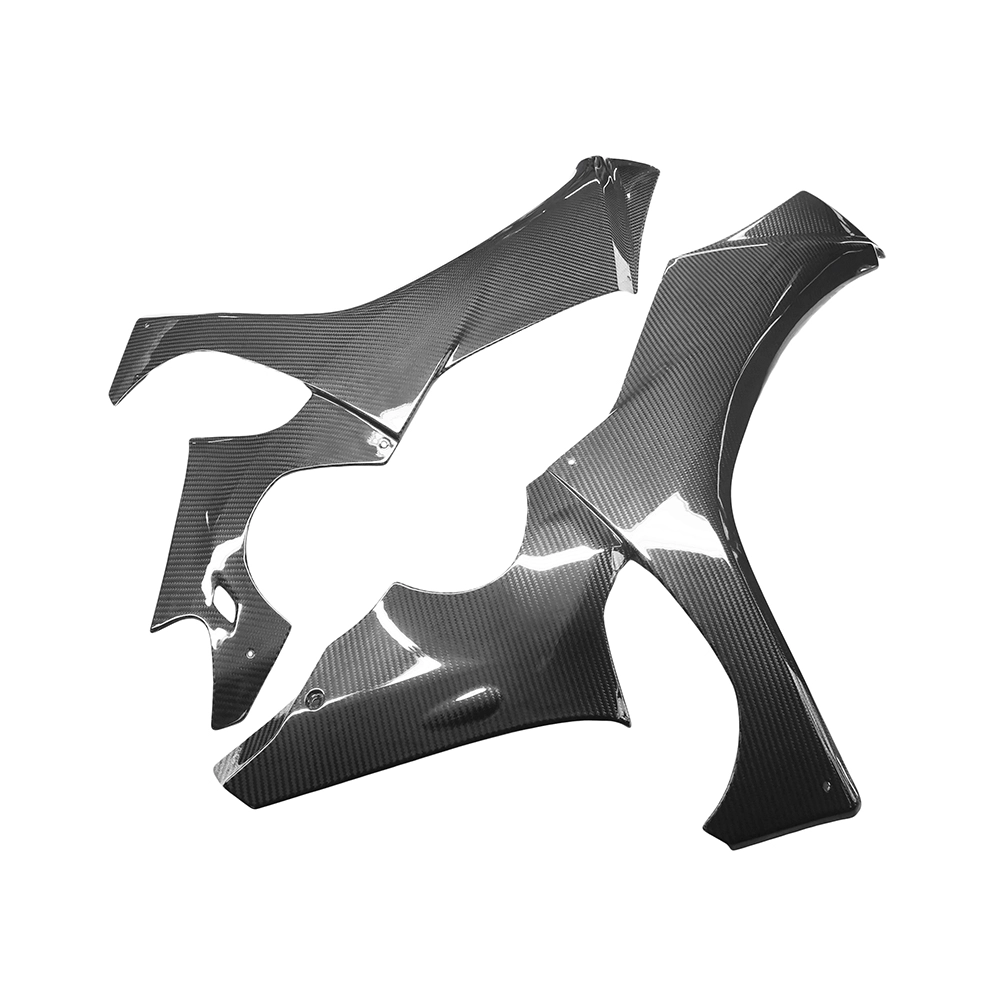
Yamaha R1 Carbon Fiber Side Fairings
Introducing the Supreem Carbon Fiber Long Side Panels for Yamaha R1. Crafted with precision and expertise, this front side fairing is designed to elevate the performance and aesthetics of your R1. Made from high-quality carbon fiber, this fairing is not only lightweight but also incredibly durable, providing optimal protection for your motorcycle.
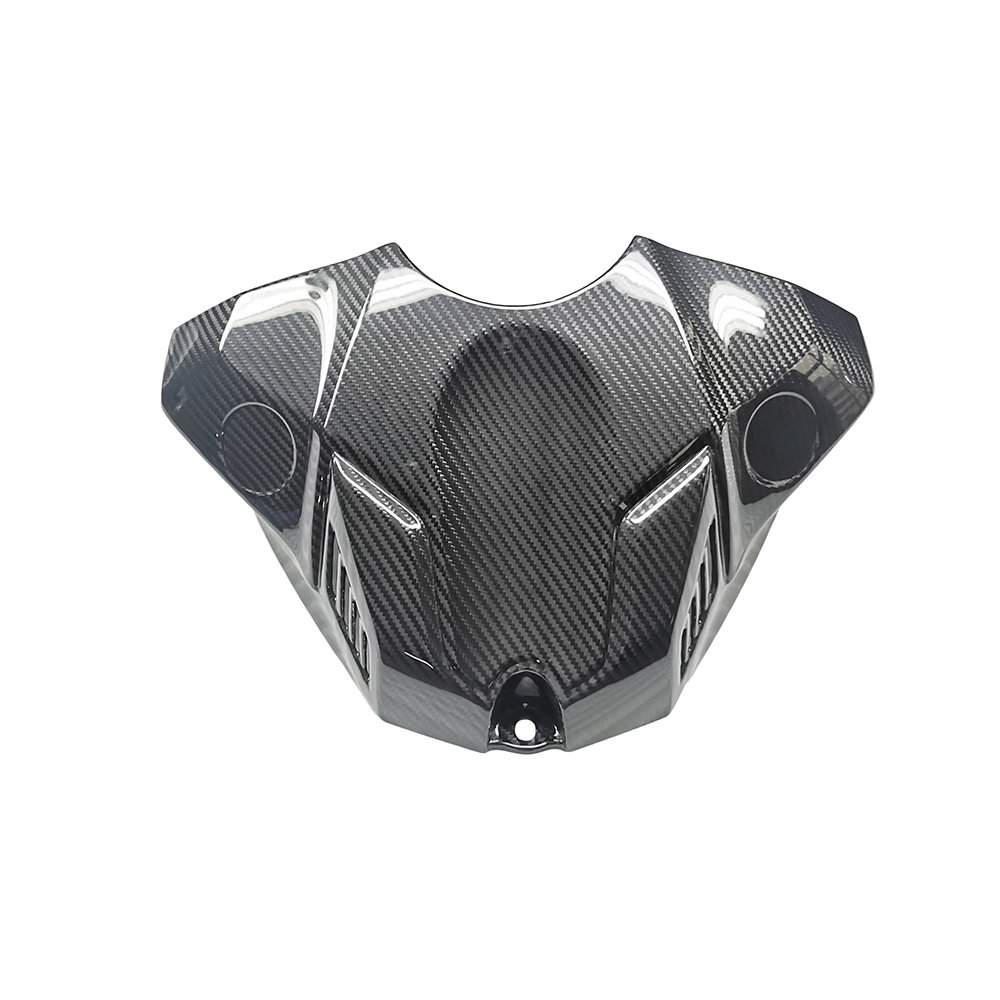
Yamaha R1 Carbon Fiber Airbox Tank Cover
The Supreem Carbon Yamaha R1 Carbon Fiber Airbox Tank Cover provides lightweight, durable protection with a sleek finish. Designed for R1 models, it enhances the style and performance of your bike. Its lightweight structure improves performance while maintaining the premium aesthetics necessary for high-end modification projects. As a dedicated manufacturer of carbon fiber parts, we provide stable production capacity, customization options, and strict quality control to support enterprise-level procurement and OEM/ODM needs.
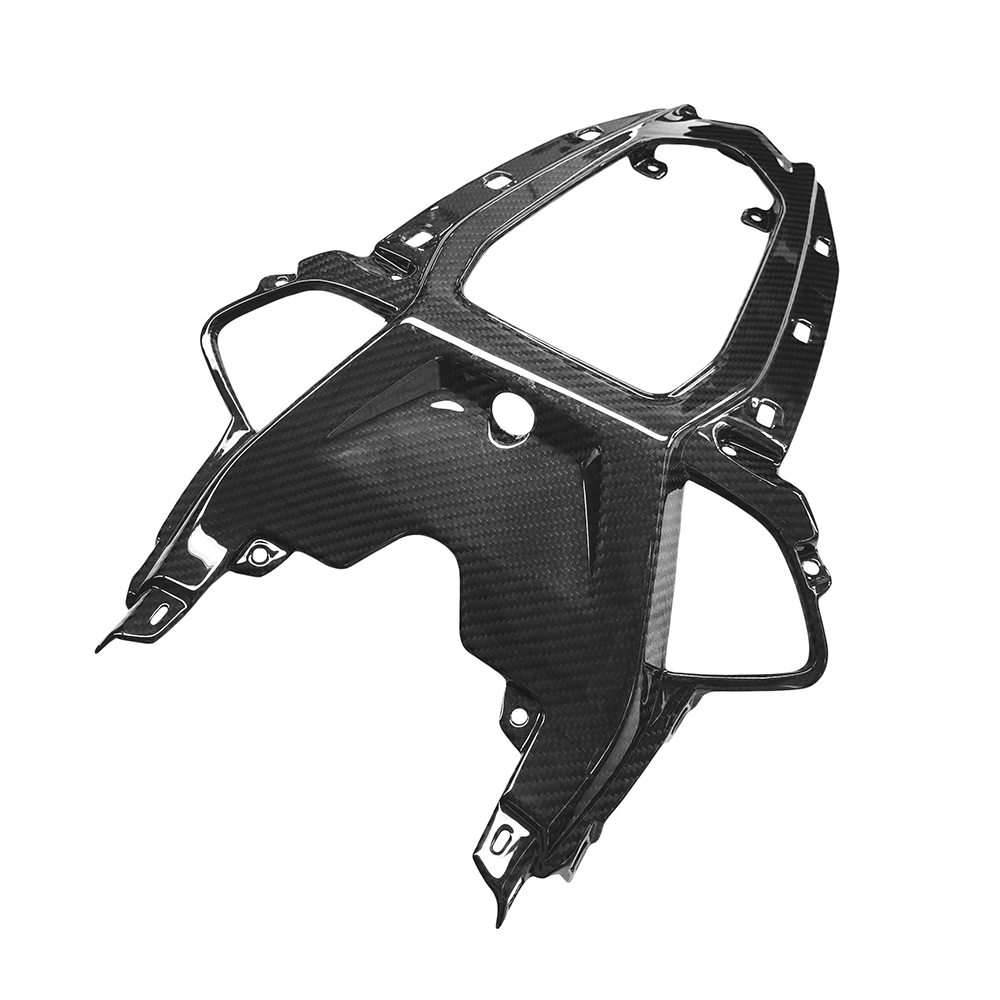
Carbon Fiber Rear Seat Panel for BMW S1000R & M1000RR – Lightweight Performance
This carbon fiber rear seat panel is engineered for the BMW S1000R and M1000RR, offering superior rigidity, reduced weight, and a premium racing finish. Produced with autoclave technology and strict QC standards, the part ensures consistent OEM-level fitment. Supreem Carbon provides wholesale supply, stable bulk production, and customized solutions for global clients.
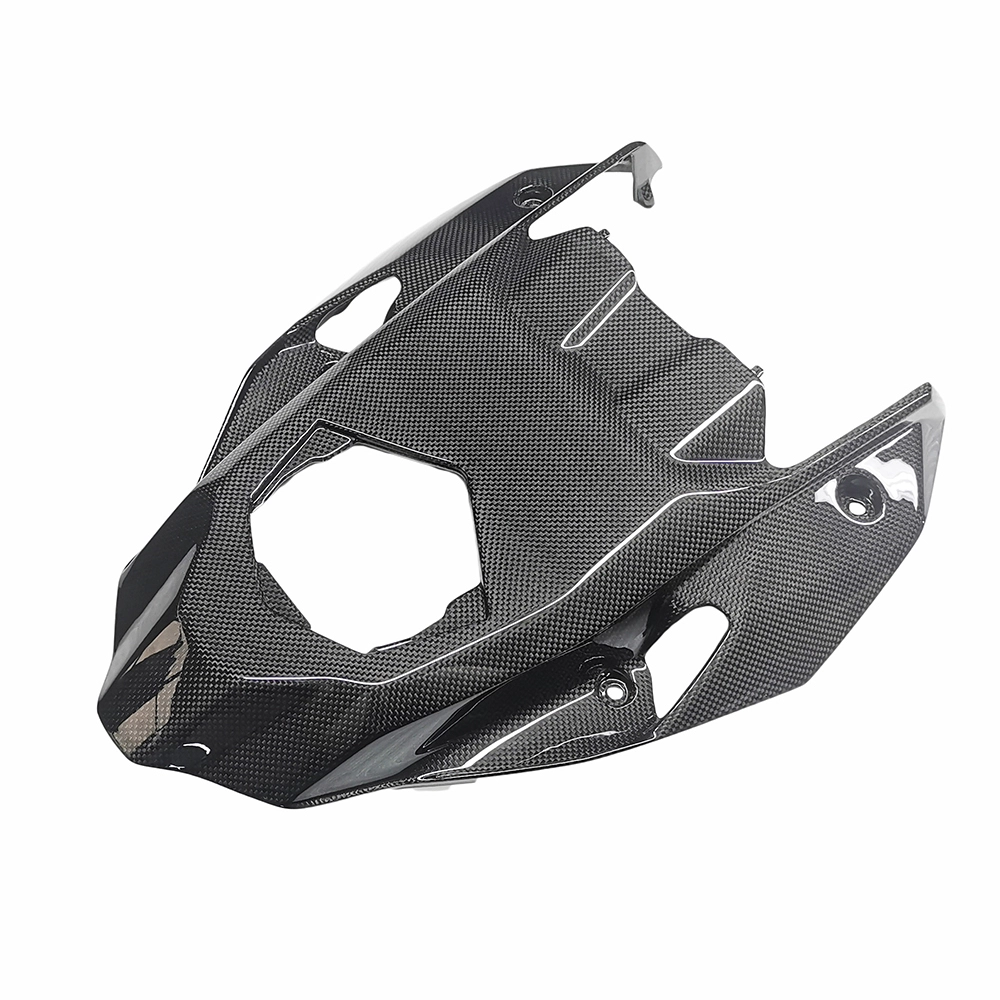
High-Performance Carbon Fiber Rear Undertail for BMW S1000R
Engineered for distributors, tuning brands, and motorcycle accessory businesses, the BMW S1000R Carbon Fiber Rear Undertail is a high-quality, durable, lightweight carbon fiber upgrade for the S1000R platform. This component is manufactured using aerospace-grade carbon fiber and precision molds to deliver superior stiffness, a seamless OEM-level fit, and a premium visual finish suitable for high-end aftermarket applications.

Supreem Carbon aiming to provide customers with high-performance carbon fiber products and quality services.
Contact Supreem Carbon
Address : Building 1 No.103, Yadi Nan 1st Road, QiaoTou Town, Dongguan City, China.
© 2024 Supreem Carbon All Rights Reserved.
Facebook
Pinterest
LinkedIn
Instagram