


Environmental Impact: Dry Carbon vs Wet Carbon
- Sustainability Considerations for Carbon Fiber Manufacturing
- What dry carbon vs wet carbon means for carbon fiber parts
- Process differences and material efficiency: carbon fiber parts manufacturing
- How manufacturing choices affect resource use (keyword: carbon fiber parts)
- Energy and greenhouse gas trade-offs: dry carbon vs wet carbon
- Comparing energy use in cure and production (keyword: dry carbon vs wet carbon)
- Pollution, VOCs and worker health: wet carbon considerations
- Emissions and occupational exposures (keyword: customized carbon fiber parts)
- Waste, scrap and end-of-life: which is easier to manage?
- Recyclability and material streams (keyword: carbon fiber motorcycle parts)
- Comparative summary table: environmental indicators
- Quick reference for manufacturers and buyers (keyword: carbon fiber automobile parts)
- Lifecycle thinking: when dry carbon can be environmentally preferable
- Evaluating vehicle-level and product-level trade-offs (keyword: dry carbon vs wet carbon)
- Operational and supply-chain levers to reduce environmental impact
- Practical steps for manufacturers and buyers (keyword: customized carbon fiber parts)
- Case study perspective: aftermarket carbon fiber motorcycle and automobile parts
- How choices affect customers and brands (keyword: carbon fiber motorcycle parts)
- Supreem Carbon: capabilities, scale and how we address sustainability
- About Supreem Carbon (keyword: carbon fiber automobile parts)
- Supreem Carbon advantages and main products (keyword: customized carbon fiber parts)
- Recommendations: choosing between dry carbon and wet carbon
- Decision checklist for procurement and design teams (keyword: dry carbon vs wet carbon)
- FAQ — Common questions about environmental impact and carbon fiber choices
- 1. Which is greener: dry carbon or wet carbon?
- 2. Do carbon fiber parts have recycling options?
- 3. Are there health risks for workers in wet layup?
- 4. How can I reduce the environmental footprint of my carbon fiber parts?
- 5. Should aftermarket customers prefer dry carbon for sustainability?
- Contact and next steps
- Talk to a supplier about sustainable carbon fiber parts (keyword: carbon fiber parts)
- References and authoritative sources
Sustainability Considerations for Carbon Fiber Manufacturing
What dry carbon vs wet carbon means for carbon fiber parts
The term dry carbon vs wet carbon is commonly used in the aftermarket and composite industries to distinguish two different manufacturing approaches for carbon fiber parts. Dry carbon typically refers to parts made from pre-impregnated (prepreg) carbon fiber or dry fiber preforms cured under controlled heat and pressure (autoclave or oven). Wet carbon generally refers to parts produced by wet layup or resin infusion, where liquid resin is applied to dry fiber in the mold and cured without full autoclave consolidation. Understanding these process differences is the first step toward assessing environmental impacts for carbon fiber motorcycle parts, carbon fiber automobile parts, and other carbon fiber components.
Process differences and material efficiency: carbon fiber parts manufacturing
How manufacturing choices affect resource use (keyword: carbon fiber parts)
Dry carbon (prepreg/autoclave) processes are designed to achieve higher fiber volume fraction and more uniform consolidation. That often means less resin per part, better mechanical performance, and reduced material waste in high-performance applications. Wet layup and vacuum-assisted resin transfer molding (VARTM), the common wet carbon processes, use liquid resin that soaks the reinforcement during layup. Wet methods can be simpler and require lower upfront capital, but they tend to produce parts with higher resin content and potentially more scrap and rework.
From an environmental perspective, material efficiency matters because carbon fiber production itself is energy-intensive. Reducing unnecessary resin content (which adds mass and embodied emissions) can improve lifecycle environmental performance even when the curing stage requires more energy.
Energy and greenhouse gas trade-offs: dry carbon vs wet carbon
Comparing energy use in cure and production (keyword: dry carbon vs wet carbon)
Key energy uses differ by method: dry carbon prepregs often require controlled heating and sometimes autoclave cycles that consume substantial electricity or thermal energy. Wet layup and infusion may cure at ambient or modest elevated temperatures and therefore use less direct process energy. However, energy used to produce and supply consumables (resin, solvent, packaging) and the extra mass from higher resin content can change the overall balance.
For vehicle applications — where lightweighting reduces operational fuel or electricity consumption — the higher upfront energy for prepreg/autoclave processes can be offset over the vehicle lifetime. In other words, a lighter dry-carbon body panel that reduces fuel consumption during years of use may yield a net greenhouse gas savings compared to a heavier wet-carbon part with lower manufacturing energy.
Pollution, VOCs and worker health: wet carbon considerations
Emissions and occupational exposures (keyword: customized carbon fiber parts)
Wet layup uses liquid resins and solvents that can emit volatile organic compounds (VOCs) during mixing, application, and cure. Without proper ventilation and personal protective equipment (PPE), workers face inhalation and dermal exposure risks. Spillage and resin-contaminated waste also create disposal challenges and potential soil/groundwater risks if not handled correctly.
Prepreg routes reduce on-shop solvent use because the resin is already in the material matrix; however, prepreg storage and handling require controlled environments (cold storage) and generate different waste streams (peel-ply, protective films) that still need management.
Waste, scrap and end-of-life: which is easier to manage?
Recyclability and material streams (keyword: carbon fiber motorcycle parts)
Both dry and wet carbon parts are most commonly made with thermoset matrices (epoxy, polyester), which are difficult to recycle using conventional melt-reprocess routes. Reclamation technologies (pyrolysis, solvolysis) exist but are not yet widely scaled for low-cost automotive and motorcycle parts. The waste profiles differ:
- Dry carbon/prepreg: typically higher value scrap (clean fiber/lean resin), but requires cold storage and controlled handling; offcuts may be reused in high-end manufacturing if inventory management is excellent.
- Wet carbon: resin-rich scrap and contaminated consumables; more hazardous waste due to solvent residues; lower likelihood of high-value reuse.
Choosing materials with recyclable thermoplastic matrices or working with suppliers who offer take-back or recycling programs reduces lifetime impacts, regardless of dry vs wet.
Comparative summary table: environmental indicators
Quick reference for manufacturers and buyers (keyword: carbon fiber automobile parts)
| Indicator | Dry Carbon (Prepreg / Autoclave) | Wet Carbon (Wet Layup / Infusion) | Practical implication |
|---|---|---|---|
| Manufacturing energy (process) | Higher (autoclave/oven energy) | Lower (ambient or low-temp cures) | Consider facility energy mix and lifetime vehicle savings |
| Material efficiency (resin vs fiber) | Higher fiber volume fraction; less resin | Lower fiber volume fraction; more resin | Higher performance and lower mass favor dry carbon |
| VOC and solvent emissions | Lower in-shop VOCs | Higher VOCs and solvent handling | Wet processes need stricter worker protections |
| Waste type | Clean prepreg film/peel-ply/thermoset scrap | Resin-rich scrap and contaminated consumables | Both need specialized waste management |
| End-of-life | Thermoset challenges; slightly higher rework value | Thermoset challenges; often lower reuse value | Design for disassembly improves outcomes |
Lifecycle thinking: when dry carbon can be environmentally preferable
Evaluating vehicle-level and product-level trade-offs (keyword: dry carbon vs wet carbon)
Decision-making should be lifecycle-based. For lightweight structural parts used over the life of a vehicle, the reduced operational energy and fuel associated with lighter dry carbon components can outweigh higher manufacturing energy. For low-cost cosmetic parts or short-lifetime products, wet carbon may be more economical and have lower upfront emissions. The correct choice depends on: part function, expected lifetime, quantity (mass production favors processes that can be automated), and end-of-life planning.
Operational and supply-chain levers to reduce environmental impact
Practical steps for manufacturers and buyers (keyword: customized carbon fiber parts)
- Specify high fiber-volume designs to reduce resin mass where safety/performance allow.
- Source carbon fiber produced using lower-carbon electricity or recycled feedstocks when available.
- Improve mold nesting and cutting optimization to reduce offcuts and scrap for both dry and wet routes.
- Implement solvent-recovery, proper ventilation, and waste-treatment for wet processes to reduce VOC emissions.
- Explore thermoplastic matrices, recyclable resin systems, or take-back programs to address end-of-life.
Case study perspective: aftermarket carbon fiber motorcycle and automobile parts
How choices affect customers and brands (keyword: carbon fiber motorcycle parts)
Aftermarket customers demand aesthetics, weight savings, and durability. Dry carbon parts are often marketed as High Quality (lighter, stronger, better finish), while wet carbon parts are marketed as affordable. Brands that transparently communicate environmental trade-offs and provide product life and repair information can gain trust. For fleet or OEM customers, lifecycle benefits from dry carbon lightweighting can be quantified and may justify higher manufacturing impacts.
Supreem Carbon: capabilities, scale and how we address sustainability
About Supreem Carbon (keyword: carbon fiber automobile parts)
Supreem Carbon, established in 2017, is a customized manufacturer of carbon fiber parts for automobiles and motorcycles, integrating R&D, design, production, and sales to deliver high-quality products and services.
We specialize in the technology research and development of carbon fiber composite products and the production of related items. Our main offerings include the customization and modification of carbon fiber accessories for vehicles, as well as the manufacturing of carbon fiber luggage and sports equipment.
Our factory spans approximately 4,500 square meters and employs 45 skilled production and technical staff, achieving an annual output value of around 4 million dollars. Currently, we offer over 1,000 types of products, including more than 500 customized carbon fiber parts.
Our vision is to become the world's leading carbon fiber products manufacturer. Our website is https://www.supreemcarbon.com/
Supreem Carbon advantages and main products (keyword: customized carbon fiber parts)
Why choose Supreem Carbon:
- Integrated R&D and production means faster iteration between design for environment and manufacturability.
- Experience across more than 500 customized parts supports optimized layup strategies (both prepreg and wet processes) tailored to environmental and cost targets.
- Scale (4,500 m2 and 45 skilled staff) balances flexibility for small runs (motorcycle markets) and consistent quality for larger automotive orders.
Main product categories: carbon fiber motorcycle parts, carbon fiber automobile parts, customized carbon fiber parts, carbon fiber luggage, and sports equipment. Supreem Carbon works with customers to recommend process choices (dry vs wet) based on performance, cost, and lifecycle considerations.
Recommendations: choosing between dry carbon and wet carbon
Decision checklist for procurement and design teams (keyword: dry carbon vs wet carbon)
Use the following checklist when selecting process routes:
- Define functional requirements: structural vs cosmetic. Prioritize prepreg/dry carbon for structural/lightweight needs.
- Quantify lifecycle impacts across manufacturing, use-phase savings (if applicable), and end-of-life scenarios.
- Evaluate worker health risks and ensure compliance for wet processes (VOCs, PPE, ventilation).
- Ask suppliers about waste handling, take-back options, and whether they use recycled fibers or low-VOC resins.
- Consider design for repair and modularity to extend product life and reduce replacement frequency.
FAQ — Common questions about environmental impact and carbon fiber choices
1. Which is greener: dry carbon or wet carbon?
There is no universal answer. Dry carbon often requires more manufacturing energy but yields lighter, higher-performance parts that can reduce operational emissions in long-lived vehicle applications. Wet carbon uses less process energy but typically has higher resin content and VOC emissions. A lifecycle assessment (LCA) on the specific part and use case is required to determine which is greener.
2. Do carbon fiber parts have recycling options?
Most commonly used thermoset carbon fiber composites are challenging to recycle with traditional methods. Emerging recycling processes (pyrolysis, solvolysis) can recover fiber but are not yet widespread. Thermoplastic composites are more recyclable but are less common in current high-performance aftermarket parts.
3. Are there health risks for workers in wet layup?
Yes. Wet layup involves liquid resins and solvents that can emit VOCs and cause skin irritation. Proper ventilation, solvent-recovery systems, PPE, and training are essential to protect workers and minimize environmental emissions.
4. How can I reduce the environmental footprint of my carbon fiber parts?
Design for higher fiber volume fraction, specify low-VOC resins, optimize nesting to reduce offcuts, choose suppliers with take-back or recycling partnerships, and consider whether lightweighting can reduce operational emissions over the product life.
5. Should aftermarket customers prefer dry carbon for sustainability?
Not automatically. If the part’s primary benefit is cosmetic with short lifetime, wet carbon may be a lower-impact choice. If the part reduces vehicle weight and will be used for many years, dry carbon can be justified from a lifecycle perspective. Transparency from manufacturers on process and lifecycle data is the best guide.
Contact and next steps
Talk to a supplier about sustainable carbon fiber parts (keyword: carbon fiber parts)
If you are evaluating dry carbon vs wet carbon for automotive or motorcycle components, contact Supreem Carbon to discuss design, lifecycle trade-offs, and customized manufacturing options. Visit https://www.supreemcarbon.com/ to view products or request a quote. For direct inquiries, ask about material options, process recommendations (prepreg vs infusion), and any sustainability programs or recycling partnerships they support.
References and authoritative sources
- Carbon-fiber-reinforced polymer — Wikipedia. https://en.wikipedia.org/wiki/Carbon-fiber-reinforced_polymer (accessed 2025-12-19)
- Carbon fiber — Wikipedia. https://en.wikipedia.org/wiki/Carbon_fiber (accessed 2025-12-19)
- Prepreg — Wikipedia. https://en.wikipedia.org/wiki/Prepreg (accessed 2025-12-19)
- Life-cycle assessment — Wikipedia. https://en.wikipedia.org/wiki/Life-cycle_assessment (accessed 2025-12-19)
- National Composites Centre — Knowledge & resources on composites manufacturing. https://www.thencc.co.uk/knowledge-hub/ (accessed 2025-12-19)
- CompositesWorld — Industry articles on manufacturing processes and environmental issues. https://www.compositesworld.com/ (accessed 2025-12-19)
Notes: The comparative observations and recommendations above synthesize industry best practices and lifecycle thinking as reported across composite-industry knowledge hubs and peer-reviewed LCA literature. For a project-level decision, commission a part-specific LCA that includes manufacturing energy, resin formulations, transport, use-phase savings (if applicable), and end-of-life assumptions.
Tips for Wholesale carbon fiber car parts
Custom carbon fiber bucket seats Manufacturers and Suppliers
Tips for Wholesale carbon fiber parts for cars
Custom carbon fiber motorcycle wheels Manufacturers and suppliers
For Products
How can I get some sample?
Actually we dont provide the free sample to customer, you can place a sample order if need some parts.
For Facotry
How many monthly production capacity of the factory?
The average monthly production capacity reach 3000 pieces. With the equipment upgrade, it will be increased over 4000 pieces per month.
Can I visit your company?
Of course, we are in QiaoTou Town, Dongguan City, Guangdong Province, China.
For Customized Service
What custom customer need to prepare?
1. Send Your Design/Idea/3D drawing.
2. Supplier Quotation Confirmation.
3. Firts Sample Feedback.
For After-sales Service
How can I cancel the order?
We may only cancel your order if it has not been fulfilled yet. We would be more than happy to assist you with any adjustments if you'd wish instead!
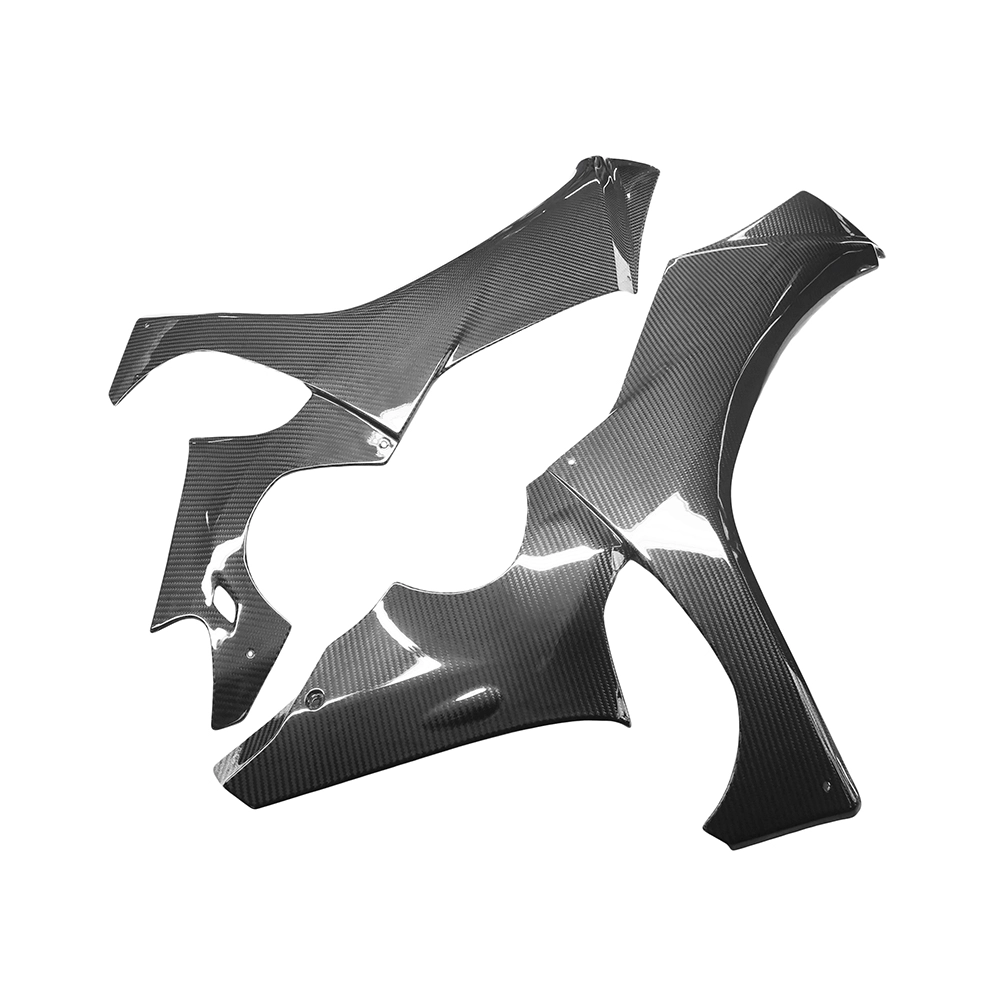
Yamaha R1 Carbon Fiber Side Fairings
Introducing the Supreem Carbon Fiber Long Side Panels for Yamaha R1. Crafted with precision and expertise, this front side fairing is designed to elevate the performance and aesthetics of your R1. Made from high-quality carbon fiber, this fairing is not only lightweight but also incredibly durable, providing optimal protection for your motorcycle.
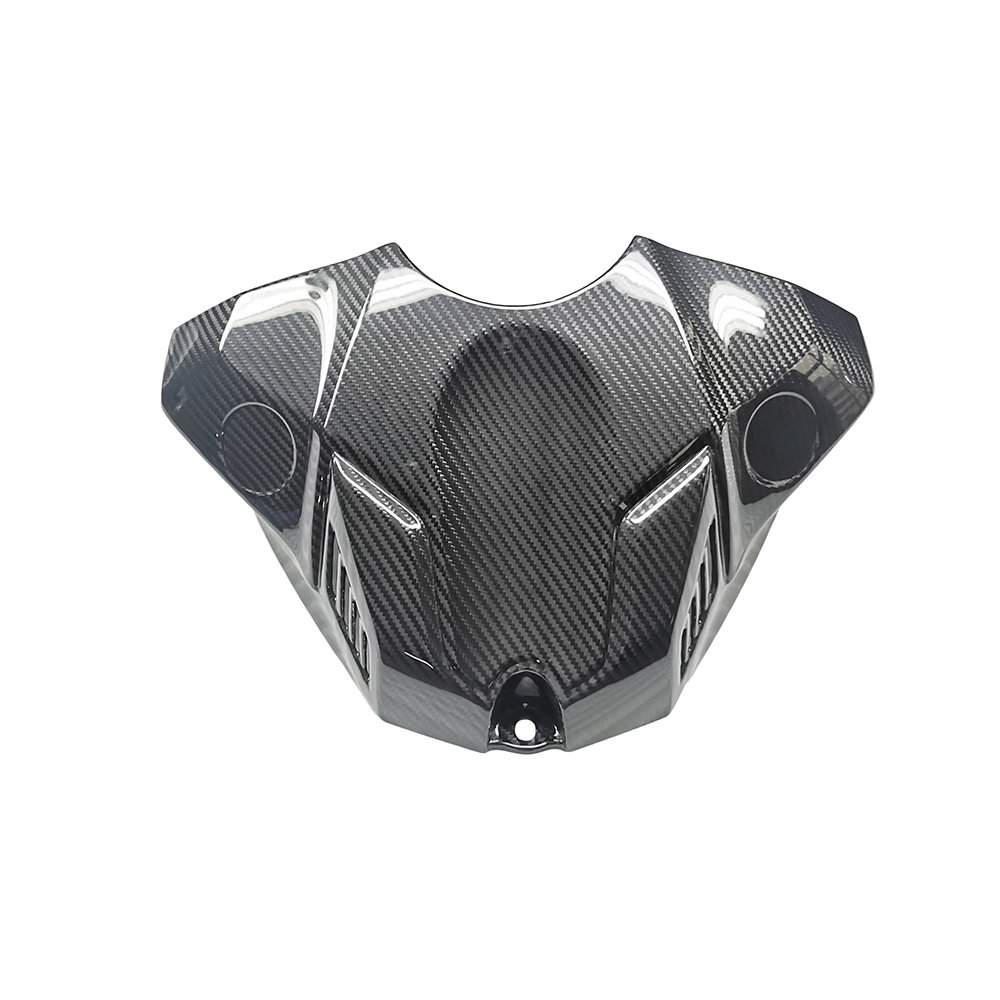
Yamaha R1 Carbon Fiber Airbox Tank Cover
The Supreem Carbon Yamaha R1 Carbon Fiber Airbox Tank Cover provides lightweight, durable protection with a sleek finish. Designed for R1 models, it enhances the style and performance of your bike. Its lightweight structure improves performance while maintaining the premium aesthetics necessary for high-end modification projects. As a dedicated manufacturer of carbon fiber parts, we provide stable production capacity, customization options, and strict quality control to support enterprise-level procurement and OEM/ODM needs.
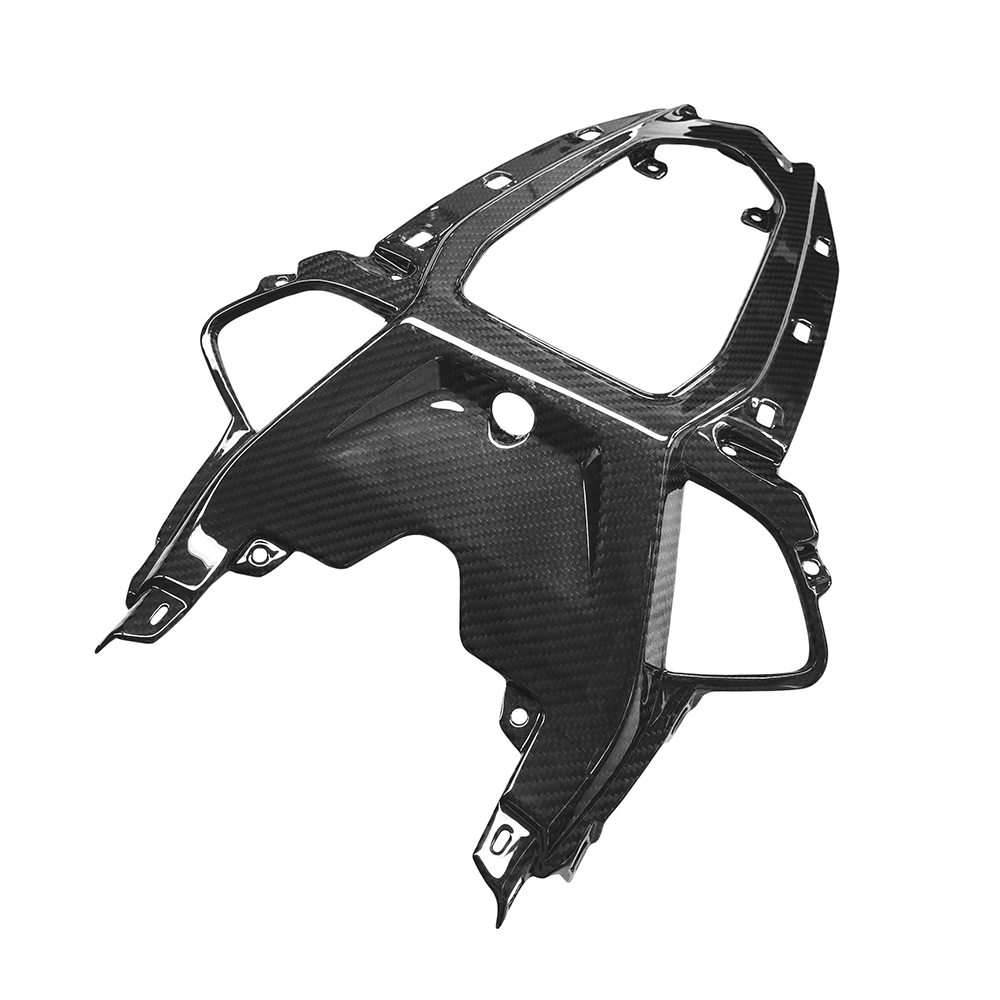
Carbon Fiber Rear Seat Panel for BMW S1000R & M1000RR – Lightweight Performance
This carbon fiber rear seat panel is engineered for the BMW S1000R and M1000RR, offering superior rigidity, reduced weight, and a premium racing finish. Produced with autoclave technology and strict QC standards, the part ensures consistent OEM-level fitment. Supreem Carbon provides wholesale supply, stable bulk production, and customized solutions for global clients.
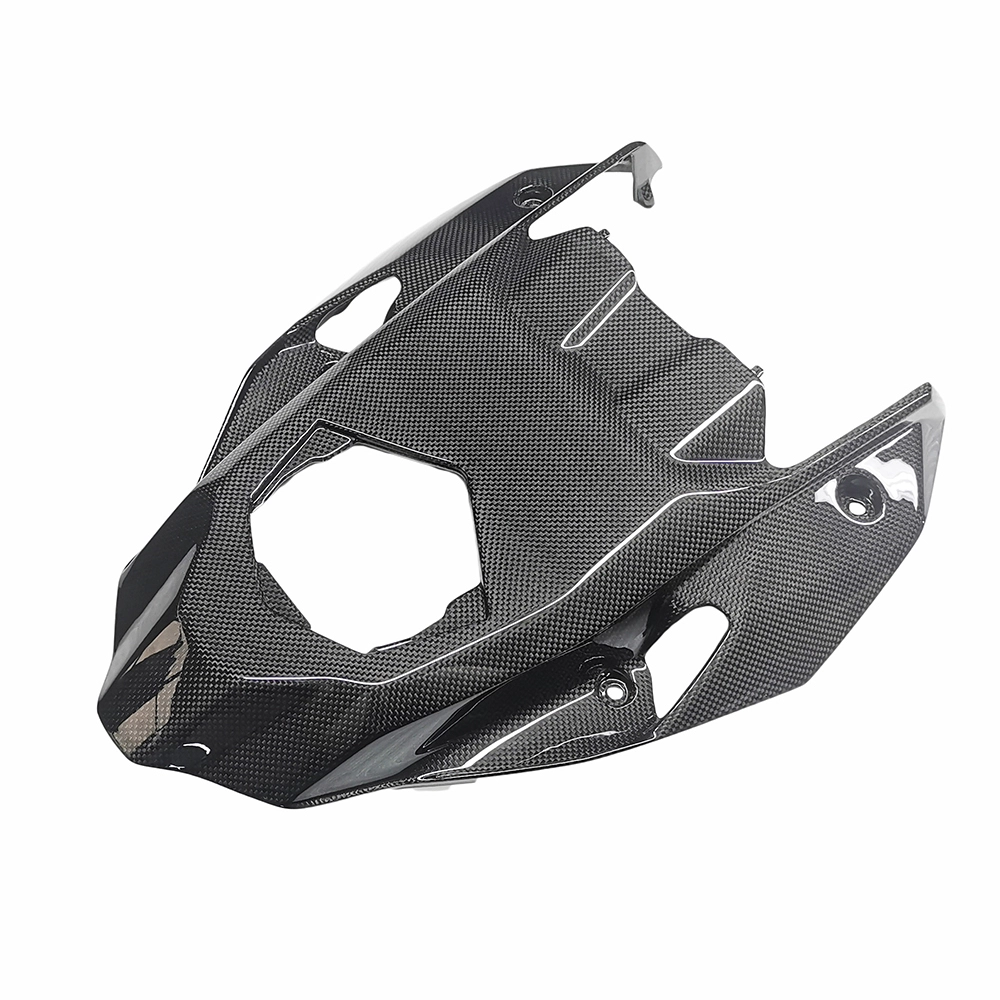
High-Performance Carbon Fiber Rear Undertail for BMW S1000R
Engineered for distributors, tuning brands, and motorcycle accessory businesses, the BMW S1000R Carbon Fiber Rear Undertail is a high-quality, durable, lightweight carbon fiber upgrade for the S1000R platform. This component is manufactured using aerospace-grade carbon fiber and precision molds to deliver superior stiffness, a seamless OEM-level fit, and a premium visual finish suitable for high-end aftermarket applications.

Supreem Carbon aiming to provide customers with high-performance carbon fiber products and quality services.
Contact Supreem Carbon
Address : Building 1 No.103, Yadi Nan 1st Road, QiaoTou Town, Dongguan City, China.
© 2024 Supreem Carbon All Rights Reserved.
Facebook
Pinterest
LinkedIn
Instagram