

Dry Carbon vs Wet Carbon: Key Differences Explained
- Dry Carbon vs Wet Carbon: Key Differences Explained
- Introduction — understanding user intent
- What is Dry Carbon (Prepreg)?
- What is Wet Carbon (Wet Layup)?
- Manufacturing process — how each is made
- Key performance differences (table)
- Why dry (prepreg) parts often outperform wet layup
- When wet carbon is the smart choice
- Cost breakdown and considerations
- Quality control, repeatability and scalability
- Typical applications in automotive and motorcycle parts
- How Supreem Carbon approaches Dry vs Wet Carbon
- Choosing the right option: a decision checklist
- Repairability and long‑term maintenance
- Environmental and storage considerations
- Conclusion — practical recommendation
- FAQs
- Sources
Dry Carbon vs Wet Carbon: Key Differences Explained
Introduction — understanding user intent
Searchers of Dry Carbon vs Wet Carbon: Key Differences Explained usually want a clear, practical comparison to decide which process best fits their automotive or motorcycle carbon fiber parts: performance, cost, finish, and manufacturability. This article answers those needs with actionable, vendor‑side insight for buyers and engineers.
What is Dry Carbon (Prepreg)?
Dry carbon commonly refers to carbon fiber that is pre‑impregnated with a controlled amount of resin (prepreg). Prepreg materials arrive ready to lay into molds and require controlled curing (oven or autoclave). Prepregs deliver repeatable fiber volume fraction, low void content, and superior surface finish, making them popular for high‑performance automotive and motorcycle carbon fiber parts.
What is Wet Carbon (Wet Layup)?
Wet carbon (wet layup) is produced by manually applying liquid resin to dry carbon fabric during layup, then curing at room temperature, in an oven, or under vacuum. Wet layup is flexible and lower cost, often used for prototypes, low‑volume parts, or when tooling investment must be minimized.
Manufacturing process — how each is made
Dry carbon (prepreg) processes involve refrigerated storage, controlled layup, vacuum bagging, and typically autoclave or controlled oven cures. Wet layup involves hand‑wetting or spray‑resin methods, sometimes with vacuum bagging or resin infusion to improve consolidation. Both methods may use mold tooling and post‑processing (trim, clear coat), but process controls and environmental needs differ markedly.
Key performance differences (table)
The following table compares common metrics for dry carbon (prepreg) and wet carbon (wet layup) for automotive/motorcycle parts.
| Metric | Dry Carbon (Prepreg) | Wet Carbon (Wet Layup) |
|---|---|---|
| Typical fiber volume fraction | ~55–65% (higher, more consistent) | ~40–50% (lower, more variable) |
| Mechanical properties | Higher tensile/stiffness, lower scatter | Lower strength/stiffness, higher variability |
| Surface finish | Excellent — glossy, uniform (ideal for visible parts) | Good to fair — often requires more finishing |
| Weight | Lighter for same strength (less resin) | Heavier due to higher resin content |
| Cost | Higher material and processing cost (prepreg, autoclave) | Lower initial cost, less specialized equipment |
| Production scale | Best for medium‑to‑high value, repeatable small/medium runs | Best for prototypes, one‑offs, very low volumes |
| Tooling & environment | Requires controlled storage (-18°C), clean room or low humidity | More tolerant of ambient conditions |
| Lead time & logistics | Longer (cold chain, prepreg scheduling) | Shorter for small runs |
Why dry (prepreg) parts often outperform wet layup
Prepreg systems are engineered for consistent resin content, optimized cure schedules, and often autoclave consolidation — all of which reduce voids and improve fiber/resin bonding. For structural or visible carbon fiber accessories (body panels, aerodynamic parts, wheel rims, trim), dry carbon delivers predictable strength, lower weight and a high‑quality finish that customers expect for High Quality aftermarket parts.
When wet carbon is the smart choice
Wet layup is cost‑effective for prototypes, decorative trims, or low‑stress applications where budget or quick turnaround outweighs performance. Wet layup enables flexible lay schedules and simple tooling, making it ideal for custom one‑off pieces and early development stages before committing to prepreg tooling and production runs.
Cost breakdown and considerations
From a buyer's perspective, consider total cost of ownership: prepreg parts usually cost more per unit but save weight and improve longevity, which can justify price for performance buyers. Wet layup parts reduce upfront cost and tooling, attractive to budget customers or for limited editions. For OEM or high‑speed motorcycle components, the High Quality on dry carbon often aligns with market expectations.
Quality control, repeatability and scalability
Dry carbon production is easier to control for repeatability and scalability because prepregs are manufactured to tight specifications. Wet layup has greater process variability and requires skilled technicians to approach consistent quality. If your business plan requires scaling to hundreds or thousands of consistent parts, prepreg/dry carbon processes or automated methods (RTM, infusion) are better long‑term choices.
Typical applications in automotive and motorcycle parts
Dry carbon is commonly used for structural or visible components: hoods, fenders, splitters, fairings, high‑quality luggage, and performance‑critical parts. Wet carbon suits prototypes, internal brackets, decorative trims, and some aftermarket accessories where visual appearance is less critical or parts are lower stress.
How Supreem Carbon approaches Dry vs Wet Carbon
Supreem Carbon (founded 2017) specializes in customized carbon fiber parts for automobiles and motorcycles and integrates R&D, design, production and sales. With a 4,500 m² factory, 45 skilled staff, and over 1,000 SKUs (500+ custom parts), we select dry (prepreg) or wet layup based on application, performance targets, lead time and cost goals. For visible, performance or repeat production runs we recommend dry carbon solutions; for prototypes and cost‑sensitive custom jobs we offer optimized wet layup techniques.
Choosing the right option: a decision checklist
Use this simple checklist when deciding between dry carbon (prepreg) and wet carbon (wet layup): part function (structural vs cosmetic), target weight, surface finish requirement, production volume, budget, and lead time. If several items favor performance/finish/volume, dry carbon is usually the right investment.
Repairability and long‑term maintenance
Both dry and wet parts can be repaired, but prepreg parts typically require more specialized repair procedures to match original material characteristics. Wet layup repairs are often easier in the field. For safety‑critical parts always consult a qualified composite repair technician.
Environmental and storage considerations
Prepreg materials need cold storage and controlled handling to maintain shelf life. Wet layup materials (resins and fabrics) are more forgiving in storage but require proper handling to limit VOCs and waste. Manufacturers must balance environmental controls with cost and workflow.
Conclusion — practical recommendation
Dry Carbon vs Wet Carbon: Key Differences Explained shows that prepreg/dry carbon offers higher, more consistent performance, superior surface finish and repeatability at higher cost and process complexity. Wet carbon (wet layup) remains valuable for prototypes, low volumes and budget‑driven projects. At Supreem Carbon, we evaluate each project against performance needs, budget and production volume and recommend the approach that delivers the best value for the customer.
FAQs
What is the main advantage of dry carbon over wet carbon?Dry carbon (prepreg) gives better mechanical properties, lighter weight and superior surface finish due to controlled resin content and controlled cure processes.How much stronger is dry carbon compared to wet layup?Strength varies by design and materials, but prepreg parts typically show higher specific strength and less variability because of better fiber consolidation and lower void content.Is wet layup cheaper than prepreg?Yes — wet layup usually has lower material and equipment costs, making it cheaper for prototypes and small runs; prepreg has higher upfront costs but better repeatability for production runs.Can wet layup achieve a glossy finish like dry carbon?It can, with more post‑processing (sanding, filling, clear coat), but matching the flawless factory prepreg finish is more difficult and labor intensive.Do prepreg parts always require an autoclave?Not always — some prepregs cure in ovens under vacuum bagging (out-of-autoclave, OOA) but many high‑performance prepregs are autoclave cured for optimal consolidation.How does Supreem Carbon decide which method to use?We assess the part's structural needs, visual finish, production volume and budget, then recommend wet layup for prototypes/low volume or prepreg/dry carbon for high-performance and repeat production parts.
Sources
- Hexcel — Prepreg materials and applications. https://www.hexcel.com/ (accessed 2024-05-01)
- CompositesWorld — Articles on prepreg vs wet layup manufacturing approaches. https://www.compositesworld.com/ (accessed 2024-05-02)
- Toray Industries — Carbon fiber composite product information. https://www.toray.com/ (accessed 2024-04-28)
- Supreem Carbon — Company capabilities and product offerings. https://www.supreemcarbon.com/ (accessed 2024-11-01)
The Ultimate Guide to Carbon Fiber Motorcycle Fenders: Everything You Need to Know
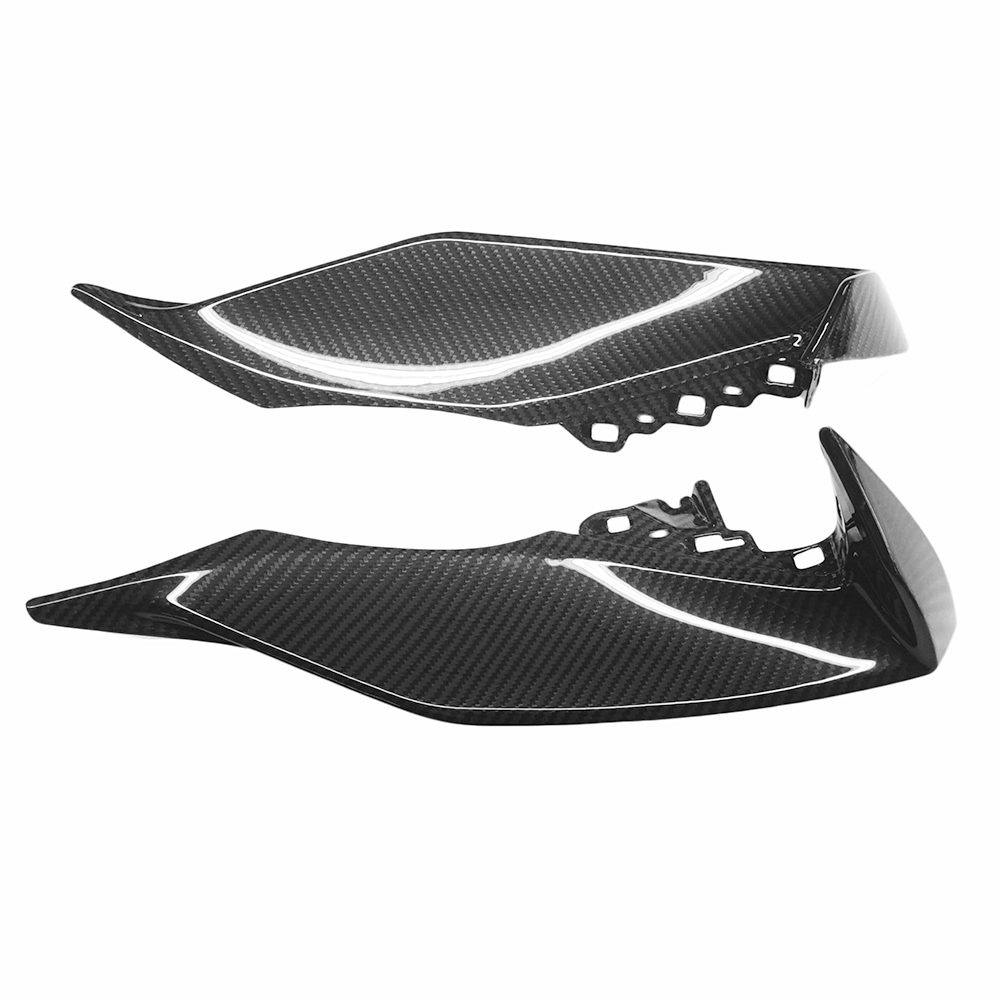
Enhance Your Motorcycle with Hayabusa Carbon Fiber Fairings from Supreem Carbon
Custom Carbon Fiber Parts for Your Project Car | Supreem Carbon
Best professional carbon fiber rear wing manufacturers and supplier brands
For After-sales Service
Do you offer the fitting advice?
Of course! If you have any questions, please contact us on info@supreemcarbon.com.
For Facotry
Can I visit your company?
Of course, we are in QiaoTou Town, Dongguan City, Guangdong Province, China.
When is Supreem carbon founded?
Our company formally established in early 2017.
For Products
How can I get some sample?
Actually we dont provide the free sample to customer, you can place a sample order if need some parts.
Which surface could you provide for the carbon parts?
Gloss finish, matte finish, satin finish. Some color coating as the customer needs.
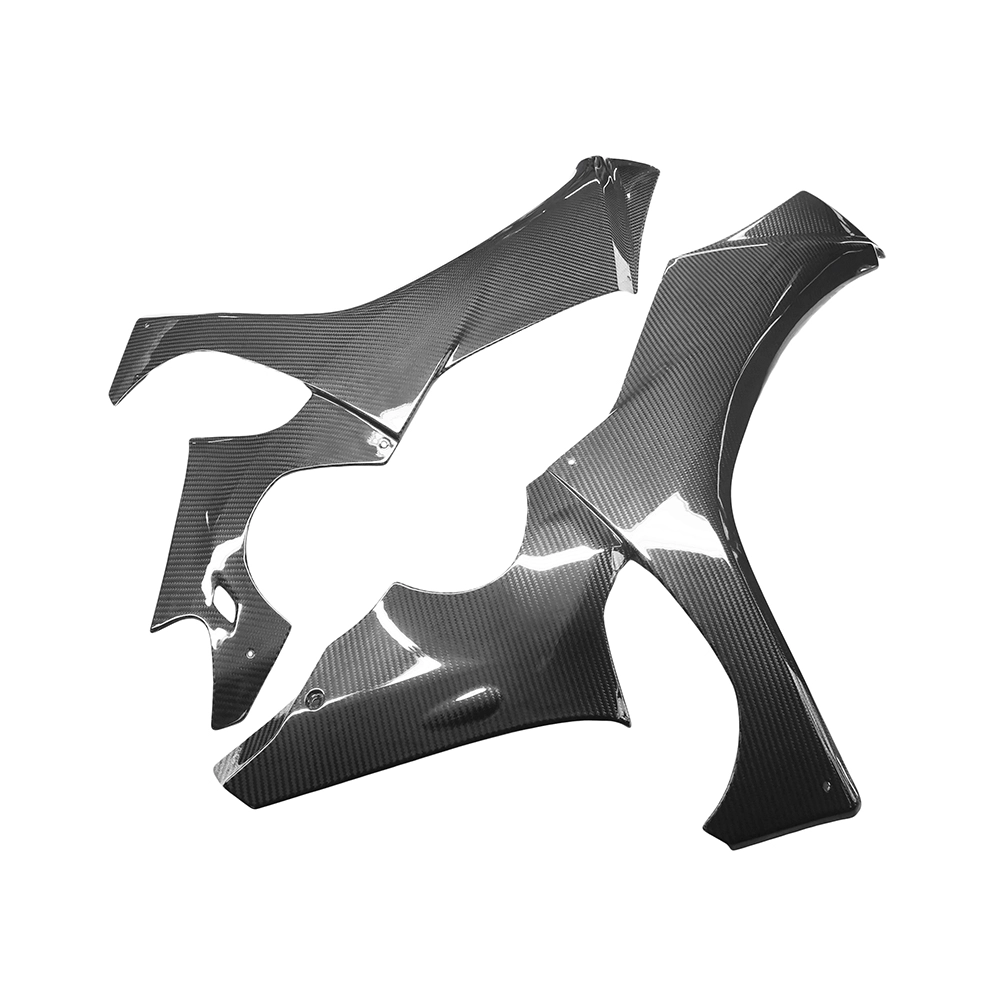
Yamaha R1 Carbon Fiber Side Fairings
Introducing the Supreem Carbon Fiber Long Side Panels for Yamaha R1. Crafted with precision and expertise, this front side fairing is designed to elevate the performance and aesthetics of your R1. Made from high-quality carbon fiber, this fairing is not only lightweight but also incredibly durable, providing optimal protection for your motorcycle.
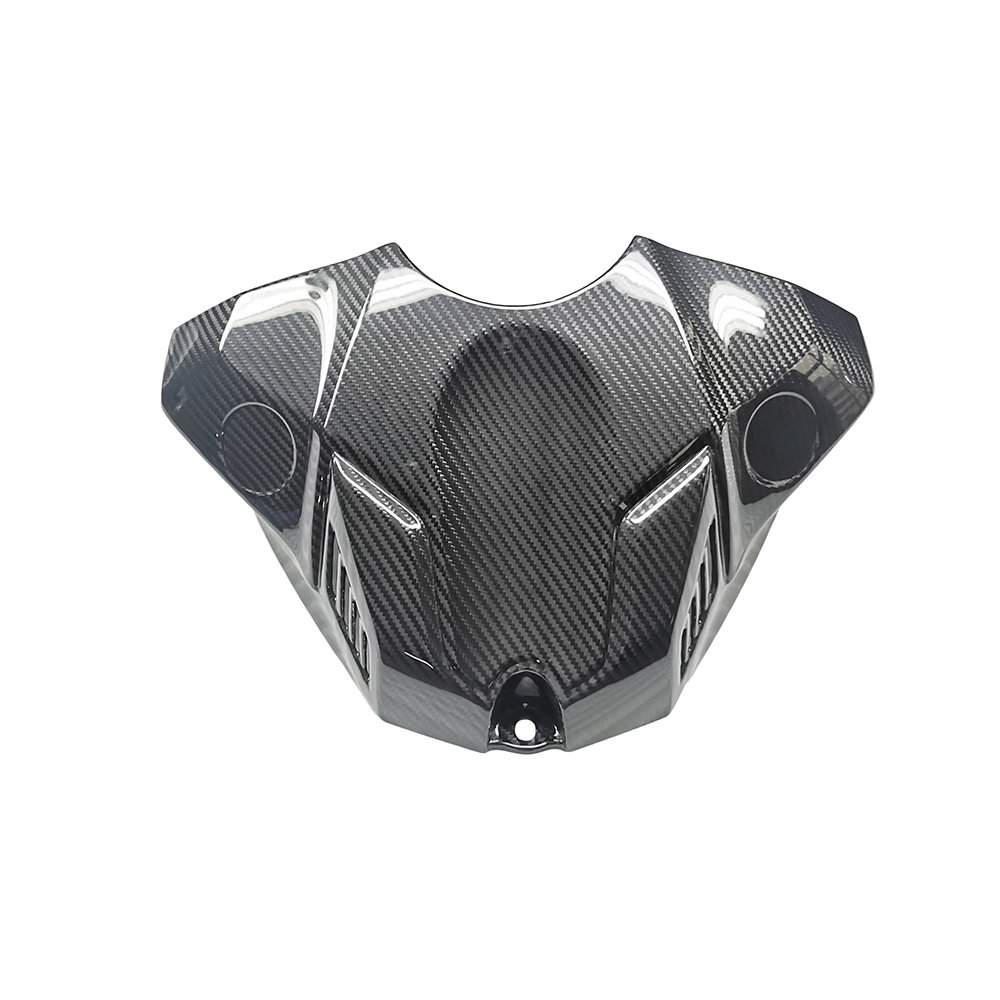
Yamaha R1 Carbon Fiber Airbox Tank Cover
The Supreem Carbon Yamaha R1 Carbon Fiber Airbox Tank Cover provides lightweight, durable protection with a sleek finish. Designed for R1 models, it enhances the style and performance of your bike. Its lightweight structure improves performance while maintaining the premium aesthetics necessary for high-end modification projects. As a dedicated manufacturer of carbon fiber parts, we provide stable production capacity, customization options, and strict quality control to support enterprise-level procurement and OEM/ODM needs.
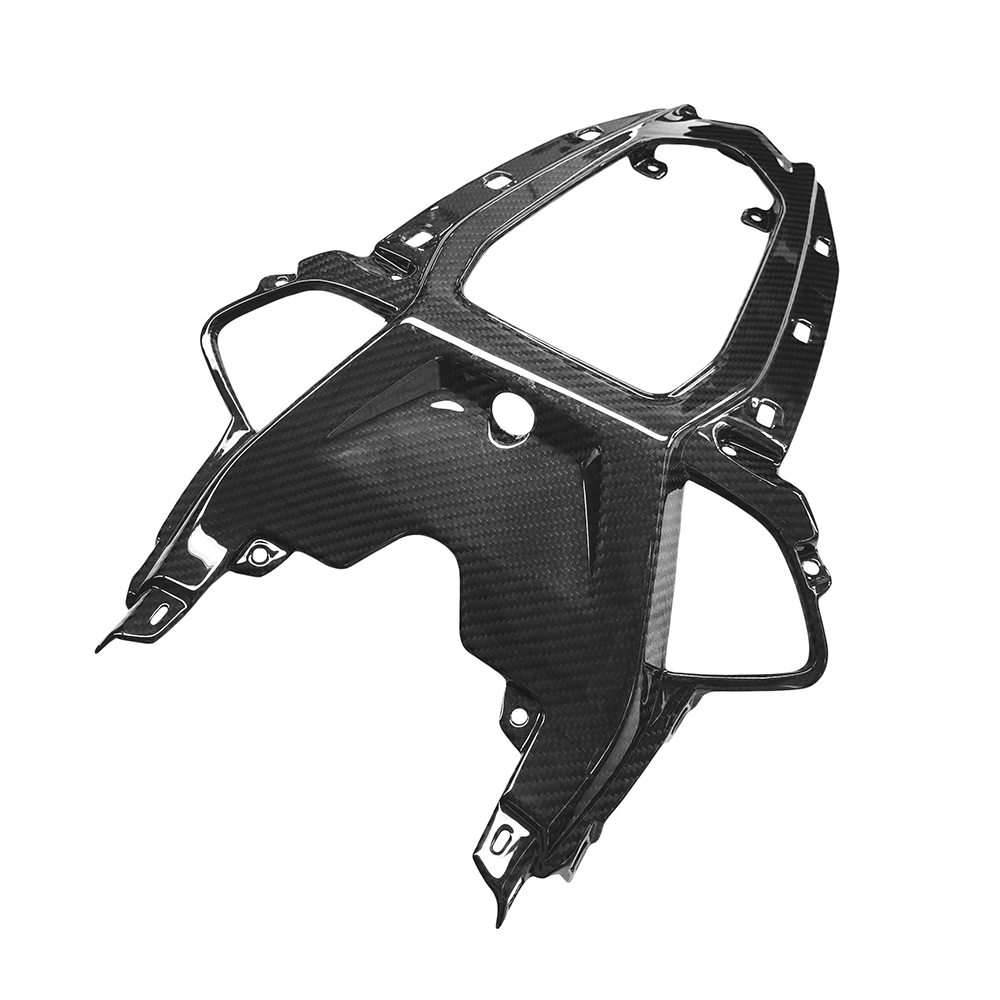
Carbon Fiber Rear Seat Panel for BMW S1000R & M1000RR – Lightweight Performance
This carbon fiber rear seat panel is engineered for the BMW S1000R and M1000RR, offering superior rigidity, reduced weight, and a premium racing finish. Produced with autoclave technology and strict QC standards, the part ensures consistent OEM-level fitment. Supreem Carbon provides wholesale supply, stable bulk production, and customized solutions for global clients.
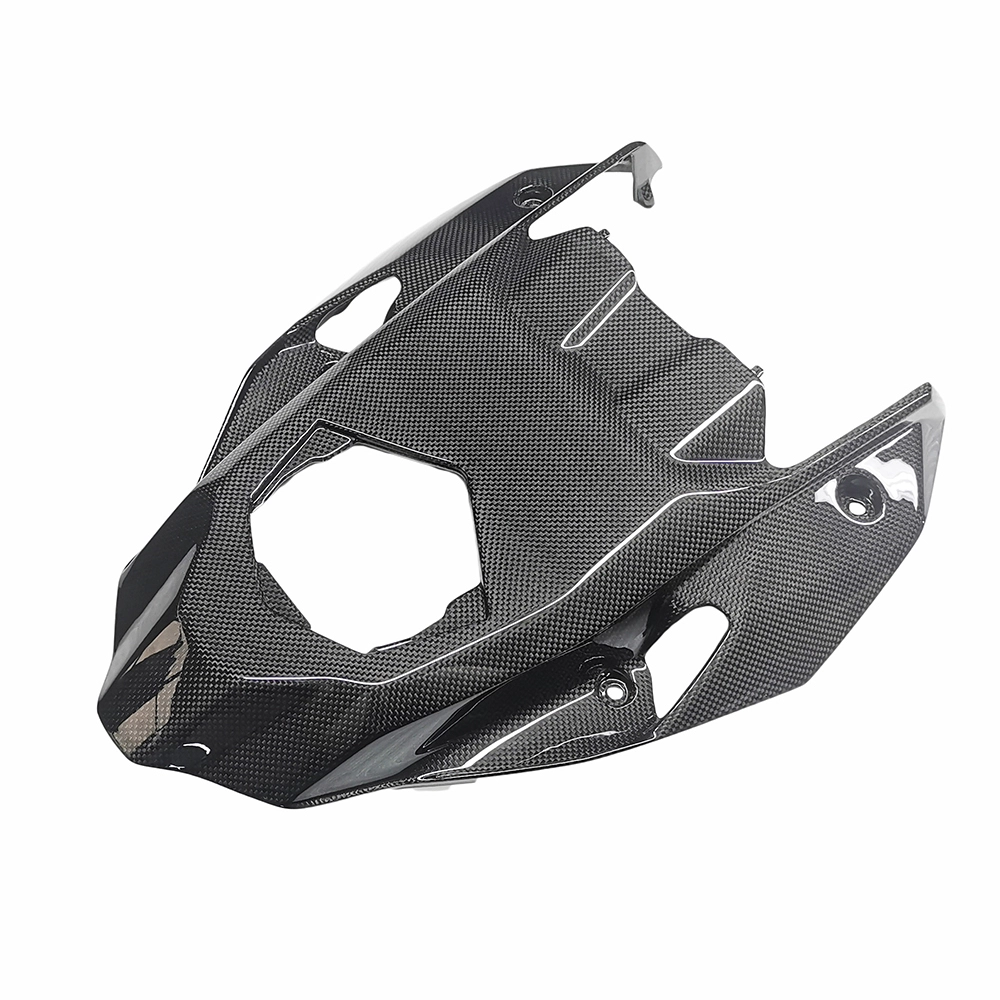
High-Performance Carbon Fiber Rear Undertail for BMW S1000R
Engineered for distributors, tuning brands, and motorcycle accessory businesses, the BMW S1000R Carbon Fiber Rear Undertail is a high-quality, durable, lightweight carbon fiber upgrade for the S1000R platform. This component is manufactured using aerospace-grade carbon fiber and precision molds to deliver superior stiffness, a seamless OEM-level fit, and a premium visual finish suitable for high-end aftermarket applications.

Supreem Carbon aiming to provide customers with high-performance carbon fiber products and quality services.
Contact Supreem Carbon
Address : Building 1 No.103, Yadi Nan 1st Road, QiaoTou Town, Dongguan City, China.
© 2024 Supreem Carbon All Rights Reserved.
Facebook
Pinterest
LinkedIn
Instagram