


Repair and Maintenance: Dry Carbon vs Wet Carbon
- Understanding Repair and Maintenance for Dry Carbon vs Wet Carbon
- What dry carbon vs wet carbon means: manufacturing and material basics
- Comparative properties: dry carbon vs wet carbon (quick reference)
- How manufacturing differences affect repair strategy for dry carbon vs wet carbon
- Inspection: detecting damage on dry carbon vs wet carbon parts
- Common repair techniques and step-by-step guidance for dry carbon vs wet carbon
- Repair workflow for wet carbon (typical, do-it-yourself to professional)
- Repair workflow for dry carbon (prepreg) — professional-recommended)
- Maintenance best practices: extending service life of dry carbon vs wet carbon
- Cost and lifecycle comparison: dry carbon vs wet carbon
- When to choose dry carbon vs wet carbon for automotive and motorcycle parts
- Practical examples of repair scenarios: real-world guidance
- Supreem Carbon: manufacturing capability and why supplier choice matters for dry carbon vs wet carbon
- Checklist: what to ask your manufacturer or repairer about dry carbon vs wet carbon
- Conclusion
- FAQ — Frequently Asked Questions about Dry Carbon vs Wet Carbon Repair and Maintenance
- 1. Which is easier to repair: dry carbon or wet carbon?
- 2. Can I use standard epoxy to repair a prepreg carbon part?
- 3. How can I tell if a carbon part needs full replacement rather than repair?
- 4. How often should I inspect carbon fiber motorcycle or car parts?
- 5. Does sun exposure damage dry carbon or wet carbon more?
- Contact and product inquiry
- References and authoritative resources
Understanding Repair and Maintenance for Dry Carbon vs Wet Carbon
Carbon fiber parts are prized for their strength-to-weight ratio and aesthetic appeal in automotive and motorcycle applications. However, not all carbon fiber is made the same. Dry carbon vs wet carbon is a common search for owners, fabricators, and maintenance teams who need to understand how manufacturing method affects repairability, inspection, cost, and long-term care. This article explains the technical differences, practical repair and maintenance workflows, and decision criteria to help you select or maintain carbon parts with confidence.
What dry carbon vs wet carbon means: manufacturing and material basics
Dry carbon typically refers to prepreg carbon fiber: fibers already impregnated with a measured amount of resin by the manufacturer and usually stored refrigerated. Curing requires controlled temperature (oven or autoclave). Wet carbon (wet layup) is hand-impregnated in-shop using liquid resin systems (epoxy, polyester, vinyl ester) applied to dry fiber fabric and cured at room or elevated temperatures. The core differences affect fiber volume fraction, void content, surface finish, and structural consistency.
Comparative properties: dry carbon vs wet carbon (quick reference)
| Property | Dry Carbon (Prepreg) | Wet Carbon (Wet Layup) |
|---|---|---|
| Typical fiber volume fraction | ~55–65% (higher and more consistent) | ~40–55% (lower, depends on workmanship) |
| Void content | Low (vacuum/autoclave reduces voids) | Higher risk of voids (dependent on vacuum bagging skill) |
| Surface finish | Very smooth, consistent weave patterns | More variability; may require more finishing |
| Structural performance | Higher strength/stiffness for same thickness | Good performance if well-executed, but generally lower |
| Repairability | More complex (requires matched prepreg/resin and heat cure) | Often easier to perform localized repairs with wet resins |
Sources for typical fiber volume fractions and process impacts include industry summaries and manufacturer technical notes (see references).
How manufacturing differences affect repair strategy for dry carbon vs wet carbon
Repair approach depends on whether the part is prepreg (dry carbon) or wet-laminated. Key considerations:
- Resin compatibility: Prepreg systems use proprietary resin chemistries. Structural repairs should use matched or compatible epoxy systems and often require heat post-cure for restored properties.
- Curing requirements: Many prepreg repairs need elevated temperature cures (oven or portable heat blankets) and sometimes pressure (vacuum bagging or autoclave) to fully consolidate. Wet-layup repairs usually cure at room temperature or with a modest post-cure.
- Bonding to original laminate: Surface preparation (sanding, cleaning, and sometimes peel ply removal) is critical. For prepreg parts, careful removal of brittle/fractured resin zones and use of appropriate adhesives helps achieve a durable bond.
Inspection: detecting damage on dry carbon vs wet carbon parts
Visible damage—cracks, fiber breakage, crushed areas—can be assessed visually, but hidden delamination is common. Recommended inspection steps for both types:
- Visual inspection for paint cracks, fiber exposure, or puckering.
- Tap testing (coin or small hammer) to find soft/dull areas indicating delamination.
- Ultrasonic or thermographic inspection if structural integrity is critical (suspension or load-bearing components).
Note: Prepreg parts with high fiber volume can hide damage beneath a glossy finish; NDT (non-destructive testing) is advised for high-value or structural components.
Common repair techniques and step-by-step guidance for dry carbon vs wet carbon
Below are generalized workflows. Specific steps vary by damage extent and part function.
Repair workflow for wet carbon (typical, do-it-yourself to professional)
- Remove paint/coating around the damaged area and sand to reach sound fibers.
- Clean with solvent (isopropyl alcohol) and dry fully.
- Laminating: cut dry carbon or fiberglass plies to shape; apply mixed epoxy resin; layup plies with controlled overlap.
- Consolidate with hand rollers and, if available, vacuum bag for improved compaction.
- Cure according to resin instructions; sand smooth and apply clearcoat or paint as needed.
Repair workflow for dry carbon (prepreg) — professional-recommended)
- Evaluate extent: structural vs cosmetic. For structural, consult a qualified composites facility.
- Remove area of damaged resin and fractured fibers to reach an undisturbed laminate edge.
- Use compatible prepreg material or a high-performance epoxy with post-cure schedule. For critical repairs, match prepreg architecture and cure cycle where possible.
- Apply repair patch using vacuum bagging; use heat blankets or oven/autoclave to achieve recommended cure temperature and pressure.
- Post-cure and finish. Mechanical fastening or bonded reinforcements may be added for high-load areas.
Attempting to repair prepreg parts without matched materials and proper curing often results in weaker, delaminating repairs. For safety-critical items (frames, structural mounts), professional restoration is strongly recommended.
Maintenance best practices: extending service life of dry carbon vs wet carbon
- Regular cleaning: mild automotive soap, soft microfibre cloth, avoid harsh solvents that can attack resins.
- Protective coatings: UV-stable clearcoats or waxes reduce surface degradation; some prepreg resins have better UV resistance, but coatings are still wise.
- Fastener torque and interface checks: inspect bonded joints and fasteners for loosening which can create micro-motion wear.
- Periodic NDT for structural parts: annual tap tests or thermography if exposed to impact events.
Cost and lifecycle comparison: dry carbon vs wet carbon
Prepreg parts are typically more expensive upfront due to material cost, autoclave curing, and tighter quality control. They often deliver higher stiffness and a High Quality finish, which can translate to longer functional life in high-stress applications. Wet-layup parts are generally cheaper to produce and repairable at lower cost, but may require more frequent inspection and maintenance to ensure long-term performance.
| Factor | Dry Carbon (Prepreg) | Wet Carbon (Wet Layup) |
|---|---|---|
| Initial cost | High | Lower |
| Repair cost (typical) | Higher (matched materials, heat/pressure) | Lower (local wet resin repairs possible) |
| Typical lifespan (with proper maintenance) | Long for structural parts | Good, but depends more on workmanship |
When to choose dry carbon vs wet carbon for automotive and motorcycle parts
Decision criteria:
- Performance-critical, weight-sensitive, or low-tolerance aerodynamic parts: favor prepreg (dry carbon).
- Cost-sensitive custom parts or small-batch accessories where local repairability is important: wet-layup is often preferred.
- Aesthetic showpieces: both can be outstanding, but prepreg yields a more uniform finish and weave clarity.
Practical examples of repair scenarios: real-world guidance
Example 1 — Small cosmetic crack on a wet-layup motorcycle fairing: sand, wet-laminate with epoxy and matching weave, finish and clearcoat. Cost: relatively low; easy to DIY or local shop.
Example 2 — Impact damage to a prepreg carbon fender with ply fracture near a mounting boss: requires assessment with NDT, removal of damaged area, matched prepreg patch, vacuum bagging and heat cure. Likely a professional repair or replacement; safety-critical mounting points might need full replacement.
Supreem Carbon: manufacturing capability and why supplier choice matters for dry carbon vs wet carbon
Supreem Carbon, established in 2017, is a customized manufacturer of carbon fiber parts for automobiles and motorcycles, integrating R&D, design, production, and sales to deliver high-quality products and services. They specialize in carbon fiber composite research and the production of vehicle accessories, luggage, and sports equipment. With a 4,500 m2 factory, 45 skilled staff, an annual output value near 4 million dollars, and a catalog of over 1,000 products (500+ customized parts), Supreem Carbon offers both wet-layup and advanced prepreg solutions for OEM-level finish and performance. Website: https://www.supreemcarbon.com/
Supreem Carbon advantages and core offerings:
- Product range: carbon fiber motorcycle parts, carbon fiber automobile parts, customized carbon fiber parts.
- Technical capability: in-house R&D and manufacturing to support matched-material repairs and custom prepreg design.
- Scale and quality control: factory-scale production enables consistent layups and finishes—important when comparing dry carbon vs wet carbon outcomes.
Choosing a supplier with both wet and dry process expertise matters because repairability and service support depend on the manufacturer’s ability to document material systems, cure cycles, and to supply matching materials for later repairs.
Checklist: what to ask your manufacturer or repairer about dry carbon vs wet carbon
- Which resin system and cure cycle were used? (Document matching materials for repairs.)
- What is the fiber volume fraction or layup schedule? (Helps estimate residual strength after repair.)
- Do you provide repair kits or matched prepreg patches? Can the part be autoclave-cured for repairs?
- What inspection methods do you recommend post-repair?
Conclusion
Both dry carbon (prepreg) and wet carbon (wet-layup) have valid roles in automotive and motorcycle parts. The right choice, and the correct repair approach, depend on application-critical performance, budget, and long-term maintenance expectations. For show-quality and high-performance structural parts, prepreg/dry carbon is preferred but requires professional-grade repairs. For accessible, cost-effective parts and easier field repairs, wet-layup is an excellent option. Working with an experienced manufacturer like Supreem Carbon ensures you get clear material documentation, matched repair capability, and consistent product quality tailored to your needs.
FAQ — Frequently Asked Questions about Dry Carbon vs Wet Carbon Repair and Maintenance
1. Which is easier to repair: dry carbon or wet carbon?
Wet carbon (wet-layup) is generally easier for localized repairs because it uses manual resin impregnation and cures at lower temperatures. Dry carbon (prepreg) often requires matched resin systems, elevated cure temperatures, and sometimes pressure, making repairs more complex and typically professional.
2. Can I use standard epoxy to repair a prepreg carbon part?
Using a compatible high-performance epoxy is possible for non-structural repairs, but for structural restoration you should use materials and cure cycles that match the original prepreg to recover strength. Consult the manufacturer or an experienced composites shop.
3. How can I tell if a carbon part needs full replacement rather than repair?
If the damage affects mounting bosses, load-bearing flanges, or large-area delamination that compromises structural integrity, replacement is often safer. NDT (ultrasonic or thermography) helps determine extent of internal damage.
4. How often should I inspect carbon fiber motorcycle or car parts?
Inspect visually before and after rides or drives if exposed to impacts. For structural components, perform a detailed inspection annually or after any crash/impact event. Use tap tests and consider periodic NDT for critical parts.
5. Does sun exposure damage dry carbon or wet carbon more?
Both are sensitive to UV degradation of surface resins; surface coatings protect both. However, differences in resin formulation can change UV resistance. Apply UV-stable clearcoat and avoid prolonged direct sunlight when possible.
Contact and product inquiry
If you need professional advice, matched repairs, or custom carbon fiber parts, contact Supreem Carbon for consultation and product information: https://www.supreemcarbon.com/. Their combined R&D and production capabilities make them a practical partner whether you need carbon fiber motorcycle parts, automobile parts, or customized carbon fiber components.
References and authoritative resources
- Prepreg composite overview — Wikipedia. https://en.wikipedia.org/wiki/Prepreg (accessed 2025-12-18)
- Autoclave curing and composite processing — Wikipedia. https://en.wikipedia.org/wiki/Autoclave_(industrial) (accessed 2025-12-18)
- CompositesWorld — articles on prepreg vs wet layup manufacturing and repair techniques. https://www.compositesworld.com/ (accessed 2025-12-18)
- AZoM — Fiber volume fraction and composite properties overview. https://www.azom.com/ (accessed 2025-12-18)
- Practical composite repair guidance — industry technical notes and shop best-practices (various manufacturer datasheets and repair manuals) e.g., https://www.hexcel.com/ (accessed 2025-12-18)
Best professional carbon fiber mountain bicycle manufacturers and supplier brands
Best professional carbon fiber motorcycle helmets manufacturers and supplier brands
Custom carbon fiber material for cars Manufacturers and suppliers
Custom Carbon Fibre Parts for Your Project Car | Supreem Carbon
For Facotry
When is Supreem carbon founded?
Our company formally established in early 2017.
How many employees of Supreem carbon?
We have over 50 employees, including over 40 skilled workers, 3 R&D designers, and 5 QC professionals and so on.
For Customized Service
What custom customer need to prepare?
1. Send Your Design/Idea/3D drawing.
2. Supplier Quotation Confirmation.
3. Firts Sample Feedback.
What is the customization process of carbon fiber products?
1. Customer provide 3D drawing, design requirement or idea
2. Technician evaluate project feasibility and provide a quotation
3. Project confirmation and arrange sample production
4. Delivery and customer feedback
5. Big scale orders production
For Products
Which surface could you provide for the carbon parts?
Gloss finish, matte finish, satin finish. Some color coating as the customer needs.
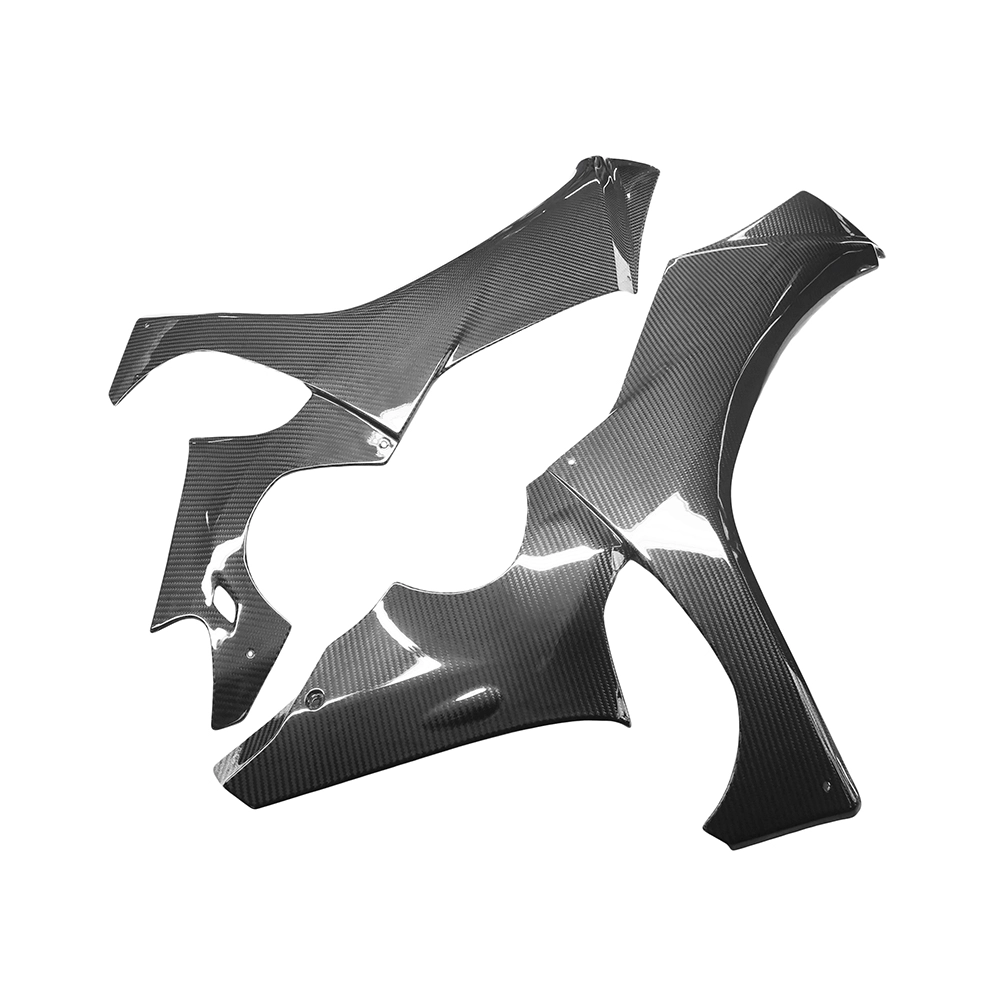
Yamaha R1 Carbon Fiber Side Fairings
Introducing the Supreem Carbon Fiber Long Side Panels for Yamaha R1. Crafted with precision and expertise, this front side fairing is designed to elevate the performance and aesthetics of your R1. Made from high-quality carbon fiber, this fairing is not only lightweight but also incredibly durable, providing optimal protection for your motorcycle.
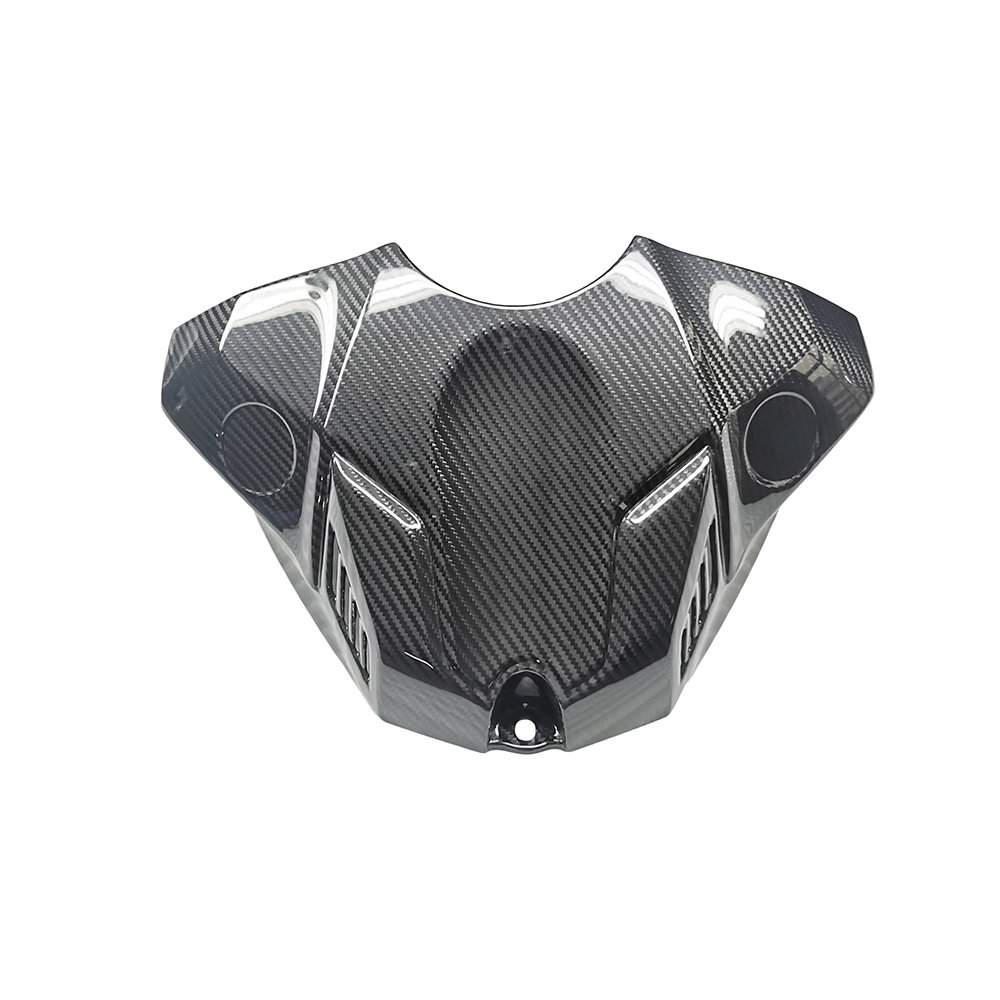
Yamaha R1 Carbon Fiber Airbox Tank Cover
The Supreem Carbon Yamaha R1 Carbon Fiber Airbox Tank Cover provides lightweight, durable protection with a sleek finish. Designed for R1 models, it enhances the style and performance of your bike. Its lightweight structure improves performance while maintaining the premium aesthetics necessary for high-end modification projects. As a dedicated manufacturer of carbon fiber parts, we provide stable production capacity, customization options, and strict quality control to support enterprise-level procurement and OEM/ODM needs.
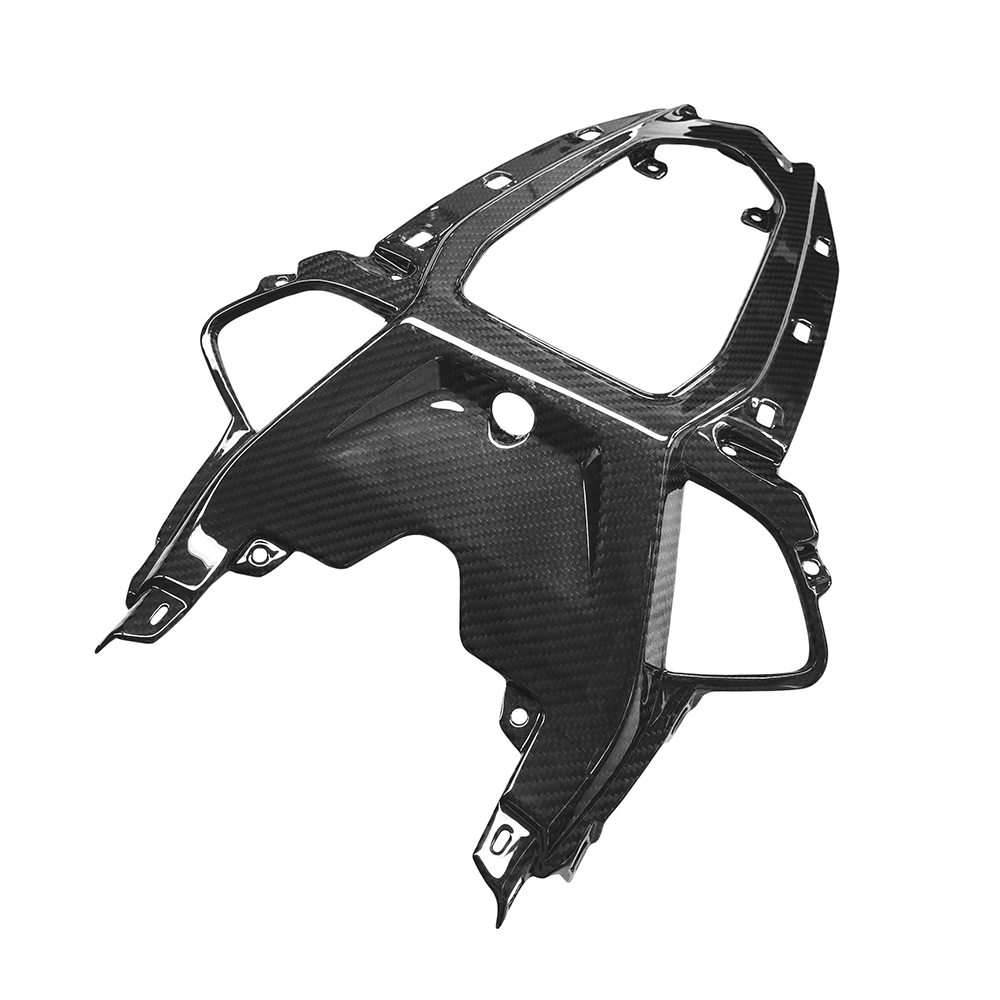
Carbon Fiber Rear Seat Panel for BMW S1000R & M1000RR – Lightweight Performance
This carbon fiber rear seat panel is engineered for the BMW S1000R and M1000RR, offering superior rigidity, reduced weight, and a premium racing finish. Produced with autoclave technology and strict QC standards, the part ensures consistent OEM-level fitment. Supreem Carbon provides wholesale supply, stable bulk production, and customized solutions for global clients.
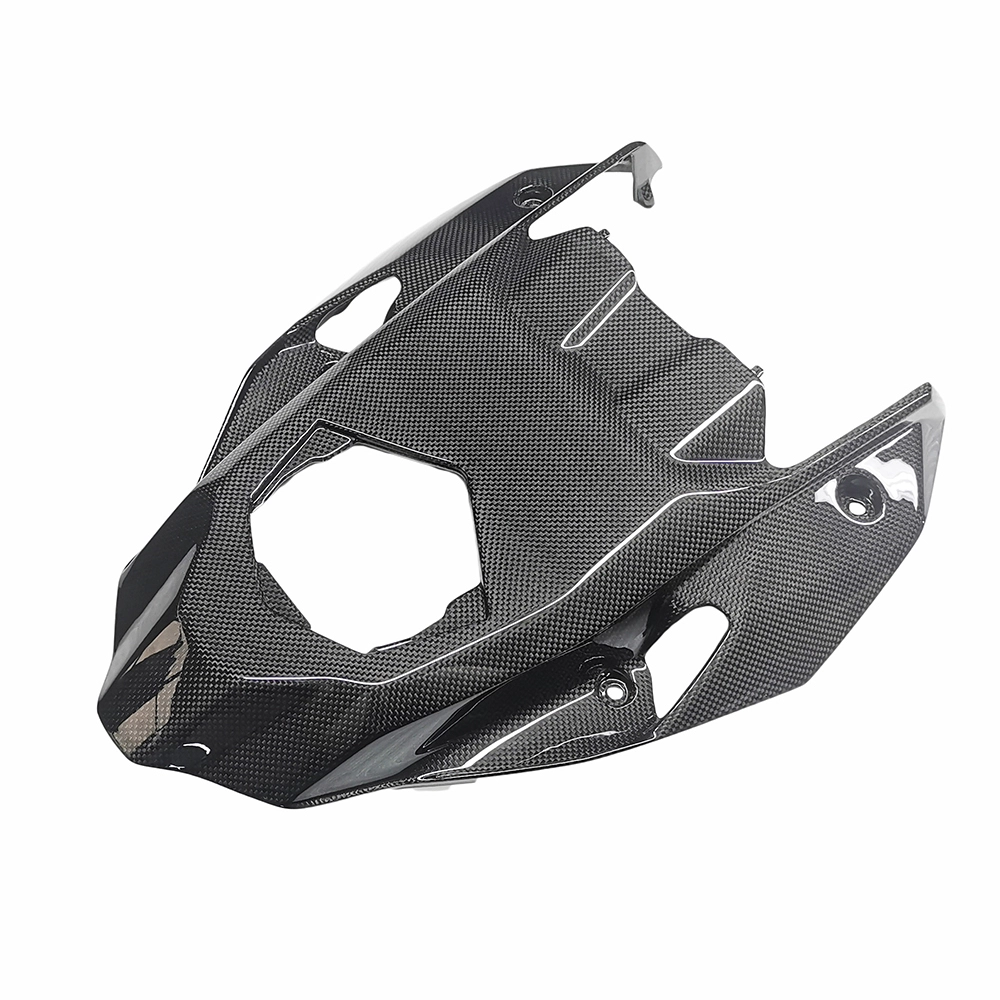
High-Performance Carbon Fiber Rear Undertail for BMW S1000R
Engineered for distributors, tuning brands, and motorcycle accessory businesses, the BMW S1000R Carbon Fiber Rear Undertail is a high-quality, durable, lightweight carbon fiber upgrade for the S1000R platform. This component is manufactured using aerospace-grade carbon fiber and precision molds to deliver superior stiffness, a seamless OEM-level fit, and a premium visual finish suitable for high-end aftermarket applications.

Supreem Carbon aiming to provide customers with high-performance carbon fiber products and quality services.
Contact Supreem Carbon
Address : Building 1 No.103, Yadi Nan 1st Road, QiaoTou Town, Dongguan City, China.
© 2024 Supreem Carbon All Rights Reserved.
Facebook
Pinterest
LinkedIn
Instagram