
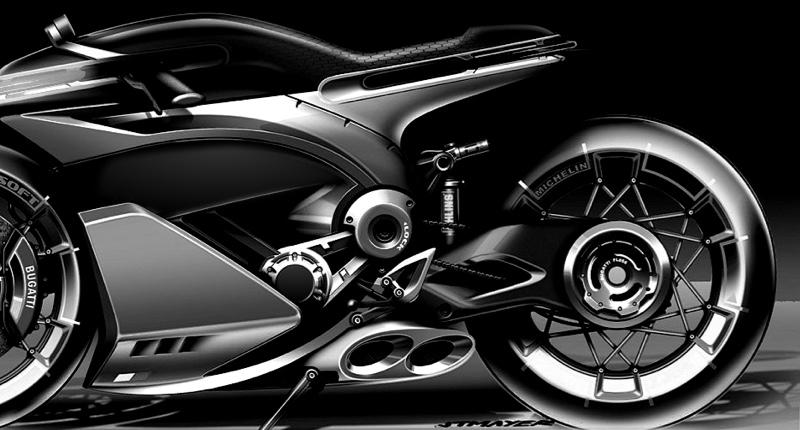


Dry Carbon Wheels: Pros, Cons and Installation Tips
- Understanding Dry Carbon Wheels: What Riders and Drivers Need to Know
- What is dry carbon and why it matters for carbon wheels (keyword: dry carbon)
- How dry carbon differs from wet layup and RTM (keyword: carbon fiber parts)
- Quick comparison: dry carbon vs wet carbon vs RTM (keyword: carbon wheels)
- Performance Benefits of Dry Carbon Wheels (keyword: dry carbon)
- Weight savings and rotational inertia
- Stiffness, strength and tuning (keyword: carbon wheels)
- Aero and design freedom (keyword: carbon fiber parts)
- Trade-offs and Common Concerns (keyword: dry carbon)
- Cost vs. benefit
- Impact resistance and damage modes
- Repairability and serviceability (keyword: carbon fiber parts)
- Durability, Testing and Safety Standards (keyword: carbon wheels)
- How manufacturers test carbon wheels
- Fatigue life and predictable failure modes
- Fitment, Compatibility and Installation Tips (keyword: installation tips, carbon wheels)
- Choosing the right wheel for your vehicle
- Installation best practices (keyword: installation tips)
- TPMS and brake compatibility
- Comparison Table: Typical Metrics for Dry Carbon Wheels vs Forged Aluminum
- Maintenance and Long-Term Care (keyword: dry carbon)
- Routine inspections and cleaning
- When to remove a wheel from service
- Cost-Benefit Considerations and Use-Cases (keyword: carbon fiber parts)
- Who benefits most from dry carbon wheels
- When aluminum still makes sense
- Supreem Carbon: Manufacturer Profile and How We Support Dry Carbon Wheels (keyword: customized carbon fiber parts)
- Practical Recommendations Before Buying Dry Carbon Wheels (keyword: dry carbon)
- Checklist for buyers
- FAQ (Frequently Asked Questions) (keyword: dry carbon)
- 1. Are dry carbon wheels worth the money?
- 2. How much lighter are dry carbon wheels compared to aluminum?
- 3. Can I repair a cracked dry carbon wheel?
- 4. Do carbon wheels affect brake cooling?
- 5. Are dry carbon wheels safe for everyday driving?
- 6. How should I maintain and inspect dry carbon wheels?
- Contact and Product Inquiry (CTA)
- References
Understanding Dry Carbon Wheels: What Riders and Drivers Need to Know
What is dry carbon and why it matters for carbon wheels (keyword: dry carbon)
Dry carbon refers to carbon-fiber preforms (fabrics or unidirectional plies) that are laid into a mold and then infused or cured with resin in a controlled process where the fiber architecture is highly preserved and consolidated. In the context of wheels, dry carbon is often used to describe high-performance, aerospace-grade carbon fiber laminates that result in a higher fiber volume fraction and more predictable mechanical properties compared with some wet layup processes. For buyers searching for carbon fiber parts and dry carbon wheels, the key appeal is improved stiffness-to-weight ratio and consistent manufacturing quality.
How dry carbon differs from wet layup and RTM (keyword: carbon fiber parts)
Manufacturing method strongly affects the final wheel's properties. Dry carbon processes (prepreg/autoclave or vacuum-bagged dry fiber with resin infusion) typically yield higher fiber-to-resin ratios and fewer voids. Wet layup (hand-layup) or some RTM variants can be less consistent if not tightly controlled.
Quick comparison: dry carbon vs wet carbon vs RTM (keyword: carbon wheels)
| Property | Dry Carbon (prepreg/autoclave) | Wet Layup | RTM (Resin Transfer Molding) |
|---|---|---|---|
| Fiber Volume Fraction | High (50–65%+) | Lower (35–50%) | Medium (40–55%) |
| Repeatability | High | Variable | Good |
| Manufacturing Cost | High | Low | Medium–High |
| Mechanical Consistency | Excellent | Inconsistent | Good |
| Typical Use | High-performance wheels | Non-structural parts, budget items | Series production structural parts |
Sources for these general metrics include industry technical papers and composite material datasheets (see references).
Performance Benefits of Dry Carbon Wheels (keyword: dry carbon)
Weight savings and rotational inertia
One of the most cited advantages: dry carbon wheels can reduce unsprung and rotational mass significantly versus cast or forged aluminum. Typical claims from manufacturers range from 30% to 50% lighter depending on wheel design and application (motorcycle, car, or bicycle). Less rotational inertia improves acceleration, braking response and handling feel. Note: actual savings vary by rim depth, hub design and brake hardware.
Stiffness, strength and tuning (keyword: carbon wheels)
Dry carbon with a high fiber volume fraction delivers excellent specific stiffness (stiffness per unit weight). For performance drivers and riders, this translates into sharper steering response and more predictable flex characteristics. Equally important, carbon layup can be tailored—anisotropic fiber orientations allow manufacturers to tune stiffness in the radial, tangential and lateral directions for desired ride characteristics.
Aero and design freedom (keyword: carbon fiber parts)
Because carbon composites can be molded into complex shapes, wheel designers take advantage of aerodynamic rim profiles and integrated features (brake cooling ducts, inner reinforcement) without the constraints of metal forming. This becomes valuable in motorsport and high-performance aftermarket wheels.
Trade-offs and Common Concerns (keyword: dry carbon)
Cost vs. benefit
Dry carbon wheels are expensive. High material costs, prepreg/autoclave processing or precision infusion, and stringent QA drive price. Buyers must evaluate whether performance gains justify the cost for their use case—track-focused cars and race motorcycles get the most measurable benefit.
Impact resistance and damage modes
Carbon fiber behaves differently than metal. It doesn't dent; it can crack, delaminate or suffer fiber breakage under high-impact events (curb strikes, potholes). Some damage modes are internal and not visible externally. Therefore, regular inspections and conservative use are recommended for road-driven vehicles in poor conditions.
Repairability and serviceability (keyword: carbon fiber parts)
Small cosmetic scratches are repairable, but structural damage often requires specialized repair centers. Insurance and warranty considerations are different from metal wheels. Choose suppliers who publish clear service and warranty policies.
Durability, Testing and Safety Standards (keyword: carbon wheels)
How manufacturers test carbon wheels
Reputable manufacturers test for static load, fatigue (repeated load cycles), impact resistance and environmental durability (UV, salt spray). For road and motorcycle wheels, pass/fail criteria often mirror or exceed governing standards from organizations like SAE, ISO or ETRTO where applicable. Look for published test results or third-party certification when evaluating products.
Fatigue life and predictable failure modes
Dry carbon's higher fiber content gives excellent fatigue resistance when properly designed. Still, design must account for stress concentrations at spoke-hub interfaces and braking loads. Failure modes are usually progressive; well-designed wheels should show early warning signs such as changing vibration or micro-fractures detected during inspection.
Fitment, Compatibility and Installation Tips (keyword: installation tips, carbon wheels)
Choosing the right wheel for your vehicle
Key considerations: hub bore and bolt pattern, offset and backspacing, brake clearance, ABS/TPMS compatibility, and load rating. For motorcycles, consider rotor fitting and axle tolerances. Always confirm manufacturer-specified torque values for hub hardware and axle nuts.
Installation best practices (keyword: installation tips)
- Have installation performed or inspected by a technician experienced with carbon wheels.
- Use the correct torque settings and a calibrated torque wrench; over-torquing can cause localized crushing of composite interfaces.
- When mounting tires, use a tire machine with soft jaws/pads and ensure bead seating is even; some carbon rims require protective covers at the bead seats to avoid scuffing.
- Check and re-torque wheel fasteners after initial break-in miles (e.g., 50–100 mi / 80–160 km) per manufacturer guidance.
- If installing carbon wheels on a vehicle previously running heavier wheels, review suspension calibration and dynamic alignment to ensure handling characteristics remain safe.
TPMS and brake compatibility
Confirm TPMS sensor fitment and whether sensors require adapters. On vehicles with large-diameter brakes, verify clearance; some carbon wheel designs include special rotor pockets or heat barriers—ask the manufacturer for retrofit solutions.
Comparison Table: Typical Metrics for Dry Carbon Wheels vs Forged Aluminum
| Metric | Dry Carbon Wheel | Forged Aluminum Wheel |
|---|---|---|
| Weight (typical) | 30–50% lighter (varies) | Baseline |
| Cost | High | Medium–High |
| Impact Damage | Crack/delaminate (may be internal) | Dents or bends (visible) |
| Repairability | Specialized repair | Often local wheel repair shops |
| Customization | High (aero shapes) | Moderate |
Note: figures and ranges depend on manufacturer design choices; request published test data for specific models.
Maintenance and Long-Term Care (keyword: dry carbon)
Routine inspections and cleaning
Inspect wheel surfaces, inner barrel and spoke-hub interfaces for hairline cracks, discoloration or resin bloom. Use pH-neutral wheel cleaners and avoid harsh abrasives or strong solvents. After winter driving with road salt, flush wheels thoroughly and inspect for corrosion at aluminum inserts or hardware.
When to remove a wheel from service
If you detect structural cracking, sudden change in vibration, or visible delamination, remove the wheel from service and consult a certified composite repair center. Do not attempt to ride or drive on a compromised wheel.
Cost-Benefit Considerations and Use-Cases (keyword: carbon fiber parts)
Who benefits most from dry carbon wheels
Track-day enthusiasts, competitive racers and performance-focused riders benefit most from dry carbon wheels because the advantages (reduced rotational mass, tailored stiffness, aero gains) translate into measurable lap-time or performance improvements. Enthusiasts who value weight savings and the High Quality aesthetic may also choose them for street cars and motorcycles.
When aluminum still makes sense
Daily drivers in harsh road environments or budget-conscious owners often prefer forged aluminum wheels for their forgiving impact behavior, lower replacement cost and easier repairability.
Supreem Carbon: Manufacturer Profile and How We Support Dry Carbon Wheels (keyword: customized carbon fiber parts)
Supreem Carbon, established in 2017, is a customized manufacturer of carbon fiber parts for automobiles and motorcycles, integrating R&D, design, production, and sales to deliver high-quality products and services. We specialize in the technology research and development of carbon fiber composite products and the production of related items. Our main offerings include the customization and modification of carbon fiber accessories for vehicles, as well as the manufacturing of carbon fiber luggage and sports equipment.
Our factory spans approximately 4,500 square meters and employs 45 skilled production and technical staff, achieving an annual output value of around 4 million dollars. Currently, we offer over 1,000 types of products, including more than 500 customized carbon fiber parts.
Supreem Carbon's advantages include: focused R&D in composite technologies, tight manufacturing controls for dry carbon processes, OEM-level customization capability and a product catalog that serves both motorcycles and automobiles. Our main products include carbon fiber motorcycle parts, carbon fiber automobile parts and customized carbon fiber parts. For more details and product catalogs, visit https://www.supreemcarbon.com/.
Competitive differentiators and credibility:
- End-to-end capabilities: design to production reduces lead time for custom dry carbon wheel components and accessories.
- Technical staff experienced in composite layup, resin selection and post-cure management—critical for consistent dry carbon performance.
- A broad product range with a heavy emphasis on customization (500+ custom parts) allowing tight fitment for specialized vehicles and brake packages.
Practical Recommendations Before Buying Dry Carbon Wheels (keyword: dry carbon)
Checklist for buyers
- Request published static and fatigue test reports for the specific wheel model.
- Confirm vehicle-specific fitment (clearances, hub/bolt pattern, load ratings).
- Verify warranty terms, repair network and spare-part availability.
- Ask the manufacturer about resin systems and UV protection (important for long-term aesthetics and surface durability).
- Plan for installation with a shop experienced in carbon composite wheels and maintain a documented inspection schedule.
FAQ (Frequently Asked Questions) (keyword: dry carbon)
1. Are dry carbon wheels worth the money?
They can be, depending on your priorities. For track use, racing or serious performance upgrades, the weight and tuning benefits are often worth the High Quality. For aggressive street use with frequent curb impacts or rough roads, the cost-benefit decreases due to potential damage risk and repair costs.
2. How much lighter are dry carbon wheels compared to aluminum?
Typical reductions are in the 30–50% range, but exact numbers depend on wheel size, design and hub components. Always ask manufacturers for model-specific weights.
3. Can I repair a cracked dry carbon wheel?
Some repairs are possible but require certified composite repair specialists. Surface cracks, delamination and fiber breaks may be repairable depending on severity; structural failure often requires wheel replacement for safety.
4. Do carbon wheels affect brake cooling?
Carbon rims themselves do not conduct heat like metals; wheel design must account for brake cooling. Many carbon wheel designs include ventilation features or dedicated rotor cooling to avoid excessive brake temperatures. Confirm with the wheel maker for high-heat applications.
5. Are dry carbon wheels safe for everyday driving?
Yes, when selected and installed correctly and used within design limits. However, everyday driving in environments with frequent impacts, potholes, or road salt requires more vigilance and may accelerate inspection and maintenance needs.
6. How should I maintain and inspect dry carbon wheels?
Clean with pH-neutral agents, inspect visually and by touch for delamination or soft spots, and perform periodic professional inspections, especially after impacts. Follow the manufacturer's recommended maintenance schedule.
Contact and Product Inquiry (CTA)
If you're considering dry carbon wheels or other carbon fiber parts, contact Supreem Carbon for technical consultation and customization options. Visit our website: https://www.supreemcarbon.com/ or request a quote for carbon fiber motorcycle parts, carbon fiber automobile parts, and customized carbon fiber parts. Our R&D and production teams can provide fitment checks, material datasheets and testing documentation to help you make an informed purchase.
References
- Car and Driver — Carbon-Fiber Wheels: Pros and Cons. https://www.caranddriver.com/features/a15097238/carbon-wheels/ (accessed 2025-11-26)
- Road & Track — Are Carbon Fiber Wheels Worth It? https://www.roadandtrack.com/car-culture/a22148692/carbon-fiber-wheels-explained/ (accessed 2025-11-26)
- Toray Industries — TORAYCA carbon fiber materials and datasheets. https://www.toraycfa.com/ (accessed 2025-11-26)
- ISO/SAE composite testing standards overview — SAE International. https://www.sae.org/ (accessed 2025-11-26)
- Supreem Carbon company site — company profile and product offerings. https://www.supreemcarbon.com/ (accessed 2025-11-26)
Custom carbon fiber dirt bike parts Manufacturers and suppliers
Carbon Fiber & Automotive Sustainability - Supreem Carbon
Custom custom carbon fiber parts service Manufacturers and suppliers
Best professional carbon fiber cue shaft manufacturers and supplier brands
For Customized Service
What is the customization process of carbon fiber products?
1. Customer provide 3D drawing, design requirement or idea
2. Technician evaluate project feasibility and provide a quotation
3. Project confirmation and arrange sample production
4. Delivery and customer feedback
5. Big scale orders production
For Facotry
How many monthly production capacity of the factory?
The average monthly production capacity reach 3000 pieces. With the equipment upgrade, it will be increased over 4000 pieces per month.
When is Supreem carbon founded?
Our company formally established in early 2017.
For Order Delivery
How to choose the mode of transportation?
We use official shipment like Fedex,UPS,DHL and so on. Also customer can arrange delivery by themselves.
What is the shipping time for the different ways?
Express delivery 5-7 days.
20-25 days by sea.
15 days by air.
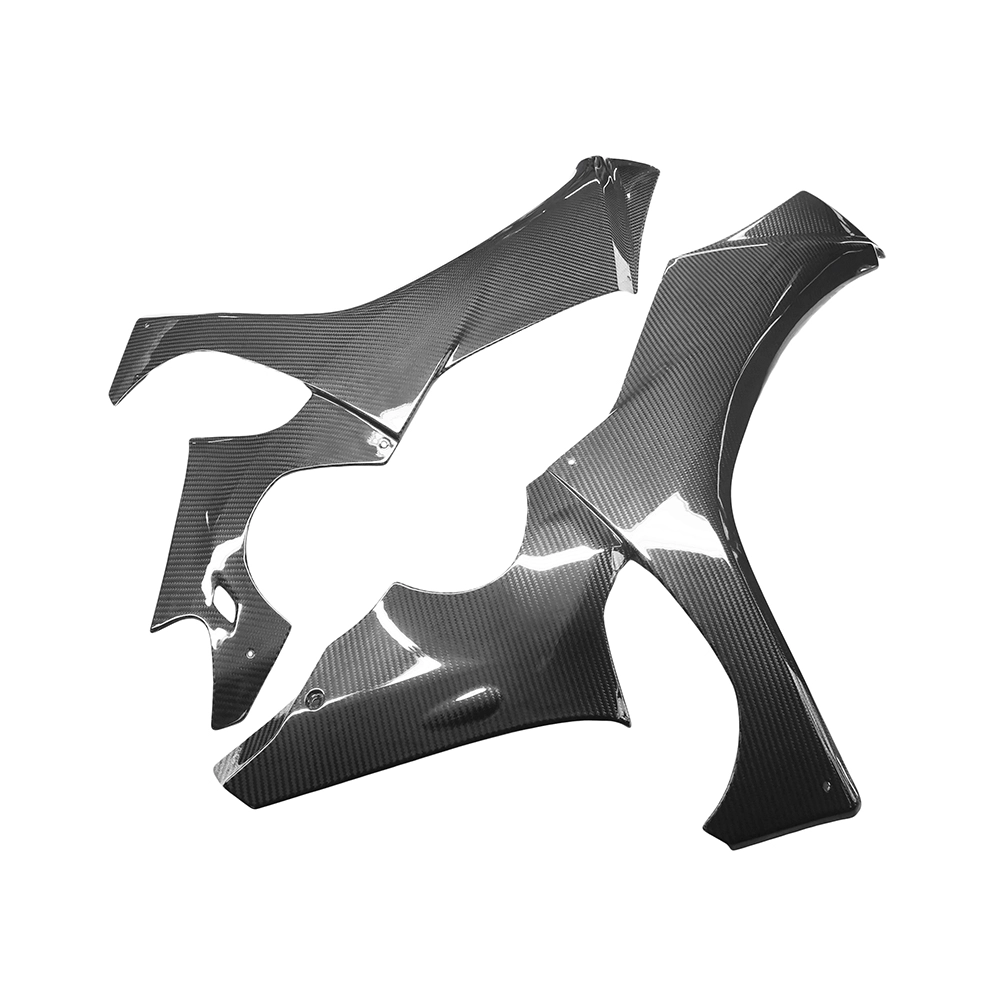
Yamaha R1 Carbon Fiber Side Fairings
Introducing the Supreem Carbon Fiber Long Side Panels for Yamaha R1. Crafted with precision and expertise, this front side fairing is designed to elevate the performance and aesthetics of your R1. Made from high-quality carbon fiber, this fairing is not only lightweight but also incredibly durable, providing optimal protection for your motorcycle.
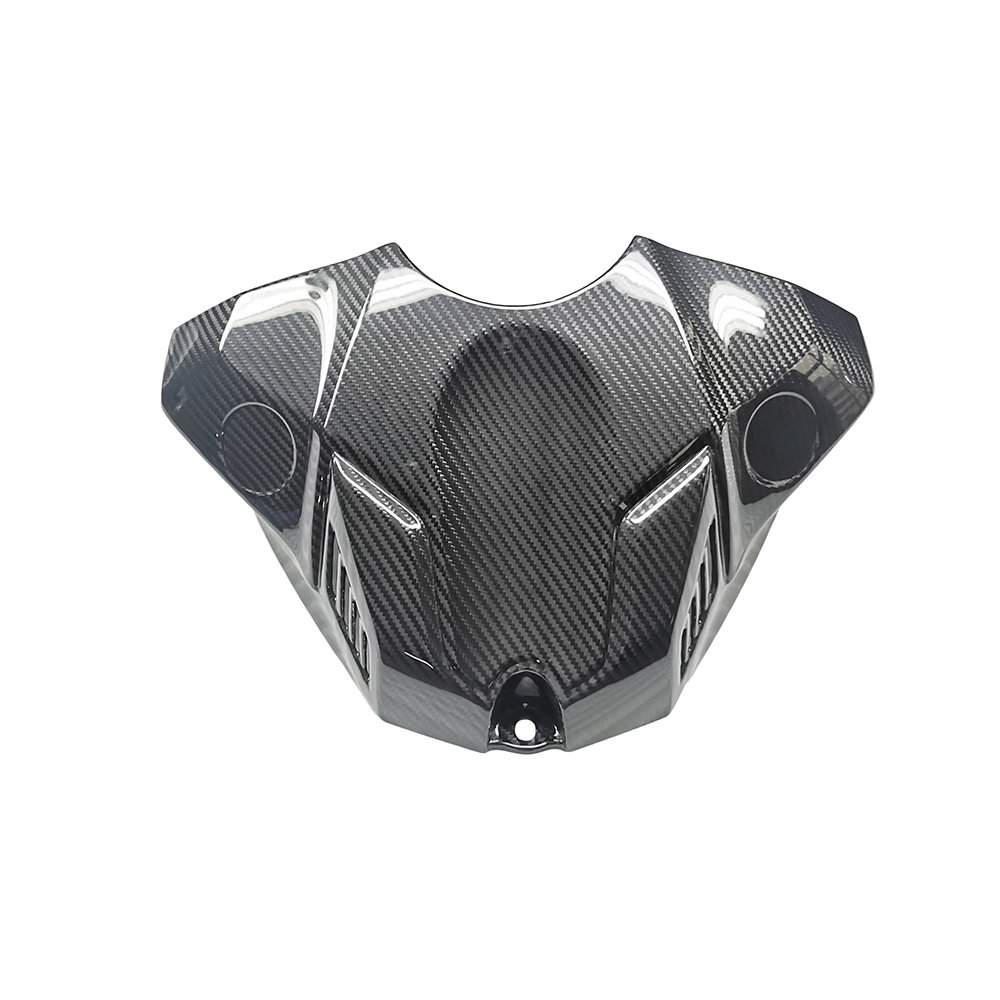
Yamaha R1 Carbon Fiber Airbox Tank Cover
The Supreem Carbon Yamaha R1 Carbon Fiber Airbox Tank Cover provides lightweight, durable protection with a sleek finish. Designed for R1 models, it enhances the style and performance of your bike. Its lightweight structure improves performance while maintaining the premium aesthetics necessary for high-end modification projects. As a dedicated manufacturer of carbon fiber parts, we provide stable production capacity, customization options, and strict quality control to support enterprise-level procurement and OEM/ODM needs.
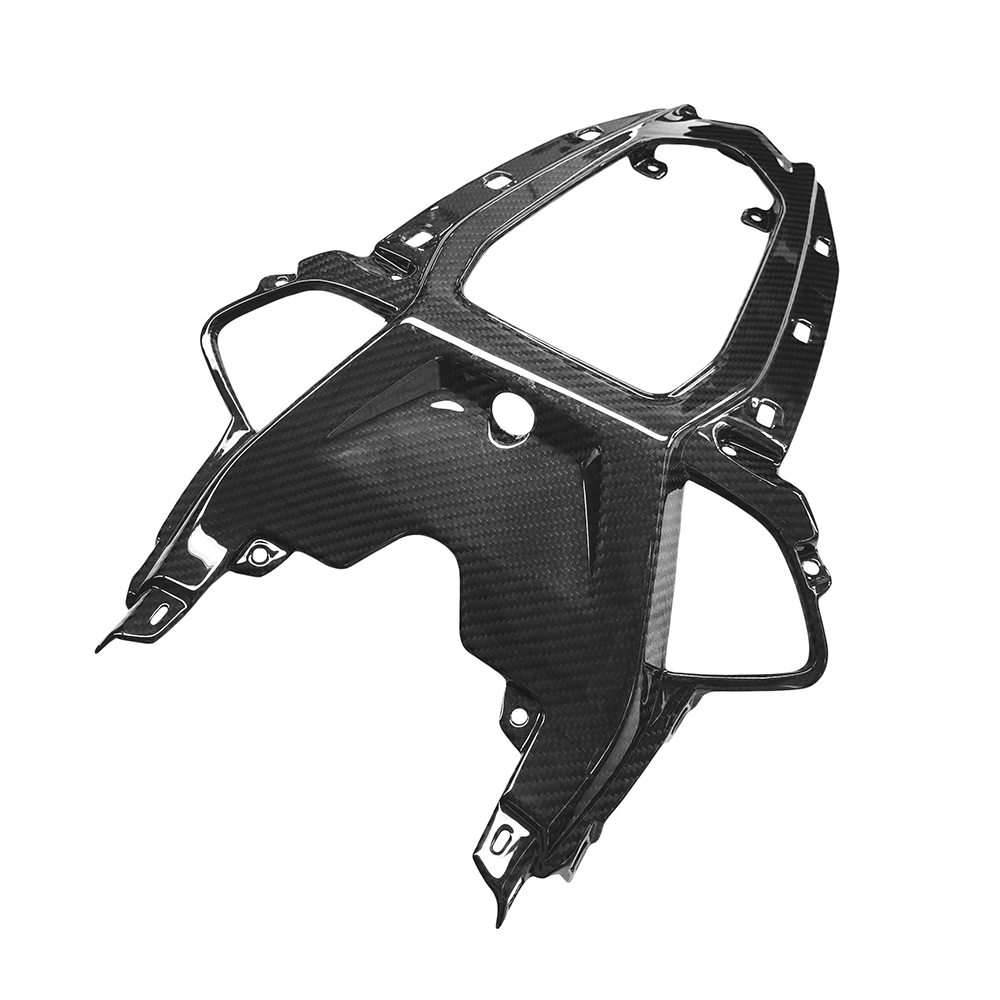
Carbon Fiber Rear Seat Panel for BMW S1000R & M1000RR – Lightweight Performance
This carbon fiber rear seat panel is engineered for the BMW S1000R and M1000RR, offering superior rigidity, reduced weight, and a premium racing finish. Produced with autoclave technology and strict QC standards, the part ensures consistent OEM-level fitment. Supreem Carbon provides wholesale supply, stable bulk production, and customized solutions for global clients.
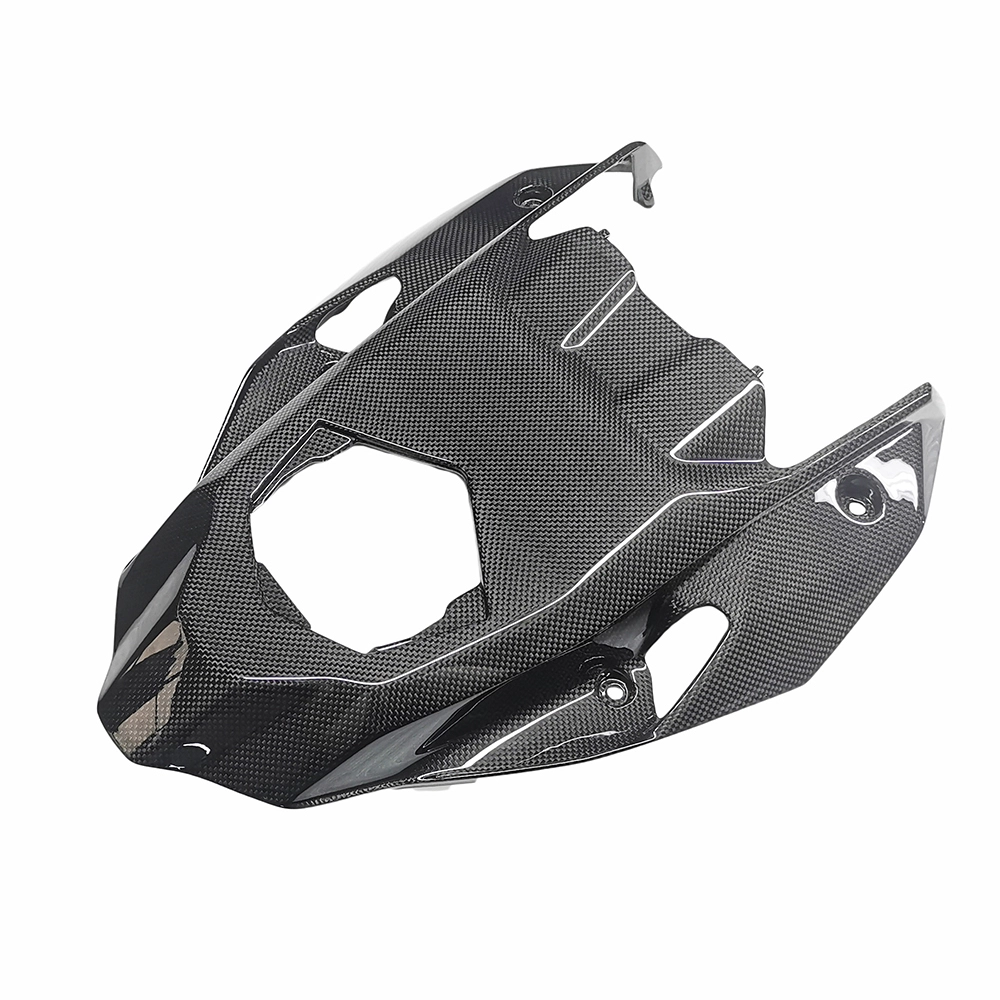
High-Performance Carbon Fiber Rear Undertail for BMW S1000R
Engineered for distributors, tuning brands, and motorcycle accessory businesses, the BMW S1000R Carbon Fiber Rear Undertail is a high-quality, durable, lightweight carbon fiber upgrade for the S1000R platform. This component is manufactured using aerospace-grade carbon fiber and precision molds to deliver superior stiffness, a seamless OEM-level fit, and a premium visual finish suitable for high-end aftermarket applications.

Supreem Carbon aiming to provide customers with high-performance carbon fiber products and quality services.
Contact Supreem Carbon
Address : Building 1 No.103, Yadi Nan 1st Road, QiaoTou Town, Dongguan City, China.
© 2024 Supreem Carbon All Rights Reserved.
Facebook
Pinterest
LinkedIn
Instagram