

How Are Carbon Fiber Car Parts Made? A Practical Guide by Supreem Carbon
- How Are Carbon Fiber Car Parts Made? — Overview and Purpose
- Why this matters for buyers of custom carbon fiber parts
- Step 1 — Design and Engineering: CAD, Simulation, and Part Intent
- Design phase for carbon fiber car parts
- Step 2 — Mold Making: Tools That Define Quality
- Mold types and why they matter for carbon fiber auto accessories
- Step 3 — Material Selection: Prepreg, Dry Fabric, and Resins
- Selecting materials for performance and manufacturability
- Step 4 — Layup and Fiber Orientation: Building the Structure
- Layup techniques for strength and aesthetics
- Step 5 — Curing Methods: Autoclave, RTM, VARTM, and Compression Molding
- Common curing processes and when manufacturers use them
- Step 6 — Demolding and Trimming: Achieving Fitment
- Post-cure operations for perfect fit
- Step 7 — Surface Finishing and Clear Coating: Visual Appeal and Durability
- Painting, clear coating, and inspection for High Quality carbon fiber car parts
- Quality Control: Tests and Inspections That Protect Buyers
- QC steps used by responsible carbon fiber parts manufacturers
- Production Scale: From One-Off Custom Parts to Mass Production
- How production volume influences manufacturing choices
- Cost vs Performance: What Buyers Need to Know
- Balancing budget and function when buying carbon fiber car parts
- Environmental and Safety Considerations
- Resin selection and workplace safety for composite manufacturing
- Why Choose Supreem Carbon as Your Carbon Fiber Parts Manufacturer?
- Company capabilities that benefit buyers
- Conclusion — Choosing the Right Manufacturing Path
- Summary for car owners and buyers of carbon fiber parts
- Frequently Asked Questions
- Sources and References
How Are Carbon Fiber Car Parts Made? — Overview and Purpose
Overview: This guide explains how carbon fiber car parts are made, comparing common production methods and detailing steps a custom carbon fiber parts manufacturer uses to deliver high-quality automotive and motorcycle components.
Why this matters for buyers of custom carbon fiber parts
Understanding manufacturing processes helps buyers choose the right carbon fiber auto accessories, balance cost and performance, and evaluate suppliers like Supreem Carbon (est. 2017) for custom carbon fiber parts.
Step 1 — Design and Engineering: CAD, Simulation, and Part Intent
Design phase for carbon fiber car parts
Design begins with a CAD model of the car part and objectives: weight reduction, impact resistance, surface finish, or aero performance. For custom carbon fiber parts, engineers use finite element analysis (FEA) and ply-by-ply laminate design to specify fiber orientation and ply schedule. Commercial keywords: custom carbon fiber parts, carbon fiber car parts manufacturer.
Step 2 — Mold Making: Tools That Define Quality
Mold types and why they matter for carbon fiber auto accessories
Molds (tools) are typically produced from aluminum or high-temperature composite masters. High-accuracy molds deliver consistent fitment for body panels, bumpers, and interior trim. For production runs, precision molds justify higher upfront costs for superior surface finish and repeatability.
Step 3 — Material Selection: Prepreg, Dry Fabric, and Resins
Selecting materials for performance and manufacturability
Common materials include unidirectional (UD) carbon fiber, woven cloth, prepreg (pre-impregnated fiber with controlled resin content), and chopped-fiber/forged composite for high-volume parts. Choice affects strength, surface finish, and price — key points when you buy carbon fiber parts.
Step 4 — Layup and Fiber Orientation: Building the Structure
Layup techniques for strength and aesthetics
Layup is the manual or automated placement of fiber plies into the mold. For High Quality parts, technicians place UD and woven plies in specific orientations (0°, ±45°, 90°) to meet stiffness and strength targets. This is where expertise of a carbon fiber parts manufacturer directly impacts final performance.
Step 5 — Curing Methods: Autoclave, RTM, VARTM, and Compression Molding
Common curing processes and when manufacturers use them
There are four primary curing methods used in automotive carbon fiber parts production:
| Process | Quality / Surface Finish | Cycle Time | Best for | Typical Cost |
|---|---|---|---|---|
| Prepreg + Autoclave | Highest — void-free, glossy finish | Hours per batch (cure usually 1–3 hours) | Low-to-mid volume, high-performance parts | High |
| Resin Transfer Molding (RTM) | Good — reproducible | Minutes to hours | Mid-volume structural parts | Medium |
| Vacuum-Assisted Resin Transfer Molding (VARTM) | Good — lower cost than RTM | Hours | Large, less surface-critical components | Low–Medium |
| Compression Molding / Forged Composite | Good — repeatable for complex shapes | Short (minutes) | High-volume, chopped-fiber parts | Lowest per part at scale |
Typical cure temperatures for epoxy prepreg are in the 120–180°C range, and autoclave pressures commonly range from about 3 to 7 bar (45–100 psi) to consolidate plies and reduce voids. These parameters are chosen based on resin system datasheets and part requirements.
Step 6 — Demolding and Trimming: Achieving Fitment
Post-cure operations for perfect fit
After curing, parts are demolded and trimmed using CNC routers, waterjet cutting, or hand trimming to achieve precise fitment for bumpers, hoods, and interior panels. This is a critical stage for custom carbon fiber parts to meet OE-level tolerances.
Step 7 — Surface Finishing and Clear Coating: Visual Appeal and Durability
Painting, clear coating, and inspection for High Quality carbon fiber car parts
High-end carbon fiber car parts often receive a high-build primer, wet-sanding, and multiple layers of automotive clear coat to protect the weave and provide a glossy show-quality finish. Matte finishes are achieved with matte clear coats. Surface finishing affects final cost and buyer perception when customers choose to buy carbon fiber parts.
Quality Control: Tests and Inspections That Protect Buyers
QC steps used by responsible carbon fiber parts manufacturers
Quality checks include dimensional inspection (CMM), ultrasonic testing for voids, peel and shear tests for bond strength, and visual inspection for weave alignment and surface defects. Reliable carbon fiber car parts manufacturers document QC and provide traceability for aerospace-grade resins and materials when required.
Production Scale: From One-Off Custom Parts to Mass Production
How production volume influences manufacturing choices
Low-volume custom parts (1–100 units) typically use prepreg/autoclave or hand layup with VARTM. Mid-volume runs use RTM, and high-volume production favors compression molding or forged composite methods. Supreem Carbon specializes in customized carbon fiber accessories, with a 4,500 m² factory, 45 skilled staff, and annual output around $4M, offering over 1,000 products including 500+ custom parts — ideal for customers seeking either one-off modifications or small-batch OEM runs.
Cost vs Performance: What Buyers Need to Know
Balancing budget and function when buying carbon fiber car parts
Prepreg/autoclave parts cost more because of material and labor intensity but deliver the best strength-to-weight ratio and surface finish. Forged composite and compression molded parts lower cost per part but may not match unidirectional prepreg laminates in structural performance. When selecting a carbon fiber car parts manufacturer, align the process with the intended use (structural vs. aesthetic).
Environmental and Safety Considerations
Resin selection and workplace safety for composite manufacturing
Manufacturers are increasingly using low-VOC resins and closed molding (RTM/VARTM) to reduce emissions. PPE, dust control, and proper curing facilities are essential for worker safety and consistent part quality. Sustainable recycling of cured CFRP is an industry challenge; efforts focus on reclaiming fibers, grinding for fillers, or energy recovery.
Why Choose Supreem Carbon as Your Carbon Fiber Parts Manufacturer?
Company capabilities that benefit buyers
Supreem Carbon (est. 2017) integrates R&D, design, production, and sales, specializing in carbon fiber composite tech and custom modifications for vehicles and motorcycle accessories. With a broad product catalog and production capacity, Supreem offers both aesthetic and structural solutions, making it a practical partner for aftermarket and small OEM projects.
Conclusion — Choosing the Right Manufacturing Path
Summary for car owners and buyers of carbon fiber parts
How carbon fiber car parts are made depends on intended use, budget, and production volume. Prepreg/autoclave yields the best quality for performance parts; RTM and VARTM balance cost and quality; compression molding suits high-volume applications. Work with an experienced carbon fiber car parts manufacturer like Supreem Carbon to match process to product needs and ensure consistent fit, finish, and strength.
Frequently Asked Questions
How long does it take to make a custom carbon fiber car part?
Lead time varies by process: one-off prepreg/autoclave parts typically take 1–4 weeks (design, mold, layup, cure, finish). Small-batch orders can take several weeks depending on tooling and finish requirements.
Are carbon fiber car parts stronger than steel?
Carbon fiber composites have much higher specific strength (strength-to-weight) than steel. In absolute tensile strength, high-modulus carbon fibers can reach up to several GPa; however, composites are anisotropic and design-specific. For many automotive applications, carbon fiber reduces weight while achieving equal or better performance.
Can I paint or customize the finish of carbon fiber parts?
Yes. Carbon fiber parts can be clear-coated to show the weave, painted to match vehicle color, or finished matte. High-quality finishing processes are critical for durable and visually appealing results.
Are custom carbon fiber parts safe for road use?
Safety depends on design, material selection, and quality control. Structural parts require engineering validation (FEA, testing). Cosmetic parts like trim or covers are lower risk but still need proper fitment to avoid interference with vehicle systems.
Sources and References
- Supreem Carbon — Company information and product capabilities. https://www.supreemcarbon.com/ (accessed 2025-12-24)
- Carbon fiber reinforced polymer — Overview of properties and applications. Wikipedia. https://en.wikipedia.org/wiki/Carbon_fiber_reinforced_polymer (accessed 2025-12-24)
- CompositesWorld — Articles on prepreg and composite manufacturing processes. https://www.compositesworld.com/ (accessed 2025-12-24)
- Hexcel — Prepreg technology and datasheets (manufacturer resources). https://www.hexcel.com/ (accessed 2025-12-24)
- Toray Industries — Carbon fiber product information and typical properties. https://www.toray.com/ (accessed 2025-12-24)
- Industry Manufacturing Processes for Composite Parts — overview of RTM, VARTM and autoclave methods. Composites manufacturing literature (accessed 2025-12-24)
What Products Are Manufactured Using Carbon Fibre? | Supreem Carbon
OEM/ODM carbon fiber fairings Manufacturers and supplier
Supreem Carbon Best professional carbon fiber watches manufacturers and supplier brands
The Ultimate Guide to Custom Carbon Fiber Hoods by Supreem Carbon
For Carbon Fiber Material
What are the advantages of carbon fiber?
High Strength-to-Weight Ratio
It is stronger than many traditional materials, such as steel and aluminum.This high strength-to-weight ratio allows for the creation of lightweight components that maintain structural integrity and durability.
Lightweight
One of the most significant advantages of carbon fiber is its low density, contributing to lightweight structures. This property is particularly crucial in industries where weight reduction is a priority, such as aerospace, automotive, and sports equipment.
Resistant to corrosion and chemicals
Carbon fiber is inherently resistant to corrosion, making it an ideal material for applications exposed to harsh environments or corrosive substances. This property contributes to the longevity of components and reduces maintenance requirements. Carbon fiber has good chemical resistance, making it suitable for use in environments where exposure to chemicals or harsh solvents is a concern. This resistance enhances the material's durability in various industrial settings.
Tolerant of high temperature
Carbon fiber exhibits excellent thermal stability and resistance to high temperatures. This makes it suitable for applications where components are exposed to elevated temperatures, such as in the aerospace and automotive industries.
Low thermal expansion
Carbon fiber has a low coefficient of thermal expansion, meaning it expands or contracts minimally with changes in temperature. This property contributes to dimensional stability, making carbon fiber components reliable in varying temperature conditions.
Aesthetic Appeal
Carbon fiber has a modern and high-tech appearance, contributing to its aesthetic appeal. This property is leveraged in consumer goods, automotive components, and sporting equipment where visual appeal is important.
For Order Delivery
What is the shipping time for the different ways?
Express delivery 5-7 days.
20-25 days by sea.
15 days by air.
How to choose the mode of transportation?
We use official shipment like Fedex,UPS,DHL and so on. Also customer can arrange delivery by themselves.
For Products
Which carbon fiber material you can provide in production?
1*1 plain /2*2 twill / forged carbon / honeycomb / kevlar and so on.
For Facotry
How many monthly production capacity of the factory?
The average monthly production capacity reach 3000 pieces. With the equipment upgrade, it will be increased over 4000 pieces per month.
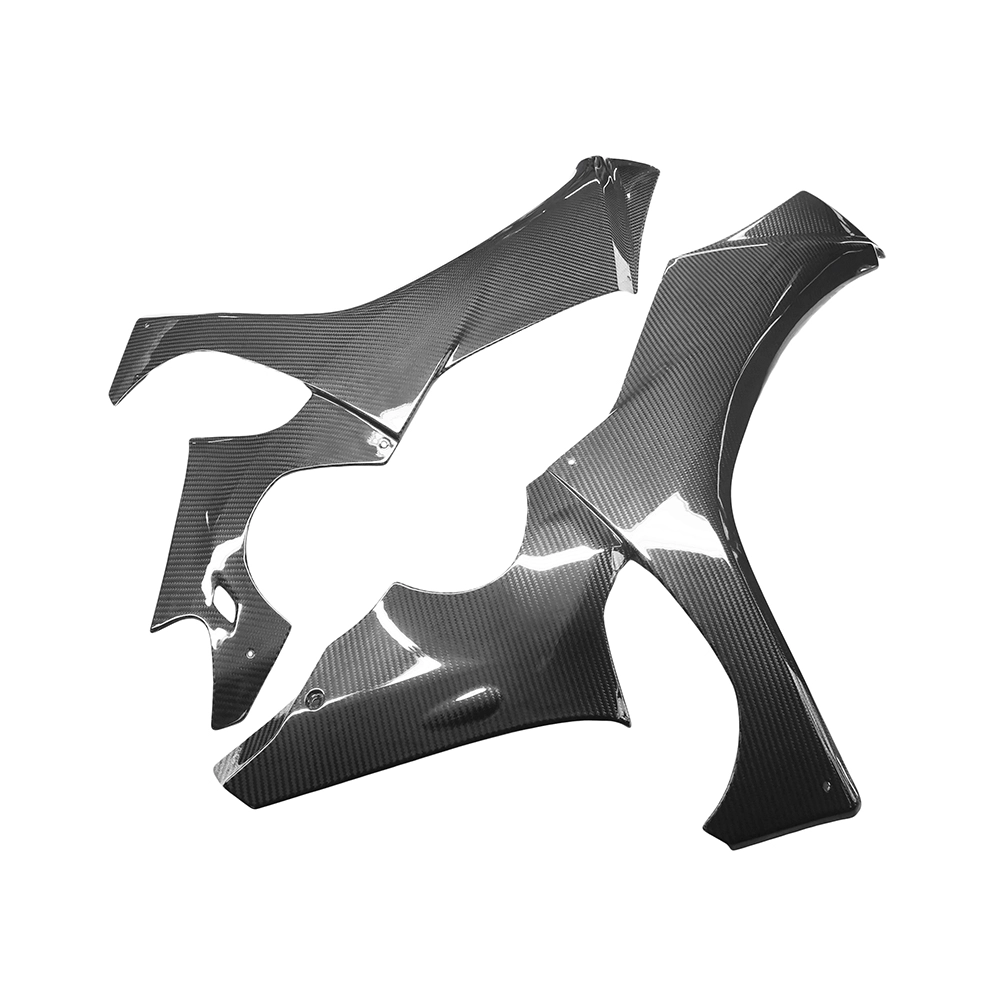
Yamaha R1 Carbon Fiber Side Fairings
Introducing the Supreem Carbon Fiber Long Side Panels for Yamaha R1. Crafted with precision and expertise, this front side fairing is designed to elevate the performance and aesthetics of your R1. Made from high-quality carbon fiber, this fairing is not only lightweight but also incredibly durable, providing optimal protection for your motorcycle.
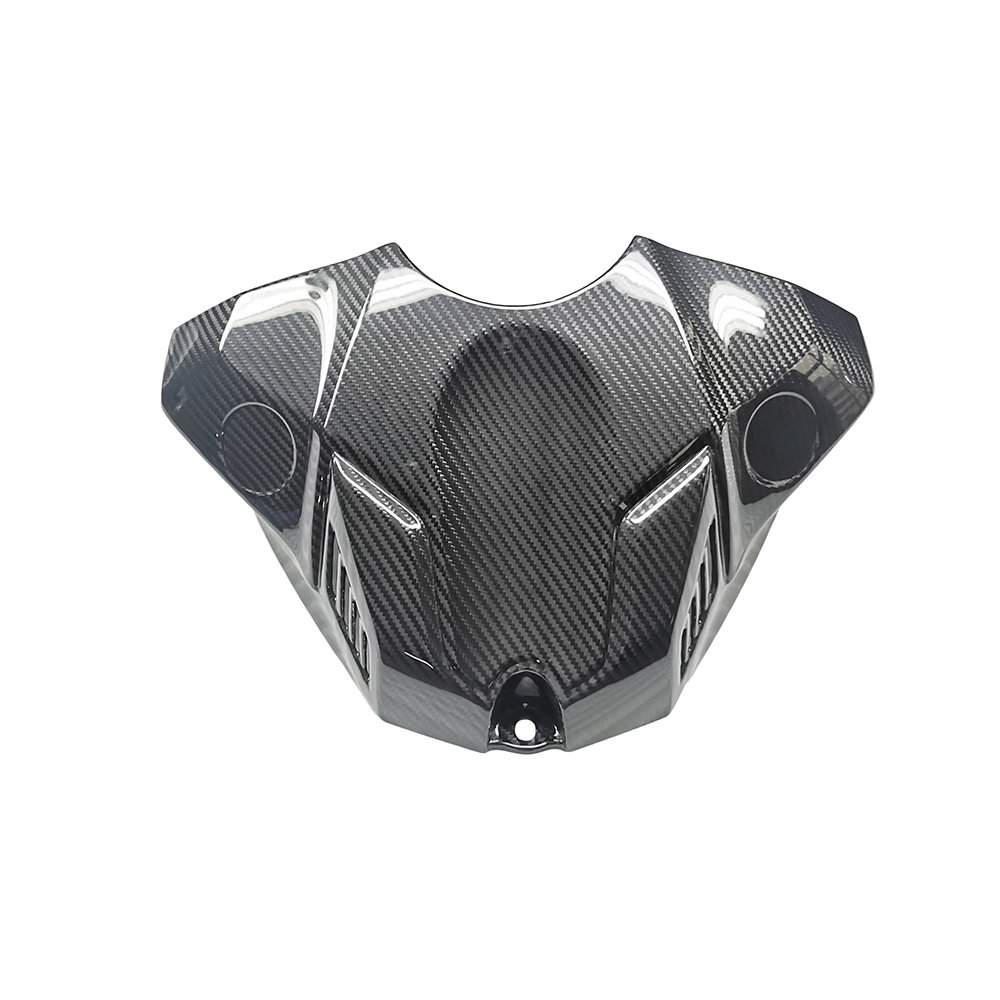
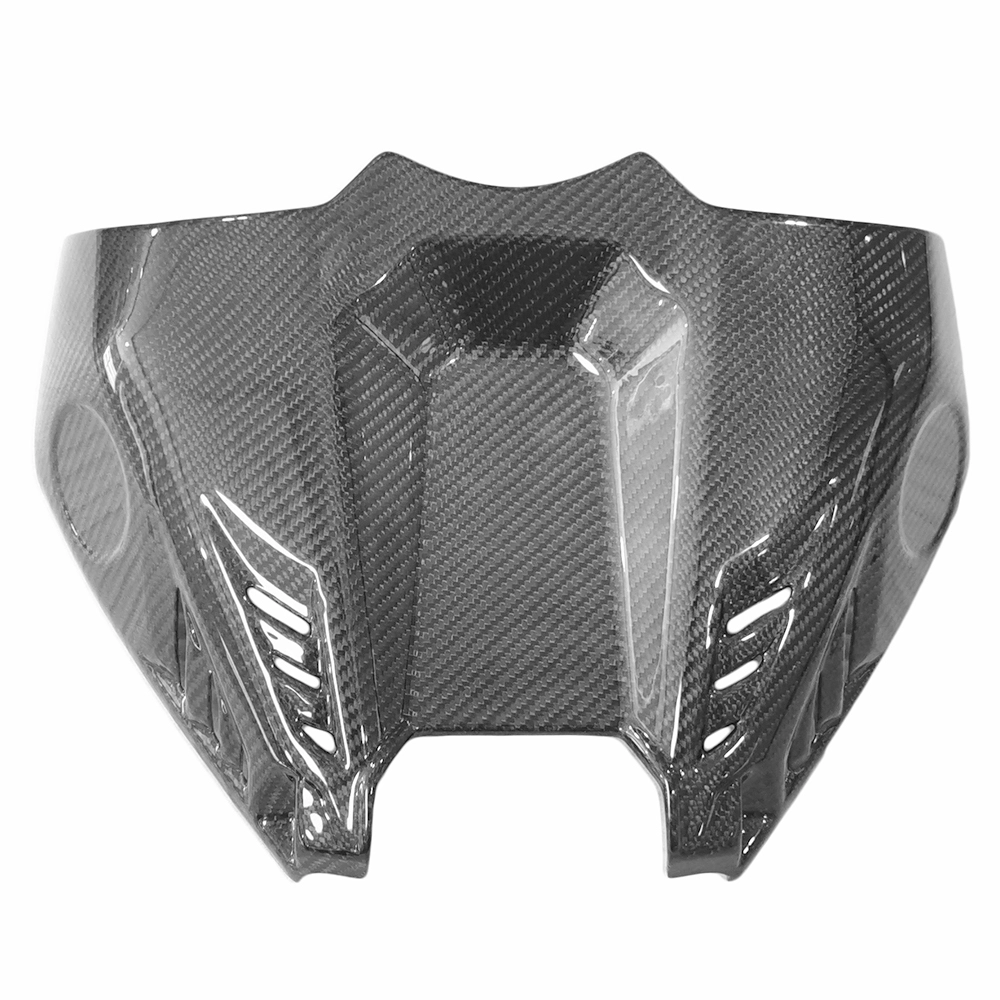
Yamaha R1 Carbon Fiber Airbox Tank Cover
The Supreem Carbon Yamaha R1 Carbon Fiber Airbox Tank Cover provides lightweight, durable protection with a sleek finish. Designed for R1 models, it enhances the style and performance of your bike. Its lightweight structure improves performance while maintaining the premium aesthetics necessary for high-end modification projects. As a dedicated manufacturer of carbon fiber parts, we provide stable production capacity, customization options, and strict quality control to support enterprise-level procurement and OEM/ODM needs.
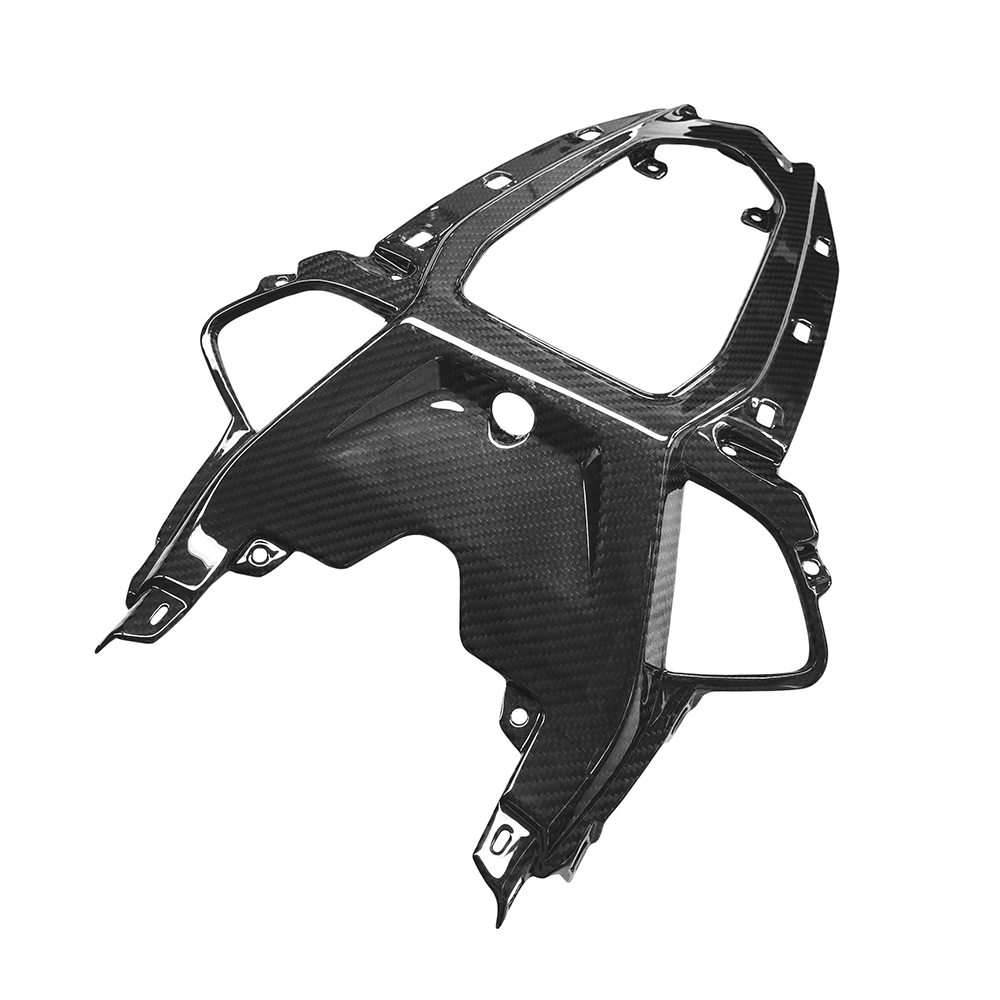
Carbon Fiber Rear Seat Panel for BMW S1000R & M1000RR – Lightweight Performance
This carbon fiber rear seat panel is engineered for the BMW S1000R and M1000RR, offering superior rigidity, reduced weight, and a premium racing finish. Produced with autoclave technology and strict QC standards, the part ensures consistent OEM-level fitment. Supreem Carbon provides wholesale supply, stable bulk production, and customized solutions for global clients.
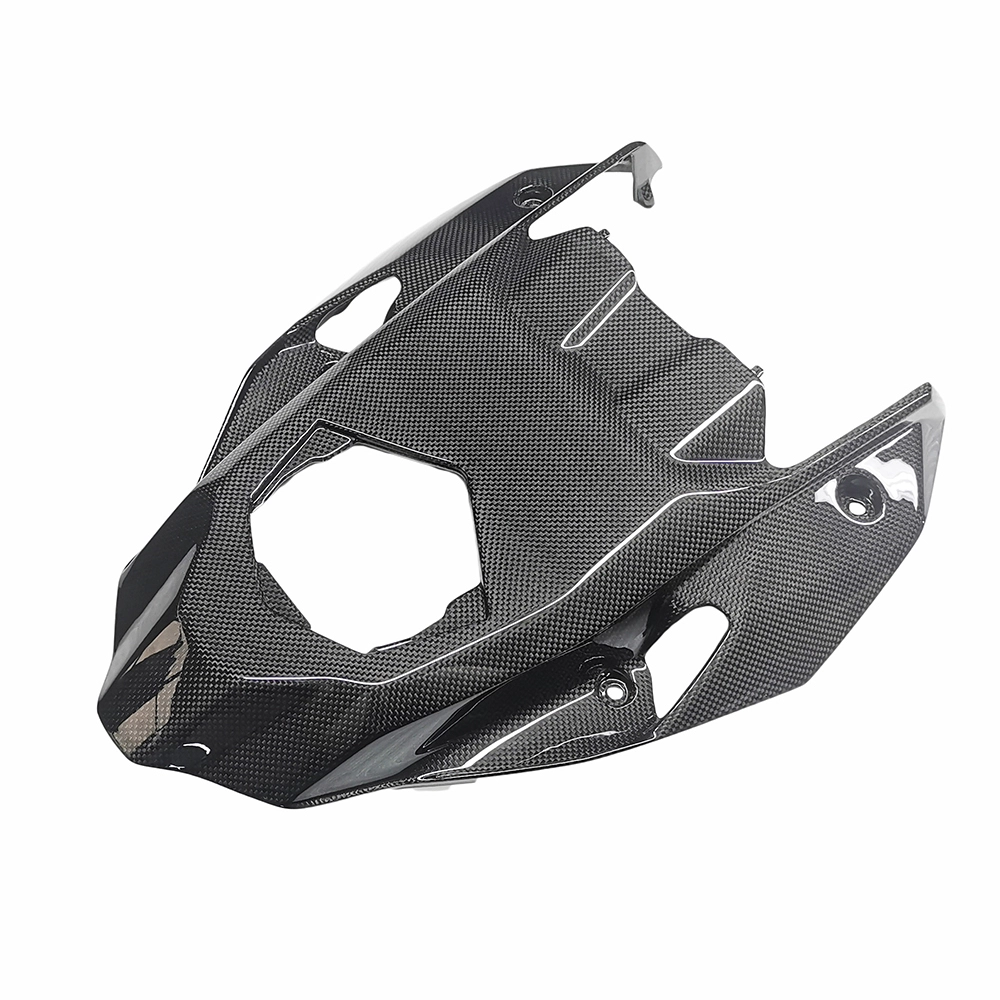
High-Performance Carbon Fiber Rear Undertail for BMW S1000R
Engineered for distributors, tuning brands, and motorcycle accessory businesses, the BMW S1000R Carbon Fiber Rear Undertail is a high-quality, durable, lightweight carbon fiber upgrade for the S1000R platform. This component is manufactured using aerospace-grade carbon fiber and precision molds to deliver superior stiffness, a seamless OEM-level fit, and a premium visual finish suitable for high-end aftermarket applications.

Supreem Carbon aiming to provide customers with high-performance carbon fiber products and quality services.
Contact Supreem Carbon
Address : Building 1 No.103, Yadi Nan 1st Road, QiaoTou Town, Dongguan City, China.
© 2024 Supreem Carbon All Rights Reserved.
Facebook
Pinterest
LinkedIn
Instagram