

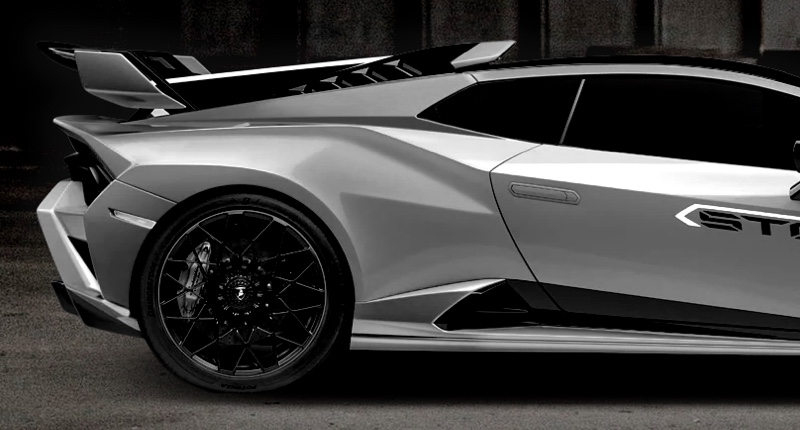

Weight comparison: carbon fiber, aluminum, and plastic
- Understanding weight versus performance in structural materials
- Is carbon fiber lighter than plastic — the core question for buyers and engineers
- Material fundamentals: density, strength, and specific strength (: buy carbon fiber parts)
- Interpreting the numbers: when carbon fiber beats plastic on weight
- Design and manufacturing factors that affect weight (: custom carbon fiber parts)
- Lifecycle and performance trade-offs (: buy carbon fiber motorcycle parts)
- Cost, repairability, and sustainability considerations
- Real-world comparisons: case studies and application guidance (: carbon fiber automobile parts)
- Practical guidance: when to choose carbon fiber over plastic
- Supreem Carbon — who we are and why it matters to your lightweight projects (brand mention and )
- Summary and actionable takeaways (: request custom carbon fiber parts)
- FAQ — Frequently Asked Questions (related searches and buyer intent)
- 1. Is carbon fiber lighter than ABS plastic?
- 2. Will switching a motorcycle fairing from plastic to carbon fiber reduce overall bike weight?
- 3. How does carbon fiber compare to aluminum in weight?
- 4. Are carbon fiber parts repairable if they are damaged?
- 5. Can carbon fiber be used for everyday consumer products like luggage?
- 6. How do manufacturing methods affect weight and cost?
- References
Understanding weight versus performance in structural materials
Is carbon fiber lighter than plastic — the core question for buyers and engineers
The question is carbon fiber lighter than plastic is common among engineers, vehicle modifiers, and consumers deciding between materials for parts, luggage, or sports equipment. The short, technically precise answer is: by raw material density, many common plastics (especially polypropylenes and certain foamed polymers) are lighter per volume than carbon fiber composites. However, when you consider part-level performance — the actual weight of a finished component designed to meet the same load and stiffness requirements — carbon fiber composites often allow substantial weight reduction compared with metal and many plastics because of their superior specific strength and stiffness.
Material fundamentals: density, strength, and specific strength (: buy carbon fiber parts)
To decide whether carbon fiber will make a part lighter than plastic, you need to compare three core properties:
- Density (mass per unit volume): determines how heavy a material is for the same volume.
- Tensile strength and stiffness (Young’s modulus): determine how much load a material can carry and how much it deflects.
- Specific strength and specific stiffness (property divided by density): show performance relative to weight — crucial for lightweight design.
Below is a practical comparison for typical materials used in automotive and motorcycle parts and consumer goods. Values are representative ranges; actual material grades vary significantly.
| Material | Typical density (g/cm³) | Tensile strength (MPa) | Young's modulus (GPa) | Approx. specific strength (MPa per g/cm³) | Typical use |
|---|---|---|---|---|---|
| Carbon fiber composite (CFRP, epoxy matrix) | ~1.5–1.6 | 400–1,600 (typical 600–800) | 70–200 | ~250–1,000 (typical ~500) | High-performance bodywork, structural reinforcements, lightweight housings |
| Aluminum (6061-T6) | 2.70 | ~310 | ~69 | ~115 | Chassis components, brackets, wheels |
| ABS (common engineering plastic) | ~1.04 | 30–50 | ~2–2.6 | ~30–48 | Interior trims, lightweight covers, non-structural panels |
| Polypropylene (PP) | ~0.90–0.92 | 25–35 | ~1.0–1.5 | ~28–39 | Battery boxes, ducting, inexpensive exterior trims |
| Nylon (PA6) | ~1.13 | 70–90 | ~2–3.5 | ~62–80 | Gears, bushings, some structural inserts |
Sources: material datasheets and engineering handbooks (see references).
Interpreting the numbers: when carbon fiber beats plastic on weight
From the density table: many plastics (PP, some foamed plastics) are lower density than CFRP per unit volume. That means if you simply replace a plastic part with a CFRP part of the same geometry, the CFRP piece may be heavier. But designers rarely keep the same geometry when switching materials.
Key reasons carbon fiber can produce lighter finished parts than plastics:
- Higher specific strength and stiffness: CFRP can carry the same loads with much less material volume — thinner walls, slimmer cross-sections, or hollow sandwich constructions.
- Tailorable anisotropy: fiber orientation lets engineers align fibres along principal loads, improving efficiency compared to isotropic plastics.
- Structural substitution: carbon fiber can replace metal substructures and allow plastics to be used only for non-structural covers, reducing total system mass.
Practical example: a structural motorcycle fairing subjected to dynamic loads might need 3–5 mm ABS to avoid cracking, resulting in a certain mass. A properly engineered CFRP fairing configured with 1–2 mm laminates and reinforcing ribs can meet or exceed the stiffness and durability while weighing less, even though the epoxy composite matrix density is higher than some plastics.
Design and manufacturing factors that affect weight (: custom carbon fiber parts)
Several non-material factors determine whether carbon fiber yields a net weight reduction:
- Resin content and fiber volume fraction: higher fiber volume fraction reduces density and improves specific strength. Typical automotive CFRP parts use 50–60% fiber volume; poorly processed parts can have lower fractions and be heavier.
- Part topology: hollow or sandwich panels (CFRP skins + core) deliver excellent stiffness-to-weight performance.
- Joining methods and inserts: metal inserts or bonded fasteners add mass; designing integrated features into the laminate can save weight.
- Manufacturing method: prepreg autoclave parts can be lighter and more consistent than hand-layup wet parts due to lower void content and optimized resin cure.
Lifecycle and performance trade-offs (: buy carbon fiber motorcycle parts)
Consider not just static weight but lifecycle performance: fatigue resistance, impact tolerance, repairability, and thermal behavior. Many plastics absorb impacts better and can deform without catastrophic failure, while CFRP tends to behave differently (local delamination, brittle fractures) — which affects part design and safety considerations.
Cost, repairability, and sustainability considerations
Carbon fiber composites are typically costlier than commodity plastics on raw material and processing basis. For low-volume bespoke parts (custom carbon fiber parts for motorcycles, automobiles), the cost High Quality can be justified by performance, brand value, or weight-sensitive use-cases (racing, high-end aftermarket). Consider:
- Upfront cost vs. lifecycle benefits: fuel savings, handling improvements, or competitive advantage in motorsports may offset cost.
- Repairability: thermoset CFRP parts can be repaired but require specialist skills; some thermoplastics are easier to weld or reshape.
- Recyclability: end-of-life recycling infrastructure for CFRP is less mature than for common thermoplastics, though emerging processes (pyrolysis, solvolysis) are improving recovery.
Real-world comparisons: case studies and application guidance (: carbon fiber automobile parts)
1) Exterior panels (hoods, fenders, fairings): CFRP cut weight vs. steel/aluminum and can also be lighter than equivalent-thickness plastics once structural requirements (impact, rigidity) are set. Typical OEM or aftermarket CFRP hoods reduce mass by 30–60% vs. steel and 10–30% vs. stamped aluminum, often outperforming reinforced plastics.
2) Structural inserts and brackets: replacing thin aluminum brackets with tailored CFRP laminates often reduces mass and improves vibration damping. Against plastics, CFRP can carry higher loads with less volume when the bracket is load-bearing.
3) Luggage and sports equipment: carbon fiber luggage shells can be heavier per unit volume than polypropylene, but designers exploit thin-walled composite shells to deliver superior strength-to-weight and High Quality aesthetics. That makes carbon fiber attractive for high-end products where weight and stiffness matter.
Practical guidance: when to choose carbon fiber over plastic
- Choose carbon fiber when high stiffness, high load-bearing capacity, and minimal thickness are critical (structural panels, performance-driven components).
- Choose plastic for low-cost, impact-tolerant, or highly contoured parts where deformation is acceptable and load demands are low.
- Consider hybrid solutions: CFRP for the load path and plastics for non-structural covers to optimize cost and weight.
- For aftermarket upgrades (motorcycle fairings, auto interior trims), use a lifecycle analysis: evaluate weight savings, installation complexity, and repair paths.
Supreem Carbon — who we are and why it matters to your lightweight projects (brand mention and )
Supreem Carbon, established in 2017, is a customized manufacturer of carbon fiber parts for automobiles and motorcycles, integrating R&D, design, production, and sales to deliver high-quality products and services. We specialize in the technology research and development of carbon fiber composite products and the production of related items. Our main offerings include the customization and modification of carbon fiber accessories for vehicles, as well as the manufacturing of carbon fiber luggage and sports equipment.
Factory and capability highlights:
- Factory footprint ~4,500 m² with 45 skilled production and technical staff.
- Annual output value around $4 million USD.
- Product breadth: 1,000+ SKUs including 500+ customized carbon fiber parts.
- Focus areas: carbon fiber motorcycle parts, carbon fiber automobile parts, customized carbon fiber parts.
Supreem Carbon competitive advantages:
- R&D-led product development: we tailor fiber architecture, resin systems, and layups to minimize mass while ensuring durability for automotive and motorcycle duty cycles.
- Volume flexibility: capabilities for one-off prototyping to medium-volume production of custom parts.
- Quality and traceability: process control and experienced laminators reduce voids and resin excess (key to achieving low density and high specific strength).
Visit Supreem Carbon to explore product ranges and request custom quotes: https://www.supreemcarbon.com/
Summary and actionable takeaways (: request custom carbon fiber parts)
So, is carbon fiber lighter than plastic? Not universally by raw density — many plastics are lighter per unit volume. But when you evaluate parts that must meet the same load and stiffness, carbon fiber composites usually deliver a superior strength-to-weight and stiffness-to-weight ratio, enabling designers to build thinner, lighter components than would be possible with plastic or metal. The real question for buyers is whether weight savings justify the cost and manufacturing choices; for performance-sensitive automotive and motorcycle parts, carbon fiber frequently offers the best compromise.
If you need help assessing whether a carbon fiber solution will reduce mass for your specific part (fairing, hood, mounting bracket, or luggage shell), Supreem Carbon can analyze your load case and propose a tailored laminate schedule that optimizes weight, cost, and manufacturability.
FAQ — Frequently Asked Questions (related searches and buyer intent)
1. Is carbon fiber lighter than ABS plastic?
Per unit volume, ABS (density ~1.04 g/cm³) is lighter than typical CFRP (density ~1.5–1.6 g/cm³). However, for parts that must bear structural loads or require high stiffness, a thinner CFRP part often ends up lighter than an ABS part engineered to the same performance target.
2. Will switching a motorcycle fairing from plastic to carbon fiber reduce overall bike weight?
Yes, in many cases a properly designed carbon fiber fairing will reduce mass compared with a structurally equivalent plastic fairing because CFRP allows thinner laminates and tailored reinforcement where loads occur. The extent of savings depends on the design, resin content, and whether metal fasteners or inserts are needed.
3. How does carbon fiber compare to aluminum in weight?
Aluminum (density ~2.70 g/cm³) is significantly denser than CFRP. Because of CFRP’s high specific strength, a carbon fiber component designed to match aluminum’s structural performance typically weighs less.
4. Are carbon fiber parts repairable if they are damaged?
Yes, many carbon fiber parts can be repaired by trained technicians; however, repairs are more involved than for plastics. The repair process depends on the damage type (delamination vs. surface crack) and the resin system used.
5. Can carbon fiber be used for everyday consumer products like luggage?
Absolutely — carbon fiber luggage offers high stiffness, impact resistance (when designed correctly), and High Quality aesthetics. Designers often use sandwich panels or hybrid constructions to balance durability and weight versus simple polypropylene shells.
6. How do manufacturing methods affect weight and cost?
Methods such as prepreg autoclave and vacuum-assisted resin transfer molding (VARTM) produce higher-quality laminates with lower void content and better fiber-volume fractions, which reduce weight for a given performance level compared to low-control hand layup processes — but they also increase cost.
Want a tailored evaluation? Contact Supreem Carbon to get a feasibility assessment, weight-saving estimate, or custom quote for carbon fiber motorcycle parts, carbon fiber automobile parts, or customized carbon fiber parts. View products and contact info: https://www.supreemcarbon.com/
References
- Carbon fiber reinforced polymer, Wikipedia. https://en.wikipedia.org/wiki/Carbon_fiber_reinforced_polymer (accessed 2025-12-08).
- Aluminium, Wikipedia. https://en.wikipedia.org/wiki/Aluminium (accessed 2025-12-08) — density and mechanical properties summary for common alloys.
- Acrylonitrile butadiene styrene, Wikipedia. https://en.wikipedia.org/wiki/Acrylonitrile_butadiene_styrene (accessed 2025-12-08) — typical densities and mechanicals for ABS.
- Polypropylene, Wikipedia. https://en.wikipedia.org/wiki/Polypropylene (accessed 2025-12-08) — density and common mechanicals.
- MatWeb material property data (general database) — search pages for CFRP, aluminum 6061-T6, ABS, PP, Nylon (accessed 2025-12-08). https://www.matweb.com/
- Toray and Hexcel technical brochures on carbon fiber and prepregs — manufacturer technical data sheets (accessed 2025-12-08). Examples: https://www.toraycfa.com/ and https://www.hexcel.com/
- Industry Lightweighting with composites — Automotive Composite Consortium/industry white papers (accessed 2025-12-08).
Custom engine cover carbon fiber Manufacturers and suppliers in China

Boost Your Car's Performance with the Supreem Carbon Fiber Cold Air Intake System
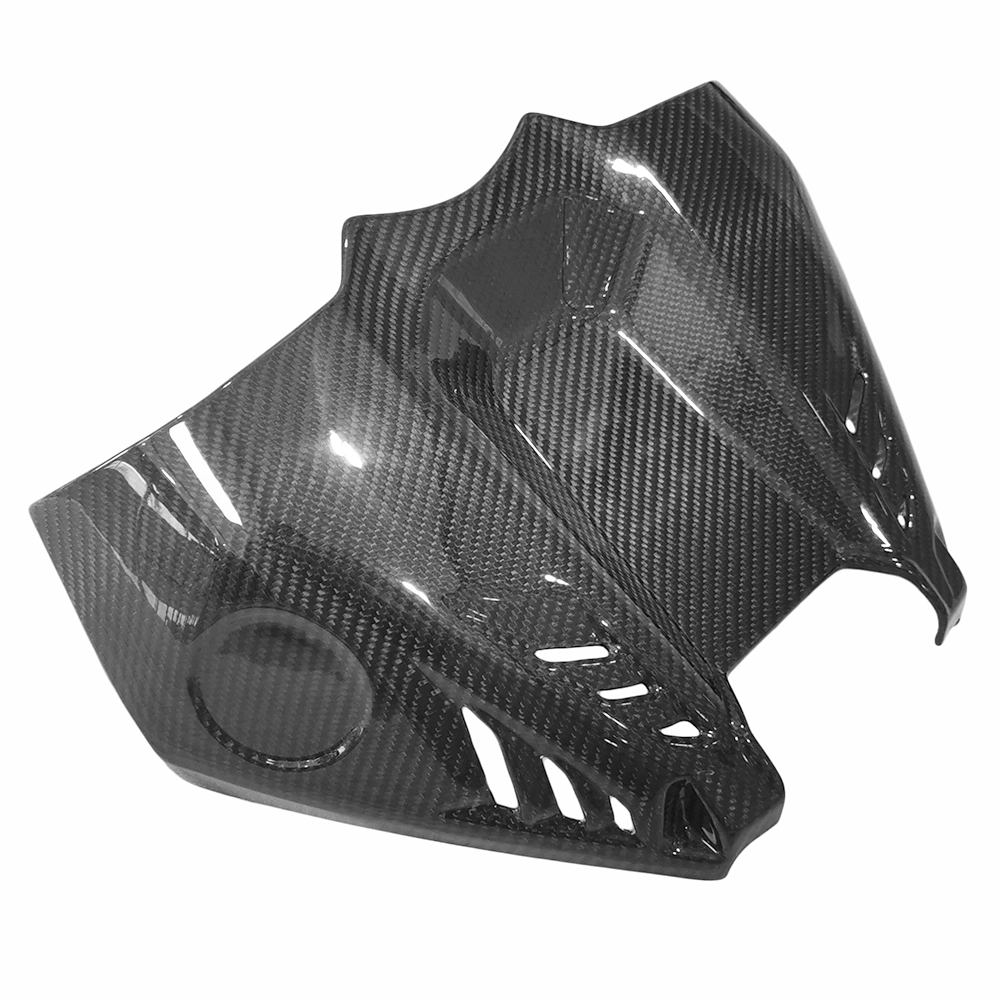
Enhance Your Honda Motorcycle with High-Quality Carbon Fiber Parts from Supreem Carbon
Custom yamaha r6 carbon fiber Manufacturers and suppliers in China
For Customized Service
What is the customization process of carbon fiber products?
1. Customer provide 3D drawing, design requirement or idea
2. Technician evaluate project feasibility and provide a quotation
3. Project confirmation and arrange sample production
4. Delivery and customer feedback
5. Big scale orders production
How long does the customized products order take?
This depends on the complexity and mold production cycle of the product. The first sample will be ready in 2-3 weeks after mold finished.
For Products
Supreem Carbon parts produce by 100% carbon?
Yes,all products are made from full carbon with dry carbon.
For Facotry
When is Supreem carbon founded?
Our company formally established in early 2017.
Supreem carbon main competitive advantages.
Rich experience
Over 10 years production experience in carbon fiber industry, providing customers with high quality carbon products.
Excellent service
From new project development to customer finished product delivery, we provide customers with full tracking and timely feedback on project progress.
High-Quality Products
Our carbon fiber products undergo rigorous quality control to ensure customers achieve the high quality and cost-effective product.
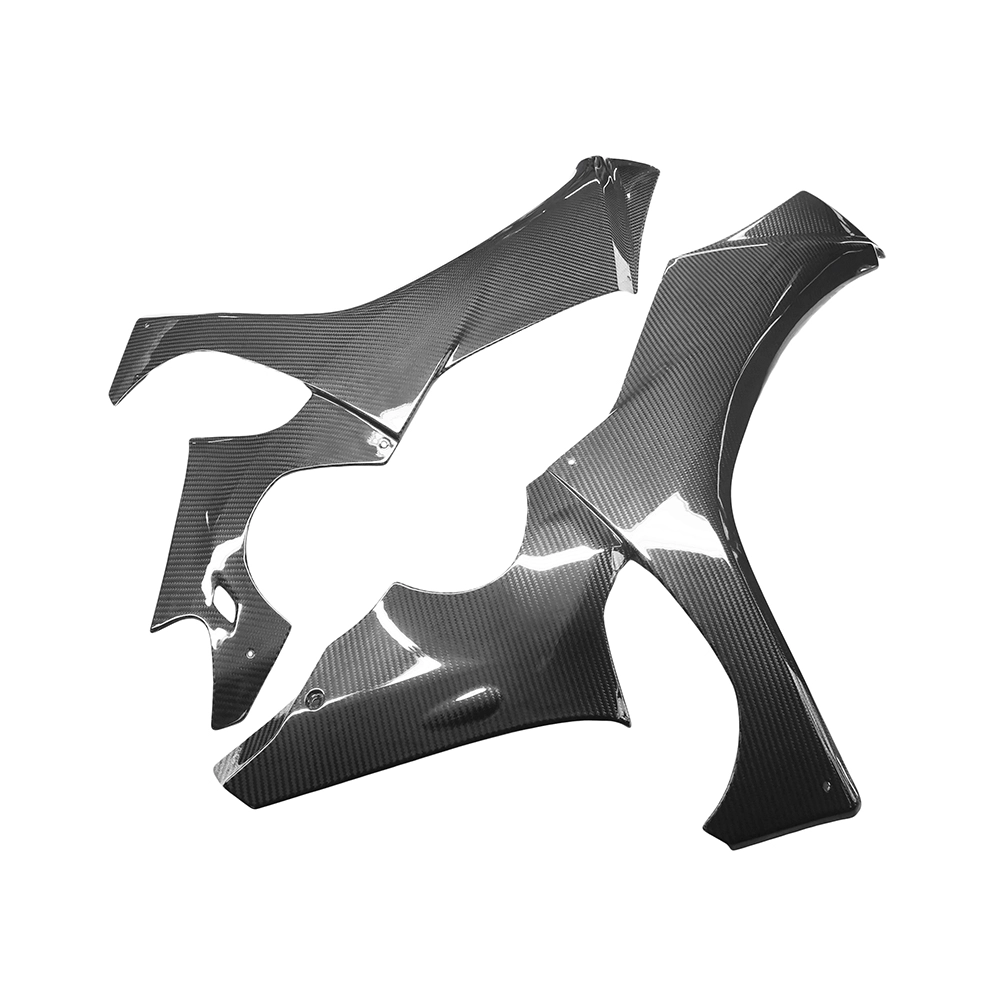
Yamaha R1 Carbon Fiber Side Fairings
Introducing the Supreem Carbon Fiber Long Side Panels for Yamaha R1. Crafted with precision and expertise, this front side fairing is designed to elevate the performance and aesthetics of your R1. Made from high-quality carbon fiber, this fairing is not only lightweight but also incredibly durable, providing optimal protection for your motorcycle.
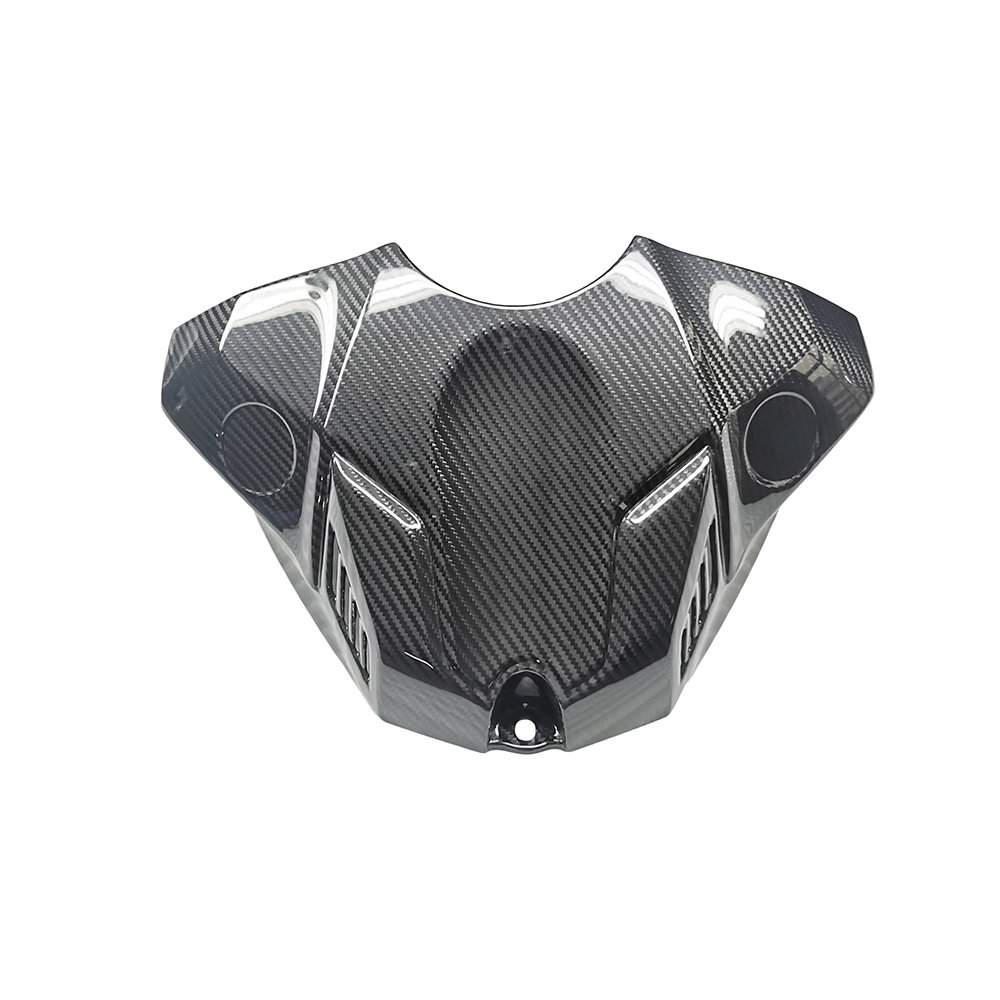
Yamaha R1 Carbon Fiber Airbox Tank Cover
The Supreem Carbon Yamaha R1 Carbon Fiber Airbox Tank Cover provides lightweight, durable protection with a sleek finish. Designed for R1 models, it enhances the style and performance of your bike. Its lightweight structure improves performance while maintaining the premium aesthetics necessary for high-end modification projects. As a dedicated manufacturer of carbon fiber parts, we provide stable production capacity, customization options, and strict quality control to support enterprise-level procurement and OEM/ODM needs.
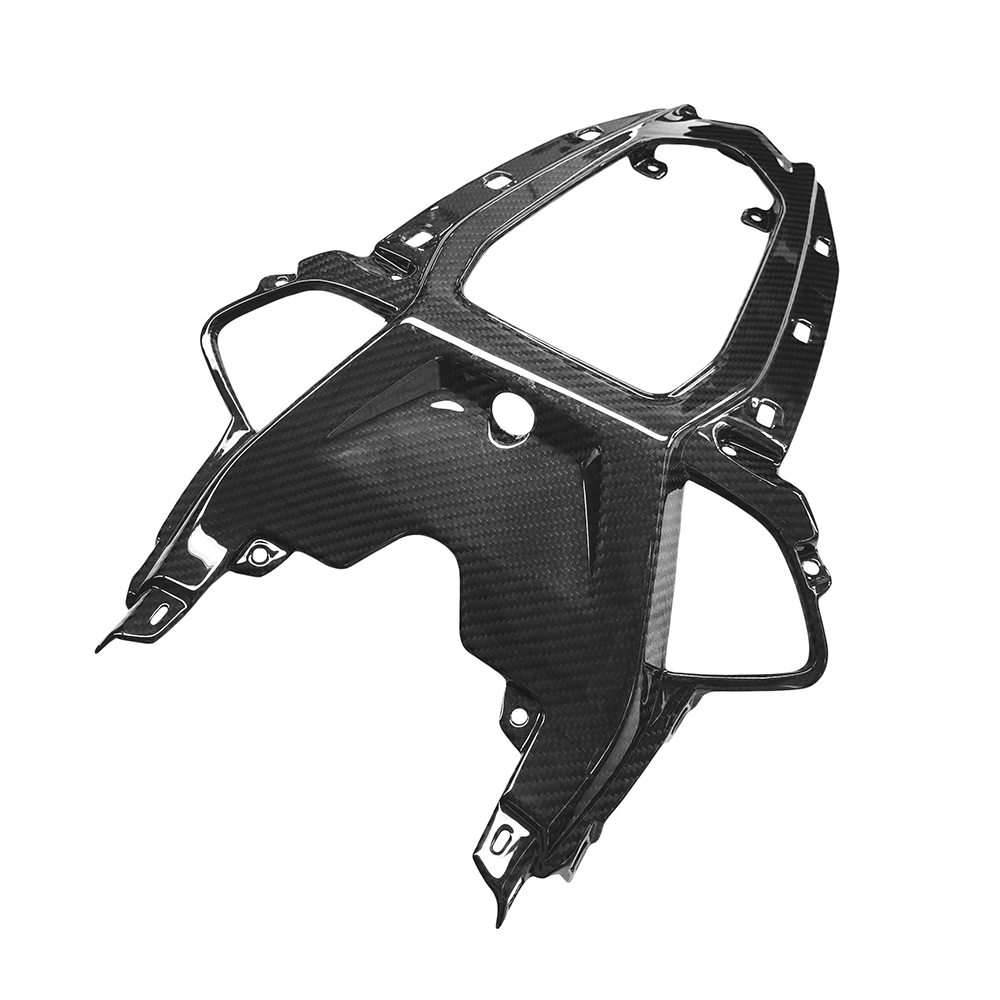
Carbon Fiber Rear Seat Panel for BMW S1000R & M1000RR – Lightweight Performance
This carbon fiber rear seat panel is engineered for the BMW S1000R and M1000RR, offering superior rigidity, reduced weight, and a premium racing finish. Produced with autoclave technology and strict QC standards, the part ensures consistent OEM-level fitment. Supreem Carbon provides wholesale supply, stable bulk production, and customized solutions for global clients.
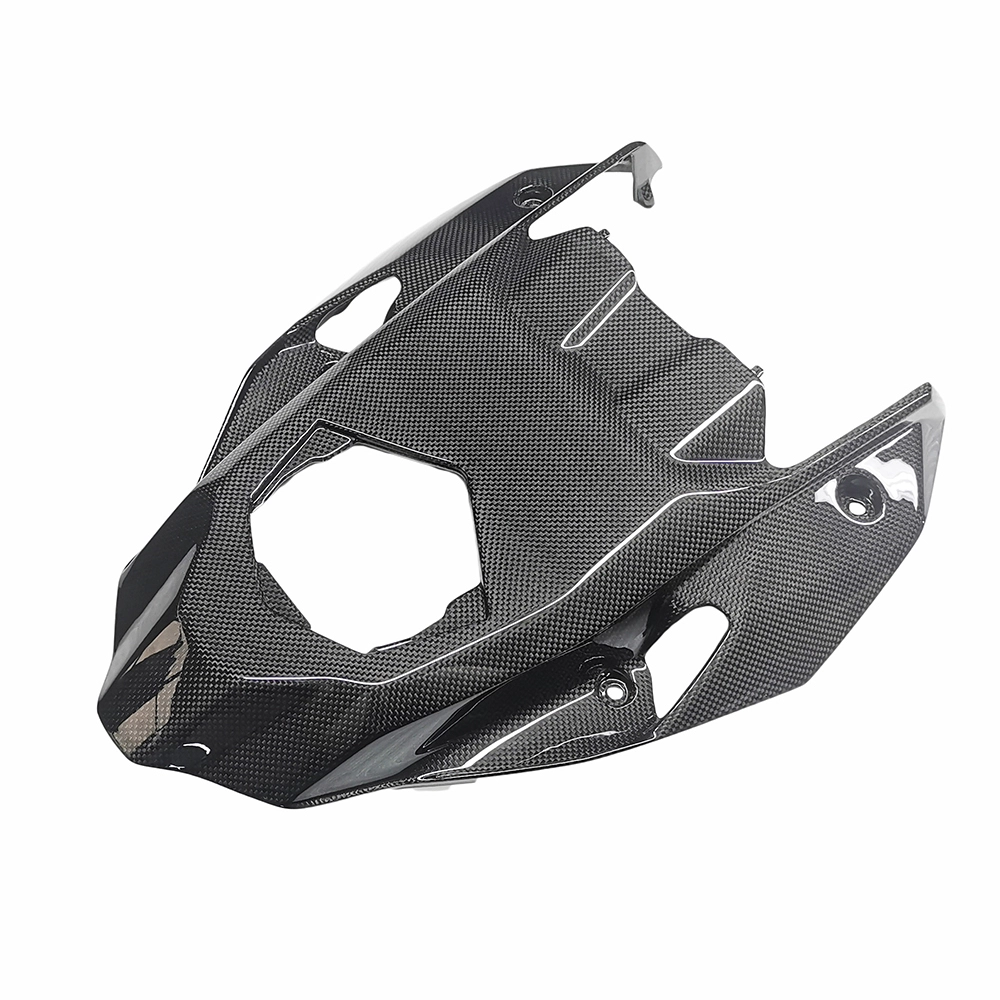
High-Performance Carbon Fiber Rear Undertail for BMW S1000R
Engineered for distributors, tuning brands, and motorcycle accessory businesses, the BMW S1000R Carbon Fiber Rear Undertail is a high-quality, durable, lightweight carbon fiber upgrade for the S1000R platform. This component is manufactured using aerospace-grade carbon fiber and precision molds to deliver superior stiffness, a seamless OEM-level fit, and a premium visual finish suitable for high-end aftermarket applications.

Supreem Carbon aiming to provide customers with high-performance carbon fiber products and quality services.
Contact Supreem Carbon
Address : Building 1 No.103, Yadi Nan 1st Road, QiaoTou Town, Dongguan City, China.
© 2024 Supreem Carbon All Rights Reserved.
Facebook
Pinterest
LinkedIn
Instagram