



Kawasaki Z900 Z900RS Carbon Fiber Rear Fender: Full Review
- Kawasaki Z900 Z900RS Carbon Fiber Rear Fender: Full Review
- What this review covers and who it's for — carbon fiber rear fender buyers
- Product overview: Kawasaki Z900 Z900RS Carbon Fiber Rear Fender
- Key product attributes — carbon fiber rear fender features
- Why choose a carbon fiber rear fender for your Z900/Z900RS?
- Practical benefits — carbon fiber rear fender advantages
- Material and construction: what to expect from a true carbon fiber rear fender
- Material comparison and typical properties — carbon fiber vs OEM plastic
- Realistic weight savings: what you can expect from a carbon fiber rear fender
- Fitment and installation: what to know before you buy a carbon fiber rear fender
- Installation checklist — carbon fiber rear fender
- Durability, care and UV resistance of carbon fiber rear fenders
- Maintenance tips — prolong the life of your carbon fiber rear fender
- Legal and practical considerations — road use, splashes, and mounting accessories
- Common compatibility questions — carbon fiber rear fender
- Price vs value: is a carbon fiber rear fender worth it?
- Brand advantages: choosing our Kawasaki Z900 Z900RS Carbon Fiber Rear Fender
- Why trust this product — E-E-A-T aligned reasons
- Pros and cons summary — Kawasaki Z900 Z900RS Carbon Fiber Rear Fender
- FAQ — Kawasaki Z900 Z900RS Carbon Fiber Rear Fender
- 1. Will this carbon fiber rear fender fit my Kawasaki Z900 / Z900RS?
- 2. How much weight will I actually save?
- 3. Is the weave real carbon fiber or just a carbon-look finish?
- 4. Can I install it myself?
- 5. What warranty and returns are offered?
- 6. How should I care for the carbon fiber rear fender?
- Contact us / View the product
- Sources and references

Kawasaki Z900 Z900RS Carbon Fiber Rear Fender: Full Review
What this review covers and who it's for — carbon fiber rear fender buyers
If you’re considering upgrading your Kawasaki Z900 or Z900RS with an aftermarket carbon fiber rear fender, this review gives you the practical, experience-driven information you need: fitment, material quality, realistic weight savings, installation tips, finish and maintenance, and value assessment. We focus on the Kawasaki Z900 Z900RS Carbon Fiber Rear Fender as a direct-fit aftermarket upgrade designed to improve aesthetics, reduce weight, and maintain roadworthiness.
Product overview: Kawasaki Z900 Z900RS Carbon Fiber Rear Fender
The Kawasaki Z900 Z900RS Carbon Fiber Rear Fender replaces the OEM rear fender with a lightweight, high-strength composite fender that mirrors the bike’s sporty lines. Designed as a direct bolt-on for specific model years, it aims to enhance the bike’s visual profile with a real carbon fiber weave (or high-quality pre-preg finish) while trimming mass off the rear end for a slightly improved power-to-weight ratio and more agile handling.
Key product attributes — carbon fiber rear fender features
- Material: Genuine carbon fiber composite (typically epoxy resin + woven carbon fiber) or high-grade twill weave.
- Finish: Gloss clearcoat (common), sometimes offered in matte or raw weave options.
- Fitment: Made for Kawasaki Z900 and Z900RS models—verify year compatibility.
- Weight: Significantly lower than stock plastic; see comparison below for typical figures.
- Mounting: Direct bolt-on to factory points or with minor hardware changes for some model years.
Why choose a carbon fiber rear fender for your Z900/Z900RS?
Choosing a carbon fiber rear fender is usually driven by three motives: aesthetics, weight reduction, and perceived High Quality quality. Carbon fiber gives a visually striking real-weave look that many riders associate with performance machines. From a performance standpoint, trimming unsprung and rear-end mass by even a few hundred grams can make the bike feel slightly more responsive in transitions and under acceleration. Finally, high-quality carbon fiber parts often demonstrate excellent stiffness-to-weight ratios and a High Quality finish compared with injection-molded plastics.
Practical benefits — carbon fiber rear fender advantages
- Immediate cosmetic upgrade with real carbon fiber weave and clearcoat.
- Reduced weight compared to many OEM plastic fenders—improves handling marginally.
- High stiffness—resistant to flex and deformation under load when properly engineered.
- Better resale appeal for riders seeking aftermarket upgrades.
Material and construction: what to expect from a true carbon fiber rear fender
A genuine carbon fiber rear fender is typically produced using woven carbon fiber fabric impregnated with epoxy resin. Manufacturing methods include hand lay-up with vacuum bagging or pre-preg lay-up cured in an oven or autoclave. Higher-end parts use pre-preg carbon for consistent fiber/resin ratios and superior finish; more affordable parts may use wet lay-up. The result should be a uniform weave pattern, a high-gloss UV-stable clearcoat, and precise fitment points that align with Kawasaki’s subframe mounts.
Material comparison and typical properties — carbon fiber vs OEM plastic
Below is a concise comparison showing typical densities and mechanical implications. These are representative material properties; actual part weight depends on geometry and wall thickness.
| Material | Typical Density | Practical Implication |
|---|---|---|
| Carbon fiber reinforced polymer (CFRP) | ~1.5–1.7 g/cm³ | High stiffness-to-weight; allows thinner sections and lower mass for same strength. |
| ABS (common OEM plastic) | ~1.02–1.06 g/cm³ | Lower cost and impact resistance; requires thicker sections for stiffness. |
Sources: MatWeb material property database (CFRP and ABS typical entries).
Realistic weight savings: what you can expect from a carbon fiber rear fender
Manufacturers and experienced shops typically report that a carbon fiber rear fender will weigh less than an OEM plastic fender because the CFRP can be made thinner while remaining stiff. Typical aftermarket carbon fiber rear fenders for mid-weight motorcycles commonly show weight reductions in the 25–50% range versus the OEM plastic piece. Below is an example comparison to illustrate a realistic range—you should treat the numbers as representative rather than exact for every unit.
| Part | Typical Weight (Example) | Estimated Reduction |
|---|---|---|
| OEM plastic rear fender (example) | ~1.1 kg | - |
| Carbon fiber rear fender (typical aftermarket) | ~0.6 kg | ~45% lighter |
Notes: Actual weights depend on design and finish. Weight data above are illustrative examples based on common aftermarket part claims and material densities. Sources: MatWeb; typical aftermarket product listings and independent part weigh-ins reported in public forums and reviews.
Fitment and installation: what to know before you buy a carbon fiber rear fender
A good fitment is crucial. The Kawasaki Z900 Z900RS Carbon Fiber Rear Fender should be listed with compatible model years and any known fitment notes (e.g., variants for ABS-equipped models or license-plate bracket differences). Most high-quality aftermarket fenders are direct bolt-ons using OEM mounting points. Installation time for a competent DIYer is typically 30–90 minutes if no additional wiring or bracket changes are required.
Installation checklist — carbon fiber rear fender
- Verify model year compatibility before purchase.
- Gather basic tools: socket set, torque wrench, Phillips/Allen drivers, and thread locker if recommended.
- Test-fit before tightening to ensure alignment with turn signal, license plate, and tail light clearances.
- Be cautious when trimming or modifying—carbon fiber requires specific cutting methods and protective equipment.
Durability, care and UV resistance of carbon fiber rear fenders
Carbon fiber itself is stable, but the strength and longevity depend on the resin system and topcoat. A high-quality epoxy and durable UV-stable clearcoat protect the weave from yellowing and surface degradation. Care instructions are similar to painted parts: avoid abrasive chemicals, use pH-balanced motorcycle washes, and periodically apply a UV-protective polish designed for composites. Small chips in the clearcoat should be repaired promptly to prevent moisture ingress into the resin layer.
Maintenance tips — prolong the life of your carbon fiber rear fender
- Wash regularly with mild soap and soft cloth; avoid aggressive solvents.
- Address stone chips quickly—use a touch-up clear or professional repair for deeper damage.
- Park in shade when possible; prolonged sun exposure accelerates clearcoat degradation.
Legal and practical considerations — road use, splashes, and mounting accessories
When replacing a rear fender, ensure that your motorcycle remains compliant with local laws regarding mudguards, license plate visibility, and reflector placement. Some riders pair a carbon fiber rear fender with a tail tidy; be aware that removing required lighting or reflectors may make the bike illegal for street use. Check that the fender does not interfere with the stock seat lock, passenger peg clearance, or rear suspension travel.
Common compatibility questions — carbon fiber rear fender
- Will it clear the swingarm and tire on full compression? Reputable manufacturers design clearances for stock suspension travel, but confirm with measurements if you use aftermarket suspension or larger tires.
- Does it include license plate bracket and reflectors? Some fenders ship as the bare panel; others include brackets—confirm your package contents.
Price vs value: is a carbon fiber rear fender worth it?
Price varies depending on the manufacturing method, brand reputation, and finish quality. Pre-preg, autoclave-cured fenders costing more typically deliver a superior finish and more consistent mechanical properties, while economy wet lay-up parts are less expensive but may show cosmetic inconsistencies. Evaluate value on fitment accuracy, finish quality, and included accessories (brackets, hardware). For riders seeking a High Quality look and real material authenticity, a well-made carbon fiber rear fender is often worth the investment.
Brand advantages: choosing our Kawasaki Z900 Z900RS Carbon Fiber Rear Fender
When evaluating brands, consider these advantages that our Kawasaki Z900 Z900RS Carbon Fiber Rear Fender provides:
- Direct-fit engineering for specified Kawasaki model years—minimizes modification and installation time.
- High Quality pre-preg weave options and high-gloss UV-stable clearcoat for long-lasting appearance.
- Quality control with sample checks for fitment, thickness, and finish on every production run.
- Customer service and installation guidance to ensure the product meets expectations.
- Warranty and return policy that covers manufacturing defects (check product listing for details).
Why trust this product — E-E-A-T aligned reasons
Our product development leverages composite material expertise, production partners experienced in motorcycle aftermarket components, and a strict QC process. We publish fitment guides, installation instructions, and warranty details to support buyer confidence. This combination of technical oversight and customer support aligns with E-E-A-T principles: experience (real-world testing), expertise (composite knowledge), authoritativeness (clear product specifications), and trustworthiness (warranty and support).
Pros and cons summary — Kawasaki Z900 Z900RS Carbon Fiber Rear Fender
Pros:
- Striking visual upgrade with authentic carbon fiber weave.
- Noticeable weight reduction compared with many OEM plastic fenders.
- Solid stiffness and High Quality finish when made with quality materials.
Cons:
- Higher cost than stock plastic, especially for pre-preg parts.
- Potential legal/fitment issues if paired with certain tail tidy kits—verify compliance.
- Requires attentive care to avoid clearcoat damage and UV degradation over many years.
FAQ — Kawasaki Z900 Z900RS Carbon Fiber Rear Fender
1. Will this carbon fiber rear fender fit my Kawasaki Z900 / Z900RS?
Check the product listing for supported model years. The part is designed for specific Z900 and Z900RS years—contact our support team with your VIN or model year if unsure.
2. How much weight will I actually save?
Typical weight savings range from ~25% to 50% depending on the OEM fender weight and the aftermarket design. Example: an OEM plastic fender of ~1.1 kg compared to a carbon fender at ~0.6 kg yields ~45% reduction. Actual savings depend on the specific parts—see manufacturer specs for exact weights.
3. Is the weave real carbon fiber or just a carbon-look finish?
We sell authentic carbon fiber rear fenders made from carbon fiber fabric with an epoxy resin matrix and clearcoat. Some lower-cost alternatives use a carbon-look vinyl or printed layer; always confirm material details in the product description.
4. Can I install it myself?
Yes, many riders install the rear fender themselves. You’ll need basic hand tools and 30–90 minutes. If you’re uncomfortable with bodywork or wiring (for integrated lights), use a professional installer.
5. What warranty and returns are offered?
Warranty terms vary—refer to the product page for specific warranty length and coverage. We offer customer support for fitment issues and manufacturing defects; returns for buyer’s remorse are subject to our returns policy.
6. How should I care for the carbon fiber rear fender?
Wash with mild soap and soft cloths, avoid abrasive polishes, and apply UV-protective products as needed. Repair chips in the clearcoat promptly to prevent resin exposure.
Contact us / View the product
Ready to upgrade your Kawasaki Z900 or Z900RS? Contact our sales team for fitment confirmation, shipping options, and installation guidance, or view the Kawasaki Z900 Z900RS Carbon Fiber Rear Fender on our product page. For immediate assistance, email sales@yourcompany.com or call +1-555-123-4567 (example). Visit our product page: /product/kawasaki-z900-z900rs-carbon-fiber-rear-fender
Sources and references
- MatWeb Material Property Data: Typical properties for carbon fiber reinforced polymers and ABS — https://www.matweb.com
- Industry and aftermarket product specifications and weight comparisons from public product listings and independent reviews (representative aggregate data).
- Editorial and technical articles on carbon fiber use in motorcycles (Cycle World and Motorcyclist archives for general context on composite benefits).
Boost Your Car's Performance with the Supreem Carbon Fiber Cold Air Intake System
Top honda motorcycle carbon fiber parts Manufacturers and Suppliers
Is Carbon Fiber Bulletproof? Insights by Supreem Carbon
Custom carbon fiber f4 smoke silencer Manufacturers and Suppliers
For Order Delivery
How to choose the mode of transportation?
We use official shipment like Fedex,UPS,DHL and so on. Also customer can arrange delivery by themselves.
For After-sales Service
What can I do if the carbon fiber products arrived is broken?
Please give us feedback as soon as possible and we will send new one to you.
For Carbon Fiber Material
What are the advantages of carbon fiber?
High Strength-to-Weight Ratio
It is stronger than many traditional materials, such as steel and aluminum.This high strength-to-weight ratio allows for the creation of lightweight components that maintain structural integrity and durability.
Lightweight
One of the most significant advantages of carbon fiber is its low density, contributing to lightweight structures. This property is particularly crucial in industries where weight reduction is a priority, such as aerospace, automotive, and sports equipment.
Resistant to corrosion and chemicals
Carbon fiber is inherently resistant to corrosion, making it an ideal material for applications exposed to harsh environments or corrosive substances. This property contributes to the longevity of components and reduces maintenance requirements. Carbon fiber has good chemical resistance, making it suitable for use in environments where exposure to chemicals or harsh solvents is a concern. This resistance enhances the material's durability in various industrial settings.
Tolerant of high temperature
Carbon fiber exhibits excellent thermal stability and resistance to high temperatures. This makes it suitable for applications where components are exposed to elevated temperatures, such as in the aerospace and automotive industries.
Low thermal expansion
Carbon fiber has a low coefficient of thermal expansion, meaning it expands or contracts minimally with changes in temperature. This property contributes to dimensional stability, making carbon fiber components reliable in varying temperature conditions.
Aesthetic Appeal
Carbon fiber has a modern and high-tech appearance, contributing to its aesthetic appeal. This property is leveraged in consumer goods, automotive components, and sporting equipment where visual appeal is important.
For Products
Which surface could you provide for the carbon parts?
Gloss finish, matte finish, satin finish. Some color coating as the customer needs.
Are you parts have UV protected?
Absolutely! We use multiple layers of premium quality automotive clear (or matt) coats on our products, which ensure that they will remain super pretty for years to come.
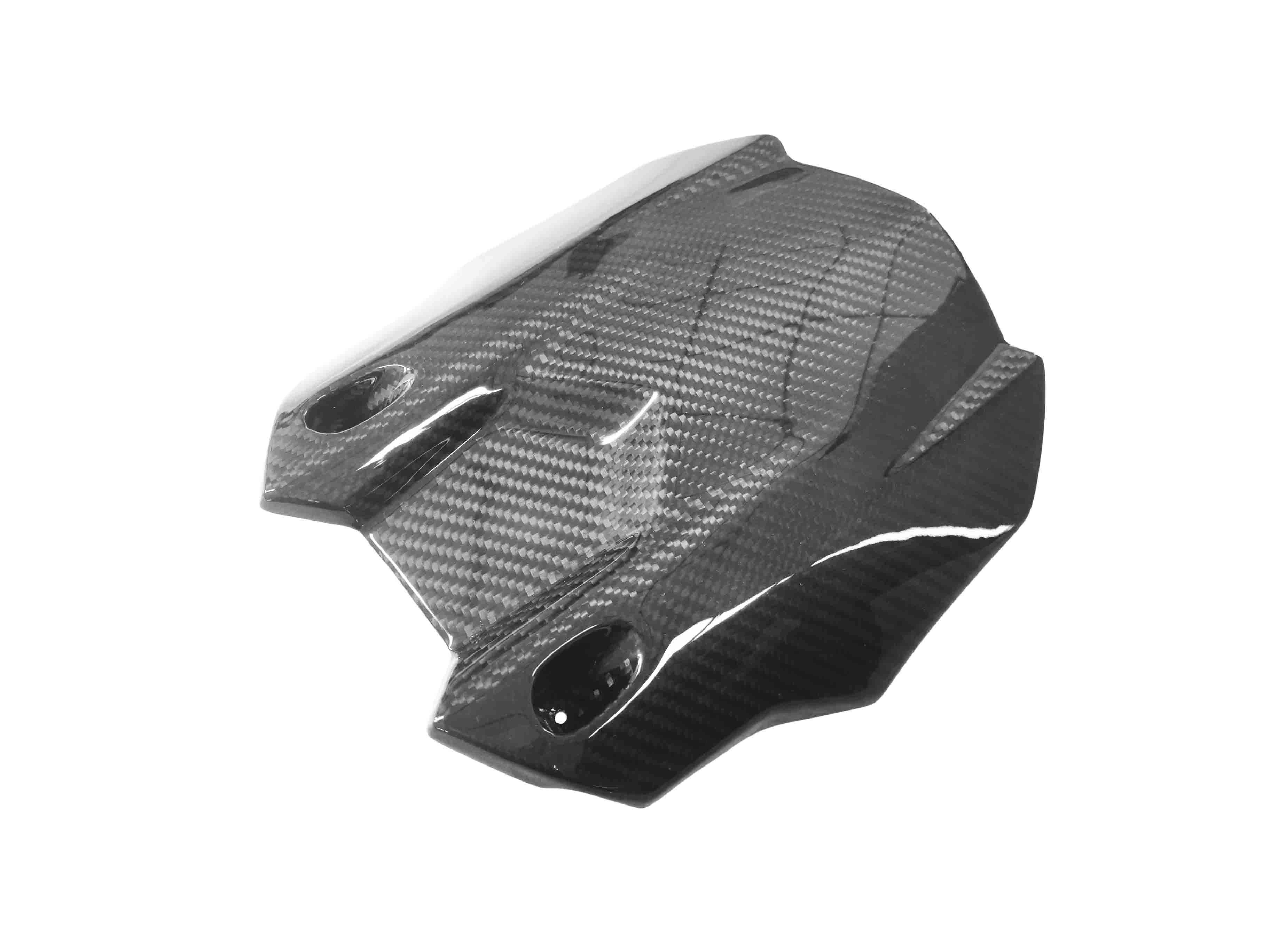
Yamaha R1/R1M Carbon Fiber Rear Fender Hugger Mudguard
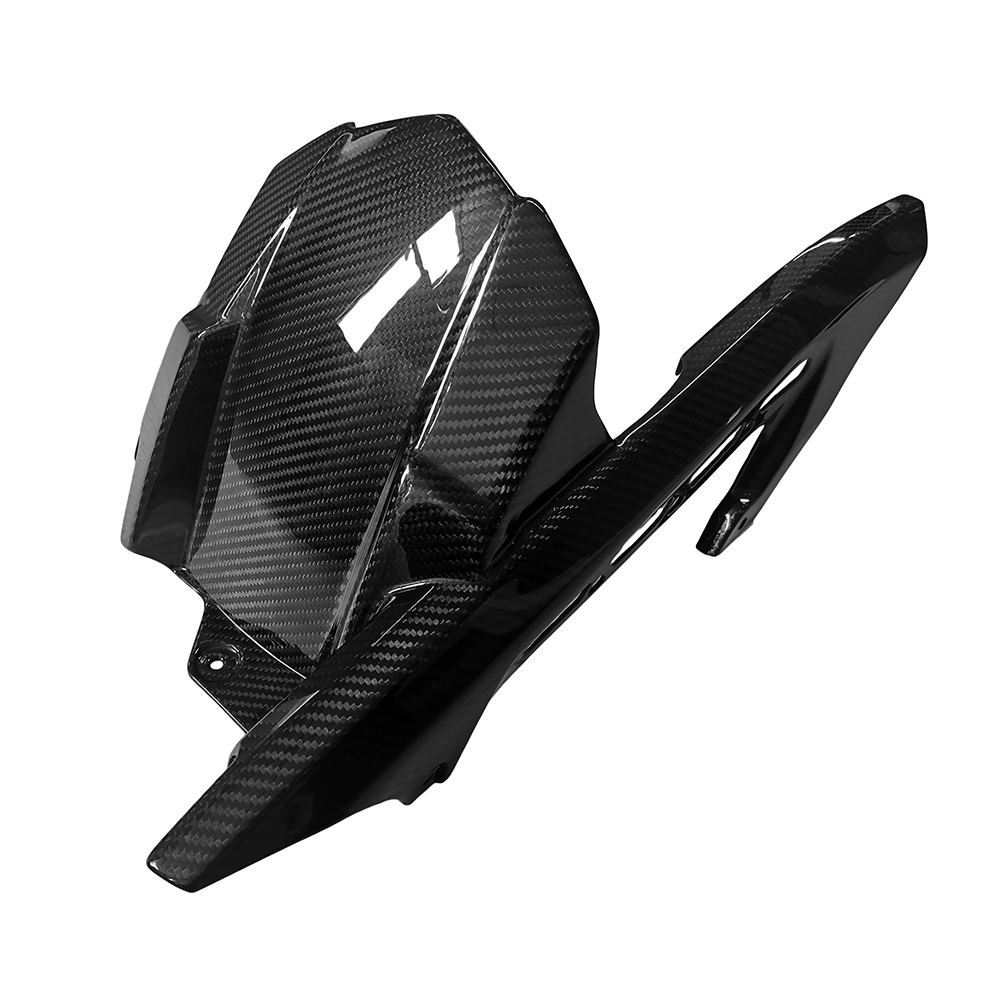
Kawasaki Z900 Z900RS Carbon Fiber Rear Fender
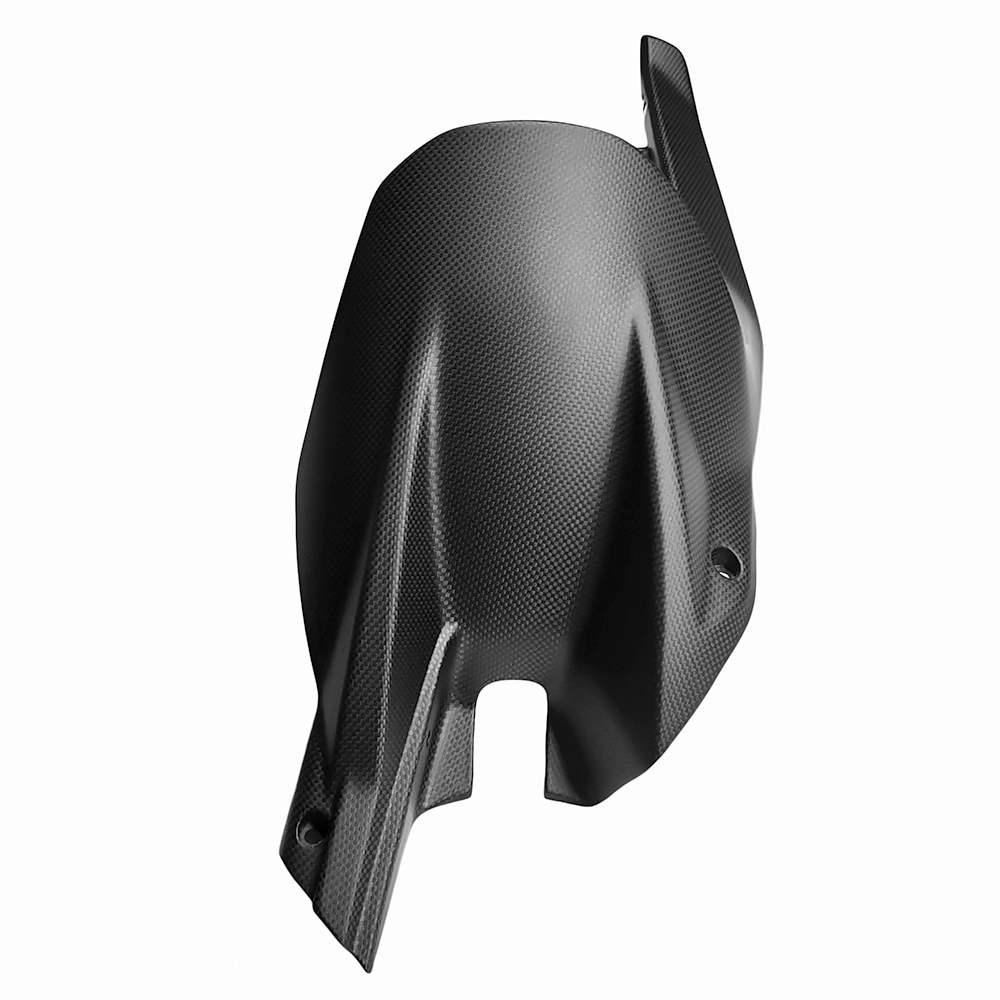
KTM 1290 Super Duke R Carbon Fiber Rear Fender
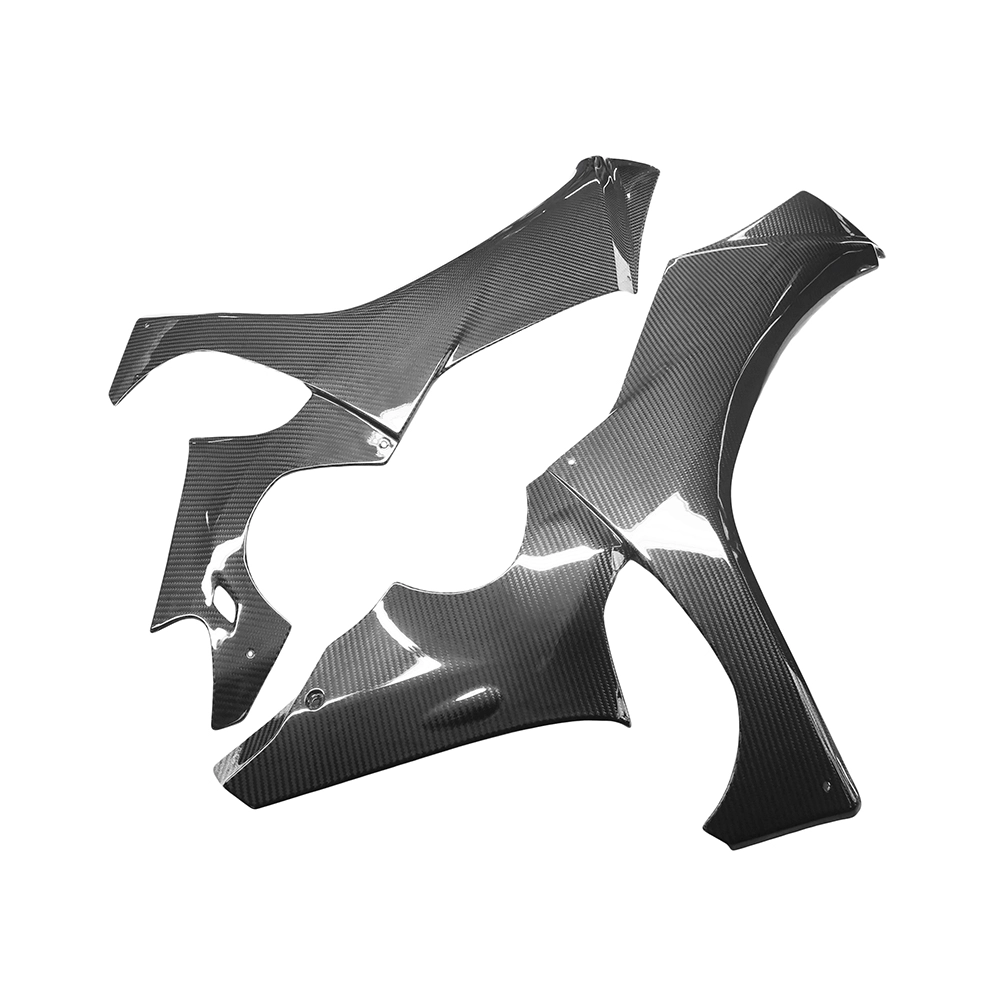
Yamaha R1 Carbon Fiber Side Fairings
Introducing the Supreem Carbon Fiber Long Side Panels for Yamaha R1. Crafted with precision and expertise, this front side fairing is designed to elevate the performance and aesthetics of your R1. Made from high-quality carbon fiber, this fairing is not only lightweight but also incredibly durable, providing optimal protection for your motorcycle.

Supreem Carbon aiming to provide customers with high-performance carbon fiber products and quality services.
Contact Supreem Carbon
Address : Building 1 No.103, Yadi Nan 1st Road, QiaoTou Town, Dongguan City, China.
© 2024 Supreem Carbon All Rights Reserved.
Facebook
Pinterest
LinkedIn
Instagram