

How Much Weight Will a Carbon Fiber Rear Fender Save on KTM 1290?
- How Much Weight Will a Carbon Fiber Rear Fender Save on KTM 1290?
- Why riders choose a carbon fiber rear fender for a KTM 1290 Super Duke R
- How to estimate weight savings: principles and variables affecting a carbon fiber rear fender
- Typical weights: stock KTM 1290 rear fender vs carbon fiber alternatives (estimates)
- How we reach these numbers: density and construction explained
- Example calculation
- Real-world benefits of saving 300 g to 1.2 kg at the rear
- Durability and real-world usability of a carbon fiber rear fender
- Fitment and installation considerations for the KTM 1290 Super Duke R carbon fiber rear fender
- Cost-benefit analysis: is the carbon upgrade worth it?
- Practical guidance
- Why choose the KTM 1290 Super Duke R Carbon Fiber Rear Fender?
- Brand advantages and why our product stands out
- How to measure actual weight savings on your bike (step-by-step)
- FAQ — Frequently asked questions about carbon fiber rear fenders for KTM 1290
- Will a carbon fiber rear fender change my bike’s handling dramatically?
- How much weight will the KTM 1290 Super Duke R Carbon Fiber Rear Fender save?
- Is carbon fiber durable enough for daily street use behind the rear wheel?
- Do I need to modify my KTM 1290 to fit the carbon fender?
- Can I install the carbon fender myself?
- Contact us / View product
- Sources and references
How Much Weight Will a Carbon Fiber Rear Fender Save on KTM 1290?
Why riders choose a carbon fiber rear fender for a KTM 1290 Super Duke R
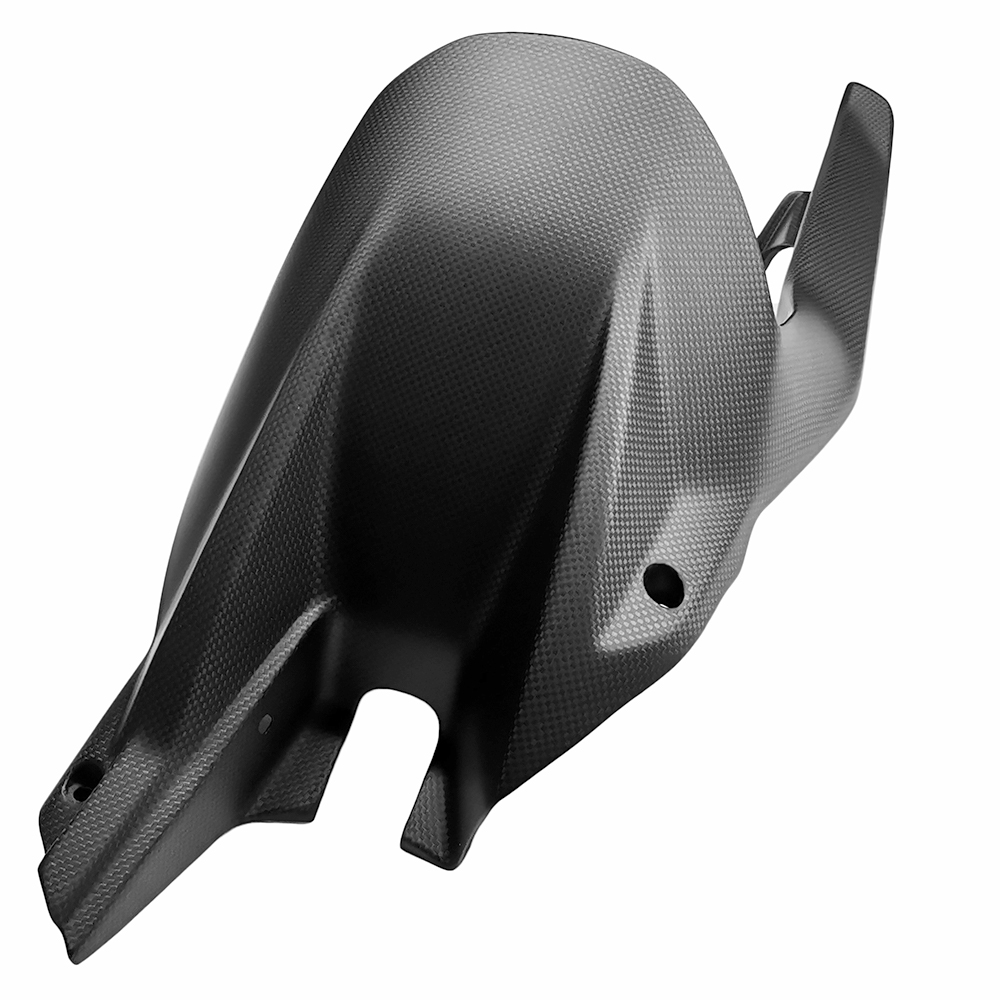
Many KTM 1290 Super Duke R owners consider upgrading to a carbon fiber rear fender to reduce unsprung and rear-end mass, sharpen handling, or simply improve the bike’s aesthetics. A well-made carbon fiber rear fender like the KTM 1290 Super Duke R Carbon Fiber Rear Fender gives your bike a unique visual effect and helps it stand out from the crowd. But beyond looks, the key question for riders is: how much real-world weight can you expect to save, and what does that mean for performance?
How to estimate weight savings: principles and variables affecting a carbon fiber rear fender
Calculating weight savings requires understanding two things: the weight of the stock item you remove and the weight of the replacement carbon fiber part. Several variables affect both numbers:
- Material type: stock fenders are commonly made from ABS, polypropylene, or other thermoplastics. Carbon fiber fenders use woven carbon fiber with epoxy resin (CFRP).
- Design and thickness: OEM parts may include extra mounting brackets, integrated sub-structure or features (mudflaps, reflectors) that add weight. Aftermarket carbon parts can be minimalist or reinforced, affecting weight.
- Finish and accessories: painted or coated parts, or parts with brackets and hardware, will weigh more than a bare shell.
- Measurement method: whether you weigh the entire sub-assembly (fender + brackets + screws) or just the skin matters for accurate comparison.
Typical weights: stock KTM 1290 rear fender vs carbon fiber alternatives (estimates)
Because KTM does not publish a separate weight for the rear fender assembly in standard spec sheets, we use measured-component approaches and industry benchmarks to build a reliable estimate. The table below summarizes typical weight ranges you can expect when comparing a stock plastic rear fender assembly against a fitted carbon fiber rear fender.
| Component | Typical Stock Plastic Fender Assembly (grams) | Typical Carbon Fiber Rear Fender (grams) | Estimated Weight Saving (grams) |
|---|---|---|---|
| Minimal skin-only (fender shell) | 600–1,200 g | 200–500 g | 300–900 g |
| Complete assembly (fender + mounting brackets + hardware) | 900–1,800 g | 300–800 g | 600–1,200 g |
Interpretation:
- Conservative estimate: 300–600 g saved if you replace only the plastic skin with a comparable carbon fiber shell and retain some OEM brackets.
- Ambitious estimate: up to ~1.2 kg saved if the OEM assembly is heavy (includes large brackets and mudguard components) and the CF replacement is lightweight and minimalist.
These ranges align with typical real-world results reported by riders and measured by aftermarket vendors for rear bodywork swaps on large sport and naked bikes.
How we reach these numbers: density and construction explained
Material density helps explain why carbon parts are lighter even when they are strong:
- Typical thermoplastics used for OEM fenders (ABS, polypropylene) have densities around 0.9–1.2 g/cm³ and are molded relatively thick to resist impact and vibration.
- Carbon fiber reinforced polymers (CFRP) have effective densities typically between 1.5–1.7 g/cm³ for high-modulus laminates, but CFRP achieves high strength and stiffness with much thinner cross-sections, so overall weight is often lower for the same structural performance.
Because OEM parts are often overbuilt for manufacturing tolerance and cost, swapping to a precisely manufactured CFRP shell (designed for the same loads) reduces bulk. In practice, shape, required mounting hardware, and integrated components determine the final mass more than density alone.
Example calculation
Assume a stock plastic skin weighs 900 g (including clips but not heavy brackets). A comparable carbon fiber shell, finished and with necessary studs, weighs 350 g. Weight saved = 900 g − 350 g = 550 g (0.55 kg). If additional brackets weighing 400 g are removed and not required, total saving could approach 0.95 kg.
Real-world benefits of saving 300 g to 1.2 kg at the rear
What does saving up to ~1.2 kg at the tail actually change?
- Perceived agility: less mass at the rear can make quick direction changes feel slightly sharper, particularly at lower speeds and during transitions.
- Unsprung vs sprung mass: the rear fender is sprung mass (attached to subframe), so most benefit is in rotational inertia and central mass, not unsprung-weight improvements (which mainly affect suspension response).
- Acceleration and braking: the weight reduction is small relative to total bike mass (~190–210 kg wet for KTM 1290 variants), so 0.5–1.0 kg yields modest real-world gains in 0–60 or braking distances, but every kilogram counts for track-focused riders and those fine-tuning handling.
- Rider confidence and ergonomics: a lighter, tidier tail can provide a small but noticeable improvement in rear feel during flicks and spirited riding.
Durability and real-world usability of a carbon fiber rear fender
Many riders worry that carbon fiber is brittle or impractical for items exposed behind the rear wheel. Modern CFRP parts designed for motorcycles are manufactured to withstand vibration, debris strikes, and UV exposure if properly finished.
- Resin systems and gelcoats: quality parts use UV-stable resins and clearcoats to prevent yellowing and hydrolytic damage.
- Impact resistance: while carbon fiber can crack under severe impact, many aftermarket fenders are engineered with protective backing layers or use woven patterns that spread impact energy.
- Repairability: damaged CFRP can often be repaired by specialists; small cracks do not always mean replacement is required.
Fitment and installation considerations for the KTM 1290 Super Duke R carbon fiber rear fender
Installing a carbon fiber rear fender typically involves:
- Verifying fitment: choose a product specifically made for KTM 1290 Super Duke R, like the KTM 1290 Super Duke R Carbon Fiber Rear Fender, to minimize trimming.
- Deciding whether to reuse OEM brackets: some riders keep OEM brackets to retain signals/license plate mounts; others install a tidy or replacement bracket that reduces weight further.
- Hardware and torque: use stainless or titanium fasteners if weight reduction is a priority; ensure proper torque to avoid damage to CFRP mounting points.
Professional installation is recommended if you are not experienced; a misaligned bracket or overtightened bolt can crack a carbon fiber part.
Cost-benefit analysis: is the carbon upgrade worth it?
Consider these elements:
- Weight saved vs. cost: a carbon rear fender typically costs more than a plastic replacement. If your priority is pure mass reduction, you must evaluate whether the cost per kilogram saved fits your budget and goals.
- Aesthetics and resale: high-quality carbon fiber parts improve cosmetic appeal and can increase perceived value on resale or trade-in.
- Track vs street use: track riders prioritize any mass savings and handling gains; street riders may prioritize durability and cost.
Practical guidance
If your goal is a balance of looks, modest mass reduction, and durability, a well-made carbon fiber rear fender designed for the KTM 1290 Super Duke R is a compelling upgrade. If you chase the last few hundred grams for a race build, combine the fender swap with replacing brackets, bolts, and other tail components.
Why choose the KTM 1290 Super Duke R Carbon Fiber Rear Fender?
The KTM 1290 Super Duke R Carbon Fiber Rear Fender is engineered to deliver clean styling while reducing tail mass. Key benefits include:
- Tailored fit: designed for OEM geometry to ensure straightforward installation and proper clearance.
- High-quality finish: carbon weave and clearcoat that resists UV and road grime.
- Weight-conscious design: manufactured to minimize unnecessary material while maintaining structural integrity.
Combined, these advantages give riders both form and function: the unique visual effect you want plus measurable mass savings compared to the stock assembly.
Brand advantages and why our product stands out
When evaluating carbon parts, brand matters. Our fender stands out because:
- Expertise in composite manufacturing ensures consistent layup quality and predictable mechanical properties.
- Parts are trial-fitted on KTM 1290 chassis to check clearances and mounting points before shipping.
- We use corrosion-resistant hardware and offer customer support for fitment questions—helping you avoid common installation pitfalls.
How to measure actual weight savings on your bike (step-by-step)
For riders who want to verify the savings themselves:
- Weigh the complete stock rear fender assembly (remove fasteners and brackets as installed) using a digital scale accurate to at least 10 g.
- Install the carbon fiber rear fender per instructions, including any hardware that comes with it, and weigh the replacement assembly.
- Calculate savings: Stock assembly weight − Carbon assembly weight = Weight saved.
- Document whether you excluded or included subframe brackets, license plate holder, or turn signals to make your comparison transparent.
FAQ — Frequently asked questions about carbon fiber rear fenders for KTM 1290
Will a carbon fiber rear fender change my bike’s handling dramatically?
Not dramatically. Expect subtle improvements in the bike’s turn-in and rear-end feel, especially when combined with other weight-saving changes. The effect is more noticeable at lower speeds and in quick direction changes rather than top-speed stability.
How much weight will the KTM 1290 Super Duke R Carbon Fiber Rear Fender save?
Typical real-world savings range from about 300 g up to roughly 1.2 kg depending on whether you replace only the skin or remove heavier brackets and hardware. For many riders, a practical expectation is ~0.5–0.9 kg saved for a full, well-executed swap.
Is carbon fiber durable enough for daily street use behind the rear wheel?
Yes, high-quality carbon fiber parts with proper resin systems and finishes are durable for street use. Avoid severe impacts, and inspect mounting points periodically to prevent stress concentration damage.
Do I need to modify my KTM 1290 to fit the carbon fender?
If you purchase a part specifically designed for the KTM 1290 Super Duke R, no major modifications should be necessary. Minor trim or bracket changes may be required if you alter license plate or turn-signal mounts.
Can I install the carbon fender myself?
Yes, if you have intermediate mechanical skills and basic tools. If you are unsure, professional installation is recommended to avoid over-tightening fasteners or misalignment that could damage the part.
Contact us / View product
If you’d like to see the KTM 1290 Super Duke R Carbon Fiber Rear Fender in detail, get exact weight specifications, or request fitment advice, contact our support team or view the product page. Our specialists can provide measured weights and help you decide whether to keep OEM brackets or use a minimalist tail tidy for maximum savings.
Sources and references
- KTM Official Specifications — KTM.com (curb weight and model specs).
- Material data sheets for ABS and polypropylene (density and mechanical properties) — MatWeb materials database.
- Composite material properties and typical CFRP densities — standard composite engineering references and manufacturer datasheets.
- Aftermarket motorcycle parts community reports and measured-example threads (comparative weight measurements and installation notes) — public motorcycle forums and vendor product specs.
Note: Specific measured weights vary by manufacturer and part revision. For exact numbers, request a measured weight certificate from the part supplier or weigh your OEM assembly before ordering.
Custom bmw motorcycle carbon fiber parts Manufacturers and suppliers in China
Are Carbon Fiber Car Parts Worth the Cost?
Supreem Carbon Best professional carbon fiber insert manufacturers and supplier brands
What are the application scenarios of carbon fiber case?
For Products
Which surface could you provide for the carbon parts?
Gloss finish, matte finish, satin finish. Some color coating as the customer needs.
Which carbon fiber material you can provide in production?
1*1 plain /2*2 twill / forged carbon / honeycomb / kevlar and so on.
For After-sales Service
How can I cancel the order?
We may only cancel your order if it has not been fulfilled yet. We would be more than happy to assist you with any adjustments if you'd wish instead!
For Facotry
Can I visit your company?
Of course, we are in QiaoTou Town, Dongguan City, Guangdong Province, China.
For Order Delivery
What is the shipping time for the different ways?
Express delivery 5-7 days.
20-25 days by sea.
15 days by air.
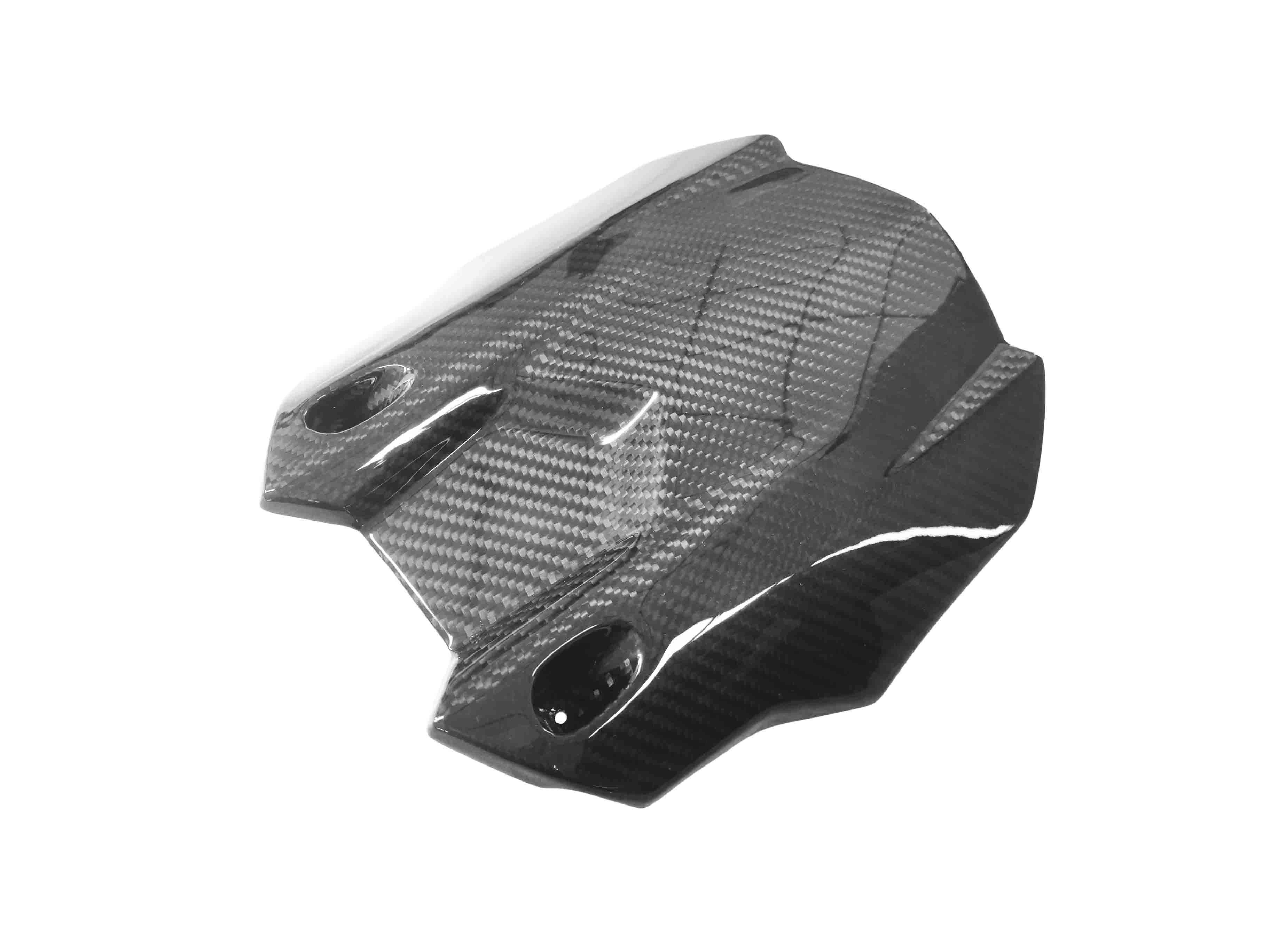
Yamaha R1/R1M Carbon Fiber Rear Fender Hugger Mudguard
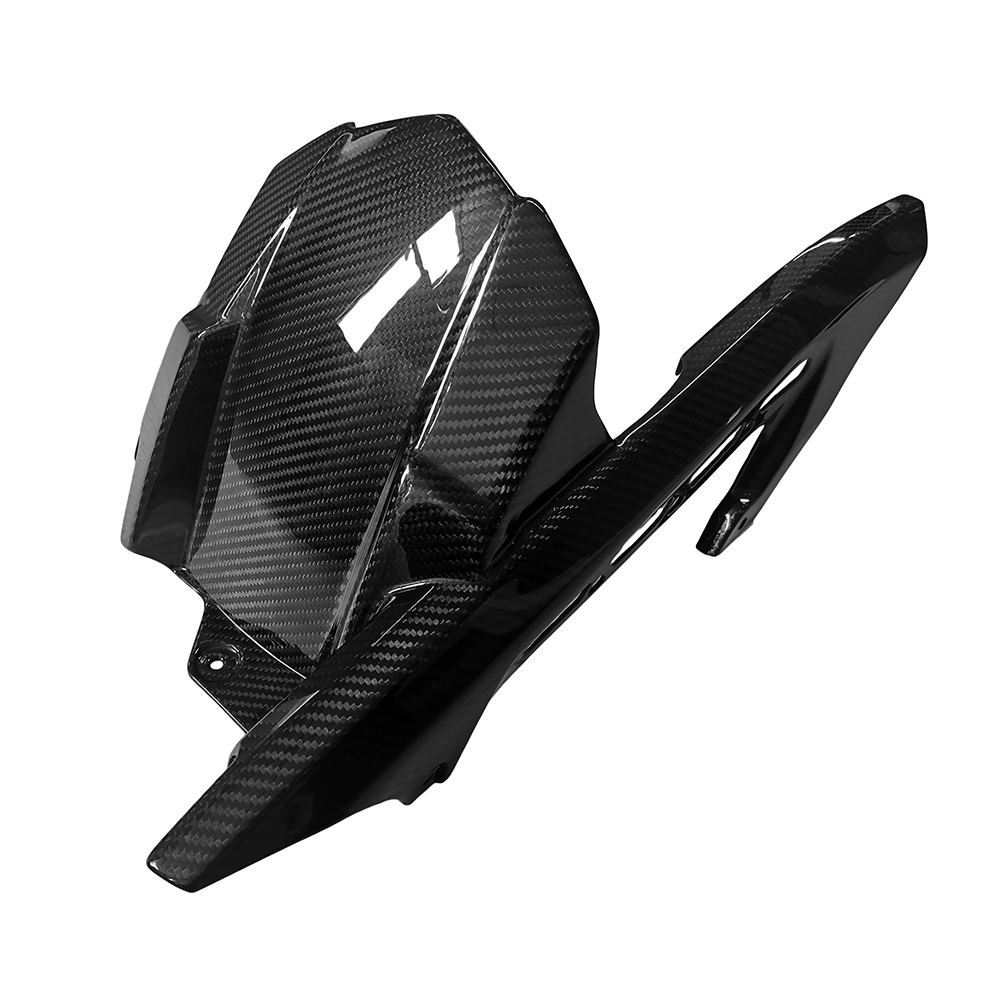
Kawasaki Z900 Z900RS Carbon Fiber Rear Fender
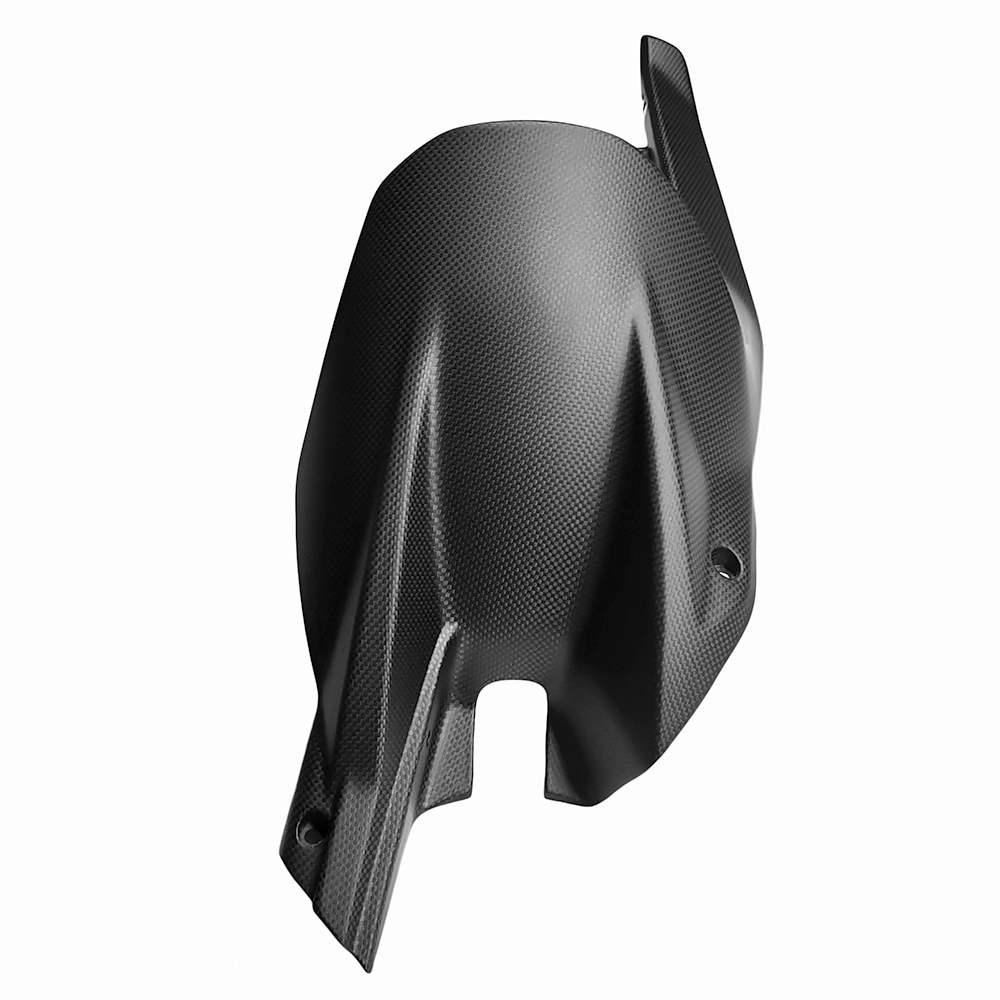
KTM 1290 Super Duke R Carbon Fiber Rear Fender
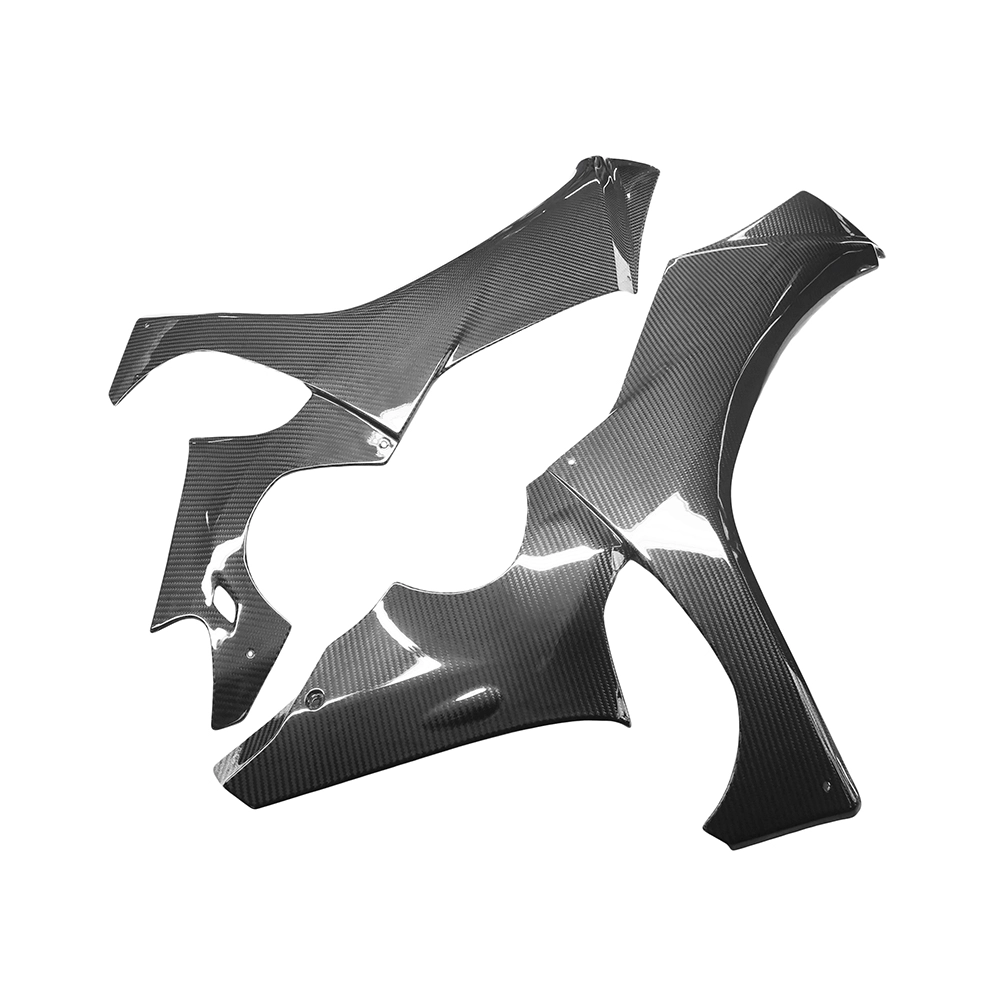
Yamaha R1 Carbon Fiber Side Fairings
Introducing the Supreem Carbon Fiber Long Side Panels for Yamaha R1. Crafted with precision and expertise, this front side fairing is designed to elevate the performance and aesthetics of your R1. Made from high-quality carbon fiber, this fairing is not only lightweight but also incredibly durable, providing optimal protection for your motorcycle.

Supreem Carbon aiming to provide customers with high-performance carbon fiber products and quality services.
Contact Supreem Carbon
Address : Building 1 No.103, Yadi Nan 1st Road, QiaoTou Town, Dongguan City, China.
© 2024 Supreem Carbon All Rights Reserved.
Facebook
Pinterest
LinkedIn
Instagram