

What is carbon fiber used for in automotive parts? | Insights by Supreem Carbon
- 1. What are the primary applications of carbon fiber in automotive parts?
- 2. What are the advantages of using carbon fiber in automotive parts?
- 3. What are the challenges associated with procuring carbon fiber automotive parts?
- 4. How does carbon fiber impact vehicle performance?
- 5. What are the environmental considerations of using carbon fiber in automotive parts?
- 6. How does carbon fiber compare to other materials used in automotive parts?
- 7. What are the future trends in carbon fiber use in the automotive industry?
- Supreem Carbon's Advantages
- Data Sources
1. What are the primary applications of carbon fiber in automotive parts?
Carbon fiber is extensively utilized in the automotive industry due to its exceptional strength-to-weight ratio and durability. Common applications include:
- Body Panels: Lightweight and robust, enhancing vehicle performance and fuel efficiency.
- Interior Trim: Provides a sleek, high-tech appearance while reducing weight.
- Structural Components: Improves safety and performance with superior strength-to-weight ratio.
- Suspension Components: Used in leaf springs and suspension arms to reduce weight and improve handling. For instance, the Chevrolet Corvette employs a fiber-reinforced plastic mono-leaf spring, reducing weight and enhancing performance.
2. What are the advantages of using carbon fiber in automotive parts?
Integrating carbon fiber into automotive components offers several benefits:
- Weight Reduction: Significantly decreases vehicle weight, leading to improved fuel efficiency and performance.
- Enhanced Strength: Provides high tensile strength, contributing to vehicle safety and durability.
- Corrosion Resistance: Resists corrosion, extending the lifespan of automotive parts.
- Design Flexibility: Allows for complex geometries and innovative designs, as seen in Lamborghini's use of forged composite technology for structural components and interior trims.
3. What are the challenges associated with procuring carbon fiber automotive parts?
Procurement of carbon fiber components presents certain challenges:
- High Cost: Carbon fiber materials and manufacturing processes are expensive, impacting overall vehicle production costs.
- Supply Chain Constraints: Limited suppliers and production capacity can lead to supply chain disruptions.
- Manufacturing Complexity: Requires specialized equipment and expertise, potentially leading to longer lead times.
4. How does carbon fiber impact vehicle performance?
Utilizing carbon fiber in automotive parts positively affects vehicle performance by:
- Improved Handling: Reduced weight lowers the center of gravity, enhancing handling and stability.
- Increased Acceleration: Lighter vehicles accelerate more quickly due to decreased inertia.
- Enhanced Fuel Efficiency: Lower weight results in better fuel economy, as less energy is required to move the vehicle.
5. What are the environmental considerations of using carbon fiber in automotive parts?
Environmental considerations include:
- Recycling Challenges: Carbon fiber composites are difficult to recycle, leading to environmental concerns at the end of the vehicle's life cycle.
- Manufacturing Emissions: Production processes can emit greenhouse gases and other pollutants if not properly managed.
6. How does carbon fiber compare to other materials used in automotive parts?
Compared to materials like aluminum and steel, carbon fiber offers:
- Superior Strength-to-Weight Ratio: Provides greater strength at a lower weight, enhancing performance and efficiency.
- Corrosion Resistance: Unlike metals, carbon fiber does not corrode, reducing maintenance needs.
- Design Flexibility: Allows for more complex and innovative designs due to its moldability.
7. What are the future trends in carbon fiber use in the automotive industry?
Future trends include:
- Cost Reduction: Advances in manufacturing processes are expected to lower costs, making carbon fiber more accessible.
- Increased Adoption: Wider use in mainstream vehicles as benefits become more recognized and cost-effective.
- Recycling Innovations: Development of more efficient recycling methods to address environmental concerns.
Supreem Carbon's Advantages
Supreem Carbon stands out in the carbon fiber automotive parts industry by offering:
- High-Quality Materials: Ensures superior strength and durability in all products.
- Innovative Designs: Provides customized solutions tailored to client specifications.
- Competitive Pricing: Strives to make advanced carbon fiber components more accessible through cost-effective manufacturing.
- Environmental Responsibility: Committed to sustainable practices and developing recycling solutions for carbon fiber composites.
Data Sources
- Wikipedia: Corvette leaf spring, October 2025
- Wikipedia: Forged composite, October 2025
- Wikipedia: Carbon fiber automotive applications, October 2025

2025 Ducati Panigale V4/V4S Carbon Fiber Body Kit released by Supreem Carbon.
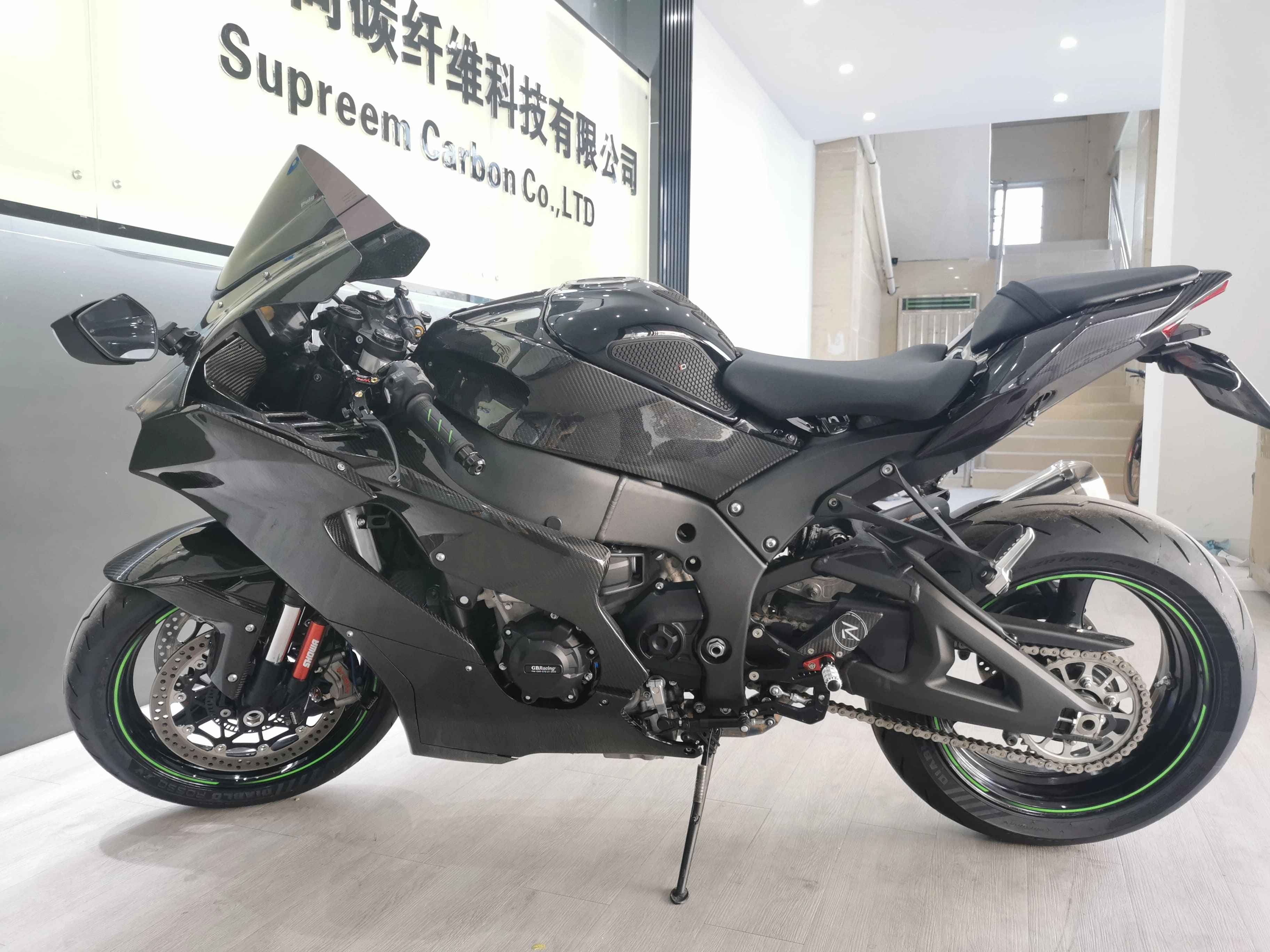
Kawasaki ZX10R 2020+ Full sets carbon fiber products finished testing!
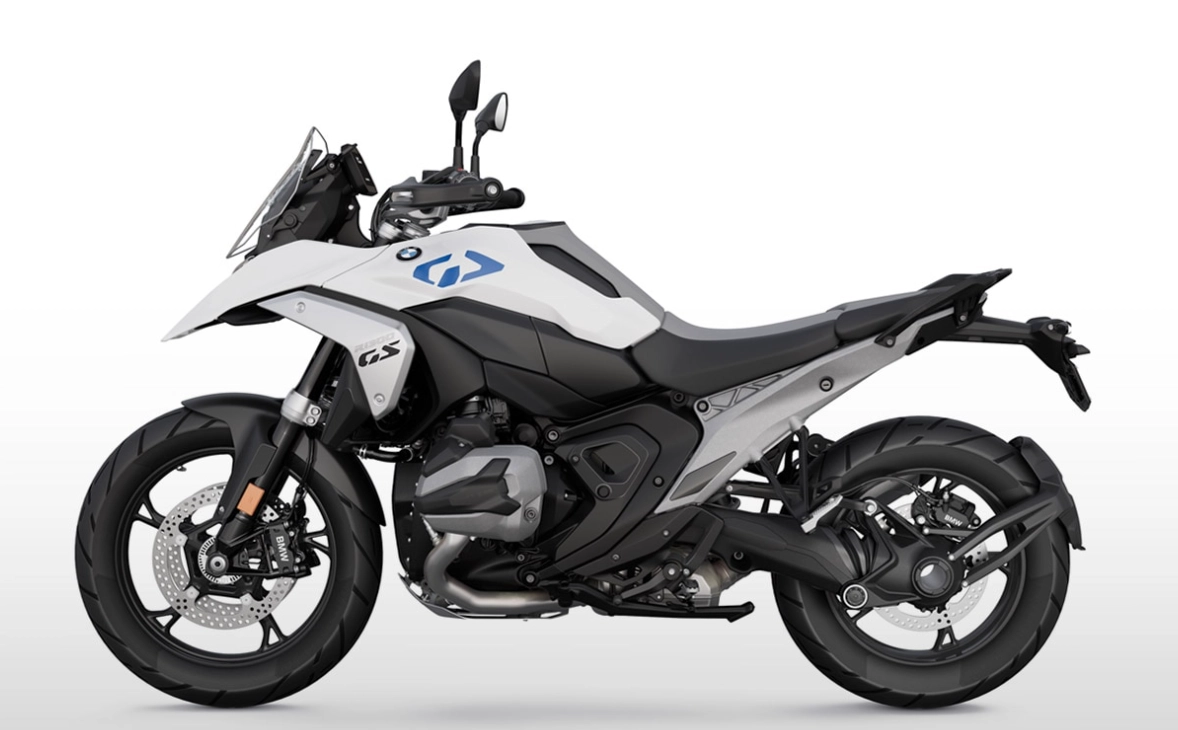
Supreem Carbon New Motorcycle Carbon Parts Development Plan.
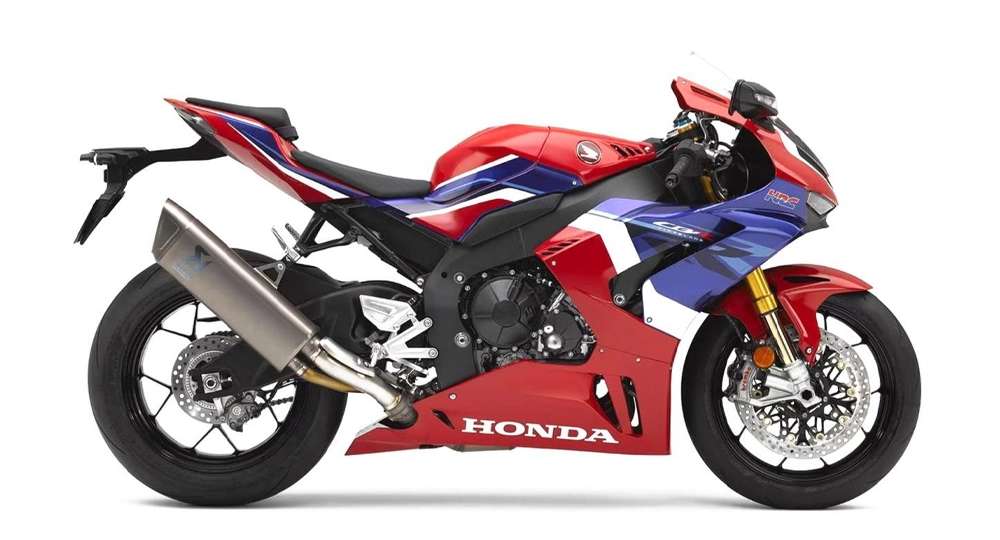
New arrivals of Honda CBR1000RR-R!

Die einflussreichste Marke eines Kohlefaserherstellers in Asien

Lamborghini Urus engine compartment carbon fiber kit released by Supreem Carbon.
For After-sales Service
Do you offer a warranty?
Six month standard warranty on all products. Damage due to installation error or natural elements will not be covered.
For Products
Supreem Carbon parts produce by 100% carbon?
Yes,all products are made from full carbon with dry carbon.
How can I get some sample?
Actually we dont provide the free sample to customer, you can place a sample order if need some parts.
For Customized Service
How long does the customized products order take?
This depends on the complexity and mold production cycle of the product. The first sample will be ready in 2-3 weeks after mold finished.
For Facotry
Supreem carbon main competitive advantages.
Rich experience
Over 10 years production experience in carbon fiber industry, providing customers with high quality carbon products.
Excellent service
From new project development to customer finished product delivery, we provide customers with full tracking and timely feedback on project progress.
High-Quality Products
Our carbon fiber products undergo rigorous quality control to ensure customers achieve the high quality and cost-effective product.
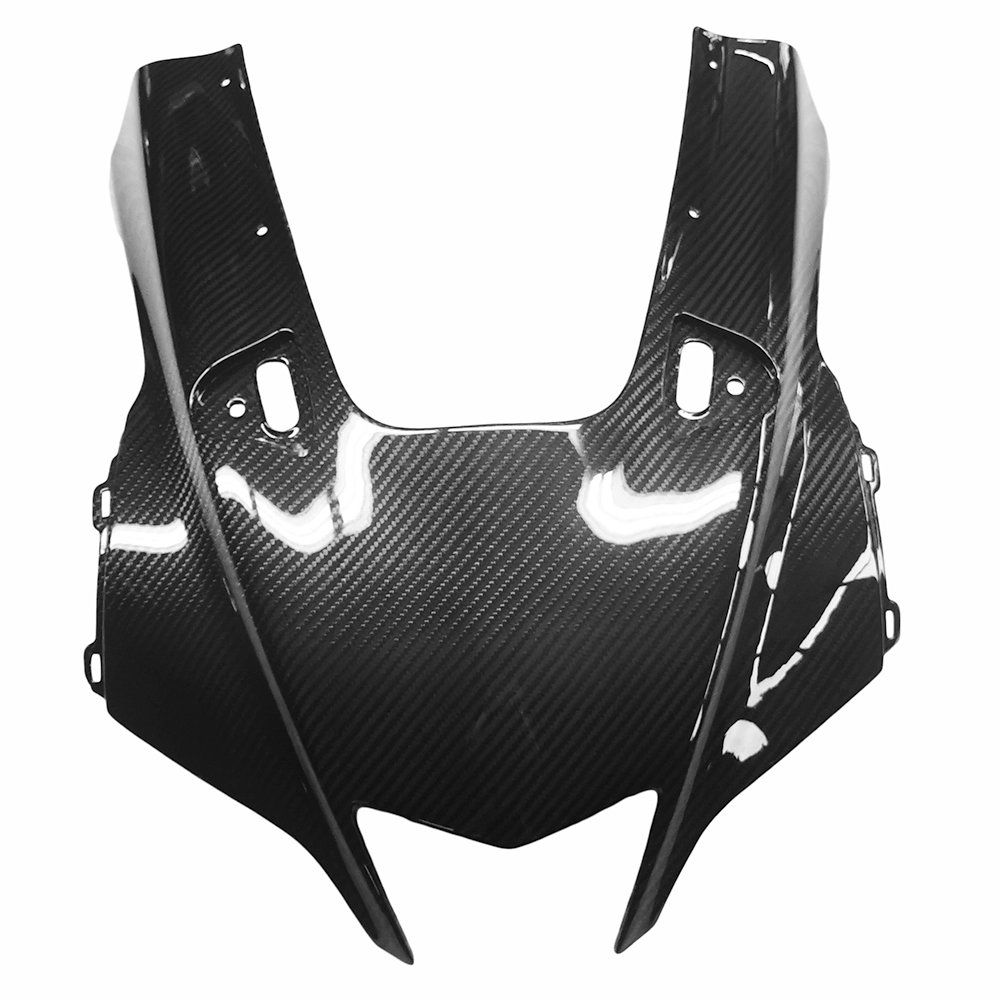
Yamaha R1 R1M Carbon Fiber Front Fairing
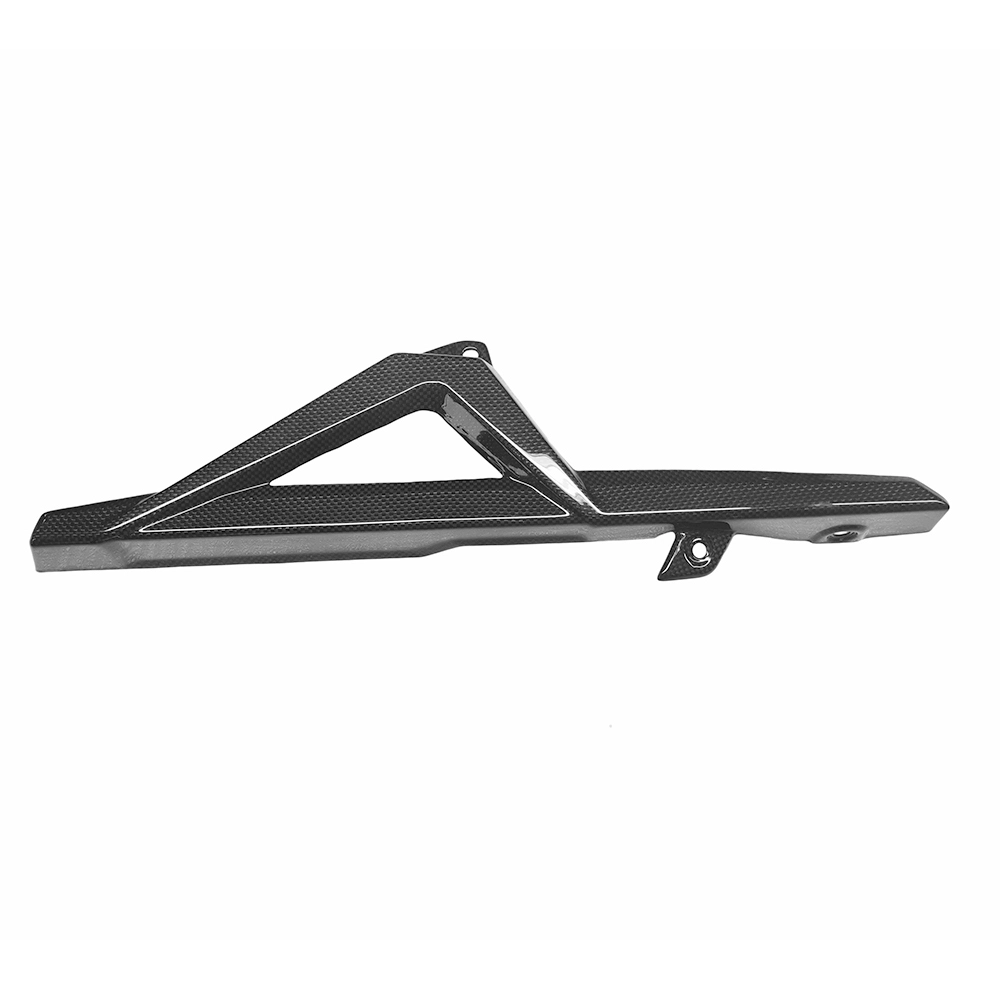
Aprilia Tuono V4 Carbon Fiber Chain Guard
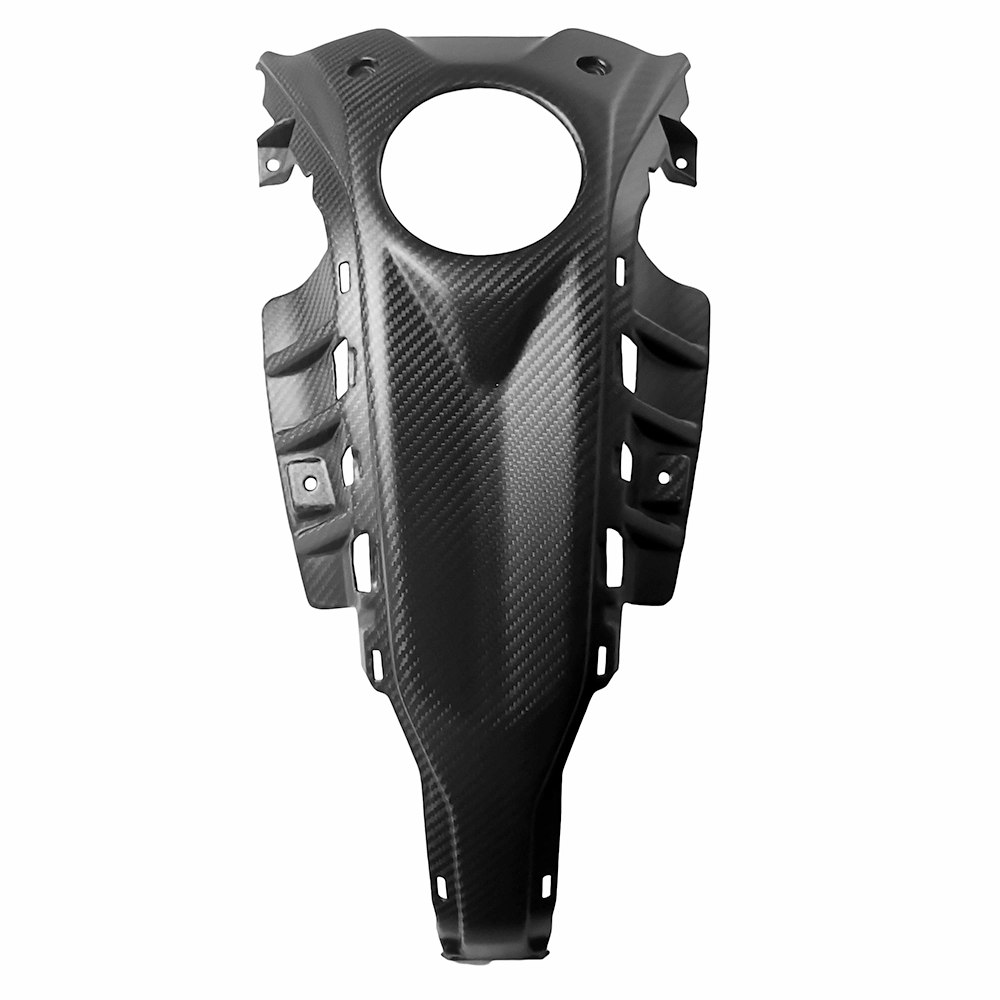
Yamaha MT-07 Carbon Fiber Tank Cover
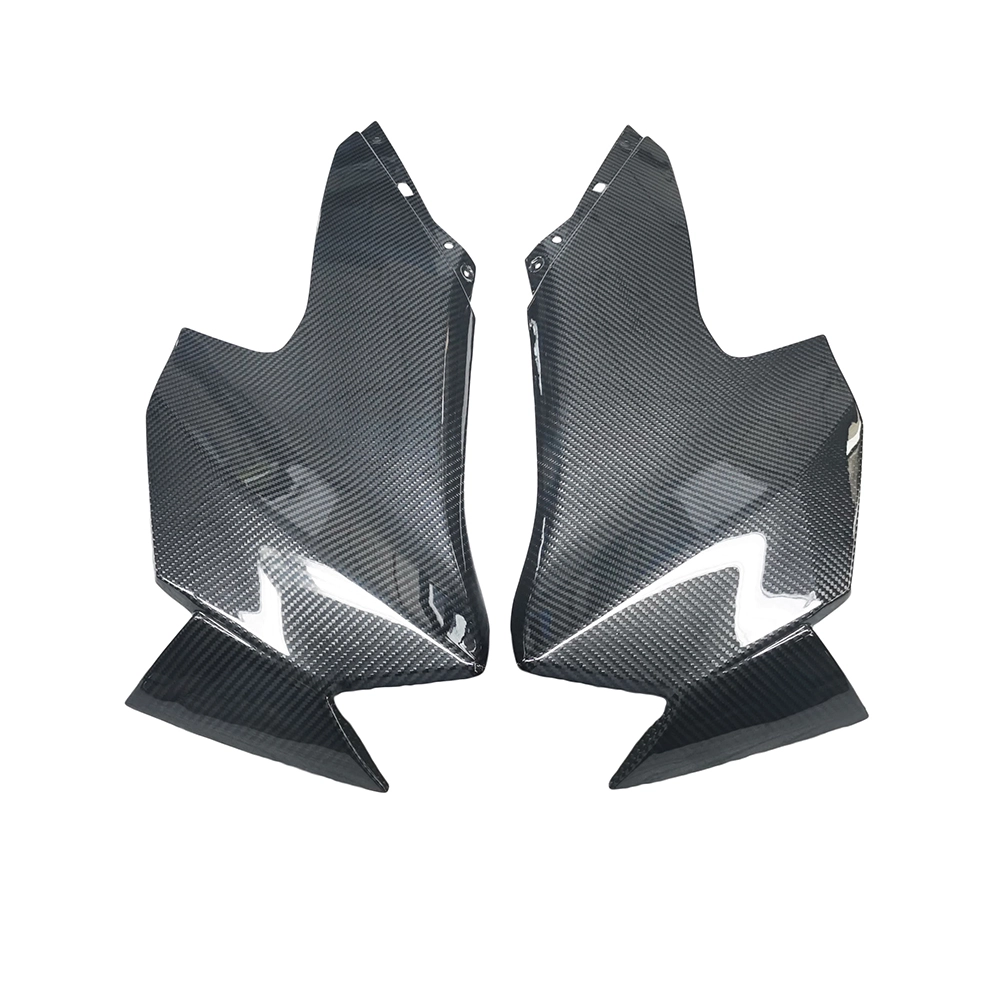
Kawasaki ZX10R Carbon Fiber Front Side Panel
Let’s Bring Your Carbon Fiber Ideas to Life
Have a question or inquiry about our carbon fiber composite products? Leave us a message here, and our team will get back to you promptly.
Whether you're interested in custom orders, technical specifications, or partnership opportunities, we're here to assist you.
Please fill out the fields above with your name, email address, and message.

Supreem Carbon aiming to provide customers with high-performance carbon fiber products and quality services.
Contact Supreem Carbon
Address : Building 1 No.103, Yadi Nan 1st Road, QiaoTou Town, Dongguan City, China.
© 2024 Supreem Carbon All Rights Reserved.
Facebook
Pinterest
LinkedIn
Instagram