

What benefits do carbon-fiber composites provide for armored vehicles? | Insights by Supreem Carbon
- Understanding the Benefits of Carbon-Fiber Composites in Armored Vehicles
- 1. What are carbon-fiber composites?
- 2. How do carbon-fiber composites enhance the performance of armored vehicles?
- 3. Are there any disadvantages to using carbon-fiber composites in armored vehicles?
- 4. How do carbon-fiber composites compare to traditional materials like steel and aluminum?
- 5. What are the manufacturing considerations for incorporating carbon-fiber composites into armored vehicles?
- 6. Are carbon-fiber composites used in existing armored vehicles?
- 7. What is the future outlook for carbon-fiber composites in armored vehicle manufacturing?
- 8. How does Supreem Carbon contribute to the advancement of carbon-fiber composites in armored vehicles?
Understanding the Benefits of Carbon-Fiber Composites in Armored Vehicles
Armored vehicles are essential for military operations, requiring materials that offer optimal protection without compromising performance. Carbon-fiber composites have emerged as a transformative material in this domain, providing numerous advantages over traditional materials. Below, we address common questions regarding their application in armored vehicles.
1. What are carbon-fiber composites?
Carbon-fiber composites are materials made by embedding carbon fibers into a polymer matrix, resulting in a lightweight yet strong structure. These composites are known for their high strength-to-weight ratio, stiffness, and resistance to corrosion, making them ideal for applications where durability and performance are critical.
2. How do carbon-fiber composites enhance the performance of armored vehicles?
The integration of carbon-fiber composites in armored vehicles offers several performance enhancements:
Weight Reduction: Utilizing carbon-fiber composites can significantly reduce the vehicle's weight, leading to improved fuel efficiency and maneuverability. A lighter vehicle requires less energy to move, enhancing speed and agility on the battlefield.
Increased Strength and Durability: Carbon-fiber composites provide superior strength and stiffness, enhancing the vehicle's structural integrity. This results in improved protection against ballistic threats and better resistance to fatigue, extending the vehicle's operational lifespan.
Corrosion Resistance: Unlike metals, carbon-fiber composites are inherently resistant to corrosion, reducing maintenance needs and ensuring consistent performance in various environmental conditions.
3. Are there any disadvantages to using carbon-fiber composites in armored vehicles?
While carbon-fiber composites offer numerous benefits, there are considerations to keep in mind:
Cost: The manufacturing process for carbon-fiber composites is more complex and expensive compared to traditional materials, leading to higher initial costs.
Impact Resistance: Carbon-fiber composites can be susceptible to damage from high-impact forces, such as explosions or heavy collisions. However, advancements in composite design and manufacturing are continually improving their impact resistance.
4. How do carbon-fiber composites compare to traditional materials like steel and aluminum?
When compared to traditional materials:
Weight: Carbon-fiber composites are significantly lighter than steel and aluminum, which enhances vehicle speed and fuel efficiency.
Strength-to-Weight Ratio: Carbon-fiber composites offer a higher strength-to-weight ratio, providing better protection without adding excessive weight.
Corrosion Resistance: Unlike metals, carbon-fiber composites do not corrode, reducing maintenance costs and extending the vehicle's service life.
5. What are the manufacturing considerations for incorporating carbon-fiber composites into armored vehicles?
Manufacturing armored vehicles with carbon-fiber composites involves:
Design Optimization: Engineers must design components to take full advantage of the material's properties, such as tailoring fiber orientation to specific stress points.
Advanced Manufacturing Techniques: Processes like tailored fiber placement allow for precise control over fiber placement, reducing material waste and improving performance.
Cost Management: While the initial cost is higher, the long-term benefits, including reduced maintenance and enhanced performance, can offset the investment.
6. Are carbon-fiber composites used in existing armored vehicles?
Yes, several military vehicles have incorporated carbon-fiber composites to enhance performance. For example, the F-22 fighter jet utilizes carbon-fiber composites in its fuselage, contributing to its high strength and low radar signature. Additionally, composite armor panels are being used to reinforce existing vehicles, providing improved protection without adding excessive weight.
7. What is the future outlook for carbon-fiber composites in armored vehicle manufacturing?
The future of carbon-fiber composites in armored vehicles looks promising. Ongoing research and development aim to improve their impact resistance and reduce manufacturing costs. As these advancements continue, carbon-fiber composites are expected to play a more significant role in enhancing the performance and survivability of armored vehicles.
8. How does Supreem Carbon contribute to the advancement of carbon-fiber composites in armored vehicles?
Supreem Carbon is at the forefront of developing and supplying high-quality carbon-fiber composite materials tailored for armored vehicle applications. Their commitment to innovation and quality ensures that military vehicles benefit from the latest advancements in composite technology, offering enhanced protection, performance, and durability.
In conclusion, carbon-fiber composites offer substantial advantages for armored vehicles, including reduced weight, increased strength, and improved durability. While there are challenges to their adoption, ongoing advancements in technology and manufacturing processes continue to make them a valuable asset in military vehicle design and production.
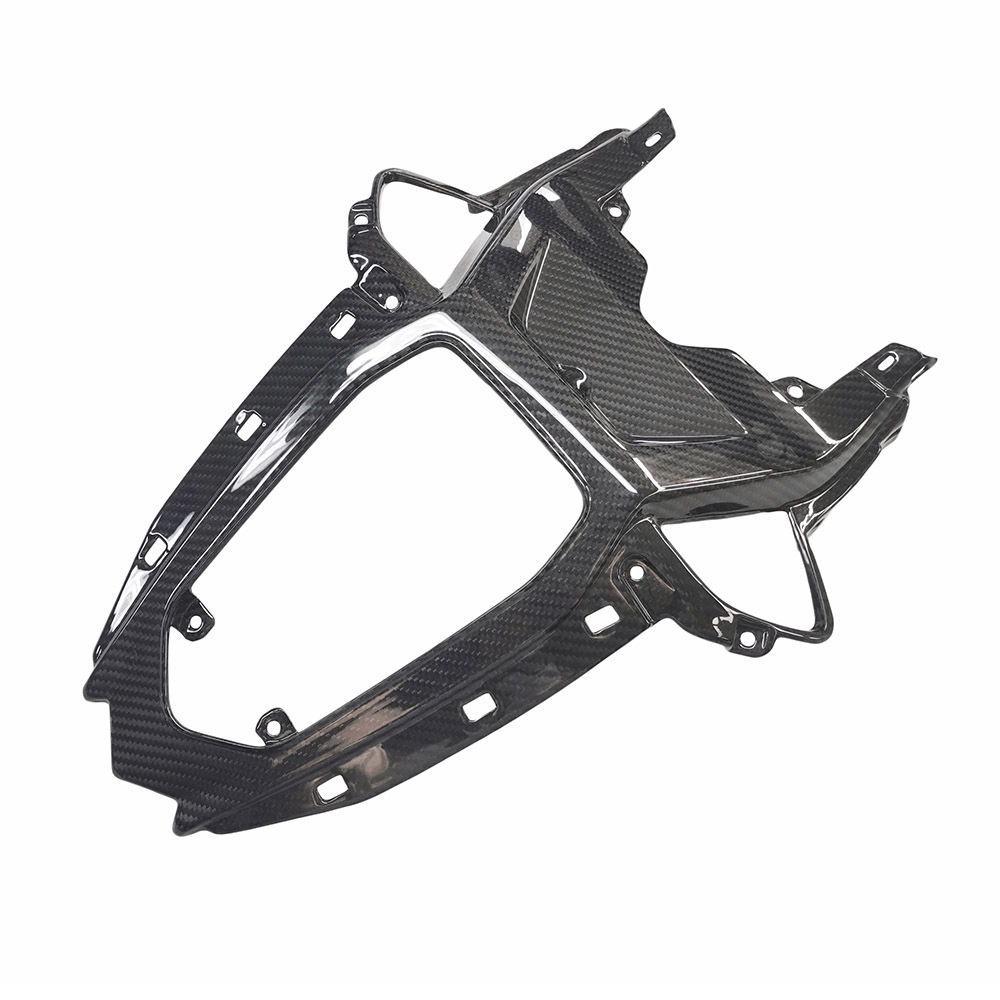
What are the Applications of Carbon Fiber in BMW Cars

Xiaomi SU7 Aerodynamic Carbon Fiber Body Kits Released by Supreem Carbon.

New arrivals---Carbon Fiber Slam Panel Replacement for BMW M3 M4
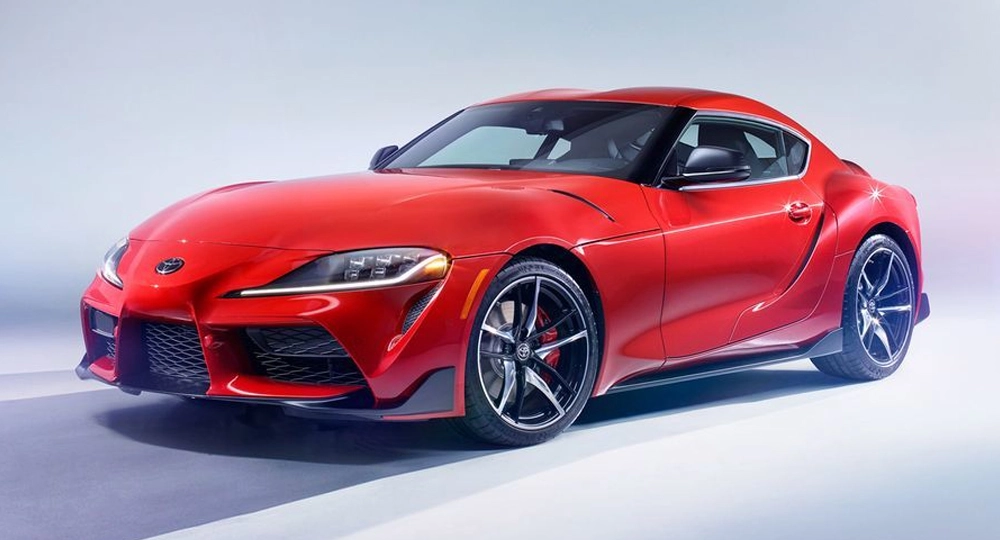
2020+ Toyota Supra A90 Carbon Fiber Engine Cover released!

How Long Does Carbon Fiber Last? Unveiling the Durability of a Tech Marvel
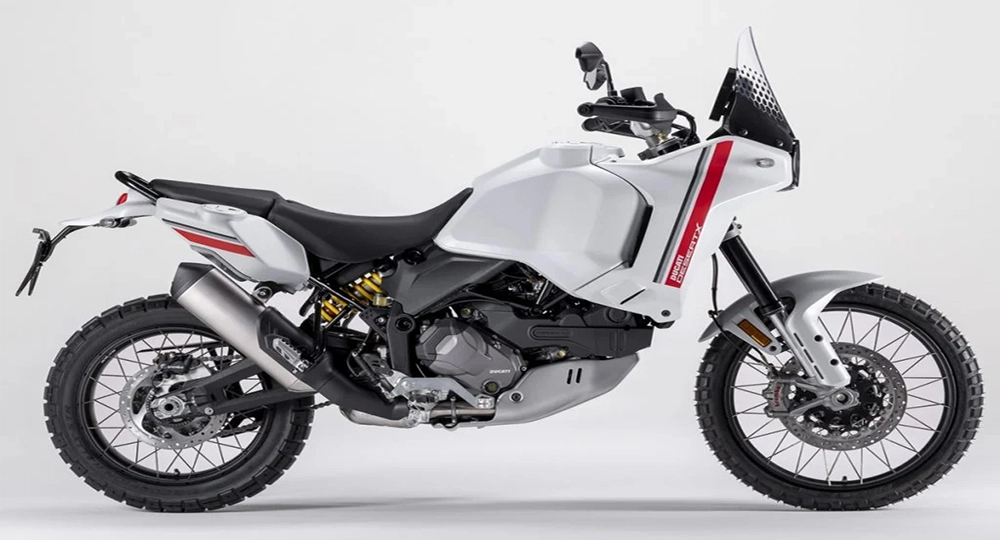
Ducati DesertX 2022 new arrivals!
For Facotry
Supreem carbon main competitive advantages.
Rich experience
Over 10 years production experience in carbon fiber industry, providing customers with high quality carbon products.
Excellent service
From new project development to customer finished product delivery, we provide customers with full tracking and timely feedback on project progress.
High-Quality Products
Our carbon fiber products undergo rigorous quality control to ensure customers achieve the high quality and cost-effective product.
When is Supreem carbon founded?
Our company formally established in early 2017.
For Products
Are you parts have UV protected?
Absolutely! We use multiple layers of premium quality automotive clear (or matt) coats on our products, which ensure that they will remain super pretty for years to come.
Which surface could you provide for the carbon parts?
Gloss finish, matte finish, satin finish. Some color coating as the customer needs.
For Carbon Fiber Material
What are the advantages of carbon fiber?
High Strength-to-Weight Ratio
It is stronger than many traditional materials, such as steel and aluminum.This high strength-to-weight ratio allows for the creation of lightweight components that maintain structural integrity and durability.
Lightweight
One of the most significant advantages of carbon fiber is its low density, contributing to lightweight structures. This property is particularly crucial in industries where weight reduction is a priority, such as aerospace, automotive, and sports equipment.
Resistant to corrosion and chemicals
Carbon fiber is inherently resistant to corrosion, making it an ideal material for applications exposed to harsh environments or corrosive substances. This property contributes to the longevity of components and reduces maintenance requirements. Carbon fiber has good chemical resistance, making it suitable for use in environments where exposure to chemicals or harsh solvents is a concern. This resistance enhances the material's durability in various industrial settings.
Tolerant of high temperature
Carbon fiber exhibits excellent thermal stability and resistance to high temperatures. This makes it suitable for applications where components are exposed to elevated temperatures, such as in the aerospace and automotive industries.
Low thermal expansion
Carbon fiber has a low coefficient of thermal expansion, meaning it expands or contracts minimally with changes in temperature. This property contributes to dimensional stability, making carbon fiber components reliable in varying temperature conditions.
Aesthetic Appeal
Carbon fiber has a modern and high-tech appearance, contributing to its aesthetic appeal. This property is leveraged in consumer goods, automotive components, and sporting equipment where visual appeal is important.
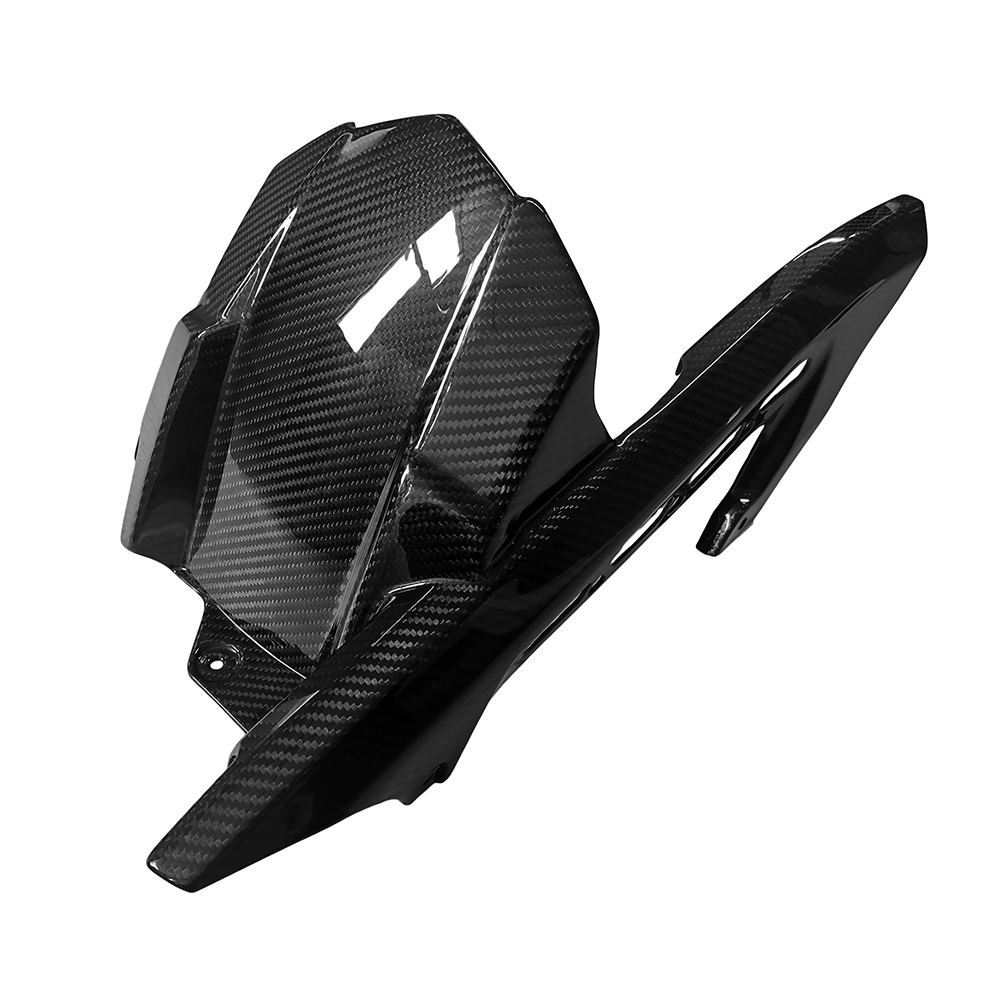
Kawasaki Z900 Z900RS Carbon Fiber Rear Fender
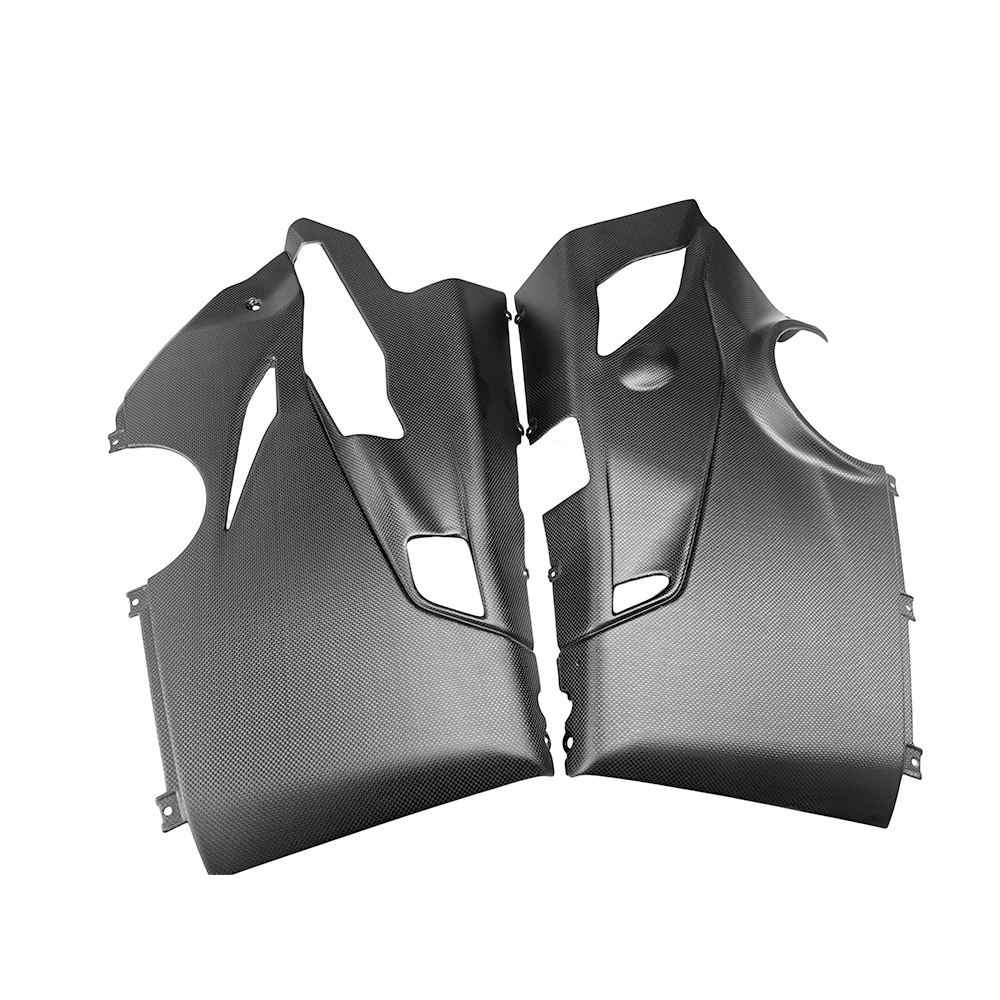
Ducati Panigale V4 Carbon Fiber Belly Pan Custom
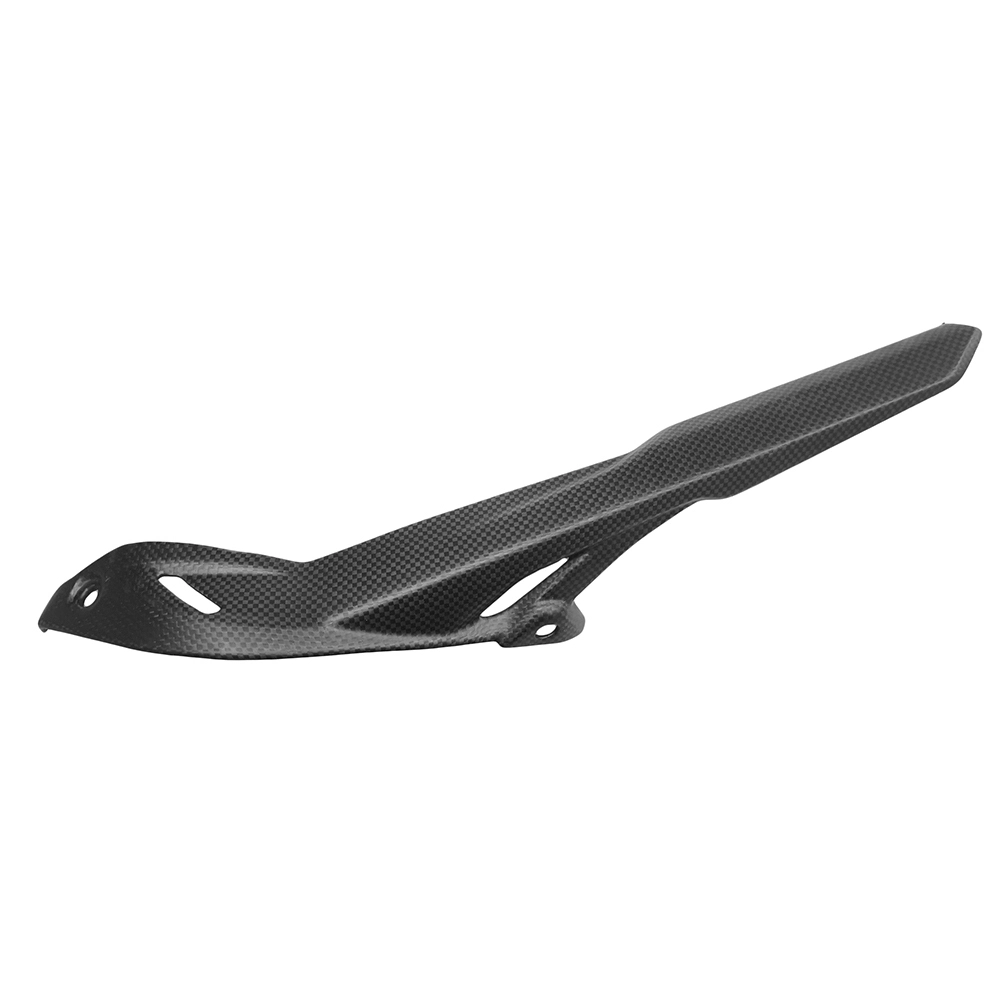
Ducati Monster 937 Carbon Fiber Chain Guard
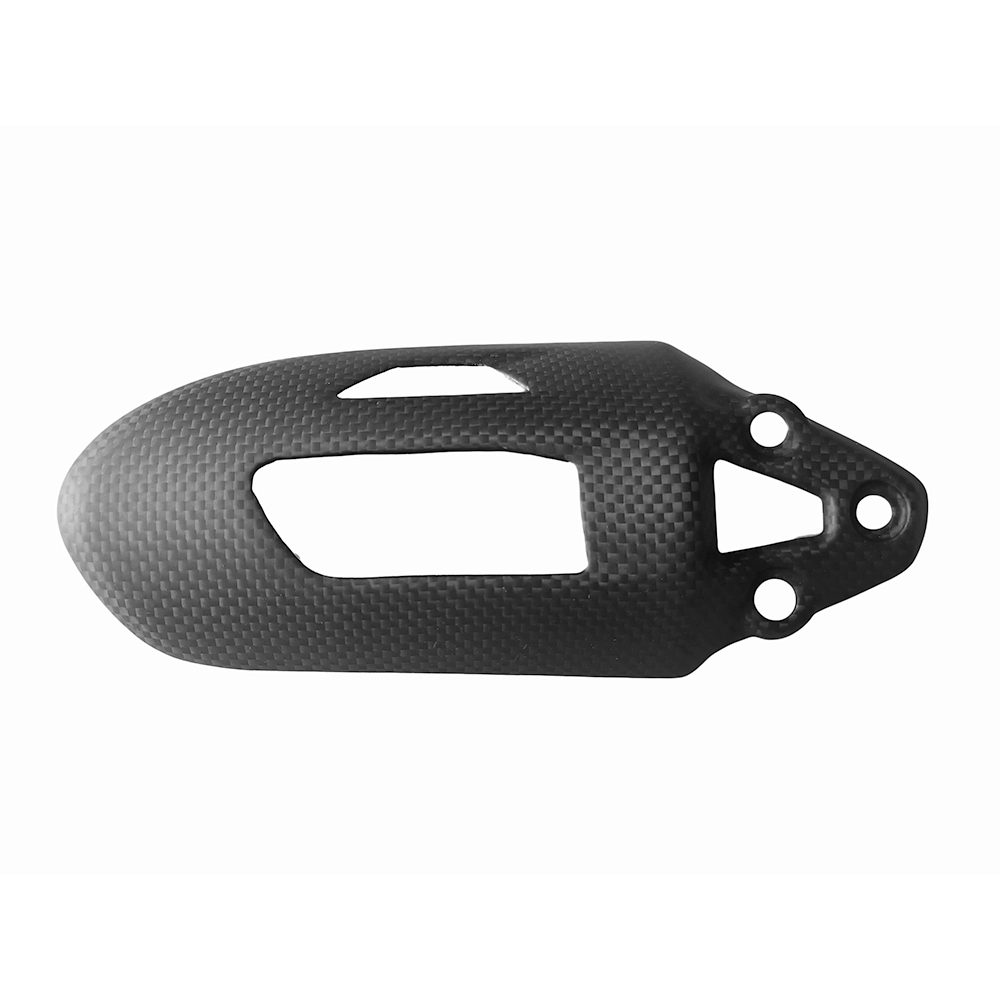
Ducati Panigale 1199 1299 899 959 V2 Carbon Fiber Suspension Cover
Let’s Bring Your Carbon Fiber Ideas to Life
Have a question or inquiry about our carbon fiber composite products? Leave us a message here, and our team will get back to you promptly.
Whether you're interested in custom orders, technical specifications, or partnership opportunities, we're here to assist you.
Please fill out the fields above with your name, email address, and message.

Supreem Carbon aiming to provide customers with high-performance carbon fiber products and quality services.
Contact Supreem Carbon
Address : Building 1 No.103, Yadi Nan 1st Road, QiaoTou Town, Dongguan City, China.
© 2024 Supreem Carbon All Rights Reserved.
Facebook
Pinterest
LinkedIn
Instagram