



Which is better for performance: dry carbon or wet carbon? | Insights by Supreem Carbon
When considering the purchase of carbon fiber parts, understanding the manufacturing methods is crucial, as they directly influence the material's performance, durability, and cost. Two primary manufacturing techniques are commonly used: dry carbon and wet carbon processes.
Dry Carbon Manufacturing
In dry carbon manufacturing, dry carbon fiber fabrics are placed into a mold, and resin is introduced through methods like vacuum infusion or resin transfer molding (RTM). This approach allows for precise control over the resin content and distribution, resulting in composites with consistent mechanical properties and reduced void content. It's particularly suitable for medium to high-volume production of complex parts. ((https://www.supreemcarbon.com/article/carbon-fiber-composites-manufacturing-selection-quality-guide.html?utm_source=openai))
Wet Carbon Manufacturing
Wet carbon manufacturing involves manually applying resin to dry carbon fiber fabrics, typically using methods such as hand lay-up. While this technique offers flexibility and lower initial tooling costs, it can lead to higher void content and less consistent mechanical properties due to the manual nature of the process. It's often used for prototypes or low-volume, non-critical parts. ((https://www.supreemcarbon.com/article/carbon-fiber-composites-manufacturing-selection-quality-guide.html?utm_source=openai))
Key Considerations When Purchasing Carbon Fiber Parts
Performance Requirements: Determine the mechanical properties needed for your application. Dry carbon composites generally offer superior strength and stiffness due to better resin distribution.
Production Volume: For large-scale production, dry carbon methods like RTM or vacuum infusion are more efficient. Wet carbon methods are more suitable for small-scale or prototype runs.
Cost Constraints: Wet carbon processes may have lower initial tooling costs but can result in higher labor expenses and less consistent quality. Dry carbon methods require higher initial investment but offer better consistency and performance.
Surface Finish and Aesthetics: If the visual appearance is critical, dry carbon methods often provide a superior surface finish, as they allow for better control over the resin content and distribution.
Durability and Longevity: Dry carbon composites typically exhibit better durability and resistance to environmental factors due to their consistent resin distribution and lower void content.
Conclusion
Understanding the differences between dry and wet carbon manufacturing methods is essential for making informed decisions when purchasing carbon fiber parts. Dry carbon methods generally offer superior performance, consistency, and durability, making them suitable for high-performance applications. Wet carbon methods, while more cost-effective for small-scale productions, may result in composites with higher void content and less consistent mechanical properties.
About Supreem Carbon
Supreem Carbon specializes in high-quality carbon fiber parts, utilizing advanced manufacturing techniques to ensure superior performance and durability. Our commitment to excellence and customer satisfaction makes us a trusted choice for your carbon fiber needs.
References

2025 Ducati Panigale V4/V4S Carbon Fiber Body Kit released by Supreem Carbon.
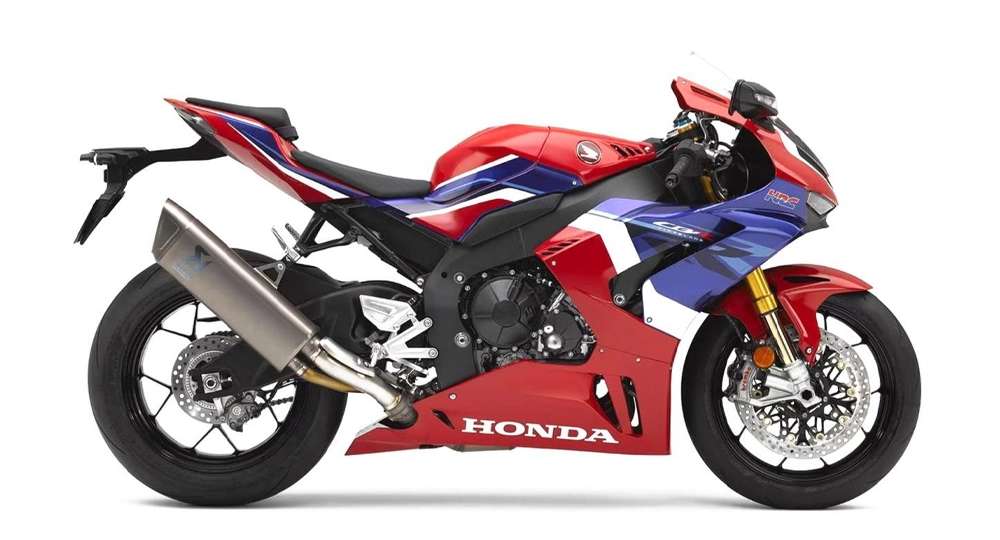
New arrivals of Honda CBR1000RR-R!

Xiaomi SU7 Carbon Fiber Aerodynamic Body Kit – Supreem Carbon Testing Feedback

Die einflussreichste Marke eines Kohlefaserherstellers in Asien
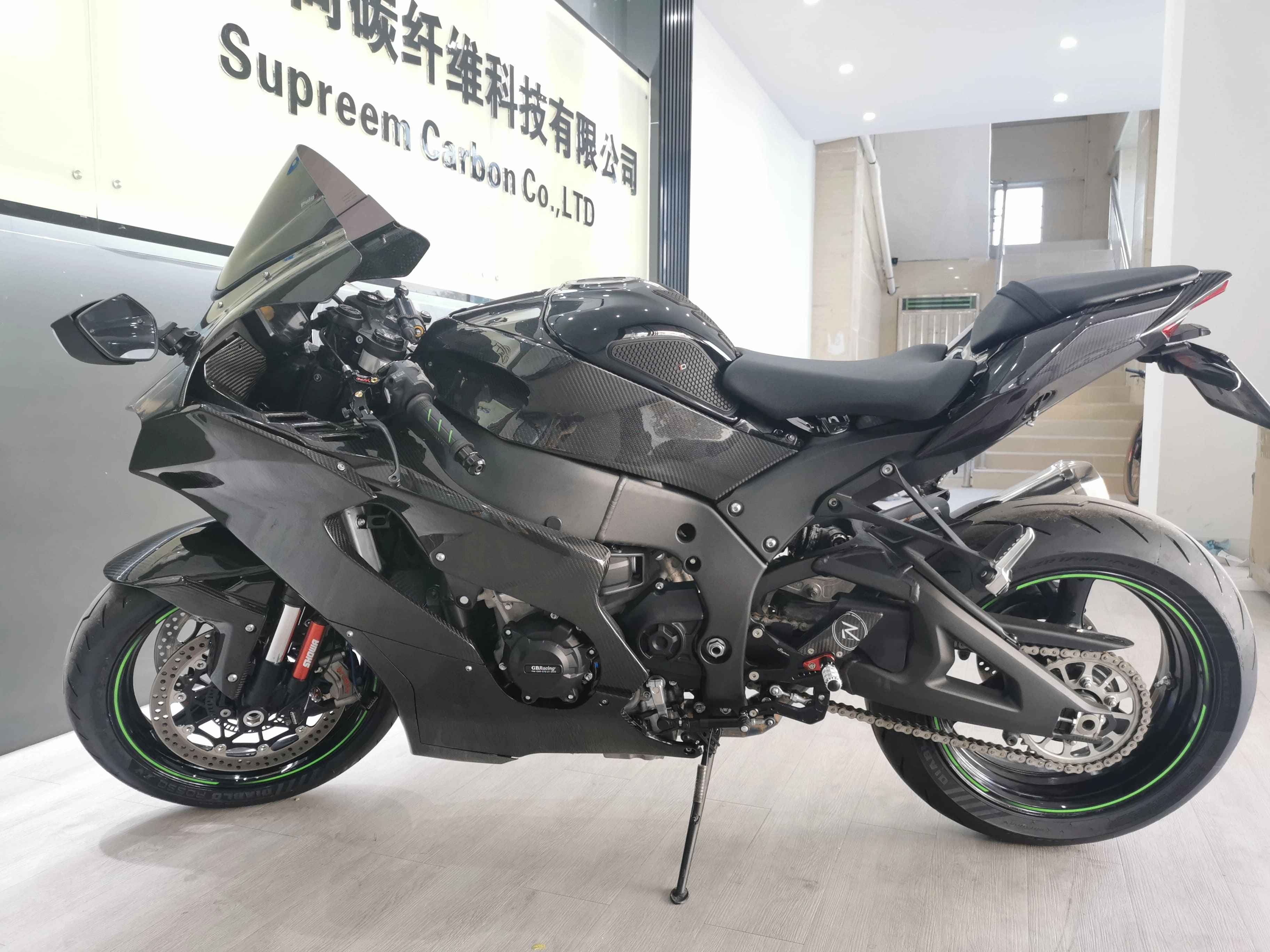
Kawasaki ZX10R 2020+ Full sets carbon fiber products finished testing!
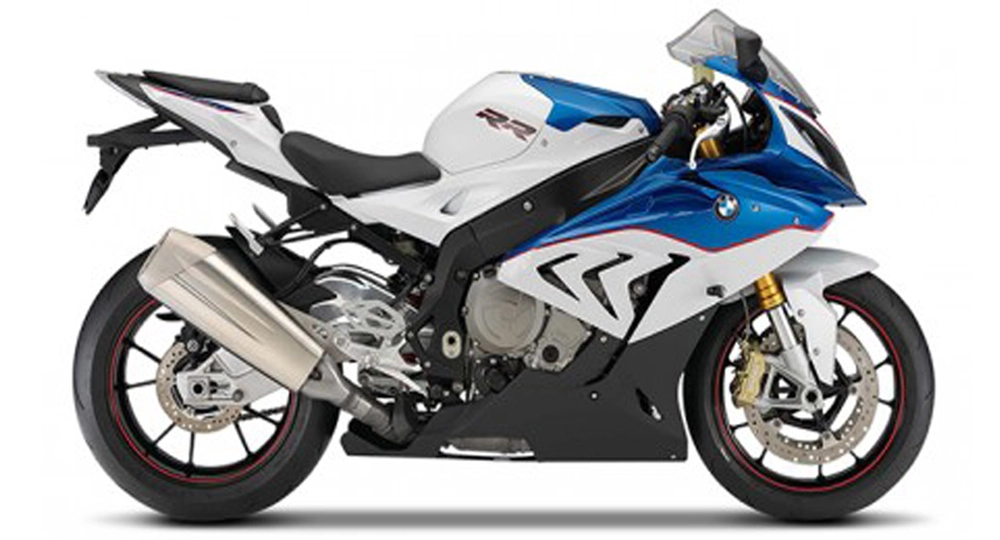
Supreem Carbon new arrivals released!
For Customized Service
What can be customized in addition to customized carbon fiber parts?
You can customize your company logo, packaging, even the color of coating and so on.
For After-sales Service
How can I cancel the order?
We may only cancel your order if it has not been fulfilled yet. We would be more than happy to assist you with any adjustments if you'd wish instead!
For Facotry
When is Supreem carbon founded?
Our company formally established in early 2017.
For Products
How can I get some sample?
Actually we dont provide the free sample to customer, you can place a sample order if need some parts.
For Carbon Fiber Material
What are the advantages of carbon fiber?
High Strength-to-Weight Ratio
It is stronger than many traditional materials, such as steel and aluminum.This high strength-to-weight ratio allows for the creation of lightweight components that maintain structural integrity and durability.
Lightweight
One of the most significant advantages of carbon fiber is its low density, contributing to lightweight structures. This property is particularly crucial in industries where weight reduction is a priority, such as aerospace, automotive, and sports equipment.
Resistant to corrosion and chemicals
Carbon fiber is inherently resistant to corrosion, making it an ideal material for applications exposed to harsh environments or corrosive substances. This property contributes to the longevity of components and reduces maintenance requirements. Carbon fiber has good chemical resistance, making it suitable for use in environments where exposure to chemicals or harsh solvents is a concern. This resistance enhances the material's durability in various industrial settings.
Tolerant of high temperature
Carbon fiber exhibits excellent thermal stability and resistance to high temperatures. This makes it suitable for applications where components are exposed to elevated temperatures, such as in the aerospace and automotive industries.
Low thermal expansion
Carbon fiber has a low coefficient of thermal expansion, meaning it expands or contracts minimally with changes in temperature. This property contributes to dimensional stability, making carbon fiber components reliable in varying temperature conditions.
Aesthetic Appeal
Carbon fiber has a modern and high-tech appearance, contributing to its aesthetic appeal. This property is leveraged in consumer goods, automotive components, and sporting equipment where visual appeal is important.
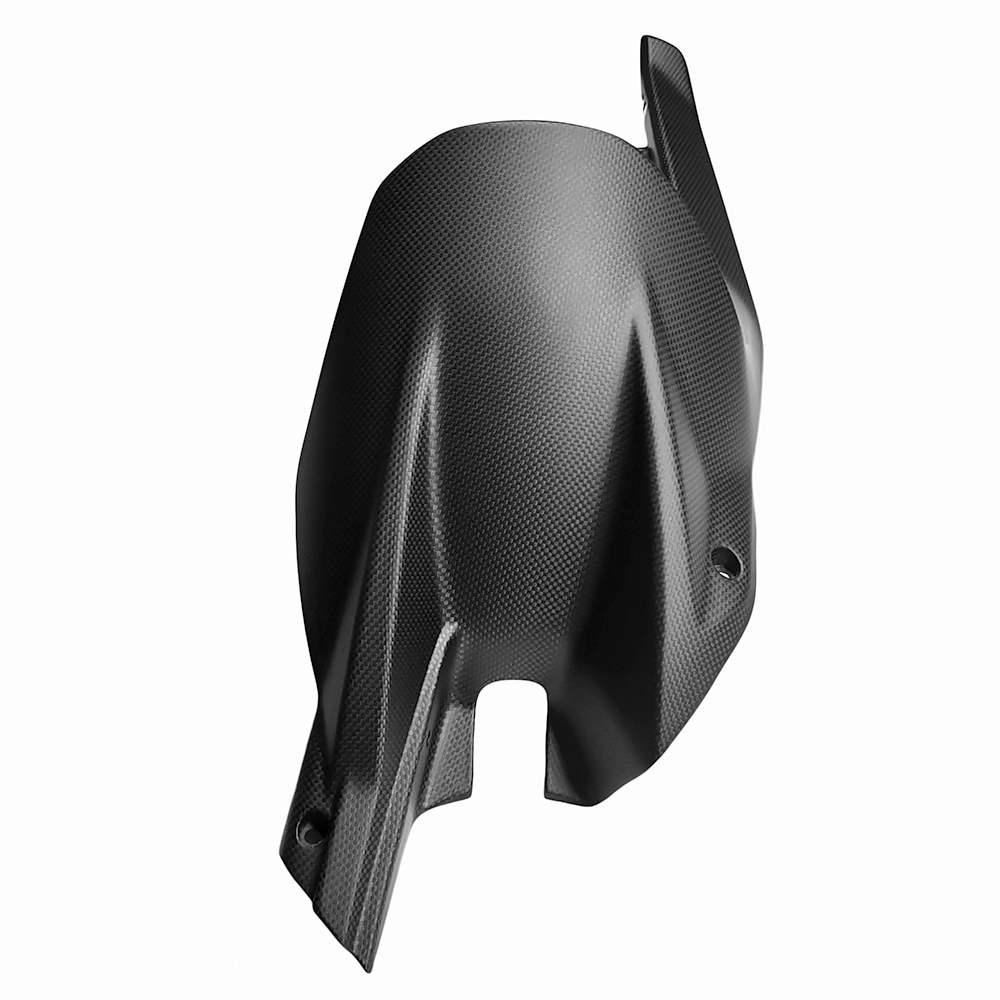
KTM 1290 Super Duke R Carbon Fiber Rear Fender
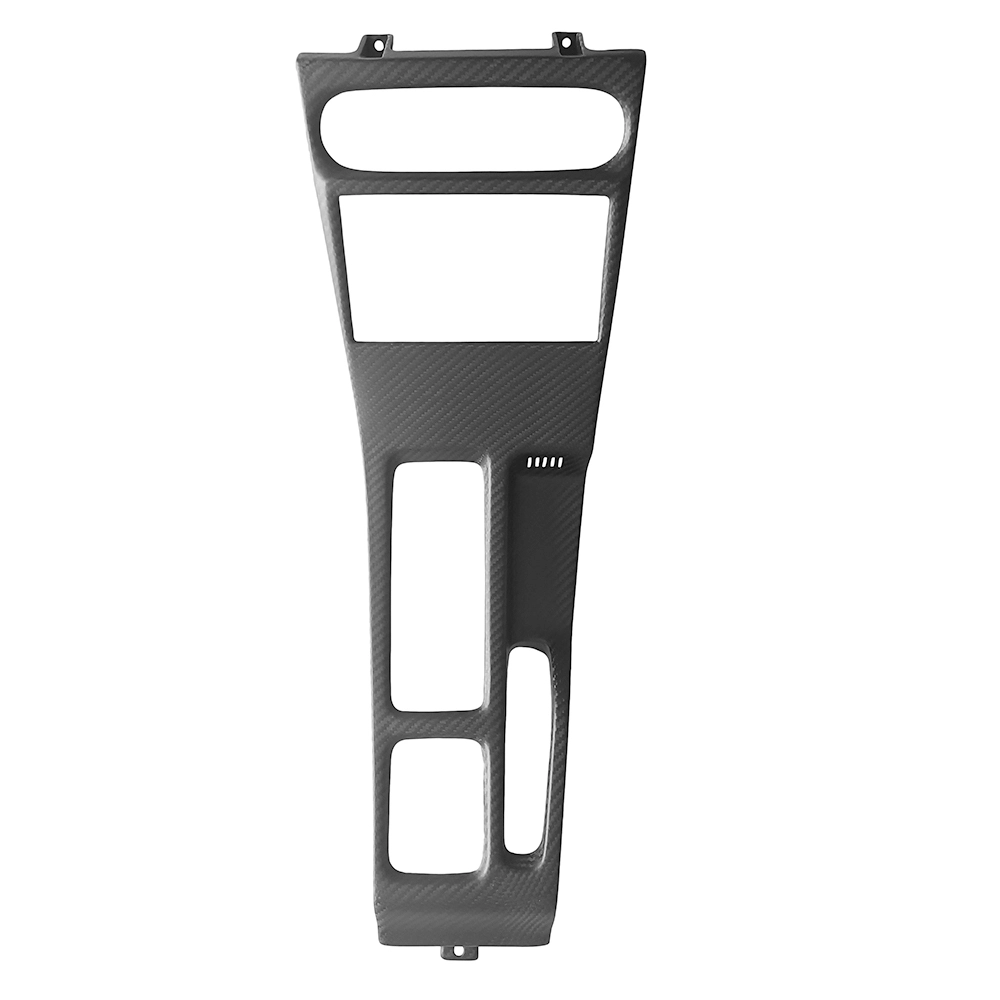
Honda NSX Carbon Fiber Center Dash Panel Replacement
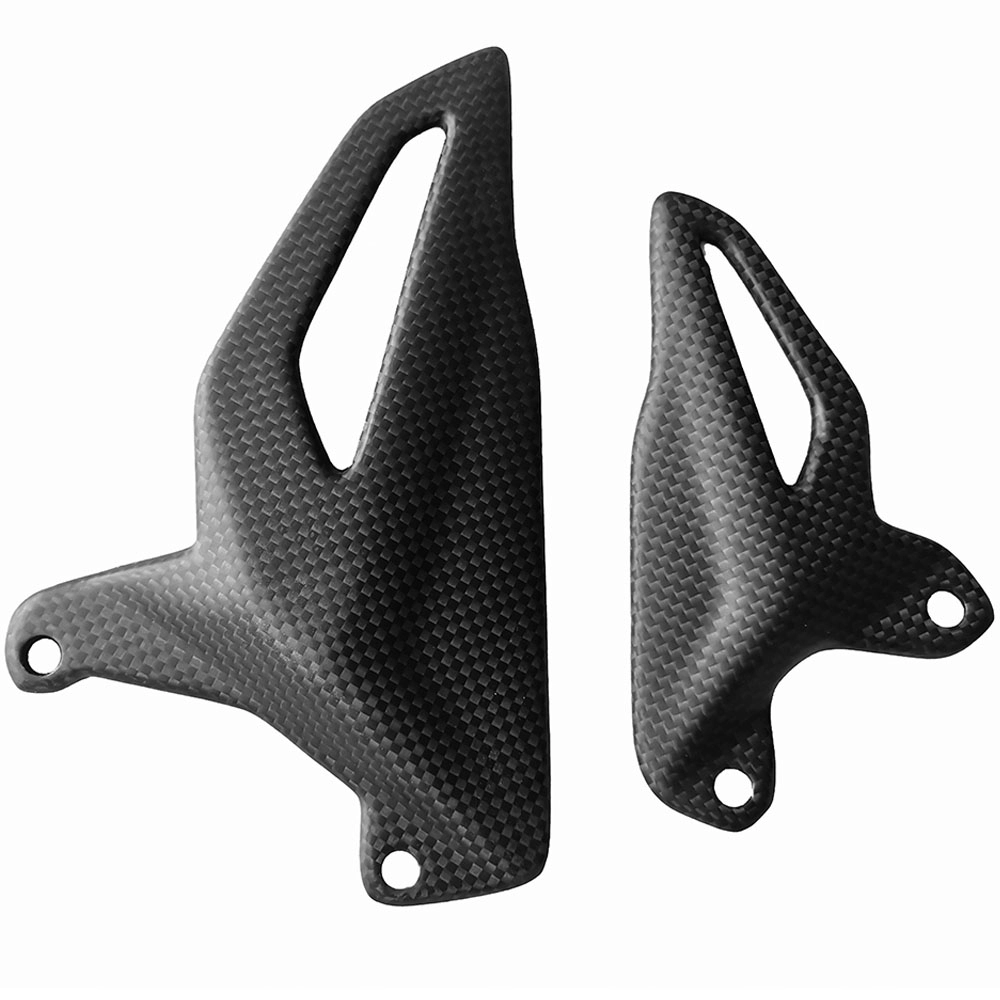
Ducati Panigale/Streetfighter V4 Carbon Fiber Heel Guards
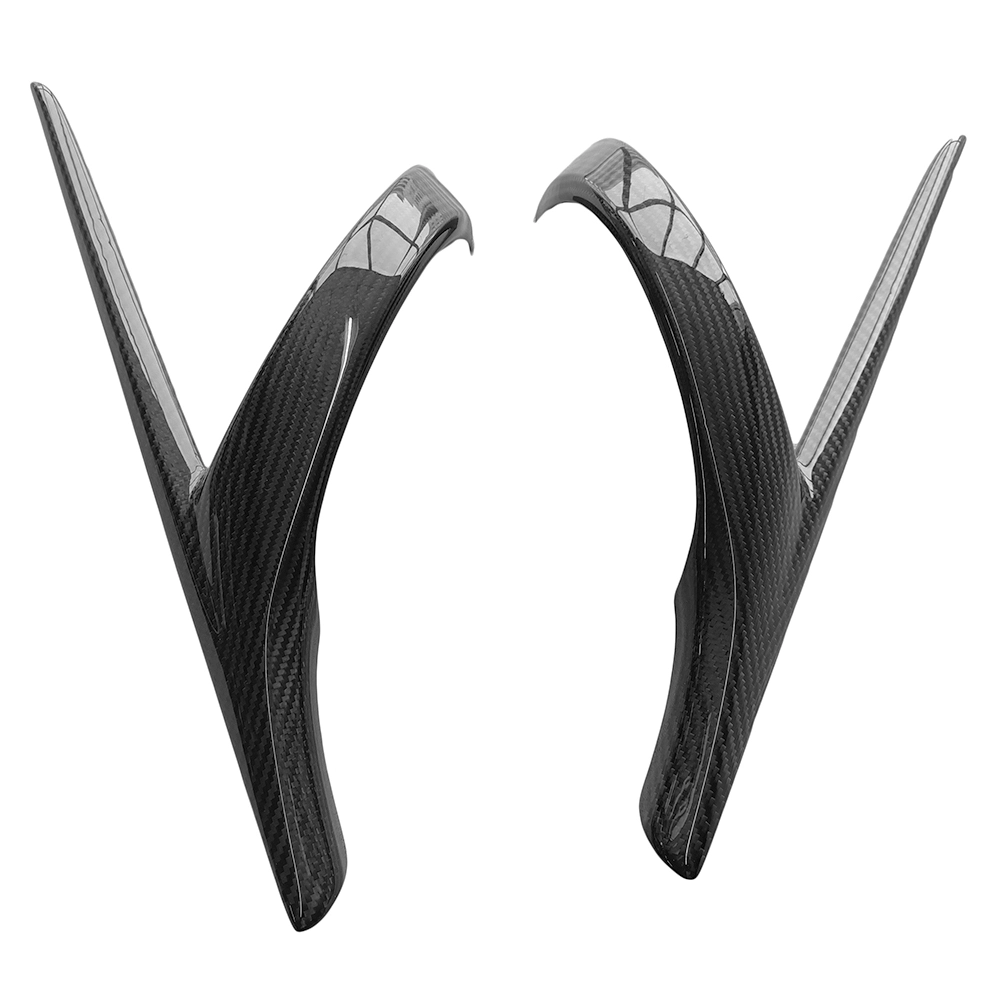
Honda NSX Carbon Fiber Interior Door Handles Replacement
Let’s Bring Your Carbon Fiber Ideas to Life
Have a question or inquiry about our carbon fiber composite products? Leave us a message here, and our team will get back to you promptly.
Whether you're interested in custom orders, technical specifications, or partnership opportunities, we're here to assist you.
Please fill out the fields above with your name, email address, and message.

Supreem Carbon aiming to provide customers with high-performance carbon fiber products and quality services.
Contact Supreem Carbon
Address : Building 1 No.103, Yadi Nan 1st Road, QiaoTou Town, Dongguan City, China.
© 2024 Supreem Carbon All Rights Reserved.
Facebook
Pinterest
LinkedIn
Instagram