
Custom Carbon Fiber Parts for Cycling and Bikes: Design, Benefits, and How to Order
- Why Choose Custom Carbon Fiber Parts for Cycling and Bikes?
- Performance and commercial benefits
- Common Custom Carbon Fiber Bike Parts and Their Uses
- Typical custom parts and why customers request them
- How Custom Carbon Fiber Parts for Cycling and Bikes Are Made
- Key production steps
- Material and Performance Comparison: Carbon Fiber vs. Aluminum vs. Steel
- Design Considerations for Custom Carbon Fiber Bike Parts
- Balancing performance, durability, and cost
- Quality Control, Testing, and Certifications
- What to ask your manufacturer
- Lead Times, Minimums, and Cost Drivers
- How Supreem Carbon meets commercial demands
- Ordering Process: From Idea to Finished Product
- Practical tips for brands and bike shops
- Why Work With a Specialist Manufacturer for Custom Carbon Fiber Bike Parts
- Value beyond manufacturing
- Conclusion: Make Informed Choices for Custom Carbon Fiber Parts for Cycling and Bikes
- Frequently Asked Questions
Why Choose Custom Carbon Fiber Parts for Cycling and Bikes?
Custom carbon fiber parts for cycling and bikes deliver targeted performance gains—lighter weight, higher stiffness, and refined aerodynamics—compared with many traditional materials. For riders and brands seeking performance or distinct styling, custom carbon components like frames, forks, handlebars, seatposts, rims, and accessories let you optimize strength-to-weight and create a unique product line.
Performance and commercial benefits
Commercially, offering custom carbon fiber bike parts attracts High Quality buyers and allows differentiation. Because carbon fiber composites have a high strength-to-weight ratio and tunable layups, manufacturers can tailor stiffness, compliance, and impact resistance to specific riding styles or product positioning.
Common Custom Carbon Fiber Bike Parts and Their Uses
Knowing which parts to customize helps match manufacturing scope with rider needs and budgets. Custom carbon fiber parts for cycling and bikes commonly include frames, forks, wheels (rims), handlebars, seatposts, bottle cages, fenders, and luggage or mounting brackets for bikepacking.
Typical custom parts and why customers request them
Frames and forks: for weight savings and ride tuning. Handlebars and seatposts: to optimize ergonomics and comfort. Rims and spokes: to improve aerodynamics and rotational mass. Accessories: to add brand identity and lightweight utility. Many OEMs and boutique brands choose custom carbon components to stand out in a crowded market.
How Custom Carbon Fiber Parts for Cycling and Bikes Are Made
Understanding production helps set realistic expectations for lead times, costs, and design constraints. The main manufacturing methods for custom carbon fiber parts include prepreg layup with autoclave curing, vacuum-assisted resin transfer molding (VARTM/RTM), and high-pressure compression molding.
Key production steps
Design & engineering: CAD modeling, finite element analysis (FEA), and layup schedules. Tooling: CNC-machined molds or mandrels. Layup & curing: hand layup of prepreg or automated layup, then autoclave or oven cure. Finishing: trimming, CNC machining, sanding, clear-coating, and inspection. Final assembly and packaging for shipping. Each step affects cost, repeatability, and mechanical properties.
Material and Performance Comparison: Carbon Fiber vs. Aluminum vs. Steel
Manufacturers and buyers often compare materials to determine value. Below is a concise comparison for common bike part materials to show typical differences relevant when choosing custom carbon fiber parts for cycling and bikes.
| Property | Carbon Fiber (CFRP) | Aluminum | Steel |
|---|---|---|---|
| Typical Density | ~1.5–1.8 g/cm³ | ~2.7 g/cm³ | ~7.8 g/cm³ |
| Stiffness (Young's Modulus) | Varies by fiber (approx. 70–200 GPa for common types) | ~69 GPa | ~200 GPa |
| Fatigue resistance | High when properly designed | Good but can fatigue | Very good |
| Design flexibility | High—anisotropic layups tune behavior | Moderate | Lower (heavier but durable) |
| Typical commercial use in bikes | High-end frames, forks, wheels, and accessories | Mid-range to high-range frames and components | Entry and some specialty frames |
Design Considerations for Custom Carbon Fiber Bike Parts
When specifying custom carbon fiber parts for cycling and bikes, consider weight targets, stiffness goals, impact tolerance, finish (matte, gloss, visible weave), and paint or decal needs. Also factor mounting points, cable routing, and interface tolerances for components like bearings and clamp diameters.
Balancing performance, durability, and cost
Custom parts allow you to tune layups to emphasize stiffness (racing focus) or compliance (endurance focus). More complex layups, thicker sections for impact areas, and aesthetic finishes raise production time and cost, so align design choices with target customers.
Quality Control, Testing, and Certifications
Reliable suppliers of custom carbon fiber parts for cycling and bikes implement dimensional inspection, visual defect checks, ultrasonic or X-ray NDT (when needed), mechanical testing (tensile, compression, fatigue), and process control for resin cure and layup traceability.
What to ask your manufacturer
Request process documentation, sample test results, and references. Ask about prototype approval steps, tolerances achievable, surface finish options, and warranty terms. Proven factories provide clear quality checkpoints during prototyping and mass production.
Lead Times, Minimums, and Cost Drivers
Typical timelines for custom carbon fiber parts for cycling and bikes vary by complexity: prototyping often takes 2–6 weeks; small production runs may take 4–12 weeks after tooling; mass production lead times depend on order quantity and facility capacity. Cost drivers include tooling complexity, part volume, finishing, and testing requirements.
How Supreem Carbon meets commercial demands
Supreem Carbon, established in 2017, is a custom manufacturer integrating R&D, design, production, and sales. With a 4,500 m² factory, 45 skilled production and technical staff, and an annual output value near $4M, Supreem Carbon offers more than 1,000 product types and over 500 customizable carbon fiber parts. This capacity supports both prototype and small-to-medium volume production runs for brands and distributors.
Ordering Process: From Idea to Finished Product
To order custom carbon fiber parts for cycling and bikes, follow a structured process: concept and requirement sharing, CAD and FEA review, tooling quotation and approval, sample/prototype fabrication, testing and sign-off, then production and delivery. Clear communication on acceptance criteria and target volumes speeds up timelines and reduces iterations.
Practical tips for brands and bike shops
Provide detailed specs, target retail price range, expected yearly volumes, and any regulatory or market-specific requirements (e.g., specific labeling or packaging). Ask suppliers about sample costs, lead times, and shipping options to plan product launches efficiently.
Why Work With a Specialist Manufacturer for Custom Carbon Fiber Bike Parts
Specialist manufacturers like Supreem Carbon focus on carbon composite R&D and production, offering deeper expertise in layup schedules, mold design, and finishing than general metal fabricators. This leads to better-performing parts, consistent quality, and more reliable delivery for brands building High Quality cycling lines.
Value beyond manufacturing
Experienced suppliers provide design feedback to optimize weight, stiffness, and manufacturability, reducing costly redesigns. They also help with packaging, labeling, and logistics for global distribution—key for brands selling custom carbon fiber parts for cycling and bikes internationally.
Conclusion: Make Informed Choices for Custom Carbon Fiber Parts for Cycling and Bikes
Custom carbon fiber parts offer clear advantages for performance, branding, and product differentiation. Choosing the right manufacturing partner—one with proven process control, testing capabilities, and experience in carbon composites—ensures your parts meet expectations for weight, strength, and finish. Supreem Carbon’s integrated R&D, 4,500 m² production facility, and portfolio of 500+ customizable items make it a practical partner for companies and cycling brands seeking reliable custom carbon fiber parts for cycling and bikes. Visit https://www.supreemcarbon.com/ to start a project or request a quote.
Frequently Asked Questions
What materials and finishes can I choose for custom carbon fiber bike parts?You can choose from woven, unidirectional (UD), or multiaxial preforms, with finishes such as visible carbon weave (matte or gloss), painted, or clear-coated. Each choice affects price and production steps.
How long does it take to get a prototype of a custom carbon fiber bicycle part?Prototype lead times typically range from 2 to 6 weeks depending on tooling complexity and whether new molds are required.
What factors most affect the cost of custom carbon fiber parts for bikes?Tooling complexity, part geometry, surface finish, production volume, and the amount of manual layup or hand finishing required are the primary cost drivers.
Are custom carbon fiber parts durable enough for everyday cycling use?Yes—when designed and manufactured correctly, carbon fiber parts provide excellent fatigue resistance and durability. Critical areas should use impact-tolerant layups and quality inspection to ensure safety.
Do you need special maintenance for carbon fiber bike parts?Maintenance is straightforward: wash with mild soap, inspect for cracks after impacts, avoid prolonged UV exposure when possible, and follow torque specifications for fastened joints.
Can Supreem Carbon handle end-to-end production from design to finished parts?Yes. Supreem Carbon integrates R&D, design, production, and sales. Their facility and experienced staff support prototyping through medium-volume production for custom carbon fiber parts for cycling and bikes.
What certifications or testing should I expect for bike parts?Request material traceability, dimensional inspection reports, and any mechanical test data relevant to your product (static load tests, fatigue tests). Manufacturers may offer NDT inspection options on demand.
How do I start a project with Supreem Carbon?Prepare your concept, desired volumes, target price, and any technical drawings. Contact Supreem Carbon through their website (https://www.supreemcarbon.com/) to request a quote and discuss prototyping and tooling steps.
Carbon Fibre Custom Made Parts for Your Project Car
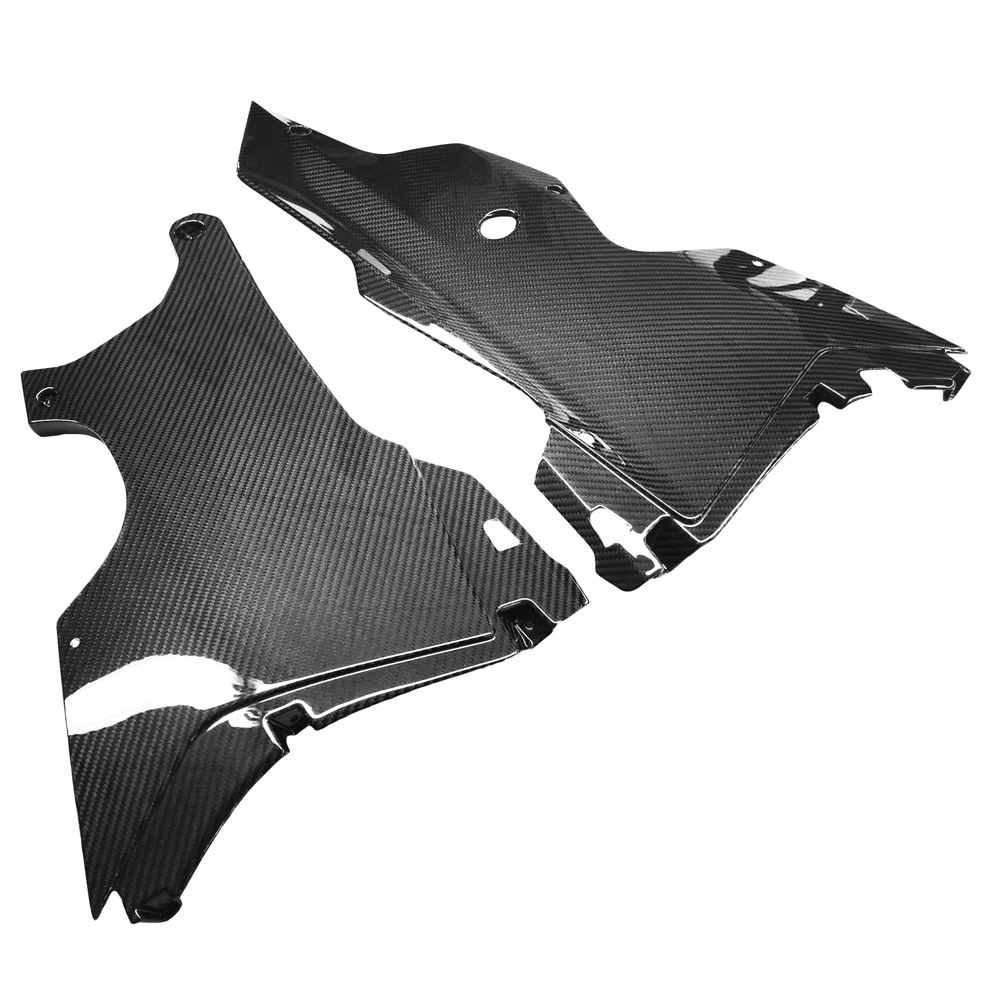
Install Guide: Kawasaki ZX10R Carbon Fiber Belly Pan Fast Fit
Why Use Carbon Fiber in Cars? Explained | Supreem Carbon
Custom carbon fiber wrap motorcycle Manufacturers and suppliers in China
For Customized Service
What can be customized in addition to customized carbon fiber parts?
You can customize your company logo, packaging, even the color of coating and so on.
What custom customer need to prepare?
1. Send Your Design/Idea/3D drawing.
2. Supplier Quotation Confirmation.
3. Firts Sample Feedback.
For Carbon Fiber Material
What are the advantages of carbon fiber?
High Strength-to-Weight Ratio
It is stronger than many traditional materials, such as steel and aluminum.This high strength-to-weight ratio allows for the creation of lightweight components that maintain structural integrity and durability.
Lightweight
One of the most significant advantages of carbon fiber is its low density, contributing to lightweight structures. This property is particularly crucial in industries where weight reduction is a priority, such as aerospace, automotive, and sports equipment.
Resistant to corrosion and chemicals
Carbon fiber is inherently resistant to corrosion, making it an ideal material for applications exposed to harsh environments or corrosive substances. This property contributes to the longevity of components and reduces maintenance requirements. Carbon fiber has good chemical resistance, making it suitable for use in environments where exposure to chemicals or harsh solvents is a concern. This resistance enhances the material's durability in various industrial settings.
Tolerant of high temperature
Carbon fiber exhibits excellent thermal stability and resistance to high temperatures. This makes it suitable for applications where components are exposed to elevated temperatures, such as in the aerospace and automotive industries.
Low thermal expansion
Carbon fiber has a low coefficient of thermal expansion, meaning it expands or contracts minimally with changes in temperature. This property contributes to dimensional stability, making carbon fiber components reliable in varying temperature conditions.
Aesthetic Appeal
Carbon fiber has a modern and high-tech appearance, contributing to its aesthetic appeal. This property is leveraged in consumer goods, automotive components, and sporting equipment where visual appeal is important.
For After-sales Service
Do you offer a warranty?
Six month standard warranty on all products. Damage due to installation error or natural elements will not be covered.
Do you offer the fitting advice?
Of course! If you have any questions, please contact us on info@supreemcarbon.com.
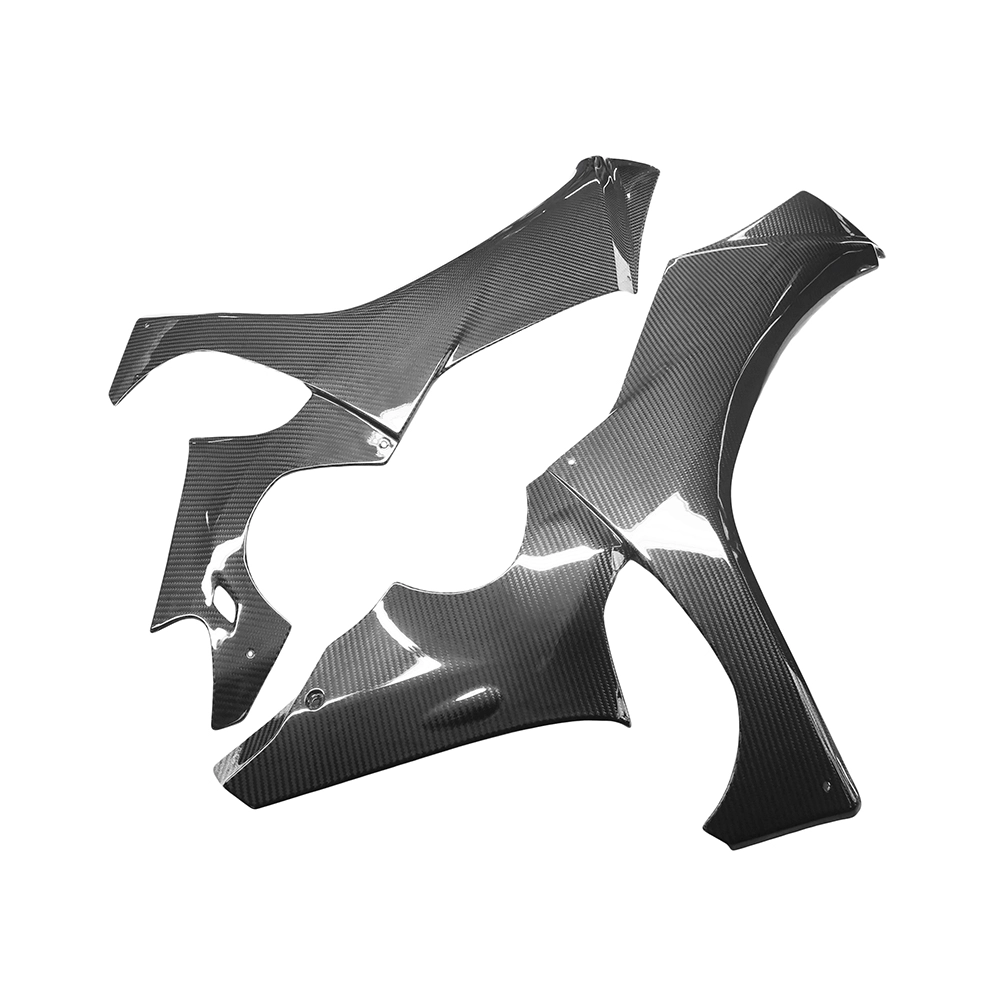
Yamaha R1 Carbon Fiber Side Fairings
Introducing the Supreem Carbon Fiber Long Side Panels for Yamaha R1. Crafted with precision and expertise, this front side fairing is designed to elevate the performance and aesthetics of your R1. Made from high-quality carbon fiber, this fairing is not only lightweight but also incredibly durable, providing optimal protection for your motorcycle.
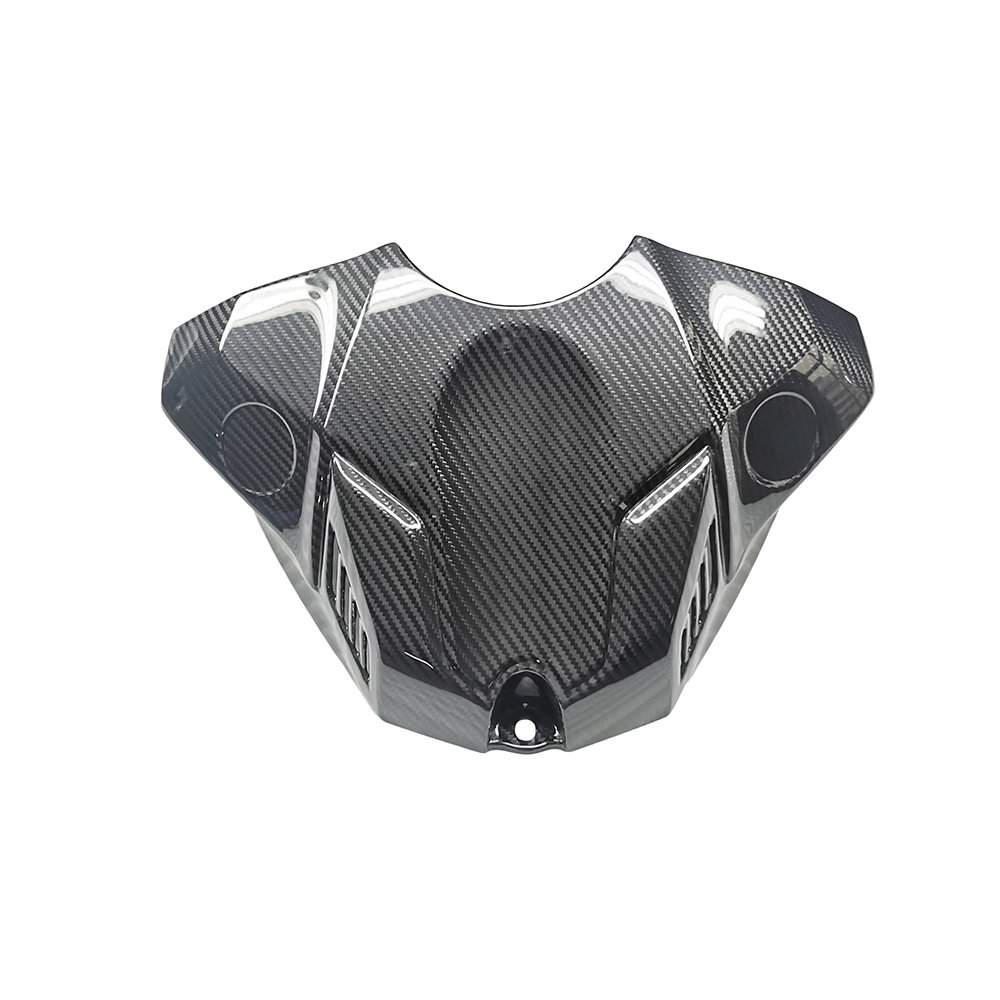
Yamaha R1 Carbon Fiber Airbox Tank Cover
The Supreem Carbon Yamaha R1 Carbon Fiber Airbox Tank Cover provides lightweight, durable protection with a sleek finish. Designed for R1 models, it enhances the style and performance of your bike. Its lightweight structure improves performance while maintaining the premium aesthetics necessary for high-end modification projects. As a dedicated manufacturer of carbon fiber parts, we provide stable production capacity, customization options, and strict quality control to support enterprise-level procurement and OEM/ODM needs.
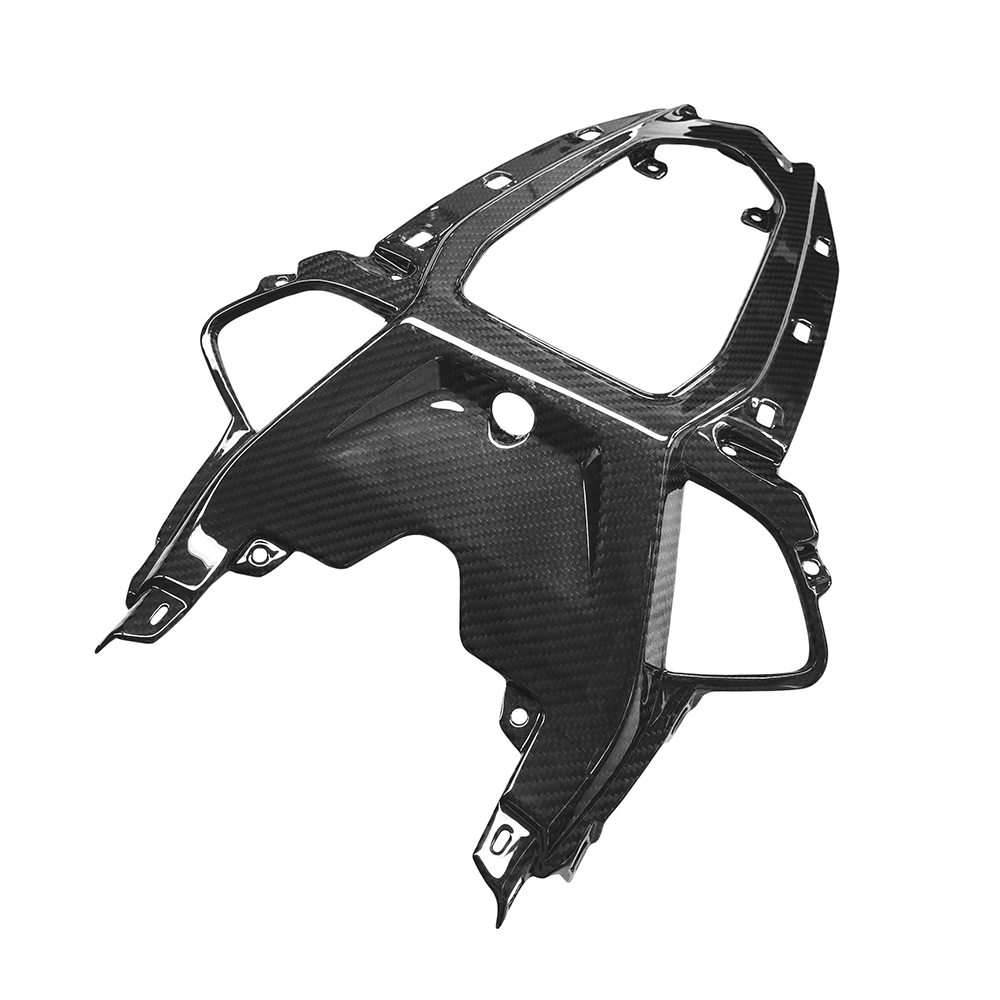
Carbon Fiber Rear Seat Panel for BMW S1000R & M1000RR – Lightweight Performance
This carbon fiber rear seat panel is engineered for the BMW S1000R and M1000RR, offering superior rigidity, reduced weight, and a premium racing finish. Produced with autoclave technology and strict QC standards, the part ensures consistent OEM-level fitment. Supreem Carbon provides wholesale supply, stable bulk production, and customized solutions for global clients.
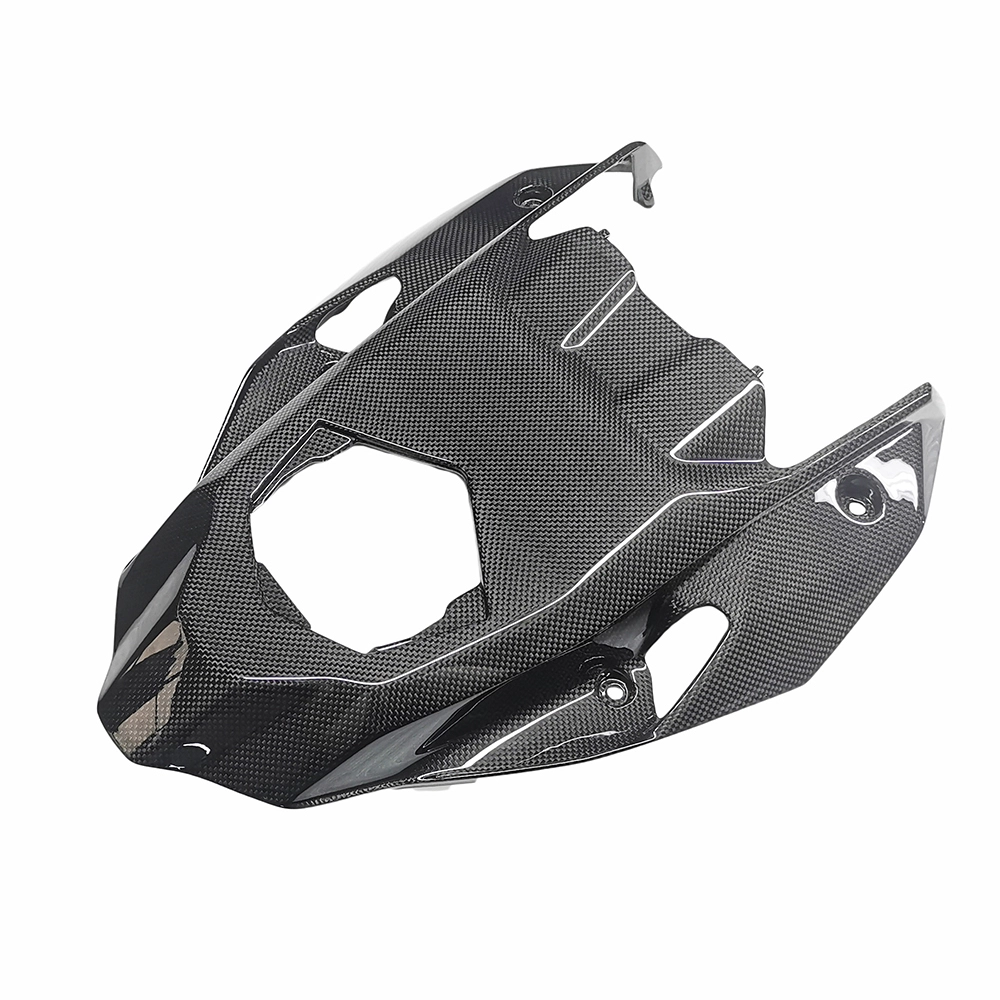
High-Performance Carbon Fiber Rear Undertail for BMW S1000R
Engineered for distributors, tuning brands, and motorcycle accessory businesses, the BMW S1000R Carbon Fiber Rear Undertail is a high-quality, durable, lightweight carbon fiber upgrade for the S1000R platform. This component is manufactured using aerospace-grade carbon fiber and precision molds to deliver superior stiffness, a seamless OEM-level fit, and a premium visual finish suitable for high-end aftermarket applications.

Supreem Carbon aiming to provide customers with high-performance carbon fiber products and quality services.
Contact Supreem Carbon
Address : Building 1 No.103, Yadi Nan 1st Road, QiaoTou Town, Dongguan City, China.
© 2024 Supreem Carbon All Rights Reserved.
Facebook
Pinterest
LinkedIn
Instagram