

Exploring Drone Composites - Supreem Carbon
# What Composites Are Used in Drones?
Drones are revolutionizing industries with their versatility and capability, and much of their effectiveness lies in the composites used within their structures. As a professional in the field, understanding these materials can help you grasp the current advancements and future potential of unmanned aerial vehicles (UAVs).
The Role of Composites in Drones
Composites are essential to drone manufacturing due to their lightweight and strong properties. They help achieve the necessary balance between weight and strength, which is crucial for achieving optimal flight performance and longevity. Let's delve into the core composites used in today’s drones.
Carbon Fiber
Carbon fiber composites are a staple in drone manufacturing, known for their exceptional strength-to-weight ratio. This material provides the structural rigidity necessary to withstand the stresses of flight, making it ideal for drone frames and propellers. Furthermore, carbon fiber’s durability extends the life of drones, minimizing maintenance needs.
Fiberglass
Fiberglass is another pivotal composite in the UAV industry, prized for its flexibility and resilience. This material can absorb impacts better than other composites, which is crucial during unplanned landings or crashes. Additionally, fiberglass is cost-effective, which allows it to be widely used for smaller components and in hobbyist drones.
Kevlar
Primarily recognized for its use in body armor, Kevlar also finds its place in drone technology. Its high strength combined with heat resistance makes it useful for protecting sensitive components within the drone. For operations in harsh environments, Kevlar can safeguard a drone’s integrity.
Foam Composites
Foam composites, often used in tandem with other materials, provide excellent vibration damping to enhance stability and performance. These composite materials also aid in weight reduction without sacrificing strength, which is crucial for battery-powered drones that require extended flight times.
Hybrid Composites
Combining different types of fibers, hybrid composites offer tailored material properties that specifically meet the demands of various UAV functions. These composites can be specially engineered to enhance specific characteristics such as stiffness, impact resistance, or thermal conductivity.
Conclusion
The advancement of drones is deeply tied to the composites used in their construction. By leveraging materials like carbon fiber, fiberglass, and Kevlar, UAV manufacturers continue to push the boundaries of performance, efficiency, and capability. Professionals in the field can appreciate the ingenuity and engineering prowess involved and apply this knowledge to innovate further.
At Supreem Carbon, our commitment to cutting-edge material technologies underlies every advancement we create in the aerospace industry. Understanding and using the right composites ensures that drones remain at the forefront of modern technology, ready to tackle new challenges in numerous applications.
OEM/ODM carbon fiber car body Manufacturers and supplier
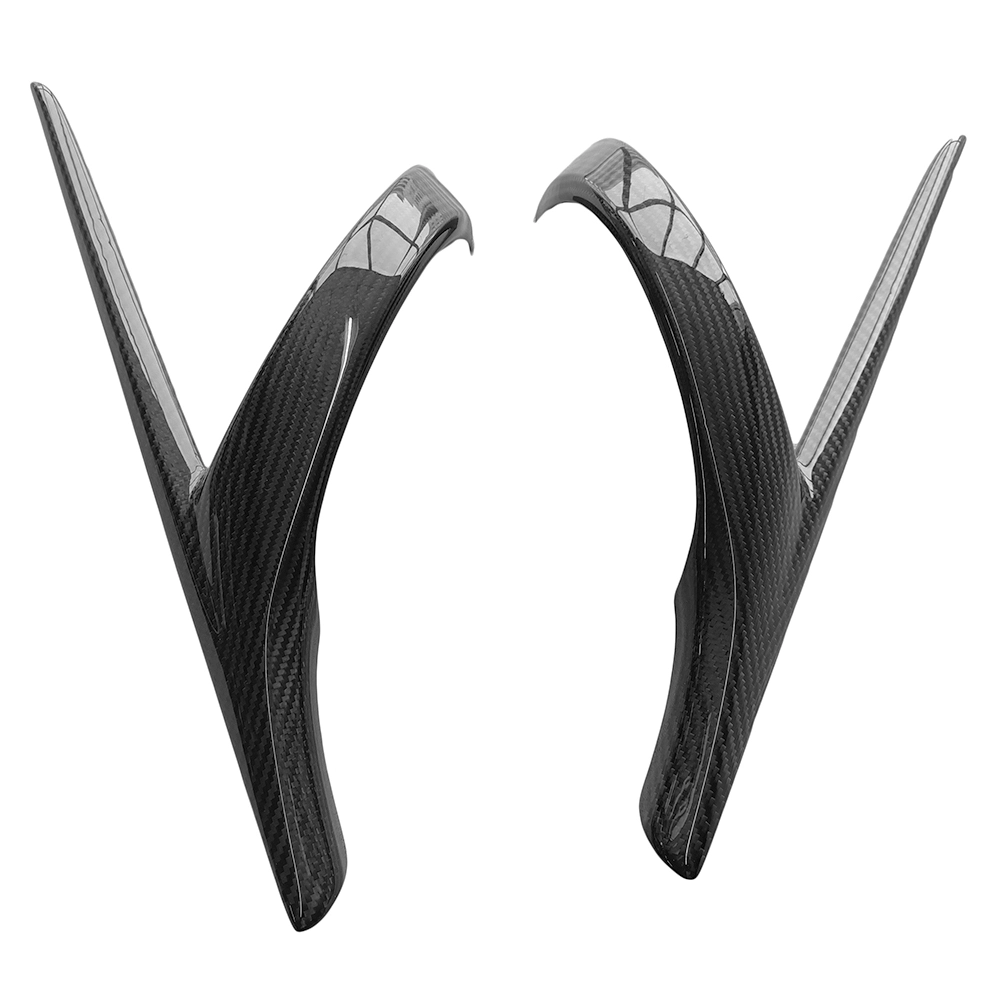
The Ultimate Guide to Choosing a Carbon Fiber Motorcycle Helmet
Custom carbon fiber racing Manufacturers and suppliers
Custom carbon fiber air intake Manufacturers and suppliers
For Products
Supreem Carbon parts produce by 100% carbon?
Yes,all products are made from full carbon with dry carbon.
Which surface could you provide for the carbon parts?
Gloss finish, matte finish, satin finish. Some color coating as the customer needs.
How can I get some sample?
Actually we dont provide the free sample to customer, you can place a sample order if need some parts.
For Facotry
How many monthly production capacity of the factory?
The average monthly production capacity reach 3000 pieces. With the equipment upgrade, it will be increased over 4000 pieces per month.
For After-sales Service
What can I do if the carbon fiber products arrived is broken?
Please give us feedback as soon as possible and we will send new one to you.
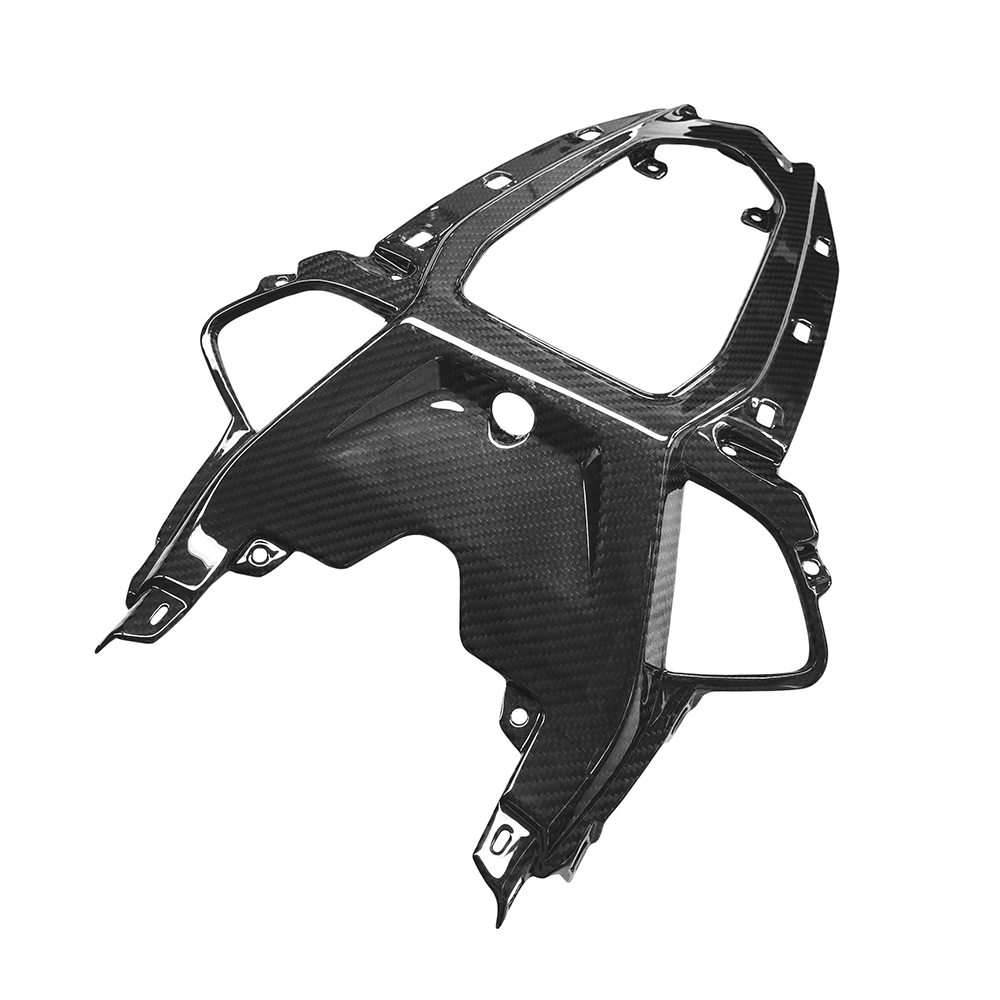
BMW S1000R/M1000RR Carbon Fiber Rear Seat Panel
Transform your BMW S1000RR/M1000RR with a premium carbon fiber rear seat upper fairing. Replace the stock plastic for a weight reduction and a sophisticated, racing-inspired aesthetic. This ultra-strong fairing offers superior protection while enhancing your bike's overall look. Choose between a glossy or matte finish for a perfect match.
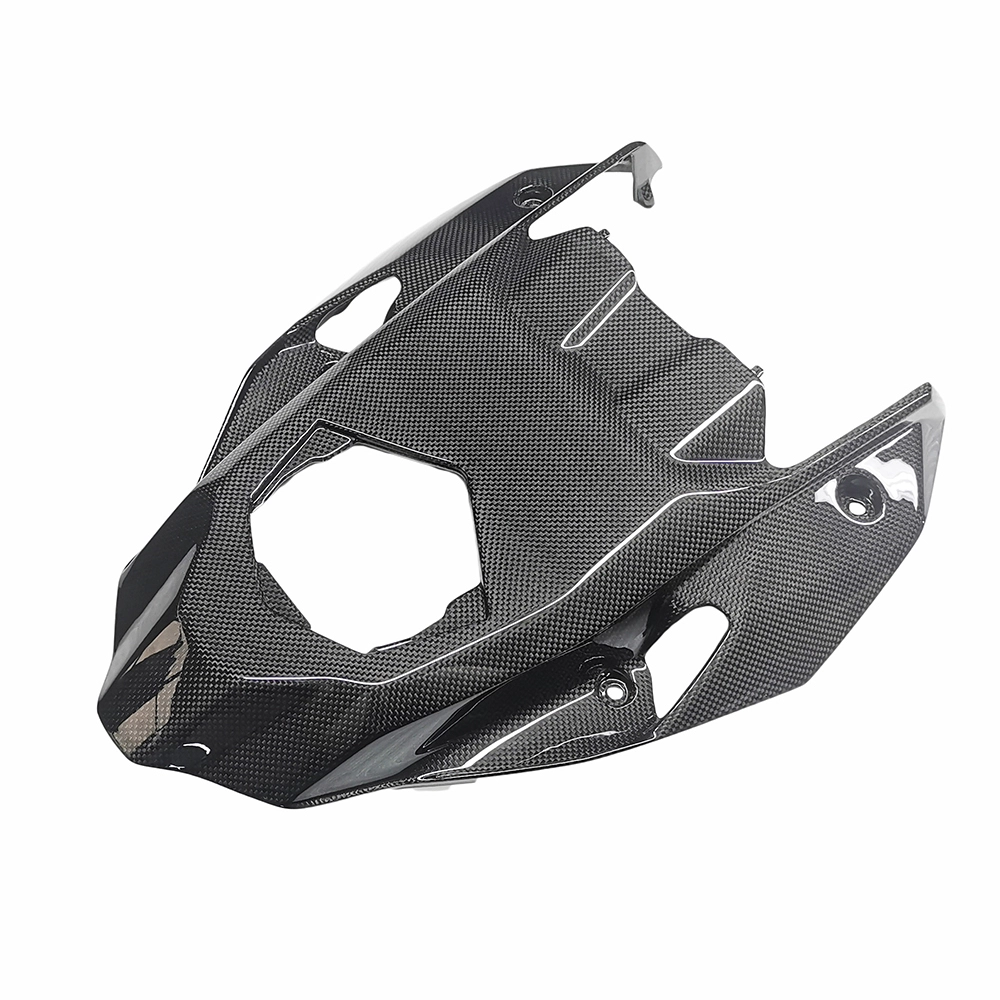
BMW S1000R Carbon Fiber Rear Undertail
Transform your BMW S1000R with a premium carbon fiber rear seat bottom fairing. Replace the stock plastic for a weight reduction and a sophisticated, racing-inspired aesthetic. This ultra-strong fairing offers superior protection while enhancing your bike's overall look. Choose between a glossy or matte finish for a perfect match.
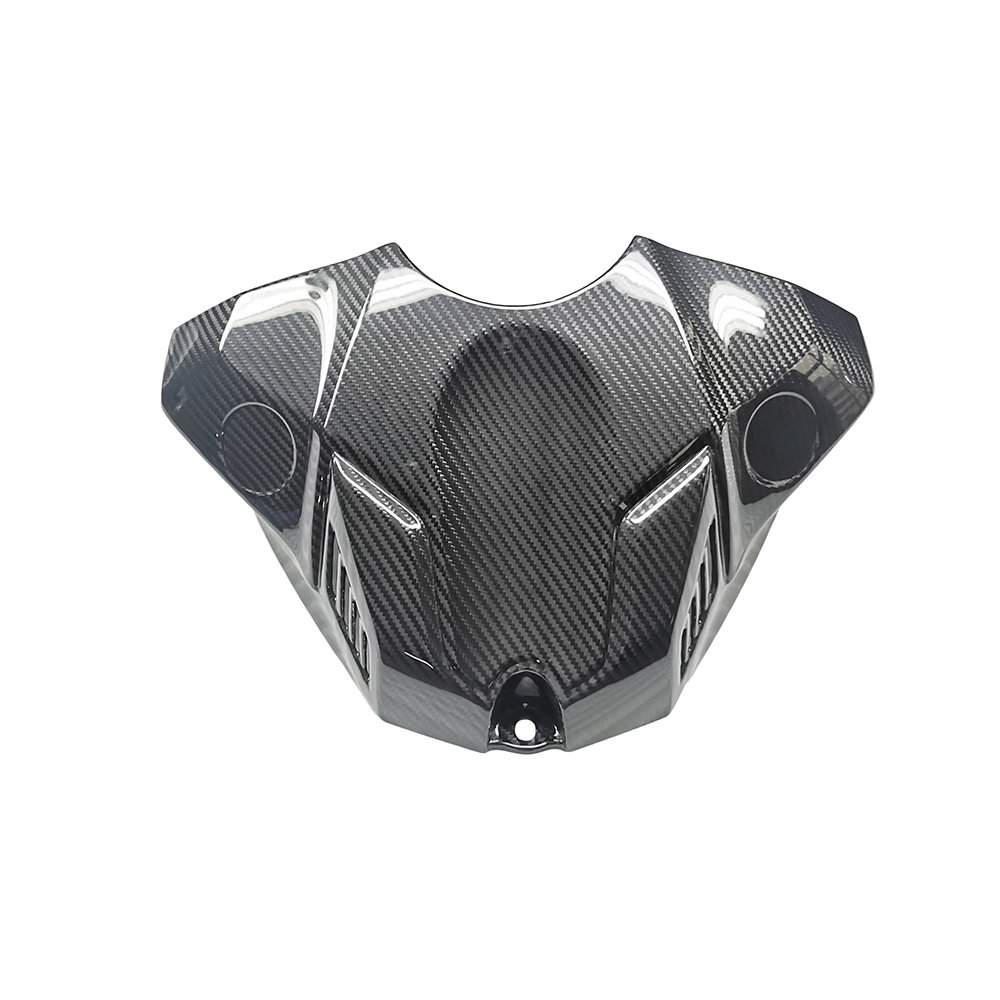
Yamaha R1 Carbon Fiber Airbox Tank Cover
Introducing the Supreem Carbon Fiber Airbox Tank Cover for Yamaha R1. Crafted with precision and expertise, this tank cover is designed to elevate the performance and aesthetics of your R1. Made from high-quality carbon fiber, this tank cover is not only lightweight but also incredibly durable, providing optimal protection for your motorcycle.
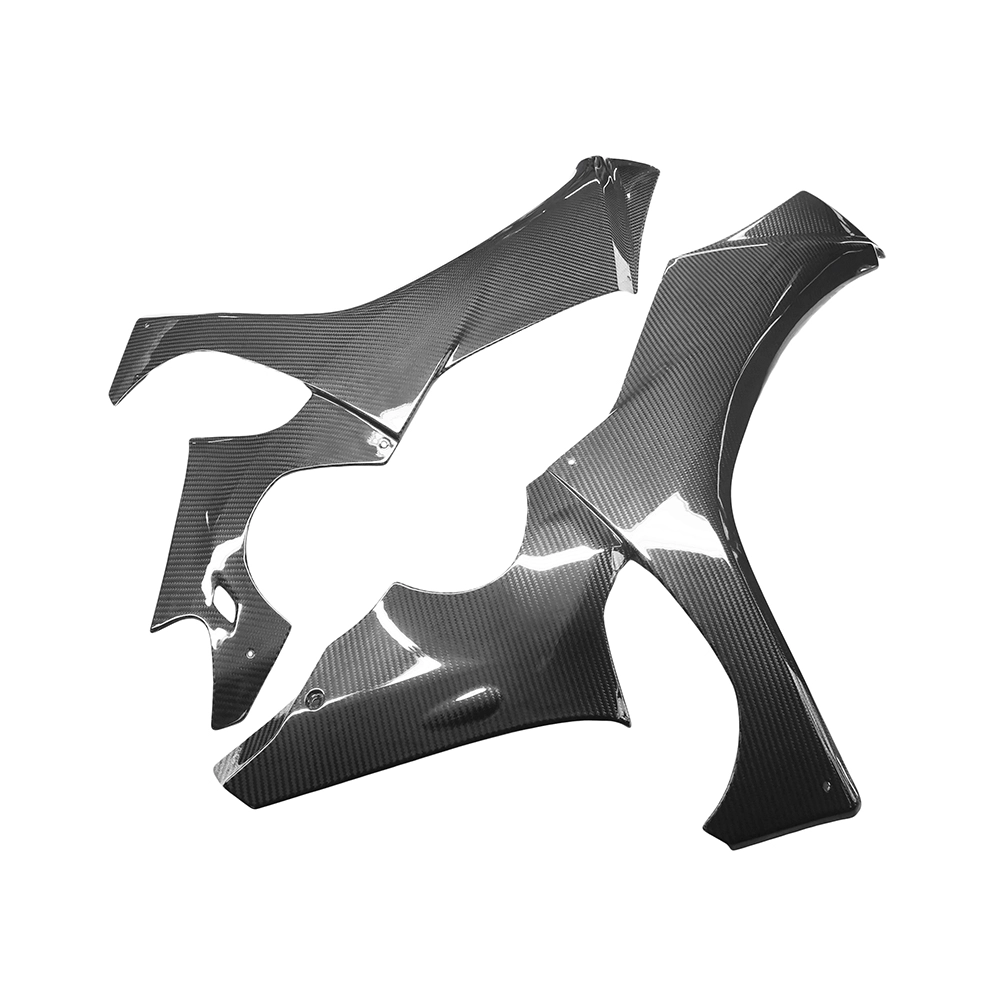
Yamaha R1 Carbon Fiber Side Fairings
Introducing the Supreem Carbon Fiber Long Side Panels for Yamaha R1. Crafted with precision and expertise, this front side fairing is designed to elevate the performance and aesthetics of your R1. Made from high-quality carbon fiber, this fairing is not only lightweight but also incredibly durable, providing optimal protection for your motorcycle.

Supreem Carbon aiming to provide customers with high-performance carbon fiber products and quality services.
Contact Supreem Carbon
Address : Building 1 No.103, Yadi Nan 1st Road, QiaoTou Town, Dongguan City, China.
© 2024 Supreem Carbon All Rights Reserved.
Facebook
Pinterest
LinkedIn
Instagram