
Carbon fiber panels: Are they bullet-resistant in cars?
- Are carbon fiber panels bullet-resistant in cars? (Is carbon fiber bulletproof)
- Understanding the question: is carbon fiber bulletproof for automotive use?
- What carbon fiber is and how it behaves under high-velocity impact (keyword: carbon fiber panels)
- How ballistic protection is measured and what bulletproof means (keyword: is carbon fiber bulletproof)
- Comparing materials: carbon fiber vs steel, aluminum, Kevlar (keyword: carbon fiber parts)
- Why carbon fiber panels used in cars usually aren't sufficient for ballistic protection (keyword: carbon fiber panels bulletproof)
- When carbon fiber can be part of effective ballistic systems (keyword: custom carbon fiber parts)
- Practical considerations for vehicle owners: protection, cost, and certification (keyword: buy carbon fiber panels)
- Supreem Carbon — custom carbon fiber parts with R&D and production capabilities (keyword: carbon fiber motorcycle parts)
- How to decide: when to choose carbon fiber panels versus certified armor
- Frequently Asked Questions (FAQ)
- Q: Is carbon fiber bulletproof against handguns?
- Q: Can I make my car bulletproof by replacing steel panels with thicker carbon fiber?
- Q: Are there lightweight ballistic solutions that include carbon fiber?
- Q: Where can I get certified vehicle armor?
- Q: Does Supreem Carbon sell ballistic armor?
- Contact us / View products (CTA)
- Sources & further reading
Are carbon fiber panels bullet-resistant in cars? (Is carbon fiber bulletproof)
Understanding the question: is carbon fiber bulletproof for automotive use?
When people ask is carbon fiber bulletproof? they usually want to know whether carbon fiber panels used on cars can stop bullets and provide meaningful ballistic protection. The short answer: carbon fiber panels as typically used in automotive parts (body panels, trim, aero pieces) are not reliably bulletproof. However, carbon fiber composites can play a role in ballistic systems when combined with specific materials and designs. This article breaks down the technical reasons, compares common materials, explains testing and standards, and outlines practical options for vehicle protection and customization.
What carbon fiber is and how it behaves under high-velocity impact (keyword: carbon fiber panels)
Carbon fiber composites are made of high-strength carbon filaments embedded in a polymer matrix (usually epoxy). They are prized in automotive applications for their high strength-to-weight and stiffness-to-weight ratios. Under impact loading, however, carbon fiber laminates behave differently from metals:
- Carbon fiber is strong in tension along the fiber direction but relatively brittle compared to ductile metals.
- On ballistic impact, carbon composites tend to shatter, delaminate, and shed fragments unless designed specifically for energy absorption and multi-material protection.
- The polymer matrix and the stacking sequence (layup) strongly influence how a laminate dissipates energy.
Because of these failure modes, a single carbon fiber panel designed for stiffness or aesthetics will usually fail catastrophically against a bullet rather than deform and absorb energy the way steel might.
How ballistic protection is measured and what bulletproof means (keyword: is carbon fiber bulletproof)
Bulletproof is a non-technical term. Professional evaluation uses ballistic standards such as levels defined by testing bodies (e.g., NIJ for body armor). Automotive ballistic protection is evaluated with controlled tests measuring whether a specific threat (bullet type, velocity, distance) is stopped or prevented from penetrating into the protected volume. Important factors include projectile type, impact velocity, angle, and distance, plus backing conditions (what’s behind the panel).
Simply put: a material that stops a handgun round at one velocity may fail against a high-velocity rifle round. Carbon fiber alone is not certified by common ballistic standards as a universal stop-gap material for vehicle threats unless specifically engineered as part of a certified armor system.
Comparing materials: carbon fiber vs steel, aluminum, Kevlar (keyword: carbon fiber parts)
The table below summarizes qualitative ballistic performance and practical considerations for common automotive structural or protective materials. This is intended for guidance—not as a substitute for certified ballistic testing.
| Material | Ballistic resistance (typical, qualitative) | Relative weight | Typical automotive use | Notes |
|---|---|---|---|---|
| Carbon fiber composite (standard automotive panels) | Low — fragments, delamination, and penetration likely | Low | Exterior panels, hoods, trim, aero parts | Good stiffness/weight; poor standalone ballistic performance |
| Steel (mild/structural) | Medium — deforms, can stop some handgun rounds depending on thickness | High | Structures, body-in-white, armor plates if thickened | Heavy; effective when thick or layered; used in many armored vehicles |
| Aluminum | Low–Medium — lighter but less ductile than steel; needs thicker sections | Medium | Body panels, lightweight structures | Used in some armored solutions when combined with ceramics or composites |
| Aramid fibers (e.g., Kevlar) | High (when layered as part of soft armor systems for certain calibers) | Low–Medium | Ballistic liners, vehicle door inserts, body armor | Excellent energy absorption; flexible; commonly used in ballistic protection |
| Ceramic/composite (ceramic strike face + composite backing) | Very high — designed to defeat rifle threats when properly engineered | Medium–High | Armored vehicle panels, specialized protection kits | Ceramic breaks projectile, composite backing captures fragments |
Sources: NIJ ballistic principles and open literature on composites and ballistic armor (sources listed at article end).
Why carbon fiber panels used in cars usually aren't sufficient for ballistic protection (keyword: carbon fiber panels bulletproof)
Automotive carbon fiber parts are optimized for stiffness, low weight, and appearance. They are typically thin laminates without the multi-material layering needed to defeat projectiles. Key limitations include:
- Insufficient thickness and energy-absorbing backing to prevent penetration.
- Brittle failure modes create shrapnel and secondary hazards inside the cabin.
- Lack of certification — standard automotive CF parts are not tested to ballistic levels like NIJ or military specs.
For these reasons, relying on stock carbon fiber hood or door panels for protection is not recommended if the goal is ballistic resistance.
When carbon fiber can be part of effective ballistic systems (keyword: custom carbon fiber parts)
Carbon fiber can be engineered into ballistic systems when used as part of a layered, multi-material approach. Typical high-performance armor solutions combine:
- A hard strike face (e.g., ceramic or hardened steel) to fracture or deform incoming projectiles.
- A composite backing layer (which can include carbon fiber, fiberglass, and aramid) to absorb and disperse residual energy and capture fragments.
- Proper mounting and backing to prevent blunt trauma behind the armor.
In such systems, carbon fiber can contribute structural rigidity, reduce weight compared to all-metal solutions, and provide form-fitting custom panels — but it is not the sole protective element.
Practical considerations for vehicle owners: protection, cost, and certification (keyword: buy carbon fiber panels)
If your goal is vehicle ballistic protection, consider these practical points:
- Certified armor kits: Choose providers who test to recognized ballistic standards relevant to your threat level.
- Weight vs protection trade-off: Materials like ceramics and aramid add weight; carbon fiber can offset some of that when used as structural backing.
- Installation and integration: Proper mounting, door reinforcement, and multi-layer systems are crucial to performance.
- Cost: Certified ballistic solutions are significantly more expensive than cosmetic carbon fiber panels.
For aesthetic or performance upgrades (hoods, trunks, aero parts), standard carbon fiber is an excellent choice. For life-safety ballistic protection, use certified multi-material armor systems rather than cosmetic carbon fiber parts.
Supreem Carbon — custom carbon fiber parts with R&D and production capabilities (keyword: carbon fiber motorcycle parts)
Supreem Carbon, established in 2017, is a customized manufacturer of carbon fiber parts for automobiles and motorcycles, integrating R&D, design, production, and sales to deliver high-quality products and services. Our specialization in carbon fiber composite technology enables us to offer tailored solutions ranging from lightweight cosmetic and performance parts to components that can be engineered into multi-material protective systems.
Key strengths of Supreem Carbon:
- Comprehensive product range: carbon fiber motorcycle parts, carbon fiber automobile parts, and customized carbon fiber parts.
- Capacity and expertise: a 4,500 m2 factory, 45 skilled production and technical staff, and an annual output value around 4 million USD.
- Product depth: more than 1,000 product types including over 500 customized carbon fiber parts — enabling bespoke solutions for performance and functional needs.
- R&D-driven approach: focused on composite technology research, tooling, and manufacturing to meet client specifications, from aesthetic carbon parts to engineered composite assemblies.
While standard Supreem Carbon products are designed primarily for performance and aesthetics (lightweight hoods, fairings, trim, luggage, and sports equipment), we can collaborate on engineered multi-material solutions when ballistic resistance or specialized performance is required. Visit https://www.supreemcarbon.com/ to view our catalog and discuss customization.
How to decide: when to choose carbon fiber panels versus certified armor
Ask these questions to choose the right solution:
- What is the primary objective? (aesthetics/performance vs life-safety ballistic protection)
- What threat level are you preparing for? (handgun, rifle, shrapnel)
- Is certification required? (insurance, corporate, or government procurement often requires certified testing)
- What are your constraints for weight, cost, and installation complexity?
If the goal is styling and weight reduction, carbon fiber panels from a reputable manufacturer like Supreem Carbon are appropriate. If the goal is protection against firearms, engage an experienced armor integrator who uses tested materials and can supply certification — carbon fiber elements can be included in engineered assemblies but are rarely the sole protective material.
Frequently Asked Questions (FAQ)
Q: Is carbon fiber bulletproof against handguns?
A: Standard carbon fiber automotive panels are unlikely to reliably stop handgun rounds. Certain engineered composite systems incorporating carbon fiber plus aramid or ceramics can be designed to stop some handgun threats, but they must be tested and certified.
Q: Can I make my car bulletproof by replacing steel panels with thicker carbon fiber?
A: No. Simply increasing thickness of aesthetic carbon fiber panels is not a safe or proven approach to ballistic protection. Certified armor requires specific material combinations, backing, and mounting to manage projectile breakup and energy.
Q: Are there lightweight ballistic solutions that include carbon fiber?
A: Yes. Lightweight armor systems often combine ceramics, aramid fabrics, and carbon or glass composites to reduce weight while maintaining protection. Carbon fiber contributes stiffness and formability, but aramid and ceramics typically handle most of the ballistic energy management.
Q: Where can I get certified vehicle armor?
A: Look for established armor providers that publish test results to recognized standards and can provide documentation. For vehicles, consider vendors that specialize in armored vehicles and offer installation and certification rather than cosmetic part manufacturers alone.
Q: Does Supreem Carbon sell ballistic armor?
A: Supreem Carbon specializes in custom carbon fiber composite products, including automobile and motorcycle parts, luggage, and sports equipment. While our core product lines focus on performance and aesthetic components, our R&D and production capabilities allow us to collaborate on engineered, multi-material projects. For certified ballistic armor, Supreem Carbon can partner with armor specialists to provide carbon composite components as part of a tested system. Contact our team to discuss requirements.
Contact us / View products (CTA)
If you want to discuss lightweight performance parts, custom carbon fiber components, or integrating carbon fiber into engineered protection systems, contact Supreem Carbon's technical team. Visit https://www.supreemcarbon.com/ to view our product catalog or request a custom quote. For direct inquiries, use the contact form on our website or email our sales team to start a specification review.
Sources & further reading
- NIJ Standard-0101.06: Ballistic Resistance of Body Armor (National Institute of Justice)
- U.S. Army Research Laboratory (ARL) publications on ballistic impact behavior of composite laminates
- CompositesWorld articles and industry reviews on composite behavior under high-strain-rate impact
- DuPont Technical Information on Kevlar and aramid fiber ballistic properties
Note: This article is informational and not a substitute for certified ballistic testing. For life-safety decisions, always consult certified armor suppliers and engineers and require documented test results relevant to your specific threat scenario.
Customized Carbon Fiber Parts
Custom bmw carbon fiber parts Manufacturers and suppliers in China
Custom carbon fiber motorcycle body parts Manufacturers and suppliers
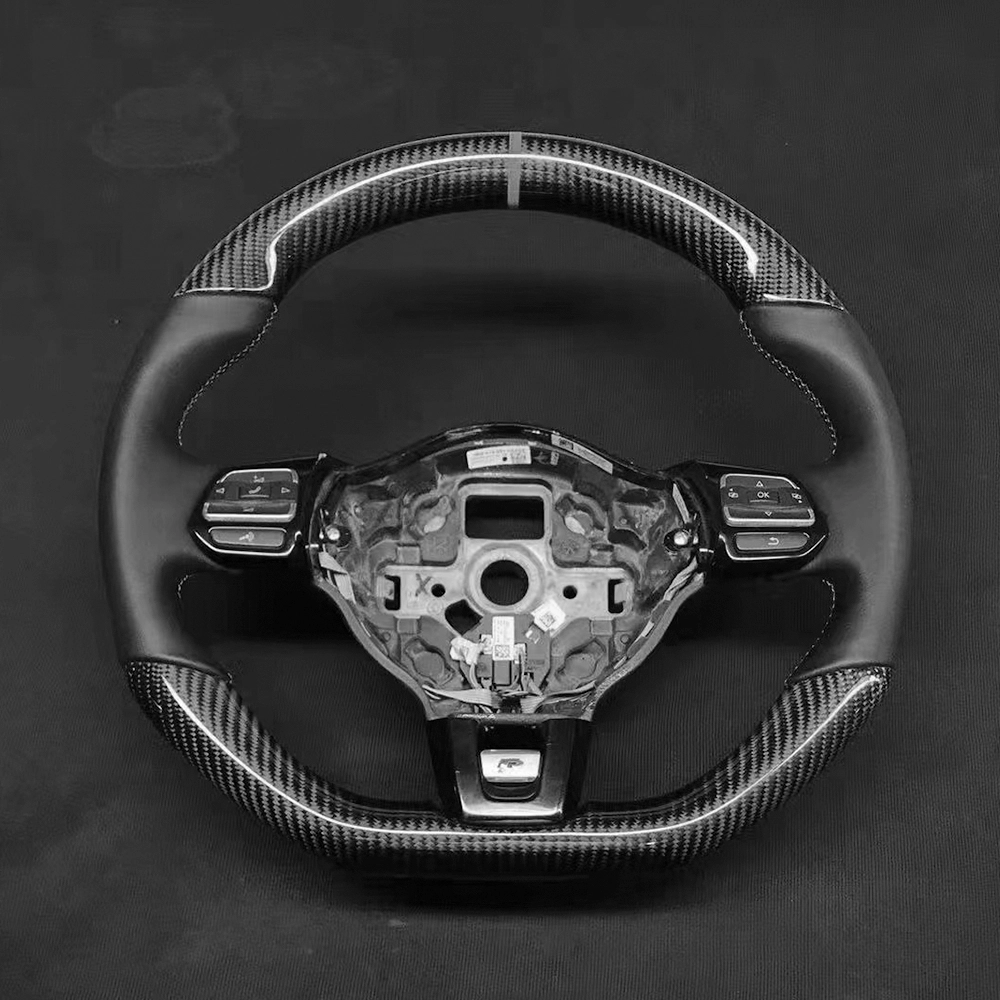
Enhance Your Vehicle with Custom Carbon Fiber Panels from Supreem Carbon
For Customized Service
How long does the customized products order take?
This depends on the complexity and mold production cycle of the product. The first sample will be ready in 2-3 weeks after mold finished.
For Carbon Fiber Material
What are the advantages of carbon fiber?
High Strength-to-Weight Ratio
It is stronger than many traditional materials, such as steel and aluminum.This high strength-to-weight ratio allows for the creation of lightweight components that maintain structural integrity and durability.
Lightweight
One of the most significant advantages of carbon fiber is its low density, contributing to lightweight structures. This property is particularly crucial in industries where weight reduction is a priority, such as aerospace, automotive, and sports equipment.
Resistant to corrosion and chemicals
Carbon fiber is inherently resistant to corrosion, making it an ideal material for applications exposed to harsh environments or corrosive substances. This property contributes to the longevity of components and reduces maintenance requirements. Carbon fiber has good chemical resistance, making it suitable for use in environments where exposure to chemicals or harsh solvents is a concern. This resistance enhances the material's durability in various industrial settings.
Tolerant of high temperature
Carbon fiber exhibits excellent thermal stability and resistance to high temperatures. This makes it suitable for applications where components are exposed to elevated temperatures, such as in the aerospace and automotive industries.
Low thermal expansion
Carbon fiber has a low coefficient of thermal expansion, meaning it expands or contracts minimally with changes in temperature. This property contributes to dimensional stability, making carbon fiber components reliable in varying temperature conditions.
Aesthetic Appeal
Carbon fiber has a modern and high-tech appearance, contributing to its aesthetic appeal. This property is leveraged in consumer goods, automotive components, and sporting equipment where visual appeal is important.
For Facotry
Can I visit your company?
Of course, we are in QiaoTou Town, Dongguan City, Guangdong Province, China.
How many employees of Supreem carbon?
We have over 50 employees, including over 40 skilled workers, 3 R&D designers, and 5 QC professionals and so on.
For Products
How can I get some sample?
Actually we dont provide the free sample to customer, you can place a sample order if need some parts.
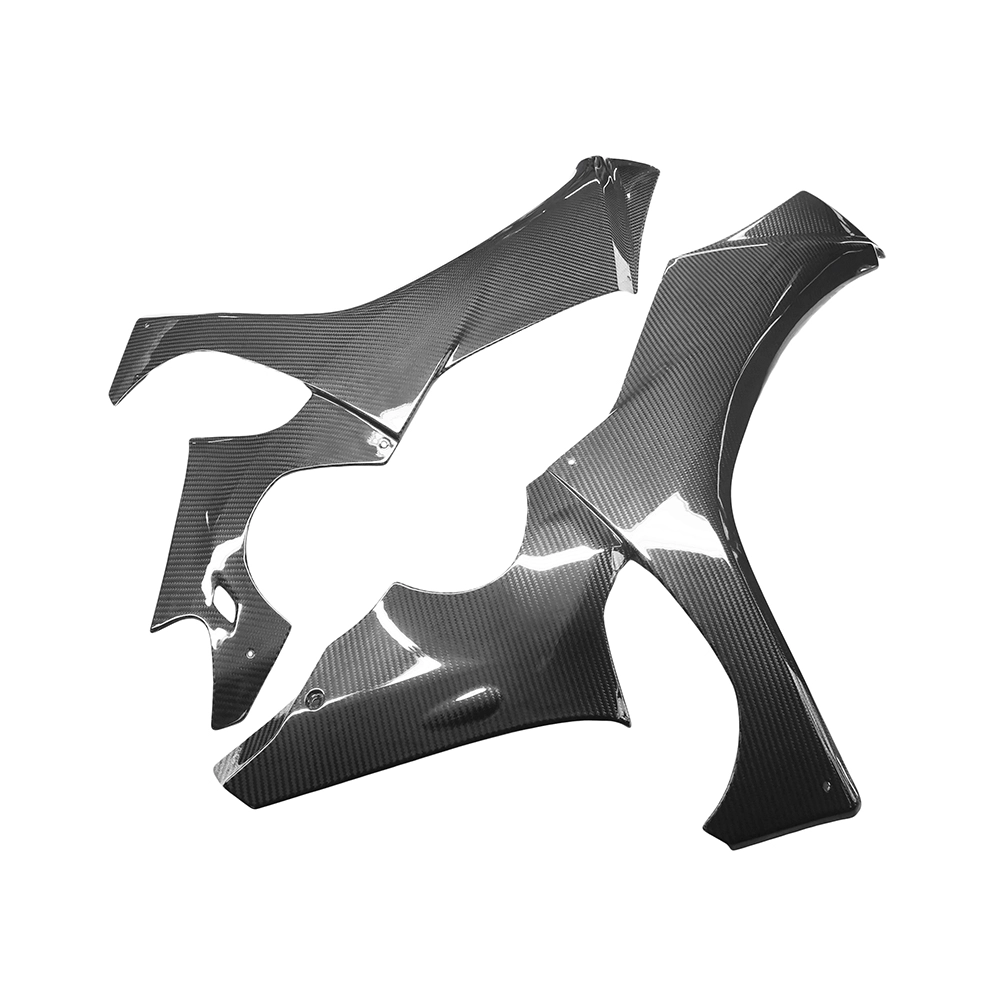
Yamaha R1 Carbon Fiber Side Fairings
Introducing the Supreem Carbon Fiber Long Side Panels for Yamaha R1. Crafted with precision and expertise, this front side fairing is designed to elevate the performance and aesthetics of your R1. Made from high-quality carbon fiber, this fairing is not only lightweight but also incredibly durable, providing optimal protection for your motorcycle.
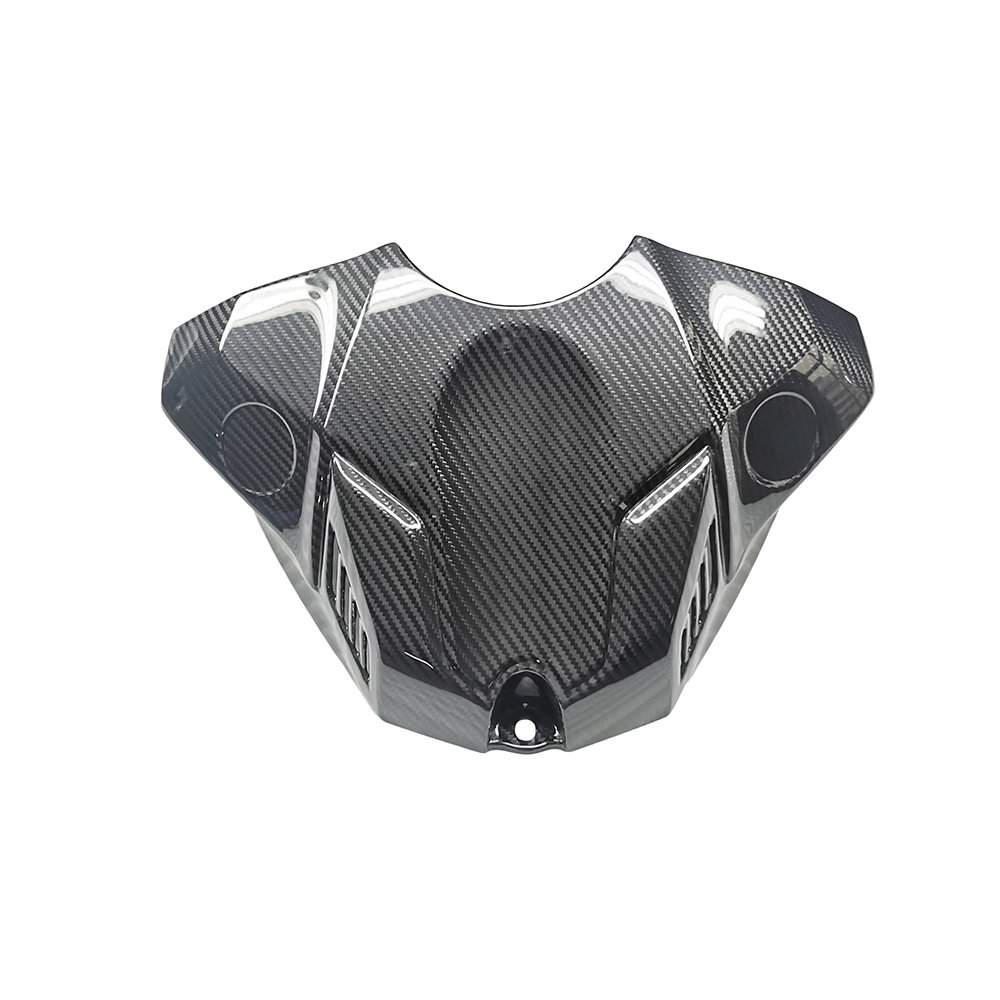
Yamaha R1 Carbon Fiber Airbox Tank Cover
The Supreem Carbon Yamaha R1 Carbon Fiber Airbox Tank Cover provides lightweight, durable protection with a sleek finish. Designed for R1 models, it enhances the style and performance of your bike. Its lightweight structure improves performance while maintaining the premium aesthetics necessary for high-end modification projects. As a dedicated manufacturer of carbon fiber parts, we provide stable production capacity, customization options, and strict quality control to support enterprise-level procurement and OEM/ODM needs.
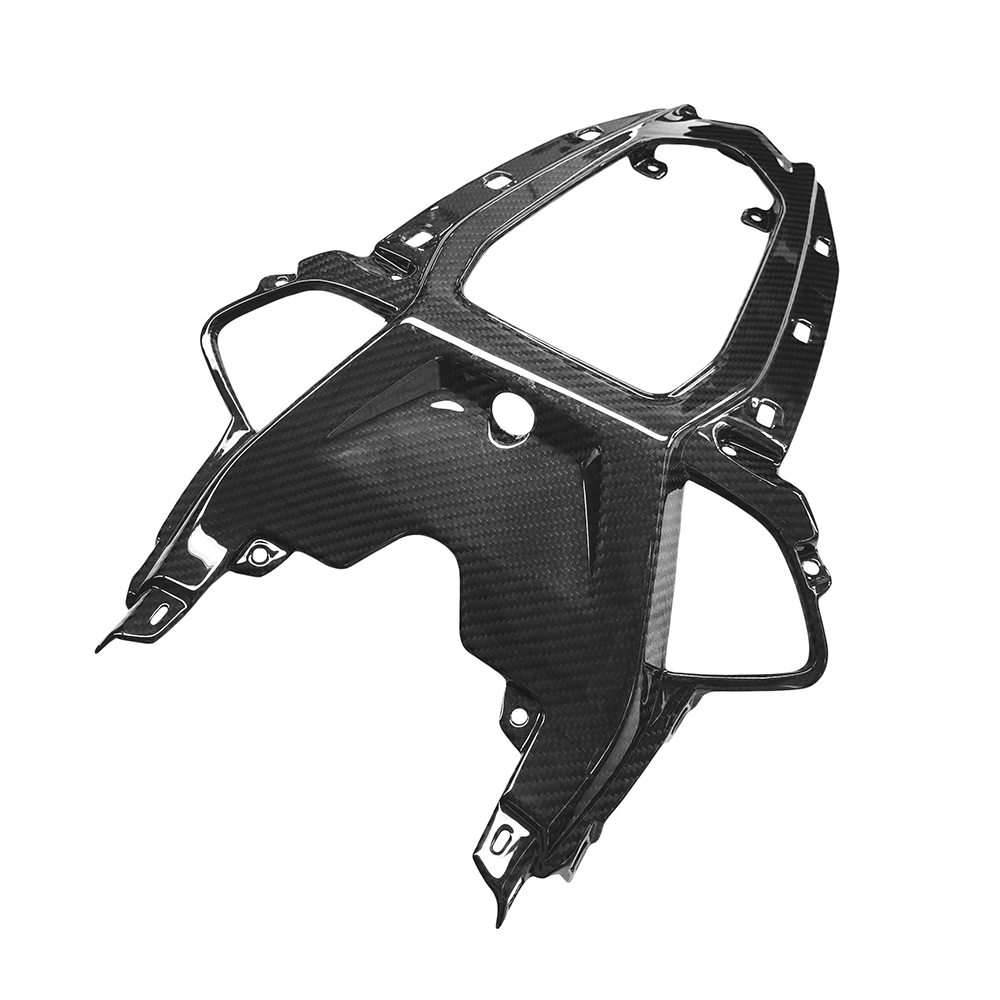
Carbon Fiber Rear Seat Panel for BMW S1000R & M1000RR – Lightweight Performance
This carbon fiber rear seat panel is engineered for the BMW S1000R and M1000RR, offering superior rigidity, reduced weight, and a premium racing finish. Produced with autoclave technology and strict QC standards, the part ensures consistent OEM-level fitment. Supreem Carbon provides wholesale supply, stable bulk production, and customized solutions for global clients.
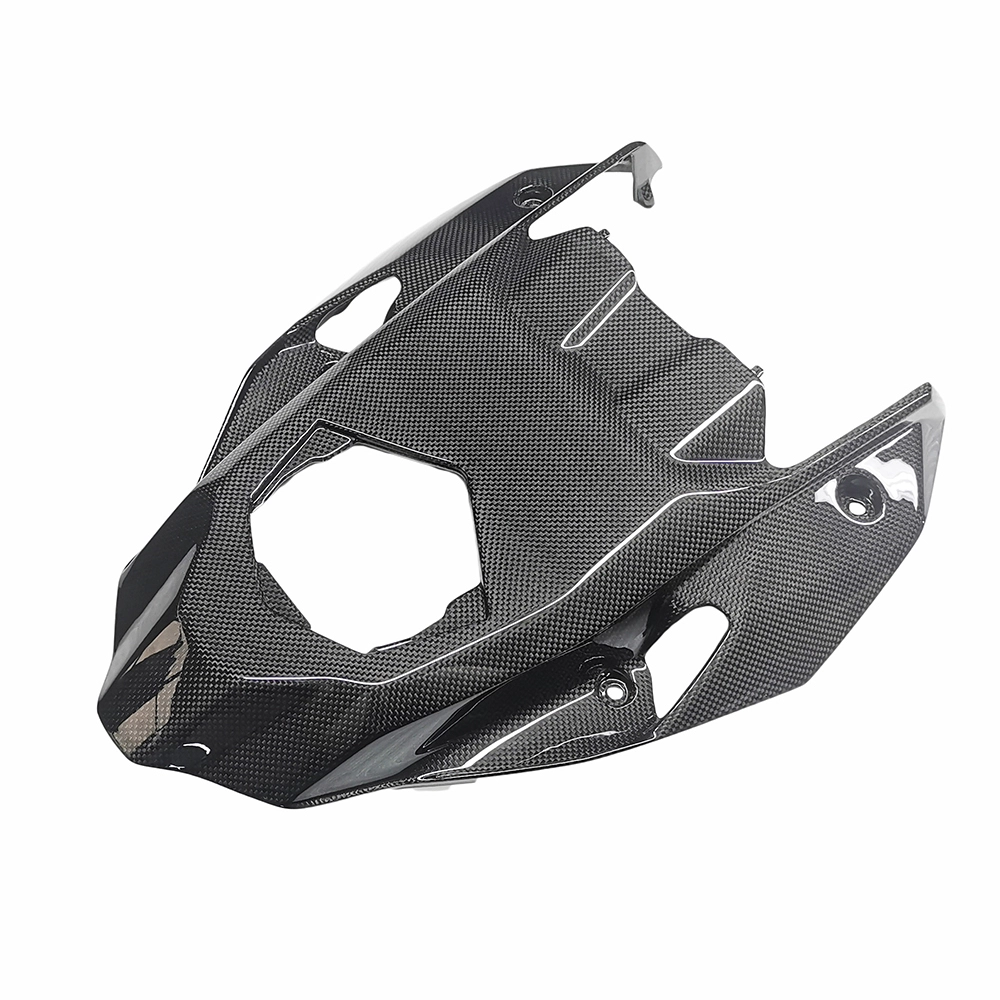
High-Performance Carbon Fiber Rear Undertail for BMW S1000R
Engineered for distributors, tuning brands, and motorcycle accessory businesses, the BMW S1000R Carbon Fiber Rear Undertail is a high-quality, durable, lightweight carbon fiber upgrade for the S1000R platform. This component is manufactured using aerospace-grade carbon fiber and precision molds to deliver superior stiffness, a seamless OEM-level fit, and a premium visual finish suitable for high-end aftermarket applications.

Supreem Carbon aiming to provide customers with high-performance carbon fiber products and quality services.
Contact Supreem Carbon
Address : Building 1 No.103, Yadi Nan 1st Road, QiaoTou Town, Dongguan City, China.
© 2024 Supreem Carbon All Rights Reserved.
Facebook
Pinterest
LinkedIn
Instagram