


Repair and Maintenance of Custom Carbon Fiber Parts: Practical Guide for Vehicle Owners
- Repair and Maintenance of Custom Carbon Fiber Parts: Practical Guide for Vehicle Owners
- Introduction: Why Repair and Maintenance of Custom Carbon Fiber Parts Matters
- Understanding the Structure for Better Repair and Maintenance
- Common Damage Types in Custom Carbon Fiber Parts
- Quick Inspection Checklist Before Repair
- Simple Cleaning and Routine Maintenance Steps
- DIY Repair: When It's Appropriate and Cost-Effective
- Step-by-Step DIY Repair Process for Small Damage
- When to Choose Professional Repair Services
- Comparing DIY, Professional Repair, and Replacement
- Materials and Tools Recommended for Reliable Repairs
- Preventive Maintenance Routine to Extend Part Life
- Safety Considerations during Repair and Maintenance
- When Replacement Is the Better Option
- Why Choose Supreem Carbon for Custom Parts and Repair Consultation
- Cost vs. Performance: Making the Right Commercial Decision
- Conclusion: Practical Next Steps for Owners
- Frequently Asked Questions
Repair and Maintenance of Custom Carbon Fiber Parts: Practical Guide for Vehicle Owners
Introduction: Why Repair and Maintenance of Custom Carbon Fiber Parts Matters
Custom carbon fiber parts are prized for their strength-to-weight ratio, aesthetic appeal, and performance benefits. However, the resin matrix and layered fiber structure require different care than metal or plastic components. This guide on Repair and Maintenance of Custom Carbon Fiber Parts helps vehicle owners and shops make informed decisions—when to do a quick DIY repair, when to seek professional carbon fiber repair services, and how preventive maintenance can extend the life of custom parts supplied by manufacturers like Supreem Carbon.
Understanding the Structure for Better Repair and Maintenance
Carbon fiber parts consist of carbon fiber fabric or unidirectional tape embedded in a polymer resin (usually epoxy). Damage typically affects the resin surface first (scratches, UV degradation), then the fiber layers (delamination, cracks). Knowing this structure is essential for successful Repair and Maintenance of Custom Carbon Fiber Parts and for evaluating whether a part needs repair, reinforcement, or full replacement.
Common Damage Types in Custom Carbon Fiber Parts
Common issues requiring Repair and Maintenance of Custom Carbon Fiber Parts include surface scratches, clearcoat and paint chips, resin cracks, delamination (separation between layers), impact fractures, and mounting point failures. Surface damage often looks cosmetic but can allow moisture and UV to reach deeper layers, increasing the risk of structural degradation.
Quick Inspection Checklist Before Repair
Before any repair or maintenance, perform a visual and tactile inspection: check for hairline cracks, soft or spongy areas (possible delamination), loose mounting points, changes in part alignment, and paint/clearcoat damage. After an impact, inspect both sides of a part and adjacent areas—damage can propagate. For critical structural components, consider a professional assessment.
Simple Cleaning and Routine Maintenance Steps
Routine maintenance is the first line of defense. Clean carbon fiber parts with mild automotive soap, a soft microfiber, and lukewarm water. Avoid harsh solvents, abrasive pads, or aggressive polishing compounds that can remove resin or thin the clearcoat. Apply a UV-protective polish or ceramic coating to maintain the finish and slow resin degradation—this is an important preventive step in Repair and Maintenance of Custom Carbon Fiber Parts with to protect your investment.
DIY Repair: When It's Appropriate and Cost-Effective
Minor cosmetic damage (surface scratches, small chips) and shallow resin cracks are often suitable for DIY repair. Typical DIY tasks include cleaning the area, light sanding (wet sanding from 400–2000 grit depending on finish), filling with a compatible epoxy or clearcoat, re-sanding, and applying polish or protective coating. DIY repair kits for carbon fiber are commercially available and economical for small jobs.
Step-by-Step DIY Repair Process for Small Damage
For basic Repair and Maintenance of Custom Carbon Fiber Parts: 1) Clean and degrease the area; 2) Sand the damaged zone to remove loose resin (start around 320–400 grit); 3) If fibers are exposed, cover with a thin layer of epoxy; 4) For holes or delamination, use a small patch of carbon fiber cloth with epoxy; 5) Allow proper cure at room temperature or follow resin manufacturer instructions (some recommend post-cure at elevated temperatures for best properties); 6) Sand progressively to match contours and finish with clearcoat or polish. Always use PPE and ensure good ventilation.
When to Choose Professional Repair Services
Seek professional Repair and Maintenance of Custom Carbon Fiber Parts when damage is structural (deep fractures, delamination across layers, load-bearing attachment failure), when part safety is critical (bracing, frames, chassis components), or when you require factory-grade finish quality. Professional repair shops have ovens for controlled curing, vacuum bagging capability, graded abrasion tools, and structural adhesives that restore original performance.
Comparing DIY, Professional Repair, and Replacement
Choosing between DIY, professional repair, or replacement depends on damage severity, part cost, and safety implications. The table below summarizes typical cost ranges, repair time, and recommended use cases to guide decisions related to Repair and Maintenance of Custom Carbon Fiber Parts.
| Approach | Typical Cost Range (approx.) | Turnaround Time | Best For |
|---|---|---|---|
| DIY Repair | $20 – $300 | Hours to 2 days | Small cosmetic cracks, surface scratches, minor chips |
| Professional Repair | $150 – $2,500+ | 2 days to 2 weeks | Delamination, structural repairs, high-quality finish restoration |
| Replacement | $200 – $5,000+ | Days to weeks (custom parts longer) | Severe damage, compromised structural integrity, or when parts are heavily customized |
Materials and Tools Recommended for Reliable Repairs
For effective Repair and Maintenance of Custom Carbon Fiber Parts, use automotive-grade epoxy resins, compatible hardeners, carbon fiber cloth or patches matching weave orientation, acetone for cleaning, sandpaper ranging from 320 to 2000 grit, primer and UV-resistant clearcoat, and safety gear (respirator, gloves, eye protection). If bonding is required, structural adhesives used in automotive repair (e.g., high-strength epoxy or MMA adhesives) are recommended.
Preventive Maintenance Routine to Extend Part Life
Implement a preventive schedule: monthly visual inspections, gentle cleaning after exposure to salt or contaminants, reapplication of UV protectant every 3–6 months if outdoors frequently, and immediate evaluation of any impact events. Proper installation torque and using correct mounting hardware reduce stress concentrations that lead to cracks. These steps reinforce the commercial value of Repair and Maintenance of Custom Carbon Fiber Parts by reducing lifecycle costs.
Safety Considerations during Repair and Maintenance
Carbon dust and resin fumes can be harmful. Always work in a well-ventilated area or use extraction, wear an N95 or better respirator when sanding, nitrile gloves, and eye protection. Dispose of resin-contaminated waste per local regulations. For large structural repairs, professional facilities are safer and typically yield a more reliable result.
When Replacement Is the Better Option
Replace a part rather than repair when damage compromises structural integrity, when repair costs approach replacement cost, or when part is deeply delaminated across large areas. Supreem Carbon offers over 500 customized carbon fiber parts and can supply OEM-quality replacements for many applications—sometimes a factory replacement is the fastest and most cost-effective option for vehicle owners.
Why Choose Supreem Carbon for Custom Parts and Repair Consultation
Supreem Carbon, established in 2017, specializes in R&D, custom design, and production of carbon fiber parts for automobiles and motorcycles. With a 4,500 m2 factory, 45 skilled staff, and an annual output value of roughly $4 million, Supreem Carbon delivers high-quality custom parts and technical guidance for Repair and Maintenance of Custom Carbon Fiber Parts. We offer customization, modification, and replacement solutions tailored to your vehicle’s needs.
Cost vs. Performance: Making the Right Commercial Decision
From a commercial standpoint, regular maintenance reduces lifetime cost by delaying expensive repairs or replacements. For owners of modified vehicles or performance motorcycles, investing in professional repair after significant impact preserves resale value and safety. Consider the part’s function (cosmetic vs structural) and your driving conditions when choosing repair versus replacement.
Conclusion: Practical Next Steps for Owners
Repair and Maintenance of Custom Carbon Fiber Parts is straightforward if you follow a conservative approach: inspect regularly, perform gentle cleaning and UV protection, use DIY methods for small cosmetic fixes, and rely on professional services for structural or complex repairs. Supreem Carbon can advise on replacement or bespoke solutions when repairs are not appropriate. Proper maintenance keeps custom carbon fiber components performing and looking their best for years.
Frequently Asked Questions
How often should I inspect my custom carbon fiber parts?Perform a visual inspection monthly or after any impact event. Inspect mounting points, seams, and areas exposed to stress or stones.
Can I use regular body filler on carbon fiber parts?It is not recommended. Use epoxy-based fillers designed for composites to maintain compatibility and adhesion; regular polyester fillers may not bond properly and can cause further issues.
Is a repaired carbon fiber part as strong as the original?Minor surface repairs can restore appearance, but structural repairs depend on technique and materials. Professional repairs using proper layering, vacuum bagging, and post-cure processes can restore most of the original strength, but full original certification is only guaranteed by factory replacements in safety-critical parts.
What clearcoat or protection should I use after repair?Use automotive-grade UV-resistant clearcoats or ceramic coatings formulated for composite substrates. These protect the resin from UV and chemical damage and improve appearance.
How long does a typical professional repair take?Turnaround ranges from a couple of days for small structural repairs to one or more weeks for complex, high-finish restorations, depending on curing, refinishing, and workload.
Can Supreem Carbon produce replacement parts for custom applications?Yes. Supreem Carbon specializes in custom carbon fiber parts and can produce replacements or bespoke items. Visit https://www.supreemcarbon.com/ for product info and custom requests.
What are the application scenarios of car carbon fiber vinyl wrap?
What are the application scenarios of carbon fiber license plate frames?
Common Myths About Dry and Wet Carbon Debunked
Supreem Carbon best professional carbon fiber thailand Manufacturers and supplier brand
For Order Delivery
What is the shipping time for the different ways?
Express delivery 5-7 days.
20-25 days by sea.
15 days by air.
For Products
Which surface could you provide for the carbon parts?
Gloss finish, matte finish, satin finish. Some color coating as the customer needs.
Which carbon fiber material you can provide in production?
1*1 plain /2*2 twill / forged carbon / honeycomb / kevlar and so on.
How can I get some sample?
Actually we dont provide the free sample to customer, you can place a sample order if need some parts.
For Facotry
How many employees of Supreem carbon?
We have over 50 employees, including over 40 skilled workers, 3 R&D designers, and 5 QC professionals and so on.
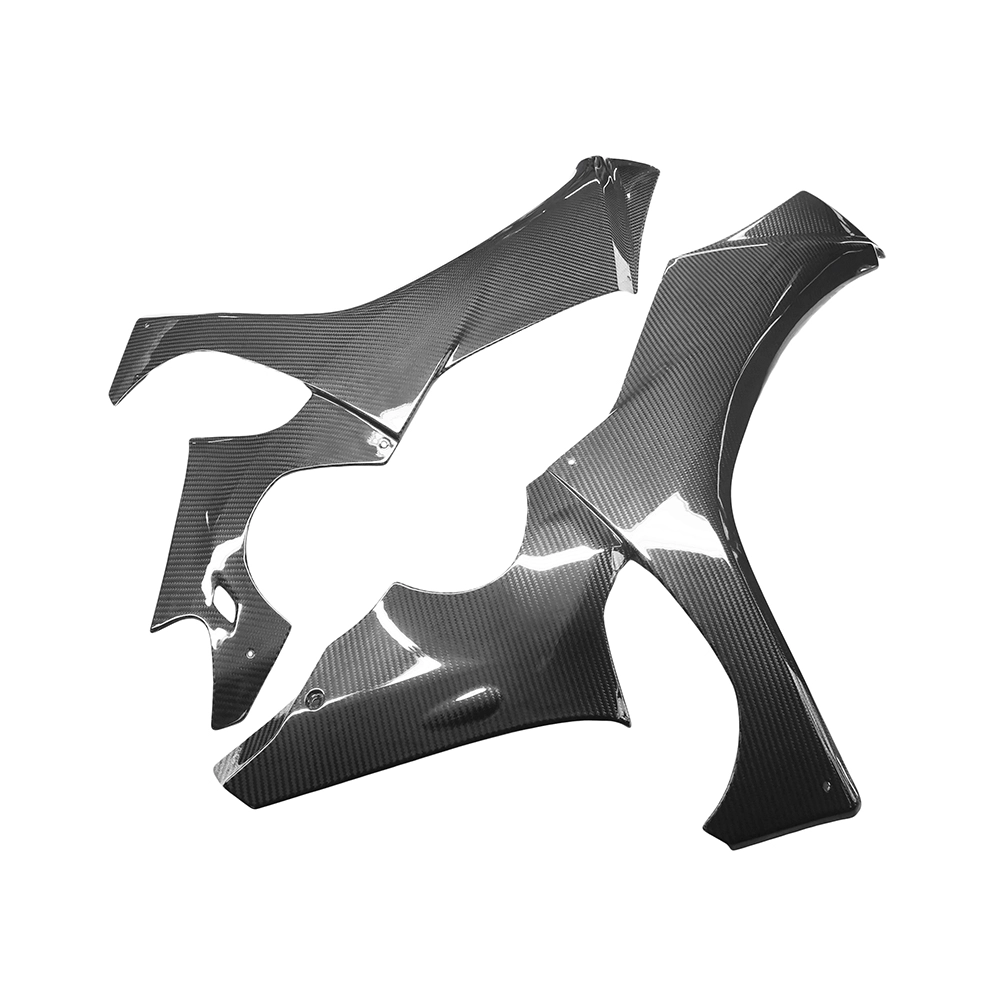
Yamaha R1 Carbon Fiber Side Fairings
Introducing the Supreem Carbon Fiber Long Side Panels for Yamaha R1. Crafted with precision and expertise, this front side fairing is designed to elevate the performance and aesthetics of your R1. Made from high-quality carbon fiber, this fairing is not only lightweight but also incredibly durable, providing optimal protection for your motorcycle.
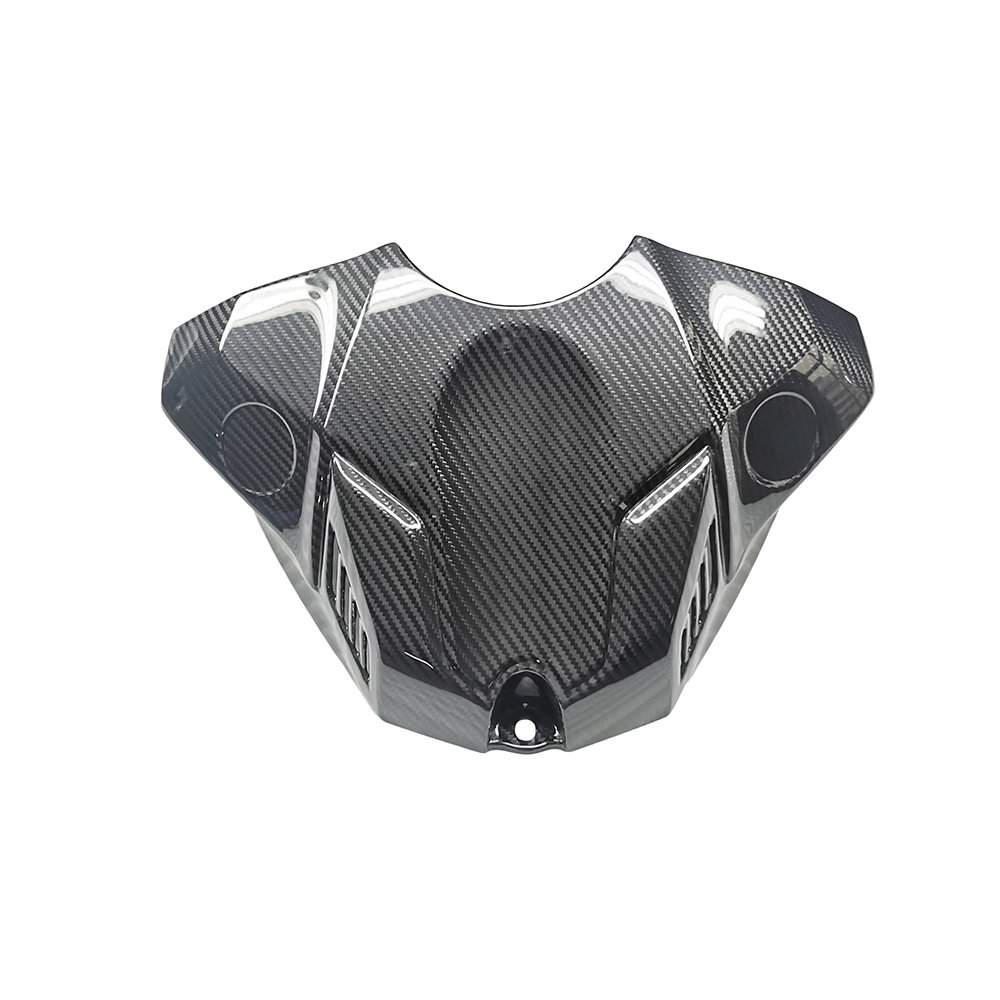
Yamaha R1 Carbon Fiber Airbox Tank Cover
The Supreem Carbon Yamaha R1 Carbon Fiber Airbox Tank Cover provides lightweight, durable protection with a sleek finish. Designed for R1 models, it enhances the style and performance of your bike. Its lightweight structure improves performance while maintaining the premium aesthetics necessary for high-end modification projects. As a dedicated manufacturer of carbon fiber parts, we provide stable production capacity, customization options, and strict quality control to support enterprise-level procurement and OEM/ODM needs.
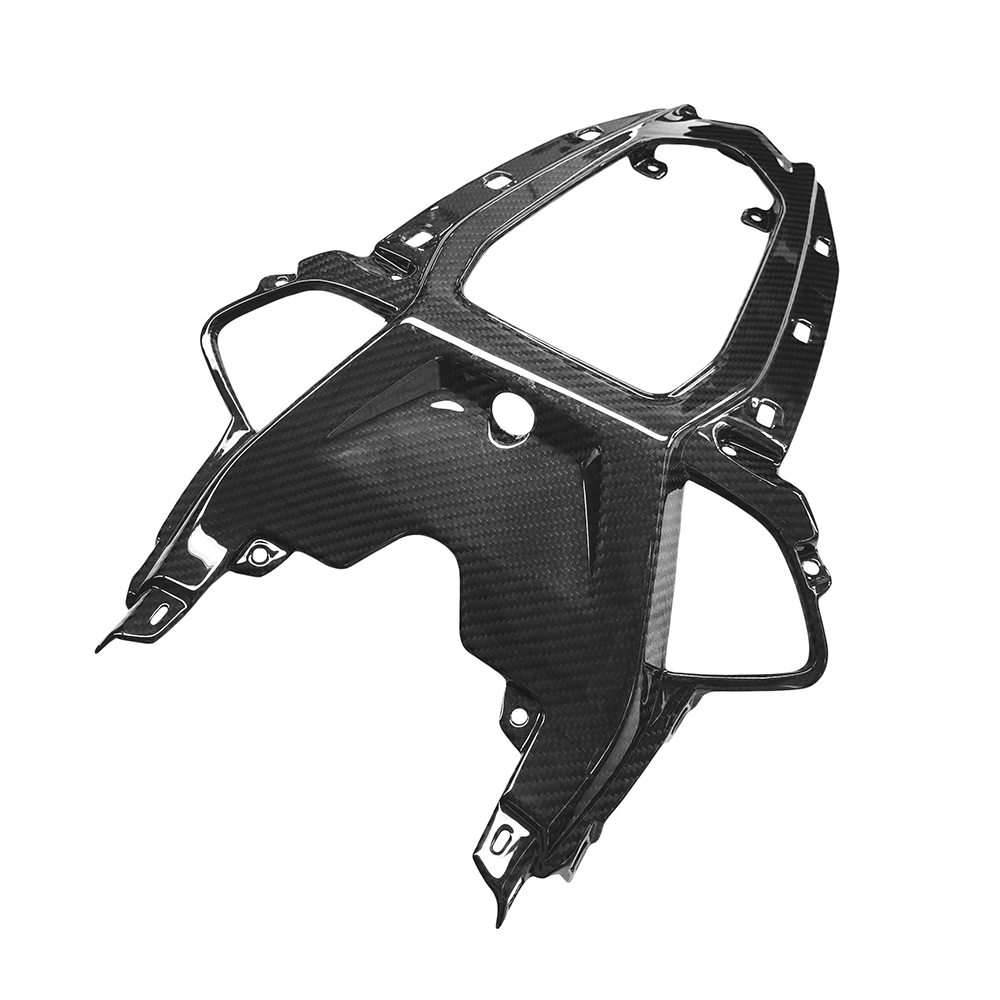
Carbon Fiber Rear Seat Panel for BMW S1000R & M1000RR – Lightweight Performance
This carbon fiber rear seat panel is engineered for the BMW S1000R and M1000RR, offering superior rigidity, reduced weight, and a premium racing finish. Produced with autoclave technology and strict QC standards, the part ensures consistent OEM-level fitment. Supreem Carbon provides wholesale supply, stable bulk production, and customized solutions for global clients.
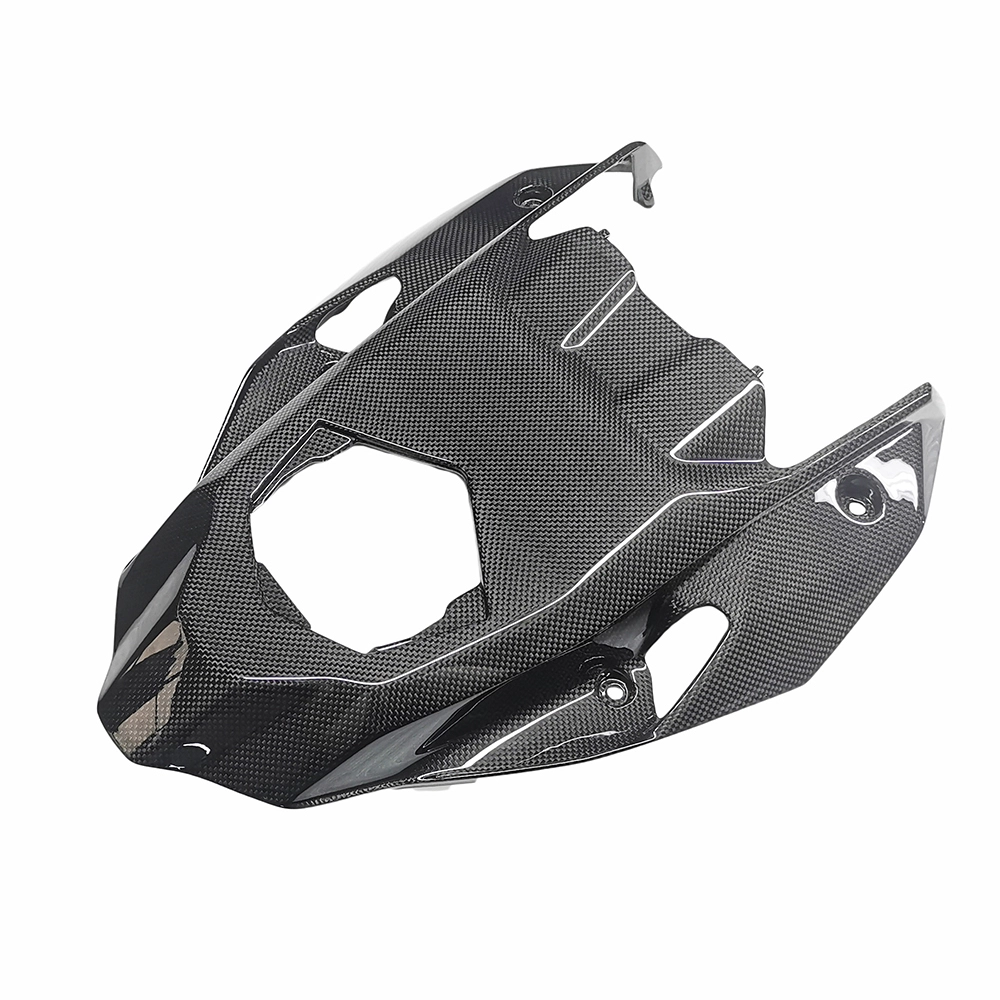
High-Performance Carbon Fiber Rear Undertail for BMW S1000R
Engineered for distributors, tuning brands, and motorcycle accessory businesses, the BMW S1000R Carbon Fiber Rear Undertail is a high-quality, durable, lightweight carbon fiber upgrade for the S1000R platform. This component is manufactured using aerospace-grade carbon fiber and precision molds to deliver superior stiffness, a seamless OEM-level fit, and a premium visual finish suitable for high-end aftermarket applications.

Supreem Carbon aiming to provide customers with high-performance carbon fiber products and quality services.
Contact Supreem Carbon
Address : Building 1 No.103, Yadi Nan 1st Road, QiaoTou Town, Dongguan City, China.
© 2024 Supreem Carbon All Rights Reserved.
Facebook
Pinterest
LinkedIn
Instagram