

Why Carbon Fiber is Popular? | Supreem Carbon
- Why Is Carbon Fiber So Popular? Unveiling the Secrets of This High-Performance Material by Supreem Carbon
- What Makes Carbon Fiber So Strong?
- How is Carbon Fiber Made?
- Is Carbon Fiber Expensive?
- What are the Applications of Carbon Fiber?
- Is Carbon Fiber Sustainable?
- What are the Limitations of Carbon Fiber?
Why Is Carbon Fiber So Popular? Unveiling the Secrets of This High-Performance Material by Supreem Carbon
Carbon fiber is everywhere, from high-performance sports cars to advanced aerospace components. But why is this material so popular? Its unique properties make it a game-changer across numerous industries. Let's delve into the reasons behind carbon fiber's widespread adoption.
What Makes Carbon Fiber So Strong?
Carbon fiber's strength lies in its structure. It's composed of extremely thin filaments of carbon atoms bonded together in a crystalline structure. These fibers are incredibly strong, with tensile strength rivaling that of steel, but significantly lighter. This remarkable strength-to-weight ratio is the core reason behind its popularity. The fibers are woven together into a fabric, which is then embedded in a resin matrix, creating a composite material with exceptional mechanical properties.
How is Carbon Fiber Made?
The production of carbon fiber is a complex multi-stage process. It begins with the creation of precursor fibers, often from polyacrylonitrile (PAN). These fibers are then heated to extremely high temperatures in an oxygen-free environment, a process called carbonization. This process removes non-carbon elements, leaving behind pure carbon fibers. Further treatments can improve their properties. The final step involves weaving the fibers into fabrics and impregnating them with resin to create the final composite material.
Is Carbon Fiber Expensive?
Yes, carbon fiber is significantly more expensive than traditional materials like steel or aluminum. The complex manufacturing process and the high-quality materials required contribute to its higher cost. However, the advantages in terms of weight reduction, performance enhancement, and durability often justify the expense in specific applications. The cost-benefit analysis varies considerably depending on the specific application.
What are the Applications of Carbon Fiber?
The versatility of carbon fiber allows its use in a diverse range of industries. Some key applications include:
* Aerospace: Aircraft and spacecraft components benefit greatly from carbon fiber's strength and lightweight nature.
* Automotive: High-performance vehicles utilize carbon fiber for body panels and chassis components to reduce weight and improve fuel efficiency.
* Sports Equipment: Golf clubs, tennis rackets, and bicycles all incorporate carbon fiber for increased strength and responsiveness.
* Wind Energy: Carbon fiber is used in wind turbine blades to improve their efficiency and longevity.
Is Carbon Fiber Sustainable?
The sustainability of carbon fiber is a complex issue. While the material itself is durable and long-lasting, the manufacturing process is energy-intensive and can generate waste. However, ongoing research focuses on developing more sustainable manufacturing techniques and recycling processes to minimize the environmental impact. Furthermore, the lightweight nature of carbon fiber can lead to fuel efficiency gains and reduced emissions in applications like automobiles and aerospace.
What are the Limitations of Carbon Fiber?
Despite its remarkable properties, carbon fiber does have some limitations. It can be brittle and susceptible to damage from impact. Its high cost and complex manufacturing process limit its use in many mass-market applications. Moreover, the recycling infrastructure for carbon fiber composites is still under development.
In conclusion, the popularity of carbon fiber stems from its unique combination of high strength, lightweight nature, and versatility. While it comes with challenges regarding cost and sustainability, ongoing research and development are addressing these concerns. The exceptional performance benefits make carbon fiber a material of choice for a growing number of advanced applications. Supreem Carbon is committed to pushing the boundaries of carbon fiber technology, driving innovation, and providing high-quality materials to meet the diverse needs of industries worldwide.
Custom carbon fiber mountain bike Manufacturers and Suppliers
Tips for Wholesale carbon fiber motorcycle
Repairing and Maintaining Custom Carbon Fiber Parts: Practical Guide for Vehicle Owners
Custom carbon fiber interior Manufacturers and Suppliers
For Facotry
How many employees of Supreem carbon?
We have over 50 employees, including over 40 skilled workers, 3 R&D designers, and 5 QC professionals and so on.
For Products
Which carbon fiber material you can provide in production?
1*1 plain /2*2 twill / forged carbon / honeycomb / kevlar and so on.
Are you parts have UV protected?
Absolutely! We use multiple layers of premium quality automotive clear (or matt) coats on our products, which ensure that they will remain super pretty for years to come.
For Order Delivery
What is the shipping time for the different ways?
Express delivery 5-7 days.
20-25 days by sea.
15 days by air.
For Carbon Fiber Material
What are the advantages of carbon fiber?
High Strength-to-Weight Ratio
It is stronger than many traditional materials, such as steel and aluminum.This high strength-to-weight ratio allows for the creation of lightweight components that maintain structural integrity and durability.
Lightweight
One of the most significant advantages of carbon fiber is its low density, contributing to lightweight structures. This property is particularly crucial in industries where weight reduction is a priority, such as aerospace, automotive, and sports equipment.
Resistant to corrosion and chemicals
Carbon fiber is inherently resistant to corrosion, making it an ideal material for applications exposed to harsh environments or corrosive substances. This property contributes to the longevity of components and reduces maintenance requirements. Carbon fiber has good chemical resistance, making it suitable for use in environments where exposure to chemicals or harsh solvents is a concern. This resistance enhances the material's durability in various industrial settings.
Tolerant of high temperature
Carbon fiber exhibits excellent thermal stability and resistance to high temperatures. This makes it suitable for applications where components are exposed to elevated temperatures, such as in the aerospace and automotive industries.
Low thermal expansion
Carbon fiber has a low coefficient of thermal expansion, meaning it expands or contracts minimally with changes in temperature. This property contributes to dimensional stability, making carbon fiber components reliable in varying temperature conditions.
Aesthetic Appeal
Carbon fiber has a modern and high-tech appearance, contributing to its aesthetic appeal. This property is leveraged in consumer goods, automotive components, and sporting equipment where visual appeal is important.
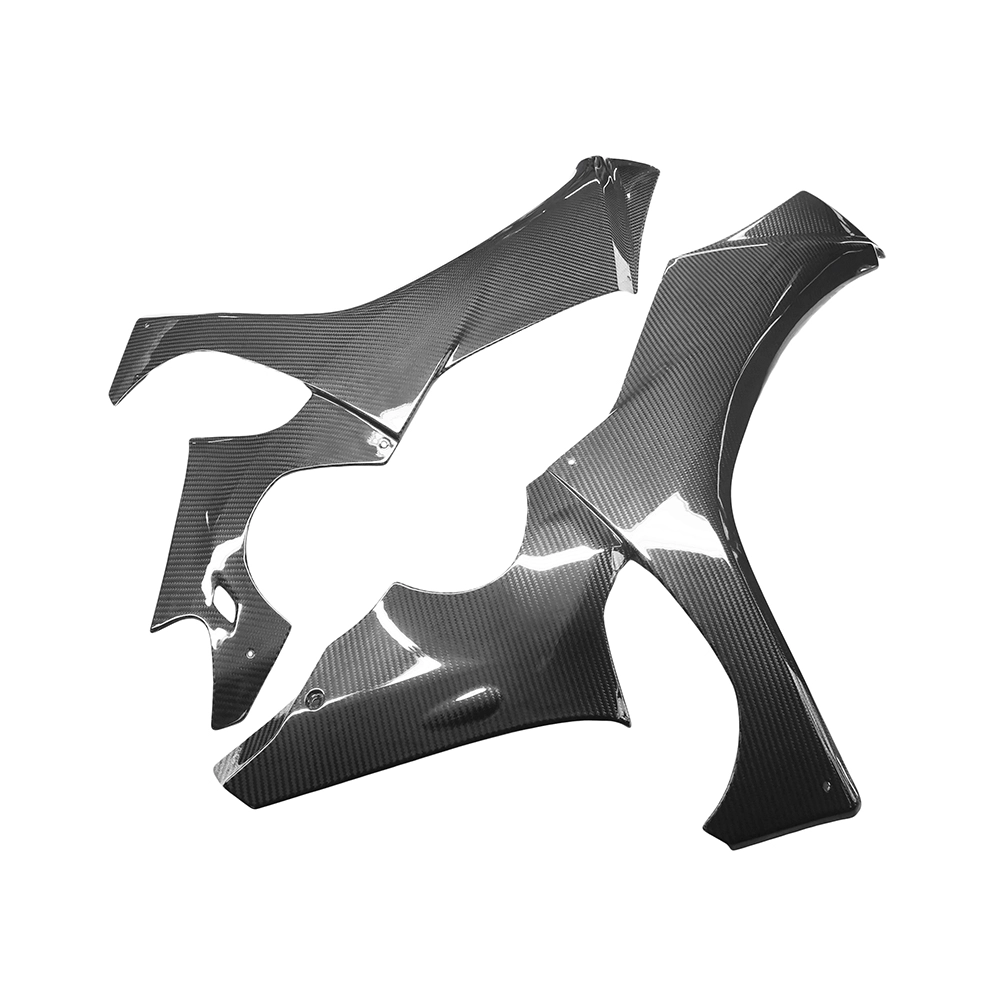
Yamaha R1 Carbon Fiber Side Fairings
Introducing the Supreem Carbon Fiber Long Side Panels for Yamaha R1. Crafted with precision and expertise, this front side fairing is designed to elevate the performance and aesthetics of your R1. Made from high-quality carbon fiber, this fairing is not only lightweight but also incredibly durable, providing optimal protection for your motorcycle.
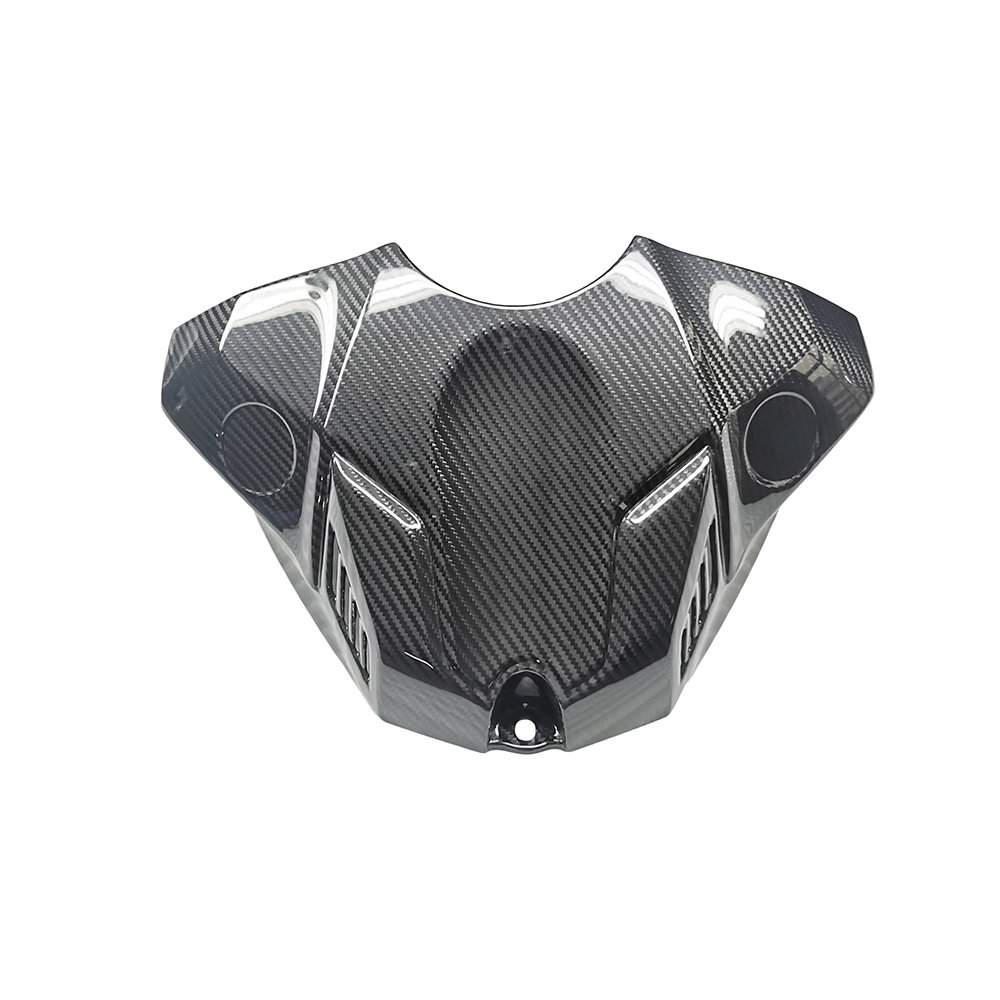
Yamaha R1 Carbon Fiber Airbox Tank Cover
The Supreem Carbon Yamaha R1 Carbon Fiber Airbox Tank Cover provides lightweight, durable protection with a sleek finish. Designed for R1 models, it enhances the style and performance of your bike. Its lightweight structure improves performance while maintaining the premium aesthetics necessary for high-end modification projects. As a dedicated manufacturer of carbon fiber parts, we provide stable production capacity, customization options, and strict quality control to support enterprise-level procurement and OEM/ODM needs.
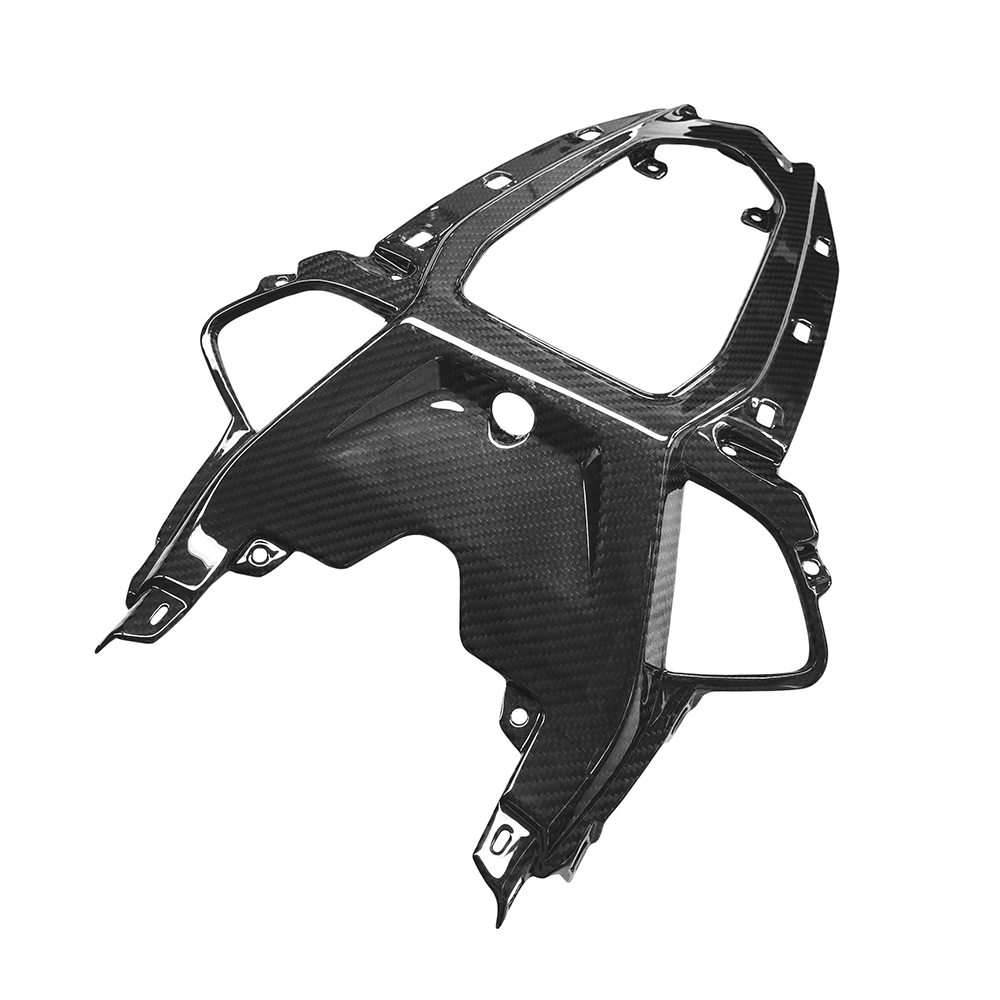
Carbon Fiber Rear Seat Panel for BMW S1000R & M1000RR – Lightweight Performance
This carbon fiber rear seat panel is engineered for the BMW S1000R and M1000RR, offering superior rigidity, reduced weight, and a premium racing finish. Produced with autoclave technology and strict QC standards, the part ensures consistent OEM-level fitment. Supreem Carbon provides wholesale supply, stable bulk production, and customized solutions for global clients.
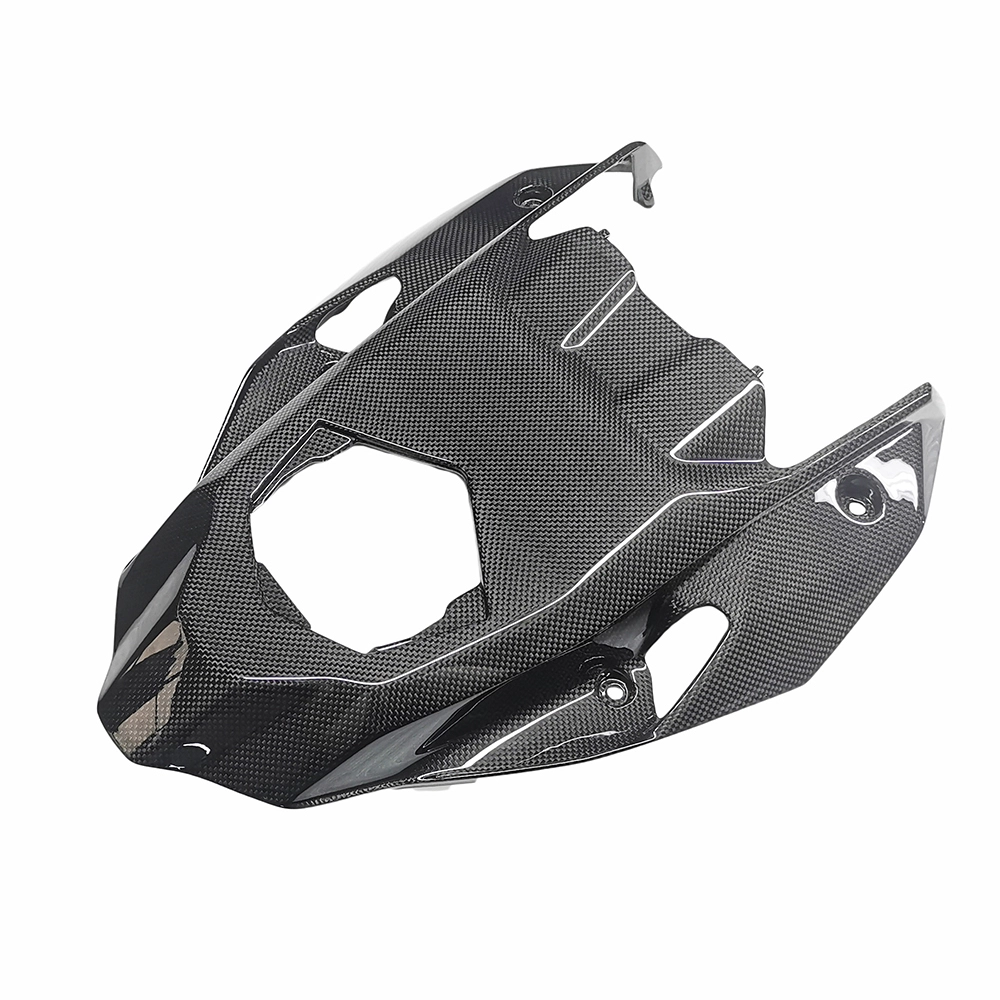
High-Performance Carbon Fiber Rear Undertail for BMW S1000R
Engineered for distributors, tuning brands, and motorcycle accessory businesses, the BMW S1000R Carbon Fiber Rear Undertail is a high-quality, durable, lightweight carbon fiber upgrade for the S1000R platform. This component is manufactured using aerospace-grade carbon fiber and precision molds to deliver superior stiffness, a seamless OEM-level fit, and a premium visual finish suitable for high-end aftermarket applications.

Supreem Carbon aiming to provide customers with high-performance carbon fiber products and quality services.
Contact Supreem Carbon
Address : Building 1 No.103, Yadi Nan 1st Road, QiaoTou Town, Dongguan City, China.
© 2024 Supreem Carbon All Rights Reserved.
Facebook
Pinterest
LinkedIn
Instagram