

Aerospace Use Cases for Custom Carbon Fiber Parts
- Aerospace Use Cases for Custom Carbon Fiber Parts
- Introduction: Why Custom Carbon Fiber Matters in Aerospace
- Core Benefits: Performance Advantages of Custom Carbon Fiber Parts
- Primary Use Case — Fuselage and Wing Structures
- Control Surfaces and High-Load Flight Components
- Engine Integration: Nacelles, Fan Cases, and Secondary Structures
- Cabin Interiors: Lightweight, Durable Custom Carbon Fiber Parts
- Unmanned Aerial Vehicles (UAVs) and Satellites
- Tooling, Jigs, and Ground Support Equipment
- Structural Repair, Retrofit, and Weight-Reduction Programs
- Material Comparison: Carbon Fiber vs. Aluminum vs. Titanium
- Design & Manufacturing Considerations for Aerospace Carbon Fiber Parts
- Testing, Certification, and Quality Assurance for Aerospace Parts
- Why Choose Supreem Carbon for Custom Aerospace Carbon Fiber Parts
- Commercial Advantages: Supreem Carbon’s Capabilities and Services
- Practical Steps to Commission Custom Aerospace Carbon Fiber Parts
- Conclusion: The Business Case for Custom Carbon Fiber Parts in Aerospace
- Frequently Asked Questions
Aerospace Use Cases for Custom Carbon Fiber Parts
Introduction: Why Custom Carbon Fiber Matters in Aerospace
Custom carbon fiber parts are reshaping aerospace design by delivering superior strength-to-weight ratios, corrosion resistance, and design flexibility. Aerospace engineers choose custom carbon fiber parts and components to reduce aircraft weight, improve fuel efficiency, and enable novel geometries—making custom carbon fiber solutions a commercial imperative for OEMs, MROs, and tier suppliers.
Core Benefits: Performance Advantages of Custom Carbon Fiber Parts
High-performance carbon fiber composites used in aerospace bring clear commercial advantages: significant weight savings compared with metals, excellent fatigue characteristics, and resistance to corrosion and chemicals. For aircraft operators these translate into lower fuel burn, longer service intervals, and reduced lifecycle costs — key selling points when procuring custom carbon fiber parts or selecting a carbon fiber manufacturer.
Primary Use Case — Fuselage and Wing Structures
Aerospace manufacturers increasingly use custom carbon fiber parts for primary structures such as fuselage panels, wing skins, and spars. Modern airliners like the Boeing 787 and Airbus A350 use a majority composite airframe by weight, demonstrating how custom carbon fiber parts can lower structural mass and increase range. For suppliers, offering precision-customized carbon fiber components for wings and fuselage is a high-value commercial opportunity.
Control Surfaces and High-Load Flight Components
Control surfaces (ailerons, elevators, rudders) and high-load flight components benefit from custom carbon fiber parts because composites maintain stiffness while minimizing inertia. Custom manufacturing techniques—tailored layups and integrated stiffeners—allow a carbon fiber manufacturer to deliver components that meet strict aeroelastic and flutter constraints while reducing actuation loads and improving responsiveness.
Engine Integration: Nacelles, Fan Cases, and Secondary Structures
Carbon fiber parts are used in nacelle inner panels, nacelle doors, and select secondary engine fairings where thermal and impact requirements are manageable. Custom carbon fiber parts for engine surroundings can reduce drag and weight. Suppliers must balance resin system selection and impact tolerance to meet commercial engine-shop and in-service requirements.
Cabin Interiors: Lightweight, Durable Custom Carbon Fiber Parts
Cabin applications—such as cabin panels, seat components, galleys, and lavatory structures—are well suited to custom carbon fiber parts. Composites offer designers freedom to integrate features and reduce assembly steps. For airlines focused on cost per seat-mile, lightweight custom carbon fiber interior parts contribute to fuel savings and improved passenger experience.
Unmanned Aerial Vehicles (UAVs) and Satellites
UAV airframes, payload mounts, and satellite structural members commonly use carbon fiber due to its stiffness-to-weight benefits and dimensional stability. Custom carbon fiber parts for aerospace R&D, prototyping, and small-run production deliver fast time-to-market and tailored performance for defense, commercial mapping, and space applications.
Tooling, Jigs, and Ground Support Equipment
Custom carbon fiber tooling and jigs offer long service life, excellent dimensional stability, and lower thermal expansion compared to metal tools. Aerospace manufacturers commissioning custom carbon fiber tooling benefit from faster throughput, repeatable tolerances, and reduced tool weight for ergonomic handling in production environments.
Structural Repair, Retrofit, and Weight-Reduction Programs
Operators use custom carbon fiber parts during structural repairs and retrofit programs to replace corroded or fatigued metallic components with lighter, corrosion-resistant alternatives. Carbon fiber manufacturers that provide certified repair patches, bonded doublers, and bespoke retrofit panels enable airlines and MROs to extend asset life and reduce maintenance downtime.
Material Comparison: Carbon Fiber vs. Aluminum vs. Titanium
When evaluating custom carbon fiber parts, decision-makers often compare materials. Below is a compact comparison highlighting why aerospace teams select carbon fiber for many modern applications.
| Property | Aluminum | Carbon Fiber Composite (CFRP) | Titanium |
|---|---|---|---|
| Density (g/cm³) | ~2.7 | ~1.5–1.7 (laminate dependent) | ~4.5 |
| Strength-to-Weight | Good | Excellent | Very good |
| Stiffness | Moderate | High (tailorable) | High |
| Corrosion Resistance | Requires protection | High | Excellent |
| Manufacturing Cost | Lower | Higher (but falling) | High |
Design & Manufacturing Considerations for Aerospace Carbon Fiber Parts
Designing custom carbon fiber parts for aerospace requires careful selection of fiber orientation, resin matrix, and manufacturing method (autoclave, out-of-autoclave, RTM, prepreg layup). Certification and repeatability are essential — aerospace customers expect NDI/NDT, scatter-controlled process windows, and material traceability. Working with a reliable carbon fiber manufacturer helps ensure parts meet FAR/JAR flammability, smoke, and toxicity requirements for cabin elements (e.g., FAR 25.853) and appropriate structural testing standards.
Testing, Certification, and Quality Assurance for Aerospace Parts
Aerospace custom carbon fiber parts go through rigorous testing: mechanical testing (tension, compression, shear), fatigue testing, environmental conditioning (humidity, temperature), and nondestructive inspection (ultrasonic, thermography). A certified supplier should provide full material certificates, process documentation, and support for part qualification to reduce program risk for OEMs and MRO customers.
Why Choose Supreem Carbon for Custom Aerospace Carbon Fiber Parts
Supreem Carbon, established in 2017, is a custom carbon fiber manufacturer that integrates R&D, design, production, and sales to deliver tailored carbon fiber parts for vehicles and specialty industries. With a 4,500 m² facility and a team of 45 skilled production and technical staff, Supreem Carbon produces over 1,000 product types and more than 500 customized parts — demonstrating the manufacturing capacity and flexibility needed for aerospace prototyping and small-to-medium series production.
Commercial Advantages: Supreem Carbon’s Capabilities and Services
As an experienced carbon fiber manufacturer, Supreem Carbon offers end-to-end services: material selection, engineering support, mold and toolmaking, precision layup, and finishing. For aerospace buyers seeking custom carbon fiber parts, Supreem Carbon’s combination of R&D experience and manufacturing throughput delivers competitive lead times and cost-effective custom solutions.
Practical Steps to Commission Custom Aerospace Carbon Fiber Parts
To procure successful custom carbon fiber parts, aerospace teams should: define performance targets (weight, stiffness, durability), specify certification needs, request sample coupons and process control data, and select a carbon fiber manufacturer with aerospace experience. Early supplier involvement — including joint design reviews and prototype iterations — reduces time-to-certification and program risk.
Conclusion: The Business Case for Custom Carbon Fiber Parts in Aerospace
Custom carbon fiber parts offer measurable commercial benefits across the aerospace value chain: reduced structural weight, improved fuel efficiency, and greater design freedom. Suppliers like Supreem Carbon that combine R&D and manufacturing capabilities can help aerospace OEMs and MROs realize these benefits with reliable, certified custom carbon fiber solutions. For companies evaluating composite replacements or looking to optimize new designs, partnering with a proven carbon fiber manufacturer accelerates development and enhances lifecycle value.
Frequently Asked Questions
What aerospace components are best suited for custom carbon fiber parts?
Fuselage panels, wing skins and spars, control surfaces, interior panels, UAV airframes, satellite structures, nacelle panels, and tooling are among the most common and high-impact aerospace applications for custom carbon fiber parts.
How much weight can I expect to save by switching to custom carbon fiber parts?
Weight savings depend on design and part function, but replacing metallic parts with optimized carbon fiber components commonly yields 20–50% reduction in part mass. Exact figures require engineering analysis and prototype testing.
Can Supreem Carbon support aerospace certification requirements?
Supreem Carbon provides R&D, material traceability, and process controls suitable for prototype and production parts. For formal certification, Supreem Carbon supports testing, documentation, and collaborative qualification processes to meet customer-defined aerospace standards.
What manufacturing methods are used for aerospace custom carbon fiber parts?
Common methods include autoclave-cured prepreg layups, out-of-autoclave prepreg processes, resin transfer molding (RTM), and hand layup with vacuum bagging for prototypes. The choice depends on part complexity, required properties, and production volume.
How do carbon fiber parts perform in harsh environments?
Properly designed carbon fiber composites resist corrosion, perform well across wide temperature ranges, and maintain dimensional stability. Resin selection and protective coatings are critical for chemical, UV, and thermal exposure management.
What are typical lead times for custom aerospace carbon fiber parts?
Lead times vary by complexity and certification needs. Prototype parts can be delivered in weeks, while certified production runs depend on tooling, testing, and qualification schedules. Early engagement with a carbon fiber manufacturer reduces lead time uncertainty.
Carbon Fiber Parts & Accessories | Supreem Carbon
Top china carbon fiber parts for motorcycles Manufacturers and Suppliers
Custom custom carbon car parts Manufacturers and suppliers
Custom custom carbon car parts Manufacturers and suppliers in China
For Customized Service
What can be customized in addition to customized carbon fiber parts?
You can customize your company logo, packaging, even the color of coating and so on.
What is the customization process of carbon fiber products?
1. Customer provide 3D drawing, design requirement or idea
2. Technician evaluate project feasibility and provide a quotation
3. Project confirmation and arrange sample production
4. Delivery and customer feedback
5. Big scale orders production
For Facotry
How many employees of Supreem carbon?
We have over 50 employees, including over 40 skilled workers, 3 R&D designers, and 5 QC professionals and so on.
For Products
How can I get some sample?
Actually we dont provide the free sample to customer, you can place a sample order if need some parts.
For Carbon Fiber Material
What are the advantages of carbon fiber?
High Strength-to-Weight Ratio
It is stronger than many traditional materials, such as steel and aluminum.This high strength-to-weight ratio allows for the creation of lightweight components that maintain structural integrity and durability.
Lightweight
One of the most significant advantages of carbon fiber is its low density, contributing to lightweight structures. This property is particularly crucial in industries where weight reduction is a priority, such as aerospace, automotive, and sports equipment.
Resistant to corrosion and chemicals
Carbon fiber is inherently resistant to corrosion, making it an ideal material for applications exposed to harsh environments or corrosive substances. This property contributes to the longevity of components and reduces maintenance requirements. Carbon fiber has good chemical resistance, making it suitable for use in environments where exposure to chemicals or harsh solvents is a concern. This resistance enhances the material's durability in various industrial settings.
Tolerant of high temperature
Carbon fiber exhibits excellent thermal stability and resistance to high temperatures. This makes it suitable for applications where components are exposed to elevated temperatures, such as in the aerospace and automotive industries.
Low thermal expansion
Carbon fiber has a low coefficient of thermal expansion, meaning it expands or contracts minimally with changes in temperature. This property contributes to dimensional stability, making carbon fiber components reliable in varying temperature conditions.
Aesthetic Appeal
Carbon fiber has a modern and high-tech appearance, contributing to its aesthetic appeal. This property is leveraged in consumer goods, automotive components, and sporting equipment where visual appeal is important.
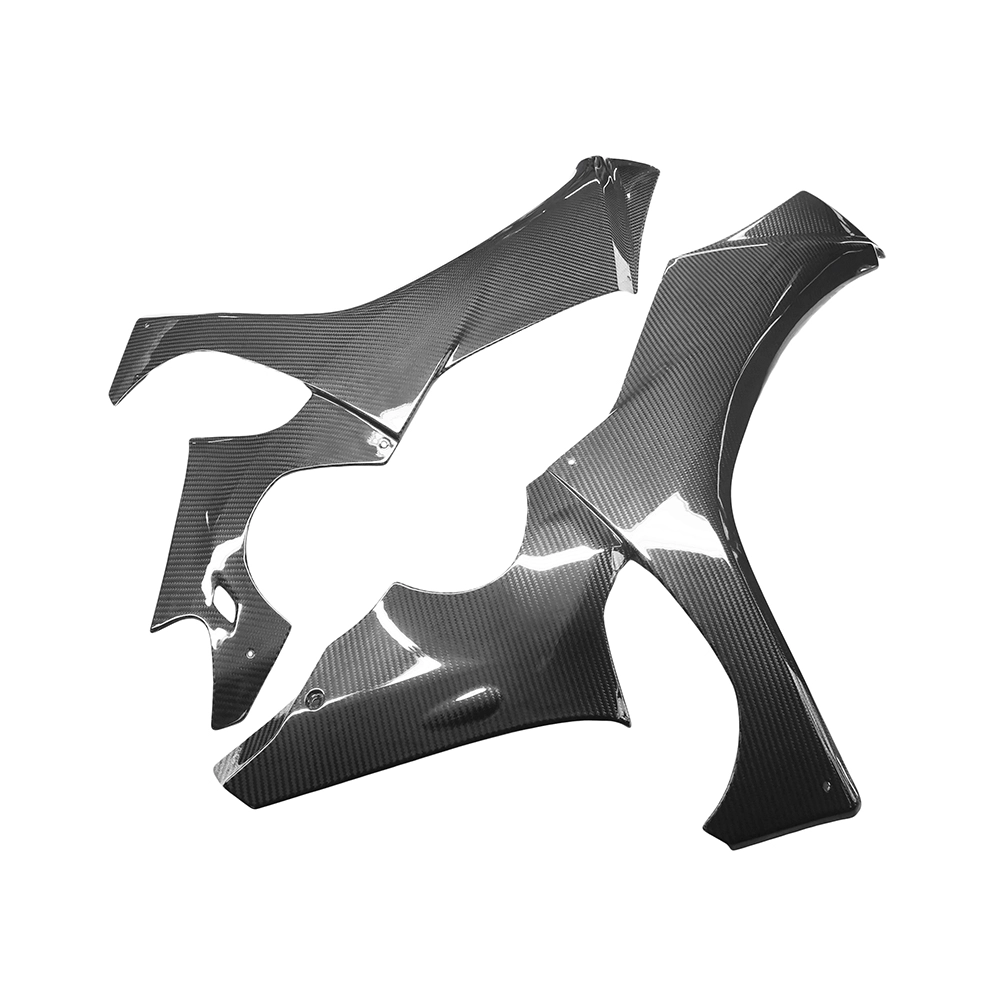
Yamaha R1 Carbon Fiber Side Fairings
Introducing the Supreem Carbon Fiber Long Side Panels for Yamaha R1. Crafted with precision and expertise, this front side fairing is designed to elevate the performance and aesthetics of your R1. Made from high-quality carbon fiber, this fairing is not only lightweight but also incredibly durable, providing optimal protection for your motorcycle.
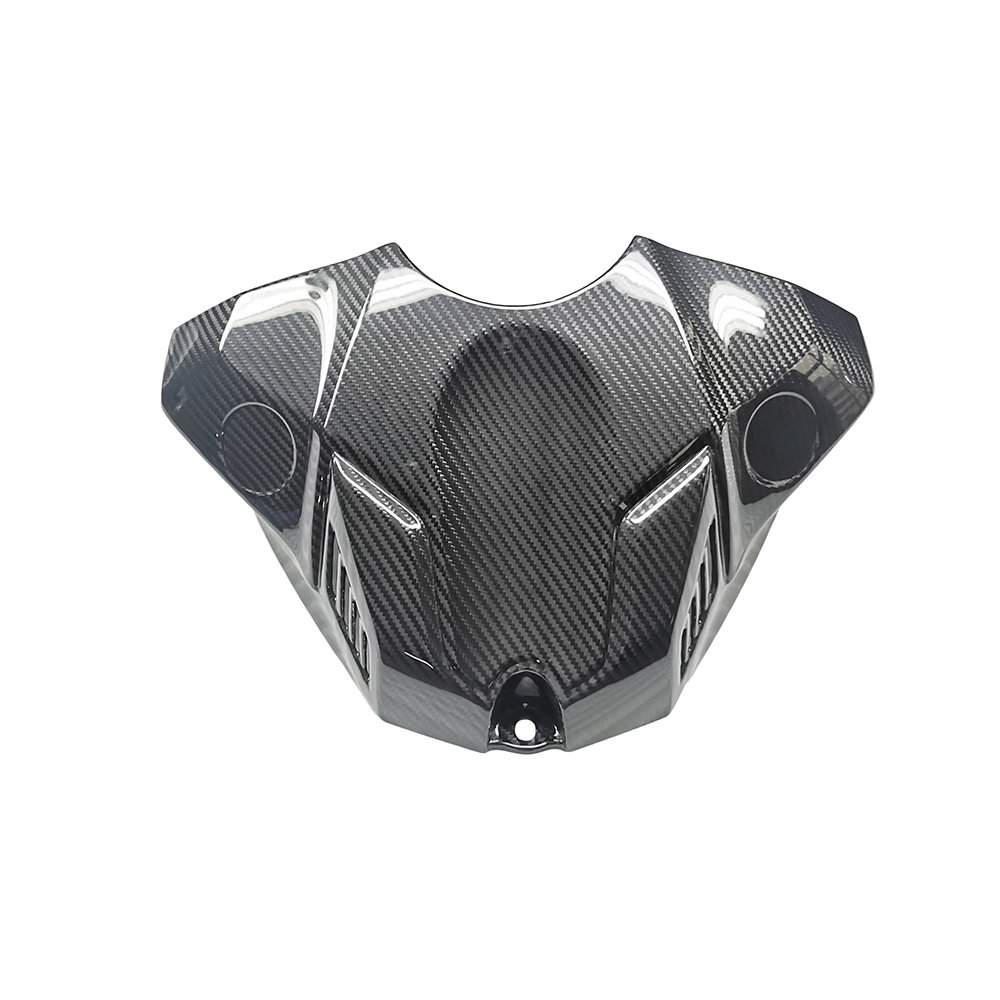
Yamaha R1 Carbon Fiber Airbox Tank Cover
The Supreem Carbon Yamaha R1 Carbon Fiber Airbox Tank Cover provides lightweight, durable protection with a sleek finish. Designed for R1 models, it enhances the style and performance of your bike. Its lightweight structure improves performance while maintaining the premium aesthetics necessary for high-end modification projects. As a dedicated manufacturer of carbon fiber parts, we provide stable production capacity, customization options, and strict quality control to support enterprise-level procurement and OEM/ODM needs.
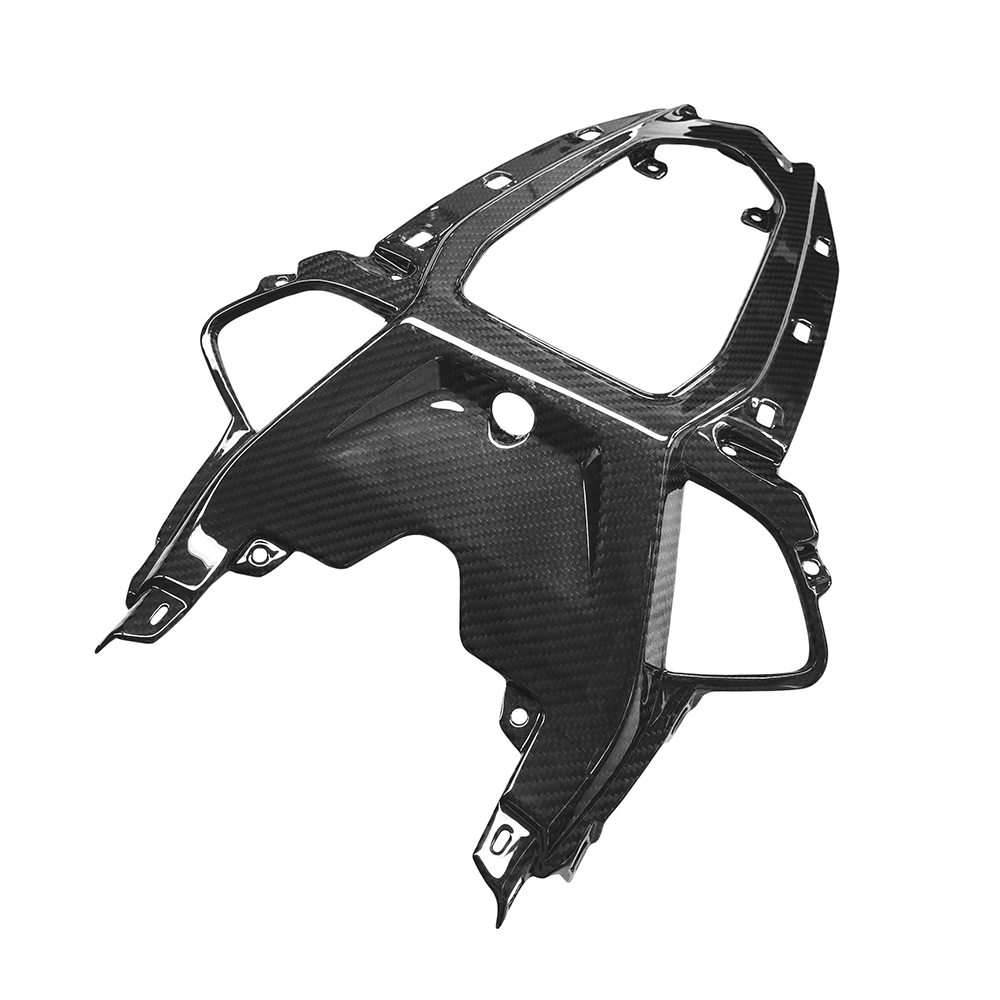
Carbon Fiber Rear Seat Panel for BMW S1000R & M1000RR – Lightweight Performance
This carbon fiber rear seat panel is engineered for the BMW S1000R and M1000RR, offering superior rigidity, reduced weight, and a premium racing finish. Produced with autoclave technology and strict QC standards, the part ensures consistent OEM-level fitment. Supreem Carbon provides wholesale supply, stable bulk production, and customized solutions for global clients.
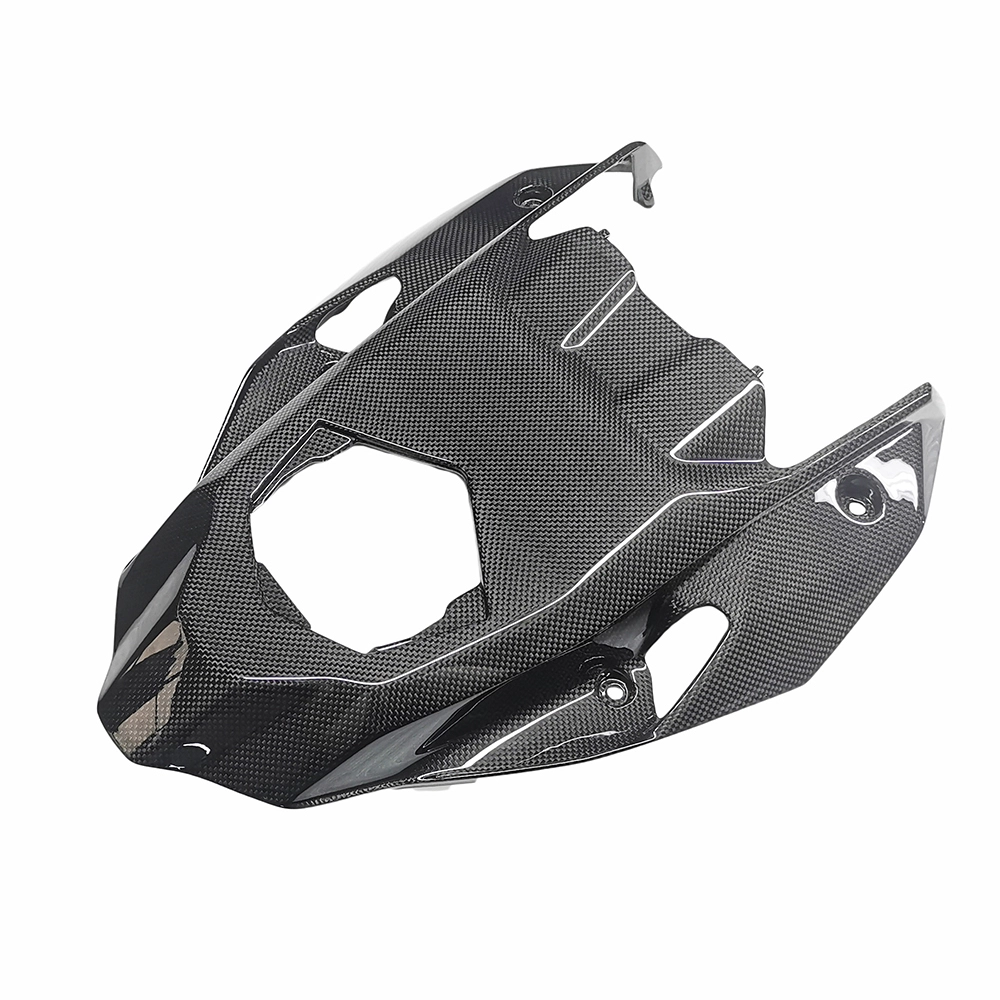
High-Performance Carbon Fiber Rear Undertail for BMW S1000R
Engineered for distributors, tuning brands, and motorcycle accessory businesses, the BMW S1000R Carbon Fiber Rear Undertail is a high-quality, durable, lightweight carbon fiber upgrade for the S1000R platform. This component is manufactured using aerospace-grade carbon fiber and precision molds to deliver superior stiffness, a seamless OEM-level fit, and a premium visual finish suitable for high-end aftermarket applications.

Supreem Carbon aiming to provide customers with high-performance carbon fiber products and quality services.
Contact Supreem Carbon
Address : Building 1 No.103, Yadi Nan 1st Road, QiaoTou Town, Dongguan City, China.
© 2024 Supreem Carbon All Rights Reserved.
Facebook
Pinterest
LinkedIn
Instagram