

Aerospace vs Automotive Carbon Fiber Pricing Differences
- Why carbon fiber commands a High Quality: core cost drivers
- Introduction — why is carbon fiber so expensive and what readers want to know
- Key manufacturing and material drivers of carbon fiber cost (: carbon fiber parts pricing)
- Raw materials and precursor chemistry
- Processing complexity and certification (: buy carbon fiber parts)
- Autoclaves, curing schedules, and quality control
- Design & tooling: impact on per-part economics (: customized carbon fiber parts)
- Tooling, molds and first-article costs
- Volume & economies of scale: why automotive can be cheaper per part (: carbon fiber automobile parts)
- High-volume manufacturing reduces unit cost but introduces constraints
- Comparison table: aerospace vs automotive vs aftermarket/aftermarket-motorsport (useful quick reference)
- Why certification and traceability inflate aerospace prices (: carbon fiber parts pricing)
- Approved materials, documentation and lifecycle support
- Labor and skill intensity: human capital cost differences (: buy carbon fiber parts)
- Highly skilled technicians and engineering labor
- Supply chain and market dynamics affecting price (: customized carbon fiber parts)
- Capacity, precursor availability and geopolitical factors
- How new technologies and process innovations reduce costs (: carbon fiber motorcycle parts)
- Thermoplastics, fast cure resins, automation and recycling
- Practical guidance for buyers and engineers (: buy carbon fiber parts, compare suppliers)
- How to reduce cost without sacrificing required performance
- Supreem Carbon: capabilities, product range and why to consider them (: customized carbon fiber parts, carbon fiber motorcycle parts, carbon fiber automobile parts)
- Company profile and production strengths
- Why choose Supreem Carbon for carbon fiber motorcycle parts and automobile parts
- Case examples: what changes price most in a quote (: carbon fiber parts pricing)
- Typical quote drivers
- Final recommendations for procurement teams and engineers (: buy carbon fiber parts)
- Checklist to get the best price-performance
- Frequently Asked Questions (FAQ)
- 1. Why is carbon fiber so expensive compared to steel or aluminum?
- 2. Is aerospace carbon fiber always more expensive than automotive carbon fiber?
- 3. Can I get cheaper carbon fiber parts if I order in bulk?
- 4. What manufacturing methods are cheaper for automotive parts?
- 5. Are recycled carbon fiber parts a cost-effective alternative?
- 6. How can I get an accurate quote for my carbon fiber part?
- Contact & product check CTA
- References and further reading (sources accessed)
Why carbon fiber commands a High Quality: core cost drivers
Introduction — why is carbon fiber so expensive and what readers want to know
Searchers asking why is carbon fiber so expensive are usually trying to decide whether composite parts make sense for a project, to justify price quotes, or to select suppliers for carbon fiber parts pricing. This article explains the technical and commercial reasons behind high costs, compares aerospace and automotive pricing drivers, and gives practical guidance for buyers and engineers—plus an industry supplier profile for customized carbon fiber parts.
Key manufacturing and material drivers of carbon fiber cost (: carbon fiber parts pricing)
Raw materials and precursor chemistry
Carbon fiber production begins with a precursor (typically PAN—polyacrylonitrile—or, less commonly, pitch). The precursor accounts for a large share of the final cost because it must meet tight chemical and physical specifications; high-quality PAN precursors are produced in controlled processes and are more expensive than many commodity polymers. Energy costs (oxidation and carbonization at high temperatures) and yield losses during conversion further raise the per-kilogram price. These material-process links are fundamental to answers to why is carbon fiber so expensive. (Sources: Toray, Hexcel, Wikipedia.)
Processing complexity and certification (: buy carbon fiber parts)
Autoclaves, curing schedules, and quality control
Aerospace-grade parts typically require autoclave curing, tight cure cycles, and non-destructive inspection (NDT) such as ultrasonic testing or X-ray. Each step adds equipment cost, cycle time and labor. Automotive components intended for crash or structural duty may use different resin systems and production methods (press cures, thermoforming, or high-pressure resin transfer molding) optimized for volume and speed but often still require expensive tooling. The need for traceability and certification (especially in aerospace) increases indirect costs—engineering hours, documentation, and enduring QA systems.
Design & tooling: impact on per-part economics (: customized carbon fiber parts)
Tooling, molds and first-article costs
Tooling for carbon composite parts is typically more expensive than for stamped metal or injected plastic parts. Aerospace parts often use expensive, tightly-toleranced composite molds with low allowable variation, produced in metal or high-grade tooling composites; automotive production tries to amortize tooling costs over higher volumes, but initial investment remains substantial. For buyers of customized carbon fiber parts, design iterations and small-batch runs multiply per-unit cost.
Volume & economies of scale: why automotive can be cheaper per part (: carbon fiber automobile parts)
High-volume manufacturing reduces unit cost but introduces constraints
Automotive adoption of carbon fiber is increasing, but widespread use in high-volume passenger cars remains limited primarily because of cost. When automotive OEMs design parts for very high volumes, unit costs fall due to amortized tooling, continuous process improvements, and automated layup or thermoplastic approaches. However, the reduced cycle time and lower-cost resin systems often used in automotive can compromise some of the specific mechanical properties and certification levels demanded by aerospace.
Comparison table: aerospace vs automotive vs aftermarket/aftermarket-motorsport (useful quick reference)
| Factor | Aerospace (characteristics) | Automotive (characteristics) | Aftermarket / Motorsport |
|---|---|---|---|
| Typical production volume | Low to moderate (small batches) | High for OEMs; moderate for High Quality models | Low-volume bespoke |
| Material specification | High-grade aerospace-qualified fibers and resins | Range from high-grade to cost-optimized systems | Often high-performance, sometimes aesthetic-focused |
| Manufacturing methods | Autoclave cured, out-of-autoclave with strict QA | Thermoforming, RTM, high-pressure molding for volume | Hand layup, autoclave, or RTM depending on performance |
| Certification & QA | Extensive, regulated (FAA/EASA), full traceability | Automotive standards; crash & durability testing | Variable—racing has strict inspection; street parts vary |
| Indicative cost drivers | High: precursors, process energy, QA, traceability | Moderate-high: tooling amortization, cycle time, materials | Moderate: craftsmanship, small-batch tooling, finishes |
| Relative unit cost (qualitative) | Highest | Medium (can be lower with high volumes) | Similar to aerospace for bespoke parts; lower for cosmetic items |
Note: the table provides qualitative comparisons; actual prices vary by part complexity, specification and supplier. See references for industry background.
Why certification and traceability inflate aerospace prices (: carbon fiber parts pricing)
Approved materials, documentation and lifecycle support
Aerospace parts require approved material lots, supplier qualification, and lifetime traceability back to the precursor batch. Every lot may require testing (mechanical, thermal, fatigue), and documentation must be retained for years. This administrative and testing burden is a recurring cost for suppliers and is reflected in higher prices for aerospace carbon fiber parts compared to automotive equivalents.
Labor and skill intensity: human capital cost differences (: buy carbon fiber parts)
Highly skilled technicians and engineering labor
Hand layup, repair, and close-tolerance finishing require skilled technicians. Aerospace tolerances and the need to certify processes put a High Quality on experienced engineers and quality staff. Even with automation, process development and validation introduce significant engineering hours, adding to per-part cost.
Supply chain and market dynamics affecting price (: customized carbon fiber parts)
Capacity, precursor availability and geopolitical factors
Global carbon fiber capacity is concentrated among a few large producers; supply bottlenecks in precursors or capacity changes (new plant start-ups) move prices. Geopolitical factors and raw-material logistics can create short-term spikes. Automotive OEMs have been working with suppliers to secure capacity and drive costs down—strategies that gradually narrow the price gap with aerospace, but structural differences remain.
How new technologies and process innovations reduce costs (: carbon fiber motorcycle parts)
Thermoplastics, fast cure resins, automation and recycling
Breakthroughs like high-speed thermoplastic processing, out-of-autoclave resins, automated fiber placement (AFP), and improved precursor economics are lowering costs. Recycling and reclaimed carbon fiber streams (mechanical or chemical recycling) are emerging as ways to reduce material expense for non-critical applications. These trends answer the question why is carbon fiber so expensive by showing where costs can be improved.
Practical guidance for buyers and engineers (: buy carbon fiber parts, compare suppliers)
How to reduce cost without sacrificing required performance
- Specify only the mechanical properties you actually need—over-specification drives cost.
- Consider hybrid solutions: metal-composite hybrids or local reinforcements where full CFRP is unnecessary.
- Design for manufacturability—simpler geometries, fewer joints and standardized tooling lower price.
- Discuss preferred production methods with suppliers (RTM, thermoforming, AFP) early to optimize price-performance tradeoffs.
- Negotiate volume commitments and longer lead-times to secure lower prices.
Supreem Carbon: capabilities, product range and why to consider them (: customized carbon fiber parts, carbon fiber motorcycle parts, carbon fiber automobile parts)
Company profile and production strengths
Supreem Carbon, established in 2017, is a customized manufacturer of carbon fiber parts for automobiles and motorcycles, integrating R&D, design, production, and sales to deliver high-quality products and services. We specialize in the technology research and development of carbon fiber composite products and the production of related items. Our main offerings include the customization and modification of carbon fiber accessories for vehicles, as well as the manufacturing of carbon fiber luggage and sports equipment.
Our factory spans approximately 4,500 square meters and employs 45 skilled production and technical staff, achieving an annual output value of around 4 million dollars. Currently, we offer over 1,000 types of products, including more than 500 customized carbon fiber parts. Our website: https://www.supreemcarbon.com/
Why choose Supreem Carbon for carbon fiber motorcycle parts and automobile parts
Supreem Carbon positions itself as a competitive partner for OEMs, tuners and aftermarket distributors by combining:
- Focused R&D and fast prototyping that reduce design-to-production time for customized carbon fiber parts
- Broad product catalog (carbon fiber motorcycle parts, carbon fiber automobile parts) enabling faster selection and reduced NRE for common items
- In-house production with experienced staff and controlled quality systems to balance performance and cost
For customers asking why is carbon fiber so expensive in the context of purchasing, Supreem Carbon offers options to optimize material selection, finish (full-twill, plain-weave, matte, glossy), and manufacturing method to balance price and function.
Case examples: what changes price most in a quote (: carbon fiber parts pricing)
Typical quote drivers
When suppliers prepare quotes, the largest cost drivers are usually:
- Material specification (type of fiber, tow size, resin system)
- Certification and testing requirements
- Production volume and lead time
- Tooling complexity and number of unique tools
- Finishing and cosmetic requirements (paint, clearcoat, vacuum bagging)
Addressing any of these areas through design choices or committing to volumes typically yields the largest reductions in per-part costs.
Final recommendations for procurement teams and engineers (: buy carbon fiber parts)
Checklist to get the best price-performance
- Early supplier involvement—RFPs should include expected volumes and acceptable alternate processes.
- Define mechanical targets, not manufacturing methods—let suppliers propose cost-effective routes.
- Compare lifetime cost and repairability, not just initial part price for applications like aerospace and automotive.
- Investigate hybrid and mixed-material designs for better cost/performance balance.
Frequently Asked Questions (FAQ)
1. Why is carbon fiber so expensive compared to steel or aluminum?
Carbon fiber production requires specialized precursors, high-temperature conversion, energy-intensive processing, and often autoclave or high-precision curing. The manufacturing chain, lower production volumes and quality control requirements make it more expensive per kilogram than common metals.
2. Is aerospace carbon fiber always more expensive than automotive carbon fiber?
Generally yes—because aerospace fibers and parts must meet stricter specifications and certification. However, certain high-performance automotive parts (motorsport or bespoke aftermarket items) can have comparable costs due to low volumes and high finishing standards.
3. Can I get cheaper carbon fiber parts if I order in bulk?
Yes. Economies of scale (tooling amortization, continuous production, negotiated raw-material lots) reduce per-unit cost. Discuss long-term purchasing or higher-volume forecasts with suppliers to secure better pricing.
4. What manufacturing methods are cheaper for automotive parts?
For automotive applications, methods like resin transfer molding (RTM), compression molding with thermoplastics, and automated tape placement can be cheaper at scale than hand layup and autoclave curing used in aerospace.
5. Are recycled carbon fiber parts a cost-effective alternative?
Recycled carbon fiber can lower material costs for non-critical applications like luggage, cosmetic parts, or certain structural interiors. Mechanical recycling or reclaimed fiber blends can reduce price while delivering decent performance; however, recycled fiber often has reduced stiffness/strength versus virgin aerospace-grade fiber.
6. How can I get an accurate quote for my carbon fiber part?
Provide the supplier with target mechanical properties, estimated volumes, surface finish expectations, and acceptable manufacturing methods. Include information about certification needs and expected lead times. Early conversations about design for manufacturability (DFM) help produce accurate and competitive quotes.
Contact & product check CTA
If you are evaluating carbon fiber parts for automotive or motorcycle projects and want supplier quotes or technical guidance, contact Supreem Carbon via https://www.supreemcarbon.com/. Our team can review designs, recommend cost-optimized manufacturing processes, and provide quotations for customized carbon fiber parts, including carbon fiber motorcycle parts and carbon fiber automobile parts.
References and further reading (sources accessed)
- Carbon fibre — Wikipedia. Accessed 2025-12-10. https://en.wikipedia.org/wiki/Carbon_fibre
- Toray Industries — Carbon Fiber product information. Accessed 2025-12-10. https://www.toray.com/products/carbon_fiber/
- Hexcel Corporation — Carbon fiber and composite materials. Accessed 2025-12-10. https://www.hexcel.com/
- Oak Ridge National Laboratory — ORNL developments in carbon fiber processing (overview articles). Accessed 2025-12-10. https://www.ornl.gov/
- CompositesWorld — industry analysis and articles on carbon fiber pricing and manufacturing trends. Accessed 2025-12-10. https://www.compositesworld.com/
Carbon Fiber Suppliers in China | Supreem Carbon
Custom carbon fiber hoods Manufacturers and suppliers
Tips for Wholesale carbon fiber fabricators
Best professional carbon fiber custom build car doors manufacturers and supplier brands
For Carbon Fiber Material
What are the advantages of carbon fiber?
High Strength-to-Weight Ratio
It is stronger than many traditional materials, such as steel and aluminum.This high strength-to-weight ratio allows for the creation of lightweight components that maintain structural integrity and durability.
Lightweight
One of the most significant advantages of carbon fiber is its low density, contributing to lightweight structures. This property is particularly crucial in industries where weight reduction is a priority, such as aerospace, automotive, and sports equipment.
Resistant to corrosion and chemicals
Carbon fiber is inherently resistant to corrosion, making it an ideal material for applications exposed to harsh environments or corrosive substances. This property contributes to the longevity of components and reduces maintenance requirements. Carbon fiber has good chemical resistance, making it suitable for use in environments where exposure to chemicals or harsh solvents is a concern. This resistance enhances the material's durability in various industrial settings.
Tolerant of high temperature
Carbon fiber exhibits excellent thermal stability and resistance to high temperatures. This makes it suitable for applications where components are exposed to elevated temperatures, such as in the aerospace and automotive industries.
Low thermal expansion
Carbon fiber has a low coefficient of thermal expansion, meaning it expands or contracts minimally with changes in temperature. This property contributes to dimensional stability, making carbon fiber components reliable in varying temperature conditions.
Aesthetic Appeal
Carbon fiber has a modern and high-tech appearance, contributing to its aesthetic appeal. This property is leveraged in consumer goods, automotive components, and sporting equipment where visual appeal is important.
For Order Delivery
How to choose the mode of transportation?
We use official shipment like Fedex,UPS,DHL and so on. Also customer can arrange delivery by themselves.
For Products
Are you parts have UV protected?
Absolutely! We use multiple layers of premium quality automotive clear (or matt) coats on our products, which ensure that they will remain super pretty for years to come.
Which surface could you provide for the carbon parts?
Gloss finish, matte finish, satin finish. Some color coating as the customer needs.
For Facotry
Can I visit your company?
Of course, we are in QiaoTou Town, Dongguan City, Guangdong Province, China.
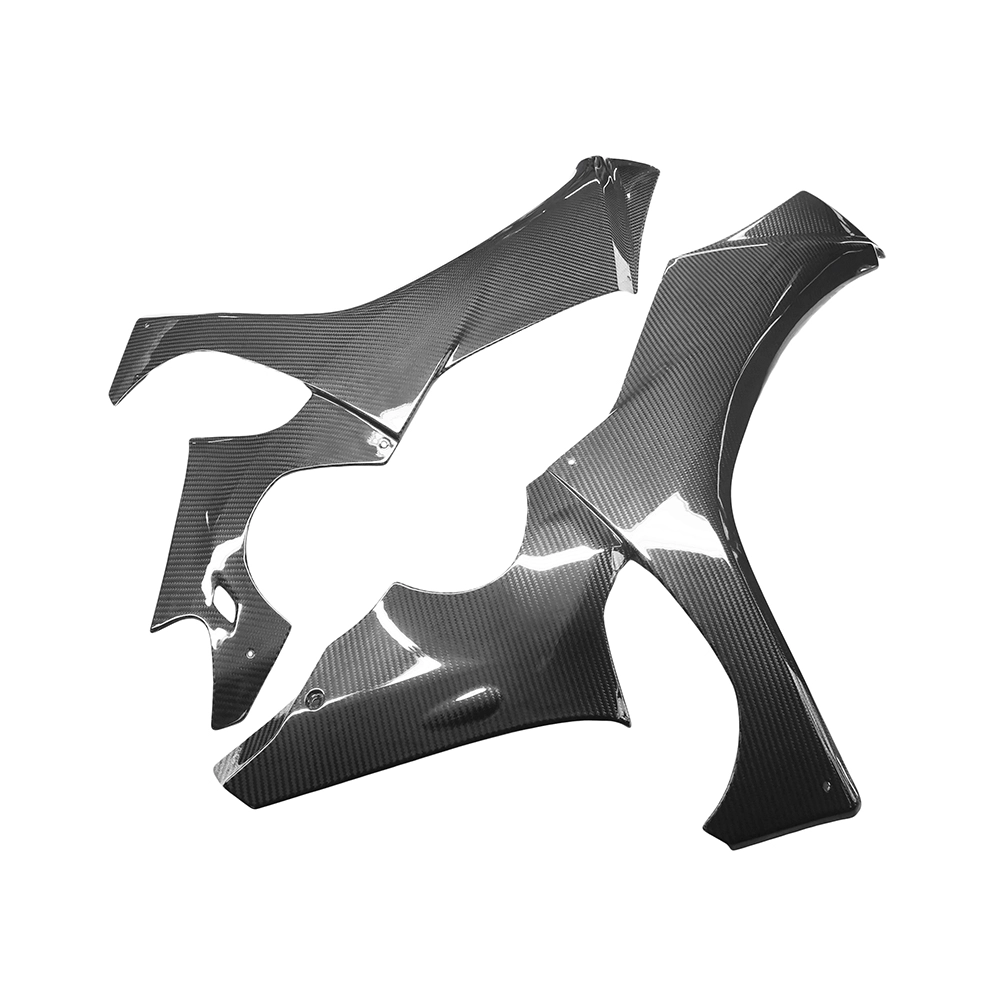
Yamaha R1 Carbon Fiber Side Fairings
Introducing the Supreem Carbon Fiber Long Side Panels for Yamaha R1. Crafted with precision and expertise, this front side fairing is designed to elevate the performance and aesthetics of your R1. Made from high-quality carbon fiber, this fairing is not only lightweight but also incredibly durable, providing optimal protection for your motorcycle.
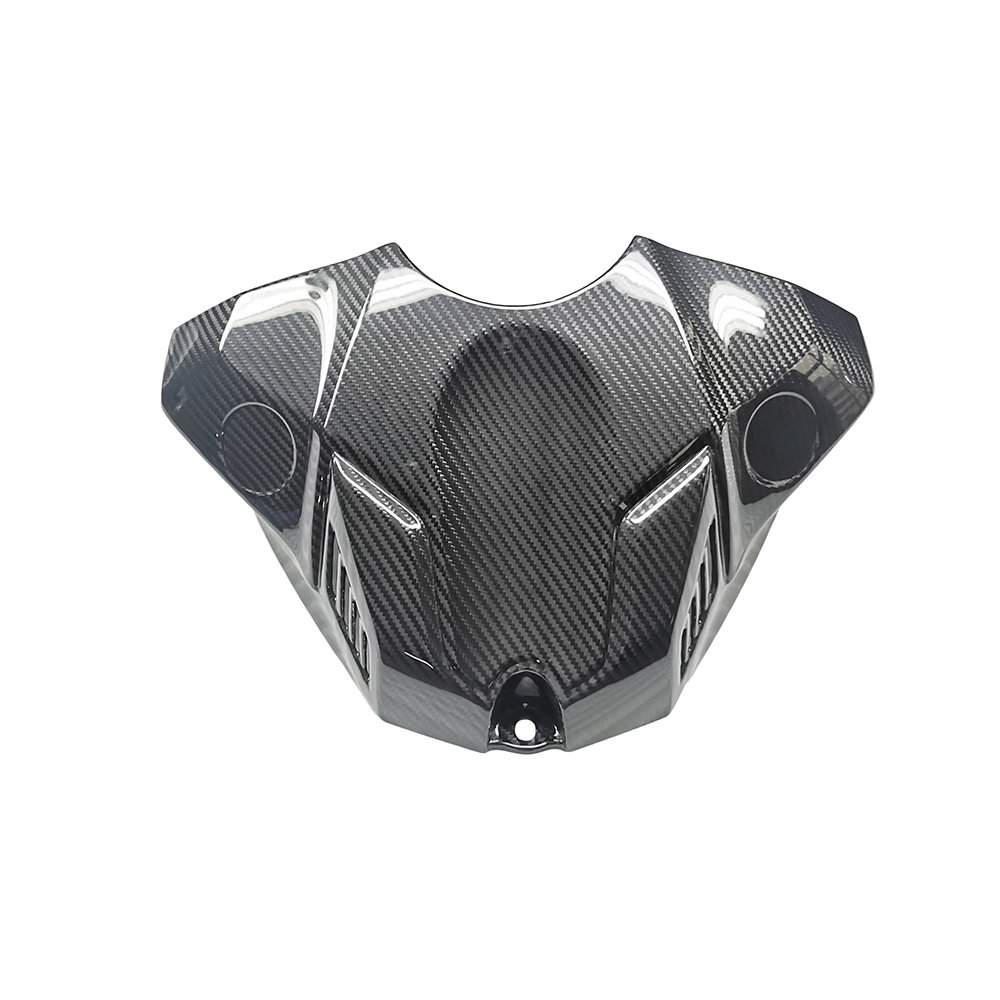
Yamaha R1 Carbon Fiber Airbox Tank Cover
The Supreem Carbon Yamaha R1 Carbon Fiber Airbox Tank Cover provides lightweight, durable protection with a sleek finish. Designed for R1 models, it enhances the style and performance of your bike. Its lightweight structure improves performance while maintaining the premium aesthetics necessary for high-end modification projects. As a dedicated manufacturer of carbon fiber parts, we provide stable production capacity, customization options, and strict quality control to support enterprise-level procurement and OEM/ODM needs.
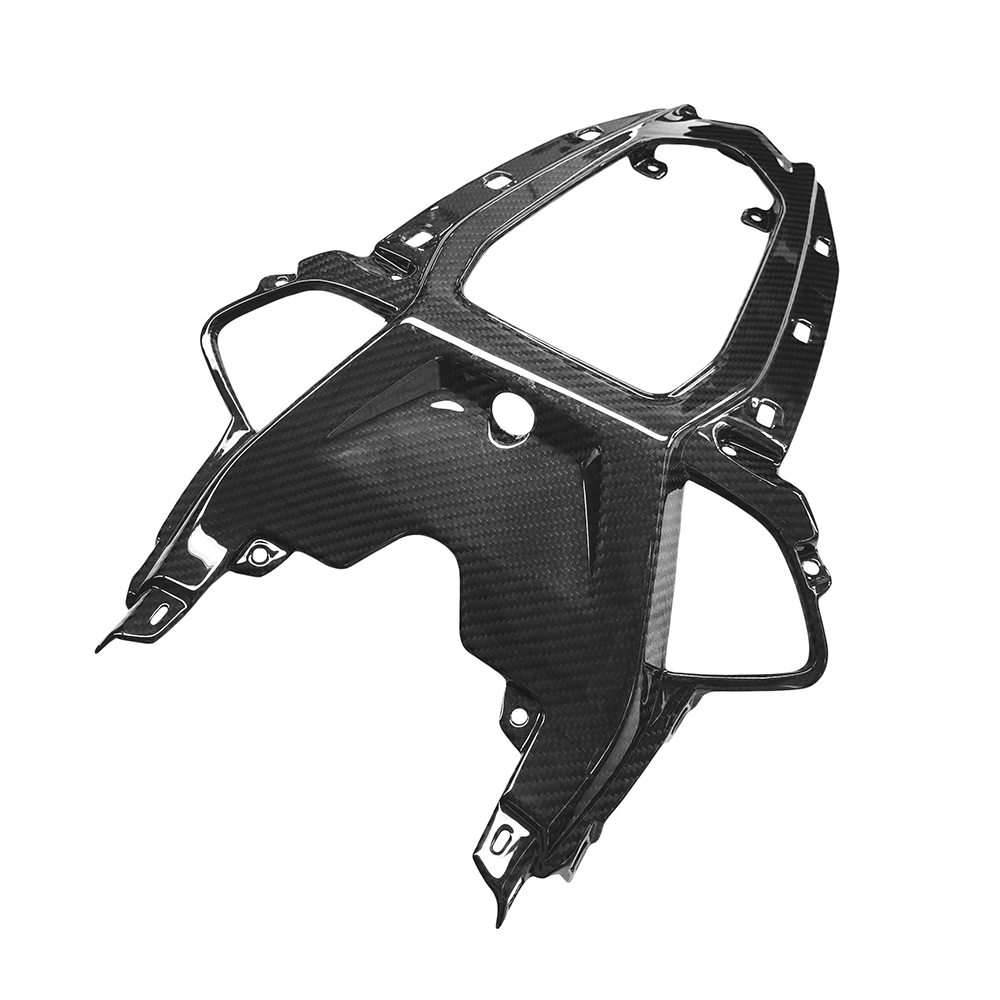
Carbon Fiber Rear Seat Panel for BMW S1000R & M1000RR – Lightweight Performance
This carbon fiber rear seat panel is engineered for the BMW S1000R and M1000RR, offering superior rigidity, reduced weight, and a premium racing finish. Produced with autoclave technology and strict QC standards, the part ensures consistent OEM-level fitment. Supreem Carbon provides wholesale supply, stable bulk production, and customized solutions for global clients.
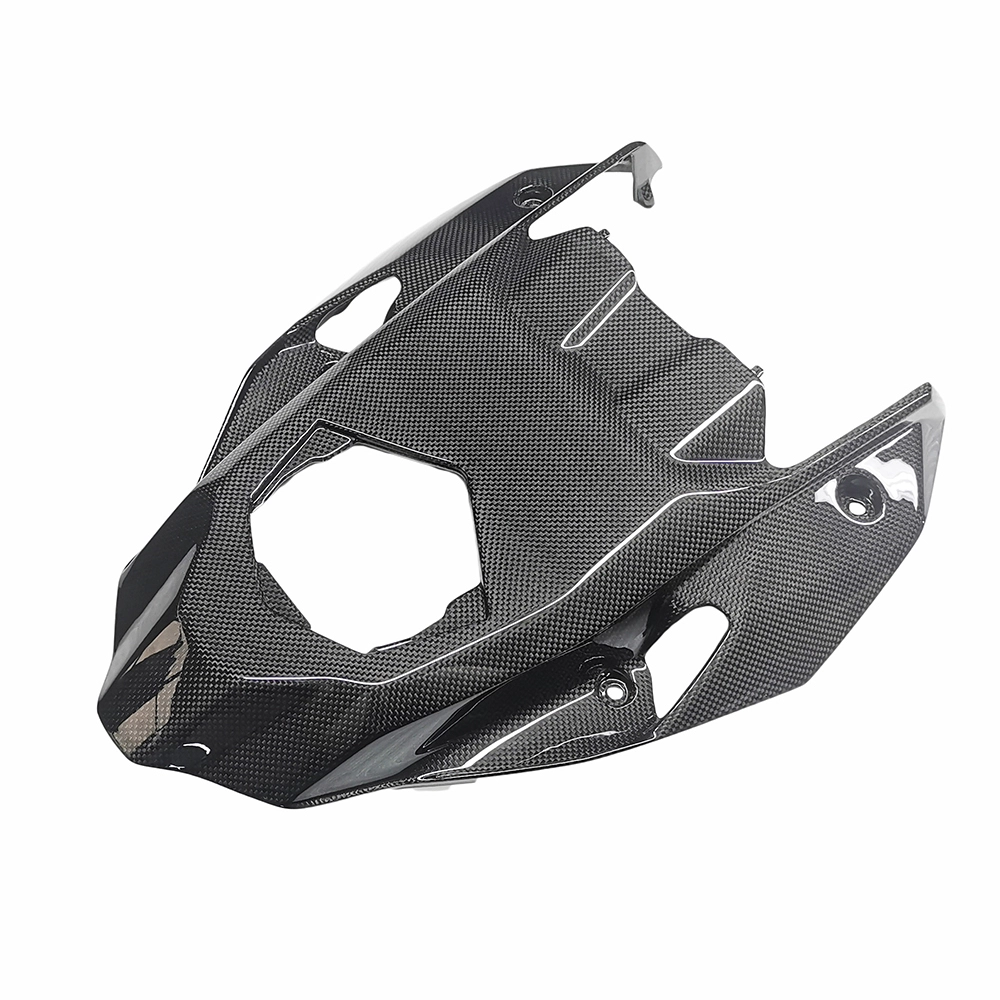
High-Performance Carbon Fiber Rear Undertail for BMW S1000R
Engineered for distributors, tuning brands, and motorcycle accessory businesses, the BMW S1000R Carbon Fiber Rear Undertail is a high-quality, durable, lightweight carbon fiber upgrade for the S1000R platform. This component is manufactured using aerospace-grade carbon fiber and precision molds to deliver superior stiffness, a seamless OEM-level fit, and a premium visual finish suitable for high-end aftermarket applications.

Supreem Carbon aiming to provide customers with high-performance carbon fiber products and quality services.
Contact Supreem Carbon
Address : Building 1 No.103, Yadi Nan 1st Road, QiaoTou Town, Dongguan City, China.
© 2024 Supreem Carbon All Rights Reserved.
Facebook
Pinterest
LinkedIn
Instagram