

Why is carbon fiber so expensive for parts and components?
- Understanding the High Cost of Carbon Fiber Parts: Key Factors Explained
- 1. What Are the Primary Factors Contributing to the High Cost of Carbon Fiber Parts?
- 2. How Does the Manufacturing Process Affect the Cost of Carbon Fiber Parts?
- 3. Are There Economies of Scale in Carbon Fiber Production?
- 4. How Do Raw Material Costs Impact the Price of Carbon Fiber Parts?
- 5. What Are the Potential Benefits That Justify the High Cost of Carbon Fiber Parts?
- 6. Are There Any Innovations Aiming to Reduce the Cost of Carbon Fiber Parts?
- 7. How Does the Demand for Carbon Fiber in Various Industries Affect Its Price?
- 8. What Are the Environmental Considerations Associated with Carbon Fiber Production?
- Conclusion: The Value Proposition of Carbon Fiber Parts
- About Supreem Carbon
Understanding the High Cost of Carbon Fiber Parts: Key Factors Explained
Carbon fiber is renowned for its exceptional strength-to-weight ratio, making it a preferred material in industries such as aerospace, automotive, and sports equipment. However, the high cost of carbon fiber parts often raises questions among consumers and manufacturers alike. In this article, we delve into the primary factors contributing to the expense of carbon fiber components and provide insights to assist industry professionals in making informed procurement decisions.
1. What Are the Primary Factors Contributing to the High Cost of Carbon Fiber Parts?
The elevated cost of carbon fiber parts can be attributed to several key factors:
Raw Material Expenses: The production of carbon fiber begins with the acquisition of precursor materials, predominantly polyacrylonitrile (PAN), which constitutes about 90% of carbon fiber production. The remaining 10% comes from rayon or petroleum pitch. These materials are costly and require specialized processing.
Energy-Intensive Manufacturing Process: The conversion of PAN into carbon fiber involves multiple stages, including spinning, oxidation, carbonization, and surface treatment. Each of these steps demands significant energy, contributing to the overall production cost. For instance, producing one ton of carbon fiber consumes approximately 30,000 kilowatt-hours of electricity.
Labor and Expertise: Manufacturing carbon fiber components often requires skilled labor and meticulous craftsmanship. The complexity of the processes and the need for precision result in higher labor costs compared to traditional manufacturing methods.
2. How Does the Manufacturing Process Affect the Cost of Carbon Fiber Parts?
The manufacturing process significantly influences the cost of carbon fiber parts:
Complexity and Time Consumption: The production of carbon fiber involves intricate steps that are time-consuming and require precise control over various parameters. This complexity leads to longer production times and increased costs.
Specialized Equipment: The need for specialized equipment, such as autoclaves for curing and storage facilities for prepregs, adds to the capital investment required for carbon fiber manufacturing.
3. Are There Economies of Scale in Carbon Fiber Production?
Unlike metals like steel and aluminum, which benefit from large-scale production and established supply chains, carbon fiber production is still relatively niche. This limited scale means manufacturers cannot achieve the same economies of scale, resulting in higher per-unit costs. However, as demand increases and production techniques improve, there is potential for cost reductions over time.
4. How Do Raw Material Costs Impact the Price of Carbon Fiber Parts?
Raw materials play a crucial role in determining the cost of carbon fiber parts:
Precursor Material Costs: The primary precursor, PAN, is expensive and requires a complex manufacturing process. The cost of these raw materials directly affects the final price of carbon fiber components.
Material Yield and Waste: The production process often results in material waste, which can further increase costs. Efficient manufacturing techniques are essential to minimize waste and improve cost-effectiveness.
5. What Are the Potential Benefits That Justify the High Cost of Carbon Fiber Parts?
Despite the high initial cost, carbon fiber parts offer several advantages that can justify the investment:
Enhanced Performance: The lightweight nature of carbon fiber components can lead to improved performance, such as increased fuel efficiency in vehicles and enhanced speed in sports equipment.
Durability and Longevity: Carbon fiber parts are known for their strength and resistance to corrosion, leading to longer product lifespans and reduced maintenance costs over time.
Design Flexibility: The versatility of carbon fiber allows for innovative designs that may not be achievable with traditional materials, offering unique aesthetic and functional benefits.
6. Are There Any Innovations Aiming to Reduce the Cost of Carbon Fiber Parts?
Yes, several advancements are underway to make carbon fiber more accessible:
Alternative Precursor Materials: Research into using lignin-based precursors aims to reduce production costs by up to five times, potentially making carbon fiber more affordable across various industries.
Improved Manufacturing Techniques: Innovations such as continuous fiber 3D printing and automated fiber placement are being explored to streamline production processes, reduce waste, and lower costs.
7. How Does the Demand for Carbon Fiber in Various Industries Affect Its Price?
The growing demand for carbon fiber across multiple sectors, including aerospace, automotive, and renewable energy, influences its price:
Increased Competition: Higher demand can lead to increased competition for raw materials and manufacturing capacity, potentially driving up costs.
Supply Chain Constraints: Limited production capacity and specialized manufacturing requirements can result in longer lead times and higher prices for carbon fiber components.
8. What Are the Environmental Considerations Associated with Carbon Fiber Production?
Environmental factors are an important consideration in carbon fiber production:
Energy Consumption: The manufacturing process is energy-intensive, contributing to a significant carbon footprint.
Recycling Challenges: Recycling carbon fiber components is complex due to the thermosetting resins used, leading to challenges in waste management and environmental impact.
Conclusion: The Value Proposition of Carbon Fiber Parts
While carbon fiber parts come with a higher price tag, their unique properties—such as exceptional strength-to-weight ratio, durability, and design flexibility—offer significant value across various applications. Understanding the factors that contribute to their cost can assist industry professionals in making informed decisions that align with both performance requirements and budget considerations.
About Supreem Carbon
Supreem Carbon specializes in the design and manufacturing of high-quality carbon fiber components. With a commitment to innovation and precision, Supreem Carbon delivers products that meet the highest industry standards, ensuring optimal performance and durability for our clients.
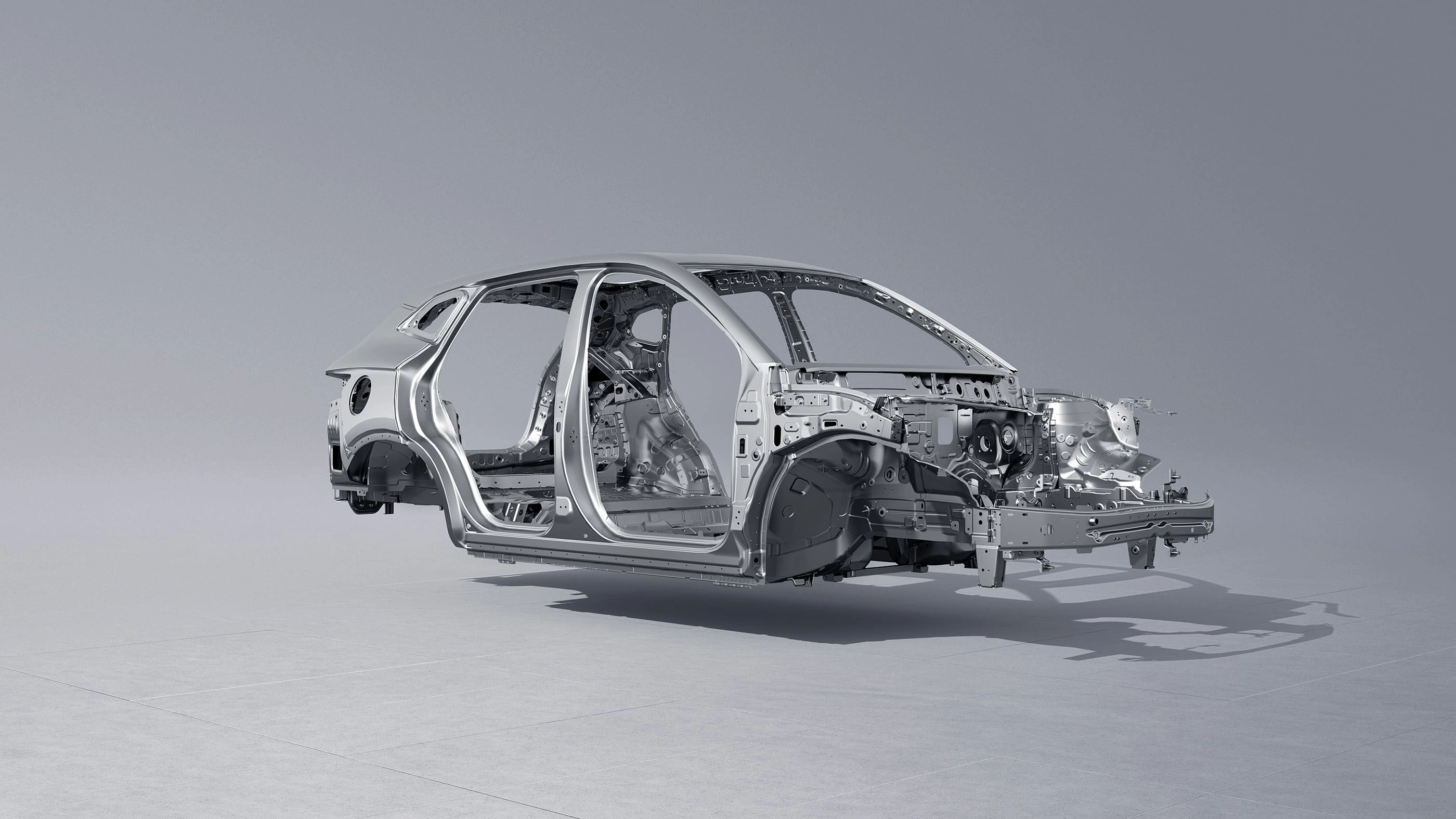
How to Make Carbon Fiber Car Parts?
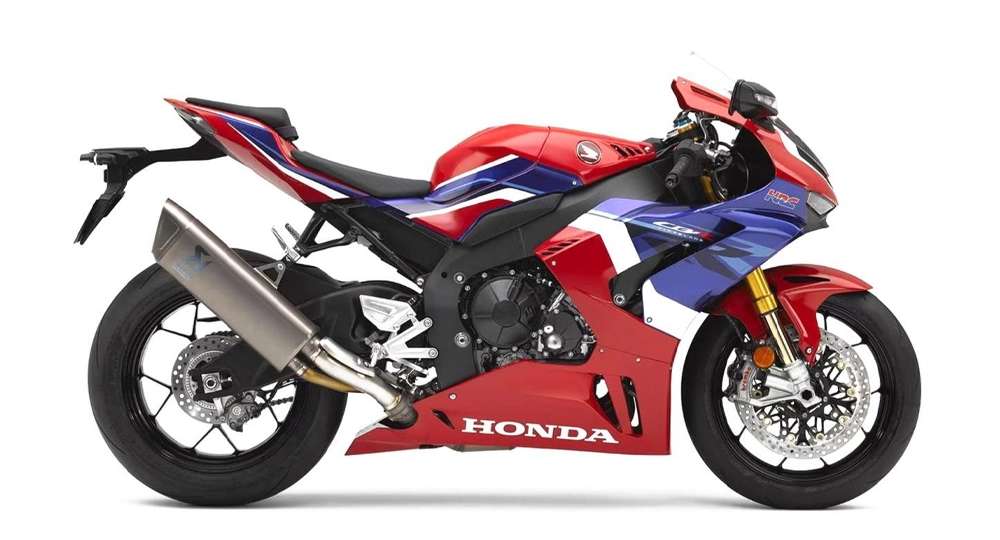
New arrivals of Honda CBR1000RR-R!
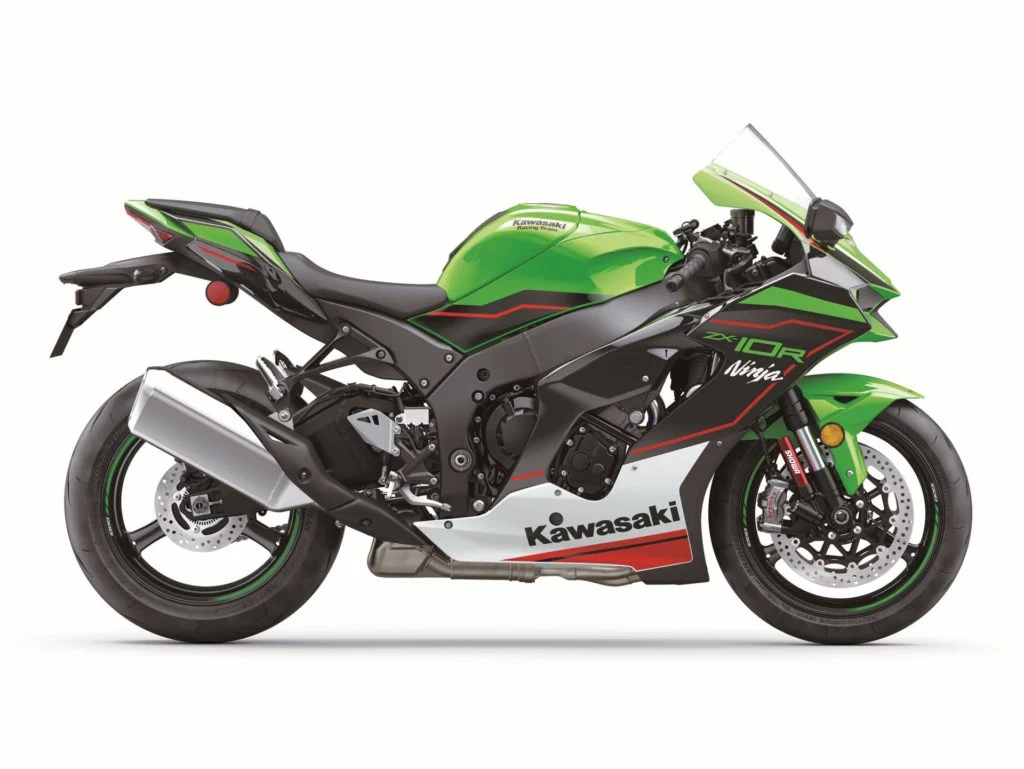
Upgrade Your Ride: Custom Motorcycle Carbon Fiber Parts by Supreem Carbon
Chinese Carbon Fiber Manufacturer Brands: Supreem Carbon in the Spotlight
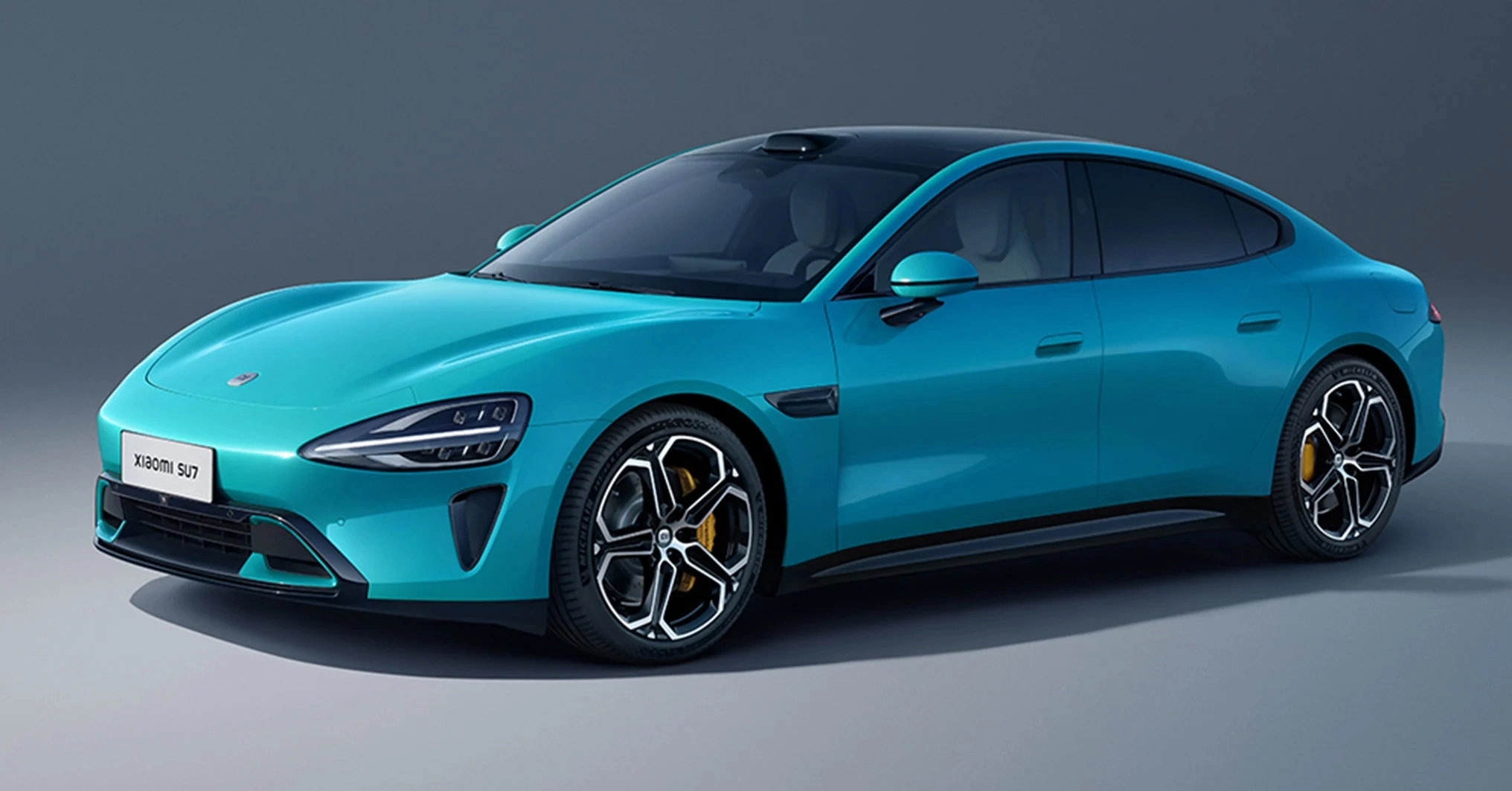
Custom Xiaomi SU7 Carbon Fiber Parts – Supreem Carbon

The Ultimate Guide to Carbon Fiber in Aerospace Applications
For Customized Service
What is the customization process of carbon fiber products?
1. Customer provide 3D drawing, design requirement or idea
2. Technician evaluate project feasibility and provide a quotation
3. Project confirmation and arrange sample production
4. Delivery and customer feedback
5. Big scale orders production
For Order Delivery
What is the shipping time for the different ways?
Express delivery 5-7 days.
20-25 days by sea.
15 days by air.
For After-sales Service
Do you offer a warranty?
Six month standard warranty on all products. Damage due to installation error or natural elements will not be covered.
How can I cancel the order?
We may only cancel your order if it has not been fulfilled yet. We would be more than happy to assist you with any adjustments if you'd wish instead!
For Facotry
How many monthly production capacity of the factory?
The average monthly production capacity reach 3000 pieces. With the equipment upgrade, it will be increased over 4000 pieces per month.
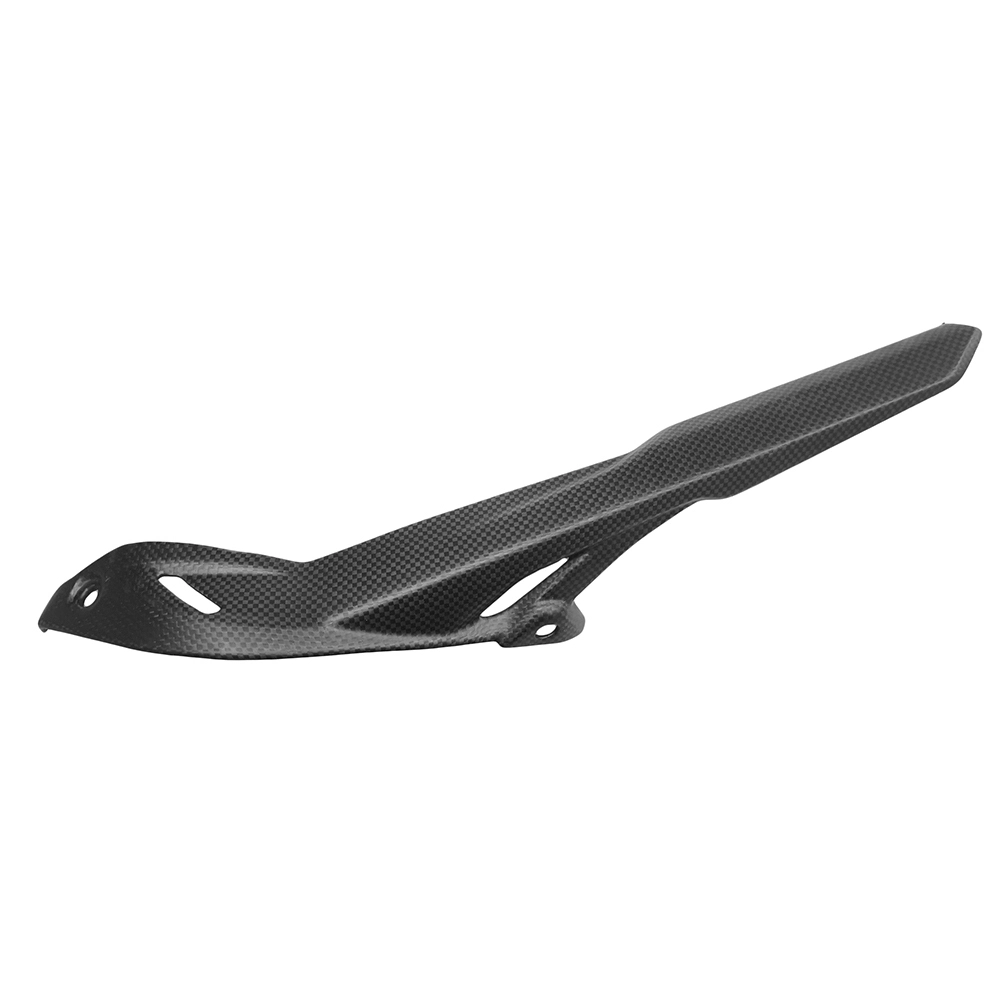
Ducati Monster 937 Carbon Fiber Chain Guard
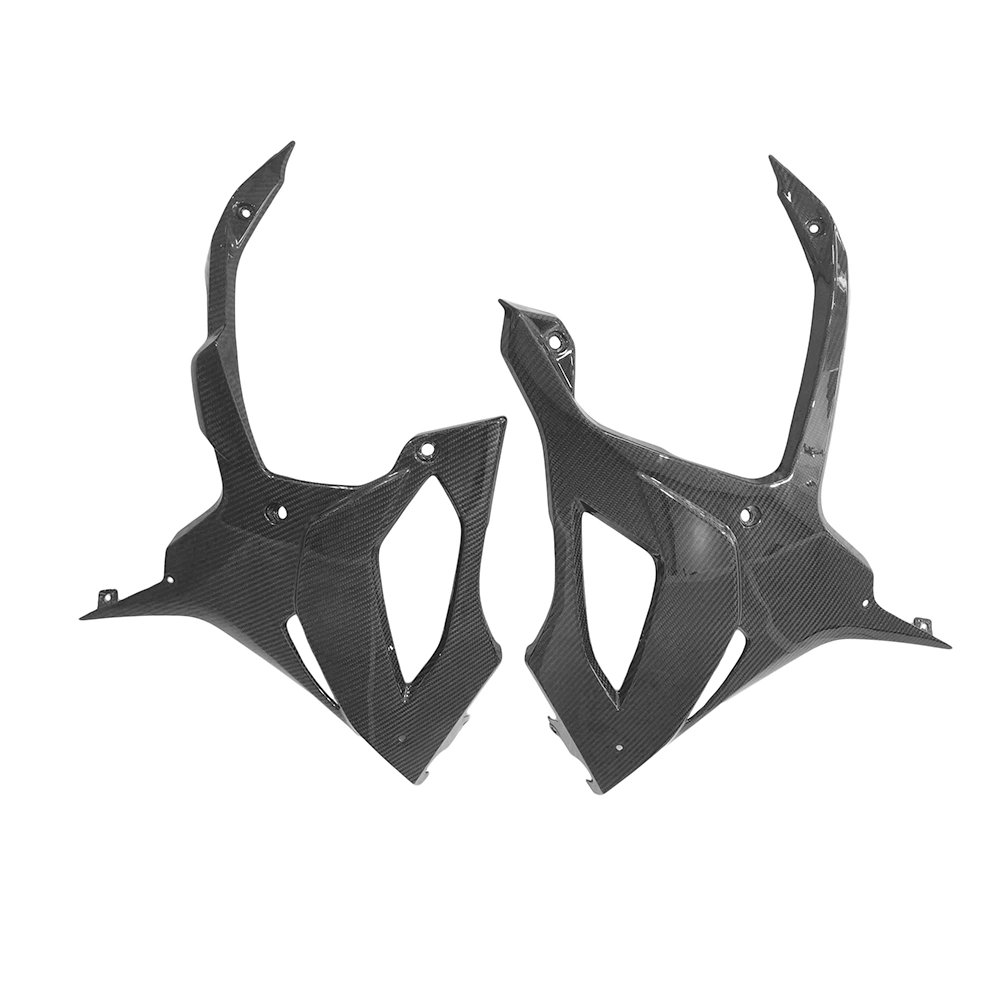
BMW S1000RR Carbon Fiber Lower Side Fairings Custom
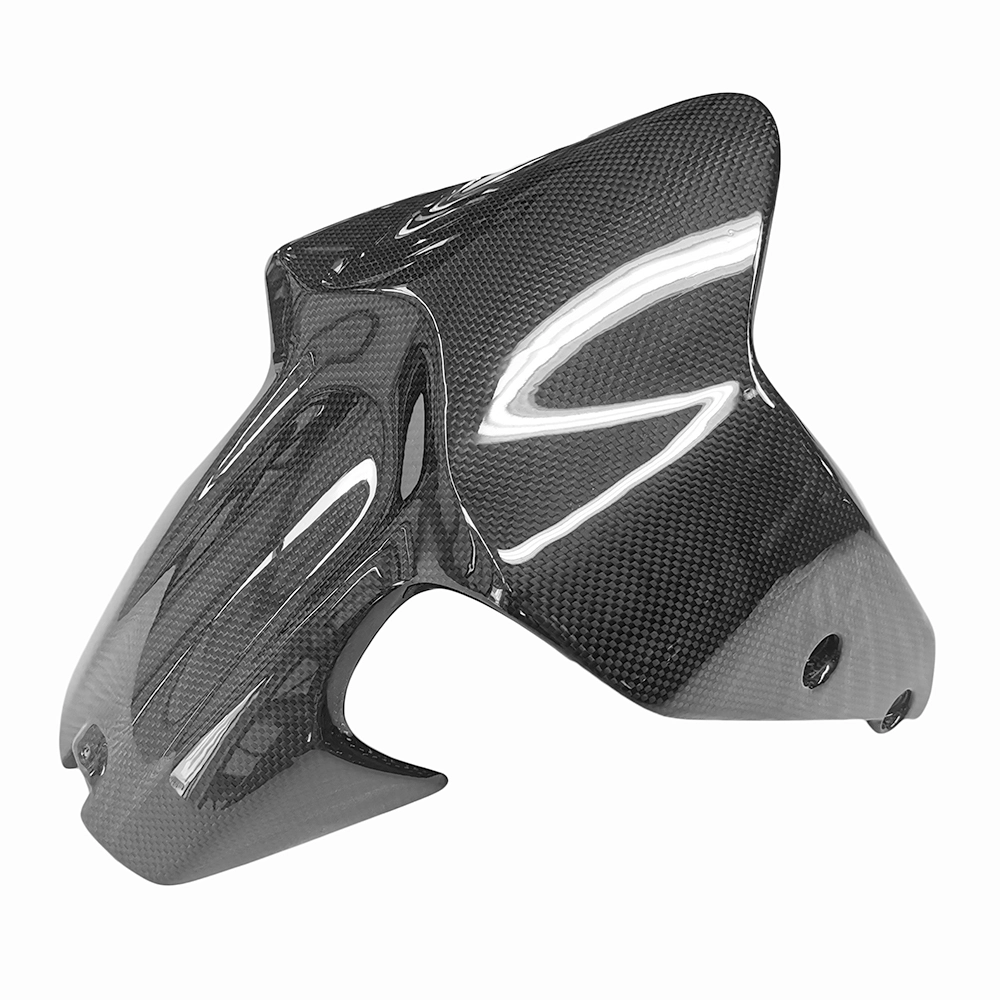
Ducati Monster 821 797 1200 937 Carbon Fiber Front Fender
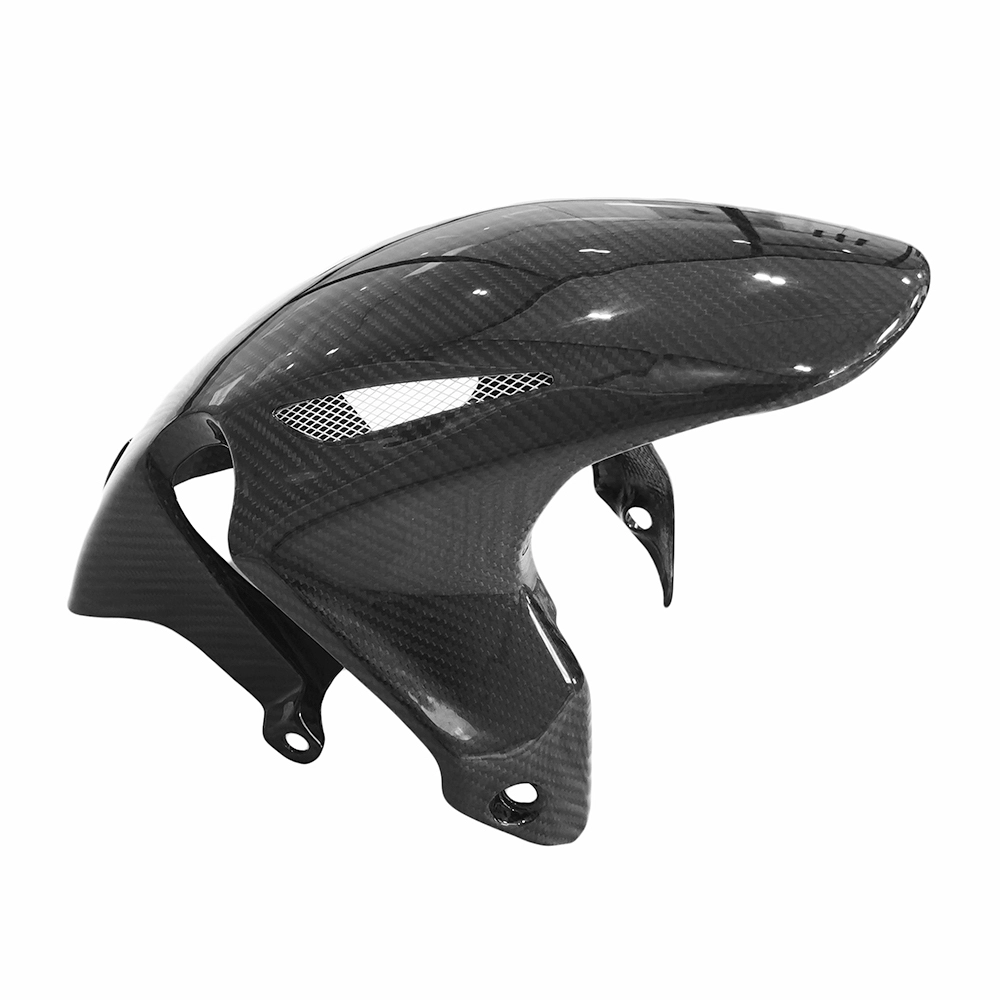
Honda CBR1000RR-R Carbon Fiber Front Fender
Let’s Bring Your Carbon Fiber Ideas to Life
Have a question or inquiry about our carbon fiber composite products? Leave us a message here, and our team will get back to you promptly.
Whether you're interested in custom orders, technical specifications, or partnership opportunities, we're here to assist you.
Please fill out the fields above with your name, email address, and message.

Supreem Carbon aiming to provide customers with high-performance carbon fiber products and quality services.
Contact Supreem Carbon
Address : Building 1 No.103, Yadi Nan 1st Road, QiaoTou Town, Dongguan City, China.
© 2024 Supreem Carbon All Rights Reserved.
Facebook
Pinterest
LinkedIn
Instagram