


Carbon Fiber Market Trends and Future Price Predictions
- Understanding cost drivers in advanced composites
- Why is carbon fiber so expensive: core reasons
- Cost components that make carbon fiber costly
- Current price picture and comparisons
- Typical market price ranges: carbon fiber raw material and parts
- Market trends shaping prices
- Demand growth across industries
- Supply-side constraints and consolidation
- Technology drivers that could reduce cost
- Short-term and long-term price predictions
- Short-term (1-3 years)
- Medium to long-term (3-10 years)
- Quantitative forecast scenarios
- How this affects purchasing decisions
- Choosing between prepreg, dry fabrics and recycled feedstock
- Where manufacturers can save money without sacrificing performance
- Design for manufacturability and hybrid materials
- Supreem Carbon: capabilities and how we help manage cost
- Why partner with Supreem Carbon for carbon fiber motorcycle parts and automobile parts
- Practical procurement checklist
- Questions to ask suppliers to control cost
- FAQ
- 1. Why is carbon fiber more expensive than aluminum or steel?
- 2. Will carbon fiber prices fall significantly in the next five years?
- 3. How much does carbon fiber cost for motorcycle or automotive aftermarket parts?
- 4. Are recycled carbon fibers reliable for structural components?
- 5. How can I reduce the cost of a carbon fiber part without losing its appearance or performance?
- 6. How do energy prices impact carbon fiber costs?
- Contact and next steps
- References
Understanding cost drivers in advanced composites
Why is carbon fiber so expensive: core reasons
When readers ask 'why is carbon fiber so expensive', they usually mean the high per-kilogram price and the elevated cost of finished parts compared with metals and plastics. The answer is multi-faceted: material inputs, energy- and capital-intensive manufacturing, skilled labor and low-volume production for many applications. Below is a clear breakdown of the major drivers.
Cost components that make carbon fiber costly
From precursor to finished component, costs compound at each stage. Typical cost categories and approximate contribution to final raw fiber cost are:
| Cost Component | Estimated Share of Raw Fiber Cost | Notes |
|---|---|---|
| Precursor (PAN or alternative) | 30-50% | PAN is the dominant precursor and is itself expensive; research into lignin and other precursors aims to lower this cost. |
| Processing energy and ovens | 20-30% | Stabilization and carbonization require long, high-temperature processes and energy-hungry equipment. |
| Labor and overhead | 10-20% | Skilled technicians for tow-spreading, impregnation, and finishing. |
| Tooling, autoclave & equipment amortization | 10-20% | High-capex tools and autoclaves increase per-part cost when volumes are low. |
| Quality control, waste & yield loss | 5-10% | Scrap, rejects, and processes to ensure consistent fiber properties raise costs. |
Sources for proportions include industry technical analyses and composites trade media that aggregate manufacturer disclosures and research studies (see References).
Current price picture and comparisons
Typical market price ranges: carbon fiber raw material and parts
Prices vary by fiber grade, precursor, form (tow, fabric, prepreg) and end-use. The following table summarizes typical ranges observed in industry reports and supplier pricing:
| Product / Grade | Typical Price Range (USD per kg) | Common Applications |
|---|---|---|
| Standard modulus PAN-based carbon fiber (commodity) | 15 - 40 | Automotive components, sporting goods |
| Aerospace-grade carbon fiber | 25 - 80 | Aviation primary structures, high-end composites |
| High-modulus or specialty fibers | 40 - 200+ | Space, defense, specialized tooling |
| Prepreg systems (resin-impregnated fabrics) | 50 - 400 (equivalent/kg) | Aerospace, motorsport, precision parts |
| Finished small carbon fiber parts (low volume) | 100s - 1000s per part | Custom motorcycle fairings, bespoke automobile trim |
Note: final part prices depend strongly on labor, finishing, painting, and certification. A simple carbon fiber motorcycle fender may cost a few hundred dollars, while an aerospace panel can represent thousands to tens of thousands of dollars.
Market trends shaping prices
Demand growth across industries
Carbon fiber demand has expanded beyond aerospace into automotive, wind energy, sporting goods and consumer electronics. Leading market research firms have forecasted sustained growth: several reports indicate a mid-to-high single-digit to low double-digit CAGR for the global carbon fiber market over the 2020s. Key demand drivers include:
- Aerospace fleet growth and lightweighting requirements.
- Electric vehicles seeking weight reduction to extend range.
- Wind turbine blades for larger offshore installations.
- Consumer High Quality products and motorsport adoption.
Supply-side constraints and consolidation
Carbon fiber production is concentrated: a handful of major producers (Toray, Mitsubishi Rayon, Hexcel, SGL, Teijin, etc.) dominate global capacity. Expanding capacity requires large capital investments and long lead times, meaning supply often lags surges in demand. This supply-demand imbalance contributes to price High Qualitys, especially for aerospace-grade material with strict qualification regimes.
Technology drivers that could reduce cost
Several technological and manufacturing trends may lower prices over time:
- Precursor innovation: lignin- and pitch-based precursors offer potential to reduce the largest single cost input.
- Process automation: automated fiber placement (AFP) and automated tape laying (ATL) reduce labor cost for high-volume parts.
- Continuous carbonizing lines and better yield control reduce energy per kg.
- Recycling and reclaimed carbon fiber markets can provide lower-cost feedstock for non-critical applications.
Short-term and long-term price predictions
Short-term (1-3 years)
Given current capacity additions and ongoing demand from EV and wind markets, expect modest price stability or slight increases for qualified aerospace-grade fibers and High Quality prepregs. Commodity-grade fiber used in automotive and consumer goods may see downward pressure as manufacturers ramp capacity and automation spreads. Short-term price movement will be sensitive to energy prices and PAN precursor costs.
Medium to long-term (3-10 years)
Over the medium term, broad adoption in automotive and wind will drive larger production volumes, enabling economies of scale. If precursor alternatives (e.g., lignin) reach commercial scale and recycling infrastructure matures, raw material costs could drop materially. Industry forecasts suggest continued growth in demand, with potential gradual reductions in per-kg costs for commodity fibers but persistent High Qualitys for aerospace- and high-modulus grades.
Quantitative forecast scenarios
Using aggregated market analyses and technology adoption models, plausible scenarios are:
- Conservative: 5-8% real price decline for commodity carbon fiber over 10 years as scale and efficiency rise.
- Optimistic: 10-20% decline if low-cost precursors and high recycling rates are commercialized rapidly.
- High-demand stress: prices hold or rise for specialty grades if aerospace and defense demand grow faster than capacity.
These scenarios depend on continued investment in capacity, successful implementation of precursor alternatives, and policy factors such as carbon regulation and incentives for lightweighting.
How this affects purchasing decisions
Choosing between prepreg, dry fabrics and recycled feedstock
Buyers should match material selection to part function and expected volumes. Prepreg offers superior process control for high-performance applications but at higher material cost; dry fabrics with resin infusion are often more cost-effective at larger volumes. Reclaimed carbon fiber can be suitable for non-structural or secondary components where full virgin properties are not required.
| Material Type | Best Use Case | Cost Consideration |
|---|---|---|
| Prepreg | Aerospace, motorsport, high-precision parts | Highest material cost but lower labor losses and consistent quality |
| Dry fabric + infusion | Large structural parts, wind blades, automotive panels | Lower material cost; higher process variability unless automated |
| Recycled carbon fiber | Secondary parts, consumer goods, non-critical structures | Lowest cost; mechanical properties can be variable |
Where manufacturers can save money without sacrificing performance
Design for manufacturability and hybrid materials
Design choices greatly affect final costs. Strategies that improve cost-effectiveness include:
- Use of hybrid laminates (carbon + glass) to lower cost while retaining stiffness where needed.
- Part consolidation to reduce fasteners and secondary assembly steps.
- Localization of supply chains to reduce logistics and lead times.
Supreem Carbon: capabilities and how we help manage cost
Why partner with Supreem Carbon for carbon fiber motorcycle parts and automobile parts
Supreem Carbon, established in 2017, is a customized manufacturer of carbon fiber parts for automobiles and motorcycles, integrating R&D, design, production, and sales to deliver high-quality products and services. We specialize in technology R&D of carbon fiber composite products and manufacturing related items. Our main offerings include customization and modification of carbon fiber accessories for vehicles, and production of carbon fiber luggage and sports equipment.
Key strengths:
- Industry focus: deep experience in carbon fiber motorcycle parts, carbon fiber automobile parts, and customized carbon fiber parts.
- R&D-driven: in-house development enables tailored material and process selection to hit cost-performance targets.
- Manufacturing scale: a 4,500 m2 factory with 45 skilled production and technical staff and an annual output value of around 4 million dollars.
- Product breadth: over 1,000 SKUs, including more than 500 customized carbon fiber parts, enabling rapid prototyping and small-to-medium production runs.
Competitive advantages and differentiation:
- End-to-end service: design, tooling, testing and production reduces vendor handoffs and speeds time to market.
- Cost-effective small-batch capability: optimized processes for custom motorcycle and automotive trims reduce per-part tooling amortization.
- Quality and consistency: trained staff and standardized production reduce waste and rework.
Visit Supreem Carbon for inquiries or product overview: https://www.supreemcarbon.com/
Practical procurement checklist
Questions to ask suppliers to control cost
- Can you provide a detailed bill of materials and process flow showing where costs occur?
- What is the minimum order quantity, and how does price scale with volume?
- Do you offer hybrid or recycled-material options for lower-cost parts?
- What are lead times for prototypes vs production runs?
- Can the supplier help with design for manufacturability (DFM) to reduce cycle time and tooling cost?
FAQ
1. Why is carbon fiber more expensive than aluminum or steel?
Carbon fiber production requires costly precursors and energy-intensive thermal processes, specialized equipment like autoclaves, and higher labor/quality-control input. Metals benefit from mature, high-volume production and lower per-unit energy for forming.
2. Will carbon fiber prices fall significantly in the next five years?
Expect gradual reductions for commodity grades driven by scale and automation. Major declines depend on commercializing low-cost precursors and widespread recycling; this could take longer than five years to fully materialize for structural-grade fibers.
3. How much does carbon fiber cost for motorcycle or automotive aftermarket parts?
Custom carbon fiber motorcycle trims or small automotive parts often range from a few hundred to over a thousand dollars each depending on complexity, finish, and whether parts are painted or prepped for direct fitment. Supreem Carbon specializes in cost-effective custom runs and can provide quotations based on design.
4. Are recycled carbon fibers reliable for structural components?
Recycled fibers are improving and are suitable for many secondary and semi-structural applications. For critical load-bearing aerospace components, virgin, qualified fibers typically remain necessary. Evaluation should be case-by-case with material testing.
5. How can I reduce the cost of a carbon fiber part without losing its appearance or performance?
Consider hybrid laminates (carbon + glass), optimized ply orientation, part consolidation, simplified finishes, and choosing infusion processes over prepreg for larger, less critical parts. Work with a supplier experienced in DFM to minimize tooling and labor costs.
6. How do energy prices impact carbon fiber costs?
Energy is a material contributor to total cost because stabilization and carbonization require long high-temperature cycles. Spikes in electricity or gas prices increase production cost per kg and can influence short-term pricing.
Contact and next steps
If you are evaluating carbon fiber for production or custom applications — from carbon fiber motorcycle parts to bespoke automobile components — contact Supreem Carbon for an initial consultation, design review, or quote. Explore product catalogs and capabilities at https://www.supreemcarbon.com/ or reach out to sales for tailored proposals and cost-reduction strategies.
References
- JEC World / JEC Group - Industry articles on carbon fiber markets and supply (https://www.jeccomposites.com/) — Accessed 2025-12-11
- Grand View Research — Carbon Fiber Market Size & Trends report (https://www.grandviewresearch.com/industry-analysis/carbon-fiber-market) — Published data and forecasts; Accessed 2025-12-11
- MarketsandMarkets — Carbon Fiber Market reports (https://www.marketsandmarkets.com/) — Accessed 2025-12-11
- CompositesWorld — technical articles on manufacturing costs and process energy (https://www.compositesworld.com/) — Accessed 2025-12-11
- Oak Ridge National Laboratory — Research on recycled carbon fiber recovery and properties (https://www.ornl.gov/) — Accessed 2025-12-11
- Toray Industries / Hexcel / Teijin Annual Reports — Supplier insights on capacity and product segmentation (company websites) — Accessed 2025-12-11
- Wikipedia — Carbon fiber overview and manufacturing summary (https://en.wikipedia.org/wiki/Carbon_fiber) — Accessed 2025-12-11
Custom complete carbon fiber car Manufacturers and suppliers in China
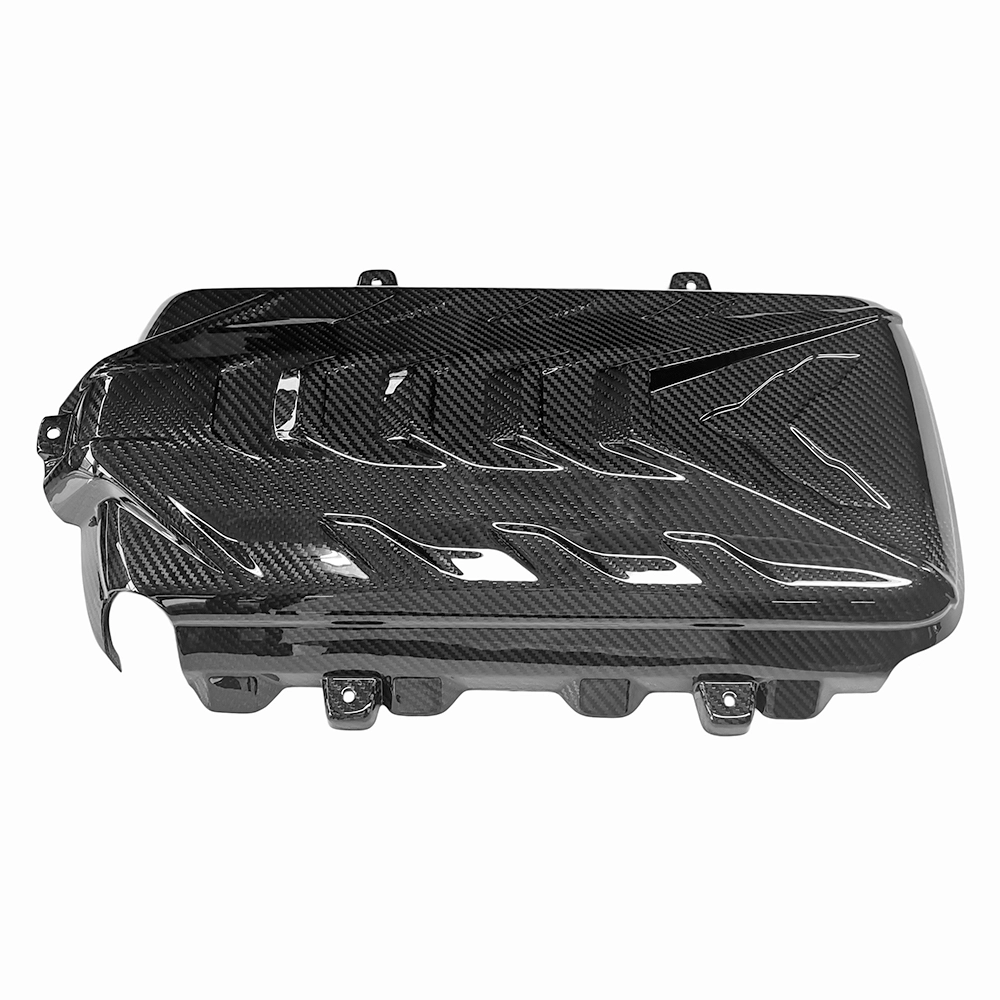
The Ultimate Guide to Carbon Fiber Engine Covers | Supreem Carbon
Tips for Wholesale carbon fiber body kit
Custom carbon fiber reinforced polymer Manufacturers and Suppliers
For Order Delivery
What is the shipping time for the different ways?
Express delivery 5-7 days.
20-25 days by sea.
15 days by air.
For Facotry
Supreem carbon main competitive advantages.
Rich experience
Over 10 years production experience in carbon fiber industry, providing customers with high quality carbon products.
Excellent service
From new project development to customer finished product delivery, we provide customers with full tracking and timely feedback on project progress.
High-Quality Products
Our carbon fiber products undergo rigorous quality control to ensure customers achieve the high quality and cost-effective product.
When is Supreem carbon founded?
Our company formally established in early 2017.
How many monthly production capacity of the factory?
The average monthly production capacity reach 3000 pieces. With the equipment upgrade, it will be increased over 4000 pieces per month.
For Products
Which carbon fiber material you can provide in production?
1*1 plain /2*2 twill / forged carbon / honeycomb / kevlar and so on.
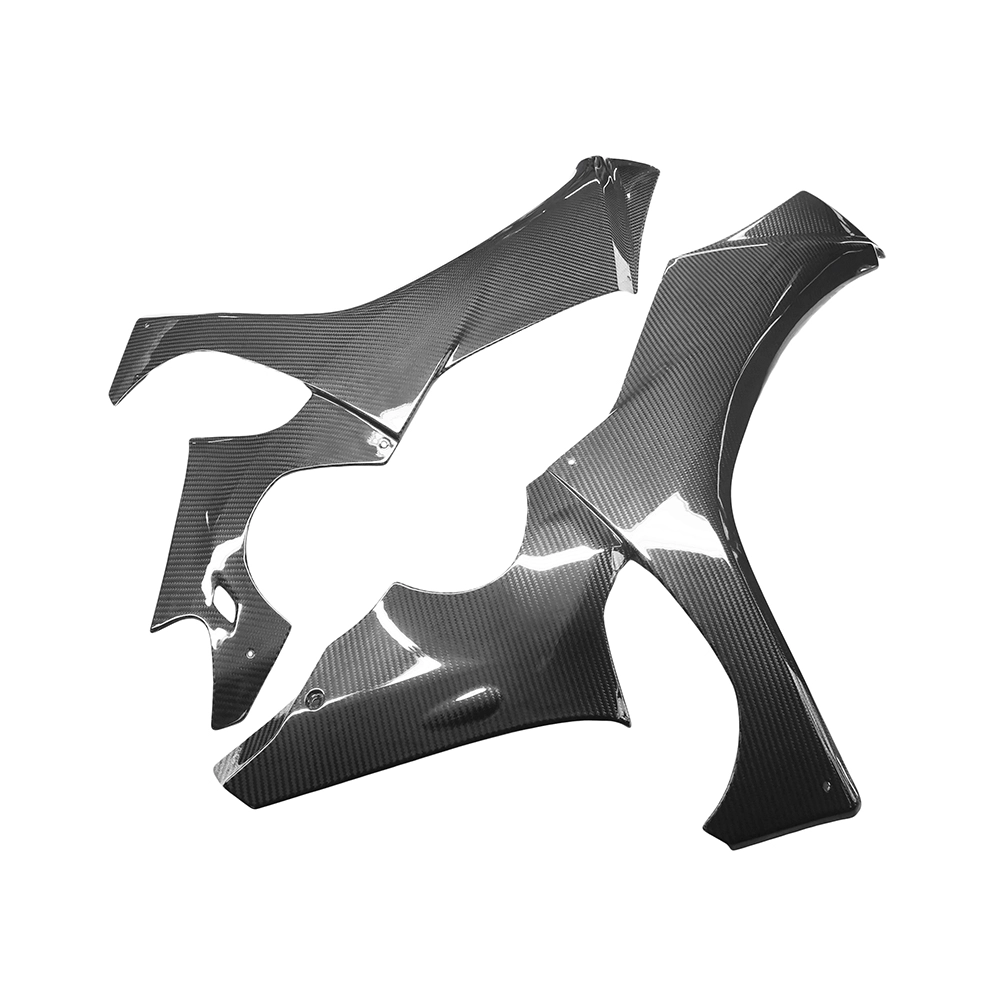
Yamaha R1 Carbon Fiber Side Fairings
Introducing the Supreem Carbon Fiber Long Side Panels for Yamaha R1. Crafted with precision and expertise, this front side fairing is designed to elevate the performance and aesthetics of your R1. Made from high-quality carbon fiber, this fairing is not only lightweight but also incredibly durable, providing optimal protection for your motorcycle.
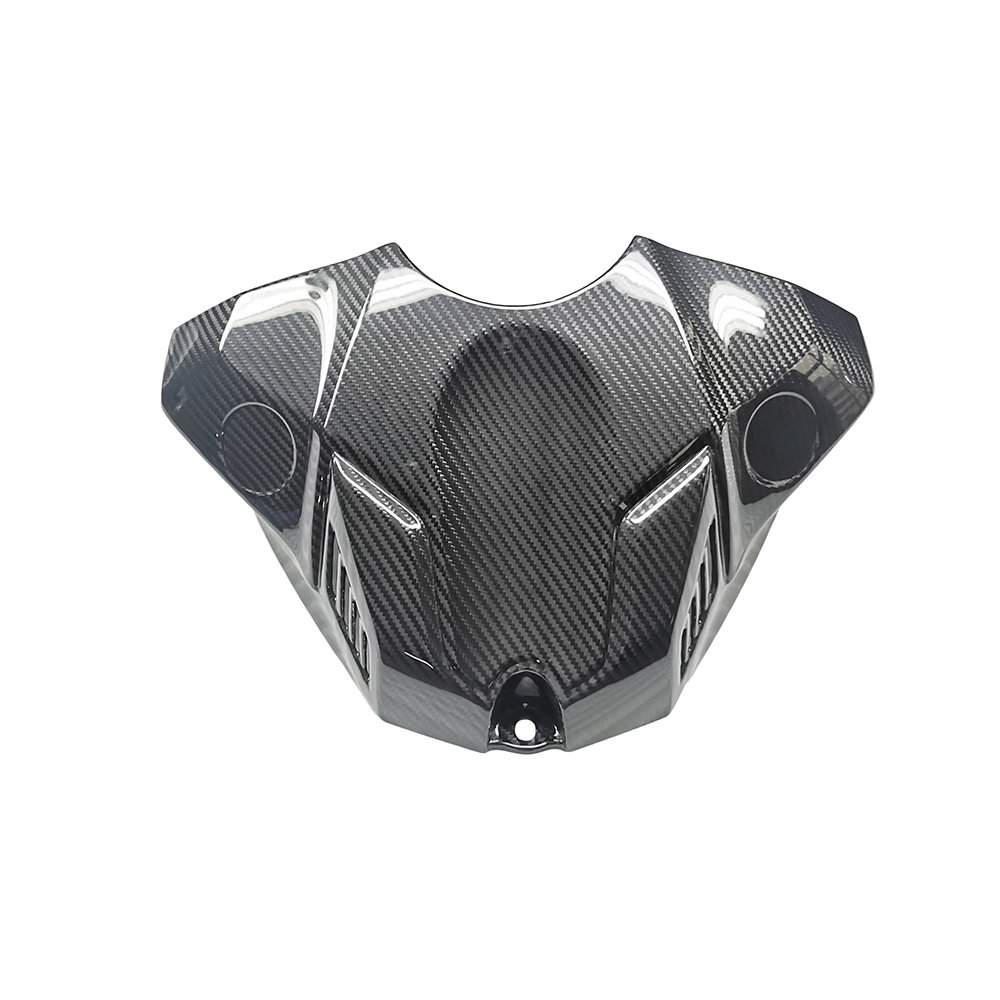
Yamaha R1 Carbon Fiber Airbox Tank Cover
The Supreem Carbon Yamaha R1 Carbon Fiber Airbox Tank Cover provides lightweight, durable protection with a sleek finish. Designed for R1 models, it enhances the style and performance of your bike. Its lightweight structure improves performance while maintaining the premium aesthetics necessary for high-end modification projects. As a dedicated manufacturer of carbon fiber parts, we provide stable production capacity, customization options, and strict quality control to support enterprise-level procurement and OEM/ODM needs.
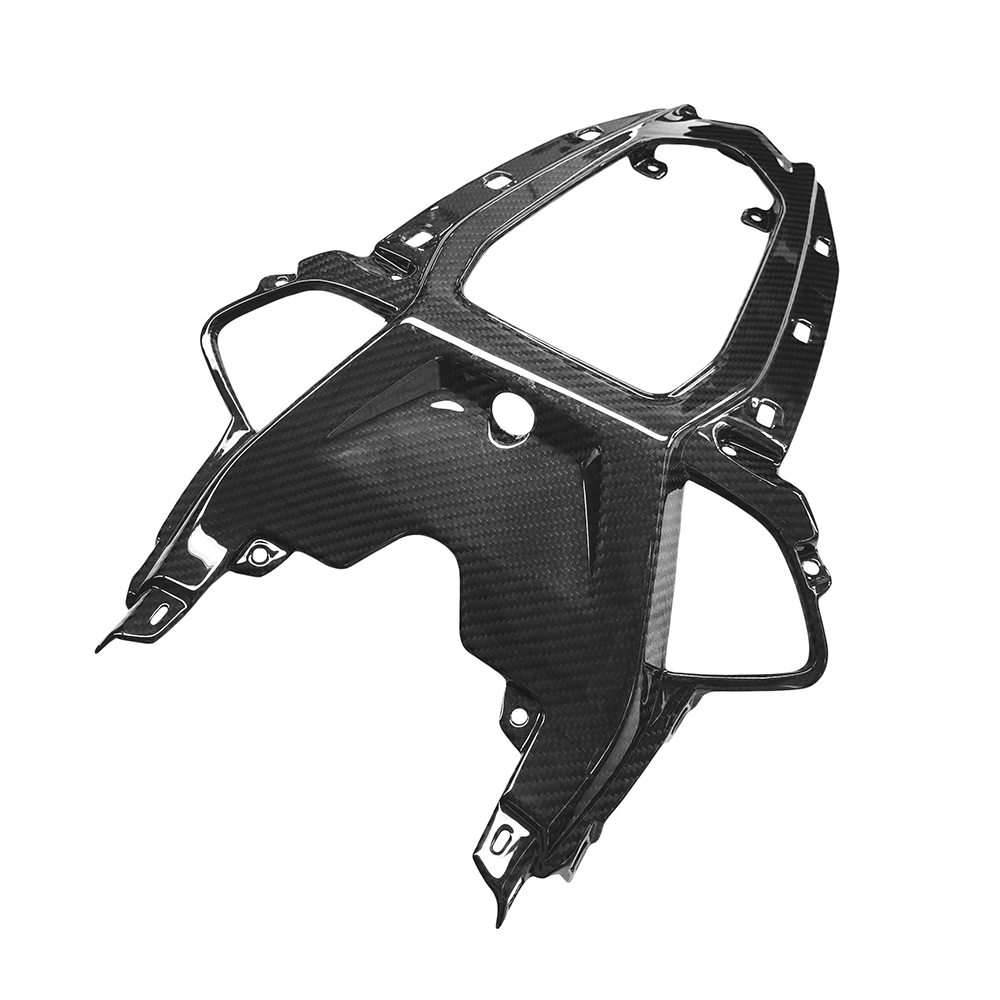
Carbon Fiber Rear Seat Panel for BMW S1000R & M1000RR – Lightweight Performance
This carbon fiber rear seat panel is engineered for the BMW S1000R and M1000RR, offering superior rigidity, reduced weight, and a premium racing finish. Produced with autoclave technology and strict QC standards, the part ensures consistent OEM-level fitment. Supreem Carbon provides wholesale supply, stable bulk production, and customized solutions for global clients.
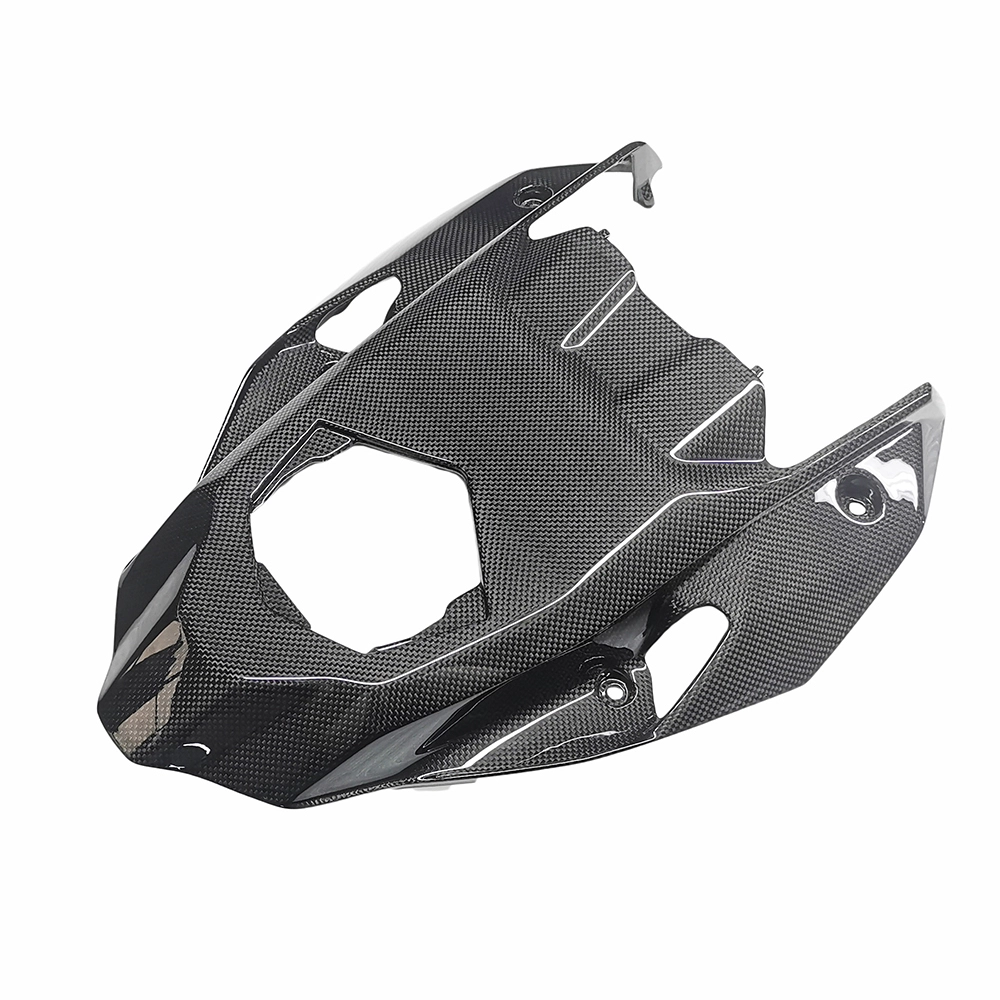
High-Performance Carbon Fiber Rear Undertail for BMW S1000R
Engineered for distributors, tuning brands, and motorcycle accessory businesses, the BMW S1000R Carbon Fiber Rear Undertail is a high-quality, durable, lightweight carbon fiber upgrade for the S1000R platform. This component is manufactured using aerospace-grade carbon fiber and precision molds to deliver superior stiffness, a seamless OEM-level fit, and a premium visual finish suitable for high-end aftermarket applications.

Supreem Carbon aiming to provide customers with high-performance carbon fiber products and quality services.
Contact Supreem Carbon
Address : Building 1 No.103, Yadi Nan 1st Road, QiaoTou Town, Dongguan City, China.
© 2024 Supreem Carbon All Rights Reserved.
Facebook
Pinterest
LinkedIn
Instagram