

How are carbon fibre products made? | Supreem Carbon Guide
How are Carbon Fiber Products Made?
Understanding the manufacturing process of carbon fiber parts is crucial for professionals in the industry. This article details the key steps involved, from raw material to finished product, addressing common challenges and highlighting best practices. We'll explore the complexities of carbon fiber processing to help you optimize your own production.
The Raw Materials: Carbon Fiber and Resin
High-performance carbon fiber products begin with high-quality raw materials. Carbon fibers themselves are produced through a process involving the pyrolysis of organic polymers, resulting in strong, lightweight filaments. These fibers are then combined with a resin system, typically epoxy, to create a composite material. The choice of resin significantly impacts the final properties of the carbon fiber part.
Manufacturing Processes: Layup Techniques and More
Several methods exist for shaping carbon fiber composites. The most common include:
* Hand Layup: A labor-intensive process ideal for prototypes and low-volume production. Individual plies of carbon fiber are manually placed onto a mold.
* Prepreg: Pre-impregnated carbon fiber sheets (prepreg) are used, offering better control over fiber orientation and improved consistency. This method accelerates the manufacturing process.
* Automated Fiber Placement (AFP): This automated process uses robotic systems to precisely lay down carbon fiber tows, enhancing efficiency and repeatability, especially beneficial for large, complex parts.
* Resin Transfer Molding (RTM): Liquid resin is injected into a mold containing dry carbon fiber reinforcements. This is suitable for high-volume production with consistent quality.
* Compression Molding: This method uses high pressure to consolidate carbon fiber and resin in a mold, resulting in high-strength parts.
Curing and Post-Processing: Achieving Optimal Properties
Once the carbon fiber composite has been shaped, it undergoes a curing process. This involves applying heat and pressure to harden the resin, bonding the fibers and achieving the desired mechanical properties. Post-processing steps may include trimming, surface finishing, and quality control inspections.
Quality Control and Testing: Ensuring High Performance
Rigorous quality control measures are paramount throughout the entire manufacturing process. This includes inspections at each stage to guarantee the integrity of the final carbon fiber product. Testing procedures, such as tensile strength and impact resistance testing, verify that the finished part meets the required specifications.
Challenges and Best Practices
The manufacturing of carbon fiber parts presents certain challenges:
* Cost: Carbon fiber materials can be expensive.
* Complexity: The manufacturing process requires specialized expertise and equipment.
* Waste Management: Careful handling and disposal of resin and other materials are crucial for environmental protection.
By understanding these challenges and employing best practices, manufacturers can optimize their carbon fiber production processes, reducing costs and improving the quality of their products.
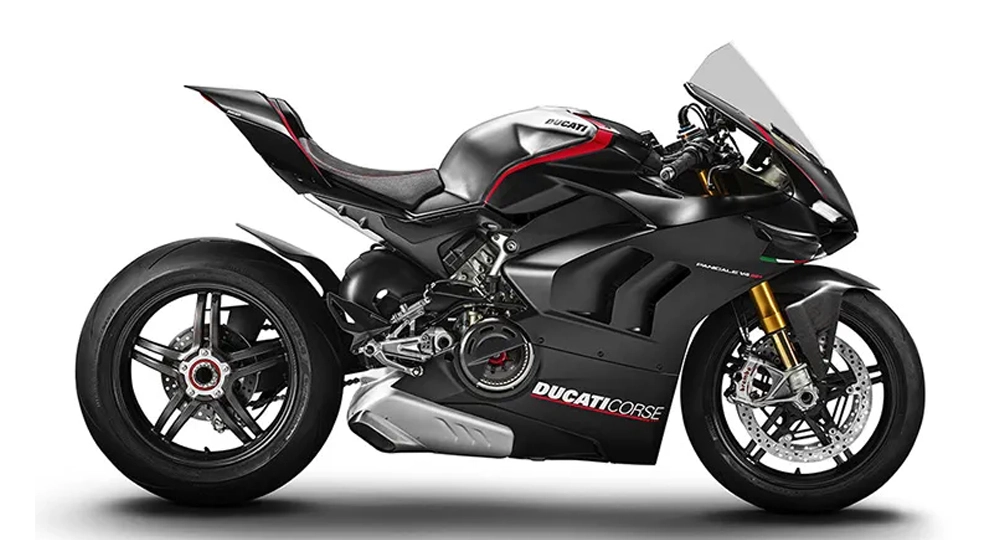
Great News!!! Ducati V4 SP new arrivals released.

2025 Ducati Panigale V4/V4S Carbon Fiber Body Kit released by Supreem Carbon.

Die einflussreichste Marke eines Kohlefaserherstellers in Asien
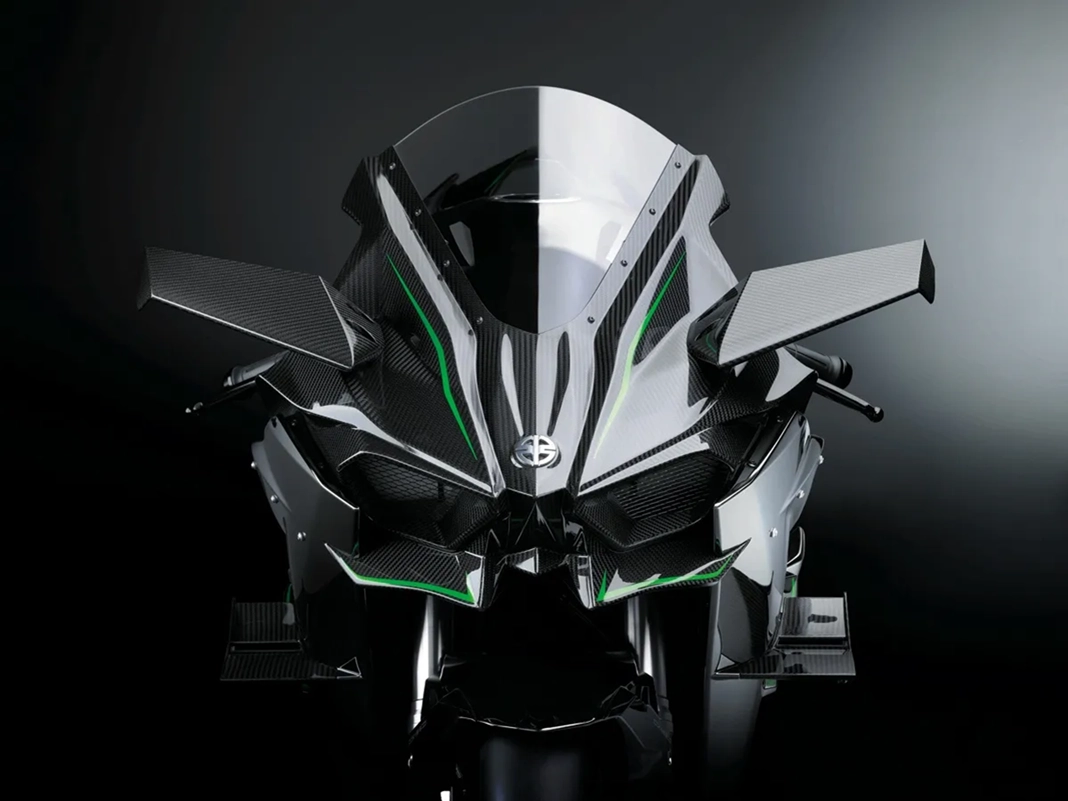
Discuss of the common carbon fiber product production processes and the application.
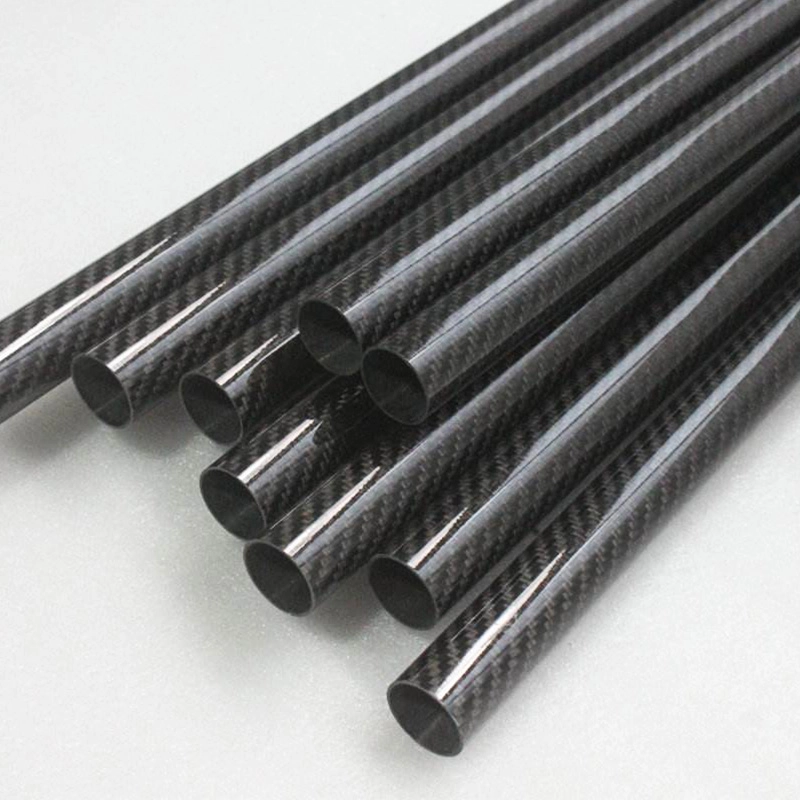
CFRP vs Pre-Preg Carbon Fiber: What’s the Difference and Which Is Better for Your Project?

Newest Acura NSX Carbon Fiber Hood Vent released!
For Products
How can I get some sample?
Actually we dont provide the free sample to customer, you can place a sample order if need some parts.
Which carbon fiber material you can provide in production?
1*1 plain /2*2 twill / forged carbon / honeycomb / kevlar and so on.
For After-sales Service
What can I do if the carbon fiber products arrived is broken?
Please give us feedback as soon as possible and we will send new one to you.
For Facotry
How many employees of Supreem carbon?
We have over 50 employees, including over 40 skilled workers, 3 R&D designers, and 5 QC professionals and so on.
For Order Delivery
How to choose the mode of transportation?
We use official shipment like Fedex,UPS,DHL and so on. Also customer can arrange delivery by themselves.
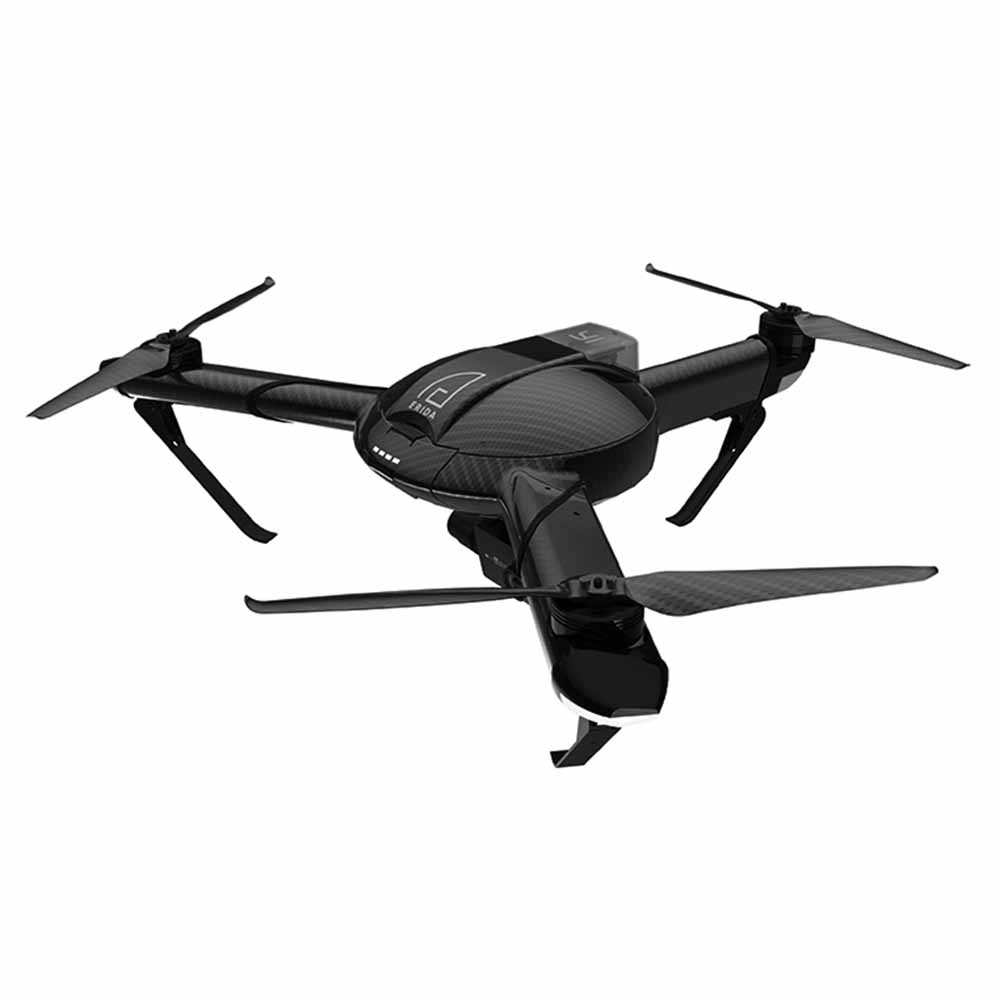
Carbon Fiber Drone Custom
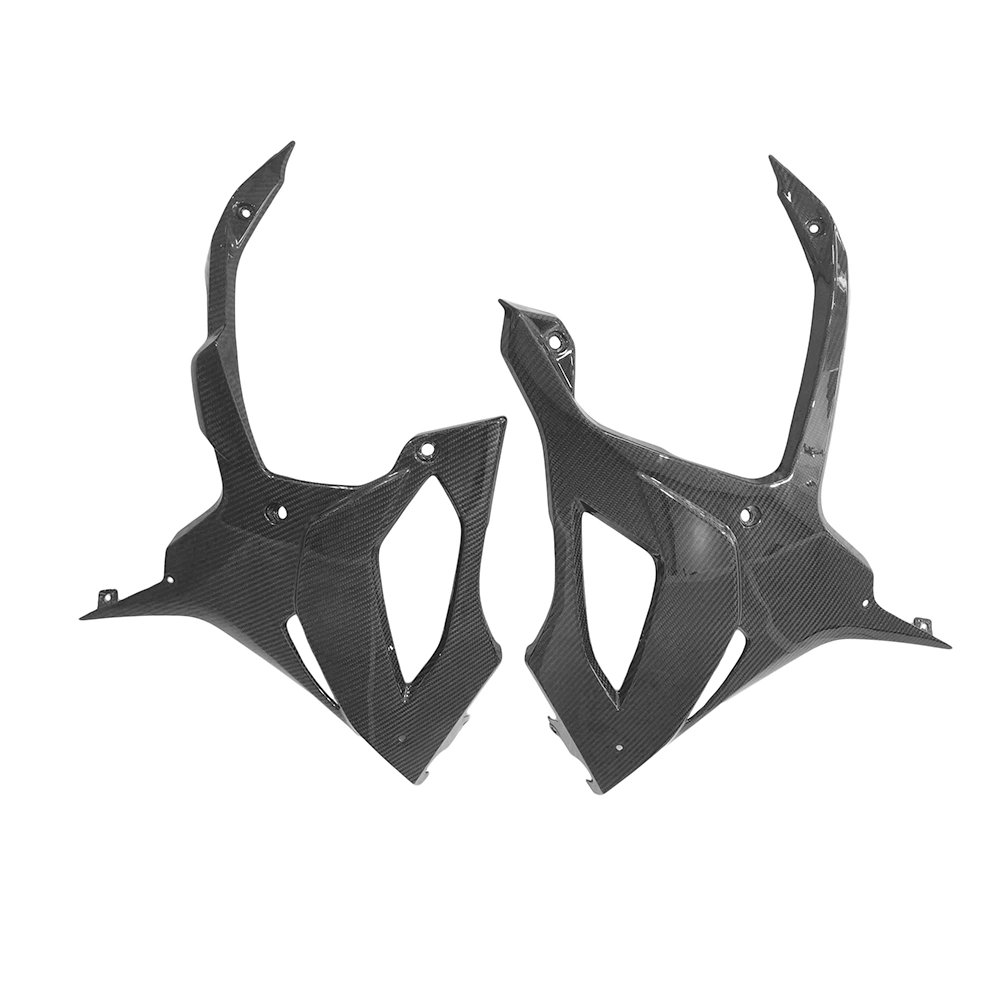
BMW S1000RR Carbon Fiber Lower Side Fairings Custom

Carbon Fiber Steering Wheels Wrapping Customization
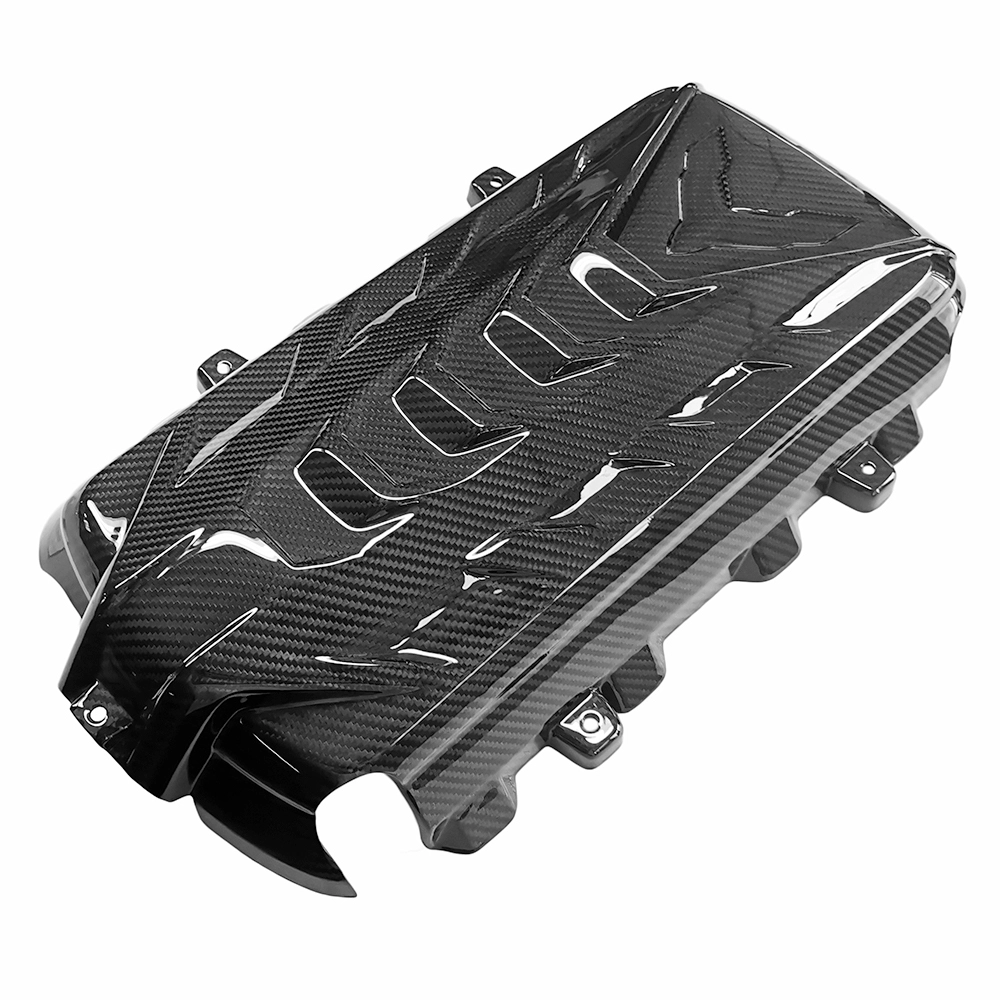
Chevrolet Corvette C8 Carbon Fiber Engine Cover Replacement
Let’s Bring Your Carbon Fiber Ideas to Life
Have a question or inquiry about our carbon fiber composite products? Leave us a message here, and our team will get back to you promptly.
Whether you're interested in custom orders, technical specifications, or partnership opportunities, we're here to assist you.
Please fill out the fields above with your name, email address, and message.

Supreem Carbon aiming to provide customers with high-performance carbon fiber products and quality services.
Contact Supreem Carbon
Address : Building 1 No.103, Yadi Nan 1st Road, QiaoTou Town, Dongguan City, China.
© 2024 Supreem Carbon All Rights Reserved.
Facebook
Pinterest
LinkedIn
Instagram