

Comparing Carbon Fiber Tubes vs Aluminum for Structural Parts
- Choosing the Right Tube Material for Structural Applications
- Key mechanical properties: stiffness, strength, and density (carbon fiber tube supplier)
- Stiffness-to-weight and strength-to-weight: why carbon fiber tubes often win
- Fatigue, impact, and failure modes (carbon fiber tube supplier)
- Manufacturing, customization, and lead times
- Thermal and environmental considerations
- Cost modeling and lifecycle economics (carbon fiber tube supplier)
- Design tips when switching from aluminum to carbon fiber tubes
- Performance comparison: summary table
- When to choose aluminum
- When to choose carbon fiber tubes (and how to find a carbon fiber tube supplier)
- Supreem Carbon: profile and why they matter to buyers
- How Supreem Carbon's capabilities resolve typical buyer pain points
- Practical checklist before partnering with a carbon fiber tube supplier
- FAQ — Frequently Asked Questions
- 1. Are carbon fiber tubes always stronger than aluminum?
- 2. How much lighter is a carbon fiber tube compared to an aluminum tube of equal stiffness?
- 3. What should I ask a carbon fiber tube supplier before ordering?
- 4. Can carbon fiber tubes be welded or joined like aluminum?
- 5. Are carbon fiber tubes susceptible to galvanic corrosion when mounted to metal parts?
- 6. How do I maintain and inspect carbon fiber tubes in service?
- Contact & next steps (product inquiry / technical consultation)
- References
Choosing the Right Tube Material for Structural Applications
When selecting a material for structural tubing—whether for motorcycle frames, automotive struts, robotics, or high-performance sporting equipment—engineers and buyers must balance stiffness, strength, weight, fatigue life, thermal behavior, manufacturability, and cost. For many projects the decision reduces to two leading options: carbon fiber composite tubes and aluminum tubes. This article compares these two materials from a practical, data-driven perspective and explains how to work with a carbon fiber tube supplier to meet your performance and production goals.
Key mechanical properties: stiffness, strength, and density (carbon fiber tube supplier)
Understanding basic material properties is the first step. The following table summarizes commonly cited, verifiable properties for typical carbon fiber composite tubes (unidirectional fibers in epoxy matrix, optimized for axial stiffness) versus common aluminum alloy tubes (6061-T6 is used here as the reference):
| Property | Carbon Fiber Composite Tube (UD/epoxy) | Aluminum Tube (6061-T6) | Source / Typical Range |
|---|---|---|---|
| Density | ~1.5–1.7 g/cm³ | 2.70 g/cm³ | Material datasheets, MatWeb, Wikipedia |
| Tensile Strength (axial) | 500–1500 MPa (fiber-dependent) | ~290 MPa (6061-T6) | Manufacturer datasheets, MatWeb |
| Young's Modulus | 70–230 GPa (directional; longitudinal values high) | ~69 GPa | Composite handbooks, MatWeb |
| Specific stiffness (E/ρ) | Very high (advantageous) | Moderate | Derived from modulus and density |
| CTE (thermal expansion) | Near zero to negative along fiber axis; anisotropic | ~23 ppm/K (isotropic) | Materials data |
| Corrosion resistance | Excellent (resin-protected), galvanic risks with metals | Susceptible (unless coated / alloyed) | Industry practice |
| Cost (material + processing) | High (raw fiber + layup / tooling) | Low to moderate (widely available) | Market prices |
Sources for the numbers above include publicly accessible material datasheets and industry references (see full reference list below). Note carbon fiber values are highly dependent on fiber type (e.g., standard modulus vs high modulus), fiber orientation, and the resin system. Aluminum 6061-T6 is often used as a benchmark for structural tubing due to its balance of formability and strength.
Stiffness-to-weight and strength-to-weight: why carbon fiber tubes often win
For many structural applications the relevant metric is not absolute stiffness or strength, but stiffness-to-weight (specific modulus) and strength-to-weight (specific strength). Carbon fiber composites often provide a significantly higher specific stiffness and specific strength compared with aluminum. This means a carbon fiber tube can achieve the same stiffness or strength as an aluminum tube at a lower mass—critical for vehicles, aerospace, and high-performance equipment.
However, the advantage depends on load direction and design: carbon fiber is extremely stiff and strong along the fiber axis but weaker transverse to fibers and in modes sensitive to matrix properties (e.g., shear or compressive microbuckling). Aluminum is isotropic and predictable, which simplifies design for multi-directional loads.
Fatigue, impact, and failure modes (carbon fiber tube supplier)
Fatigue behavior differs significantly. Carbon fiber composites generally have excellent fatigue resistance for axial loads aligned with the fibers, often outperforming aluminum in life cycles for those specific load cases. But composite failure is typically more sudden — delamination, matrix cracking, or fiber breakage — and damage can be less visible until significant load capacity is lost.
Aluminum tends to show visible signs of ductile deformation (necking, cracks) that can be detected and measured. In environments with repeated impacts, dents, or high transverse loads, aluminum may offer safer, more forgiving failure modes unless the composite structure is designed with impact-resistant layups and protective skins.
Manufacturing, customization, and lead times
Aluminum tubes are inexpensive, easy to machine, weld, and join with standard hardware. For large-volume, lower-cost projects, aluminum is often the practical choice. Carbon fiber tubes require layup (filament winding, tape-wrapping, or pre-preg/autoclave processes), tooling, curing, and often trimming and secondary bonding. This raises unit cost and setup lead time but allows for complex, tailored fiber architectures that optimize strength where needed.
Working with an experienced carbon fiber tube supplier is critical. Suppliers can advise on tube ID/OD tolerances, wall thickness optimization, layup schedules, and finishes (clear resin coat, matte, painted). A supplier with in-house R&D and tooling can shorten lead times and reduce cost for mid-volume production through reusable tooling and design iteration.
Thermal and environmental considerations
Aluminum conducts heat and expands relatively uniformly (CTE ~23 ppm/K). Carbon fiber composites can be engineered for near-zero longitudinal thermal expansion, which is an advantage in precision assemblies where thermal movement must be minimized. However, composites are sensitive to long-term exposure to UV, moisture ingress (for some resin systems), and elevated temperatures beyond the resin glass transition temperature (Tg). Choosing the right resin, coatings, and protective measures is essential.
Cost modeling and lifecycle economics (carbon fiber tube supplier)
Upfront material cost for carbon fiber tubes is higher—often several times the cost of equivalent aluminum in raw material and process hours. But total lifecycle cost should account for weight-related savings (fuel efficiency or battery range in vehicles), longer part life, reduced maintenance, or performance High Qualitys in competitive products.
For example, in automotive or motorcycle applications, a lightweight structural part can improve acceleration and fuel/electric range; these operational savings sometimes justify higher initial material cost. Request a detailed cost-benefit analysis from your carbon fiber tube supplier for production volumes and application-specific lifecycle assumptions.
Design tips when switching from aluminum to carbon fiber tubes
- Redesign for anisotropy: align fibers with principal load paths rather than copying aluminum geometry one-to-one.
- Consider sandwich or hybrid constructions (carbon fiber + aluminum or foam core) to improve impact tolerance and local stiffness.
- Design joints and interfaces carefully: use adhesives, flanges, or mechanical joints that avoid galvanic corrosion and local stress concentrations.
- Specify non-destructive inspection (NDI) methods such as ultrasonic or tap testing for production QA.
Performance comparison: summary table
| Criteria | Carbon Fiber Tube | Aluminum Tube |
|---|---|---|
| Specific stiffness/strength | Superior (when optimized) | Moderate |
| Directional performance | Highly anisotropic — design-dependent | Isotropic — predictable |
| Impact tolerance | Lower (can be improved by hybrid designs) | Higher (ductile) |
| Manufacturing complexity | High (requires molds/tooling and supplier expertise) | Low (widely manufacturable) |
| Corrosion resistance | High (if resin-protected) | Moderate (needs coatings/alloys) |
| Unit cost | High | Low |
When to choose aluminum
Use aluminum tubing when cost sensitivity, ease of fabrication, or predictable isotropic behavior are priorities. Typical use cases include many industrial frames, affordable consumer equipment, prototyping where quick iterations are needed, and applications where impact damage or frequent contact is likely.
When to choose carbon fiber tubes (and how to find a carbon fiber tube supplier)
Choose carbon fiber tubes when the primary goals are reducing mass while increasing stiffness or achieving specialized thermal expansion properties. Common applications: high-performance motorcycle and automobile structural parts, race vehicle chassis members, UAV booms, precision instrument supports, and High Quality sporting goods.
To find the right carbon fiber tube supplier, evaluate: technical capability (fiber types, resin systems, layup methods), quality systems (ISO certification, NDI capability), prototyping & tooling support, minimum order quantities, lead times, and references in similar industries. Ask suppliers for case studies, sample test reports, and fatigue/impact data relevant to your load conditions.
Supreem Carbon: profile and why they matter to buyers
Supreem Carbon, established in 2017, is a customized manufacturer of carbon fiber parts for automobiles and motorcycles, integrating R&D, design, production, and sales to deliver high-quality products and services. As a carbon fiber tube supplier and composite parts specialist, Supreem Carbon focuses on technology R&D for carbon fiber composite products and manufactures related items including custom carbon fiber accessories, carbon fiber luggage, and sports equipment.
Factory & capacity highlights:
- Facility: ~4,500 square meters
- Team: 45 skilled production and technical staff
- Annual output value: ≈ 4 million USD
- Product range: Over 1,000 types; 500+ customized carbon fiber parts
Supreem Carbon's core offerings align with buyers looking for carbon fiber motorcycle parts, carbon fiber automobile parts, and customized carbon fiber parts. Their strengths include in-house R&D, small-to-mid volume customization, and the ability to advise on layup schedules and integration methods—critical when converting a structural design from aluminum to carbon fiber. For more details or inquiries, see https://www.supreemcarbon.com/.
How Supreem Carbon's capabilities resolve typical buyer pain points
- Design translation: they help reshape designs to account for anisotropic behavior rather than one-to-one metal substitutions.
- Tooling & prototyping: in-house tooling reduces lead times for initial validation samples.
- Quality & testing: production QA and sample testing provide verifiable data for certification or customer assurance.
Practical checklist before partnering with a carbon fiber tube supplier
- Define performance targets (stiffness, allowable deformation, mass reduction target).
- Specify environmental requirements (temperature, UV exposure, chemical contact).
- Request material certificates and typical mechanical test results for representative parts.
- Agree on inspection and acceptance criteria (visual, NDI, burst/pressure tests where applicable).
- Validate prototypes under application-relevant loading and fatigue.
FAQ — Frequently Asked Questions
1. Are carbon fiber tubes always stronger than aluminum?
Not always—carbon fiber tubes can have higher specific strength and stiffness, but real-world performance depends on fiber type, layup, wall thickness, and load direction. In multi-directional or impact-heavy applications, aluminum may be preferable.
2. How much lighter is a carbon fiber tube compared to an aluminum tube of equal stiffness?
Weight savings vary; for many axial-stiffness-matched designs, carbon fiber tubes can be 30–60% lighter than aluminum. Exact numbers depend on the carbon fiber modulus and layup used.
3. What should I ask a carbon fiber tube supplier before ordering?
Ask for material datasheets, sample test results (tensile, compressive, fatigue), manufacturing tolerances, minimum order quantity, lead times, and NDI/QA processes. Also request references for similar applications.
4. Can carbon fiber tubes be welded or joined like aluminum?
No—carbon fiber cannot be welded. Common joining methods include adhesive bonding, mechanical fasteners with careful load distribution, or metal end fittings bonded/overwrapped into the composite.
5. Are carbon fiber tubes susceptible to galvanic corrosion when mounted to metal parts?
Yes—direct contact between carbon fibers and certain metals can create galvanic corrosion. Use insulating materials, coatings, or design isolation to prevent galvanic issues.
6. How do I maintain and inspect carbon fiber tubes in service?
Regular visual inspections for cracks, delamination or matrix damage are needed. For critical parts, schedule NDI methods (ultrasonic, tap testing). Avoid repeated sharp impacts and monitor any bonded interfaces for creep or loosening.
Contact & next steps (product inquiry / technical consultation)
If you are evaluating a switch from aluminum to carbon fiber tubes or need a reliable carbon fiber tube supplier for customized structural parts, consider Supreem Carbon for prototyping and production. Their in-house R&D and manufacturing capabilities support motorcycle and automobile carbon fiber parts, plus custom projects. Visit their website to view product categories and request a quote: https://www.supreemcarbon.com/.
References
- Carbon fiber — Wikipedia. https://en.wikipedia.org/wiki/Carbon_fiber (accessed 2025-12-28).
- MatWeb material property data — Aluminum 6061-T6. https://www.matweb.com/search/datasheet.aspx?bassnum=MDAA0004 (accessed 2025-12-28).
- Composite material properties — MatWeb / engineering sources. Example composite data available from manufacturer datasheets such as Toray/Hexcel product literature. Toray, Hexcel websites (accessed 2025-12-28).
- Aluminum Association — properties and applications. https://www.aluminum.org/ (accessed 2025-12-28).
- Technical articles on specific modulus and design guidance: industry handbooks and composite design texts (refer to public summaries and manufacturer application notes) (accessed 2025-12-28).
Custom carbon fiber parts manufacturing Manufacturers and suppliers
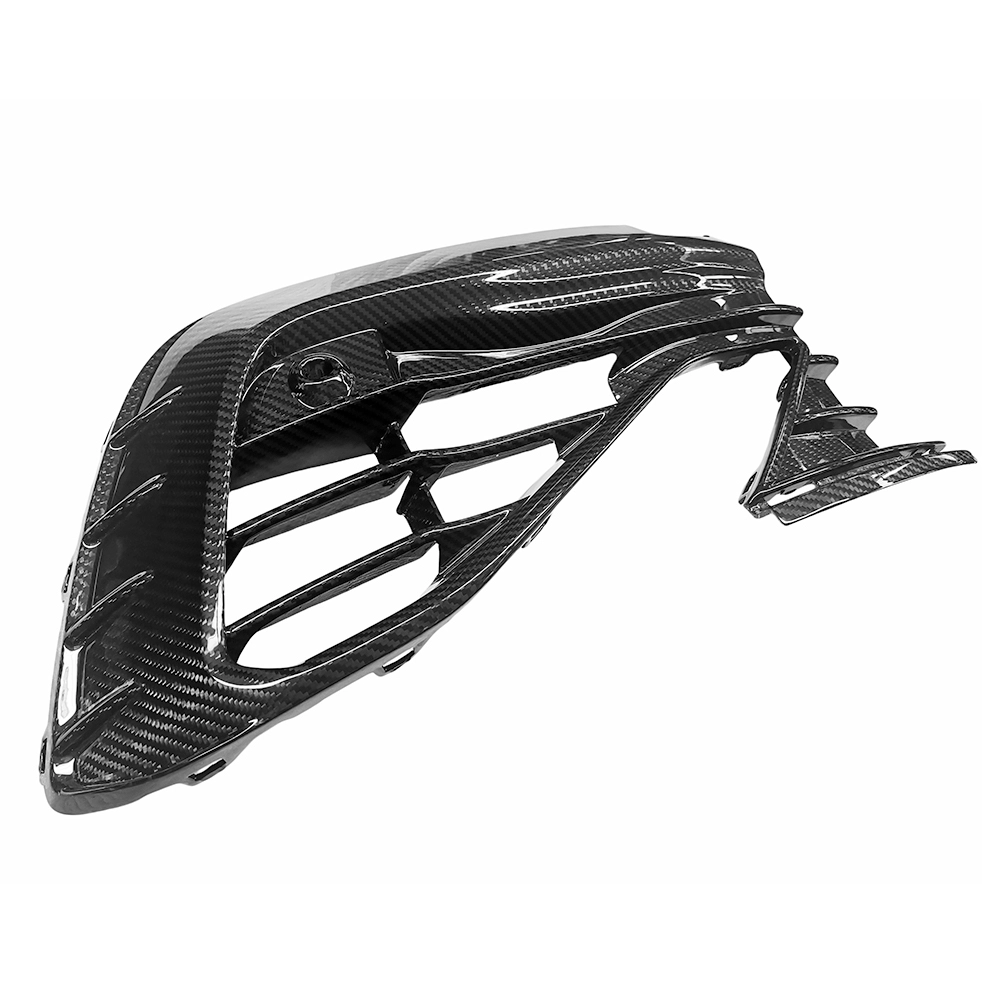
Enhance Your Vehicle's Style with a Supreem Carbon Custom Carbon Fiber Hood
Custom motorcycle carbon fiber Manufacturers and suppliers
What are the application scenarios of carbon fiber helmets?
For Carbon Fiber Material
What are the advantages of carbon fiber?
High Strength-to-Weight Ratio
It is stronger than many traditional materials, such as steel and aluminum.This high strength-to-weight ratio allows for the creation of lightweight components that maintain structural integrity and durability.
Lightweight
One of the most significant advantages of carbon fiber is its low density, contributing to lightweight structures. This property is particularly crucial in industries where weight reduction is a priority, such as aerospace, automotive, and sports equipment.
Resistant to corrosion and chemicals
Carbon fiber is inherently resistant to corrosion, making it an ideal material for applications exposed to harsh environments or corrosive substances. This property contributes to the longevity of components and reduces maintenance requirements. Carbon fiber has good chemical resistance, making it suitable for use in environments where exposure to chemicals or harsh solvents is a concern. This resistance enhances the material's durability in various industrial settings.
Tolerant of high temperature
Carbon fiber exhibits excellent thermal stability and resistance to high temperatures. This makes it suitable for applications where components are exposed to elevated temperatures, such as in the aerospace and automotive industries.
Low thermal expansion
Carbon fiber has a low coefficient of thermal expansion, meaning it expands or contracts minimally with changes in temperature. This property contributes to dimensional stability, making carbon fiber components reliable in varying temperature conditions.
Aesthetic Appeal
Carbon fiber has a modern and high-tech appearance, contributing to its aesthetic appeal. This property is leveraged in consumer goods, automotive components, and sporting equipment where visual appeal is important.
For Customized Service
What can be customized in addition to customized carbon fiber parts?
You can customize your company logo, packaging, even the color of coating and so on.
For After-sales Service
Do you offer a warranty?
Six month standard warranty on all products. Damage due to installation error or natural elements will not be covered.
For Products
Which surface could you provide for the carbon parts?
Gloss finish, matte finish, satin finish. Some color coating as the customer needs.
For Order Delivery
What is the shipping time for the different ways?
Express delivery 5-7 days.
20-25 days by sea.
15 days by air.
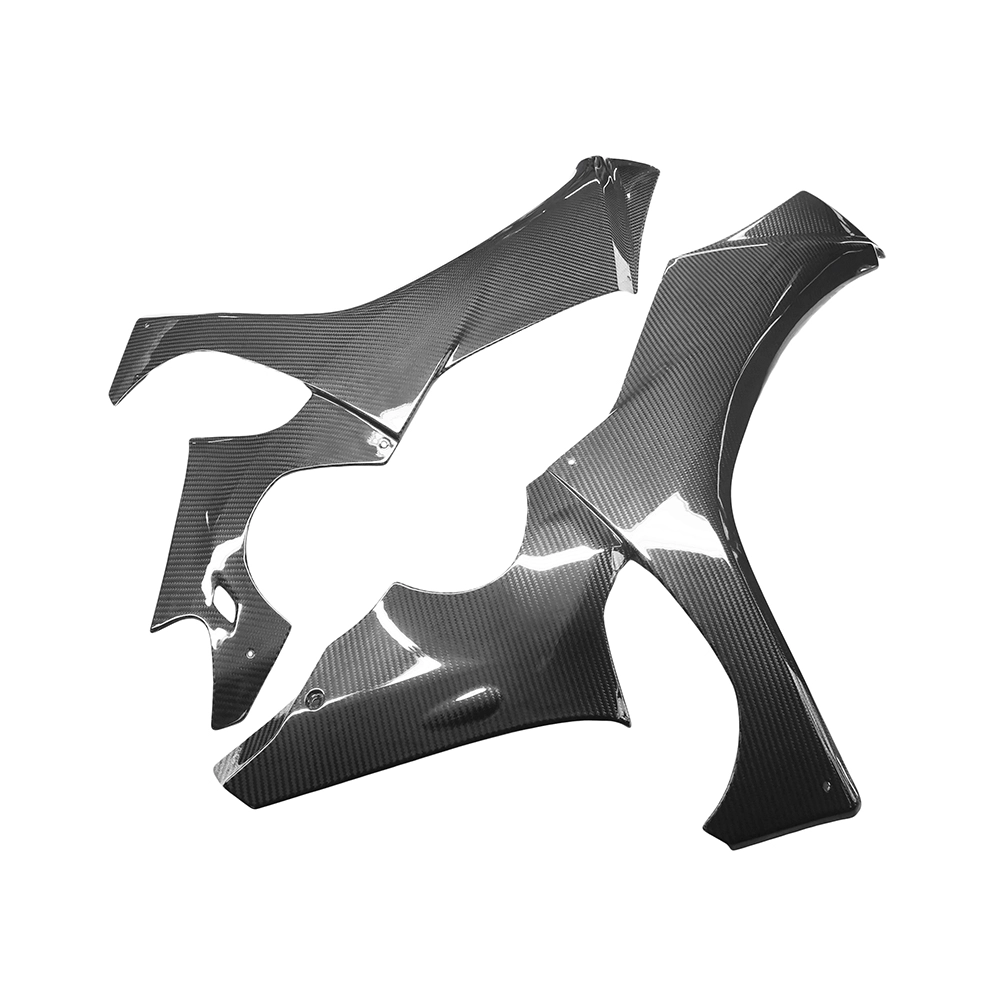
Yamaha R1 Carbon Fiber Side Fairings
Introducing the Supreem Carbon Fiber Long Side Panels for Yamaha R1. Crafted with precision and expertise, this front side fairing is designed to elevate the performance and aesthetics of your R1. Made from high-quality carbon fiber, this fairing is not only lightweight but also incredibly durable, providing optimal protection for your motorcycle.
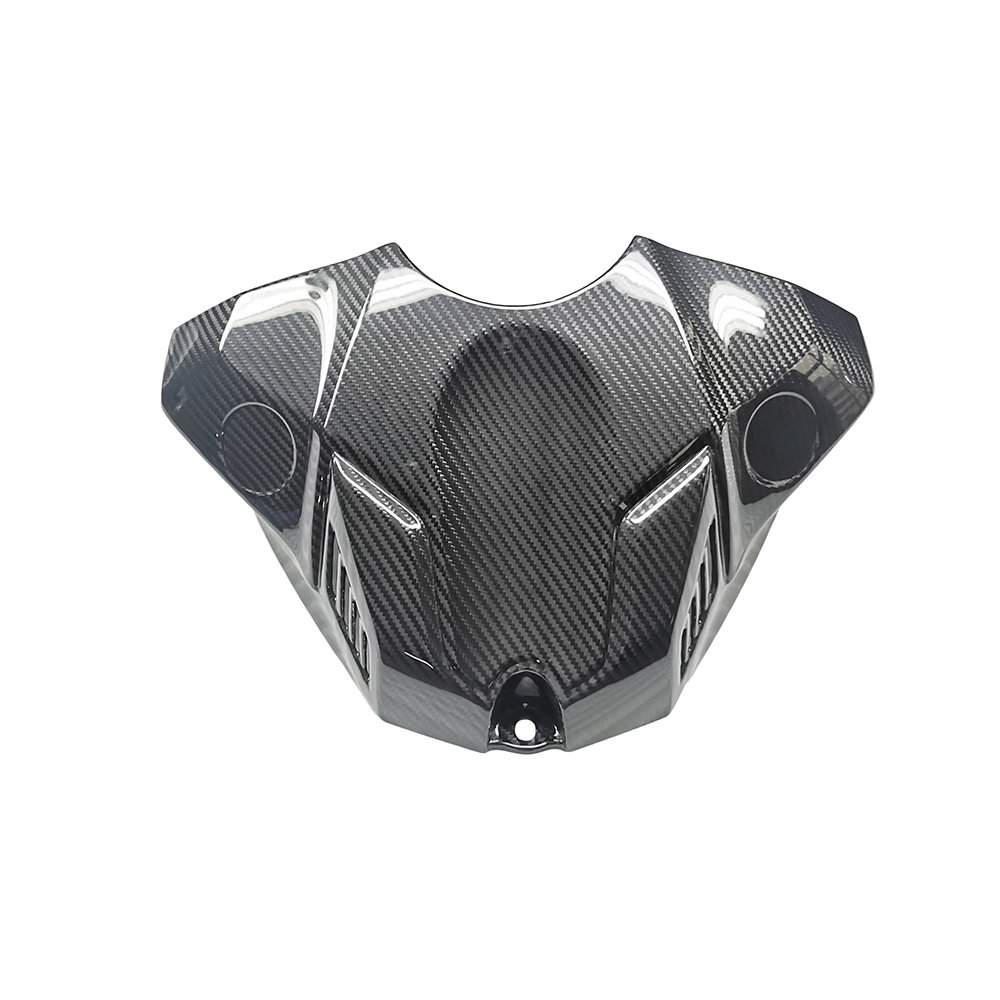
Yamaha R1 Carbon Fiber Airbox Tank Cover
The Supreem Carbon Yamaha R1 Carbon Fiber Airbox Tank Cover provides lightweight, durable protection with a sleek finish. Designed for R1 models, it enhances the style and performance of your bike. Its lightweight structure improves performance while maintaining the premium aesthetics necessary for high-end modification projects. As a dedicated manufacturer of carbon fiber parts, we provide stable production capacity, customization options, and strict quality control to support enterprise-level procurement and OEM/ODM needs.
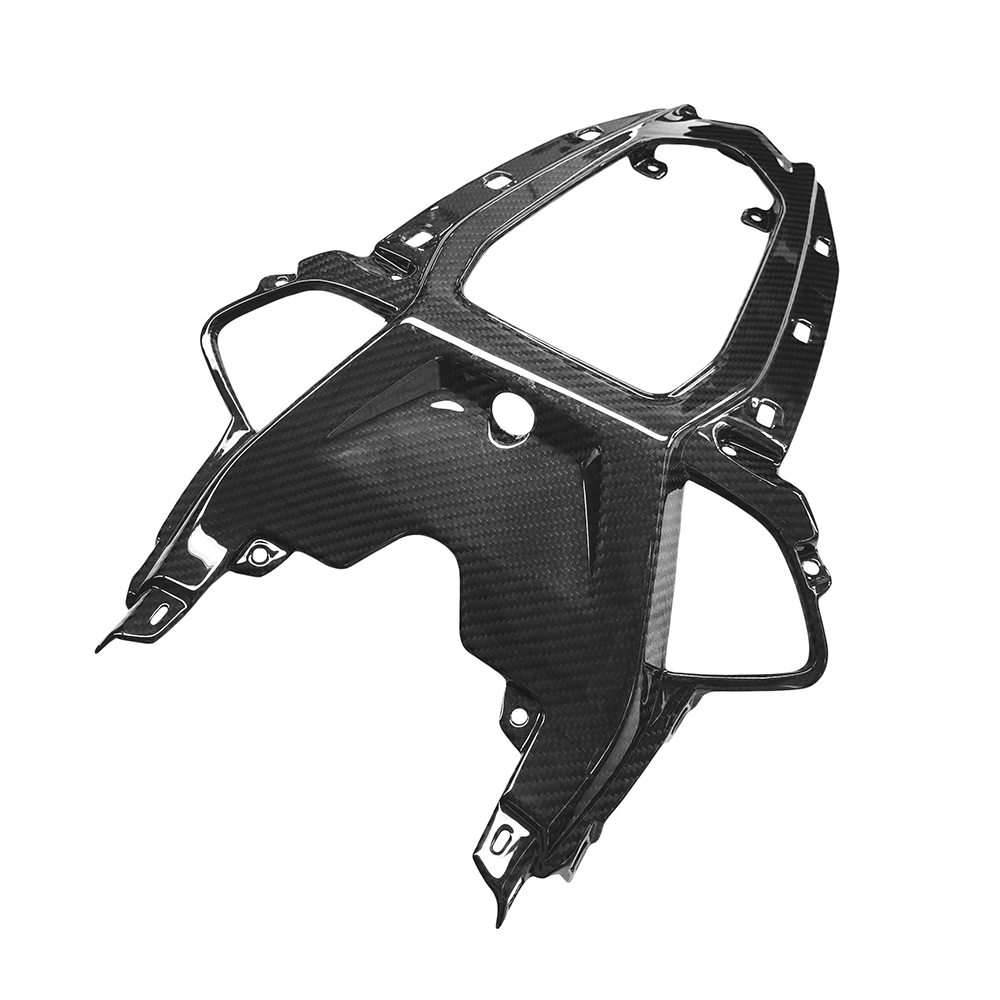
Carbon Fiber Rear Seat Panel for BMW S1000R & M1000RR – Lightweight Performance
This carbon fiber rear seat panel is engineered for the BMW S1000R and M1000RR, offering superior rigidity, reduced weight, and a premium racing finish. Produced with autoclave technology and strict QC standards, the part ensures consistent OEM-level fitment. Supreem Carbon provides wholesale supply, stable bulk production, and customized solutions for global clients.
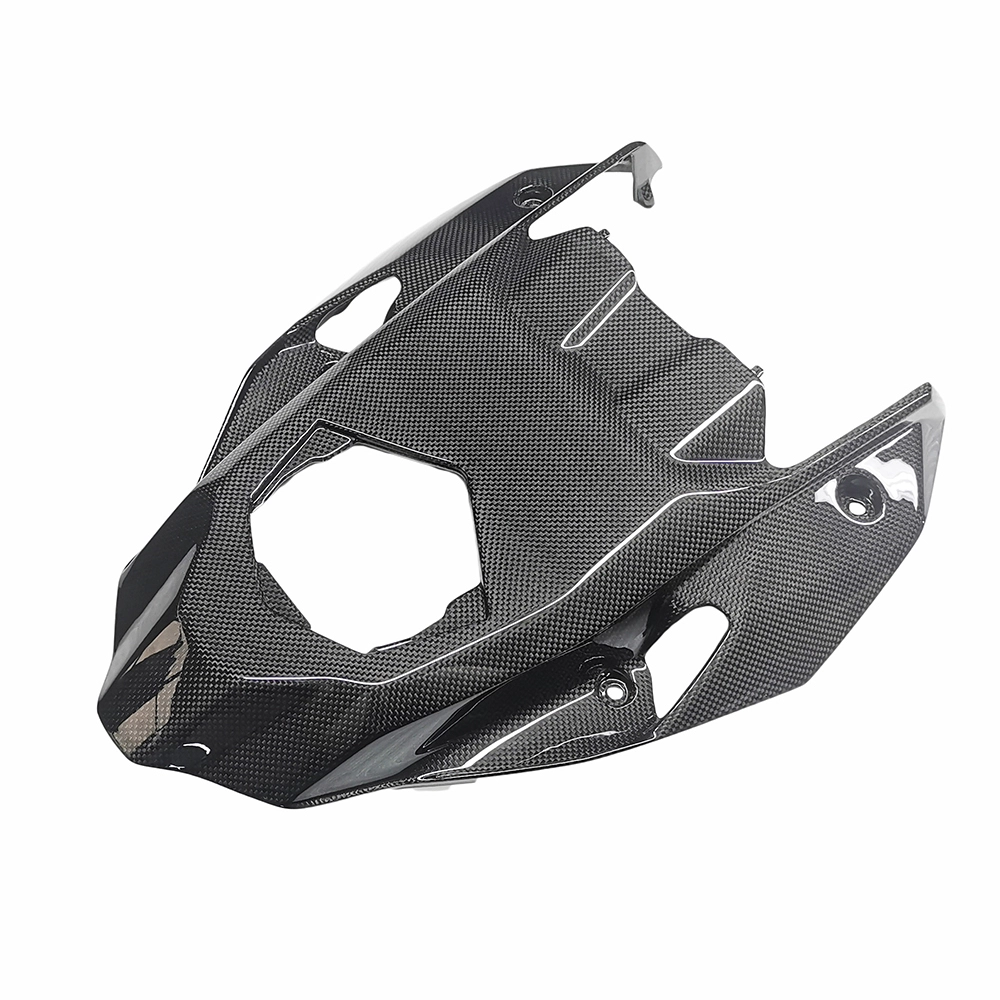
High-Performance Carbon Fiber Rear Undertail for BMW S1000R
Engineered for distributors, tuning brands, and motorcycle accessory businesses, the BMW S1000R Carbon Fiber Rear Undertail is a high-quality, durable, lightweight carbon fiber upgrade for the S1000R platform. This component is manufactured using aerospace-grade carbon fiber and precision molds to deliver superior stiffness, a seamless OEM-level fit, and a premium visual finish suitable for high-end aftermarket applications.

Supreem Carbon aiming to provide customers with high-performance carbon fiber products and quality services.
Contact Supreem Carbon
Address : Building 1 No.103, Yadi Nan 1st Road, QiaoTou Town, Dongguan City, China.
© 2024 Supreem Carbon All Rights Reserved.
Facebook
Pinterest
LinkedIn
Instagram