

Custom Carbon Fiber Panels: Design and Finishing Options
- Why choose custom carbon fiber panels for performance and aesthetics
- carbon fiber panel benefits and user intent
- Design considerations for a carbon fiber panel
- Selecting the right materials and weave for carbon fiber panel performance
- Manufacturing processes for custom carbon fiber panels
- Comparing production methods for carbon fiber panel fabrication
- Finishing options for carbon fiber panels
- How finishing influences appearance, protection and cost of carbon fiber panel
- Testing, inspection and quality control for panels
- Standards and practical tests for ensuring carbon fiber panel reliability
- Cost, lead time and production volume tradeoffs
- Estimating price and time when specifying a custom carbon fiber panel
- Typical applications and specification tips
- How to create a specification that delivers the carbon fiber panel you expect
- Supreem Carbon: manufacturing capability and why it matters for custom carbon fiber panel buyers
- Supplier profile and what Supreem Carbon brings to your project
- Comparing finishing and production choices at a glance
- Quick comparison to help decide on process and finish for your carbon fiber panel
- FAQ
- What is the typical lead time for a custom carbon fiber panel?
- How much does a carbon fiber panel cost?
- Can carbon fiber panels be painted to match vehicle color?
- Are carbon fiber panels repairable?
- What certifications or tests should I ask for when sourcing carbon fiber panels?
- Contact and next steps
- Get a quote or technical consultation for your carbon fiber panel
- References
Why choose custom carbon fiber panels for performance and aesthetics
carbon fiber panel benefits and user intent
Customers searching for carbon fiber panel solutions typically want a combination of high strength, low weight, corrosion resistance and High Quality appearance. Custom carbon fiber panels deliver on these needs while allowing exact fitment, unique shapes and brand-specific finishes. Whether the intent is to reduce vehicle weight, improve stiffness for a race application, or create a high-end cosmetic accent, understanding design and finishing options is essential to get predictable performance and long-term durability.
Design considerations for a carbon fiber panel
Selecting the right materials and weave for carbon fiber panel performance
Design starts with materials. Key variables include fiber type, resin system and weave architecture. Standard options are:
- Fiber type: standard modulus (IM) vs high modulus (HM). IM offers good balance of cost and strength. HM improves stiffness at higher cost.
- Resin system: epoxy is the most common for structural panels due to strength and environmental resistance. Vinyl ester and polyester are used where cost is prioritized over long-term performance.
- Weave and orientation: unidirectional plies, plain weave, twill 2x2 and satin weaves affect appearance and mechanical behavior. Twill 2x2 is popular for panels where appearance matters because it shows a refined checkered pattern.
Designers should think in terms of laminate stacking. A panel intended to carry bending loads will use oriented plies to balance stiffness in required directions. For complex curvatures consider using hybrid layups or multi-axial fabrics.
Manufacturing processes for custom carbon fiber panels
Comparing production methods for carbon fiber panel fabrication
Common fabrication routes produce different cost, quality and appearance outcomes. Select the method that matches your volume and performance needs.
| Process | Appearance | Strength/Consistency | Typical Volume | Cost |
|---|---|---|---|---|
| Hand lay-up / wet lay-up | Variable; visible weave if finished | Lower repeatability | Prototypes, small runs | Low tooling, higher labor |
| Vacuum bagging | Good surface quality | Improved void reduction | Low to medium | Moderate |
| Autoclave (prepreg) | High-quality surface, precise fiber volume | High repeatability and performance | Medium to high | High tooling and material cost |
| Resin transfer molding (RTM) | Good finish, complex shapes | Excellent repeatability | Medium to high | High upfront tooling, lower per-part cost at scale |
For one-off or small series custom carbon fiber panel parts, vacuum bagging or prepreg/autoclave often produces the best tradeoff between appearance and mechanical quality. For larger production runs, RTM or compression molding of dry fabrics provides lower per-part costs and better consistency.
Finishing options for carbon fiber panels
How finishing influences appearance, protection and cost of carbon fiber panel
Finishing choices change how a carbon fiber panel looks and performs in service. Common finishes and their pros and cons are summarized in the table below.
| Finish | Appearance | Durability | Typical Cost | Use cases |
|---|---|---|---|---|
| Clear coat (high-gloss automotive) | Deep, glossy freight of weave | High with UV-stable coatings | Moderate | Automotive exterior panels, showpieces |
| Matte clear | Subtle, low-reflective | Moderate to high | Moderate | Sporty interiors, stealth aesthetics |
| Painted (color-matched) | Any color; hides weave if desired | High with proper prep | Moderate to high | Color-matched vehicle parts |
| Brushed or honed surface | Textured, unique look | Moderate | Low to moderate | Instrument panels, interior trims |
| Gel coat or in-mold finish | Integrated smooth finish | High | High tooling cost | High-volume exterior parts |
Key technical notes:
- UV protection is critical for exterior carbon fiber panel parts. Use UV-stable clear coats or primers to avoid resin yellowing and fiber surface degradation over time.
- Adhesion matters: certain paints require chemical pretreatment or primer to bond to epoxy-based surfaces.
- Repairability: clear-coated visible-weave panels are easier to touch up than painted panels when matched properly.
Testing, inspection and quality control for panels
Standards and practical tests for ensuring carbon fiber panel reliability
For parts used on vehicles and motorcycles, consistent testing reduces field failures. Typical checks include:
- Visual inspection for voids and surface defects
- Tensile and flexural testing per ASTM standards (eg, ASTM D3039, ASTM D790)
- Interlaminar shear strength testing to detect weak bonds
- Environmental aging tests: UV exposure, salt spray for coastal use
- Adhesion and coating tests for finished parts
Request material certificates, resin batch data and process control logs from your supplier. For critical structural panels, insist on batch testing and traceability to protect liability and ensure repeatable performance.
Cost, lead time and production volume tradeoffs
Estimating price and time when specifying a custom carbon fiber panel
Costs vary widely based on process, materials and finish. Ballpark considerations:
- Prototyping with hand lay-up: lower tooling cost, higher per-part labor cost, lead time 1–4 weeks depending on complexity.
- Prepreg/autoclave: higher material cost, consistent mechanical properties, lead time 2–6 weeks including tooling.
- RTM for medium volume: high initial mold cost but lower per-part price when volumes exceed several hundred units.
Example cost drivers: complex 3D shapes requiring core materials or multi-piece molds will increase both cost and lead time. Clear-coated, color-matched painted finishes add additional process steps and curing time.
Typical applications and specification tips
How to create a specification that delivers the carbon fiber panel you expect
When creating a purchase specification for a carbon fiber panel, include:
- Functional requirements: target weight, stiffness, maximum deflection, and load cases.
- Environmental exposure: UV, salt, chemical contact, operating temperature range.
- Dimensional tolerances and interface points for mounting.
- Desired surface finish: visible weave, clear coat gloss level, color matching requirements.
- Testing and certification requirements: which ASTM tests, batch traceability, and sample approval process.
Providing 3D CAD files and references samples accelerates tooling and reduces iteration. If you lack internal experience, engage a supplier with engineering support who can provide DFM feedback early in the design phase.
Supreem Carbon: manufacturing capability and why it matters for custom carbon fiber panel buyers
Supplier profile and what Supreem Carbon brings to your project
Supreem Carbon, established in 2017, is a customized manufacturer of carbon fiber parts for automobiles and motorcycles, integrating R&D, design, production and sales to deliver high-quality products and services. Their specialization includes technology research and development of carbon fiber composite products and production of related items. Main offerings include the customization and modification of carbon fiber accessories for vehicles, as well as manufacturing of carbon fiber luggage and sports equipment.
Key capabilities and differentiators:
- Factory scale: approximately 4,500 square meters and a skilled team of 45 production and technical staff, supporting annual output value near 4 million dollars. This balance of size and agility suits small-to-medium series production and complex custom work.
- Product breadth: over 1,000 types of products with more than 500 customized carbon fiber parts, indicating experience across common automotive and motorcycle panels and trims.
- End-to-end service: R&D, design assistance, prototyping and scalable production streamline transitions from concept to finished carbon fiber panel.
- Focus categories: carbon fiber motorcycle parts, carbon fiber automobile parts and customized carbon fiber parts, enabling tailored solutions for fit, finish and functional performance.
For buyers, the combination of manufacturing capacity, product variety and integrated R&D reduces vendor count and shortens development cycles. Visit Supreem Carbon at https://www.supreemcarbon.com/ to review product catalogs and contact their engineering team for quotes and lead-time estimates.
Comparing finishing and production choices at a glance
Quick comparison to help decide on process and finish for your carbon fiber panel
| Goal | Recommended Process | Recommended Finish |
|---|---|---|
| Show-quality visible weave | Prepreg/autoclave or vacuum bagging | High-gloss clear coat with UV protection |
| Structural lightweight panel | Prepreg/autoclave or RTM with engineered layup | Functional clear coat or primer for bonding |
| High-volume exterior part | RTM or compression molding | In-mold finish or gel coat |
| Interior trim with matte look | Vacuum bagging or prepreg | Matte clear or textured finish |
FAQ
What is the typical lead time for a custom carbon fiber panel?
Lead time depends on process and complexity. Prototypes via hand lay-up or vacuum bagging can take 1–4 weeks. Prepreg/autoclave parts typically take 2–6 weeks including tooling. RTM tooling can add several weeks but provides faster per-part production afterward.
How much does a carbon fiber panel cost?
Costs vary from tens to several hundreds or thousands of dollars per part depending on size, complexity, materials and finish. Small aesthetic trims are on the lower end; structural exterior panels with autoclave cure and high-gloss finish are at the higher end. Request a detailed quote listing material grade, process, finish and batch sizes for accurate pricing.
Can carbon fiber panels be painted to match vehicle color?
Yes. Carbon fiber panels can be painted and color-matched. Proper surface preparation, priming and selection of compatible paint systems are essential to ensure adhesion and durability. Painted finishes will obscure visible weave unless integrated into the paint scheme.
Are carbon fiber panels repairable?
Minor surface damage to clear-coated panels can often be repaired with localized sanding, filler and clear coat. Structural damage requires composite repair techniques and should be assessed by a qualified technician to restore safety and performance.
What certifications or tests should I ask for when sourcing carbon fiber panels?
Ask for material certificates, resin data sheets, and batch test results. For structural applications, request tensile and flexural testing per ASTM standards, interlaminar shear tests and environmental aging results. Supplier process controls, inspection records and traceability are also important.
Contact and next steps
Get a quote or technical consultation for your carbon fiber panel
If you need help specifying or sourcing custom carbon fiber panel parts, request engineering support early in the design process. For reliable manufacturing, consider Supreem Carbon for prototyping and scalable production. Visit their site at https://www.supreemcarbon.com/ to view products, submit CAD files and request a quote. For immediate inquiries, include desired dimensions, performance targets and finish preference to receive an accurate estimate and timeline.
References
- MarketsandMarkets, 'Carbon Fiber Market' report, 2023, https://www.marketsandmarkets.com/Market-Reports/carbon-fiber-composites-market-199967594. (accessed 2024-06-01)
- Hexcel, 'Understanding Carbon Fiber' technical overview, https://www.hexcel.com/ (accessed 2024-04-12)
- ASTM International, 'Standard Test Methods for Tensile Properties of Polymer Matrix Composite Materials', ASTM D3039, https://www.astm.org/standards/d3039.htm (accessed 2024-05-20)
- CompositesWorld, industry articles on RTM and prepreg processes, https://www.compositesworld.com/ (accessed 2024-03-15)
- Supreem Carbon official site, company profile and product information, https://www.supreemcarbon.com/ (accessed 2024-06-01)
All recommendations in this article are based on composite engineering best practices and supplier capabilities current to mid-2024. For a tailored specification, consult with your chosen manufacturer and request sample parts and test reports before committing to high-volume production.
Understanding Carbon Fiber Manufacturing: Processes & Applications | Supreem Carbon
Best professional carbon fiber tube manufacturers and supplier brands
Are Carbon Fiber Car Parts Worth It? | Supreem Carbon
Top bmw motorcycle carbon fiber parts Manufacturers and Suppliers
For Customized Service
What can be customized in addition to customized carbon fiber parts?
You can customize your company logo, packaging, even the color of coating and so on.
What custom customer need to prepare?
1. Send Your Design/Idea/3D drawing.
2. Supplier Quotation Confirmation.
3. Firts Sample Feedback.
How long does the customized products order take?
This depends on the complexity and mold production cycle of the product. The first sample will be ready in 2-3 weeks after mold finished.
For After-sales Service
What can I do if the carbon fiber products arrived is broken?
Please give us feedback as soon as possible and we will send new one to you.
Do you offer the fitting advice?
Of course! If you have any questions, please contact us on info@supreemcarbon.com.
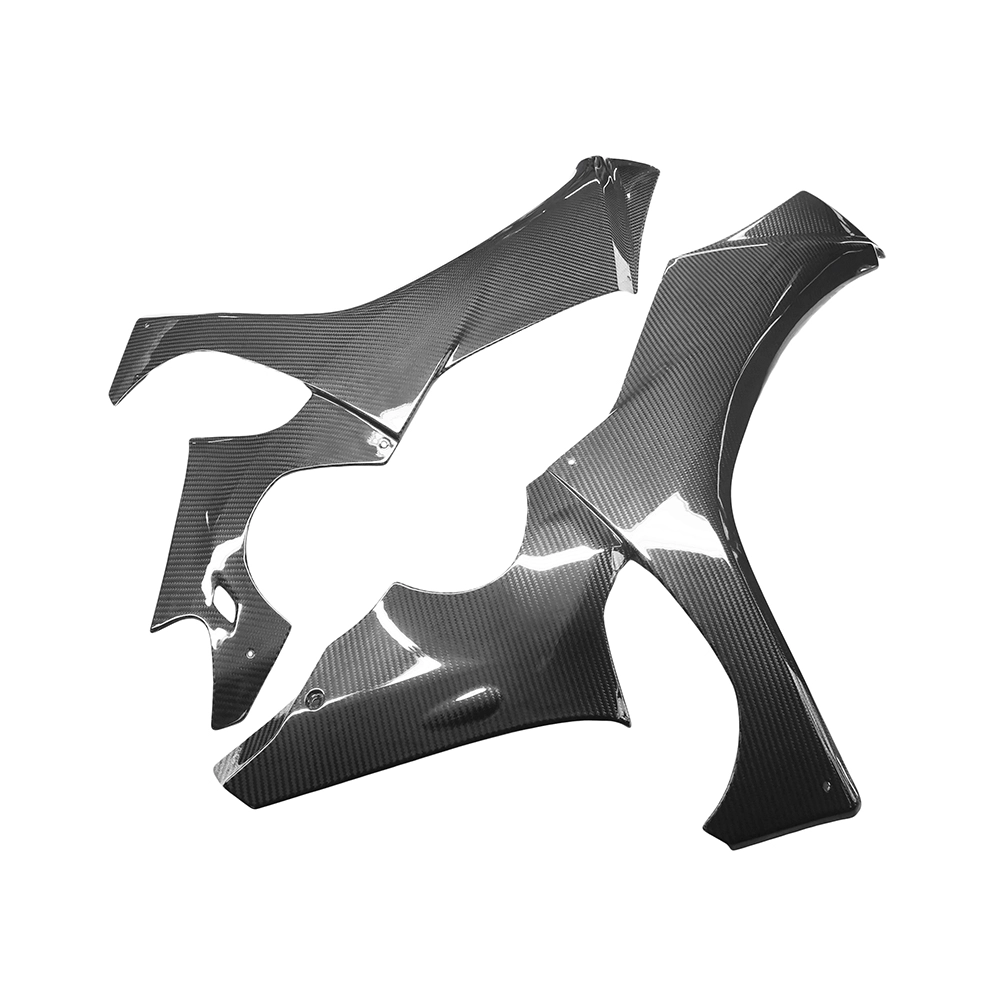
Yamaha R1 Carbon Fiber Side Fairings
Introducing the Supreem Carbon Fiber Long Side Panels for Yamaha R1. Crafted with precision and expertise, this front side fairing is designed to elevate the performance and aesthetics of your R1. Made from high-quality carbon fiber, this fairing is not only lightweight but also incredibly durable, providing optimal protection for your motorcycle.
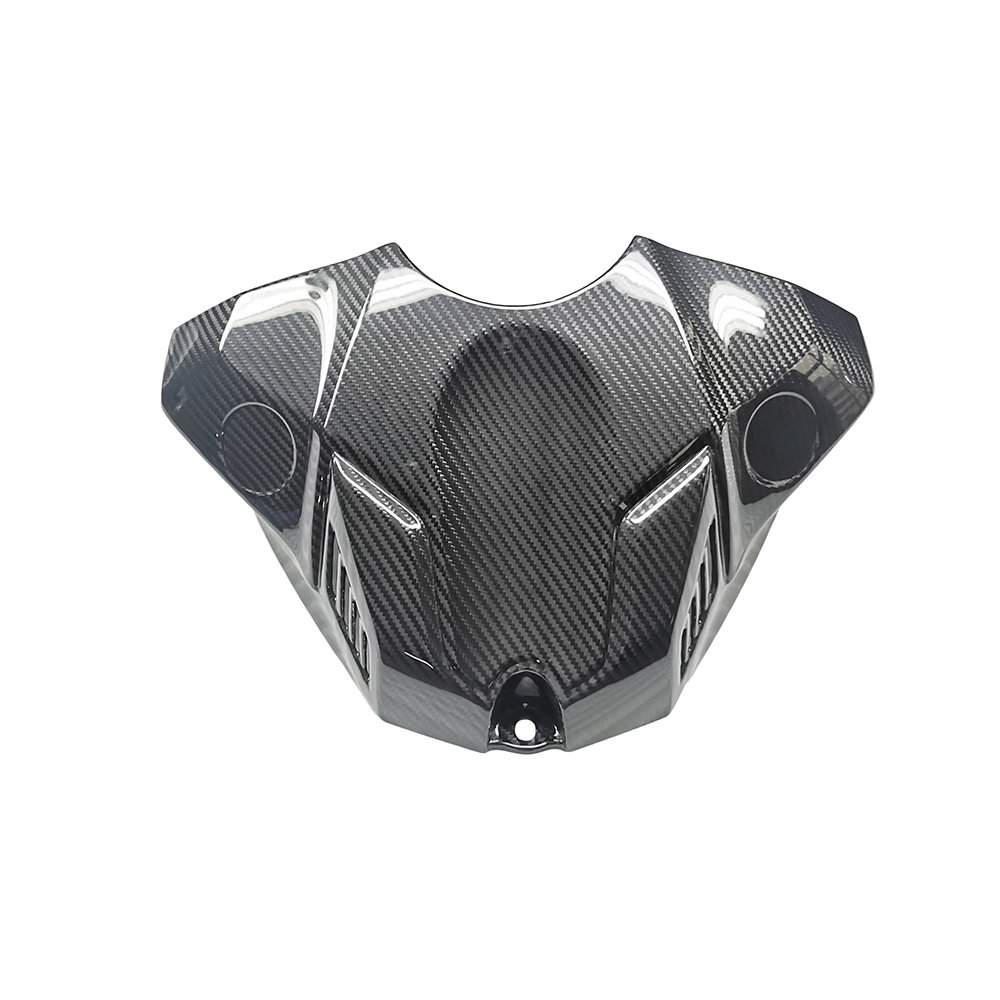
Yamaha R1 Carbon Fiber Airbox Tank Cover
The Supreem Carbon Yamaha R1 Carbon Fiber Airbox Tank Cover provides lightweight, durable protection with a sleek finish. Designed for R1 models, it enhances the style and performance of your bike. Its lightweight structure improves performance while maintaining the premium aesthetics necessary for high-end modification projects. As a dedicated manufacturer of carbon fiber parts, we provide stable production capacity, customization options, and strict quality control to support enterprise-level procurement and OEM/ODM needs.
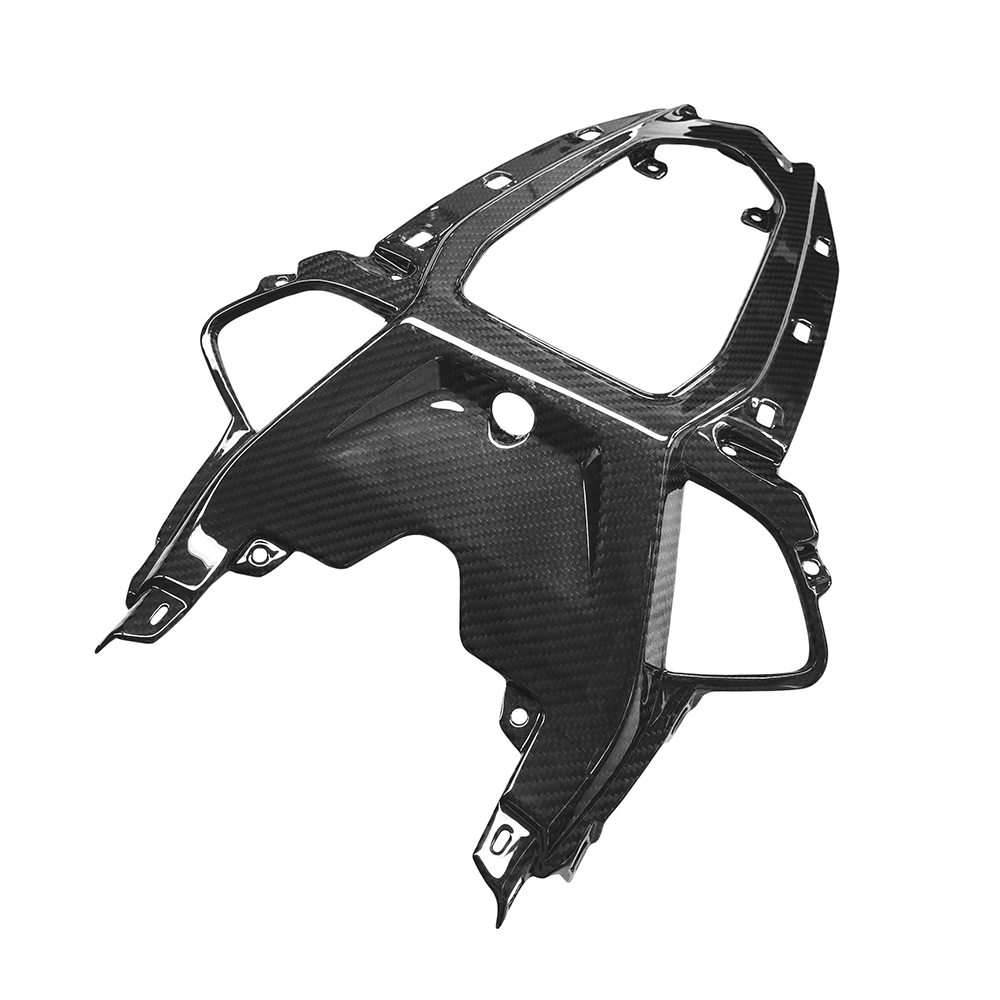
Carbon Fiber Rear Seat Panel for BMW S1000R & M1000RR – Lightweight Performance
This carbon fiber rear seat panel is engineered for the BMW S1000R and M1000RR, offering superior rigidity, reduced weight, and a premium racing finish. Produced with autoclave technology and strict QC standards, the part ensures consistent OEM-level fitment. Supreem Carbon provides wholesale supply, stable bulk production, and customized solutions for global clients.
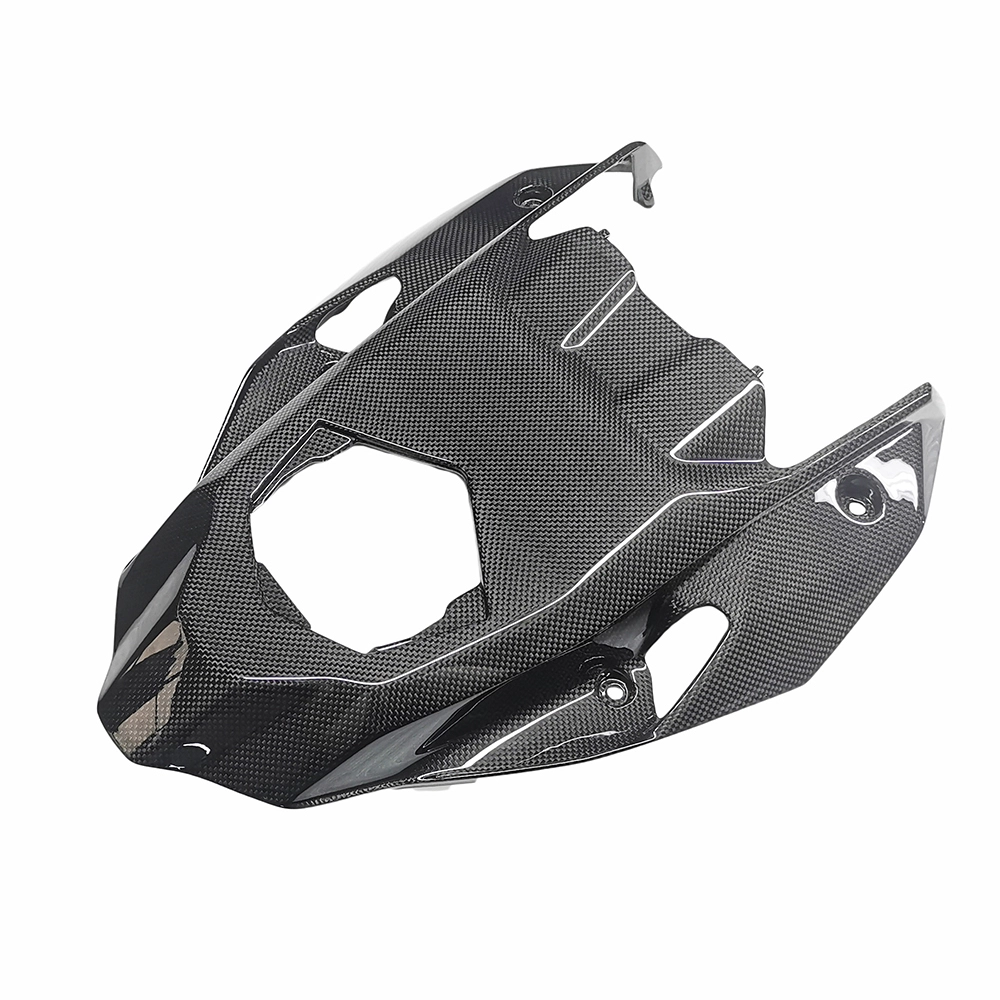
High-Performance Carbon Fiber Rear Undertail for BMW S1000R
Engineered for distributors, tuning brands, and motorcycle accessory businesses, the BMW S1000R Carbon Fiber Rear Undertail is a high-quality, durable, lightweight carbon fiber upgrade for the S1000R platform. This component is manufactured using aerospace-grade carbon fiber and precision molds to deliver superior stiffness, a seamless OEM-level fit, and a premium visual finish suitable for high-end aftermarket applications.

Supreem Carbon aiming to provide customers with high-performance carbon fiber products and quality services.
Contact Supreem Carbon
Address : Building 1 No.103, Yadi Nan 1st Road, QiaoTou Town, Dongguan City, China.
© 2024 Supreem Carbon All Rights Reserved.
Facebook
Pinterest
LinkedIn
Instagram