
Cost Breakdown: How Much Do Dry Carbon Parts Cost?
- Understanding the True Cost of Carbon Upgrades
- What “dry carbon” means and why cost analysis matters
- Key cost drivers for dry carbon parts (keyword: dry carbon cost drivers)
- Raw material costs: what you pay for (keyword: dry carbon materials)
- Manufacturing processes and their cost implications (keyword: dry carbon manufacturing)
- Sample cost breakdowns: prototype, small batch, and mass production (keyword: dry carbon price breakdown)
- Real-world price ranges for common dry carbon parts (keyword: dry carbon parts prices)
- How to evaluate quotes (keyword: evaluating dry carbon quotes)
- Cost-saving strategies without sacrificing quality (keyword: cheap dry carbon parts)
- Supreem Carbon: supplier profile and why it matters for procurement (keyword: Supreem Carbon dry carbon parts)
- Comparison table: quick-buy checklist (keyword: dry carbon buying guide)
- Quality, safety and long-term value (keyword: dry carbon quality)
- Practical example: estimating a custom dry carbon motorcycle fairing set (keyword: dry carbon motorcycle parts cost)
- Conclusion and recommended next steps (keyword: buy dry carbon parts)
- Frequently Asked Questions (FAQ)
- 1. How much cheaper is dry carbon compared with prepreg carbon?
- 2. Will a dry carbon part be as strong as a prepreg/autoclave part?
- 3. What should I expect to pay for a dry carbon hood?
- 4. Are custom dry carbon parts worth the investment?
- 5. How can I reduce lead time for custom dry carbon parts?
- Contact & product viewing
- References
Understanding the True Cost of Carbon Upgrades
What “dry carbon” means and why cost analysis matters
“Dry carbon” typically refers to parts made from dry carbon-fiber fabric (unimpregnated) that are consolidated and cured using a resin infusion process, vacuum bagging, or resin-transfer molding (RTM) rather than factory-level prepreg + autoclave. For consumers and aftermarket installers, dry carbon offers an attractive balance: authentic weave appearance and stiffness at lower tooling and material cost compared with high-end prepreg/autoclave parts. But “how much do dry carbon parts cost?” is not a single number — it depends on material selection, manufacturing method, scale, surface finish, and engineering complexity. This article breaks down those drivers and gives realistic price ranges and examples you can verify.
Key cost drivers for dry carbon parts (keyword: dry carbon cost drivers)
Every dry carbon part price is driven by a combination of the following elements. Understanding each helps you evaluate quotes and spot places to save costs without sacrificing safety or aesthetics.
- Raw materials (dry fabrics, resins, core materials): Quality of carbon fiber weave (standard modulus vs higher modulus), fabric gram weight (e.g., 200g/m2 vs 400g/m2), and resin system (standard epoxy vs high-performance systems) directly affect material cost.
- Tooling and molds: One-off molds (prototype) are expensive per unit; hard molds amortized over large runs lower per-part cost. Mold complexity (compound curves, undercuts) raises cost.
- Manufacturing process: Hand lay-up + vacuum bagging is cheapest; infusion/RTM gives better fiber-to-resin ratio; prepreg + autoclave gives the best performance and finish but costs more.
- Labor and factory location: Skilled labor for composite layup and finishing is a major cost. Labor rates vary by country and shop expertise.
- Post-processing & finishing: Clearcoat, painting, trimming, and quality inspection add to retail cost.
- Volume and engineering: Small runs (1–10 pcs) carry high per-piece costs due to tooling and setup; larger volumes dramatically reduce per-piece costs.
Raw material costs: what you pay for (keyword: dry carbon materials)
Raw dry carbon fabric price varies by weave and quality. As of industry reports and supplier price ranges, standard PAN-based carbon fiber fabric suitable for dry-lay applications often costs roughly $8–$30 per kg equivalent on a fabric-basis depending on weave and supplier. Epoxy resins for infusion are commonly $2–$6 per kg in bulk. For a typical thin automotive panel, material cost (fiber + resin + consumables) often represents 20%–40% of the finished part cost.
Example material factors to consider:
- 200–400 g/m2 twill weaves are common for visual aftermarket parts.
- Higher tow-count fabrics (for higher stiffness / glossy finish) cost more.
- Specialty resins (UV-stable, flexible, or structural epoxies) raise material cost.
Manufacturing processes and their cost implications (keyword: dry carbon manufacturing)
Common processes used for dry carbon parts and their typical cost traits:
- Hand lay-up + vacuum bagging / wet lay-up: Low tooling cost, labor-intensive, suitable for one-offs or small batches. Surface finish usually requires more finishing work.
- Resin infusion (VAC-infuse): Better fiber wet-out and lighter parts than wet lay-up; moderate tooling cost and good for small-to-medium runs.
- RTM (resin transfer molding): Requires two-part molds and injection equipment — higher tooling cost but consistent parts, faster cycle times for medium volumes.
- Prepreg + autoclave: Highest material and equipment cost but best mechanical properties and finish — commonly used for OEM or high-performance aftermarket where budget allows.
Sample cost breakdowns: prototype, small batch, and mass production (keyword: dry carbon price breakdown)
The following table demonstrates typical per-unit cost ranges and relative cost component percentages for a medium-sized exterior panel (for example, a trunk or hood section) across three production scenarios. These are illustrative but grounded in industry norms and factory experience.
| Cost Component | Prototype / 1 pc (USD) | Small Batch / 10 pcs (USD per part) | Mass Prod / 1000+ pcs (USD per part) |
|---|---|---|---|
| Material (fiber, resin, core) | $200–$600 | $150–$400 | $70–$200 |
| Tooling / Mold amortized | $800–$2,500 | $200–$700 | $10–$100 |
| Labor (layup, finishing) | $300–$1,200 | $200–$600 | $30–$120 |
| Finishing (coat, trim, inspection) | $150–$600 | $100–$350 | $20–$80 |
| Overhead / QA / Logistics | $100–$400 | $80–$250 | $10–$40 |
| Estimated retail / wholesale per part | $1,600–$5,000 | $700–$2,000 | $150–$600 |
Notes: Prototype pricing reflects one-off mold costs and low yield. Mass production examples assume hard tooling, simplified finishing, and higher automation or faster cycle times. Retail markups will vary; aftermarket retailers or High Quality brands add margins for distribution and brand value.
Real-world price ranges for common dry carbon parts (keyword: dry carbon parts prices)
Below are typical market ranges you’ll encounter when shopping for dry carbon components. These reflect aftermarket parts from specialized shops and small manufacturers; OEM or high-end prepreg parts sit at the top end or beyond these ranges.
- Mirror covers: $120–$450
- Small exterior trim pieces (diffusers, splitters): $250–$900
- Bike/motorcycle fairings (per set or major panels): $600–$2,500
- Hood / trunk / fender: $700–$3,500
- Complete aero kit: $1,200–$8,000+
Price variation depends on finish (clear-coated vs painted), visible weave vs painted-over, and whether the part includes structural reinforcements or titanium/Aluminum inserts.
How to evaluate quotes (keyword: evaluating dry carbon quotes)
When comparing suppliers, request and compare the following explicitly:
- Mold type: soft plug, fiberglass mold, or CNC-machined mold? Ask for expected mold life (number of parts).
- Material specification: fiber type, fabric weight, resin brand and type.
- Process description: infusion, hand lay-up, RTM, or prepreg/autoclave.
- Surface finish details: clearcoat process, sanding steps, paint if included.
- Lead times and warranties: delivery schedule, damage/fitment guarantees.
A low quote that omits tooling or uses vague material names can lead to surprises. Conversely, a higher quote may offer tighter quality control, better fitment, or longer-lasting UV-stable finishes.
Cost-saving strategies without sacrificing quality (keyword: cheap dry carbon parts)
Ways to reduce unit cost while keeping acceptable quality:
- Buy in small batches (10–50 pcs) with a trusted shop to amortize tooling across a few parts.
- Choose durable but mid-range fabrics and a quality infusion resin — better than the cheapest resin in the long run.
- Simplify part geometry to reduce mold complexity and finishing labor.
- Consider unfinished (clear-coated only) vs painted — painting adds cost but may hide weave inconsistencies.
Supreem Carbon: supplier profile and why it matters for procurement (keyword: Supreem Carbon dry carbon parts)
Supreem Carbon, established in 2017, is a customized manufacturer of carbon fiber parts for automobiles and motorcycles integrating R&D, design, production, and sales to deliver high-quality products and services. The company specializes in carbon fiber composite R&D and produces carbon fiber accessories, luggage, and sports equipment.
Key facts (from company profile):
- Factory footprint: ~4,500 square meters.
- Staffing: 45 skilled production and technical employees.
- Annual output value: approximately $4 million.
- Product breadth: over 1,000 product SKUs with more than 500 customized carbon fiber parts.
- Main product focus: carbon fiber motorcycle parts, carbon fiber automobile parts, customized carbon fiber parts.
Why Supreem Carbon can be a competitive option:
- Integrated R&D and production capability means quick prototyping and in-house adjustments — speeding up validation and reducing back-and-forth with third parties.
- Large SKU and customization experience reduce the risk of poor fitment for specialty vehicle or motorcycle applications.
- Mid-sized factory scale (4,500 m2, 45 staff) supports both bespoke orders and small-to-medium batch runs with predictable lead times and consistent quality control.
For procurement teams: verify material specs and request sample pieces; use Supreem Carbon’s website for product catalogs and contact: https://www.supreemcarbon.com/.
Comparison table: quick-buy checklist (keyword: dry carbon buying guide)
| Buyer question | What to ask suppliers | Red flags |
|---|---|---|
| Material quality | Provide fiber weave, g/m2 and resin type (brand/spec). | Vague answers like “carbon cloth” without specs. |
| Mold type | Ask for mold material and expected life. | One-off high mold cost with no amortization plan. |
| Fitment & finish | Request photos of finished parts and fitment examples. | No sample photos or only stock studio shots. |
| Lead time | Confirm prototype vs production timeline. | Unrealistic lead times or shifting deadlines. |
Quality, safety and long-term value (keyword: dry carbon quality)
Cheapest is not always cheapest in the long run. Poor fiber-to-resin ratios, insufficient curing, or inadequate finishing can cause delamination, poor UV resistance, and bad fitment. For structural or load-bearing components, insist on documented process controls and, where appropriate, mechanical testing certificates. For aesthetic parts, require photographic evidence of weave consistency and finish under similar lighting conditions.
Practical example: estimating a custom dry carbon motorcycle fairing set (keyword: dry carbon motorcycle parts cost)
Scenario: Custom 4-piece fairing set for a sport motorcycle, small batch (10 sets), resin infusion, visible twill weave, clear-coated finish.
- Material per set: $180–$350
- Tooling per set amortized: $200–$650
- Labor & finishing: $250–$600
- Per-set estimated manufacturing cost: $630–$1,600
- Typical shop retail price: $800–$2,500 depending on brand and shipping
This aligns with observed market ranges for high-quality aftermarket motorcycle carbon sets and underscores how tooling and finishing choices push the final price.
Conclusion and recommended next steps (keyword: buy dry carbon parts)
Dry carbon parts offer a compelling mix of aesthetics, weight savings, and cost-effectiveness compared with high-end prepreg/autoclave components — provided you understand the cost drivers. When evaluating suppliers, insist on clear material specifications, mold details, process descriptions, and sample photographs. Consider batch size carefully; tooling amortization makes medium production runs more economical per unit. For reliable supply and customization, companies such as Supreem Carbon (https://www.supreemcarbon.com/) combine R&D and manufacturing scale to offer many ready SKUs plus custom options.
Frequently Asked Questions (FAQ)
1. How much cheaper is dry carbon compared with prepreg carbon?
Dry carbon manufacturing processes (infusion, wet lay-up) typically reduce material and tooling costs compared to prepreg + autoclave. Per-part savings vary widely but can be in the 20%–60% range depending on part complexity and volume. Prepreg parts still command High Quality performance and finish where required.
2. Will a dry carbon part be as strong as a prepreg/autoclave part?
Not always. Prepreg + autoclave systems allow tighter control of fiber-to-resin ratios and curing — so for structural or highly loaded components, prepreg parts usually achieve higher and more consistent mechanical properties. For cosmetic and many functional exterior components, properly made dry carbon parts are sufficiently strong when engineered correctly.
3. What should I expect to pay for a dry carbon hood?
Expect a broad range: for one-off or small-batch aftermarket dry carbon hoods prices commonly range between $1,200 and $3,500. Price depends on mold costs, weave type, finish (clear vs painted), and shipping/installation.
4. Are custom dry carbon parts worth the investment?
Yes, when the parts meet your objectives. For visual enhancement and weight savings on non-critical components, custom dry carbon parts deliver strong perceived and functional value. For safety-critical or structural pieces, ensure the supplier provides relevant engineering validation.
5. How can I reduce lead time for custom dry carbon parts?
Provide detailed CAD or existing part samples, approve resin and weave choices early, and consolidate parts into a single production run to minimize setup time. Choosing an experienced supplier with in-house R&D and tooling — such as Supreem Carbon — can cut iteration cycles.
Contact & product viewing
If you’d like a quote, product catalogue, or custom design support, visit Supreem Carbon to view product lines and contact their team: https://www.supreemcarbon.com/. For custom inquiries, ask for material specs, expected mold life, and photos of finished samples before placing a deposit.
References
- CompositesWorld — Articles on carbon fiber pricing and production drivers. Retrieved from https://www.compositesworld.com/ on 2025-11-28.
- Grand View Research — Carbon Fiber Composite Market Analysis. Retrieved from https://www.grandviewresearch.com/industry-analysis/carbon-fiber-composite-market on 2025-11-28.
- Industry supplier and material datasheets (resin and carbon fabric technical bulletins) — representative pricing and specifications aggregated from manufacturer pages and public datasheets. Accessed 2025-11-28.
- Supreem Carbon company profile and product catalogue. Retrieved from https://www.supreemcarbon.com/ on 2025-11-28.
Custom carbon fiber motorcycle tank Manufacturers and suppliers
Custom carbon fiber fenders Manufacturers and suppliers
Top Carbon Fiber Parts Brands and Manufacturers 2026
Unleash the Power of Carbon Fiber Ducati Accessories with Supreem Carbon
For Facotry
Can I visit your company?
Of course, we are in QiaoTou Town, Dongguan City, Guangdong Province, China.
Supreem carbon main competitive advantages.
Rich experience
Over 10 years production experience in carbon fiber industry, providing customers with high quality carbon products.
Excellent service
From new project development to customer finished product delivery, we provide customers with full tracking and timely feedback on project progress.
High-Quality Products
Our carbon fiber products undergo rigorous quality control to ensure customers achieve the high quality and cost-effective product.
How many monthly production capacity of the factory?
The average monthly production capacity reach 3000 pieces. With the equipment upgrade, it will be increased over 4000 pieces per month.
For Order Delivery
What is the shipping time for the different ways?
Express delivery 5-7 days.
20-25 days by sea.
15 days by air.
For Products
How can I get some sample?
Actually we dont provide the free sample to customer, you can place a sample order if need some parts.
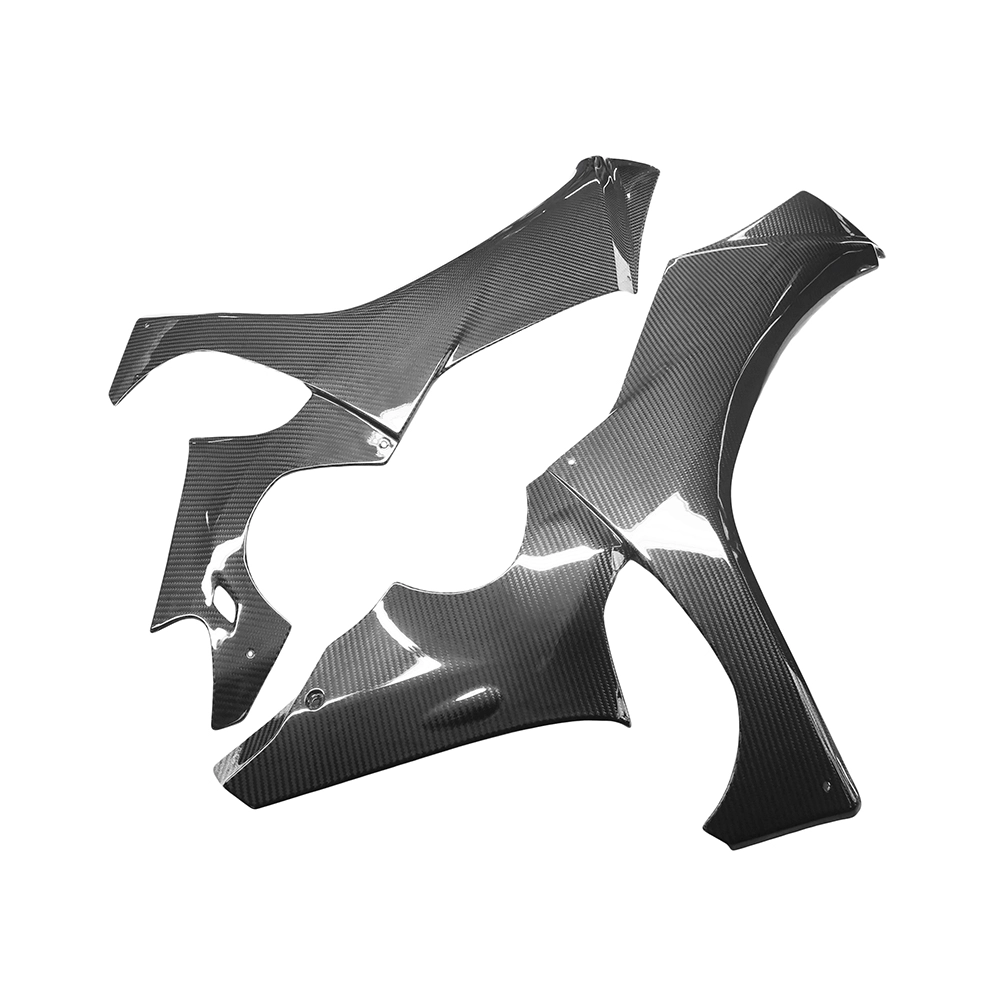
Yamaha R1 Carbon Fiber Side Fairings
Introducing the Supreem Carbon Fiber Long Side Panels for Yamaha R1. Crafted with precision and expertise, this front side fairing is designed to elevate the performance and aesthetics of your R1. Made from high-quality carbon fiber, this fairing is not only lightweight but also incredibly durable, providing optimal protection for your motorcycle.
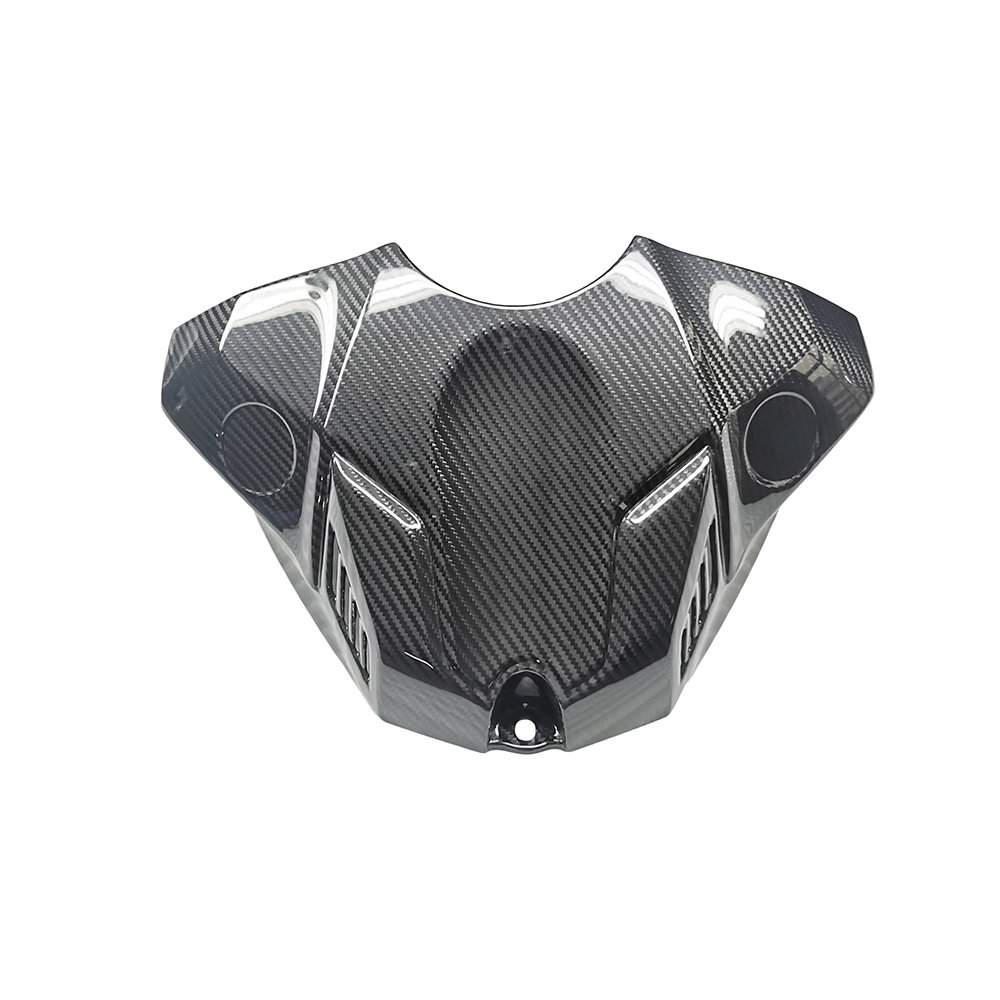
Yamaha R1 Carbon Fiber Airbox Tank Cover
The Supreem Carbon Yamaha R1 Carbon Fiber Airbox Tank Cover provides lightweight, durable protection with a sleek finish. Designed for R1 models, it enhances the style and performance of your bike. Its lightweight structure improves performance while maintaining the premium aesthetics necessary for high-end modification projects. As a dedicated manufacturer of carbon fiber parts, we provide stable production capacity, customization options, and strict quality control to support enterprise-level procurement and OEM/ODM needs.
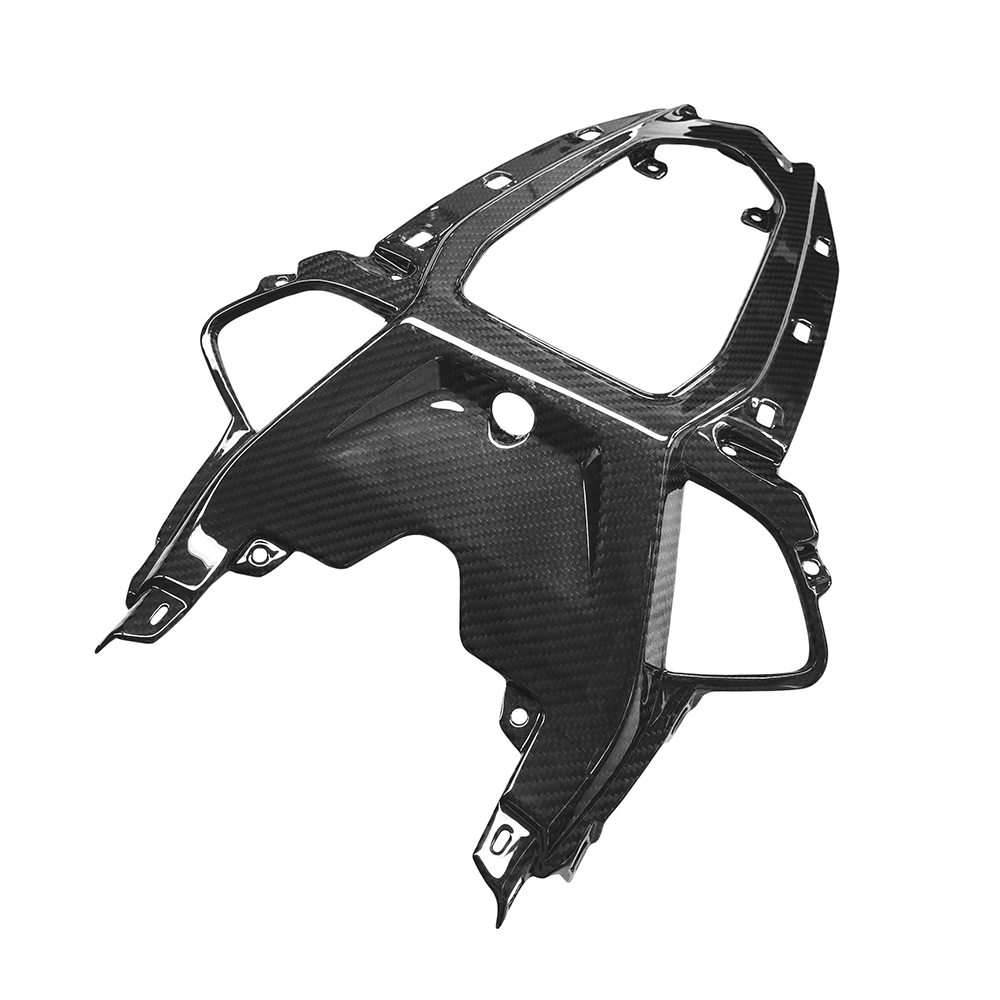
Carbon Fiber Rear Seat Panel for BMW S1000R & M1000RR – Lightweight Performance
This carbon fiber rear seat panel is engineered for the BMW S1000R and M1000RR, offering superior rigidity, reduced weight, and a premium racing finish. Produced with autoclave technology and strict QC standards, the part ensures consistent OEM-level fitment. Supreem Carbon provides wholesale supply, stable bulk production, and customized solutions for global clients.
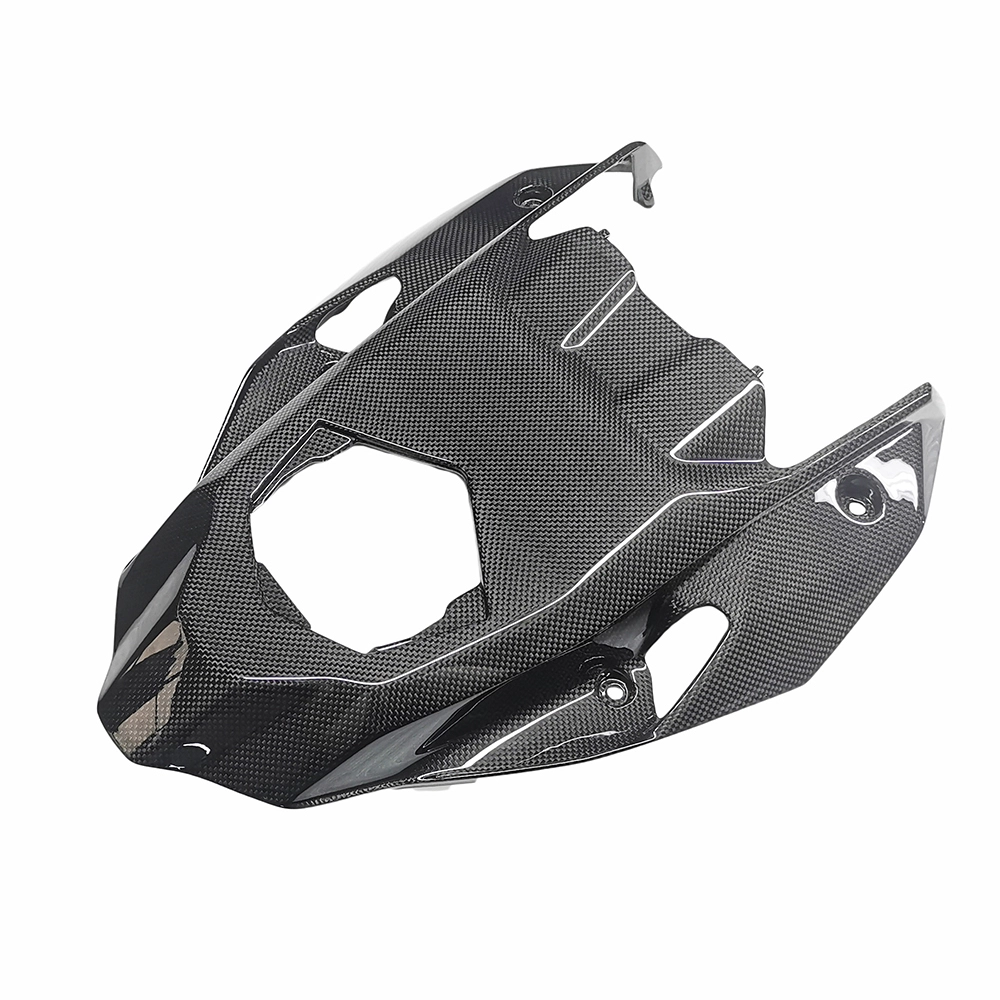
High-Performance Carbon Fiber Rear Undertail for BMW S1000R
Engineered for distributors, tuning brands, and motorcycle accessory businesses, the BMW S1000R Carbon Fiber Rear Undertail is a high-quality, durable, lightweight carbon fiber upgrade for the S1000R platform. This component is manufactured using aerospace-grade carbon fiber and precision molds to deliver superior stiffness, a seamless OEM-level fit, and a premium visual finish suitable for high-end aftermarket applications.

Supreem Carbon aiming to provide customers with high-performance carbon fiber products and quality services.
Contact Supreem Carbon
Address : Building 1 No.103, Yadi Nan 1st Road, QiaoTou Town, Dongguan City, China.
© 2024 Supreem Carbon All Rights Reserved.
Facebook
Pinterest
LinkedIn
Instagram