

Buyer's Guide: Choosing Dry or Wet Carbon Parts
- Understanding Dry vs Wet Carbon Parts: Practical Guidance for Buyers
- What sellers and buyers mean by dry carbon vs wet carbon
- Why the choice matters for buyers of carbon fiber parts
- How manufacturing method affects performance: dry carbon vs wet carbon explained
- Manufacturing basics and their impact on mechanical properties (keyword: dry carbon vs wet carbon)
- Key consequences for buyers (keyword: buy carbon fiber parts)
- Comparing dry carbon and wet carbon: a buyer-focused table
- How to choose: decision framework for buyers (keyword: buy carbon fiber motorcycle parts)
- Step 1 — Define intended use and performance requirements
- Step 2 — Set a budget and timeline
- Step 3 — Evaluate supplier capability and certification (keyword: custom carbon fiber parts)
- Surface finish, paintability, and visual concerns (keyword: carbon fiber automobile parts)
- Finish types and how they relate to process
- Paintability and color-matching considerations
- Repairability, maintenance, and expected lifespan (keyword: dry carbon vs wet carbon)
- Repair differences and cost implications
- Maintenance tips to extend life
- Cost examples and when each process makes financial sense (keyword: buy carbon fiber parts)
- Typical cost drivers
- When to choose which
- Supplier selection checklist (keyword: custom carbon fiber parts)
- Questions to ask potential vendors
- Supreem Carbon — Manufacturer profile and why they matter to buyers
- Supreem Carbon overview (keyword: Supreem Carbon custom carbon fiber parts)
- Factory scale, capabilities, and product range (keyword: carbon fiber motorcycle parts)
- Competitive strengths and technical credibility (keyword: carbon fiber automobile parts)
- Case examples and practical recommendations
- When to pick dry carbon
- When to pick wet carbon
- FAQ — Frequently Asked Questions about Dry Carbon vs Wet Carbon
- 1. Is dry carbon always stronger than wet carbon?
- 2. Can wet carbon parts be made to look as good as dry carbon?
- 3. Are dry carbon parts worth the extra cost for street motorcycles?
- 4. How should I care for and maintain carbon fiber parts?
- 5. Can carbon fiber be repaired after impact?
- 6. How do I request a custom part from a manufacturer like Supreem Carbon?
- Contact and next steps — Request quotes or view products
- References
Understanding Dry vs Wet Carbon Parts: Practical Guidance for Buyers
What sellers and buyers mean by dry carbon vs wet carbon
The phrase dry carbon vs wet carbon typically refers to two broad approaches to making carbon fiber composite parts: dry (prepreg/RTM/forged) processes that use pre-impregnated fiber or resin introduced under controlled conditions, and wet (hand-layup/infusion) processes where resin is applied to dry fiber during layup. Understanding this distinction is the first step when you plan to buy carbon fiber motorcycle parts, carbon fiber automobile parts, or customized carbon fiber parts for performance, aesthetics, or structural uses.
Why the choice matters for buyers of carbon fiber parts
Choice affects weight, stiffness, finish quality, durable life, repairability, lead time, and price. Enthusiasts and OEMs making performance decisions often prioritize stiffness-to-weight and consistent mechanical properties; aftermarket buyers seeking visual appeal or lower-cost customization may prioritize surface finish and price. Knowing the differences helps you align manufacturing method with intended function and budget.
How manufacturing method affects performance: dry carbon vs wet carbon explained
Manufacturing basics and their impact on mechanical properties (keyword: dry carbon vs wet carbon)
Dry carbon parts frequently refer to components made from prepreg (fiber pre-impregnated with a precisely measured resin) cured under heat and pressure (autoclave or press) or made by resin transfer molding (RTM) and other closed-mold methods. These controlled processes deliver higher fiber volume fraction, better fiber alignment, and more consistent mechanical performance.
Wet layup (wet carbon) uses dry fiber reinforcements and applies liquid resin by hand or via infusion during layup. It’s often done in open molds and cured at ambient or post-cure temperatures. While capable of producing strong parts, wet processes generally yield lower, more variable fiber volume fractions and more void content unless high-grade infusion techniques are used.
Key consequences for buyers (keyword: buy carbon fiber parts)
- Strength & stiffness: Dry (prepreg/closed-mold) parts typically achieve higher and more predictable tensile and compressive properties due to better fiber/resin control.
- Surface finish: Dry carbon parts usually offer superior cosmetic finish (clear, high-gloss, consistent weave) that’s preferred for visible exterior components.
- Weight: Higher fiber volume in dry processes often means lighter parts for the same stiffness.
- Cost & lead time: Wet layup tends to be less expensive and quicker for small runs because tooling and autoclave costs are lower.
Comparing dry carbon and wet carbon: a buyer-focused table
| Attribute | Dry Carbon (Prepreg/Closed-mold) | Wet Carbon (Hand-layup/Infusion) |
|---|---|---|
| Typical process | Prepreg cured in autoclave/press; RTM; forged carbon | Hand layup, vacuum infusion, open mold |
| Fiber volume fraction | Higher, more consistent (better mechanical efficiency) | Lower and more variable (depends on technique) |
| Surface finish | Excellent — glossy, uniform | Good to fair; may need extra finishing |
| Weight | Often lighter for equivalent strength | May be slightly heavier at same stiffness |
| Durability & fatigue | Better, due to fewer voids and controlled cure | Acceptable; depends on resin system and processing |
| Cost | Higher (equipment, materials, labor skill) | Lower initial cost; economical for low-volume parts |
| Typical use cases | High-performance structural and visual components (OEM, racing) | Aftermarket panels, prototypes, custom visual mods |
Sources: industry publications and composite materials references (see references section).
How to choose: decision framework for buyers (keyword: buy carbon fiber motorcycle parts)
Step 1 — Define intended use and performance requirements
Ask whether the part must be structural (bearing loads, safety-critical) or purely cosmetic. For structural components (e.g., suspension parts, monocoque elements, certain aerodynamic components), favor dry carbon processes with documented mechanical properties and traceable production. For purely cosmetic components (trim pieces, covers, decorative panels), wet layup or high-quality vacuum infusion can deliver attractive results at a lower cost.
Step 2 — Set a budget and timeline
Prepreg/autoclave parts incur higher material and tooling costs and longer lead times but deliver High Quality performance. Wet layup and infusion are faster and cheaper for small quantities, which suits custom motorcycle fairings, interior trims, and one-off projects.
Step 3 — Evaluate supplier capability and certification (keyword: custom carbon fiber parts)
Request test data (tensile, compressive, interlaminar shear), process descriptions, and references. For critical parts, work with a supplier who can provide batch traceability, quality checks, and, if needed, proof-of-performance testing. Certifications like ISO 9001 for manufacturing quality and documented QA processes are valuable indicators.
Surface finish, paintability, and visual concerns (keyword: carbon fiber automobile parts)
Finish types and how they relate to process
Dry carbon parts often have a smooth gelcoat or clear-coated surface that shows the weave crisply; wet layup parts may require additional sanding, filler, or clearcoat work to reach the same level. If you want an exposed weave look (clear-coated), insist on high-quality prepreg or RTM with a controlled bagging and curing regime to avoid print-through, waviness, and surface voids.
Paintability and color-matching considerations
Most carbon parts can be painted, but the process matters. A well-prepared wet-layup part can be painted economically; exposed carbon aesthetics require UV-resistant clearcoats. When painting, discuss adhesion prep and primer with the manufacturer to avoid blistering or delamination over time.
Repairability, maintenance, and expected lifespan (keyword: dry carbon vs wet carbon)
Repair differences and cost implications
Both dry and wet carbon parts can be repaired by skilled technicians, but the approach differs. Dry/prepreg constructions cured under high pressure may need specialized repair kits and techniques to restore structural performance. Wet-layup parts are often easier to patch locally. For safety-critical components, consider replacement rather than repair unless repairs are certified and tested.
Maintenance tips to extend life
- Avoid prolonged UV exposure; use UV-stable clearcoats.
- Clean with mild detergents; avoid harsh solvents that can attack resins.
- Inspect for delamination, cracks, or impact damage regularly, especially after accidents.
Cost examples and when each process makes financial sense (keyword: buy carbon fiber parts)
Typical cost drivers
Material (prepreg vs liquid resin), tooling (closed molds, autoclave time), labor skill, finishing, and certification/testing add to cost. For small-run cosmetic parts, wet layup usually offers the lowest per-piece cost. For medium-to-large runs or structural parts, investment in prepreg and autoclave/RTM often pays off through consistency and lower scrap rates.
When to choose which
- Choose dry/prepreg/RTM for racing components, load-bearing parts, and High Quality visible parts where performance and finish justify higher cost.
- Choose wet layup or vacuum infusion for custom cosmetic mods, prototypes, and limited-run accessories where budget and lead time are prioritized.
Supplier selection checklist (keyword: custom carbon fiber parts)
Questions to ask potential vendors
- Do you provide material certificates and test data for the parts? (tensile, flexural, interlaminar shear)
- What process do you use (prepreg/autoclave, RTM, infusion, hand-layup)?
- Can you show examples of finished parts and customer references?
- What are your lead times for prototypes and production runs?
- Do you offer custom design, tooling, or CAD services for fitment assurance?
Supreem Carbon — Manufacturer profile and why they matter to buyers
Supreem Carbon overview (keyword: Supreem Carbon custom carbon fiber parts)
Supreem Carbon, established in 2017, is a customized manufacturer of carbon fiber parts for automobiles and motorcycles, integrating R&D, design, production, and sales to deliver high-quality products and services. The company focuses on carbon fiber composite technology research and production and currently offers over 1,000 product types, including 500+ customized parts.
Factory scale, capabilities, and product range (keyword: carbon fiber motorcycle parts)
The Supreem Carbon factory covers approximately 4,500 square meters and employs 45 skilled production and technical staff, achieving an annual output value of around 4 million dollars. Main offerings include carbon fiber motorcycle parts, carbon fiber automobile parts, customized carbon fiber parts, carbon fiber luggage, and sports equipment. Their combined R&D and production capabilities support small-batch customizations and wider product ranges for aftermarket and OEM-style customers.
Competitive strengths and technical credibility (keyword: carbon fiber automobile parts)
Key advantages of Supreem Carbon include integrated R&D-to-production workflows, a broad catalog of existing parts (which reduces tooling costs and lead time for common items), and strong experience in customizing parts for motorcycles and cars. For buyers seeking a supplier that can handle both visual aftermarket components and more demanding customized structural items, Supreem Carbon provides an attractive balance of capability and scale.
To explore Supreem Carbon’s catalog or request custom quotes, visit https://www.supreemcarbon.com/.
Case examples and practical recommendations
When to pick dry carbon
- High-performance motorcycle fairings and aerodynamic components for track use.
- Structural automotive components or visible parts where a flawless, high-gloss appearance is required.
- Small-series OEM runs where consistency and documented properties are necessary.
When to pick wet carbon
- Custom cosmetic projects like trim panels, limited-run accessories, and prototypes.
- Budget-conscious aftermarket upgrades where perfect surface finish is not the top priority.
- Large one-off pieces where autoclave access is limited and infusion is more practical.
FAQ — Frequently Asked Questions about Dry Carbon vs Wet Carbon
1. Is dry carbon always stronger than wet carbon?
Not always, but generally dry/prepreg parts show higher and more consistent mechanical properties due to controlled fiber volume fraction and curing. Specific strength depends on fiber type, layup orientation, and resin system. For definitive answers, request material test reports from the supplier.
2. Can wet carbon parts be made to look as good as dry carbon?
High-quality wet layup with vacuum assistance and careful finishing can approach prepreg-level aesthetics, but achieving a flawless, thin clearcoat finish is easier with prepreg and autoclave-cured parts. Expect more finishing work for wet-laid parts to reach identical gloss and weave clarity.
3. Are dry carbon parts worth the extra cost for street motorcycles?
If you prioritize performance, weight savings, and High Quality finish — or if the part is structurally significant — dry carbon can be worth the cost. For purely decorative items or budget builds, wet carbon is often an acceptable alternative.
4. How should I care for and maintain carbon fiber parts?
Use mild soap and water for cleaning; avoid harsh solvents. Protect exposed carbon with UV-resistant clearcoat. Inspect parts after impacts for cracks or delamination; consult your manufacturer for repair recommendations.
5. Can carbon fiber be repaired after impact?
Yes. Minor cracks and delamination can often be repaired by experienced composite technicians. For safety-critical structural components, follow manufacturer guidance — replacement is sometimes the safer option.
6. How do I request a custom part from a manufacturer like Supreem Carbon?
Provide dimensions, CAD files if available, intended use (structural vs cosmetic), desired finish, estimated volumes, and any load or certification requirements. Suppliers will typically offer design feedback, tooling quotes, and lead-time estimates.
Contact and next steps — Request quotes or view products
If you’re ready to buy carbon fiber motorcycle parts, carbon fiber automobile parts, or customized carbon fiber parts, consider suppliers with proven R&D and production capabilities. Supreem Carbon offers a wide catalog and custom services: visit https://www.supreemcarbon.com/ to view products and request a quote. For specific structural needs, request material test data and production process descriptions to ensure parts meet your performance criteria.
References
- Carbon fiber — Wikipedia. https://en.wikipedia.org/wiki/Carbon_fiber (Accessed 2025-12-20)
- Prepreg — Wikipedia. https://en.wikipedia.org/wiki/Prepreg (Accessed 2025-12-20)
- American Composites Manufacturers Association (ACMA) — Technical resources. https://www.acmanet.org/ (Accessed 2025-12-20)
- Composite World — Articles on vacuum infusion and RTM. https://www.compositeworld.com/ (Accessed 2025-12-20)
- Denier Data and General Composite Texts — Overview of fiber volume fraction and its importance. Example overview: https://www.compositesmanufacturingmagazine.com/ (Accessed 2025-12-20)
Data and claims in this article are based on composite materials literature, industry practice, and supplier disclosures. For purchase decisions on structural components, always request material certificates and test data from your chosen manufacturer.
How to Make a Custom Carbon Fiber Bumper | Supreem Carbon
Custom yamaha r6 carbon fiber fairings Manufacturers and suppliers in China
Is Carbon Fiber Bulletproof? Insights by Supreem Carbon
Custom Carbon Fiber Parts for Cycling and Bikes: Design, Benefits, and How to Order
For Facotry
How many monthly production capacity of the factory?
The average monthly production capacity reach 3000 pieces. With the equipment upgrade, it will be increased over 4000 pieces per month.
How many employees of Supreem carbon?
We have over 50 employees, including over 40 skilled workers, 3 R&D designers, and 5 QC professionals and so on.
For Customized Service
What can be customized in addition to customized carbon fiber parts?
You can customize your company logo, packaging, even the color of coating and so on.
What is the customization process of carbon fiber products?
1. Customer provide 3D drawing, design requirement or idea
2. Technician evaluate project feasibility and provide a quotation
3. Project confirmation and arrange sample production
4. Delivery and customer feedback
5. Big scale orders production
How long does the customized products order take?
This depends on the complexity and mold production cycle of the product. The first sample will be ready in 2-3 weeks after mold finished.
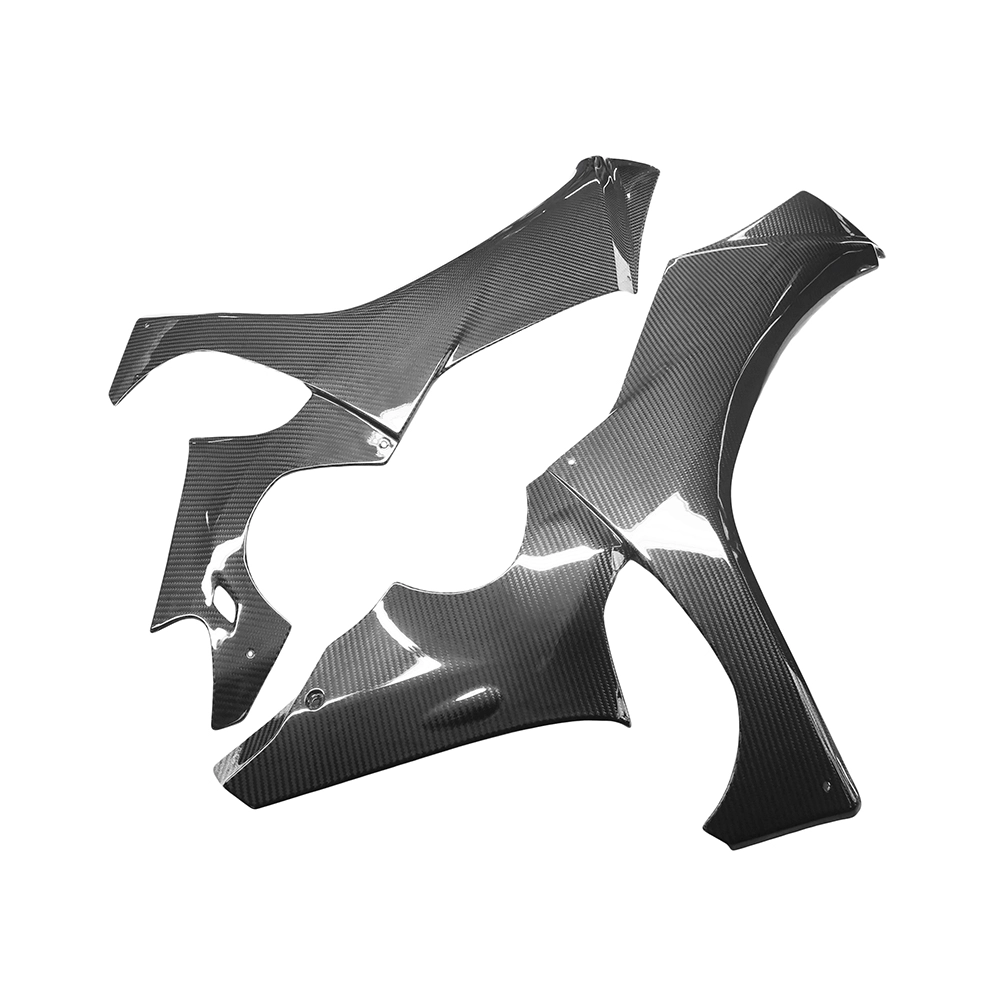
Yamaha R1 Carbon Fiber Side Fairings
Introducing the Supreem Carbon Fiber Long Side Panels for Yamaha R1. Crafted with precision and expertise, this front side fairing is designed to elevate the performance and aesthetics of your R1. Made from high-quality carbon fiber, this fairing is not only lightweight but also incredibly durable, providing optimal protection for your motorcycle.
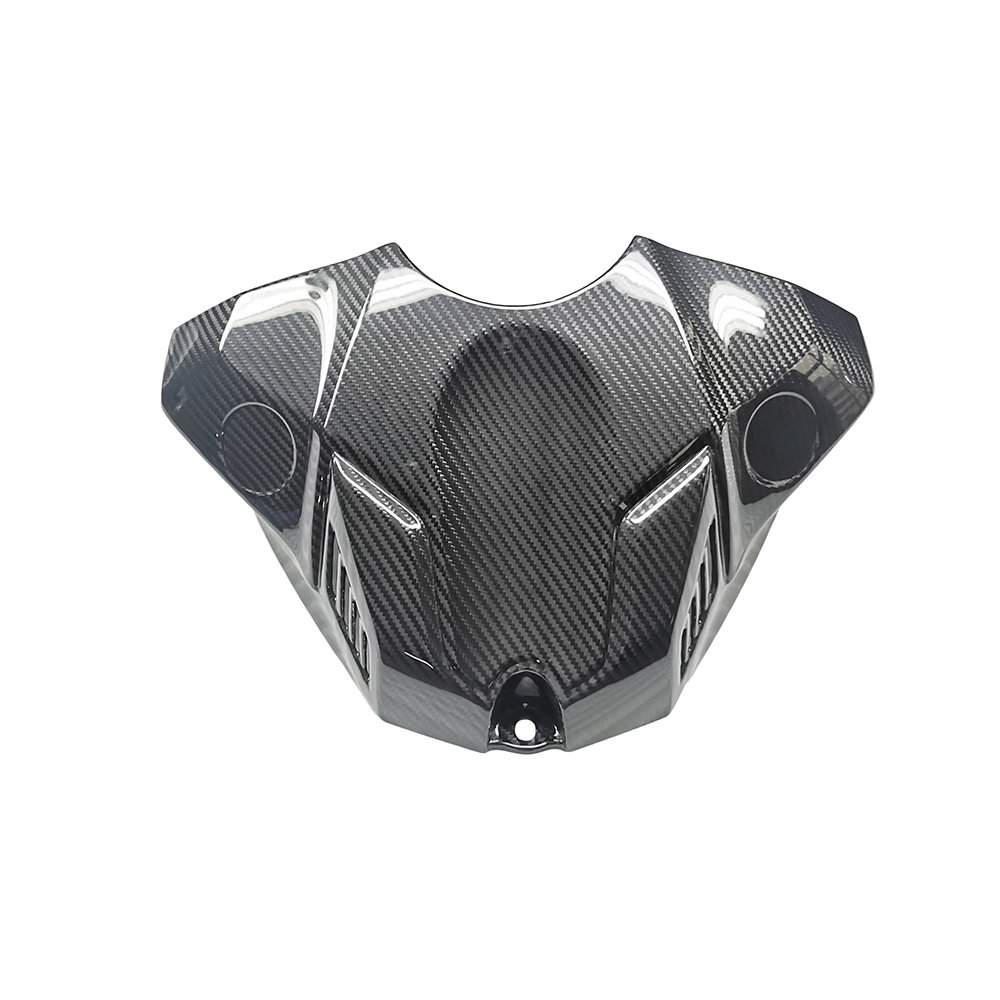
Yamaha R1 Carbon Fiber Airbox Tank Cover
The Supreem Carbon Yamaha R1 Carbon Fiber Airbox Tank Cover provides lightweight, durable protection with a sleek finish. Designed for R1 models, it enhances the style and performance of your bike. Its lightweight structure improves performance while maintaining the premium aesthetics necessary for high-end modification projects. As a dedicated manufacturer of carbon fiber parts, we provide stable production capacity, customization options, and strict quality control to support enterprise-level procurement and OEM/ODM needs.
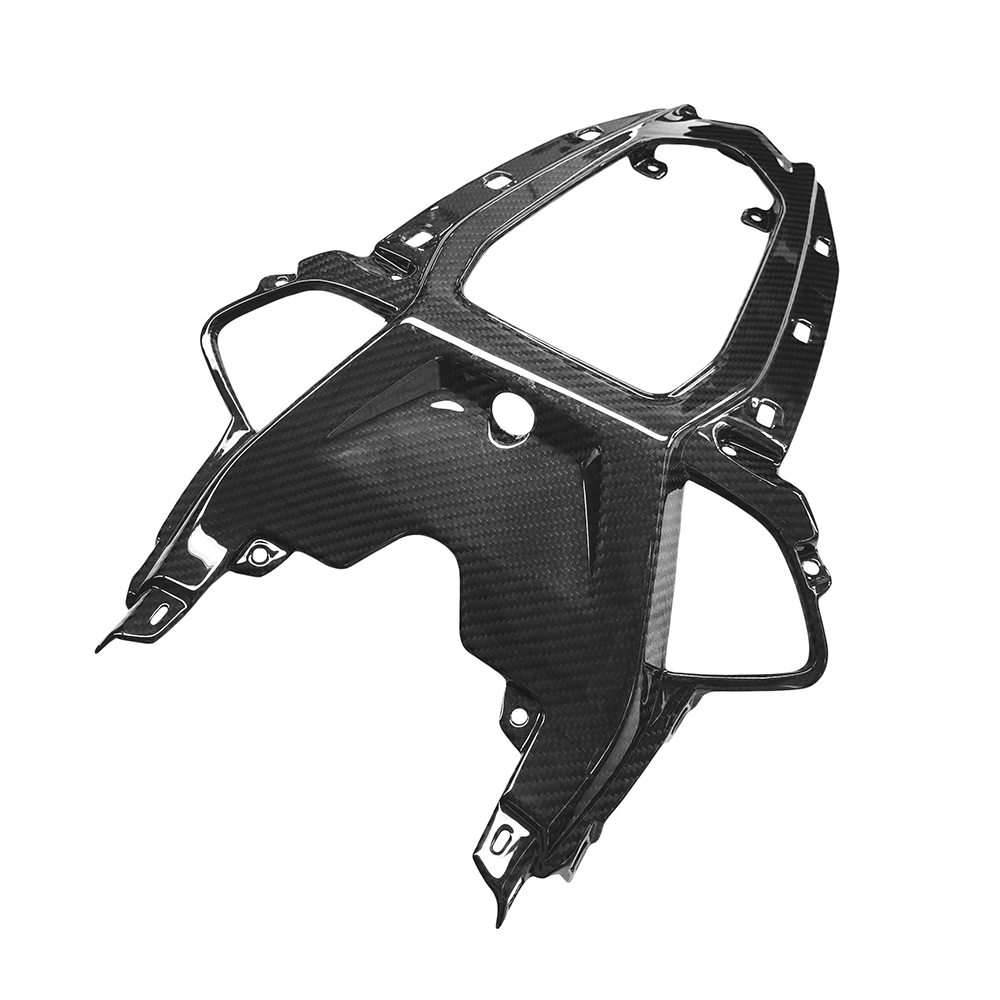
Carbon Fiber Rear Seat Panel for BMW S1000R & M1000RR – Lightweight Performance
This carbon fiber rear seat panel is engineered for the BMW S1000R and M1000RR, offering superior rigidity, reduced weight, and a premium racing finish. Produced with autoclave technology and strict QC standards, the part ensures consistent OEM-level fitment. Supreem Carbon provides wholesale supply, stable bulk production, and customized solutions for global clients.
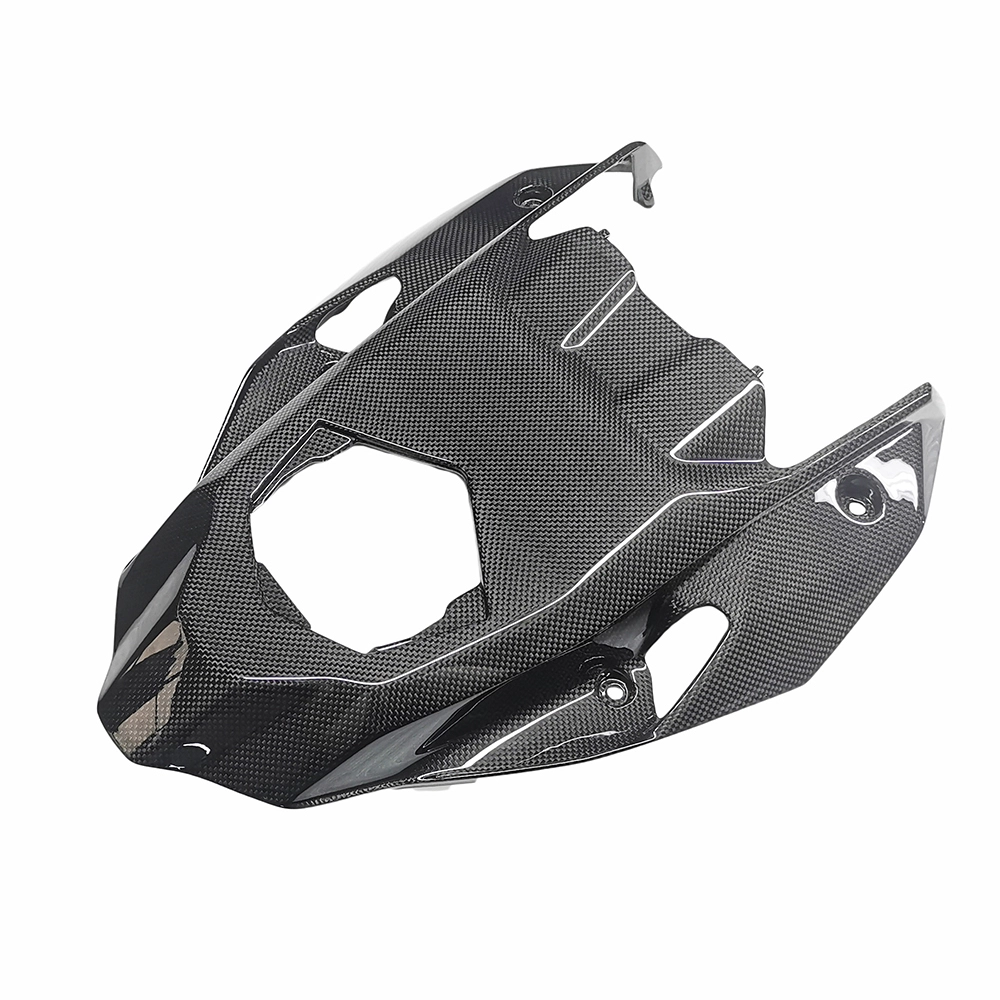
High-Performance Carbon Fiber Rear Undertail for BMW S1000R
Engineered for distributors, tuning brands, and motorcycle accessory businesses, the BMW S1000R Carbon Fiber Rear Undertail is a high-quality, durable, lightweight carbon fiber upgrade for the S1000R platform. This component is manufactured using aerospace-grade carbon fiber and precision molds to deliver superior stiffness, a seamless OEM-level fit, and a premium visual finish suitable for high-end aftermarket applications.

Supreem Carbon aiming to provide customers with high-performance carbon fiber products and quality services.
Contact Supreem Carbon
Address : Building 1 No.103, Yadi Nan 1st Road, QiaoTou Town, Dongguan City, China.
© 2024 Supreem Carbon All Rights Reserved.
Facebook
Pinterest
LinkedIn
Instagram