



How to Make Carbon Fiber Car Body Parts: Complete Guide for Builders & Buyers
- How to Make Carbon Fiber Car Body Parts: Practical Steps, Methods, and Manufacturer Insights
- Why carbon fiber for car body parts?
- Overview of the processes to make carbon fiber car body parts
- Materials and tools you need
- Step-by-step: Basic method (hand lay-up + vacuum bagging) for a DIY or small-shop carbon fiber hood
- 1. Design and patterning
- 2. Make the mold
- 3. Prepare materials and cutting
- 4. Lay-up and resin application
- 5. Vacuum bagging and curing
- 6. Demolding, trimming, and finishing
- Comparing manufacturing methods
- Quality control, testing, and durability considerations
- Dimensional accuracy and fitment
- Structural testing
- UV and environmental protection
- Costs and lead times
- When to outsource to a custom manufacturer
- Safety and environmental considerations
- Conclusion: Choose the right approach for your goals
- Frequently Asked Questions
- Sources and further reading
How to Make Carbon Fiber Car Body Parts: Practical Steps, Methods, and Manufacturer Insights
Searching for how to make carbon fiber car body parts usually means you want a clear, usable roadmap — whether you’re a hobbyist making a bumper, a small shop creating custom fenders, or a buyer choosing a manufacturer. This guide explains materials, tooling, production methods, costs, quality checks, safety and when to outsource to a specialist. keywords such as carbon fiber car body parts, custom carbon fiber parts, and carbon fiber manufacturing are used naturally to help you find the right approach.
Why carbon fiber for car body parts?
Carbon fiber composites offer high strength-to-weight ratio, improved performance, and High Quality aesthetics. For automotive applications, they deliver weight reduction, better handling, and distinctive visual appeal. OEMs and aftermarket shops use carbon fiber for hoods, fenders, bumpers, splitters, and interior trims.
Overview of the processes to make carbon fiber car body parts
There are four commonly used production methods for car body parts, each with different cost, finish, and scalability profiles: hand lay-up, vacuum bagging, resin transfer molding (RTM), and autoclave curing. Choose based on volume, desired finish, and budget.
Materials and tools you need
- Carbon fiber fabric types: plain weave, twill weave, unidirectional (UD).
- Resins: polyester (low-cost), vinyl ester (better toughness), epoxy (best mechanical properties and finish).
- Core materials (optional): foam, honeycomb for sandwich panels.
- Molds: fiberglass molds, aluminum, or tooling-grade composites.
- Consumables: peel ply, release agents, vacuum bag film, tack cloths, debulking materials.
- Equipment: vacuum pump, oven or controlled curing oven, mixers, rollers, brushes, and PPE (respirator, gloves, eye protection).
Step-by-step: Basic method (hand lay-up + vacuum bagging) for a DIY or small-shop carbon fiber hood
1. Design and patterning
Create templates from the original part or digital CAD model. Accurate patterning reduces trimming and fit problems. : if you need a custom mold or CAD services, many manufacturers (including Supreem Carbon) offer design-to-production support.
2. Make the mold
Molds can be made from the OEM part using a gelcoat/fiberglass process or built directly in CNC-machined tooling for high precision. For one-off parts, a female fiberglass mold is common and cost-effective.
3. Prepare materials and cutting
Cut carbon fabric to shape, accounting for overlaps and drape. Use templates and align weave direction to achieve required stiffness and aesthetics.
4. Lay-up and resin application
Apply release agent to the mold. Perform a dry lay-up or pre-preg (pre-impregnated) lay-up depending on material choice. For wet lay-up, saturate fabrics with mixed resin using rollers and brushes, ensuring even impregnation and avoiding dry spots.
5. Vacuum bagging and curing
Place peel ply, breather, and vacuum film. Apply vacuum to compact the laminate and remove excess resin and air. Cure at room temperature or elevated temperature per resin datasheet. Epoxy systems often require post-cure at elevated temperatures to reach full properties.
6. Demolding, trimming, and finishing
Demold carefully, trim flash with appropriate tools, sand, and apply surface primer and clear coat for UV protection and gloss. For visible parts, a high-quality finish is essential—consider a gelcoat or clear-coat application by a professional spray booth for best results.
Comparing manufacturing methods
Choose the right method for part performance, appearance, and production volume. The table below compares common methods used to make carbon fiber car body parts.
| Method | Best for | Surface finish | Unit cost (relative) | Production volume |
|---|---|---|---|---|
| Hand lay-up | Prototypes, one-off parts | Good with extra finishing | Low | Low |
| Vacuum bagging | Higher quality one-offs, small runs | Very good | Medium | Low–Medium |
| RTM (Resin Transfer Molding) | Medium–high volume, consistent parts | Very good, repeatable | Medium–High (tooling cost) | Medium–High |
| Autoclave (prepreg) | Highest performance, aerospace-level quality | Excellent (void-free) | High | Low–Medium (per-piece cost high) |
Quality control, testing, and durability considerations
Dimensional accuracy and fitment
Check mating points, bolts, and clearance. Trial-fit parts on the vehicle before final finishing. Commercial customers expect repeatable fitment; manufacturers like Supreem Carbon maintain strict QC to ensure reliable fit across custom runs.
Structural testing
For load-bearing components, test for stiffness, impact resistance, and fatigue. Non-destructive testing (NDT) methods such as ultrasonic C-scan help detect delamination or voids, especially for safety-critical body structures.
UV and environmental protection
Carbon fiber resin systems can degrade with UV exposure. Always use UV-stable clear coats or gelcoats for exterior body parts to avoid yellowing and surface deterioration.
Costs and lead times
Costs depend on materials and process: epoxy prepreg with autoclave curing is most expensive per piece but offers superior properties and finish. Hand lay-up with polyester resin is cheaper but may need more finishing. Typical lead times range from days for simple prototypes to several weeks for custom molds and medium production runs. If you require consistent quality and shorter overall lead times, partnering with a specialized factory like Supreem Carbon can be cost-effective due to in-house tooling and production capabilities.
When to outsource to a custom manufacturer
Outsource if you need:
- High-quality, repeatable parts for sale or track use.
- Complex molds, CNC tooling, or vacuum/autoclave curing.
- Regulatory testing or advanced finishing services.
Supreem Carbon (est. 2017) specializes in custom carbon fiber parts and offers R&D, design, production and sales in one place. With a 4,500 m2 factory, 45 skilled staff, and over 1,000 product SKUs (including 500+ custom parts), Supreem Carbon can handle prototypes, small batches and larger runs while maintaining tight quality control.
Safety and environmental considerations
Working with carbon fiber and resins requires proper PPE and ventilation. Respirators, nitrile gloves, and eye protection are essential. Dispose of solvent wastes and resins per local regulations. Many manufacturers pursue lean manufacturing and waste reduction strategies to reduce environmental impact.
Conclusion: Choose the right approach for your goals
How to make carbon fiber car body parts is a that ranges from DIY curiosity to professional production planning. For hobbyists and small shops, vacuum bagging with quality epoxy offers a balance of cost and finish. For medium or high volume or when surface quality and mechanical performance matter, RTM or autoclave-prepreg processes are recommended. If your priority is consistent fitment and speed to market, partnering with an experienced custom manufacturer such as Supreem Carbon delivers design support, tooling, and repeatable production.
Frequently Asked Questions
Q: What is the cheapest way to make a carbon fiber car body part?Hand lay-up with polyester or vinyl ester resin is the cheapest; however, it often requires more finishing and yields lower mechanical properties than epoxy or prepreg/autoclave processes.
Q: Can I make carbon fiber parts at home?Yes, small non-structural parts can be made at home using hand lay-up and vacuum bagging, but you need PPE, good ventilation, and practice. Structural parts require advanced testing and often professional facilities.
Q: How long does it take to make a carbon fiber hood?If you have a mold ready, a single hood (lay-up, vacuum bag, cure) can take 1–3 days including curing time. Creating the mold and finish can add several days to weeks.
Q: When should I use prepreg and autoclave?Use prepreg/autoclave for highest mechanical properties, lowest void content, and best surface finish—ideal for performance or safety-critical components. It’s more expensive and usually used for low- to mid-volume high-quality parts.
Q: Is carbon fiber repairable if damaged?Minor damage can often be repaired by patching. Severe structural damage may require replacement. Professional inspection (including NDT) is recommended for safety-critical parts.
Sources and further reading
- Grand View Research — Carbon Fiber Market Size & Trends. https://www.grandviewresearch.com/industry-analysis/carbon-fiber-market (accessed 2024-06-01).
- CompositesWorld — What is carbon fiber? Materials, properties and applications. https://www.compositesworld.com/articles/what-is-carbon-fiber (accessed 2024-05-20).
- SAE International / Automotive lightweighting insights — Various technical reports on composites in automotive (accessed 2024-04-15). https://www.sae.org/
- Supreem Carbon — Company information and product offerings. https://www.supreemcarbon.com/ (accessed 2024-06-01).
The Ultimate Guide to Custom Carbon Fiber Dashboard: Enhance Your Vehicle with Style and Durability
Best professional carbon fiber pickleball paddle manufacturers and supplier brands
What is Dry Carbon? Complete Beginner's Guide
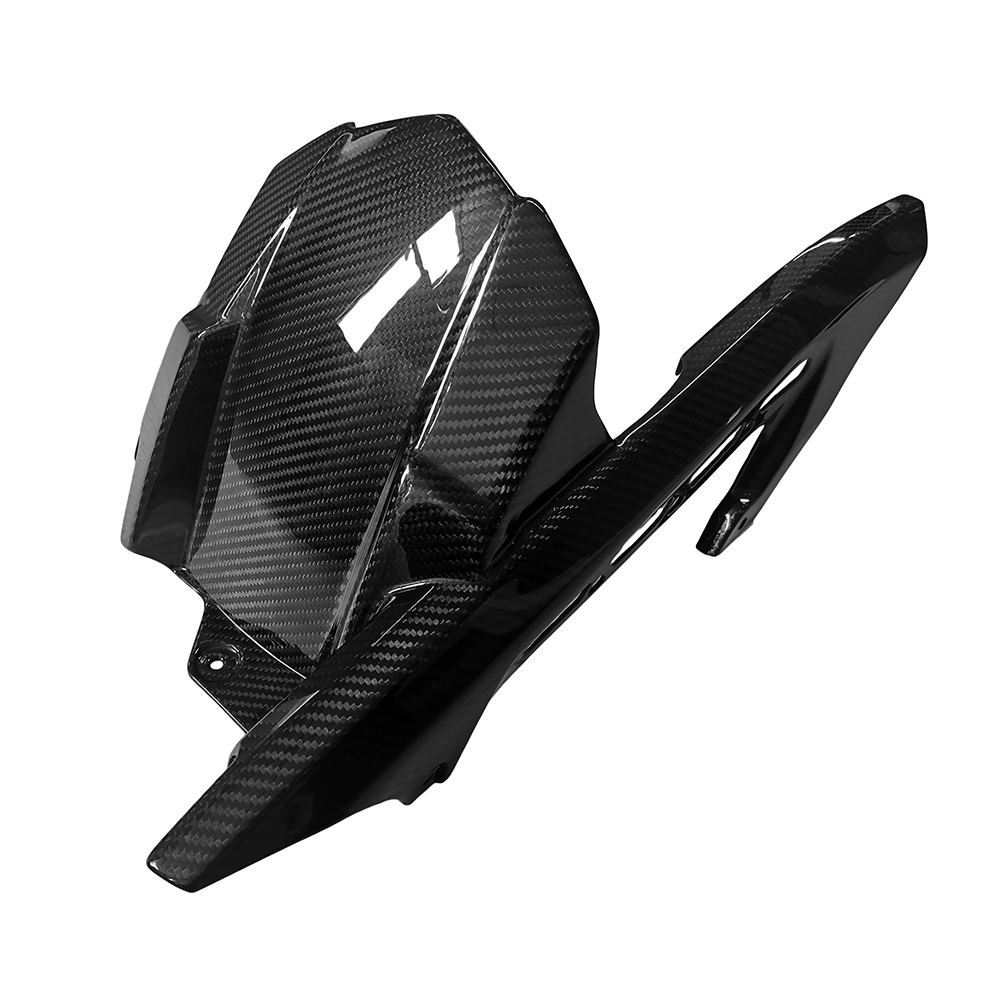
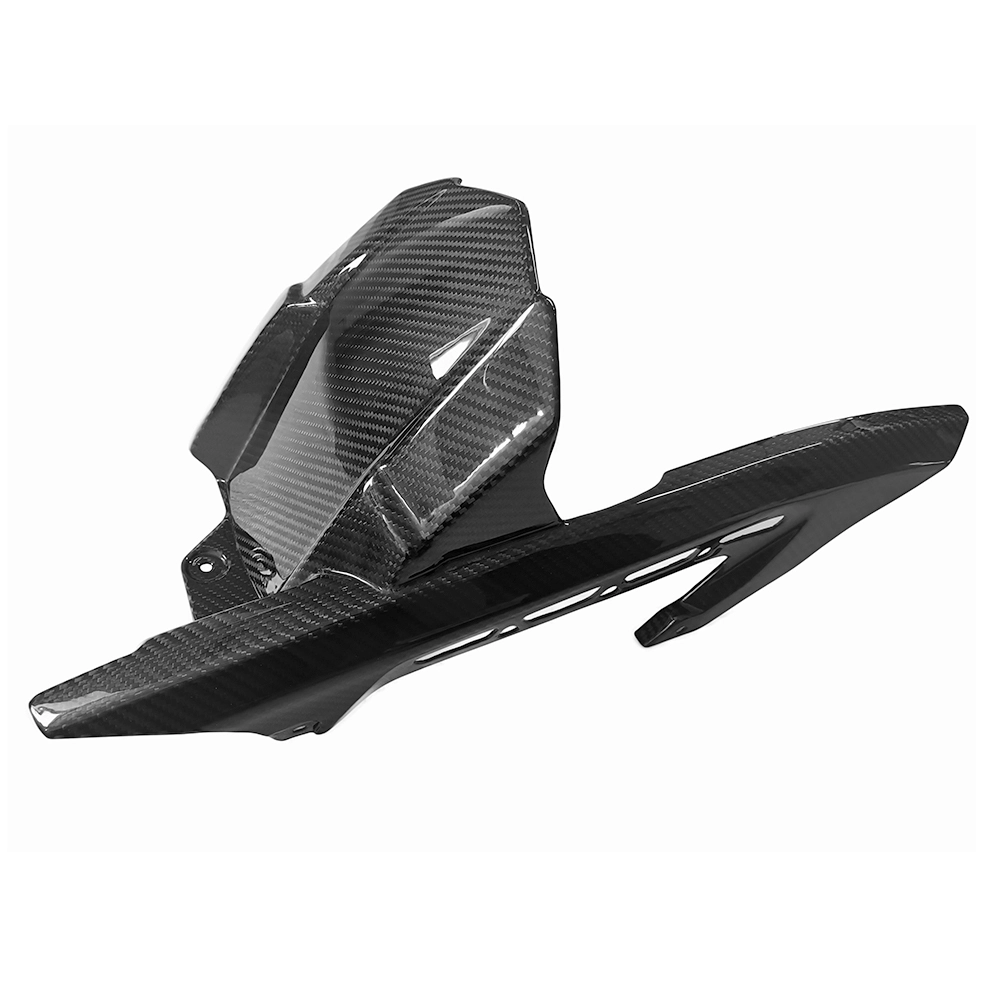
Kawasaki Z900 Z900RS Carbon Fiber Rear Fender: Full Review
For Order Delivery
How to choose the mode of transportation?
We use official shipment like Fedex,UPS,DHL and so on. Also customer can arrange delivery by themselves.
For Products
Are you parts have UV protected?
Absolutely! We use multiple layers of premium quality automotive clear (or matt) coats on our products, which ensure that they will remain super pretty for years to come.
Supreem Carbon parts produce by 100% carbon?
Yes,all products are made from full carbon with dry carbon.
How can I get some sample?
Actually we dont provide the free sample to customer, you can place a sample order if need some parts.
For Facotry
How many employees of Supreem carbon?
We have over 50 employees, including over 40 skilled workers, 3 R&D designers, and 5 QC professionals and so on.
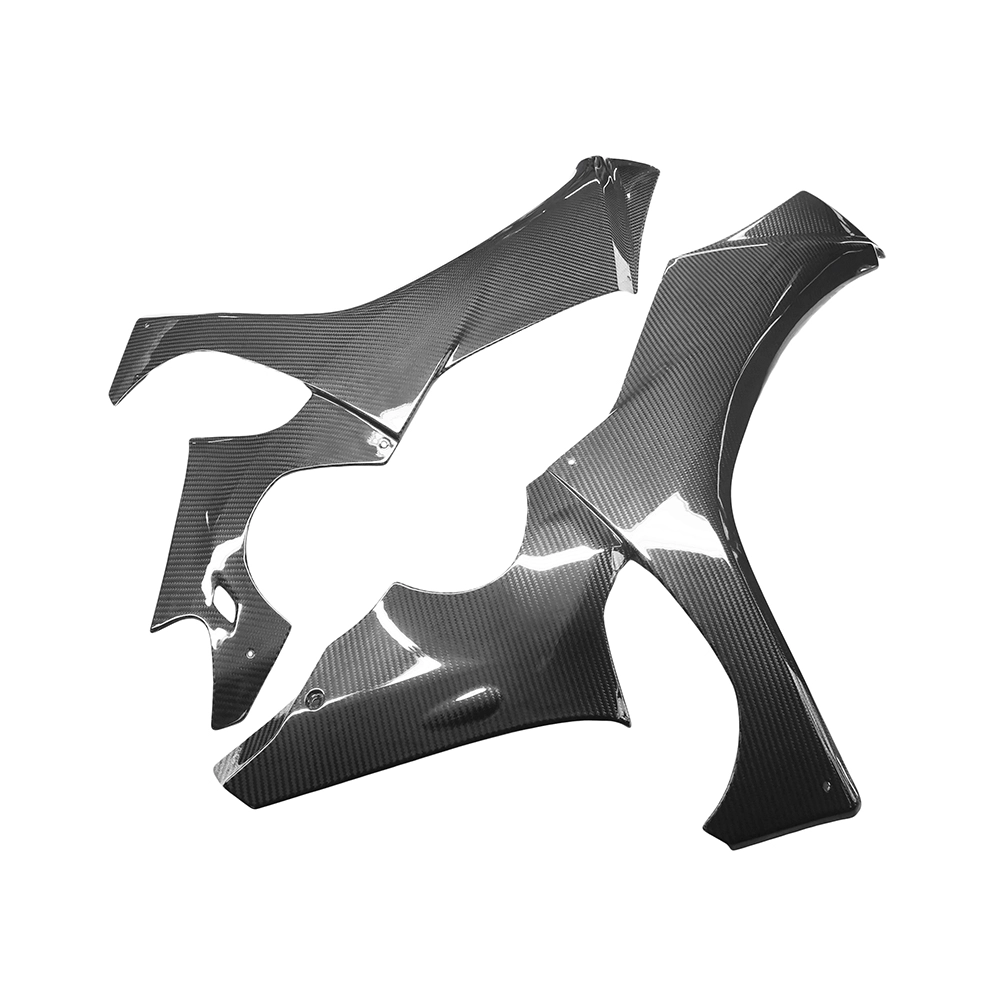
Yamaha R1 Carbon Fiber Side Fairings
Introducing the Supreem Carbon Fiber Long Side Panels for Yamaha R1. Crafted with precision and expertise, this front side fairing is designed to elevate the performance and aesthetics of your R1. Made from high-quality carbon fiber, this fairing is not only lightweight but also incredibly durable, providing optimal protection for your motorcycle.
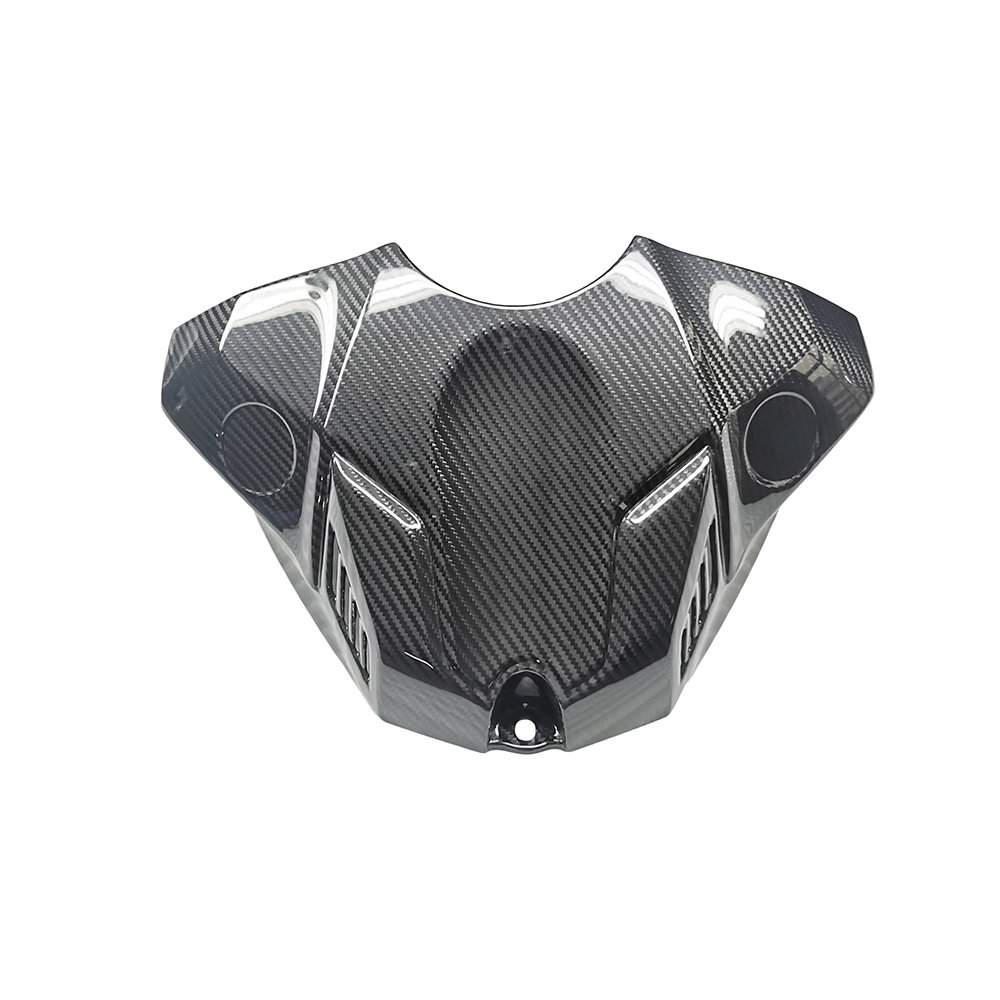
Yamaha R1 Carbon Fiber Airbox Tank Cover
The Supreem Carbon Yamaha R1 Carbon Fiber Airbox Tank Cover provides lightweight, durable protection with a sleek finish. Designed for R1 models, it enhances the style and performance of your bike. Its lightweight structure improves performance while maintaining the premium aesthetics necessary for high-end modification projects. As a dedicated manufacturer of carbon fiber parts, we provide stable production capacity, customization options, and strict quality control to support enterprise-level procurement and OEM/ODM needs.
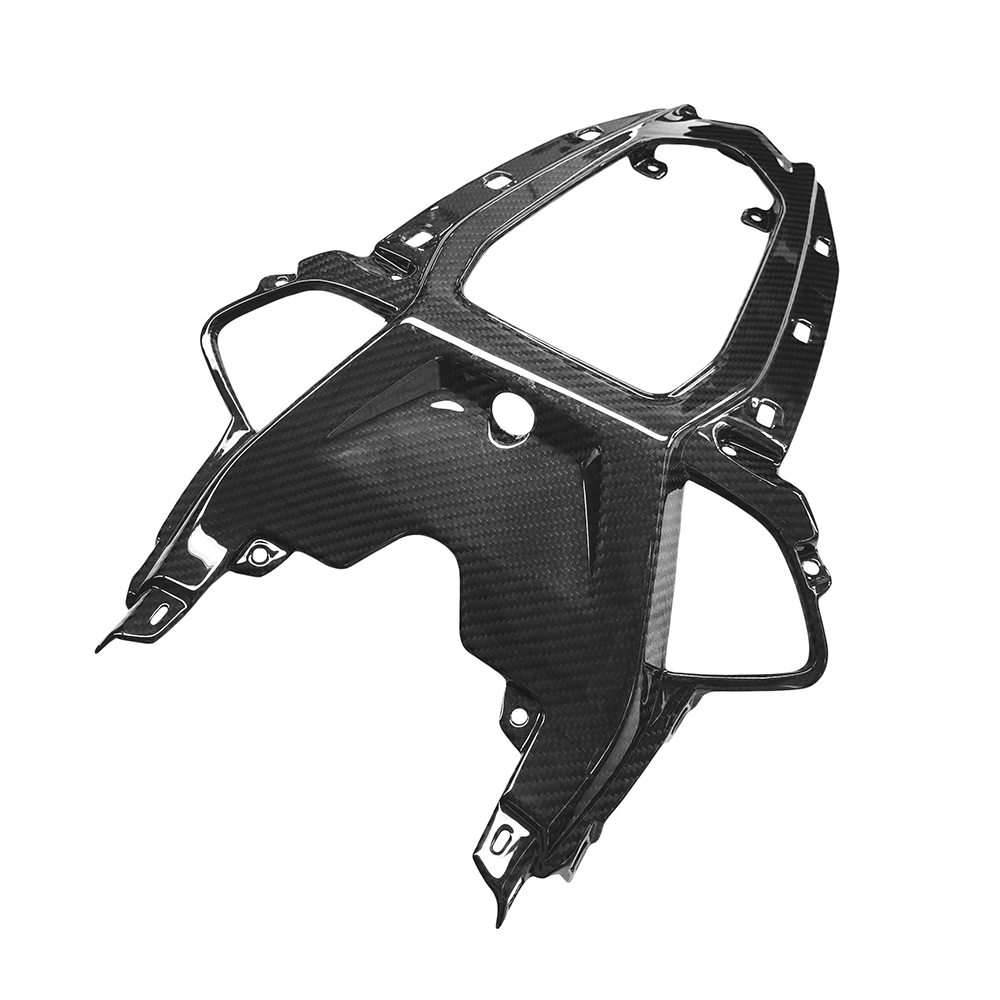
Carbon Fiber Rear Seat Panel for BMW S1000R & M1000RR – Lightweight Performance
This carbon fiber rear seat panel is engineered for the BMW S1000R and M1000RR, offering superior rigidity, reduced weight, and a premium racing finish. Produced with autoclave technology and strict QC standards, the part ensures consistent OEM-level fitment. Supreem Carbon provides wholesale supply, stable bulk production, and customized solutions for global clients.
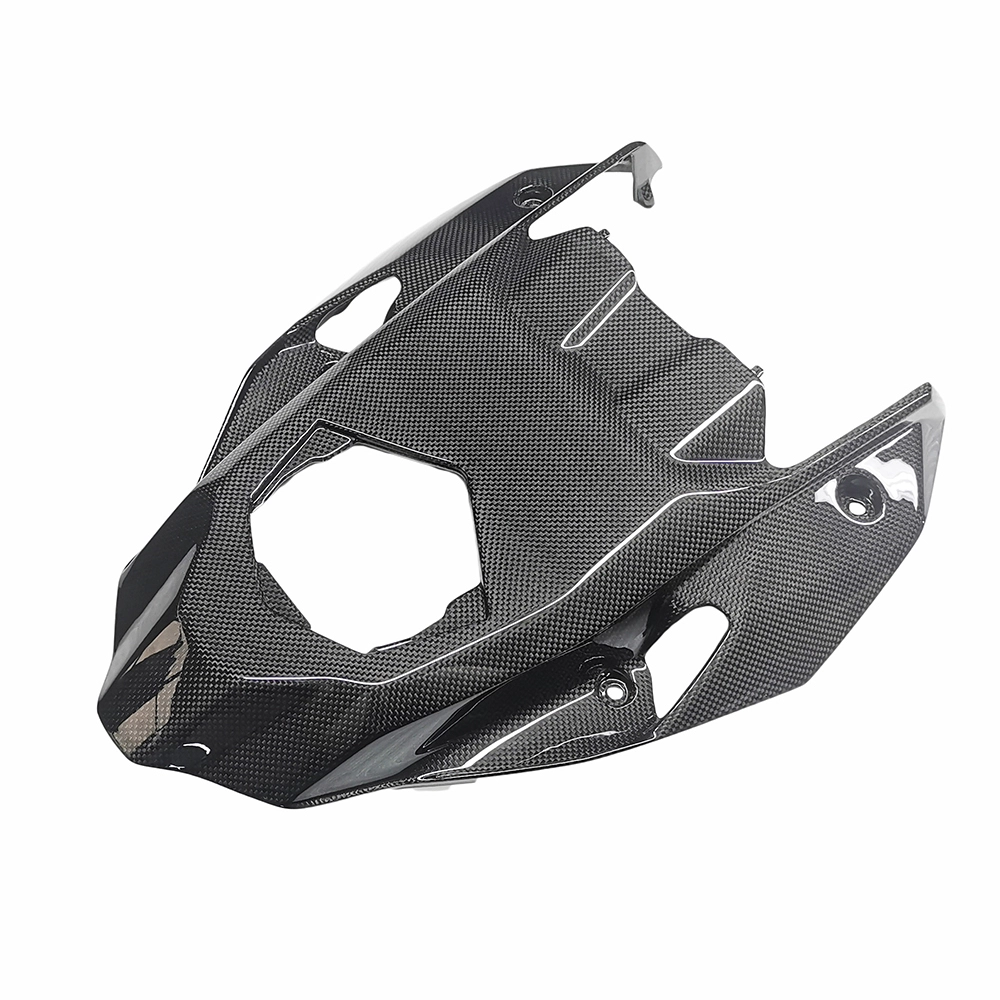
High-Performance Carbon Fiber Rear Undertail for BMW S1000R
Engineered for distributors, tuning brands, and motorcycle accessory businesses, the BMW S1000R Carbon Fiber Rear Undertail is a high-quality, durable, lightweight carbon fiber upgrade for the S1000R platform. This component is manufactured using aerospace-grade carbon fiber and precision molds to deliver superior stiffness, a seamless OEM-level fit, and a premium visual finish suitable for high-end aftermarket applications.

Supreem Carbon aiming to provide customers with high-performance carbon fiber products and quality services.
Contact Supreem Carbon
Address : Building 1 No.103, Yadi Nan 1st Road, QiaoTou Town, Dongguan City, China.
© 2024 Supreem Carbon All Rights Reserved.
Facebook
Pinterest
LinkedIn
Instagram