
How to Paint Carbon Fiber Car Parts: A Practical Step-by-Step Guide
- How to Paint Carbon Fiber Car Parts: Step-by-Step Guide
- Introduction — Why painting carbon fiber parts matters for custom carbon fiber parts buyers
- Understanding the — What users asking How to paint carbon fiber car parts? really want
- Overview of painting options — Choosing the right finish for carbon fiber car parts
- Tools & Materials Needed
- Essential tools — Shop equipment for painting carbon fiber parts professionally
- Recommended materials — Paints and consumables for durable paint on carbon fiber parts
- Preparation: Cleaning and Inspection
- Cleaning the part — Remove contaminants before priming to protect your investment in carbon fiber parts
- Inspecting for defects — Repairing chips, delamination, or air pockets before painting
- Sanding and Surface Preparation
- Sanding bare weave or pre-clearcoated parts — How to create the right profile for primer
- Feathering and edge blending — Achieve seamless transitions on custom carbon fiber parts
- Priming and Adhesion Promotion
- Adhesion promoter and primer selection — The foundation of a long-lasting finish
- Priming technique — Apply light, even coats to prevent runs and sagging
- Painting (Basecoat) Techniques
- Choosing basecoat type — Automotive basecoats for a showroom-quality color on carbon fiber parts
- Spray technique and build — Achieving even color and depth on carbon fiber parts
- Clearcoat and UV Protection
- Choosing a clearcoat — Why 2K urethane clearcoat is preferred for carbon fiber parts
- Applying clearcoat — Gloss, satin, or matte finishes for carbon fiber accessories
- Finishing: Wet Sanding and Polishing
- Wet sanding between coats — Create a flawless finish on painted carbon fiber car parts
- Final inspection and quality checks — Ensure durable results for buyers of painted carbon fiber parts
- Alternatives to Traditional Paint
- Comparison of finish methods — Pros and cons for painted vs. clear-coat vs. wrap or hydro-dip
- Common Problems and Troubleshooting
- Adhesion failures — Prevent peeling on painted carbon fiber parts
- Orange peel, fish eyes, and runs — How to fix common finish defects
- Maintenance and Long-Term Care
- Protecting painted carbon fiber car parts — Washing and UV care
- Repairing chips and stone damage — Small fixes to maintain resale value
- Conclusion — Professional results for painted carbon fiber parts
- Final recommendations — When to DIY and when to use a carbon fiber painting service
- Frequently Asked Questions
- Sources & References
How to Paint Carbon Fiber Car Parts: Step-by-Step Guide
Introduction — Why painting carbon fiber parts matters for custom carbon fiber parts buyers
Carbon fiber car parts are prized for their light weight and visual appeal, and painting them correctly preserves performance while providing a custom look for buyers of carbon fiber parts. Supreem Carbon, established in 2017, specializes in manufacturing and customizing carbon fiber accessories for automobiles and motorcycles, and this guide is tailored for vehicle owners and shops looking for reliable methods to paint carbon fiber car parts professionally.
Understanding the — What users asking How to paint carbon fiber car parts? really want
The main intent behind the keyword How to paint carbon fiber car parts? is instructional and transactional: users want clear, step-by-step instructions that lead to a durable, attractive finish and guidance on whether to hire a professional carbon fiber painting service or do it themselves at home. This article addresses both DIY and professional shop routes while highlighting commercial options for custom-painted carbon fiber parts.
Overview of painting options — Choosing the right finish for carbon fiber car parts
Before starting, decide between common finishes: exposed clear-coated weave, painted solid color, two-tone, or specialty finishes like metallic or pearlescent. Each option affects the preparation and materials; customers seeking customized paint for carbon fiber parts will often choose 2K automotive basecoats with a 2K urethane clearcoat for durability and UV protection.
Tools & Materials Needed
Essential tools — Shop equipment for painting carbon fiber parts professionally
Prepare quality tools: an HVLP spray gun or gravity feed gun, air compressor with regulator, respirator with organic-vapor cartridges, sanding blocks (320–2000 grit), polishing pads, tack rags, and proper masking tape. Using professional-grade products ensures a final finish comparable to custom carbon fiber parts manufacturers.
Recommended materials — Paints and consumables for durable paint on carbon fiber parts
Use an adhesion promoter formulated for composites, an epoxy or urethane primer (preferably 2K epoxy primer), basecoat (automotive solvent/urethane basecoat), and a UV-stable 2K urethane clearcoat. Avoid single-stage hobby paints for long-term durability on automotive carbon fiber components.
Preparation: Cleaning and Inspection
Cleaning the part — Remove contaminants before priming to protect your investment in carbon fiber parts
Thoroughly wash the carbon fiber part with mild detergent, rinse, and dry. Remove wax, grease, and mold release agents with a dedicated wax-and-grease remover or isopropyl alcohol. Proper cleaning promotes adhesion and reduces the risk of fish eyes or lifting in your painted carbon fiber parts.
Inspecting for defects — Repairing chips, delamination, or air pockets before painting
Inspect the part closely. Small surface defects can be filled with epoxy-based micro-fillers; avoid polyester body fillers on carbon fiber laminates as they don’t bond well. For structural delamination or large repairs, consult a professional composite repair service or your carbon fiber parts supplier.
Sanding and Surface Preparation
Sanding bare weave or pre-clearcoated parts — How to create the right profile for primer
If the part has a clear coat over the weave and you want to change color, you must sand the existing clearcoat to a dull finish (400–600 grit). For raw weave, sand lightly (320–400 grit) to remove glossy resin and open the surface for primer. Use a sanding block to keep surfaces even — a crucial step when preparing carbon fiber car parts for painting.
Feathering and edge blending — Achieve seamless transitions on custom carbon fiber parts
Feather edges of any repaired areas or trim to avoid visible transitions under paint. Proper feathering helps primers and basecoats lay down evenly and reduces the chance of edge lift on carbon fiber parts used on cars and motorcycles.
Priming and Adhesion Promotion
Adhesion promoter and primer selection — The foundation of a long-lasting finish
Apply an adhesion promoter specifically designed for composites, followed by a 2K epoxy primer or composite-grade urethane primer. These primers bond well to the resin matrix in carbon fiber parts and provide corrosion-resistant, sandable surfaces essential for custom-painted carbon fiber accessories.
Priming technique — Apply light, even coats to prevent runs and sagging
Spray multiple thin coats of primer rather than one heavy coat. Flash times between coats (per product data sheet) and correct spray gun settings are vital to avoid orange peel and runs. Professional painting services for carbon fiber car parts maintain a controlled booth temperature (around 20–25°C / 68–77°F) and low humidity for predictable results.
Painting (Basecoat) Techniques
Choosing basecoat type — Automotive basecoats for a showroom-quality color on carbon fiber parts
Select a high-quality automotive basecoat: solvent-borne urethane basecoat is common for its color consistency and ability to layer metallics and pearls. For custom carbon fiber parts, waterborne basecoats are increasingly used in modern shops for lower VOCs, but they require strict cure/flash control.
Spray technique and build — Achieving even color and depth on carbon fiber parts
Spray 2–3 medium wet coats of basecoat, allowing recommended flash times. For metallic or pearl finishes, build multiple light coats and check for even orientation. Commercial paint shops producing custom-painted carbon fiber parts use controlled booths and experienced technicians to ensure color match and consistency.
Clearcoat and UV Protection
Choosing a clearcoat — Why 2K urethane clearcoat is preferred for carbon fiber parts
A 2K (two-component) polyurethane clearcoat gives superior chemical resistance, hardness, and UV stability compared with single-stage clearcoats. UV-resistant clears are essential because carbon fiber resin can yellow over time without proper UV protection.
Applying clearcoat — Gloss, satin, or matte finishes for carbon fiber accessories
Apply 2–3 full wet coats of clearcoat with proper flash time. For a matte or satin finish, use a matte clear or flatten the gloss cautiously during polishing. Always follow the clearcoat manufacturer’s bake/flash schedule to achieve proper crosslinking and durability, especially for high-temperature exposure on automotive parts.
Finishing: Wet Sanding and Polishing
Wet sanding between coats — Create a flawless finish on painted carbon fiber car parts
After final clear is cured to tack-free (per product instructions), wet sand with 1500–2000 grit to remove minor orange peel. Then polish with fine cut compounds and finishing polish to restore clarity and shine. Shops offering custom carbon fiber painting services will also use specialty pads and polishes to protect edges and contours.
Final inspection and quality checks — Ensure durable results for buyers of painted carbon fiber parts
Inspect under varied light to detect runs, dust nibs, or low spots. Confirm adhesion with a cross-hatch adhesion test in inconspicuous areas if required. A completed part should show even color, strong adhesion, and no sanding scratches or dull spots.
Alternatives to Traditional Paint
Comparison of finish methods — Pros and cons for painted vs. clear-coat vs. wrap or hydro-dip
If you’re evaluating options for customizing carbon fiber parts, here’s a quick comparison of common methods used by carbon fiber parts suppliers and customization shops:
| Method | Pros | Cons | Best For |
|---|---|---|---|
| Painted (Basecoat + 2K Clear) | Durable, color-accurate, repairable | Requires booth, skilled labor, VOC regs | Show-quality color customization |
| Clearcoat over weave | Preserves carbon look, UV protection | Limited color options | OEM-style exposed weave parts |
| Vinyl wrap | Non-permanent, lower cost | Less durable, edges can lift | Short-term or experimental color changes |
| Hydro-dip | Complex patterns, textured looks | Edge durability can be weak | Stylized patterns where cost is moderate |
Common Problems and Troubleshooting
Adhesion failures — Prevent peeling on painted carbon fiber parts
Most adhesion failures stem from inadequate cleaning, residual mold release, or skipping an adhesion promoter. Always follow a compatible product stack (adhesion promoter → epoxy primer → basecoat → 2K clear) and respect manufacturer flash/cure times to avoid peeling.
Orange peel, fish eyes, and runs — How to fix common finish defects
Orange peel can be reduced with finer gun setup and correct reducer. Fish eyes indicate contamination (silicone or wax); remove with solvent and re-prime if necessary. Runs are corrected by letting the paint harden then sanding and re-spraying the area.
Maintenance and Long-Term Care
Protecting painted carbon fiber car parts — Washing and UV care
Wash painted carbon fiber parts using pH-neutral automotive shampoo, avoid abrasive pads, and apply a high-quality paint sealant or ceramic coating for additional UV and chemical protection. Regular maintenance prolongs the life of painted carbon fiber accessories.
Repairing chips and stone damage — Small fixes to maintain resale value
For small chips, use touch-up paint matched to the basecoat and finish with clearcoat. For larger damage, remove the area back to primer, re-spray, and blend. When in doubt, consult a professional carbon fiber parts refinisher to preserve resale value.
Conclusion — Professional results for painted carbon fiber parts
Final recommendations — When to DIY and when to use a carbon fiber painting service
Painting carbon fiber car parts requires correct surface prep, materials, and environmental control. DIYers can achieve good results on small parts with the right tools and products, but for show-quality finishes or structural repairs, using professional carbon fiber painting services or working with experienced manufacturers like Supreem Carbon ensures consistent, durable outcomes.
Frequently Asked Questions
What type of primer is best for carbon fiber car parts?A dedicated adhesion promoter followed by a 2K epoxy primer or composite-grade urethane primer is recommended; these bond well to the resin matrix and provide a sandable surface for basecoats.
Can I paint over a clear-coated carbon fiber weave without sanding?No. You must sand the existing clearcoat to a dull finish (typically 400–600 grit) so the new primer and paint can mechanically bond. Skipping sanding risks delamination and peeling.
Is a 2K clearcoat necessary for automotive carbon fiber parts?Yes. A 2K urethane clearcoat gives superior hardness, chemical resistance, and UV stability compared to single-stage clears, making it the preferred choice for automotive carbon fiber parts.
How long does painted carbon fiber last outdoors?With proper prep and a UV-resistant 2K clearcoat, painted carbon fiber parts can last many years. Regular maintenance (wash and sealant or ceramic coating) extends longevity. Exposure to extreme UV and harsh chemicals will shorten life.
Can I repaint OEM carbon fiber parts to match my custom color?Yes, OEM carbon fiber parts can be repainted, but they require proper sanding, adhesion promotion, and likely a primer to ensure a long-lasting finish. For the best match, have the color mixed and sprayed by a professional shop.
Sources & References
- Eastwood. How to Paint Carbon Fiber. Eastwood Blog. https://www.eastwood.com/blog/how-to-paint-carbon-fiber/ (accessed 2025-12-24).
- 3M Automotive. Automotive Refinish and Composites Guidance. 3M Automotive Solutions. https://www.3m.com/3M/en_US/automotive-us/ (accessed 2025-12-24).
- PPG Refinish. Refinish Technical Resources. https://www.ppgrefinish.com/ (accessed 2025-12-24).
- Axalta Automotive Refinish. Paint Solutions and Technical Data. https://www.axalta.com/ (accessed 2025-12-24).
- Supreem Carbon. Company information and product offerings. https://www.supreemcarbon.com/ (accessed 2025-12-24).
The Ultimate Guide to Choosing Reliable Carbon Fiber Distributors
Custom custom carbon fiber auto parts Manufacturers and suppliers in China
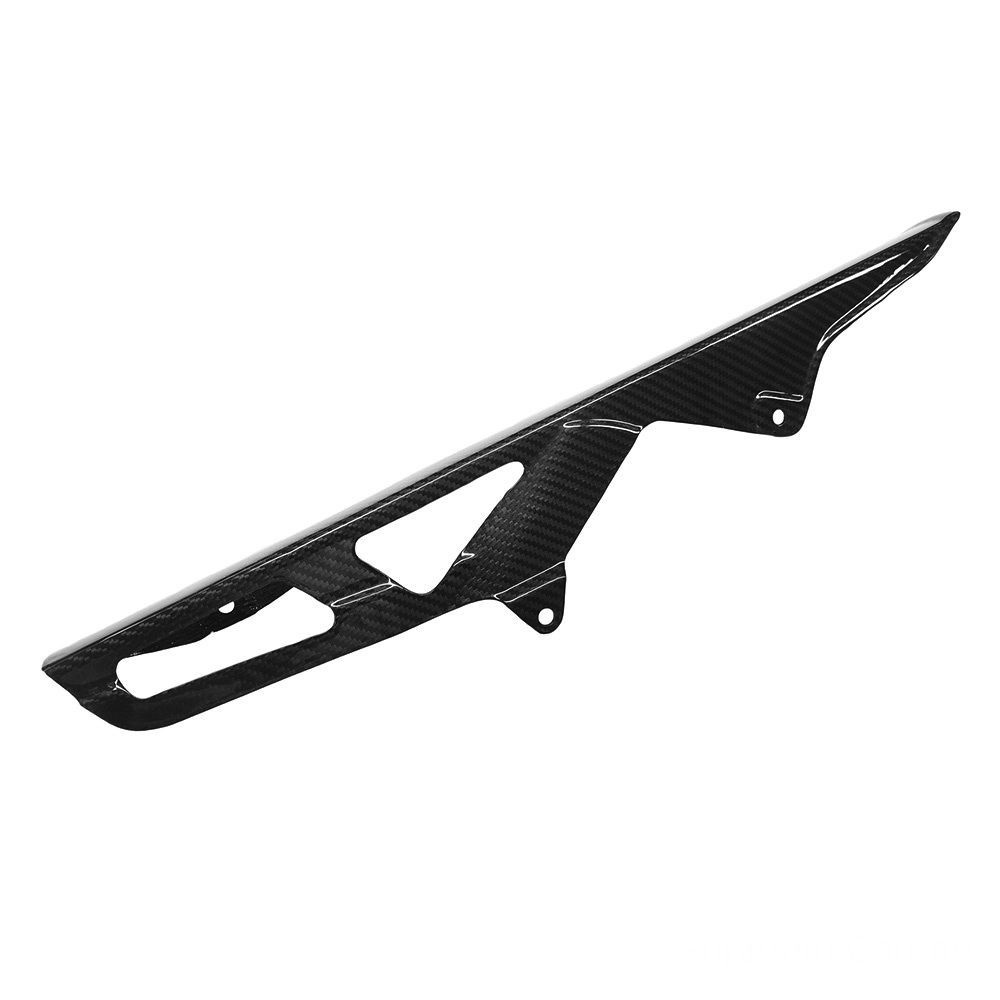
Upgrade Your Ride with Supreem Carbon: The Best Carbon Fiber Motorcycle License Plate Frame
Buyers Guide: Selecting Dry or Wet Carbon Parts
For Facotry
How many monthly production capacity of the factory?
The average monthly production capacity reach 3000 pieces. With the equipment upgrade, it will be increased over 4000 pieces per month.
How many employees of Supreem carbon?
We have over 50 employees, including over 40 skilled workers, 3 R&D designers, and 5 QC professionals and so on.
For Customized Service
What is the customization process of carbon fiber products?
1. Customer provide 3D drawing, design requirement or idea
2. Technician evaluate project feasibility and provide a quotation
3. Project confirmation and arrange sample production
4. Delivery and customer feedback
5. Big scale orders production
What custom customer need to prepare?
1. Send Your Design/Idea/3D drawing.
2. Supplier Quotation Confirmation.
3. Firts Sample Feedback.
For After-sales Service
What can I do if the carbon fiber products arrived is broken?
Please give us feedback as soon as possible and we will send new one to you.
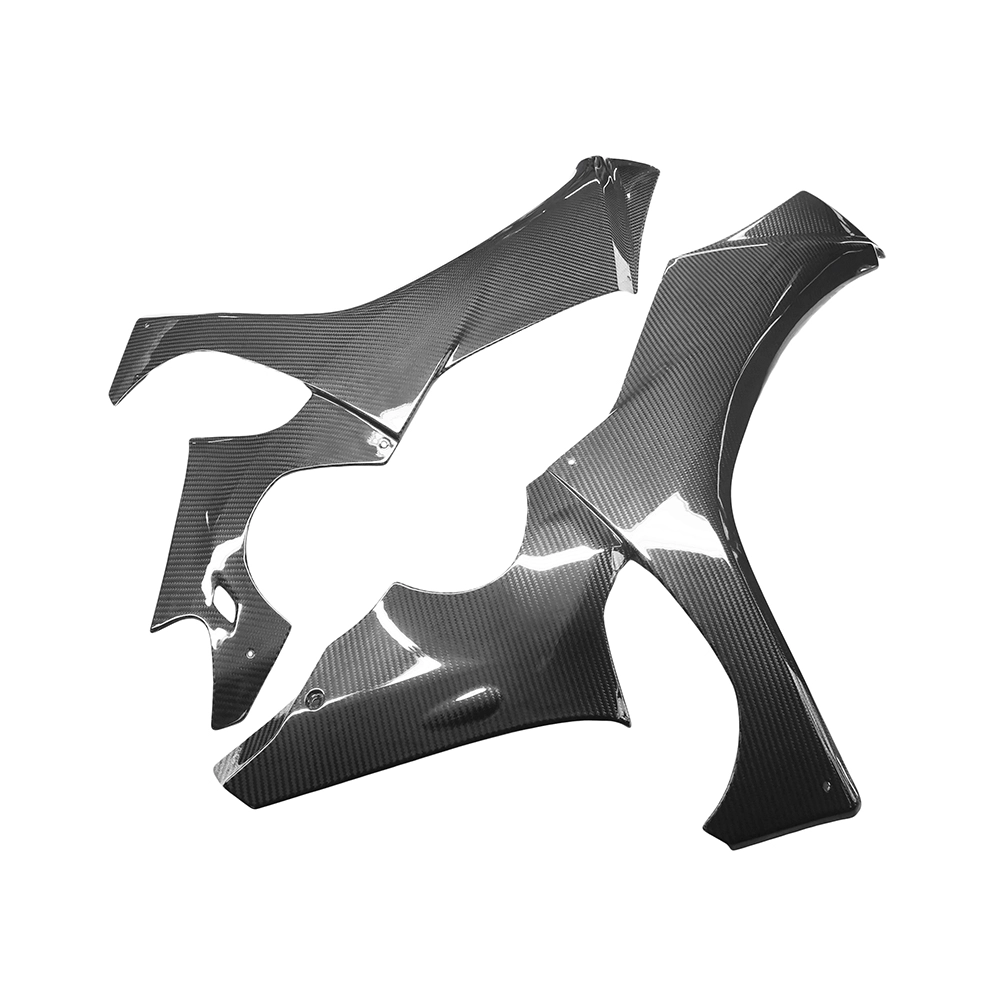
Yamaha R1 Carbon Fiber Side Fairings
Introducing the Supreem Carbon Fiber Long Side Panels for Yamaha R1. Crafted with precision and expertise, this front side fairing is designed to elevate the performance and aesthetics of your R1. Made from high-quality carbon fiber, this fairing is not only lightweight but also incredibly durable, providing optimal protection for your motorcycle.
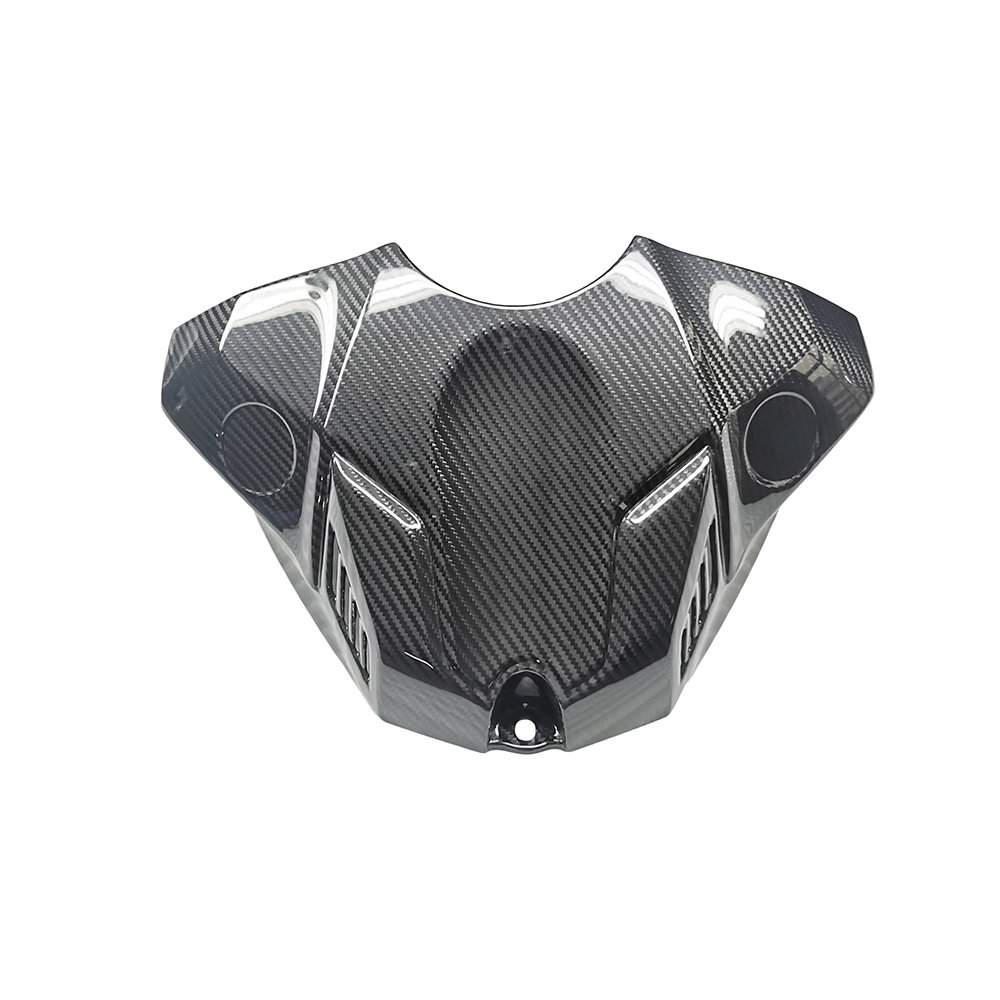
Yamaha R1 Carbon Fiber Airbox Tank Cover
The Supreem Carbon Yamaha R1 Carbon Fiber Airbox Tank Cover provides lightweight, durable protection with a sleek finish. Designed for R1 models, it enhances the style and performance of your bike. Its lightweight structure improves performance while maintaining the premium aesthetics necessary for high-end modification projects. As a dedicated manufacturer of carbon fiber parts, we provide stable production capacity, customization options, and strict quality control to support enterprise-level procurement and OEM/ODM needs.
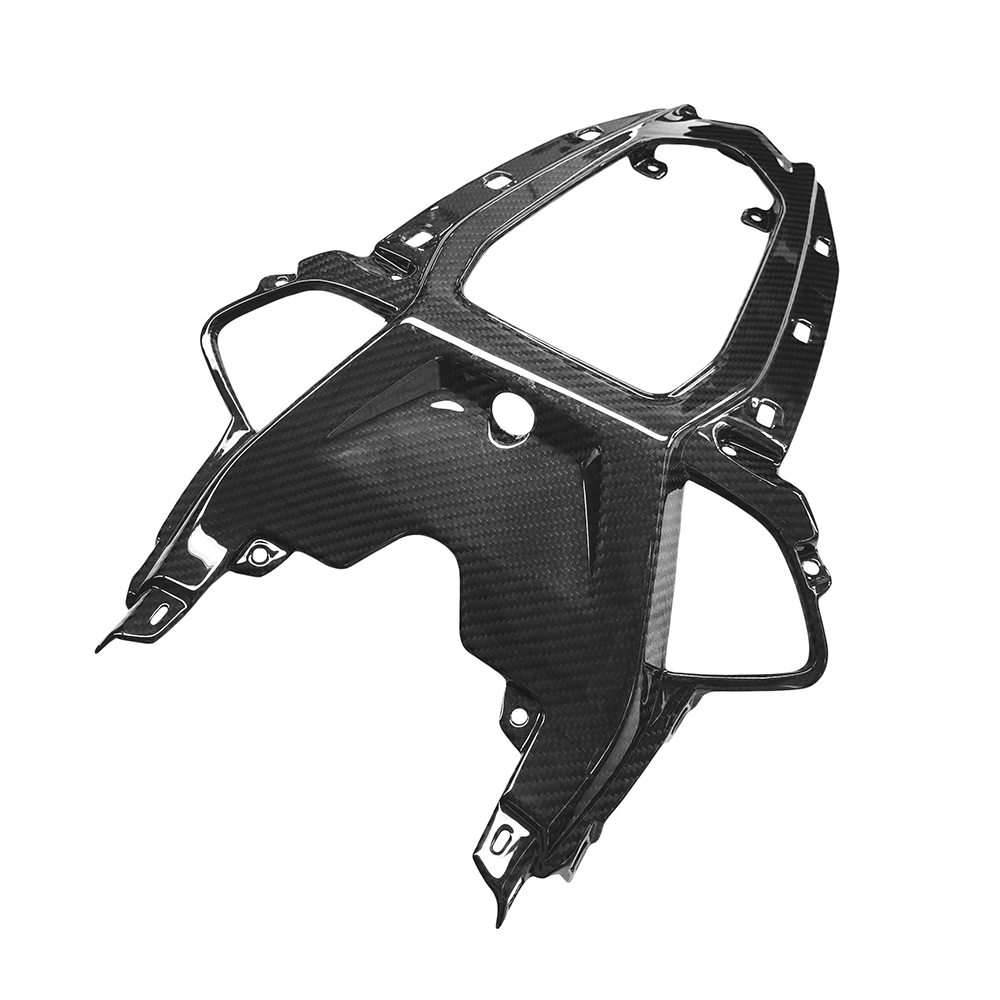
Carbon Fiber Rear Seat Panel for BMW S1000R & M1000RR – Lightweight Performance
This carbon fiber rear seat panel is engineered for the BMW S1000R and M1000RR, offering superior rigidity, reduced weight, and a premium racing finish. Produced with autoclave technology and strict QC standards, the part ensures consistent OEM-level fitment. Supreem Carbon provides wholesale supply, stable bulk production, and customized solutions for global clients.
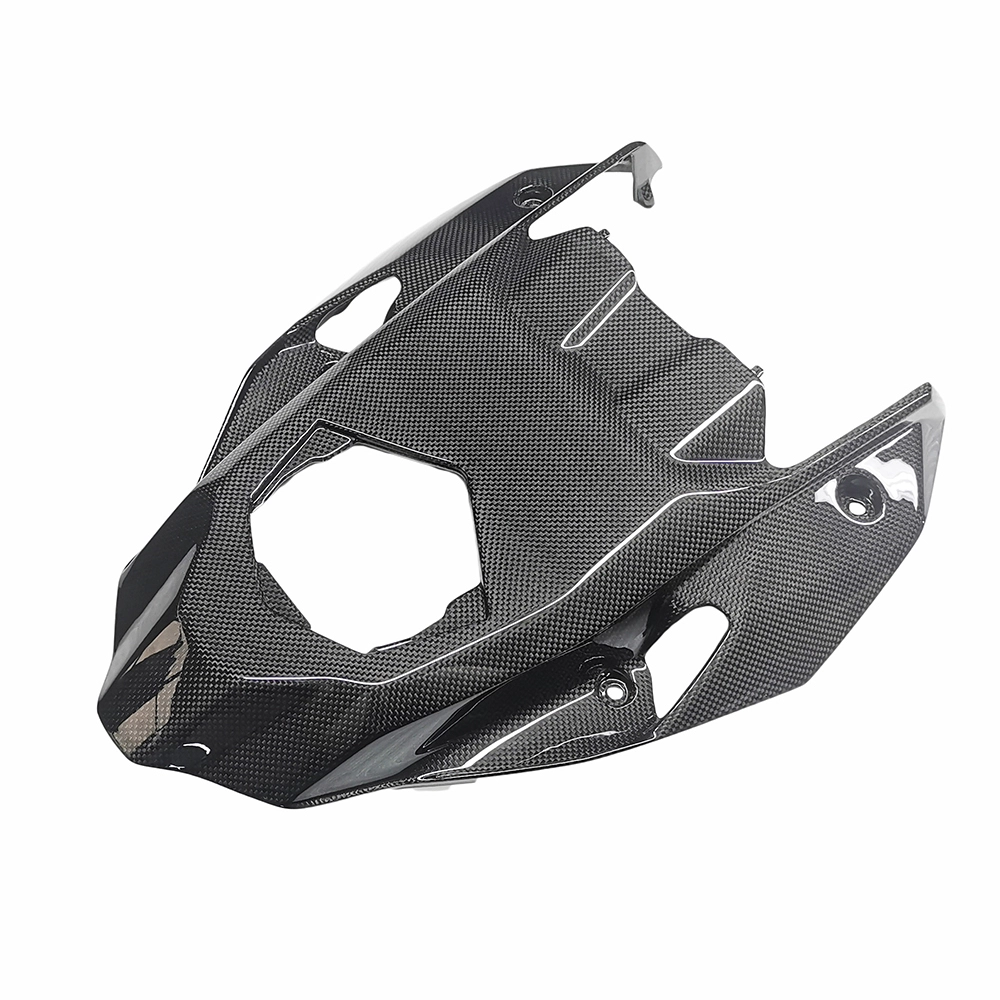
High-Performance Carbon Fiber Rear Undertail for BMW S1000R
Engineered for distributors, tuning brands, and motorcycle accessory businesses, the BMW S1000R Carbon Fiber Rear Undertail is a high-quality, durable, lightweight carbon fiber upgrade for the S1000R platform. This component is manufactured using aerospace-grade carbon fiber and precision molds to deliver superior stiffness, a seamless OEM-level fit, and a premium visual finish suitable for high-end aftermarket applications.

Supreem Carbon aiming to provide customers with high-performance carbon fiber products and quality services.
Contact Supreem Carbon
Address : Building 1 No.103, Yadi Nan 1st Road, QiaoTou Town, Dongguan City, China.
© 2024 Supreem Carbon All Rights Reserved.
Facebook
Pinterest
LinkedIn
Instagram