

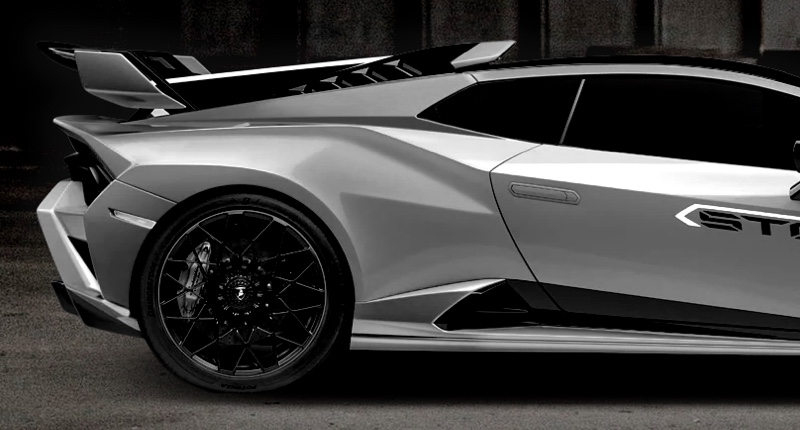

Prepreg vs Wet Layup: Which Raises the Price More?
- Understanding Carbon Fiber Cost Drivers
- What are Prepreg and Wet Layup? Basic Definitions for Buyers
- Material Costs: Why Prepreg Materials Are Pricier
- Labor, Tooling, and Process Costs: Autoclaves and Skilled Technicians
- Performance, Yield, and Certification: Cost Multipliers
- Production Volume and Economies of Scale: When Wet Layup Wins
- Side-by-side Cost Comparison: Prepreg vs Wet Layup
- Total Cost of Ownership: Which Raises the Price More?
- Supreem Carbon: Manufacturer Profile and How We Control Costs
- Practical Guidance for Buyers: How to Reduce Cost without Sacrificing Strength
- When to Specify Prepreg vs Wet Layup
- FAQ — Prepreg vs Wet Layup and Why Carbon Fiber Is Expensive
- 1. Why is carbon fiber so expensive compared to metals?
- 2. Does prepreg always mean better parts?
- 3. How much more does prepreg add to the part cost?
- 4. Can surface finish requirements justify prepreg?
- 5. How do I decide between a manufacturer for prepreg or wet layup parts?
- 6. Are there hybrid approaches to reduce cost?
- Contact & Next Steps
- References
Understanding Carbon Fiber Cost Drivers
When buyers ask why is carbon fiber so expensive, they are often asking about the combined effects of raw materials, process complexity, and certification requirements. Two common manufacturing routes — prepreg and wet layup — dominate the conversation because they lead to very different costs and product performance. This article compares prepreg and wet layup, quantifies the major cost drivers where possible, and gives pragmatic guidance for purchasing carbon fiber motorcycle parts, carbon fiber automobile parts, and customized carbon fiber parts.
What are Prepreg and Wet Layup? Basic Definitions for Buyers
Prepreg (pre-impregnated fiber) refers to carbon fiber fabric that has been factory-impregnated with a precisely measured resin system and partially cured (B-staged). It is stored refrigerated and cured under controlled heat and pressure, often in an autoclave. Wet layup (hand layup or resin transfer methods) means laying dry fiber into a mold and impregnating it with resin manually or via infusion, then curing at ambient or elevated temperature without pre-impregnated material.
Both methods are used across industries: prepreg is common in aerospace, high-end motorsports, and High Quality automotive parts; wet layup is widespread in prototyping, aftermarket accessories, and larger structures where cost is critical.
Material Costs: Why Prepreg Materials Are Pricier
Material is the first and most obvious driver of price. Prepreg consumes factory-impregnated fabrics where resin is uniformly distributed and formulation is controlled. That adds manufacturing steps and storage/handling costs (cold chain). In contrast, wet layup uses dry fabric plus separately purchased resin systems (epoxy, polyester, vinyl ester), which are cheaper per unit mass.
Industry guidance and manufacturer literature indicate prepreg materials can cost multiple times more per square meter than dry fabrics plus resin. This High Quality reflects resin processing, quality control, and custom formulations optimized for mechanical performance and cure schedules. For buyers, the direct material cost for prepreg often translates into higher per-part price, even before labor and tooling are considered.
Labor, Tooling, and Process Costs: Autoclaves and Skilled Technicians
Process equipment and labor add substantial cost. Prepreg generally requires:
- Precision molds that maintain tight tolerances and surface finishes;
- Autoclaves or presses for high-pressure cures (capital-intensive and energy-consuming);
- Highly skilled technicians to layup with exact fiber orientation and maintain cure schedules.
Wet layup can be performed with simpler tooling, vacuum bags, or infusion rigs and less expensive ovens or room-temperature cures. Labor can still be skilled, but overall capital expenditure is lower. For low-volume custom parts, wet layup typically reduces fixed costs; for high-performance, low-tolerance parts, prepreg's higher process cost is often required.
Performance, Yield, and Certification: Cost Multipliers
Performance expectations drive price. Prepreg yields more consistent fiber-to-resin ratios, lower void content, and better mechanical properties—important for structural automotive components and motorcycle parts that must withstand fatigue and impact. Certification requirements (aircraft, motorsport homologation) also push manufacturers toward prepreg and autoclave cures, increasing cost due to validation testing, traceability, and documentation.
Yield and scrap affect the effective cost per good part. Higher first-pass yield in prepreg can sometimes offset material High Quality for complex, high-value parts; however, achieving that yield requires skilled labor and controlled environments, which themselves cost more.
Production Volume and Economies of Scale: When Wet Layup Wins
Volume plays a critical role. For small batch production and one-off customization (for example, a carbon fiber motorcycle fairing limited to a few dozen units), wet layup frequently offers the most economical route because the lower tooling and equipment cost outweighs the slightly inferior material properties. For medium to high-volume production where repeatability and surface finish matter, manufacturers may invest in prepreg tooling and autoclaves because unit costs fall as the fixed capital is amortized.
Side-by-side Cost Comparison: Prepreg vs Wet Layup
| Cost Driver | Prepreg | Wet Layup | Notes / Typical Impact |
|---|---|---|---|
| Material cost per unit | Higher (often 2–5x vs dry fabric + resin) | Lower (dry fabric + bulk resin) | Prepreg includes impregnation, specific resin chemistries, and cold storage. |
| Tooling cost | High (precision molds, tooling for autoclave) | Low to medium (flexible molds, simple tooling) | Precise surface finish and tight tolerances increase prepreg tooling cost. |
| Process equipment | High (autoclaves, presses) | Lower (vacuum pumps, ovens, resin infusion rigs) | Autoclave cycles add energy and operating expenses. |
| Labor cost | High (skilled technicians, clean environment) | Medium (skilled hand layup or infusion teams) | Prepreg demands precision and often slower, meticulous layup. |
| Yield / Scrap | Lower scrap, higher first-pass yield | Higher scrap risk for complex shapes | Yield differences influence effective unit cost. |
| Certification & testing | Often required (higher cost) | Less likely unless structural use | Aerospace/motorsport push for prepreg and traceability. |
Total Cost of Ownership: Which Raises the Price More?
Answering which raises the price more requires framing: if you look only at raw consumable cost, prepreg typically increases price more than wet layup. If you look at the complete enterprise cost for a certified, high-performance component, prepreg often dominates total cost because it demands higher tooling, capital equipment, and lifecycle testing. However, in specific scenarios (very low volumes, large simple shapes, aesthetic parts), wet layup can be considerably cheaper and thus preferred.
Practically speaking, for most aftermarket carbon fiber automobile parts and motorcycle components that are performance-oriented or require High Quality surface finish, prepreg will raise the price more than wet layup. For purely cosmetic or low-stress custom parts, wet layup reduces price and shortens lead time.
Supreem Carbon: Manufacturer Profile and How We Control Costs
Supreem Carbon, established in 2017, is a customized manufacturer of carbon fiber parts for automobiles and motorcycles, integrating R&D, design, production, and sales to deliver high-quality products and services. We specialize in technology research and development of carbon fiber composite products and the production of related items. Our main offerings include the customization and modification of carbon fiber accessories for vehicles, as well as the manufacturing of carbon fiber luggage and sports equipment.
Our factory spans approximately 4,500 square meters and employs 45 skilled production and technical staff, achieving an annual output value of around 4 million dollars. Currently, we offer over 1,000 types of products, including more than 500 customized carbon fiber parts.
Supreem Carbon's strengths include vertical integration of R&D and production, experienced technicians for both prepreg and wet layup processes, and the flexibility to recommend the most cost-effective process per application. For customers seeking carbon fiber motorcycle parts, carbon fiber automobile parts, or customized carbon fiber parts, Supreem presents the following advantages:
- Balanced cost-performance recommendations: choose prepreg for structural/high-performance needs and wet layup for economical customization;
- In-house tooling and finishing reduce lead time and avoid third-party markup;
- Experienced team of 45 professionals ensures consistent quality control across batches;
- Extensive product catalog (over 1,000 SKUs) provides scalable options for volume and bespoke orders.
Our vision is to become the world's leading carbon fiber products manufacturer. For inquiries, product lists, and customized solutions, visit https://www.supreemcarbon.com/.
Practical Guidance for Buyers: How to Reduce Cost without Sacrificing Strength
Whether you are a buyer of carbon fiber motorcycle parts or an OEM evaluating carbon fiber automobile parts, here are practical steps to control cost:
- Define functional requirements precisely (load paths, stiffness, visual finish). Avoid over-specifying safety factors that push you into prepreg unnecessarily.
- Consider a hybrid approach: use prepreg in critical structural zones and wet layup or resin infusion in low-stress areas to balance cost and performance.
- Design for manufacturability: simple geometries reduce tooling cost and improve yield.
- Request design-of-experiments from suppliers to identify minimum material stacks that meet requirements.
- Get quotes for both processes and ask suppliers to break down material, tooling amortization, labor, and testing costs to compare apples-to-apples.
When to Specify Prepreg vs Wet Layup
Use prepreg when:
- High mechanical properties and low void content are required;
- Parts are load-bearing or require certification (aviation, racing);
- Surface finish and dimensional accuracy are critical.
Use wet layup when:
- Cost and tooling simplicity are priorities;
- Volumes are low to medium and parts are non-critical structurally;
- Large simple shapes where autoclave capacity is impractical.
FAQ — Prepreg vs Wet Layup and Why Carbon Fiber Is Expensive
1. Why is carbon fiber so expensive compared to metals?
Carbon fiber production and composite manufacturing involve energy-intensive production of precursor materials, specialized fiber processing, and often complex curing cycles and tooling. Combined with low to moderate volume compared to metals and significant labor and certification costs, these factors make carbon fiber parts more expensive per unit mass.
2. Does prepreg always mean better parts?
Not always. Prepreg offers better consistency, strength-to-weight, and lower void content, but for non-structural or cosmetic applications, wet layup can provide adequate performance at a lower cost. Part requirements determine the appropriate process.
3. How much more does prepreg add to the part cost?
That depends on material choice, part complexity, and required certifications. Material alone is often 2–5x the cost of dry fabric plus resin. When tooling, autoclave cycles, skilled labor, and testing are included, prepreg can increase the total part cost substantially—often by tens of percent to several hundred percent depending on volume and complexity.
4. Can surface finish requirements justify prepreg?
Yes. Achieving a flawless, clear-coat-ready surface is often easier with prepreg and precision tooling, as it minimizes print-through and resin-rich/lean zones. For High Quality automotive and motorcycle parts where appearance is sold as part of the value, prepreg can be justified.
5. How do I decide between a manufacturer for prepreg or wet layup parts?
Ask for a breakdown of costs, references for similar parts, details about tooling and testing capabilities, and information on production environment (clean room, autoclave capacity). Suppliers like Supreem Carbon can evaluate your design and recommend the most economical process that meets performance targets.
6. Are there hybrid approaches to reduce cost?
Yes. Many manufacturers combine prepreg in critical regions and wet layup or resin infusion elsewhere. This hybrid strategy can deliver near-prepreg performance where it matters while keeping costs lower overall.
Contact & Next Steps
If you need help selecting the right process or want a cost-optimized quote for custom carbon fiber motorcycle parts or carbon fiber automobile parts, contact Supreem Carbon. Visit https://www.supreemcarbon.com/ to request a consultation or view product offerings. Our team can provide detailed quotations that separate material, tooling amortization, labor, and testing so you can make an informed decision.
References
- Carbon fiber. Wikipedia. https://en.wikipedia.org/wiki/Carbon_fiber. Accessed 2025-12-15.
- Prepreg composites overview. Hexcel. https://www.hexcel.com/Industries/Aerospace-Defense/Composite-Materials/Prepregs. Accessed 2025-12-15.
- Prepregs: basics, cost and application. CompositesWorld. https://www.compositesworld.com/articles/prepregs-basics-cost-and-application. Accessed 2025-12-15.
- Vacuum infusion and wet layup methods. CompositesWorld. https://www.compositesworld.com/articles/vacuum-infusion-101. Accessed 2025-12-15.
- Toray carbon fiber product information. Toray Industries. https://www.toray.com/products/carbon/. Accessed 2025-12-15.
Are Carbon Fiber Car Parts Worth It? | Supreem Carbon
Custom zx6r carbon fiber Manufacturers and suppliers in China
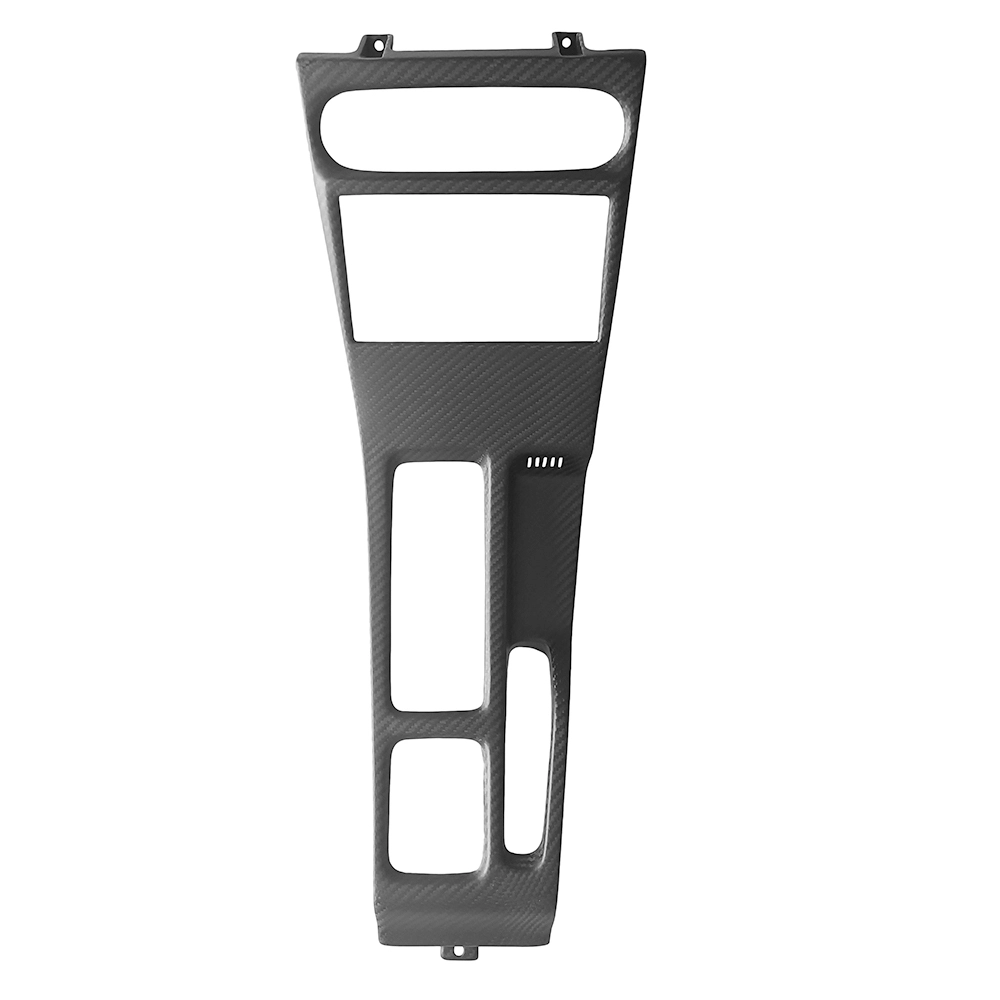
The Ultimate Guide to ZX6R Carbon Fiber Fairings by Supreem Carbon
Custom best carbon fiber motorcycle helmets Manufacturers and suppliers
For Products
Which carbon fiber material you can provide in production?
1*1 plain /2*2 twill / forged carbon / honeycomb / kevlar and so on.
For Customized Service
What can be customized in addition to customized carbon fiber parts?
You can customize your company logo, packaging, even the color of coating and so on.
For Order Delivery
How to choose the mode of transportation?
We use official shipment like Fedex,UPS,DHL and so on. Also customer can arrange delivery by themselves.
For Carbon Fiber Material
What are the advantages of carbon fiber?
High Strength-to-Weight Ratio
It is stronger than many traditional materials, such as steel and aluminum.This high strength-to-weight ratio allows for the creation of lightweight components that maintain structural integrity and durability.
Lightweight
One of the most significant advantages of carbon fiber is its low density, contributing to lightweight structures. This property is particularly crucial in industries where weight reduction is a priority, such as aerospace, automotive, and sports equipment.
Resistant to corrosion and chemicals
Carbon fiber is inherently resistant to corrosion, making it an ideal material for applications exposed to harsh environments or corrosive substances. This property contributes to the longevity of components and reduces maintenance requirements. Carbon fiber has good chemical resistance, making it suitable for use in environments where exposure to chemicals or harsh solvents is a concern. This resistance enhances the material's durability in various industrial settings.
Tolerant of high temperature
Carbon fiber exhibits excellent thermal stability and resistance to high temperatures. This makes it suitable for applications where components are exposed to elevated temperatures, such as in the aerospace and automotive industries.
Low thermal expansion
Carbon fiber has a low coefficient of thermal expansion, meaning it expands or contracts minimally with changes in temperature. This property contributes to dimensional stability, making carbon fiber components reliable in varying temperature conditions.
Aesthetic Appeal
Carbon fiber has a modern and high-tech appearance, contributing to its aesthetic appeal. This property is leveraged in consumer goods, automotive components, and sporting equipment where visual appeal is important.
For After-sales Service
How can I cancel the order?
We may only cancel your order if it has not been fulfilled yet. We would be more than happy to assist you with any adjustments if you'd wish instead!
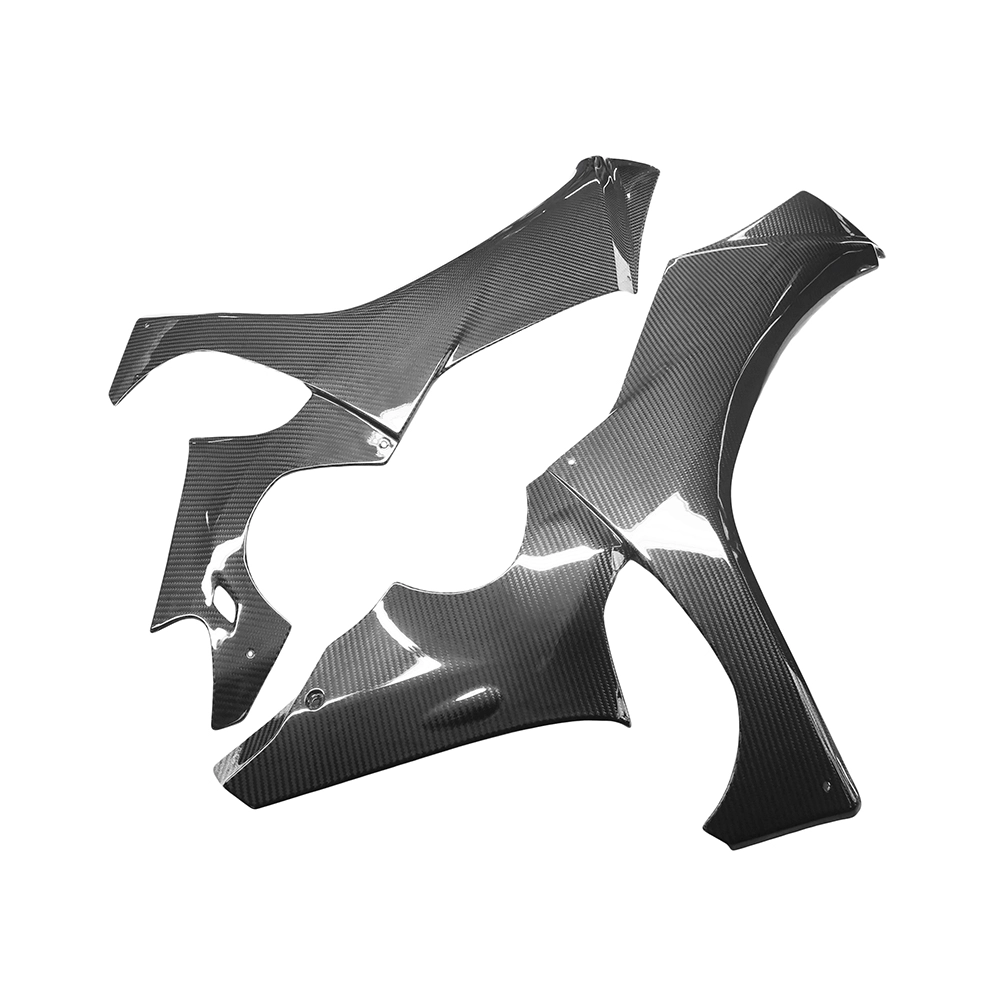
Yamaha R1 Carbon Fiber Side Fairings
Introducing the Supreem Carbon Fiber Long Side Panels for Yamaha R1. Crafted with precision and expertise, this front side fairing is designed to elevate the performance and aesthetics of your R1. Made from high-quality carbon fiber, this fairing is not only lightweight but also incredibly durable, providing optimal protection for your motorcycle.
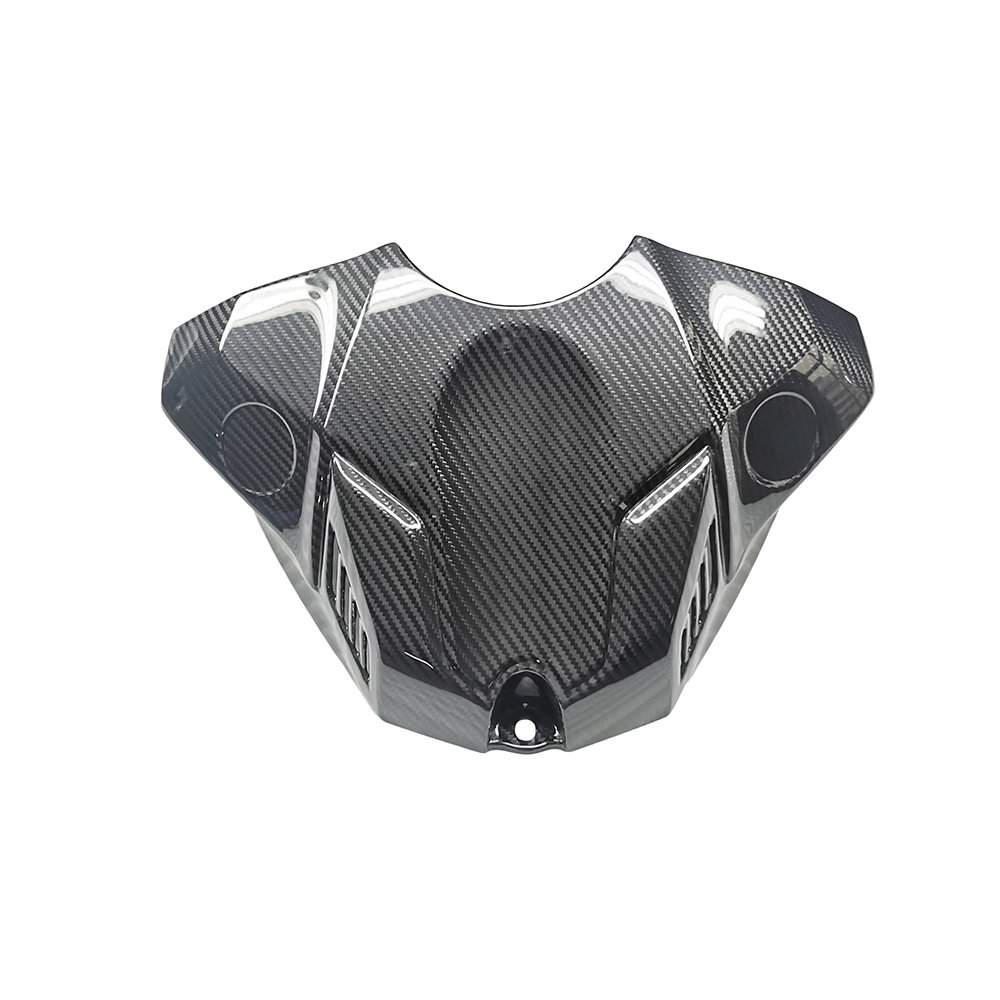
Yamaha R1 Carbon Fiber Airbox Tank Cover
The Supreem Carbon Yamaha R1 Carbon Fiber Airbox Tank Cover provides lightweight, durable protection with a sleek finish. Designed for R1 models, it enhances the style and performance of your bike. Its lightweight structure improves performance while maintaining the premium aesthetics necessary for high-end modification projects. As a dedicated manufacturer of carbon fiber parts, we provide stable production capacity, customization options, and strict quality control to support enterprise-level procurement and OEM/ODM needs.
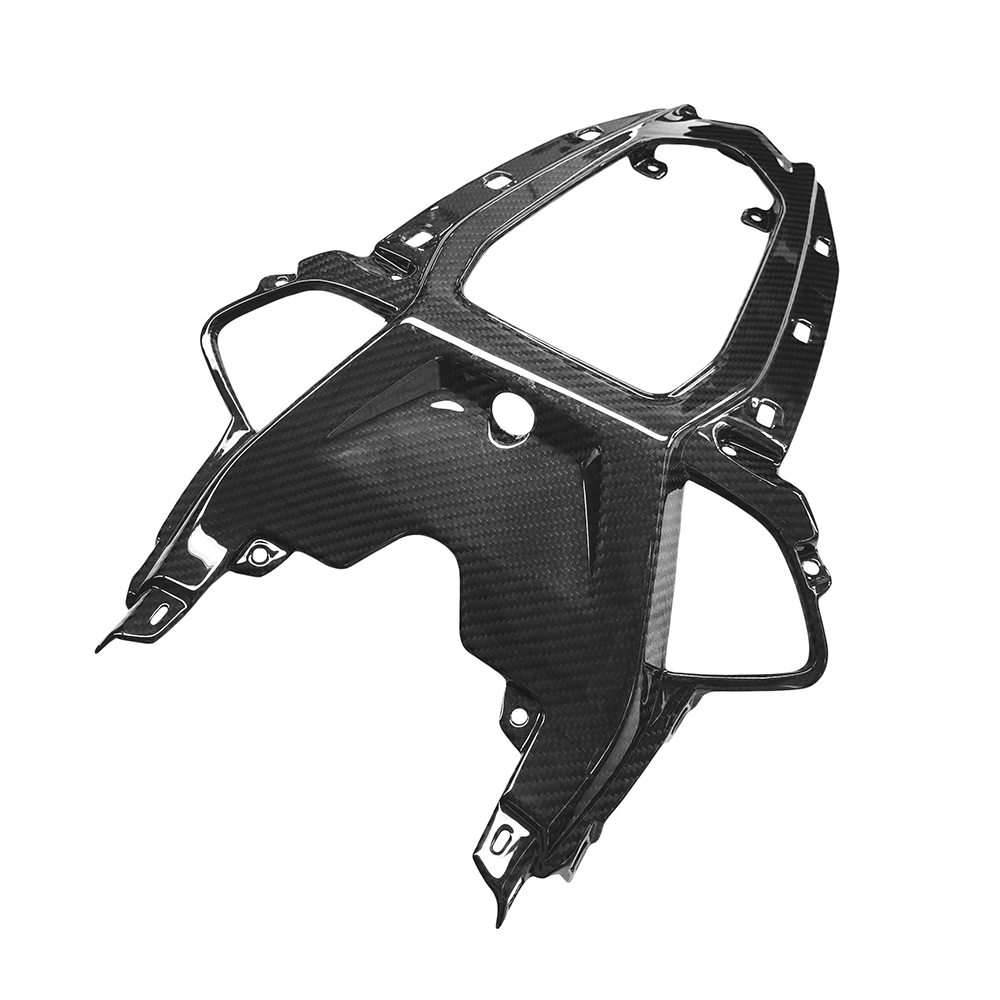
Carbon Fiber Rear Seat Panel for BMW S1000R & M1000RR – Lightweight Performance
This carbon fiber rear seat panel is engineered for the BMW S1000R and M1000RR, offering superior rigidity, reduced weight, and a premium racing finish. Produced with autoclave technology and strict QC standards, the part ensures consistent OEM-level fitment. Supreem Carbon provides wholesale supply, stable bulk production, and customized solutions for global clients.
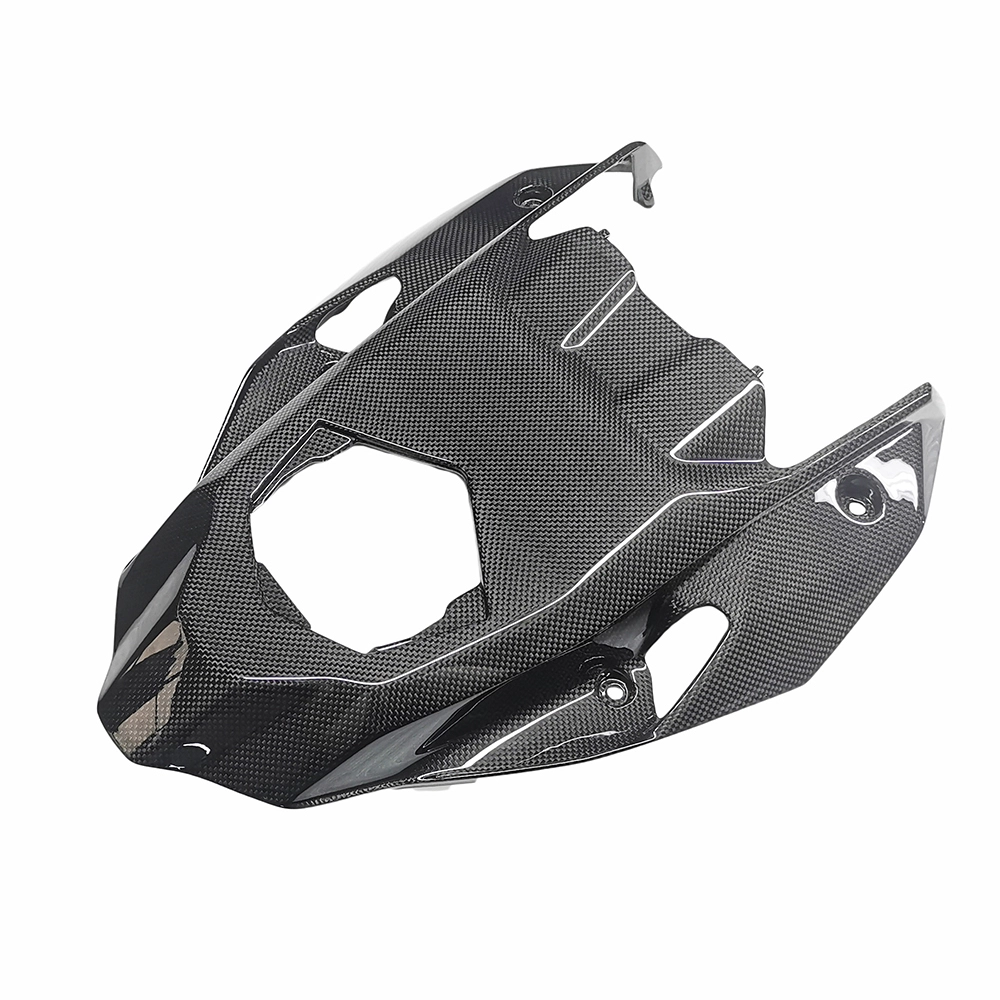
High-Performance Carbon Fiber Rear Undertail for BMW S1000R
Engineered for distributors, tuning brands, and motorcycle accessory businesses, the BMW S1000R Carbon Fiber Rear Undertail is a high-quality, durable, lightweight carbon fiber upgrade for the S1000R platform. This component is manufactured using aerospace-grade carbon fiber and precision molds to deliver superior stiffness, a seamless OEM-level fit, and a premium visual finish suitable for high-end aftermarket applications.

Supreem Carbon aiming to provide customers with high-performance carbon fiber products and quality services.
Contact Supreem Carbon
Address : Building 1 No.103, Yadi Nan 1st Road, QiaoTou Town, Dongguan City, China.
© 2024 Supreem Carbon All Rights Reserved.
Facebook
Pinterest
LinkedIn
Instagram