

Why Is Carbon Fiber So Expensive? Cost Breakdown Explained
- Understanding the True Cost Behind High-Performance Materials
- How Carbon Fiber Is Made — and Which Steps Cost the Most
- Primary cost-driving processes (commercial viewpoint)
- Why the Precursor (PAN) Is So Important — and Expensive
- Energy, Furnaces, and Yield: The Conversion Bottleneck
- Equipment, Tooling and Labor: Costs Amplified at Low Volumes
- Quality, Testing and Certification: Essential for High-Value Sectors
- Market Structure, Supply Chain and Brand High Qualitys
- Comparison: Carbon Fiber vs Metal Alternatives (cost vs performance)
- How Customization Changes the Price — Why Small Runs Cost More
- Where Prices Are Falling — and What to Expect
- Case Study: Cost Implications for Motorcycle and Automotive Carbon Fiber Parts
- Supreem Carbon — Example of a Specialized Manufacturer
- Why choose Supreem Carbon for custom carbon fiber parts?
- Practical Tips for Buyers: How to Reduce Cost Without Sacrificing Performance
- Frequently Asked Questions (FAQ)
- 1. Why is carbon fiber more expensive than aluminum?
- 2. Will carbon fiber prices drop significantly in the next 5–10 years?
- 3. How much of the cost is raw material vs manufacturing?
- 4. Are there lower-cost carbon fiber options for motorcycle or customized car parts?
- 5. How does certification impact price?
- 6. What should I ask a supplier to get the best price?
- Contact & Next Steps
- References
Understanding the True Cost Behind High-Performance Materials
Carbon fiber is celebrated for its strength-to-weight ratio and corrosion resistance, yet one question keeps recurring for designers, buyers and fleet managers: why is carbon fiber so expensive? To answer this we must follow the material from raw precursor through conversion and finishing to the final part — and account for capital equipment, energy, labor, testing and market structure. This article breaks those elements down, quantifies the main drivers where reliable data exists, compares carbon fiber to common metal alternatives, and explains how manufacturers (including custom producers) influence price.
How Carbon Fiber Is Made — and Which Steps Cost the Most
Understanding cost begins with process visibility. Typical PAN-based carbon fiber production follows these major steps: precursor synthesis (usually polyacrylonitrile, PAN), spinning (to form filaments), stabilization (oxidation), carbonization (high-temperature conversion), surface treatment and sizing, and finally conversion into fabrics or unidirectional tapes. Each step adds time, energy, equipment cost and potential yield loss.
Primary cost-driving processes (commercial viewpoint)
| Process step | Why it costs | Relative cost contribution (approx.) |
|---|---|---|
| Precursor (PAN) production | Specialized polymers, purity requirements, and feedstock chemistry | ~40–55% |
| Conversion (stabilization + carbonization) | High-temperature furnaces/continuous ovens, energy use, long cycle times | ~20–30% |
| Surface treatment & sizing | Tailoring fiber-matrix adhesion; chemical processes and QC | ~5–10% |
| Fabrication & tooling (for finished parts) | Molds, autoclaves/ovens, labor, prepreg layup or molding | ~10–20% |
| Quality control, testing & certification | Material testing, composite NDT, traceability and certification (esp. aerospace) | ~5–10% |
Note: ranges are indicative and depend on product grade (standard vs high-modulus), production scale and region. Sources on process and cost structure are listed in References.
Why the Precursor (PAN) Is So Important — and Expensive
Polyacrylonitrile (PAN) or other precursors (pitch, rayon historically) dominate the raw-material story. PAN must be manufactured to strict molecular weights and purity; that chemistry and controlled polymerization cost money. Industry analyses repeatedly show that precursor manufacture makes up the single largest share of carbon fiber cost. Alternatives such as lignin or recycled feedstocks can lower raw costs but currently require additional R&D or yield trade-offs that limit mainstream adoption.
Energy, Furnaces, and Yield: The Conversion Bottleneck
Conversion to carbon fiber requires heating PAN fibers through stabilization (200–300 °C) and carbonization (typically 1,000–3,000 °C in inert atmospheres). These are energy-intensive, slow, continuous processes. Furnaces (or continuous conversion lines) are large capital investments. Yield — the percentage of precursor mass that becomes usable carbon fiber — is another key variable: lower yields mean more feedstock consumption and higher effective cost per kg of output. Continuous processing innovations and economies of scale can reduce per-unit energy and capital costs, but require large production volumes to justify.
Equipment, Tooling and Labor: Costs Amplified at Low Volumes
Beyond raw fiber, turning fiber into finished parts (fabrics, prepreg, molded components) requires clean rooms, molds and often autoclaves or large curing ovens. For custom or low-volume carbon fiber parts — typical for aftermarket motorcycle or bespoke auto components — tooling costs are amortized across far fewer pieces, which significantly increases per-part cost. Skilled labor for hand lay-up, trimming and finishing also raises costs relative to commodity metals where stamping is automated.
Quality, Testing and Certification: Essential for High-Value Sectors
In aerospace, motorsport and some automotive segments, carbon fiber parts must meet strict mechanical, thermal and traceability standards. Non-destructive testing (ultrasound, X-ray), batch testing and documentation add per-part costs. Certification requirements raise the price but are non-negotiable for safety-critical applications.
Market Structure, Supply Chain and Brand High Qualitys
Global carbon fiber supply is concentrated among a few large producers (e.g., Toray, Mitsubishi Rayon, Hexcel historically), which influence market pricing and availability. Demand growth from aerospace, wind turbine blades and high-end automotive competes with supply, occasionally driving price increases. For finished custom parts, brand, design, and fitment also create High Quality pricing: small specialized manufacturers must cover overhead and R&D over fewer units than high-volume part suppliers.
Comparison: Carbon Fiber vs Metal Alternatives (cost vs performance)
| Property | Carbon Fiber Composites | Aluminum | Steel |
|---|---|---|---|
| Specific stiffness (stiffness/weight) | Very high | Moderate | Low |
| Corrosion resistance | Excellent (with proper resin) | Good (with coatings) | Poor (without protection) |
| Typical cost per functional part | High — several× higher for small-production parts | Lower — good for medium volumes | Lowest — ideal for very high volumes |
| Design flexibility | Very high — complex shapes without joins | Moderate | Limited |
In short: carbon fiber delivers superior performance where weight savings and stiffness matter, but that performance comes at higher cost — especially in low-volume, custom or safety-certified applications.
How Customization Changes the Price — Why Small Runs Cost More
For businesses ordering custom carbon fiber parts (motorcycle fairings, custom bumpers, interior trim), the major drivers of the higher cost are tooling amortization, manual labor hours, finishing and limited production runs. If you order 10 parts, tooling may account for 30–50% of the part price; if you order 10,000 parts, that tooling cost per piece is negligible. That's why bespoke carbon components are more expensive per item than mass-produced metal equivalents.
Where Prices Are Falling — and What to Expect
Despite the high baseline cost, several trends are reducing effective prices over time:
- Scale-up of continuous conversion and automation lowers per-unit conversion costs.
- Development of lower-cost precursors (lignin, recycled PAN) promises reduced raw-material share, though commercial large-scale adoption is still emerging.
- New production capacity, especially in Asia, increases supply and competitive pressure.
- Process innovations such as out-of-autoclave cures and thermoplastic composites can cut cycle time and labor cost for specific products.
However, performance and certification requirements, especially for aerospace and safety-critical automotive parts, will preserve a price High Quality for qualified, traceable carbon fiber products.
Case Study: Cost Implications for Motorcycle and Automotive Carbon Fiber Parts
When evaluating a carbon fiber motorcycle fairing or automotive trim piece, consider these directly billable contributors to price:
- Material cost per kg and required mass of fiber.
- Fabrication method (hand-layup, vacuum bag, prepreg + autoclave, or RTM).
- Tooling and mold complexity.
- Finishing (clearcoat, polishing, fitting holes) and inspection.
- Shipping and customs for finished parts or raw materials.
For buyers, specifying the target performance and acceptable processing route (e.g., wet-lay vs prepreg) often yields the largest cost savings without compromising function.
Supreem Carbon — Example of a Specialized Manufacturer
Supreem Carbon, established in 2017, is a customized manufacturer of carbon fiber parts for automobiles and motorcycles, integrating R&D, design, production, and sales to deliver high-quality products and services.
We specialize in the technology research and development of carbon fiber composite products and the production of related items. Our main offerings include the customization and modification of carbon fiber accessories for vehicles, as well as the manufacturing of carbon fiber luggage and sports equipment.
Our factory spans approximately 4,500 square meters and employs 45 skilled production and technical staff, achieving an annual output value of around 4 million dollars. Currently, we offer over 1,000 types of products, including more than 500 customized carbon fiber parts.
Our vision is to become the world's leading carbon fiber products manufacturer. Our website is https://www.supreemcarbon.com/
Why choose Supreem Carbon for custom carbon fiber parts?
- End-to-end capability: R&D, design, tooling and production under one roof reduces coordination losses and shortens delivery timelines.
- SME-scale agility: moderate factory size and focused product catalog mean faster customization and competitive pricing for small to medium runs.
- Product breadth: specialist offerings in carbon fiber motorcycle parts, carbon fiber automobile parts and fully customized carbon fiber parts allow one-stop sourcing.
- Technical staff and quality control: a dedicated team handling process control, finishing and part validation helps maintain repeatable quality.
For companies seeking custom carbon fiber solutions, suppliers like Supreem Carbon can balance the cost-performance trade-offs by recommending appropriate manufacturing methods (prepreg vs wet layup vs RTM), optimizing ply schedules and advising on mold design to minimize tooling expense.
Practical Tips for Buyers: How to Reduce Cost Without Sacrificing Performance
- Specify performance goals, not materials. Ask for stiffness, weight and impact targets and allow the supplier to recommend cost-effective layups.
- Consider hybrid solutions (carbon fiber skins over low-cost cores or aluminum substructures) to get performance where it matters and save cost elsewhere.
- Increase order quantity or consolidate part families to amortize tooling costs.
- Accept alternative finishing (satin vs high-gloss clearcoat) where appropriate.
- Work with suppliers who provide DFM (design for manufacturing) feedback early to reduce rework and scrap.
Frequently Asked Questions (FAQ)
1. Why is carbon fiber more expensive than aluminum?
Carbon fiber production requires specialized precursors (PAN) and energy-intensive high-temperature conversion steps, plus costly tooling and manual labor for small-run parts. Aluminum benefits from decades of highly automated, high-volume casting and stamping processes that drive per-part cost much lower.
2. Will carbon fiber prices drop significantly in the next 5–10 years?
Expect gradual reductions driven by scale, new precursors, automation and alternative processing (e.g., continuous conversion, out-of-autoclave techniques). However, prices for certified, high-performance grades will remain elevated because of testing and traceability requirements.
3. How much of the cost is raw material vs manufacturing?
Industry studies typically show the precursor (raw PAN) accounts for the largest single share (roughly 40–55%), with conversion and manufacturing steps adding significant additional cost. Exact shares vary by grade and production scale.
4. Are there lower-cost carbon fiber options for motorcycle or customized car parts?
Yes. Options include wet-layup (non-prepreg) processes, use of lower-grade fiber (standard modulus instead of high modulus), and hybrid designs. Suppliers like Supreem Carbon can propose solutions tuned to performance and budget.
5. How does certification impact price?
Certification increases cost due to additional testing, documentation and controlled production environments required by aerospace and safety-critical automotive applications. For consumer or aftermarket applications certification needs are typically lower, reducing cost.
6. What should I ask a supplier to get the best price?
Ask about recommended manufacturing methods for your performance targets, tooling amortization strategies, lead times, and whether they can offer consolidated production runs or standard part families to reduce per-piece cost.
Contact & Next Steps
If you’re sourcing custom carbon fiber motorcycle parts, automobile parts or other bespoke components, consider partnering with a supplier who can advise on design for manufacturing and cost optimization. Explore Supreem Carbon’s capabilities and product catalog at https://www.supreemcarbon.com/ or contact them through the website for a quote and design consultation.
References
- “Carbon fiber” — Wikipedia. https://en.wikipedia.org/wiki/Carbon_fiber (accessed 2025-12-09).
- “What is carbon fiber?” — Composites World. https://www.compositesworld.com/articles/what-is-carbon-fiber (accessed 2025-12-09).
- Toray Industries — Carbon Fiber products overview. https://www.toray.com/products/carbon/ (accessed 2025-12-09).
- Grand View Research — Carbon Fiber Market Analysis. https://www.grandviewresearch.com/industry-analysis/carbon-fiber-market (accessed 2025-12-09).
- Oak Ridge National Laboratory — Research on cost-reduction and alternative precursors for carbon fiber (overview). https://www.ornl.gov/ (search: carbon fiber research) (accessed 2025-12-09).
Notes: percentage cost ranges and process descriptions are based on industry analyses and publicly available technical summaries from the sources above. Exact costs depend on grade, region, scale and supplier.
What are the application scenarios of carbon fiber bucket seats?
How Custom Carbon Fiber Manufacturing Can Transform Your Business
Best professional carbon fiber hiking poles manufacturers and supplier brands
What are the application scenarios of carbon fiber running shoes?
For Customized Service
What custom customer need to prepare?
1. Send Your Design/Idea/3D drawing.
2. Supplier Quotation Confirmation.
3. Firts Sample Feedback.
How long does the customized products order take?
This depends on the complexity and mold production cycle of the product. The first sample will be ready in 2-3 weeks after mold finished.
For After-sales Service
What can I do if the carbon fiber products arrived is broken?
Please give us feedback as soon as possible and we will send new one to you.
For Products
Which carbon fiber material you can provide in production?
1*1 plain /2*2 twill / forged carbon / honeycomb / kevlar and so on.
For Carbon Fiber Material
What are the advantages of carbon fiber?
High Strength-to-Weight Ratio
It is stronger than many traditional materials, such as steel and aluminum.This high strength-to-weight ratio allows for the creation of lightweight components that maintain structural integrity and durability.
Lightweight
One of the most significant advantages of carbon fiber is its low density, contributing to lightweight structures. This property is particularly crucial in industries where weight reduction is a priority, such as aerospace, automotive, and sports equipment.
Resistant to corrosion and chemicals
Carbon fiber is inherently resistant to corrosion, making it an ideal material for applications exposed to harsh environments or corrosive substances. This property contributes to the longevity of components and reduces maintenance requirements. Carbon fiber has good chemical resistance, making it suitable for use in environments where exposure to chemicals or harsh solvents is a concern. This resistance enhances the material's durability in various industrial settings.
Tolerant of high temperature
Carbon fiber exhibits excellent thermal stability and resistance to high temperatures. This makes it suitable for applications where components are exposed to elevated temperatures, such as in the aerospace and automotive industries.
Low thermal expansion
Carbon fiber has a low coefficient of thermal expansion, meaning it expands or contracts minimally with changes in temperature. This property contributes to dimensional stability, making carbon fiber components reliable in varying temperature conditions.
Aesthetic Appeal
Carbon fiber has a modern and high-tech appearance, contributing to its aesthetic appeal. This property is leveraged in consumer goods, automotive components, and sporting equipment where visual appeal is important.
Yamaha R1 Carbon Fiber Side Fairings
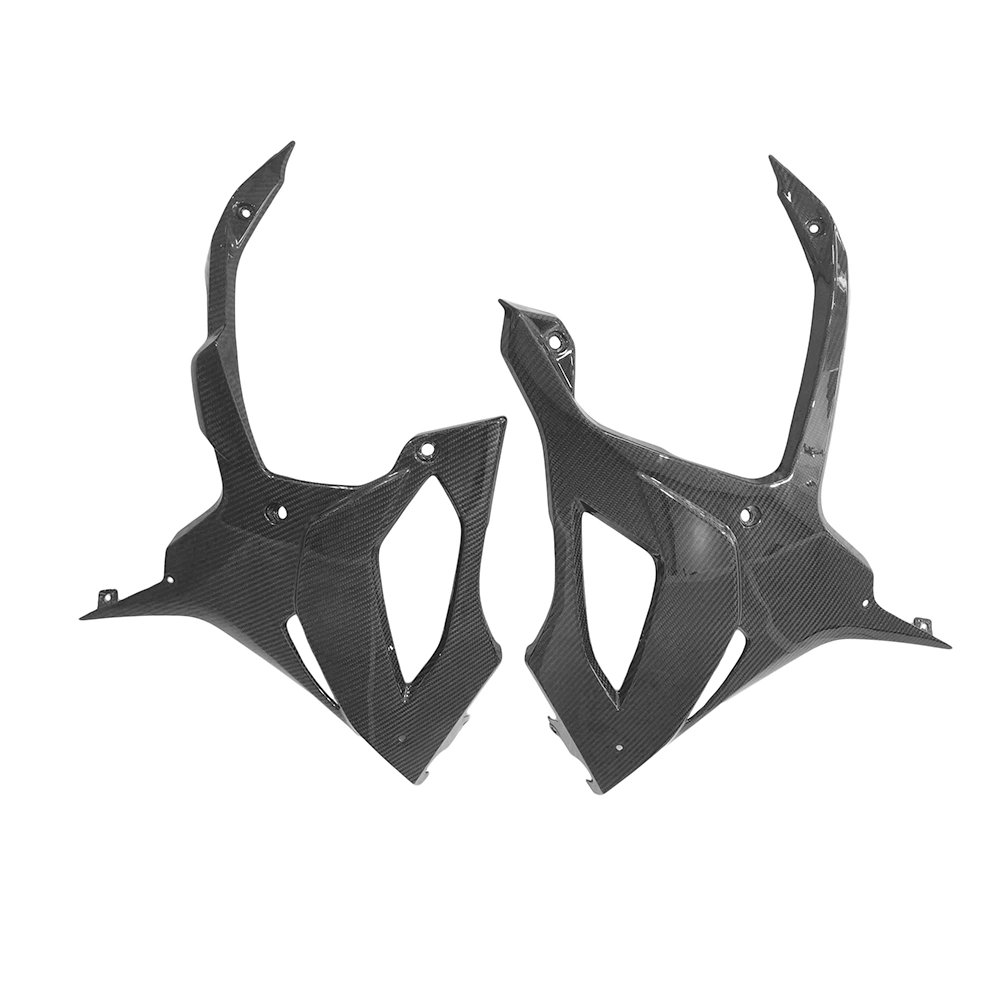
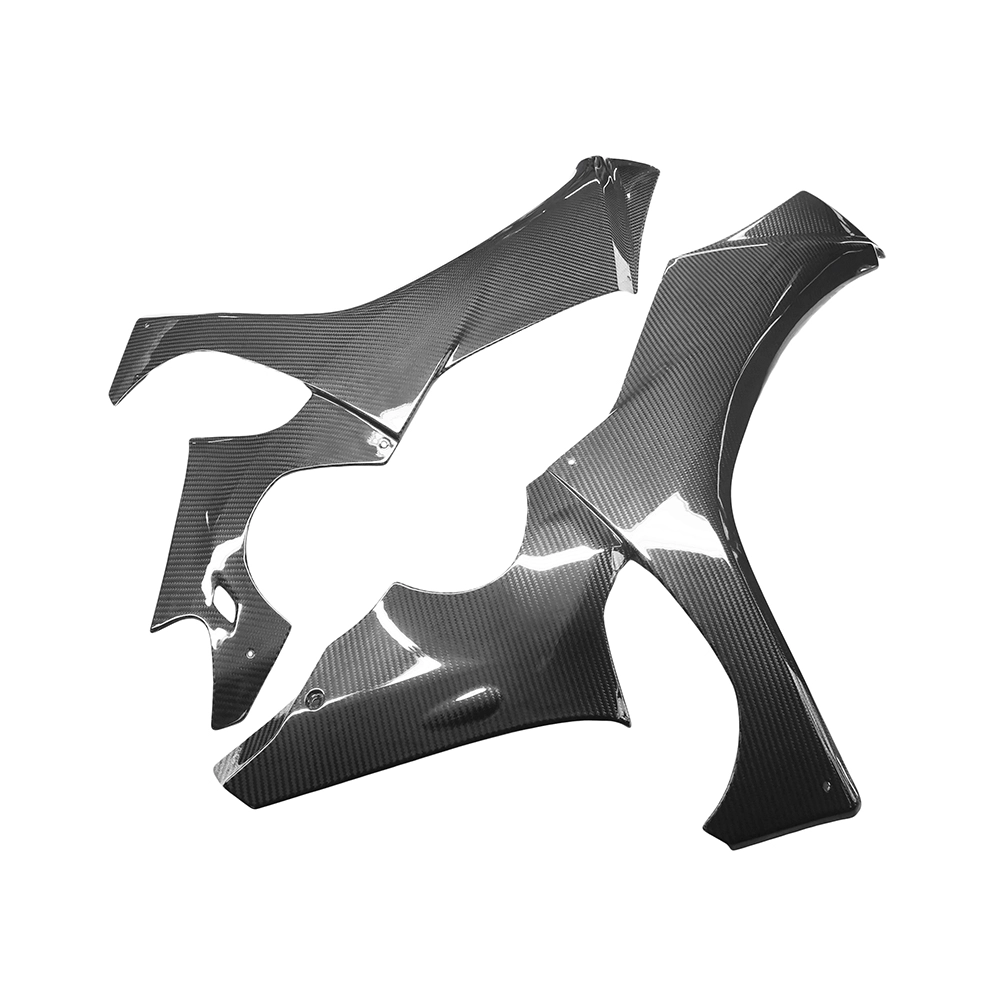
Introducing the Supreem Carbon Fiber Long Side Panels for Yamaha R1. Crafted with precision and expertise, this front side fairing is designed to elevate the performance and aesthetics of your R1. Made from high-quality carbon fiber, this fairing is not only lightweight but also incredibly durable, providing optimal protection for your motorcycle.
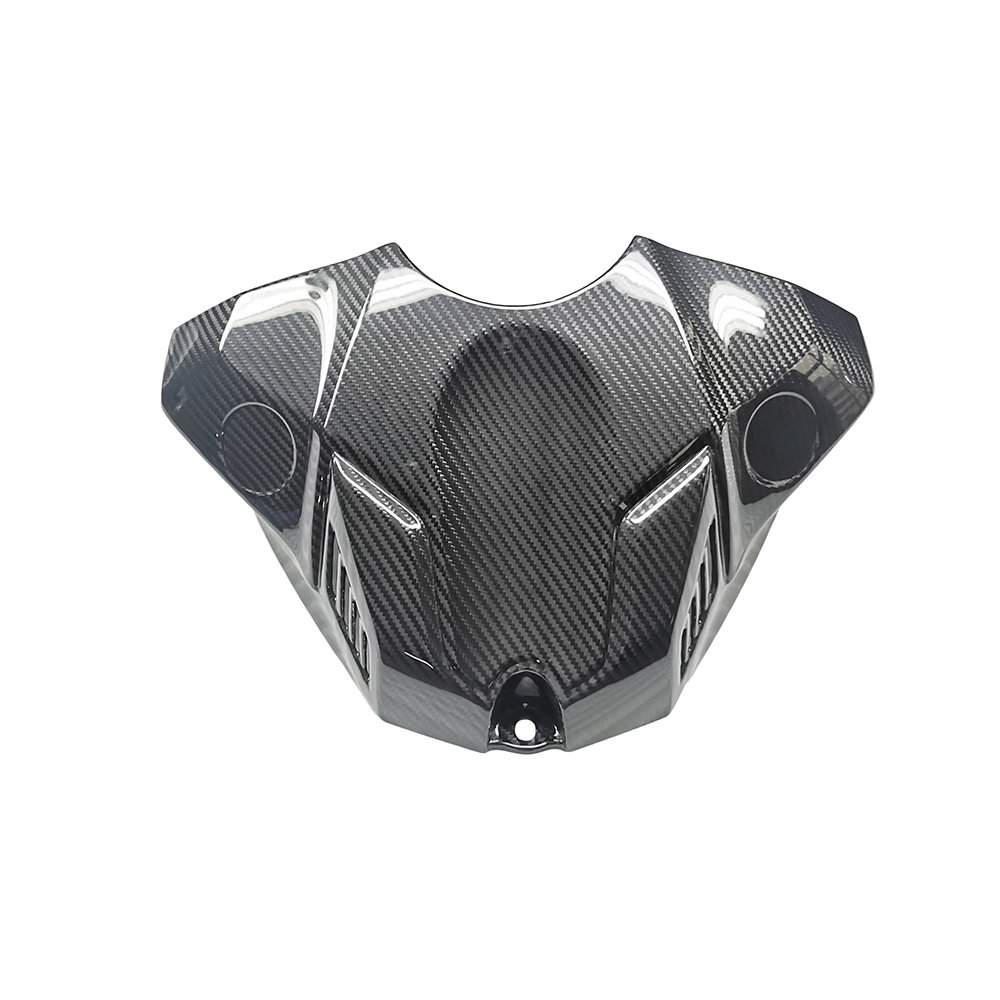
Yamaha R1 Carbon Fiber Airbox Tank Cover
The Supreem Carbon Yamaha R1 Carbon Fiber Airbox Tank Cover provides lightweight, durable protection with a sleek finish. Designed for R1 models, it enhances the style and performance of your bike. Its lightweight structure improves performance while maintaining the premium aesthetics necessary for high-end modification projects. As a dedicated manufacturer of carbon fiber parts, we provide stable production capacity, customization options, and strict quality control to support enterprise-level procurement and OEM/ODM needs.
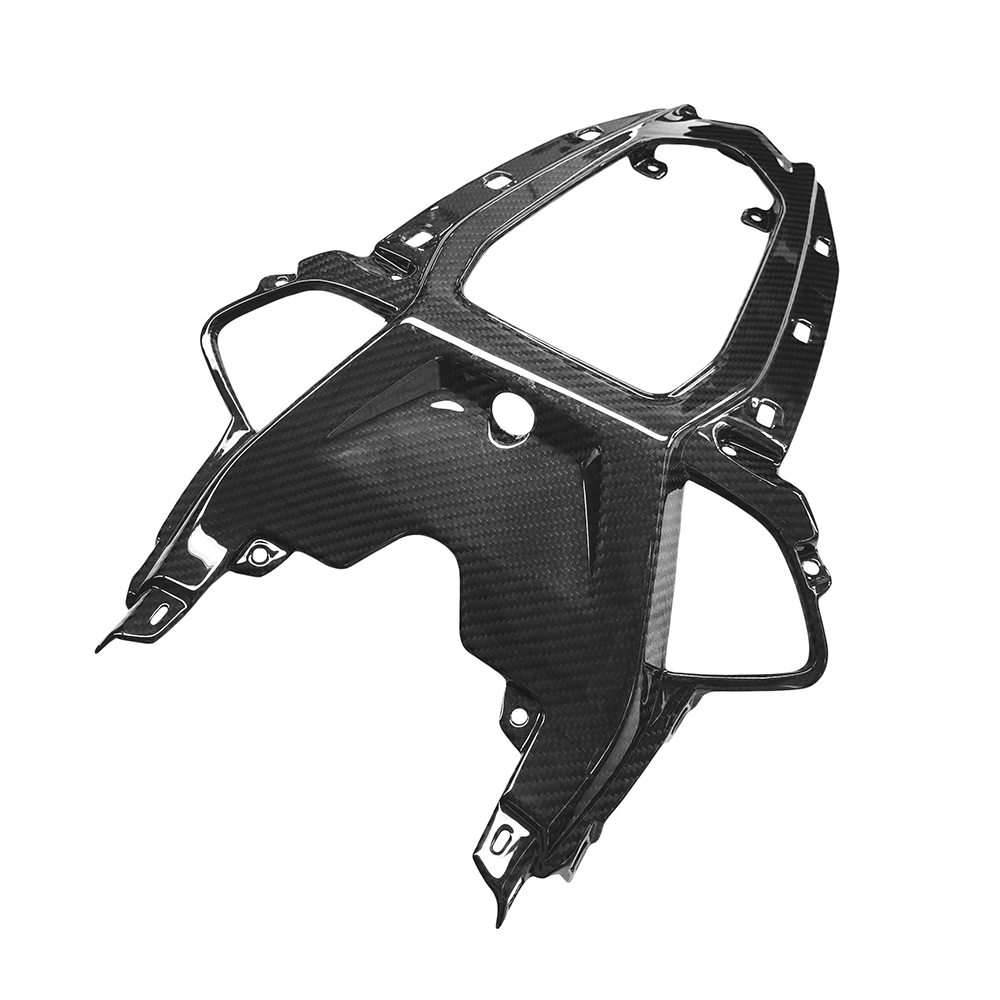
Carbon Fiber Rear Seat Panel for BMW S1000R & M1000RR – Lightweight Performance
This carbon fiber rear seat panel is engineered for the BMW S1000R and M1000RR, offering superior rigidity, reduced weight, and a premium racing finish. Produced with autoclave technology and strict QC standards, the part ensures consistent OEM-level fitment. Supreem Carbon provides wholesale supply, stable bulk production, and customized solutions for global clients.
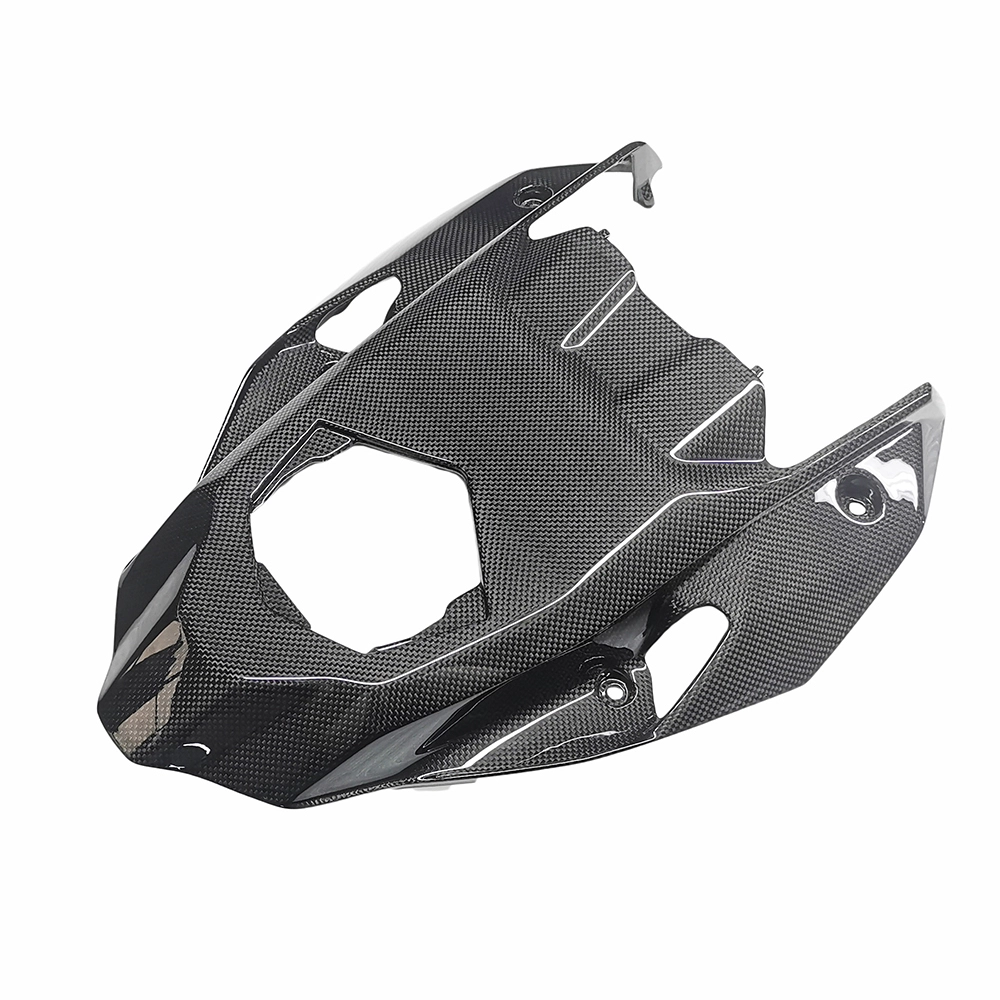
High-Performance Carbon Fiber Rear Undertail for BMW S1000R
Engineered for distributors, tuning brands, and motorcycle accessory businesses, the BMW S1000R Carbon Fiber Rear Undertail is a high-quality, durable, lightweight carbon fiber upgrade for the S1000R platform. This component is manufactured using aerospace-grade carbon fiber and precision molds to deliver superior stiffness, a seamless OEM-level fit, and a premium visual finish suitable for high-end aftermarket applications.

Supreem Carbon aiming to provide customers with high-performance carbon fiber products and quality services.
Contact Supreem Carbon
Address : Building 1 No.103, Yadi Nan 1st Road, QiaoTou Town, Dongguan City, China.
© 2024 Supreem Carbon All Rights Reserved.
Facebook
Pinterest
LinkedIn
Instagram