


How does carbon fiber compare to aluminum and titanium for aircraft? | Insights by Supreem Carbon
- 1. How do carbon fiber, aluminum, and titanium compare in terms of weight?
- 2. What are the strength and stiffness differences among these materials?
- 3. How do these materials perform in terms of durability and fatigue resistance?
- 4. What are the cost implications of using carbon fiber, aluminum, and titanium?
- 5. How do these materials compare in terms of recyclability?
- 6. What are the manufacturing and repair considerations for these materials?
- 7. How do these materials impact aircraft performance and efficiency?
- 8. What are the environmental and sustainability considerations for these materials?
- Supreem Carbon's Advantages
- Data Sources
1. How do carbon fiber, aluminum, and titanium compare in terms of weight?
Weight is a critical factor in aircraft design, affecting fuel efficiency and performance. Carbon fiber composites are approximately 40% lighter than aluminum for an equivalent volume, offering significant weight savings. Aluminum, while lightweight, is heavier than carbon fiber but lighter than steel. Titanium, though stronger than aluminum, is heavier and more expensive, making it less favorable for weight-sensitive applications.
2. What are the strength and stiffness differences among these materials?
Carbon fiber composites exhibit exceptional strength-to-weight ratios and stiffness, making them ideal for structural components. Aluminum alloys offer good strength and stiffness but are less stiff than carbon fiber. Titanium alloys provide higher strength and stiffness than aluminum but are heavier and more costly, which can be a disadvantage in weight-sensitive designs.
3. How do these materials perform in terms of durability and fatigue resistance?
Carbon fiber composites are resistant to corrosion and fatigue but can be brittle, making them susceptible to cracking under sudden or high-impact forces. Aluminum alloys are more durable in terms of impact resistance but are prone to corrosion over time. Titanium alloys offer excellent corrosion resistance and high strength, contributing to their durability and fatigue resistance.
4. What are the cost implications of using carbon fiber, aluminum, and titanium?
Carbon fiber components are generally more expensive due to higher raw material costs and complex manufacturing processes. Aluminum is more cost-effective and easier to fabricate, making it a popular choice for many applications. Titanium, while offering superior strength and corrosion resistance, is the most expensive of the three, both in terms of material costs and manufacturing complexity.
5. How do these materials compare in terms of recyclability?
Aluminum is highly recyclable, retaining its properties after multiple cycles, which is advantageous for sustainability. Titanium is also recyclable but requires more energy and specialized processes, making it less efficient than aluminum. Carbon fiber composites present challenges in recycling due to their complex structure and resin content, leading to higher costs and energy consumption in recycling processes.
6. What are the manufacturing and repair considerations for these materials?
Carbon fiber components require specialized manufacturing techniques, including molding and bonding, which can limit design complexity and increase production time. Repairing carbon fiber parts is more specialized and may require trained technicians and specific consumables. Aluminum components are easier to fabricate and repair, with established methods for welding and riveting. Titanium components require specialized equipment and skilled handling, particularly to maintain purity during welding or to shape the material at high temperatures, making manufacturing and repair more complex and costly.
7. How do these materials impact aircraft performance and efficiency?
Utilizing carbon fiber composites can lead to significant weight reductions, enhancing fuel efficiency and overall performance. Aluminum offers a balance between weight, strength, and cost, suitable for various applications. Titanium's superior strength and corrosion resistance can improve performance but may be offset by its higher weight and cost.
8. What are the environmental and sustainability considerations for these materials?
Aluminum's high recyclability makes it a more sustainable option, reducing environmental impact. Titanium's recycling process is more energy-intensive, and carbon fiber composites present challenges in recycling, leading to higher costs and environmental considerations. Manufacturers are exploring advanced recycling methods to improve the sustainability of carbon fiber composites.
Supreem Carbon's Advantages
Supreem Carbon specializes in the production of carbon fiber components, offering customized solutions that leverage the material's benefits. Their expertise in R&D, prototyping, and small-to-medium series production allows for the creation of lightweight, aerodynamically efficient parts that enhance aircraft performance. Supreem Carbon's commitment to quality and innovation ensures that their products meet the stringent requirements of the aerospace industry.
Data Sources
- Wikipedia: Airframe, Aircraft Recycling, Titanium Alloys
- Supreem Carbon: Lightweighting Aircraft: Carbon Fiber vs Aluminum
- Motovation USA: Carbon Fiber vs Aluminum
- Carbix: Aluminium vs Carbon Fiber – Comparison of Materials
- Dexcraft: Aluminium vs Carbon Fiber – Comparison of Materials
- TriTech Titanium Parts: Titanium vs. Carbon Fiber
- Simple Flying: Composite Vs Aluminum – Which Fuselage Is Best?
- Yeshiva.co: Carbon Fiber versus Titanium

Best 10 car carbon fiber customization suppliers brands in Asia
Supreem Carbon New arrivals alert!

Understanding the Difference Between Dry Carbon and Wet Carbon Products
The Advantages of Carbon Fiber Materials—Insights from Industry Experts

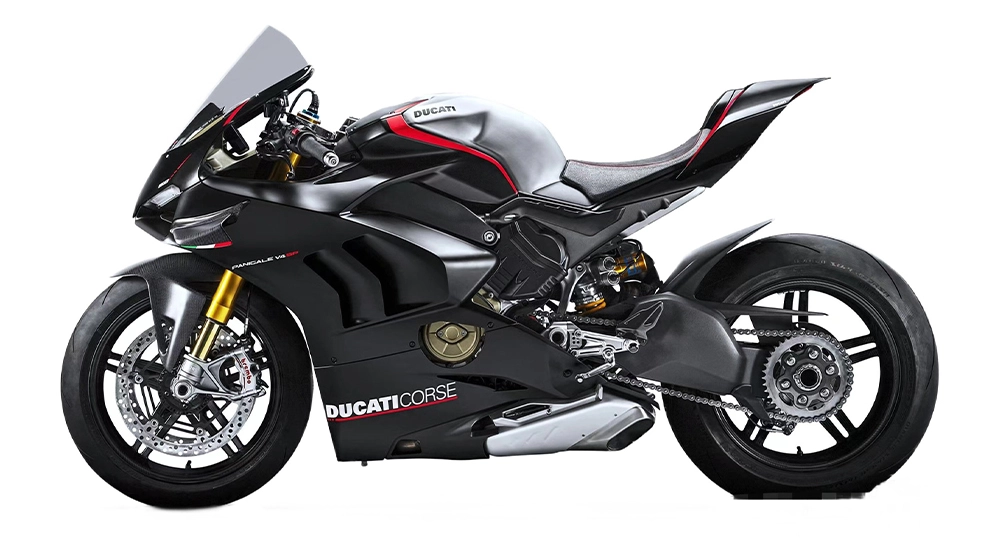
2025 Ducati Panigale V4/V4S Carbon Fiber Body Kit released by Supreem Carbon.
Лучший производитель углеродного волокна в Китае
For After-sales Service
Do you offer the fitting advice?
Of course! If you have any questions, please contact us on info@supreemcarbon.com.
How can I cancel the order?
We may only cancel your order if it has not been fulfilled yet. We would be more than happy to assist you with any adjustments if you'd wish instead!
Do you offer a warranty?
Six month standard warranty on all products. Damage due to installation error or natural elements will not be covered.
For Customized Service
What can be customized in addition to customized carbon fiber parts?
You can customize your company logo, packaging, even the color of coating and so on.
For Products
Which carbon fiber material you can provide in production?
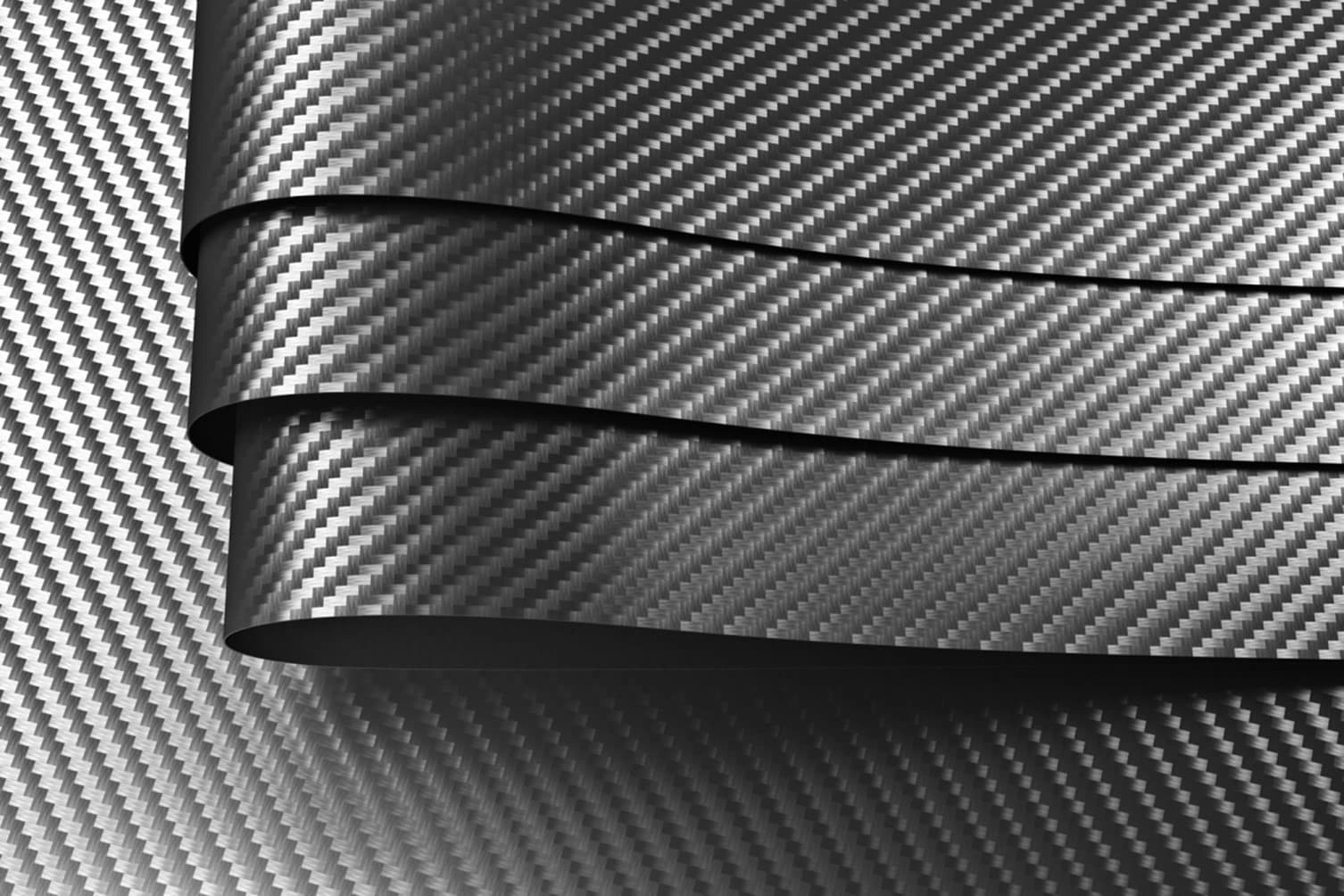
1*1 plain /2*2 twill / forged carbon / honeycomb / kevlar and so on.
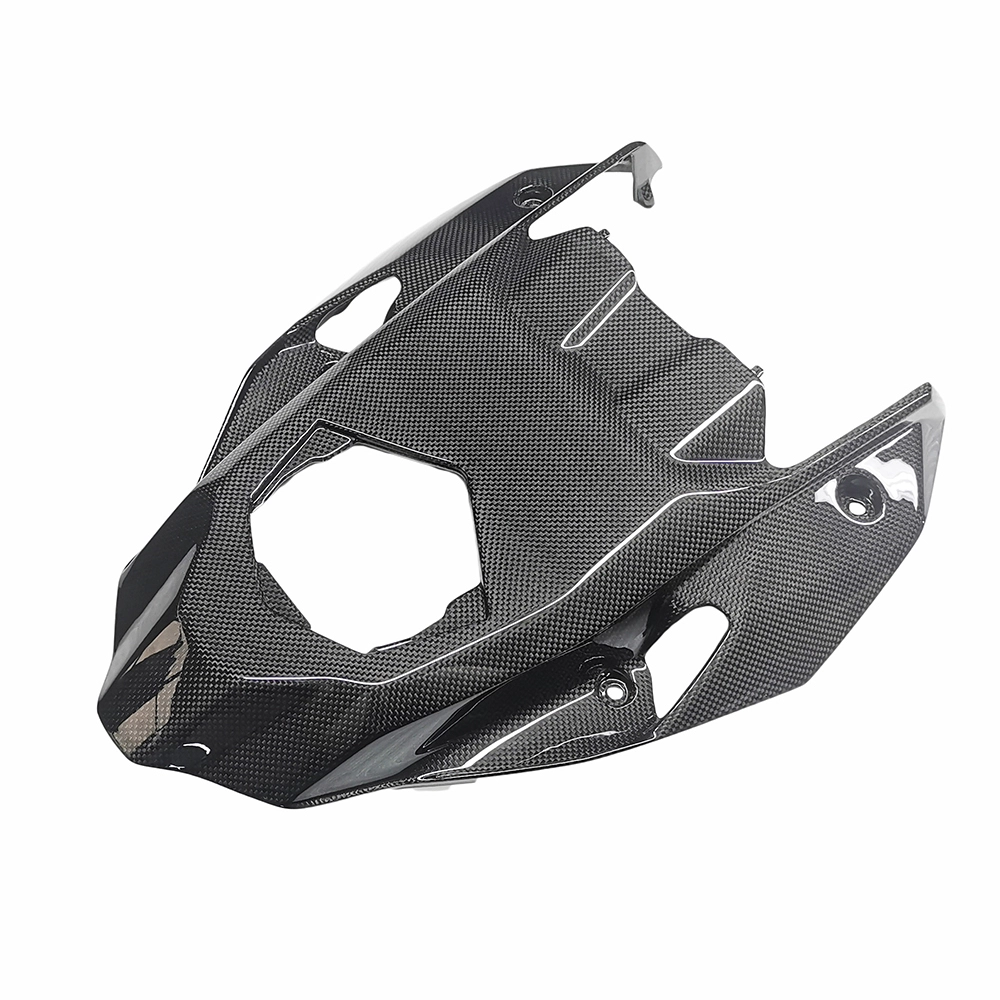
BMW S1000R Carbon Fiber Rear Undertail
Transform your BMW S1000R with a premium carbon fiber rear seat bottom fairing. Replace the stock plastic for a weight reduction and a sophisticated, racing-inspired aesthetic. This ultra-strong fairing offers superior protection while enhancing your bike's overall look. Choose between a glossy or matte finish for a perfect match.
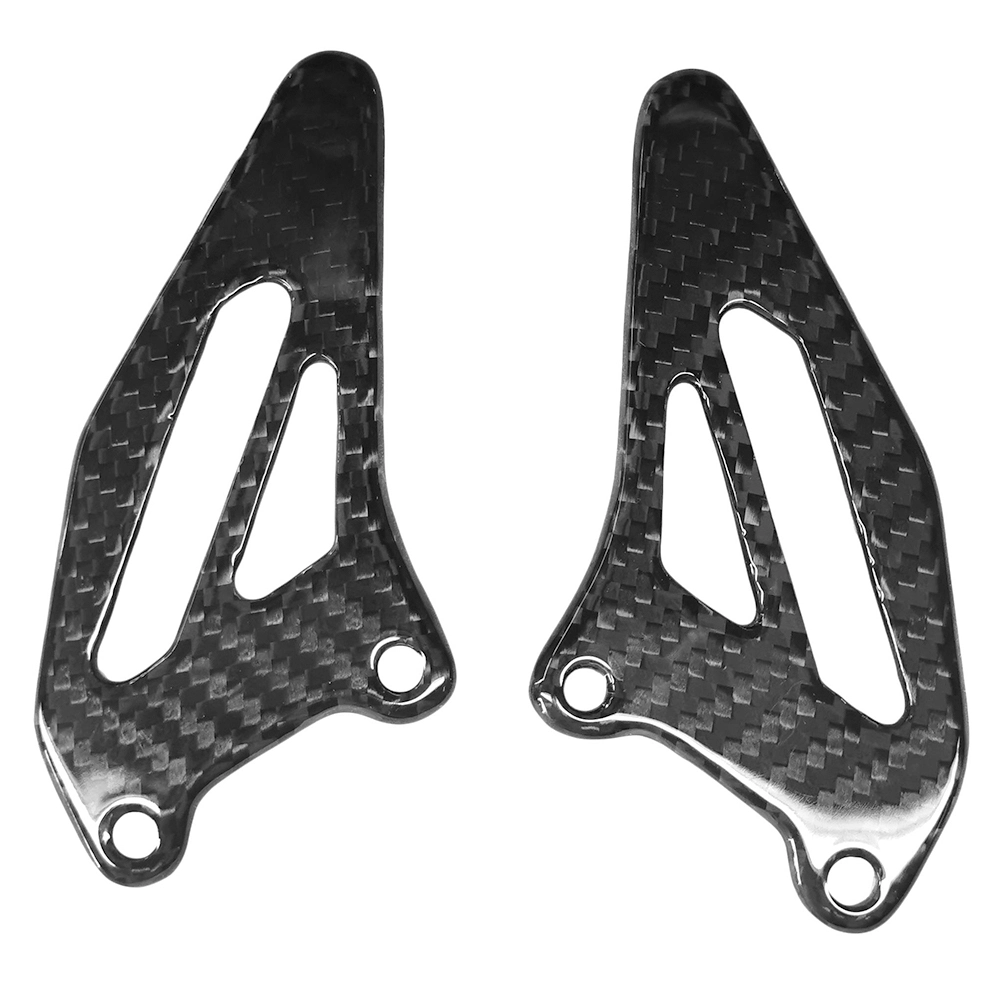
BMW S1000RR Carbon Fiber Heel Plates Custom
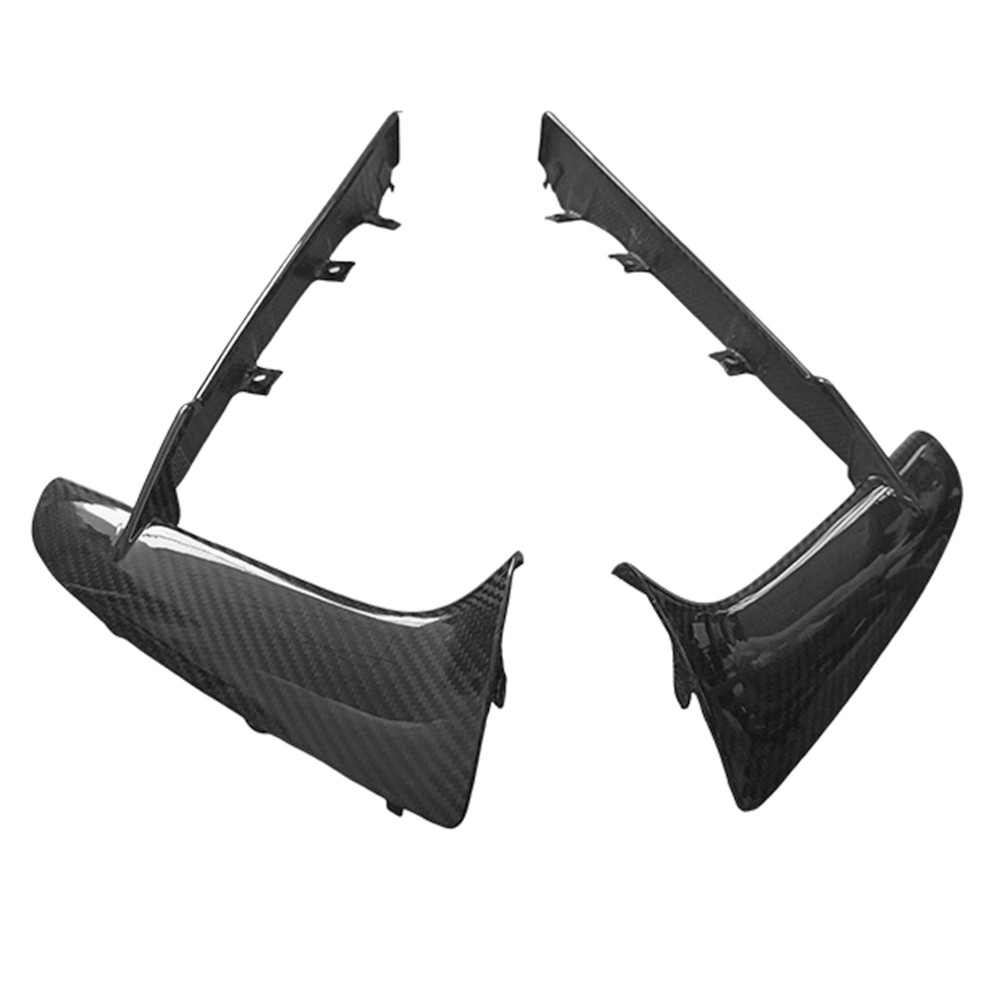
Chevrolet Corvette C8 Carbon Fiber Bumper Trim Custom
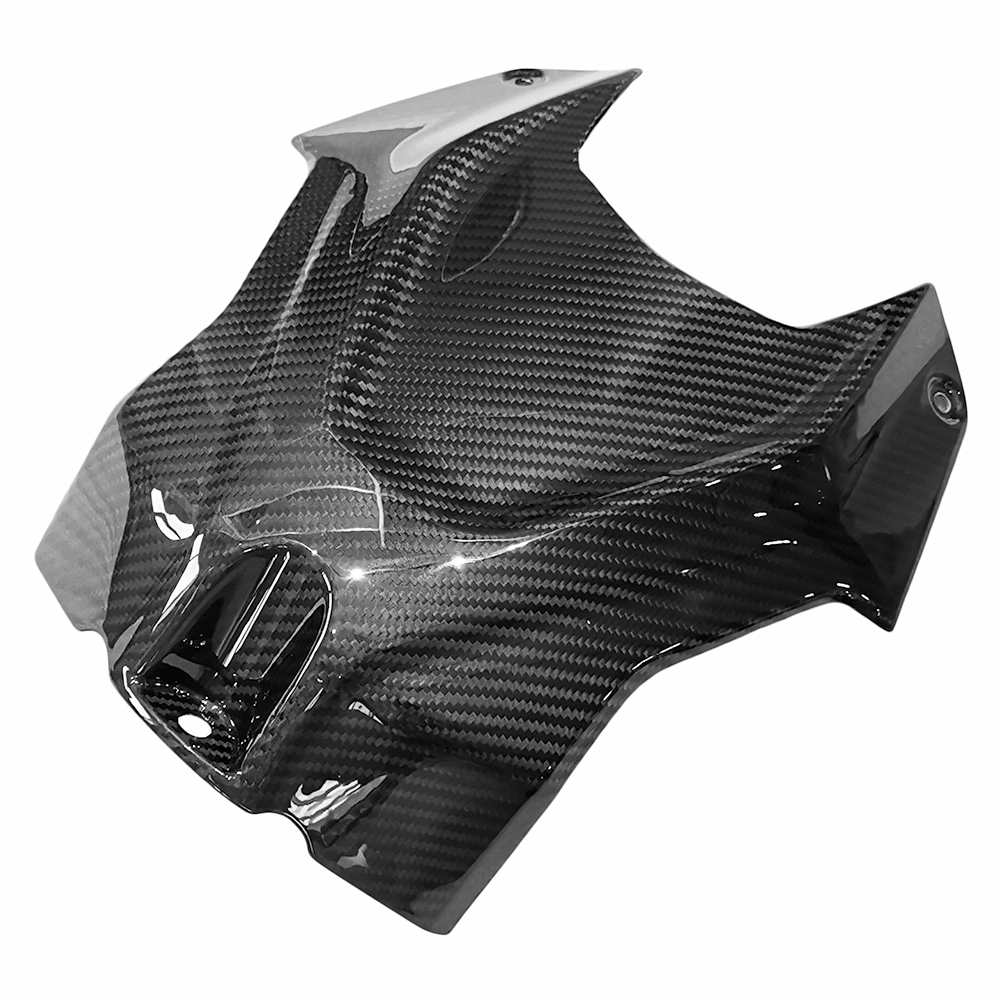
BMW S1000RR S1000R Carbon Fiber Tank Airbox Cover
Let’s Bring Your Carbon Fiber Ideas to Life
Have a question or inquiry about our carbon fiber composite products? Leave us a message here, and our team will get back to you promptly.
Whether you're interested in custom orders, technical specifications, or partnership opportunities, we're here to assist you.
Please fill out the fields above with your name, email address, and message.

Supreem Carbon aiming to provide customers with high-performance carbon fiber products and quality services.
Contact Supreem Carbon
Address : Building 1 No.103, Yadi Nan 1st Road, QiaoTou Town, Dongguan City, China.
© 2024 Supreem Carbon All Rights Reserved.
Facebook
Pinterest
LinkedIn
Instagram