

Carbon Fiber Cost Explained | Supreem Carbon
- Why is Carbon Fiber So Expensive? Unpacking the Cost of High-Performance Materials (Supreem Carbon)
- The High Cost of Carbon Fiber: A Deep Dive
- Raw Material Costs: The Foundation of Expense
- The Complex Manufacturing Process: More Than Just Weaving
- Research and Development: Continuous Innovation
- Energy Intensive Production: A Substantial Factor
- Specialized Equipment and Skilled Labor: A Premium Investment
- Demand vs. Supply: A Market-Driven Factor
- In Conclusion: The Value Proposition of Carbon Fiber
Why is Carbon Fiber So Expensive? Unpacking the Cost of High-Performance Materials (Supreem Carbon)
The High Cost of Carbon Fiber: A Deep Dive
Why is carbon fiber so expensive? It's a question frequently asked by those unfamiliar with the intricacies of its production. The answer isn't simple; it's a multifaceted issue encompassing several key factors. Let's explore them in detail.
Raw Material Costs: The Foundation of Expense
One major contributor to carbon fiber's high cost is the raw material, primarily polyacrylonitrile (PAN) fiber. PAN is a synthetic polymer that undergoes a complex process of oxidation, carbonization, and graphitization to become carbon fiber. Producing high-quality PAN fiber is itself an energy-intensive and expensive process, influencing the final cost of the carbon fiber. Furthermore, the demand for high-performance carbon fiber often necessitates the use of higher-grade, more expensive PAN precursors.
The Complex Manufacturing Process: More Than Just Weaving
The transformation of PAN fiber into carbon fiber is a highly specialized and multi-stage process. It requires sophisticated equipment, precise temperature control, and extensive quality control measures throughout. The process involves oxidation, where the PAN fiber is heated in the presence of air, followed by carbonization at very high temperatures in an inert atmosphere. This process removes non-carbon atoms, leaving behind a carbon-rich structure. Finally, graphitization enhances the material's properties through controlled heat treatments. Each step necessitates highly specialized machinery and skilled technicians, significantly increasing manufacturing costs.
Research and Development: Continuous Innovation
Carbon fiber technology is continuously evolving to improve performance, durability, and cost-effectiveness. Ongoing research and development are essential to push the boundaries of material science and meet the demands of high-performance applications. This constant investment in research and development adds to the overall cost, even as production processes become more refined.
Energy Intensive Production: A Substantial Factor
The manufacturing process is energy-intensive, requiring significant energy input at each stage. From the production of PAN to the high-temperature treatments involved in carbonization and graphitization, the energy costs represent a substantial portion of the overall price. This cost is further amplified by fluctuating energy prices and environmental regulations aimed at reducing carbon emissions.
Specialized Equipment and Skilled Labor: A Premium Investment
Producing high-quality carbon fiber necessitates specialized, high-precision equipment, often requiring significant upfront investment. Furthermore, the production process demands a highly skilled workforce, capable of operating this complex machinery and maintaining strict quality control standards. The cost of skilled labor and equipment maintenance contributes significantly to the overall price of carbon fiber.
Demand vs. Supply: A Market-Driven Factor
While manufacturing costs are a major factor, the current market dynamics also play a role. The demand for carbon fiber, especially in high-growth sectors like aerospace and automotive, continues to outpace supply. This imbalance contributes to higher prices, as manufacturers strive to meet the ever-increasing demand.
In Conclusion: The Value Proposition of Carbon Fiber
While the cost of carbon fiber is undeniably high, it's essential to consider its superior properties. Its exceptional strength-to-weight ratio, stiffness, and fatigue resistance make it an indispensable material in various industries. The investment in carbon fiber often translates to significant performance gains and long-term cost savings in demanding applications. Understanding the factors contributing to its cost allows for a more informed appreciation of its unique value proposition.
The Ultimate Guide to Custom Carbon Fiber Hoods by Supreem Carbon
Top china carbon fiber parts for motorcycles Manufacturers and Suppliers
Best professional vehicle wrap carbon fiber manufacturers and supplier brands
Carbon Fibre Custom Made Parts for Your Project Car
For Customized Service
What custom customer need to prepare?
1. Send Your Design/Idea/3D drawing.
2. Supplier Quotation Confirmation.
3. Firts Sample Feedback.
For Facotry
How many employees of Supreem carbon?
We have over 50 employees, including over 40 skilled workers, 3 R&D designers, and 5 QC professionals and so on.
For After-sales Service
How can I cancel the order?
We may only cancel your order if it has not been fulfilled yet. We would be more than happy to assist you with any adjustments if you'd wish instead!
For Products
Are you parts have UV protected?
Absolutely! We use multiple layers of premium quality automotive clear (or matt) coats on our products, which ensure that they will remain super pretty for years to come.
Which carbon fiber material you can provide in production?
1*1 plain /2*2 twill / forged carbon / honeycomb / kevlar and so on.
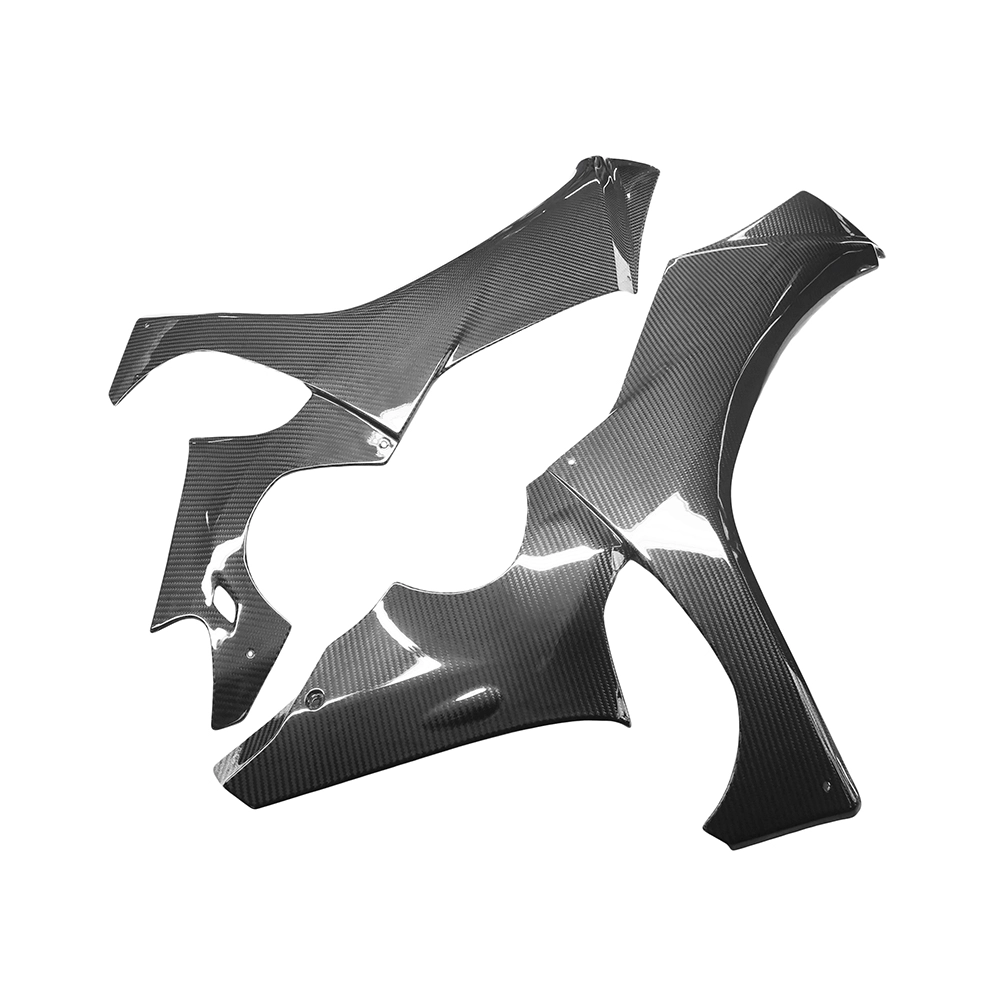
Yamaha R1 Carbon Fiber Side Fairings
Introducing the Supreem Carbon Fiber Long Side Panels for Yamaha R1. Crafted with precision and expertise, this front side fairing is designed to elevate the performance and aesthetics of your R1. Made from high-quality carbon fiber, this fairing is not only lightweight but also incredibly durable, providing optimal protection for your motorcycle.
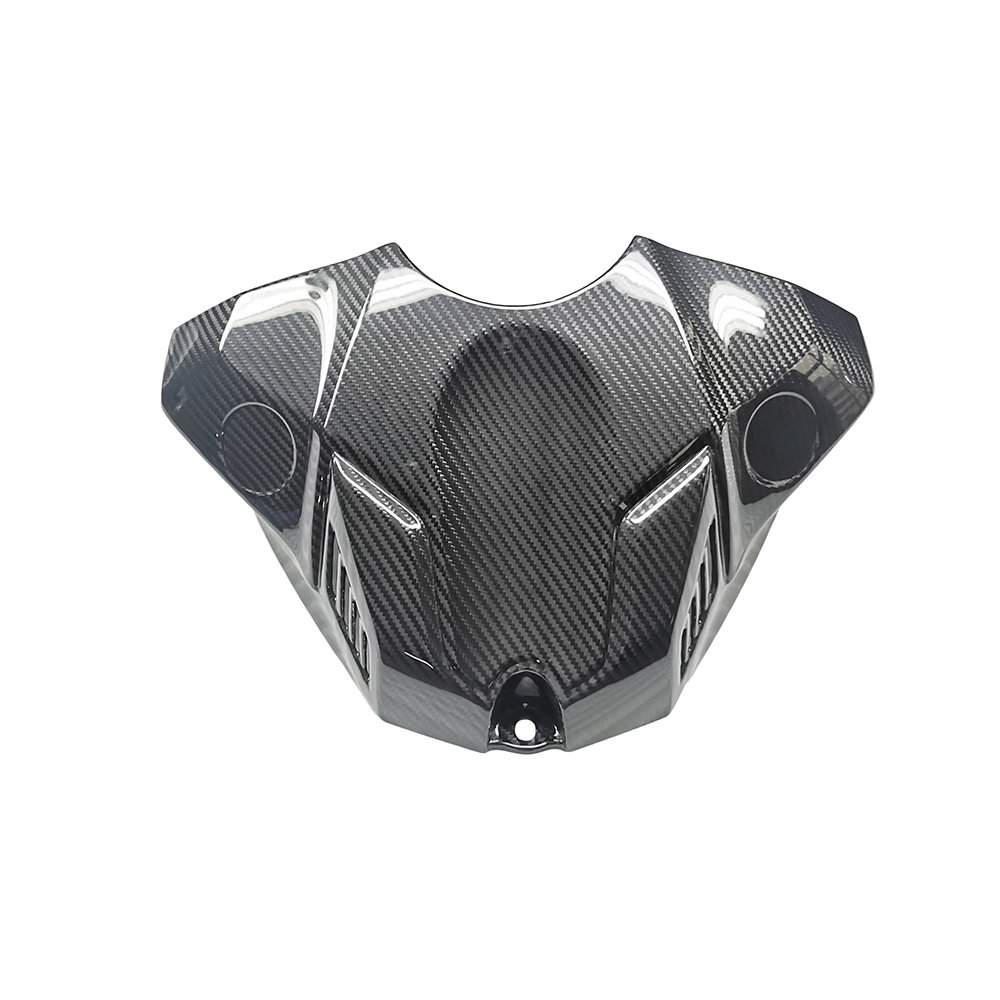
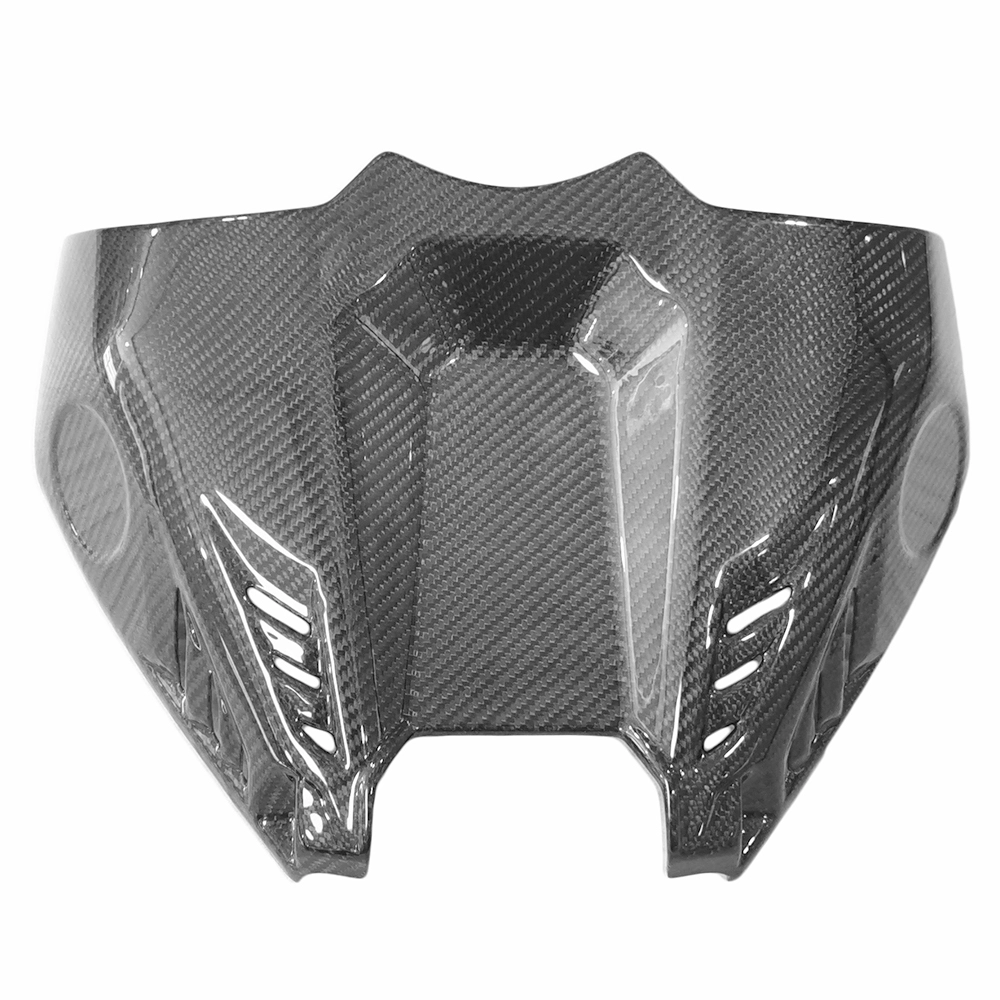
Yamaha R1 Carbon Fiber Airbox Tank Cover
The Supreem Carbon Yamaha R1 Carbon Fiber Airbox Tank Cover provides lightweight, durable protection with a sleek finish. Designed for R1 models, it enhances the style and performance of your bike. Its lightweight structure improves performance while maintaining the premium aesthetics necessary for high-end modification projects. As a dedicated manufacturer of carbon fiber parts, we provide stable production capacity, customization options, and strict quality control to support enterprise-level procurement and OEM/ODM needs.
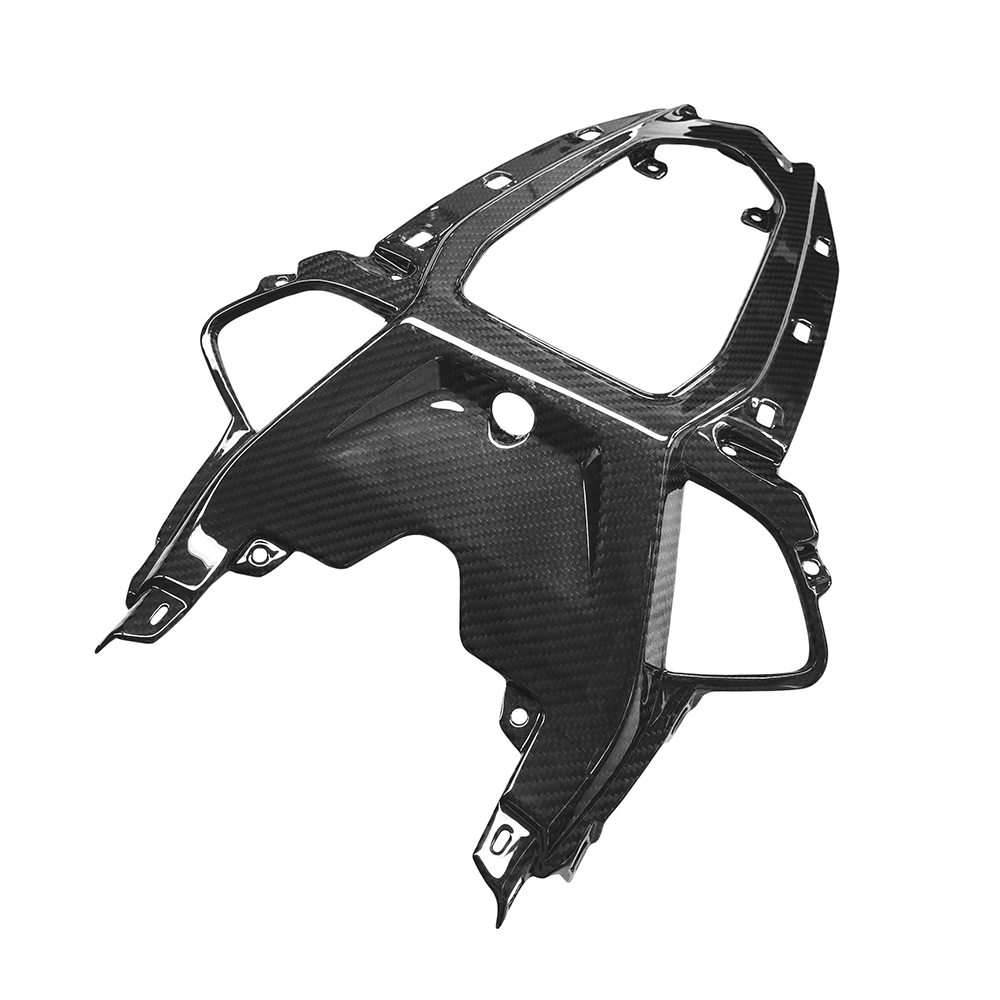
Carbon Fiber Rear Seat Panel for BMW S1000R & M1000RR – Lightweight Performance
This carbon fiber rear seat panel is engineered for the BMW S1000R and M1000RR, offering superior rigidity, reduced weight, and a premium racing finish. Produced with autoclave technology and strict QC standards, the part ensures consistent OEM-level fitment. Supreem Carbon provides wholesale supply, stable bulk production, and customized solutions for global clients.
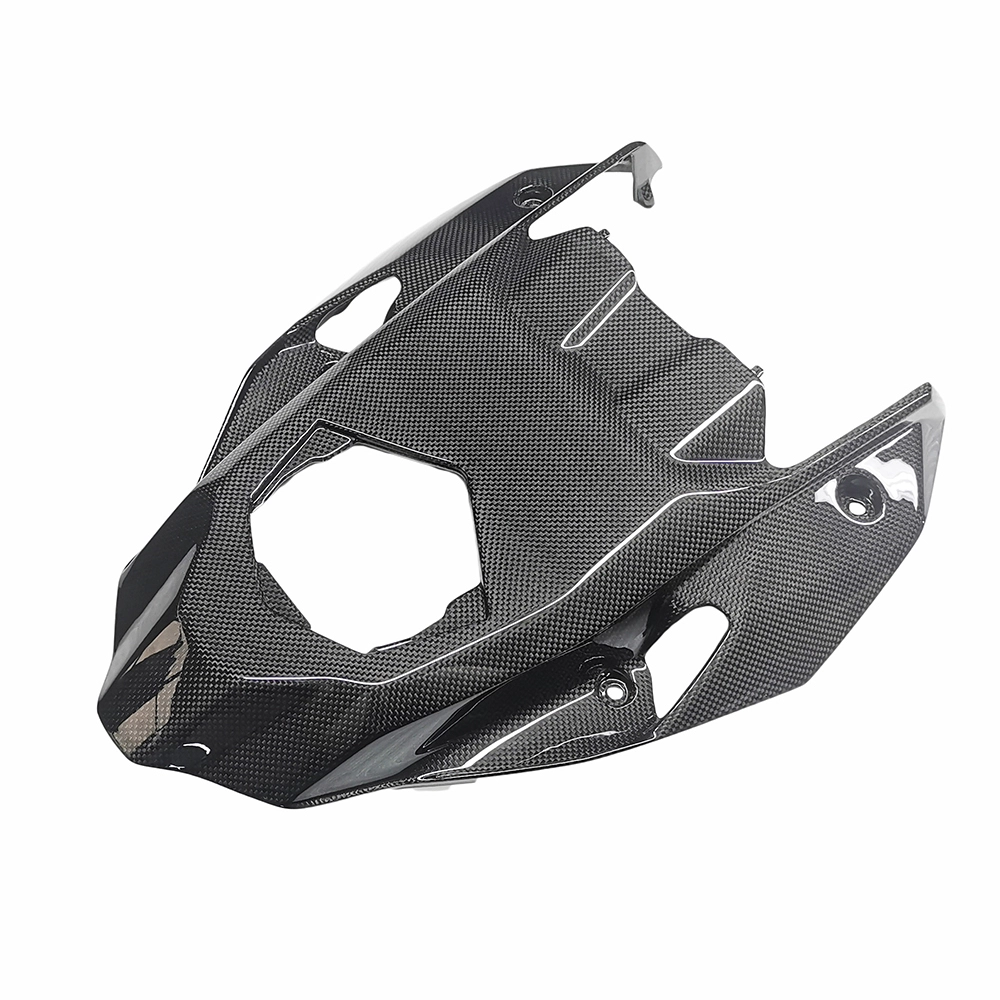
High-Performance Carbon Fiber Rear Undertail for BMW S1000R
Engineered for distributors, tuning brands, and motorcycle accessory businesses, the BMW S1000R Carbon Fiber Rear Undertail is a high-quality, durable, lightweight carbon fiber upgrade for the S1000R platform. This component is manufactured using aerospace-grade carbon fiber and precision molds to deliver superior stiffness, a seamless OEM-level fit, and a premium visual finish suitable for high-end aftermarket applications.

Supreem Carbon aiming to provide customers with high-performance carbon fiber products and quality services.
Contact Supreem Carbon
Address : Building 1 No.103, Yadi Nan 1st Road, QiaoTou Town, Dongguan City, China.
© 2024 Supreem Carbon All Rights Reserved.
Facebook
Pinterest
LinkedIn
Instagram