

Carbon Fiber Motorcycle Helmet Aerodynamics and Performance
- Carbon Fiber Motorcycle Helmet Aerodynamics and Performance
- Why choose a carbon fiber helmet: lightweight strength and rider advantages
- Aerodynamics basics for carbon fiber helmets: shape, drag, and stability
- How aerodynamic design improves performance for carbon fiber helmet users
- Safety and impact performance: certifications and material behavior
- Material comparison: carbon fiber helmet vs fiberglass vs polycarbonate
- Real-world performance: noise, ventilation, and rider comfort
- Maintenance, repairability, and lifespan of a carbon fiber helmet
- Customization and aftermarket carbon fiber motorcycle parts: fit and certification considerations
- How to choose the right carbon fiber helmet for your riding style
- Supreem Carbon — who we are and why our carbon fiber parts matter to riders
- Supreem Carbon product focus and core competitive strengths for buyers
- How to order and customize carbon fiber motorcycle parts with Supreem Carbon
- Frequently Asked Questions (FAQ) — Carbon Fiber Helmet
- Are carbon fiber helmets safer than other materials?
- Do carbon fiber helmets reduce neck strain?
- Can you repair a carbon fiber helmet after a crash?
- Are carbon fiber helmets legal for road use?
- Is it worth buying a carbon fiber helmet over cheaper options?
- How should I choose a size and fit for a carbon fiber helmet?
- Contact & See Products
- References and Sources
Carbon Fiber Motorcycle Helmet Aerodynamics and Performance
Why choose a carbon fiber helmet: lightweight strength and rider advantages
Choosing a carbon fiber helmet often comes down to the balance of weight, stiffness, and durability. A carbon fiber helmet uses high-modulus carbon fiber composite in the outer shell, providing a strong yet lightweight structure that reduces overall helmet mass. Lower mass directly reduces neck strain and rider fatigue during long rides or high-speed touring. If you plan to buy a carbon fiber helmet, expect better long-distance comfort compared with heavier polycarbonate alternatives. Beyond comfort, carbon fiber helmet shells are prized by sport and track riders who value responsive, tightly engineered helmets that pair with high-performance riding.
Aerodynamics basics for carbon fiber helmets: shape, drag, and stability
A carbon fiber helmet's advantage isn't the material alone—it's how that material enables precise aerodynamic shaping. Manufacturers exploit carbon fiber's high stiffness-to-weight ratio to create thin, complex shell geometries and integrated spoilers that reduce drag and minimize turbulent wake. When selecting or ordering a custom carbon fiber helmet or shell, look for design features that reduce drag coefficient (Cd) and improve yaw stability—these reduce buffeting, helmet lift at speed, and rider fatigue. Riders who buy carbon fiber helmets for track use often prioritize wind-tunnel-validated shapes and adjustable spoilers to tune aerodynamic balance for different fairings and riding positions.
How aerodynamic design improves performance for carbon fiber helmet users
A well-shaped carbon fiber helmet reduces both frontal drag and rotational forces caused by crosswinds. Reduced drag can marginally improve top-speed and fuel efficiency at sustained speeds, while improved yaw stability directly affects rider control and comfort. For competitive riders, a carbon fiber helmet engineered for aerodynamics can shave fractions of seconds per lap. For street riders, the perceptible benefits are reduced buffeting, less neck fatigue, and quieter airflow when the shell profile, visor seals, and ventilation ports are optimized together. If you want to buy carbon fiber helmet models that emphasize aerodynamic performance, check for wind-tunnel data or independent aerodynamic testing from reputable sources.
Safety and impact performance: certifications and material behavior
Safety remains the most critical consideration. Carbon fiber helmet shells are compatible with major safety standards (DOT, ECE, Snell) when designed and tested properly. The outer carbon shell's high stiffness helps distribute impact loads over a larger area, while the multi-density EPS liner is responsible for absorbing energy. When you consider buying a carbon fiber helmet, ensure the finished helmet is certified to the standard appropriate for your region or intended use (e.g., ECE 22.06 in Europe, DOT FMVSS 218 in the U.S., or Snell for some competitive contexts). A certified carbon fiber helmet with a well-designed liner and retention system will perform as well or better in controlled testing than helmets made from fiberglass or polycarbonate.
Material comparison: carbon fiber helmet vs fiberglass vs polycarbonate
Below is a comparative snapshot showing typical ranges for weight, stiffness, impact performance, and price to help you evaluate options when shopping for a carbon fiber helmet. These figures summarize typical market data and manufacturer specifications; individual models vary.
| Material / Helmet Type | Typical Weight (full-face) | Relative Stiffness | Impact Energy Management | Typical Price Range (USD) |
|---|---|---|---|---|
| Carbon Fiber Composite Helmet | ~1000–1300 g | High | High (stiff shell + layered EPS) | $400–$1500+ |
| Fiberglass Composite Helmet | ~1200–1500 g | Moderate to High | Good (flexible shell + EPS) | $200–$700 |
| Polycarbonate (Thermoplastic) | ~1400–1700 g | Moderate | Moderate (deforms locally) | $70–$300 |
Sources for the typical ranges above include manufacturer product specifications and material property databases; always verify weight and certifications for the exact model before you buy carbon fiber helmet options.
Real-world performance: noise, ventilation, and rider comfort
Carbon fiber helmets can be quieter when aerodynamic design and visor sealing are optimized because smoother airflow reduces turbulence. Ventilation design is critical—carbon fiber shell stiffness allows precise air-channel molding so that vents and ducts remain effective at high speeds. When considering to buy a carbon fiber helmet, evaluate how vents perform at both low and high speeds, how the liner manages moisture, and how the helmet fits your head shape; proper fit is the single most important factor for real-world safety and comfort. Many High Quality carbon fiber helmet models include removable, washable liners and anti-fog visors—features beneficial for everyday riders.
Maintenance, repairability, and lifespan of a carbon fiber helmet
Carbon fiber helmet shells are robust, but they are not immune to critical damage. A significant impact can fracture or delaminate a carbon shell; after any substantial impact, the helmet should be retired even if no visible damage is present. For minor cosmetic damage, some repairs are possible by qualified composite repair technicians, but repairs can affect certification and are not always recommended for impact-exposed helmets. If you plan to buy carbon fiber helmet components or aftermarket carbon fiber motorcycle parts (e.g., shells, spoilers, or visors), use certified installers and confirm that replacements preserve the helmet’s protective design and certification where applicable.
Customization and aftermarket carbon fiber motorcycle parts: fit and certification considerations
Many riders choose custom carbon fiber helmet finishes or add carbon fiber motorcycle parts such as integrated spoilers, chin vents, or replacement outer shells. While customization can improve aerodynamics and aesthetics, it must be done carefully. Adding or modifying exterior parts can change airflow and structural behavior; any modification that affects the shell or liner could compromise certification. When ordering custom parts or custom carbon fiber helmets, work with a reputable supplier who understands testing requirements and can advise on maintaining compliance. If you buy carbon fiber helmet accessories, prioritize parts designed specifically for your helmet model.
How to choose the right carbon fiber helmet for your riding style
Choosing the right carbon fiber helmet depends on your priorities—track performance, touring comfort, urban commuting, or mixed use. Consider these checklist items before you buy carbon fiber helmet models or accessories:
- Certification (DOT, ECE, Snell) appropriate to use
- Proper fit to your head shape and shell sizing
- Weight and how it affects neck comfort for your riding length
- Aerodynamic features (spoilers, low-lift profiles) if you ride at speed
- Ventilation and liner comfort for climate conditions
- Visor quality (optical clarity, anti-fog coatings, tear-offs for track use)
- Aftermarket support and availability of replacement parts
Supreem Carbon — who we are and why our carbon fiber parts matter to riders
Supreem Carbon, established in 2017, is a customized manufacturer of carbon fiber parts for automobiles and motorcycles, integrating R&D, design, production, and sales to deliver high-quality products and services. We specialize in the technology research and development of carbon fiber composite products and the production of related items. Our main offerings include the customization and modification of carbon fiber accessories for vehicles, as well as the manufacturing of carbon fiber luggage and sports equipment.
Our factory spans approximately 4,500 square meters and employs 45 skilled production and technical staff, achieving an annual output value of around 4 million dollars. Currently, we offer over 1,000 types of products, including more than 500 customized carbon fiber parts. Our vision is to become the world's leading carbon fiber products manufacturer. If you are looking to buy carbon fiber helmet components, carbon fiber motorcycle parts, or bespoke carbon fiber accessories, Supreem Carbon combines engineering capability with production scale to deliver consistent quality and customization.
Supreem Carbon product focus and core competitive strengths for buyers
Supreem Carbon's core products include carbon fiber motorcycle parts, carbon fiber automobile parts, and customized carbon fiber parts. Our competitive strengths are:
- R&D-driven design that supports aerodynamic optimization for motorcycle components
- In-house production enabling tight quality control and faster turnarounds for custom orders
- Large SKU capability (1000+ products) and bespoke manufacturing for unique projects
- Experienced technical staff able to advise on materials, layup schedules, and finishing for both visual and performance goals
How to order and customize carbon fiber motorcycle parts with Supreem Carbon
Ordering custom carbon fiber parts or helmet-compatible components from Supreem Carbon typically follows these steps:
- Consultation: Discuss the intended use (street, track, display), target specifications (weight, finish, tolerances), and certification constraints if applicable.
- Design & Prototype: R&D produces CAD and prototype samples; aerodynamic testing or fit checks are available for performance-critical parts.
- Approval & Production: After sample approval, Supreem Carbon moves to production using controlled layup processes and finishing protocols.
- Delivery & Support: Parts are inspected and shipped with installation guidance; post-sale support helps integrate components with your existing helmet or bike setup.
Frequently Asked Questions (FAQ) — Carbon Fiber Helmet
Are carbon fiber helmets safer than other materials?
Carbon fiber helmets can perform at least as well as fiberglass or polycarbonate helmets when designed with appropriate liner systems and tested to recognized standards (DOT, ECE, Snell). The carbon shell provides high stiffness and excellent load distribution; however, safety depends on the complete helmet system and certification, not material alone.
Do carbon fiber helmets reduce neck strain?
Generally yes—because carbon fiber shells allow lighter overall helmet weights, many riders experience less neck fatigue over long rides. The exact benefit depends on helmet weight distribution and the rider’s physique and riding posture.
Can you repair a carbon fiber helmet after a crash?
After a significant impact, helmets should be retired. For minor cosmetic damage, certified composite repair technicians can perform repairs, but repairs may void certification—most safety guidelines recommend replacement after impacts.
Are carbon fiber helmets legal for road use?
Helmet legality depends on certification, not material. A carbon fiber helmet certified to DOT, ECE, or other relevant standards is legal for road use in jurisdictions recognizing those standards. Always check local regulations.
Is it worth buying a carbon fiber helmet over cheaper options?
If you prioritize weight, aerodynamic performance, and High Quality fit/finish, a carbon fiber helmet is often worth the extra investment. For budget or occasional use, high-quality polycarbonate helmets can still provide good protection when certified and properly fitted.
How should I choose a size and fit for a carbon fiber helmet?
Measure your head circumference at the largest point and consult the manufacturer’s size chart. The helmet should fit snugly without pressure points, and cheek pads should compress slightly. If buying online, confirm the return policy. Proper fit is more important than shell material for safety and comfort.
Contact & See Products
If you’re ready to explore carbon fiber motorcycle parts, custom helmet components, or want advice on selecting the right carbon fiber helmet, contact Supreem Carbon: visit https://www.supreemcarbon.com/ to view our catalog and request a quote. For custom inquiries, specify intended use (street/track), target weight or finish, and any certification needs so we can match solutions to your requirements.
References and Sources
- Snell Memorial Foundation — Helmet testing standards and certification information (Snell.org)
- NHTSA (National Highway Traffic Safety Administration) — Helmet effectiveness and safety resources (NHTSA.gov)
- Manufacturer specifications for High Quality helmets (typical weight and construction ranges): Bell, Shoei, Arai product datasheets
- MatWeb — Material property data for carbon fiber/epoxy composites (density and stiffness ranges)
- Consumer-oriented helmet reviews and comparisons (e.g., Consumer Reports, Motorcycle consumer review summaries)
Custom carbon fiber running shoes Manufacturers and Suppliers
Custom carbon fiber material for sale Manufacturers and suppliers
The List of Carbon Fiber Monocoque Cars - Supreem Carbon
Exploring Industrial Applications: Carbon Fiber's Versatility | Supreem Carbon
For Facotry
Supreem carbon main competitive advantages.
Rich experience
Over 10 years production experience in carbon fiber industry, providing customers with high quality carbon products.
Excellent service
From new project development to customer finished product delivery, we provide customers with full tracking and timely feedback on project progress.
High-Quality Products
Our carbon fiber products undergo rigorous quality control to ensure customers achieve the high quality and cost-effective product.
When is Supreem carbon founded?
Our company formally established in early 2017.
For Order Delivery
How to choose the mode of transportation?
We use official shipment like Fedex,UPS,DHL and so on. Also customer can arrange delivery by themselves.
For After-sales Service
Do you offer a warranty?
Six month standard warranty on all products. Damage due to installation error or natural elements will not be covered.
For Carbon Fiber Material
What are the advantages of carbon fiber?
High Strength-to-Weight Ratio
It is stronger than many traditional materials, such as steel and aluminum.This high strength-to-weight ratio allows for the creation of lightweight components that maintain structural integrity and durability.
Lightweight
One of the most significant advantages of carbon fiber is its low density, contributing to lightweight structures. This property is particularly crucial in industries where weight reduction is a priority, such as aerospace, automotive, and sports equipment.
Resistant to corrosion and chemicals
Carbon fiber is inherently resistant to corrosion, making it an ideal material for applications exposed to harsh environments or corrosive substances. This property contributes to the longevity of components and reduces maintenance requirements. Carbon fiber has good chemical resistance, making it suitable for use in environments where exposure to chemicals or harsh solvents is a concern. This resistance enhances the material's durability in various industrial settings.
Tolerant of high temperature
Carbon fiber exhibits excellent thermal stability and resistance to high temperatures. This makes it suitable for applications where components are exposed to elevated temperatures, such as in the aerospace and automotive industries.
Low thermal expansion
Carbon fiber has a low coefficient of thermal expansion, meaning it expands or contracts minimally with changes in temperature. This property contributes to dimensional stability, making carbon fiber components reliable in varying temperature conditions.
Aesthetic Appeal
Carbon fiber has a modern and high-tech appearance, contributing to its aesthetic appeal. This property is leveraged in consumer goods, automotive components, and sporting equipment where visual appeal is important.
Yamaha R1 Carbon Fiber Side Fairings
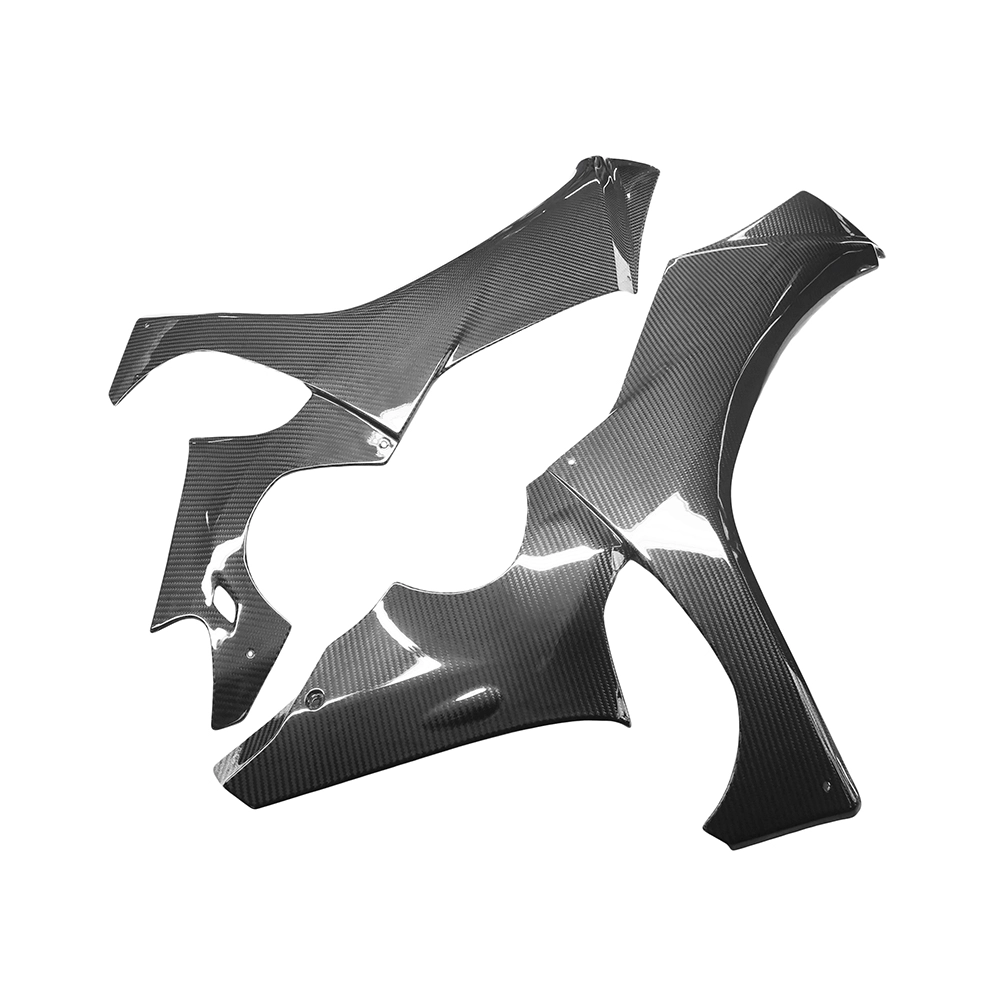
Introducing the Supreem Carbon Fiber Long Side Panels for Yamaha R1. Crafted with precision and expertise, this front side fairing is designed to elevate the performance and aesthetics of your R1. Made from high-quality carbon fiber, this fairing is not only lightweight but also incredibly durable, providing optimal protection for your motorcycle.
Yamaha R1 Carbon Fiber Airbox Tank Cover
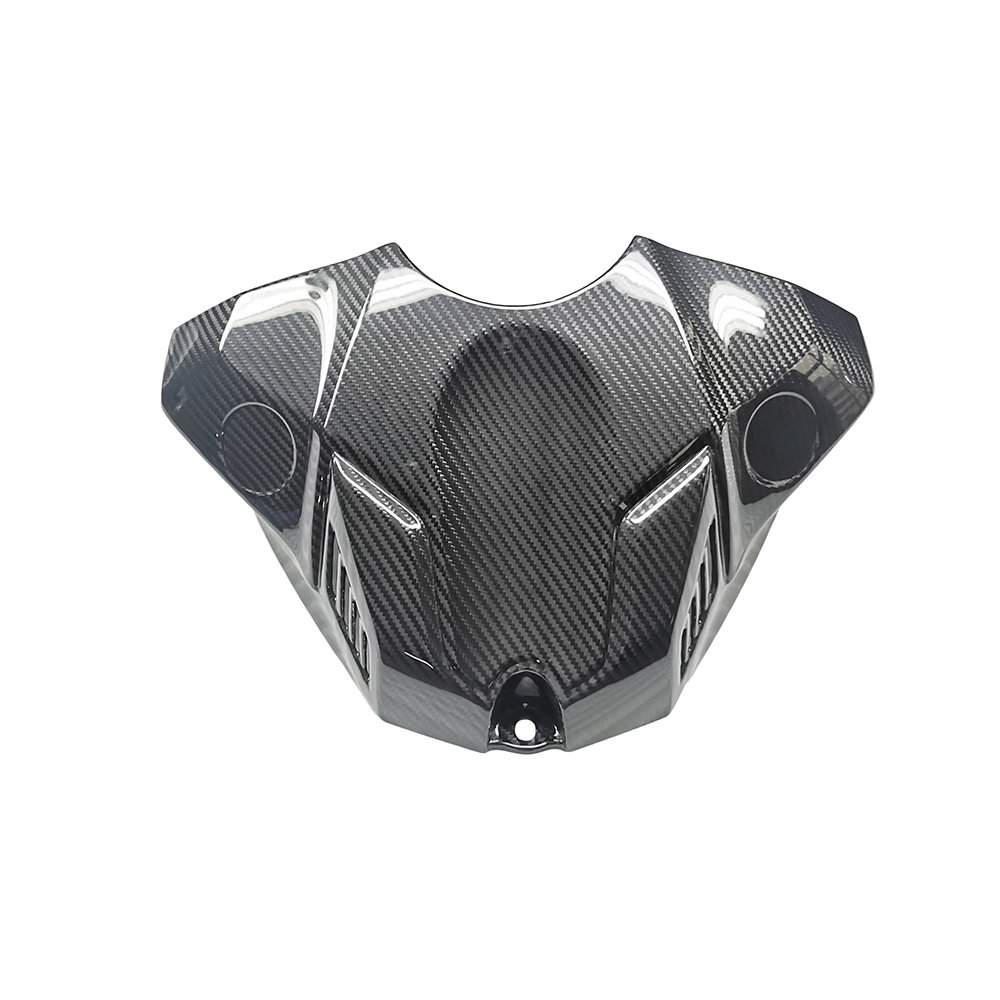
The Supreem Carbon Yamaha R1 Carbon Fiber Airbox Tank Cover provides lightweight, durable protection with a sleek finish. Designed for R1 models, it enhances the style and performance of your bike. Its lightweight structure improves performance while maintaining the premium aesthetics necessary for high-end modification projects. As a dedicated manufacturer of carbon fiber parts, we provide stable production capacity, customization options, and strict quality control to support enterprise-level procurement and OEM/ODM needs.
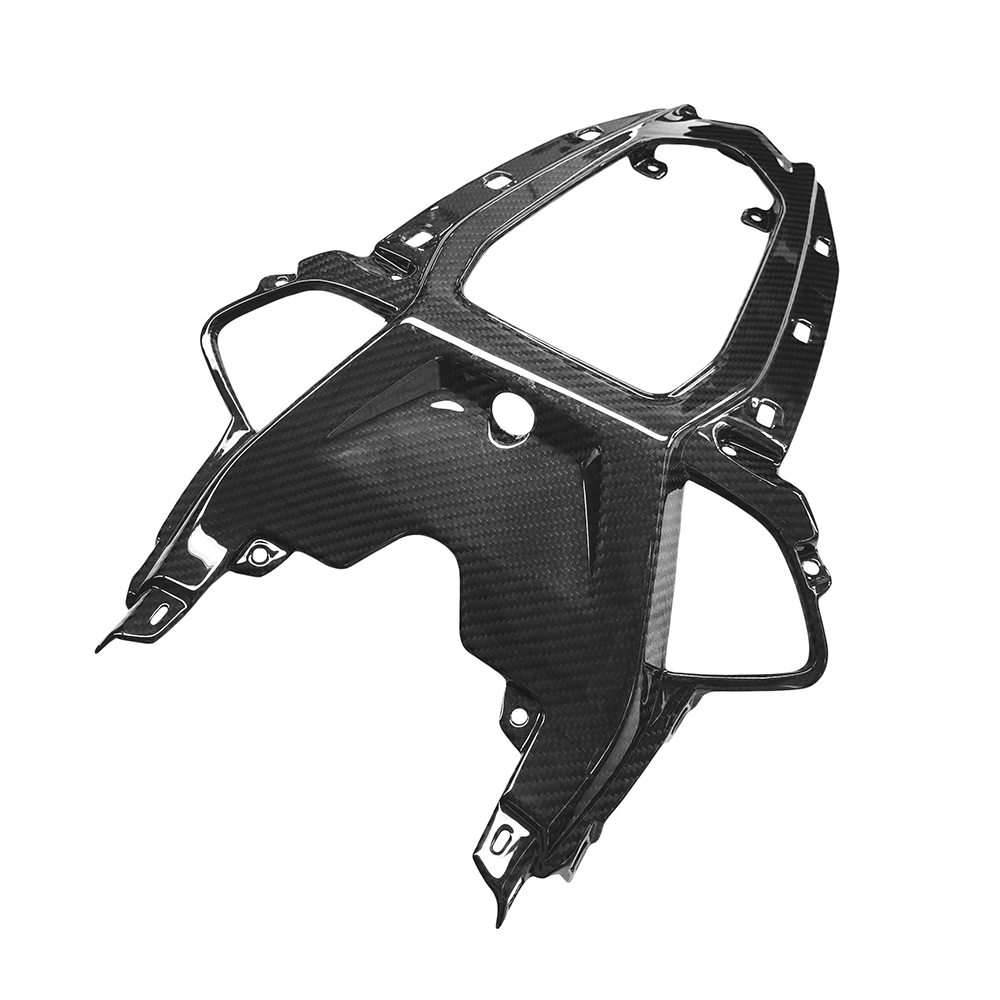
Carbon Fiber Rear Seat Panel for BMW S1000R & M1000RR – Lightweight Performance
This carbon fiber rear seat panel is engineered for the BMW S1000R and M1000RR, offering superior rigidity, reduced weight, and a premium racing finish. Produced with autoclave technology and strict QC standards, the part ensures consistent OEM-level fitment. Supreem Carbon provides wholesale supply, stable bulk production, and customized solutions for global clients.
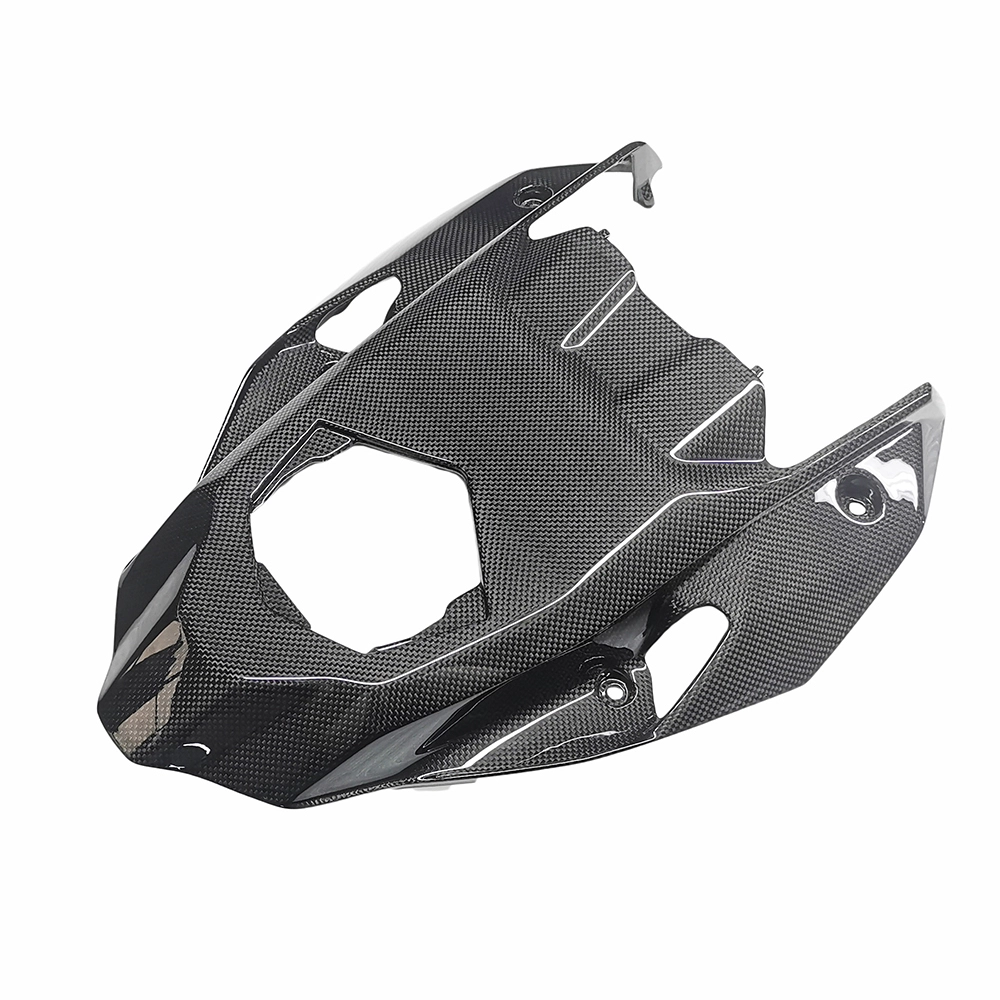
High-Performance Carbon Fiber Rear Undertail for BMW S1000R
Engineered for distributors, tuning brands, and motorcycle accessory businesses, the BMW S1000R Carbon Fiber Rear Undertail is a high-quality, durable, lightweight carbon fiber upgrade for the S1000R platform. This component is manufactured using aerospace-grade carbon fiber and precision molds to deliver superior stiffness, a seamless OEM-level fit, and a premium visual finish suitable for high-end aftermarket applications.

Supreem Carbon aiming to provide customers with high-performance carbon fiber products and quality services.
Contact Supreem Carbon
Address : Building 1 No.103, Yadi Nan 1st Road, QiaoTou Town, Dongguan City, China.
© 2024 Supreem Carbon All Rights Reserved.
Facebook
Pinterest
LinkedIn
Instagram