

Exploring Industrial Applications: Carbon Fiber's Versatility | Supreem Carbon
The Versatility of Carbon Fiber in Industrial Applications
As industries progress towards more efficient and sustainable practices, materials like carbon fiber are taking center stage. Renowned for its exceptional strength-to-weight ratio, carbon fiber has steadily become a staple across various industrial sectors. This article explores the specific uses of carbon fiber in different industries and addresses common questions that arise from a broader search intent perspective.
What Are the Primary Industrial Uses of Carbon Fiber?
Carbon fiber is an advanced material utilized for its unique properties, including high tensile strength, low weight, and resistance to temperature and chemicals. Here's a closer look at where and how it's used:
Aerospace
The aerospace industry was one of the first to embrace carbon fiber due to its ability to provide structural strength without the weight penalty. Aircraft components such as fuselages, wings, and internal structures are frequently crafted from carbon fiber. This not only reduces the overall weight of aircraft, resulting in fuel savings and enhanced performance, but also maintains high safety and durability standards.
Automotive
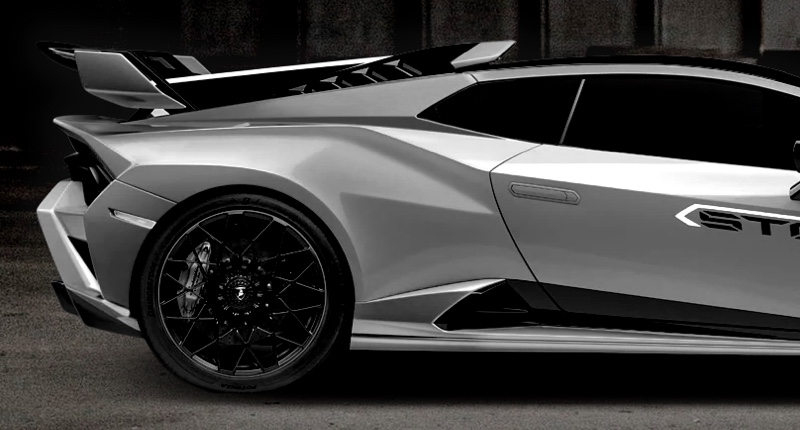
In the automotive sector, carbon fiber is paving the way for lighter vehicles that consume less fuel and produce fewer emissions. High-performance and luxury vehicles use carbon fiber for components such as chassis, body panels, and interior structural parts. This material’s application extends to improving vehicle dynamics and reducing the center of gravity, crucial for sports cars and racing vehicles.
Wind Energy
Wind turbine blades benefit significantly from carbon fiber's strength and flexibility. By constructing blades with carbon fiber, the wind energy sector has managed to build longer and more efficient blades, translating to increased energy capture and generation. The longevity and reduced maintenance also make it a cost-effective solution.
Construction
Carbon fiber is infiltrating the construction industry, mainly for its use in reinforcing concrete and other structural materials. Known as CFRP (Carbon Fiber Reinforced Polymer), this material is used to strengthen existing buildings, bridges, and infrastructure without adding substantial weight, effectively enhancing safety and longevity.
Sports Equipment
Sports equipment manufacturers utilize carbon fiber to deliver products that require high performance and durability without compromising on weight. Items such as bicycles, tennis rackets, and golf clubs benefit from carbon fiber construction, providing athletes with competitive advantages through enhanced speed, control, and endurance.
Why Has Carbon Fiber Become So Popular?
The rising popularity of carbon fiber is not just limited to its lightweight and high-strength properties. Its versatility for customization and adaptability to various forms make it an attractive option for engineers and designers. The material's long lifespan and resistance to environmental factors also contribute significantly to its increased mainstream use.
What Challenges Does the Use of Carbon Fiber Present?
While the benefits of carbon fiber are substantial, it's essential to recognize the associated challenges. A significant hurdle is the cost of production, which remains higher than traditional materials like steel and aluminum. Despite this, continued advancements in manufacturing technology and economies of scale are gradually reducing costs. Additionally, the technical expertise required for fabrication can be a barrier, though this is slowly improving as the application of this material expands.
Conclusion
As an industry leader, Supreem Carbon supports and enthuses the ongoing innovation and application of carbon fiber across diverse sectors, continually offering insights and products that help maximize its benefits. By understanding its uses, potential, and challenges, stakeholders can better appreciate the transformative impact carbon fiber has on industries seeking advanced materials for sustainable solutions.
Enhance Your Car's Style with Supreem Carbon Fiber Body Kit
Expert Carbon Fibre Custom Parts for Your Project Car - Supreem Carbon
Best professional carbon fiber pickleball paddle manufacturers and supplier brands
The Ultimate Guide to Custom Carbon Fiber Dashboard: Enhance Your Vehicle with Style and Durability
For Order Delivery
What is the shipping time for the different ways?
Express delivery 5-7 days.
20-25 days by sea.
15 days by air.
For After-sales Service
Do you offer the fitting advice?
Of course! If you have any questions, please contact us on info@supreemcarbon.com.
For Facotry
When is Supreem carbon founded?
Our company formally established in early 2017.
For Customized Service
What is the customization process of carbon fiber products?
1. Customer provide 3D drawing, design requirement or idea
2. Technician evaluate project feasibility and provide a quotation
3. Project confirmation and arrange sample production
4. Delivery and customer feedback
5. Big scale orders production
For Products
Which carbon fiber material you can provide in production?
1*1 plain /2*2 twill / forged carbon / honeycomb / kevlar and so on.
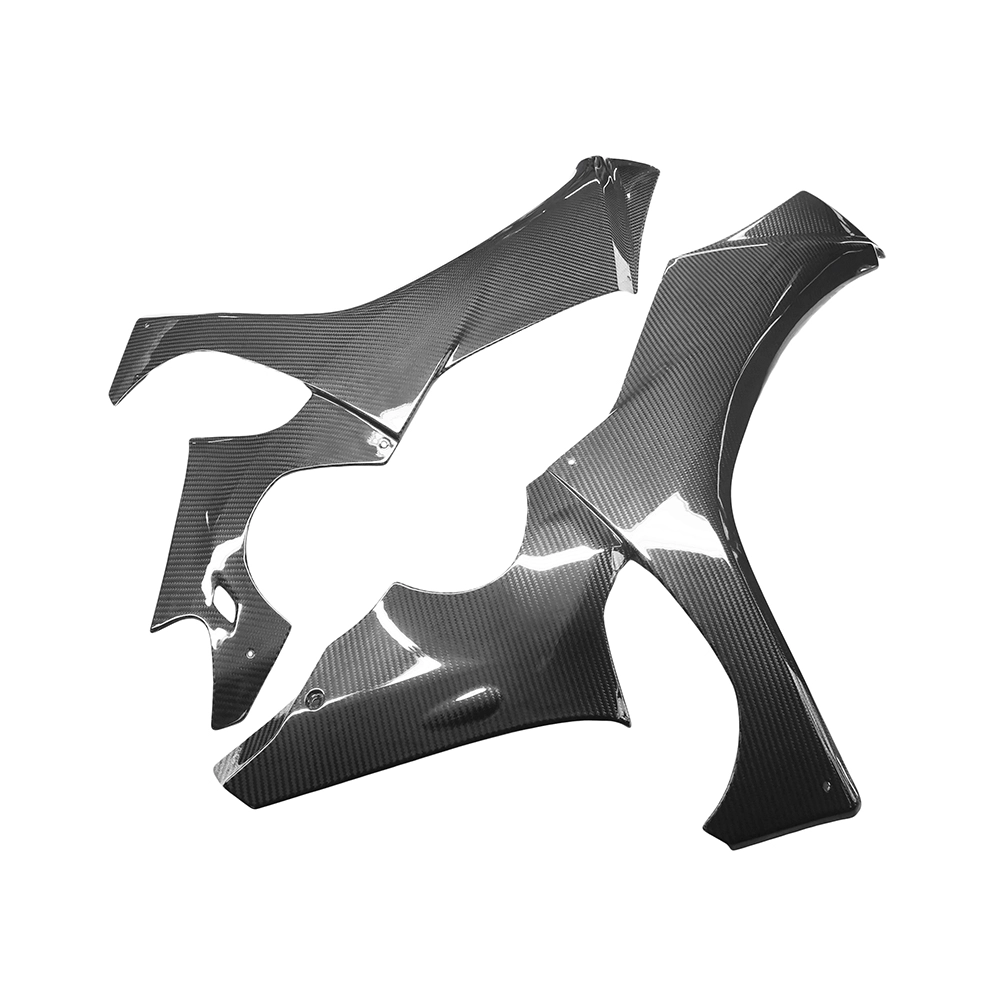
Yamaha R1 Carbon Fiber Side Fairings
Introducing the Supreem Carbon Fiber Long Side Panels for Yamaha R1. Crafted with precision and expertise, this front side fairing is designed to elevate the performance and aesthetics of your R1. Made from high-quality carbon fiber, this fairing is not only lightweight but also incredibly durable, providing optimal protection for your motorcycle.
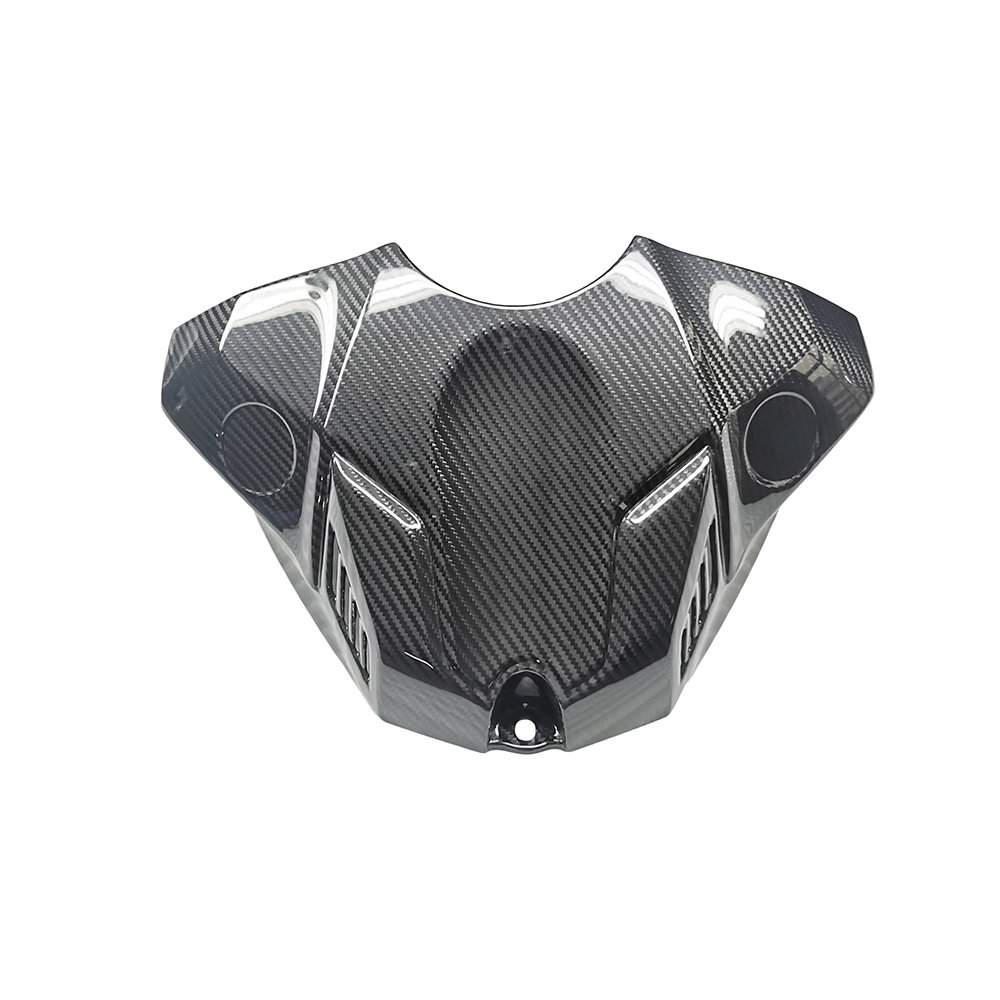
Yamaha R1 Carbon Fiber Airbox Tank Cover
The Supreem Carbon Yamaha R1 Carbon Fiber Airbox Tank Cover provides lightweight, durable protection with a sleek finish. Designed for R1 models, it enhances the style and performance of your bike. Its lightweight structure improves performance while maintaining the premium aesthetics necessary for high-end modification projects. As a dedicated manufacturer of carbon fiber parts, we provide stable production capacity, customization options, and strict quality control to support enterprise-level procurement and OEM/ODM needs.
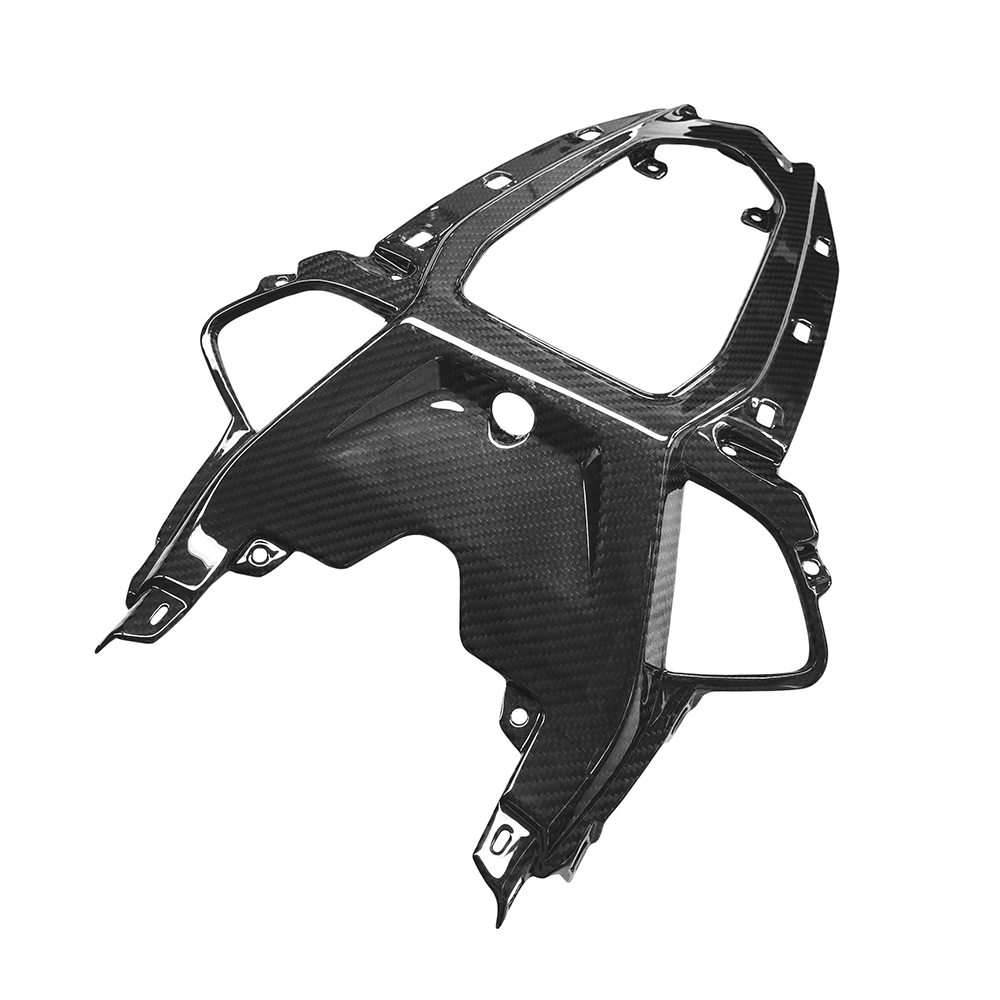
Carbon Fiber Rear Seat Panel for BMW S1000R & M1000RR – Lightweight Performance
This carbon fiber rear seat panel is engineered for the BMW S1000R and M1000RR, offering superior rigidity, reduced weight, and a premium racing finish. Produced with autoclave technology and strict QC standards, the part ensures consistent OEM-level fitment. Supreem Carbon provides wholesale supply, stable bulk production, and customized solutions for global clients.
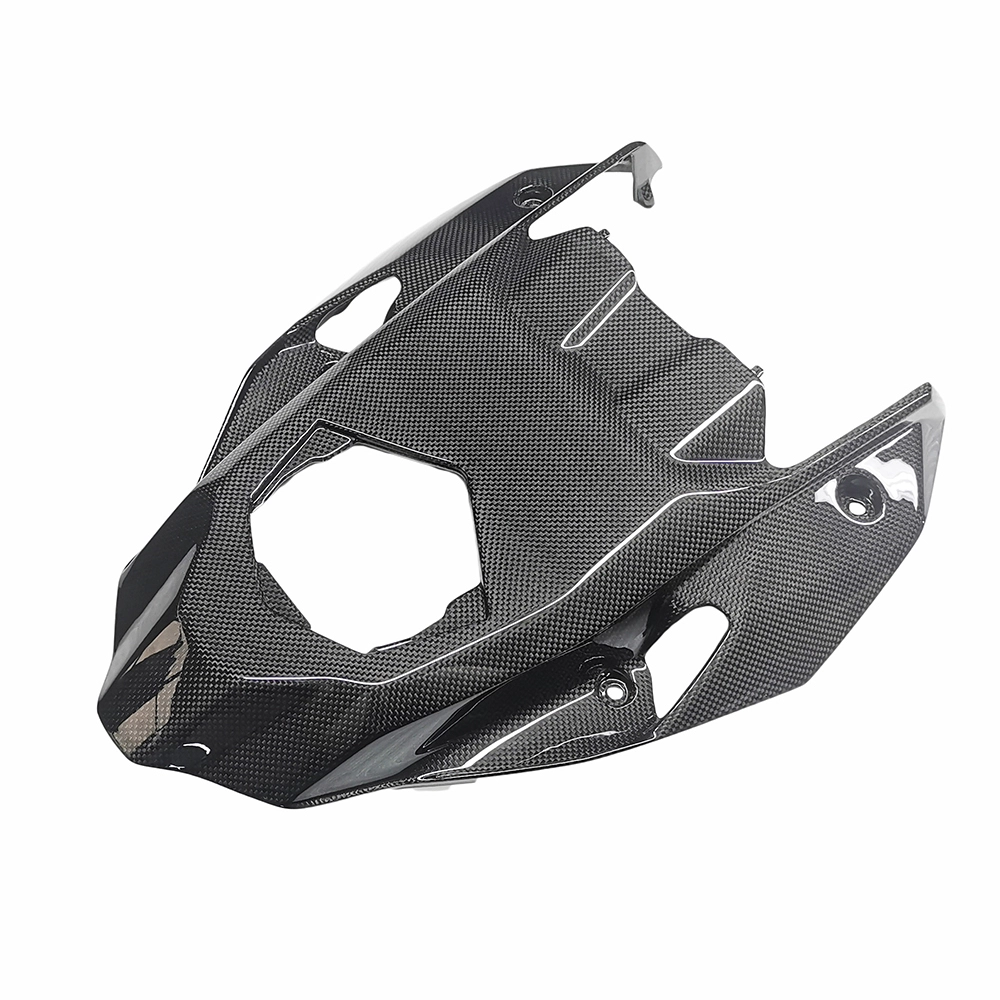
High-Performance Carbon Fiber Rear Undertail for BMW S1000R
Engineered for distributors, tuning brands, and motorcycle accessory businesses, the BMW S1000R Carbon Fiber Rear Undertail is a high-quality, durable, lightweight carbon fiber upgrade for the S1000R platform. This component is manufactured using aerospace-grade carbon fiber and precision molds to deliver superior stiffness, a seamless OEM-level fit, and a premium visual finish suitable for high-end aftermarket applications.

Supreem Carbon aiming to provide customers with high-performance carbon fiber products and quality services.
Contact Supreem Carbon
Address : Building 1 No.103, Yadi Nan 1st Road, QiaoTou Town, Dongguan City, China.
© 2024 Supreem Carbon All Rights Reserved.
Facebook
Pinterest
LinkedIn
Instagram