

Ferrari & Carbon Fiber: Why It's Used | Supreem Carbon
Ferrari and Carbon Fiber: A Deep Dive into its Use by Supreem Carbon
Ferrari's iconic status is inextricably linked to its relentless pursuit of performance. A key component in achieving this unparalleled performance is the extensive use of carbon fiber in its vehicles. But why carbon fiber? What are the benefits, and how does it contribute to the legendary Ferrari driving experience? Let's delve into the details.
Why Does Ferrari Use Carbon Fiber?
The answer is multifaceted, but boils down to its unique properties:
* Exceptional Strength-to-Weight Ratio: Carbon fiber is significantly stronger than steel for the same weight, or conversely, much lighter than steel for the same strength. This is crucial for high-performance vehicles where reducing weight directly translates to improved acceleration, braking, and handling. Every kilogram saved is a victory in the pursuit of speed and agility.
* Improved Handling and Performance: The reduced weight achieved by using carbon fiber allows Ferrari engineers to fine-tune the car's center of gravity, resulting in sharper handling, enhanced responsiveness, and a more exhilarating driving experience. This precise control is a hallmark of Ferrari's design philosophy.
* Enhanced Stiffness and Durability: Carbon fiber's stiffness minimizes chassis flex, improving stability and precision at high speeds. This rigidity is essential for maintaining control and ensuring the structural integrity of the vehicle under extreme conditions. It also contributes to the car's long-term durability.
* Aerodynamic Advantages: The ability to create complex shapes with carbon fiber allows for optimized aerodynamic designs, reducing drag and maximizing downforce. This translates to increased speed and improved stability at high speeds.
How is Carbon Fiber Used in Ferraris?
Carbon fiber isn't just used in one area; it's integrated throughout the vehicle's structure:
* Chassis and Monocoque: Often the most significant application, carbon fiber monocoques form the backbone of many Ferrari models. These lightweight yet incredibly strong structures provide the foundation for the entire car.
* Body Panels: Carbon fiber body panels contribute to the overall weight reduction and improved aerodynamics.
* Internal Components: Even internal components, like the dashboard and various trim pieces, can utilize carbon fiber for weight savings and a High Quality feel.
What are the Manufacturing Processes Involved?
Creating carbon fiber components for a Ferrari involves sophisticated processes:
* Prepreg Layup: This involves meticulously laying pre-impregnated carbon fiber sheets onto a mold, following precise patterns to achieve the desired strength and stiffness.
* Autoclave Curing: The prepreg is then cured in an autoclave under high pressure and temperature, bonding the fibers and resin to form a rigid composite structure.
* Finishing and Machining: Once cured, the components often undergo additional finishing and machining processes to achieve the precise dimensions and surface finish required.
What are the Alternatives to Carbon Fiber?
While other materials offer some benefits, none match the combination of strength, lightness, and design flexibility offered by carbon fiber:
* Aluminum: Lighter than steel, but not as strong or stiff as carbon fiber.
* Steel: Strong but significantly heavier than carbon fiber, negatively impacting performance.
* Other Composites: Other composite materials exist, but carbon fiber generally offers a superior strength-to-weight ratio.
The Future of Carbon Fiber in Ferraris and Beyond
Carbon fiber's role in high-performance vehicles will only continue to grow. Advancements in manufacturing techniques and material science promise even lighter, stronger, and more cost-effective carbon fiber components in the future. This will lead to even more impressive performance and design capabilities.
Through its innovative use of carbon fiber, Ferrari continues to push the boundaries of automotive engineering, creating vehicles that represent the pinnacle of performance and luxury. Supreem Carbon is proud to be at the forefront of this exciting field, supplying high-quality carbon fiber materials to the industry’s leaders.
Elevate Your Vehicle with Custom Carbon Fiber Interior Accessories from Supreem Carbon
Custom carbon fiber bmw motorcycle parts Manufacturers and suppliers in China
Tips for Wholesale carbon fiber car parts
Custom carbon fiber frame Manufacturers and suppliers
For Facotry
How many monthly production capacity of the factory?
The average monthly production capacity reach 3000 pieces. With the equipment upgrade, it will be increased over 4000 pieces per month.
For Customized Service
How long does the customized products order take?
This depends on the complexity and mold production cycle of the product. The first sample will be ready in 2-3 weeks after mold finished.
What is the customization process of carbon fiber products?
1. Customer provide 3D drawing, design requirement or idea
2. Technician evaluate project feasibility and provide a quotation
3. Project confirmation and arrange sample production
4. Delivery and customer feedback
5. Big scale orders production
For Carbon Fiber Material
What are the advantages of carbon fiber?
High Strength-to-Weight Ratio
It is stronger than many traditional materials, such as steel and aluminum.This high strength-to-weight ratio allows for the creation of lightweight components that maintain structural integrity and durability.
Lightweight
One of the most significant advantages of carbon fiber is its low density, contributing to lightweight structures. This property is particularly crucial in industries where weight reduction is a priority, such as aerospace, automotive, and sports equipment.
Resistant to corrosion and chemicals
Carbon fiber is inherently resistant to corrosion, making it an ideal material for applications exposed to harsh environments or corrosive substances. This property contributes to the longevity of components and reduces maintenance requirements. Carbon fiber has good chemical resistance, making it suitable for use in environments where exposure to chemicals or harsh solvents is a concern. This resistance enhances the material's durability in various industrial settings.
Tolerant of high temperature
Carbon fiber exhibits excellent thermal stability and resistance to high temperatures. This makes it suitable for applications where components are exposed to elevated temperatures, such as in the aerospace and automotive industries.
Low thermal expansion
Carbon fiber has a low coefficient of thermal expansion, meaning it expands or contracts minimally with changes in temperature. This property contributes to dimensional stability, making carbon fiber components reliable in varying temperature conditions.
Aesthetic Appeal
Carbon fiber has a modern and high-tech appearance, contributing to its aesthetic appeal. This property is leveraged in consumer goods, automotive components, and sporting equipment where visual appeal is important.
For Products
Supreem Carbon parts produce by 100% carbon?
Yes,all products are made from full carbon with dry carbon.
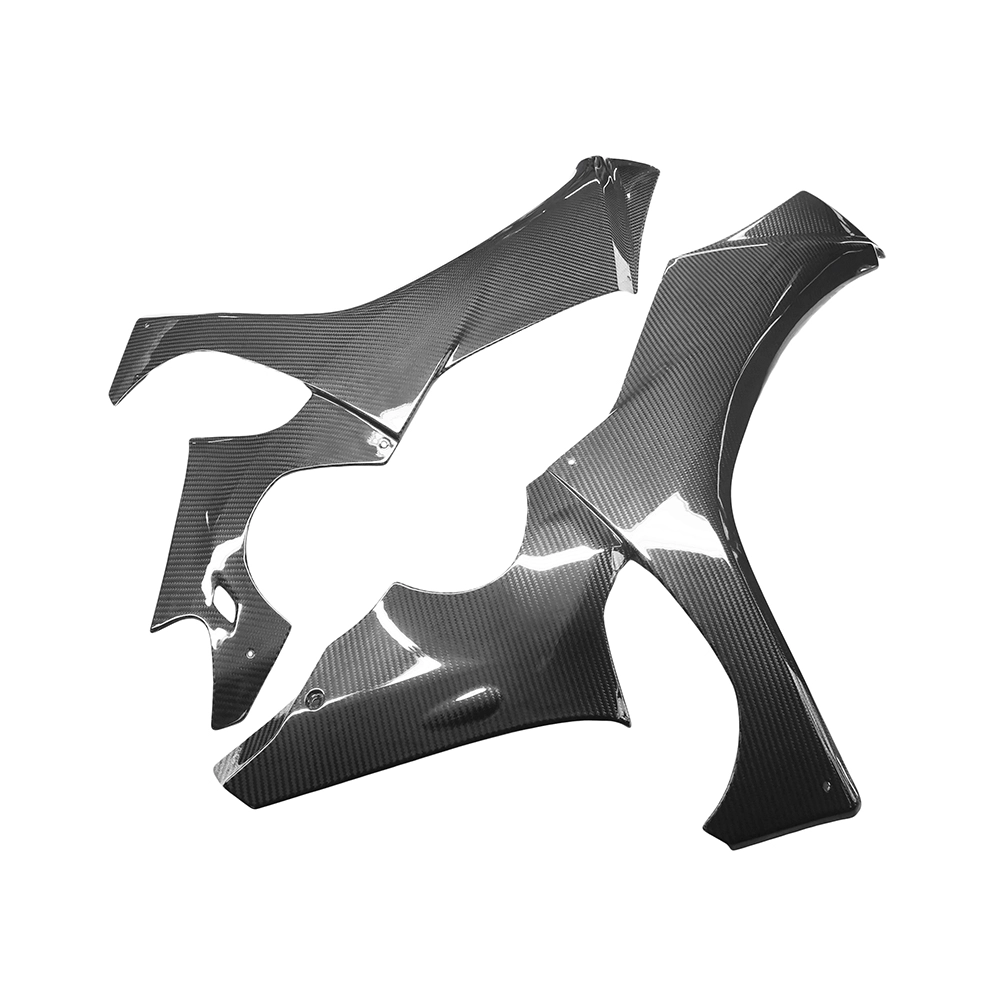
Yamaha R1 Carbon Fiber Side Fairings
Introducing the Supreem Carbon Fiber Long Side Panels for Yamaha R1. Crafted with precision and expertise, this front side fairing is designed to elevate the performance and aesthetics of your R1. Made from high-quality carbon fiber, this fairing is not only lightweight but also incredibly durable, providing optimal protection for your motorcycle.
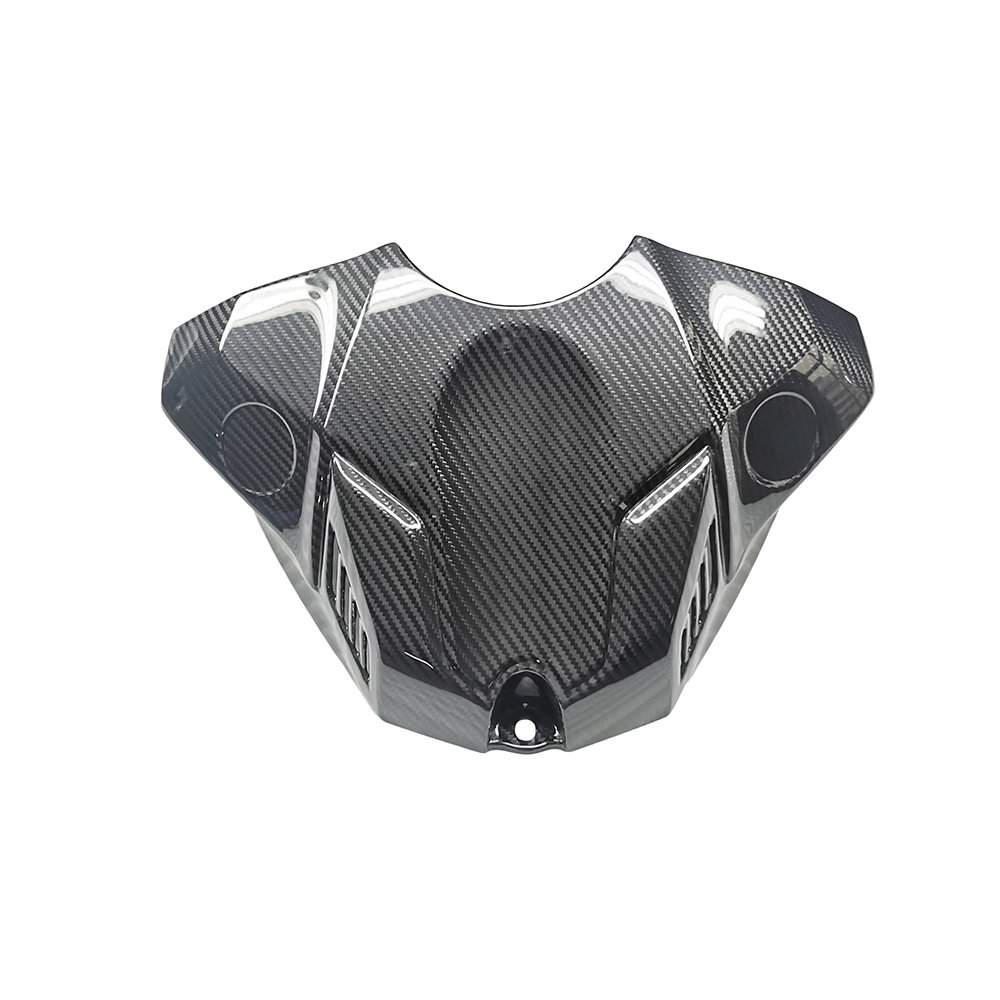
Yamaha R1 Carbon Fiber Airbox Tank Cover
The Supreem Carbon Yamaha R1 Carbon Fiber Airbox Tank Cover provides lightweight, durable protection with a sleek finish. Designed for R1 models, it enhances the style and performance of your bike. Its lightweight structure improves performance while maintaining the premium aesthetics necessary for high-end modification projects. As a dedicated manufacturer of carbon fiber parts, we provide stable production capacity, customization options, and strict quality control to support enterprise-level procurement and OEM/ODM needs.
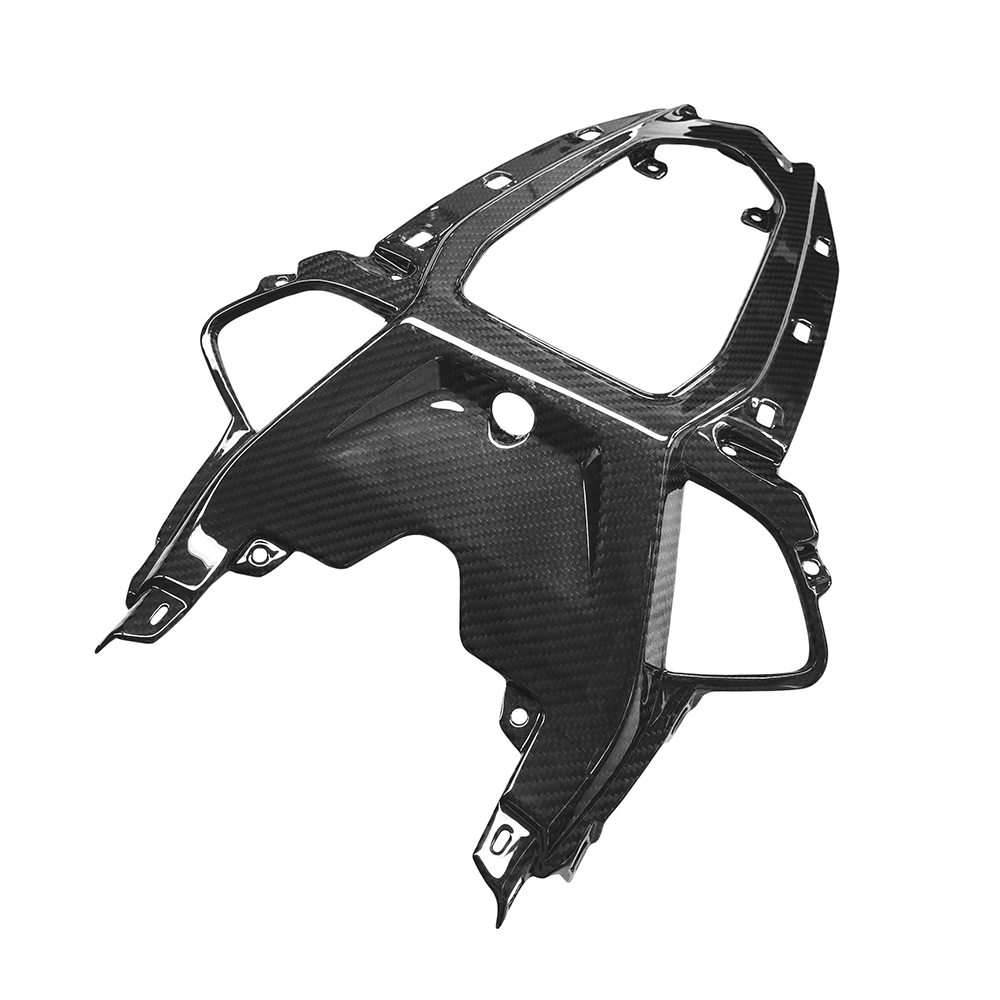
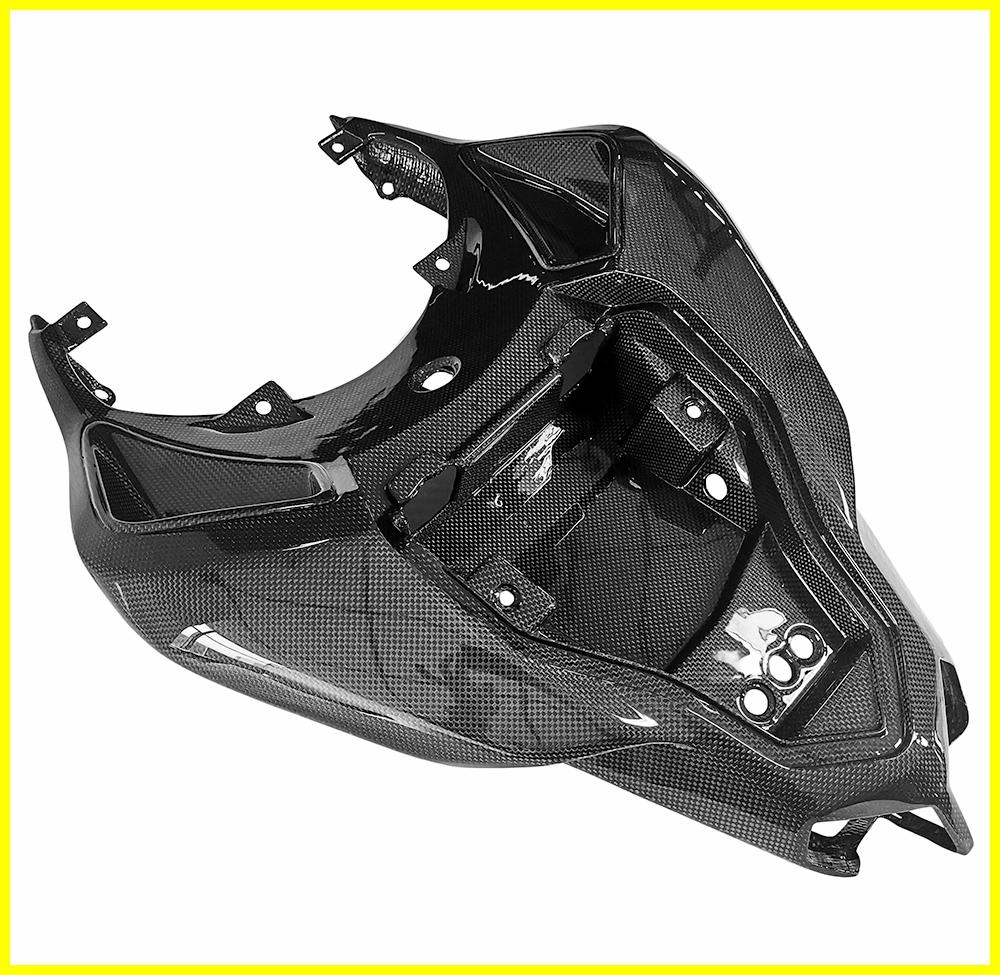
Carbon Fiber Rear Seat Panel for BMW S1000R & M1000RR – Lightweight Performance
This carbon fiber rear seat panel is engineered for the BMW S1000R and M1000RR, offering superior rigidity, reduced weight, and a premium racing finish. Produced with autoclave technology and strict QC standards, the part ensures consistent OEM-level fitment. Supreem Carbon provides wholesale supply, stable bulk production, and customized solutions for global clients.
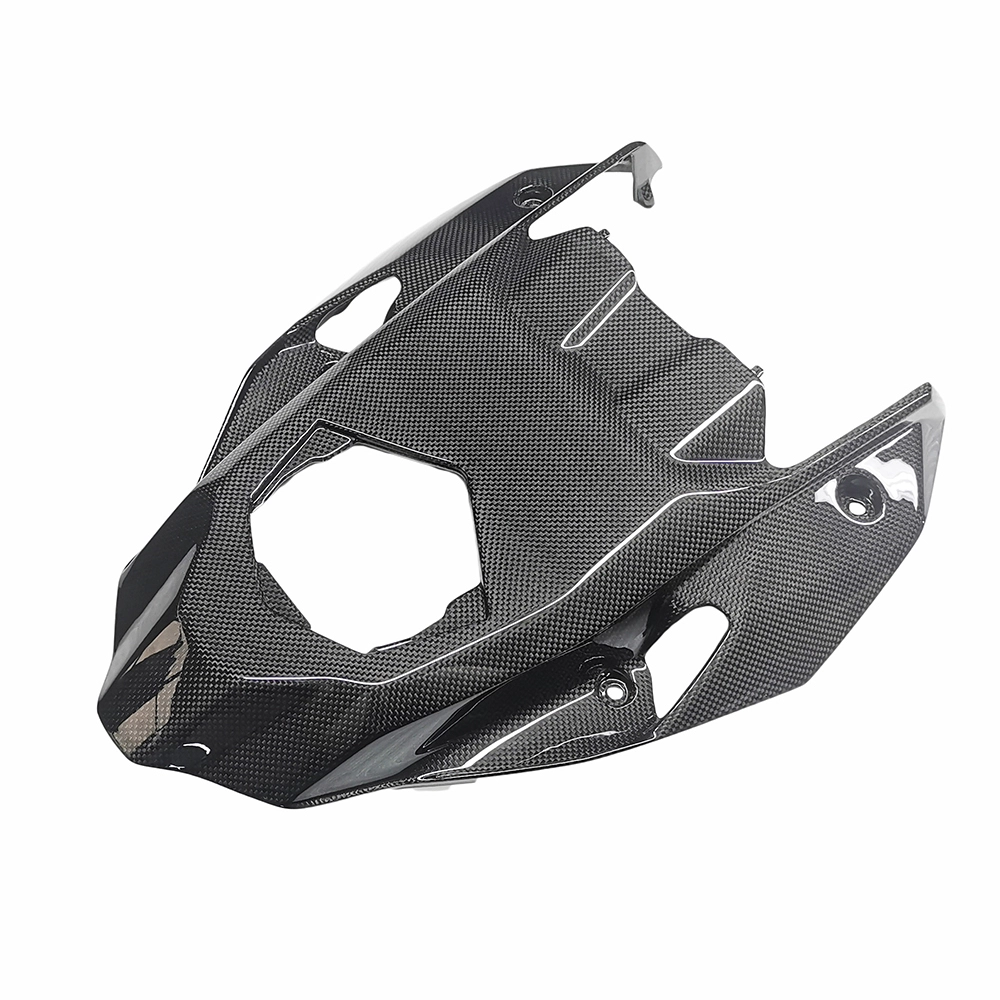
High-Performance Carbon Fiber Rear Undertail for BMW S1000R
Engineered for distributors, tuning brands, and motorcycle accessory businesses, the BMW S1000R Carbon Fiber Rear Undertail is a high-quality, durable, lightweight carbon fiber upgrade for the S1000R platform. This component is manufactured using aerospace-grade carbon fiber and precision molds to deliver superior stiffness, a seamless OEM-level fit, and a premium visual finish suitable for high-end aftermarket applications.

Supreem Carbon aiming to provide customers with high-performance carbon fiber products and quality services.
Contact Supreem Carbon
Address : Building 1 No.103, Yadi Nan 1st Road, QiaoTou Town, Dongguan City, China.
© 2024 Supreem Carbon All Rights Reserved.
Facebook
Pinterest
LinkedIn
Instagram