

Why is carbon fibre more expensive than aluminum for aerospace?
- Why Is Carbon Fiber So Expensive?
- 1. Complex Manufacturing Process
- 2. High Raw Material Costs
- 3. Limited Economies of Scale
- 4. Specialized Equipment and Facilities
- 5. Research and Development Expenses
- 6. Performance and Return on Investment (ROI)
- 7. Comparison with Aluminum in Aerospace Applications
- 8. Future Outlook: Will Carbon Fiber Prices Fall?
- Conclusion: The Value Proposition of Carbon Fiber
Why Is Carbon Fiber So Expensive?
Carbon fiber is renowned for its exceptional strength-to-weight ratio, making it a preferred material in industries like aerospace, automotive, and sports equipment. However, its high cost often raises questions. Several factors contribute to the expense of carbon fiber:
1. Complex Manufacturing Process
The production of carbon fiber involves multiple intricate steps:
Precursor Material: The primary raw material, polyacrylonitrile (PAN), is costly and requires specialized handling.
Energy-Intensive Processing: Converting PAN into carbon fiber necessitates high temperatures and controlled environments, consuming significant energy.
Skilled Labor: The process demands precision and expertise, leading to higher labor costs.
These combined factors make carbon fiber production more expensive compared to traditional materials.
2. High Raw Material Costs
The quality of carbon fiber is heavily influenced by the precursor material used. High-quality PAN is expensive, and its procurement adds to the overall cost of the final product.
3. Limited Economies of Scale
Unlike metals such as aluminum, carbon fiber production is not yet fully optimized for mass production. The industry is still developing efficient manufacturing techniques, which means higher costs due to limited economies of scale.
4. Specialized Equipment and Facilities
Manufacturing carbon fiber components often requires specialized equipment like autoclaves for curing and storage facilities for prepregs. These investments contribute to the higher cost of carbon fiber products.
5. Research and Development Expenses
Continuous R&D is essential to improve carbon fiber properties and manufacturing processes. These ongoing investments in innovation are reflected in the final product's price.
6. Performance and Return on Investment (ROI)
Despite the high initial cost, carbon fiber offers long-term benefits such as reduced weight, improved fuel efficiency, and enhanced durability. These advantages can lead to significant savings over time, justifying the investment in carbon fiber components.
7. Comparison with Aluminum in Aerospace Applications
In aerospace, carbon fiber is often preferred over aluminum due to its superior strength-to-weight ratio. While aluminum is lighter and less expensive, carbon fiber's higher strength allows for more efficient designs and better performance. This makes carbon fiber a more cost-effective choice in the long run, despite its higher initial cost. ((https://www.supreemcarbon.com/article/why-is-carbon-fiber-so-expensive.html))
8. Future Outlook: Will Carbon Fiber Prices Fall?
Advancements in manufacturing technologies, such as the development of bio-based precursors and improved processing methods, are expected to reduce carbon fiber production costs over time. However, significant price reductions may take several years to materialize.
Conclusion: The Value Proposition of Carbon Fiber
While carbon fiber's high cost is influenced by complex manufacturing processes, expensive raw materials, and limited economies of scale, its exceptional performance characteristics offer substantial long-term benefits. For industries where weight reduction and strength are critical, investing in carbon fiber components can lead to improved efficiency and reduced operational costs.
Supreem Carbon specializes in providing high-quality carbon fiber products tailored to meet specific performance and budget requirements. Their expertise ensures that clients receive optimal solutions that balance cost and performance effectively.

Die einflussreichste Marke eines Kohlefaserherstellers in Asien
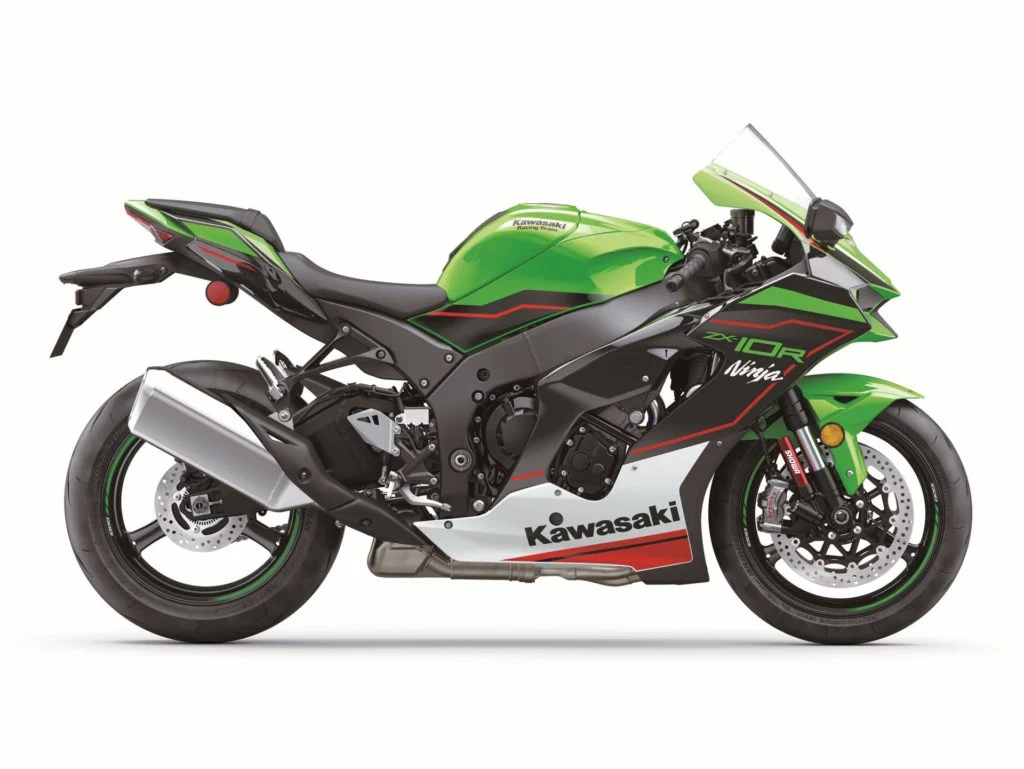
Upgrade Your Ride: Custom Motorcycle Carbon Fiber Parts by Supreem Carbon
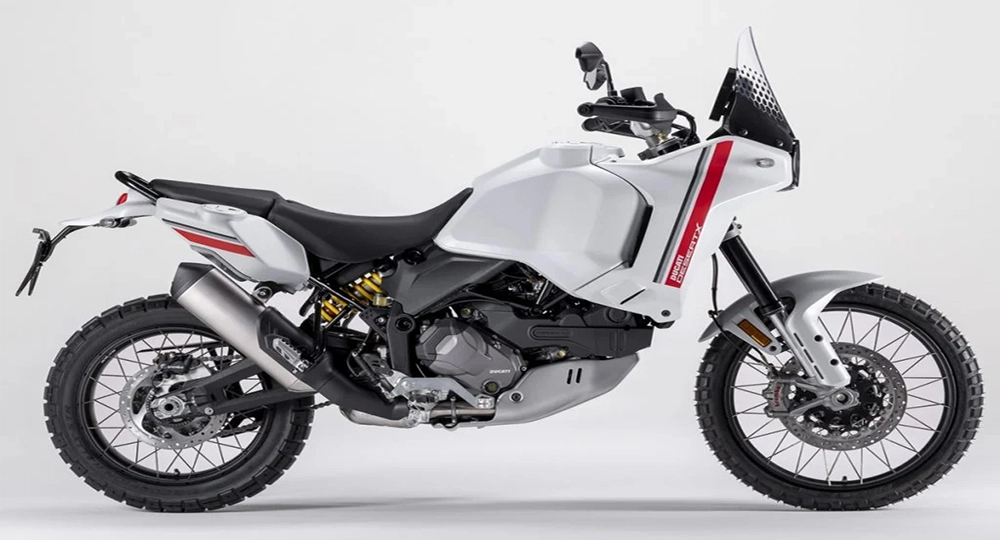
Ducati DesertX 2022 new arrivals!
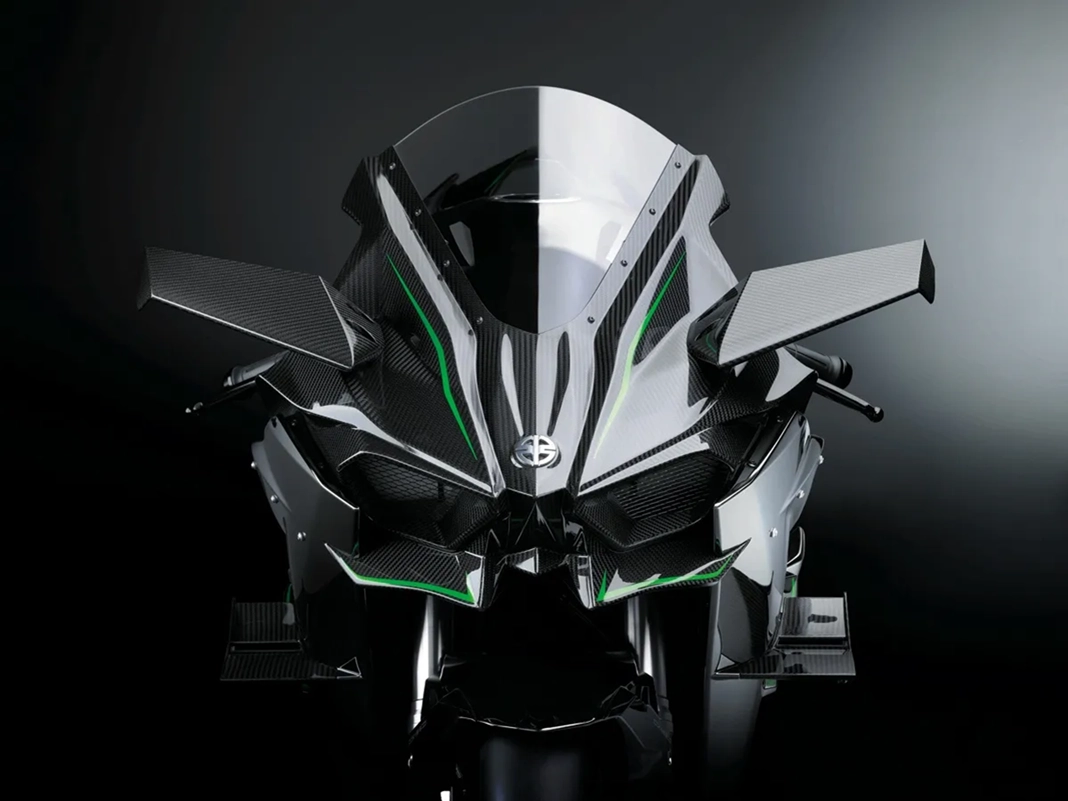
Common Carbon Fiber Product Production Processes and Applications

2020+ Toyota Supra A90 Carbon Fiber Engine Cover released!
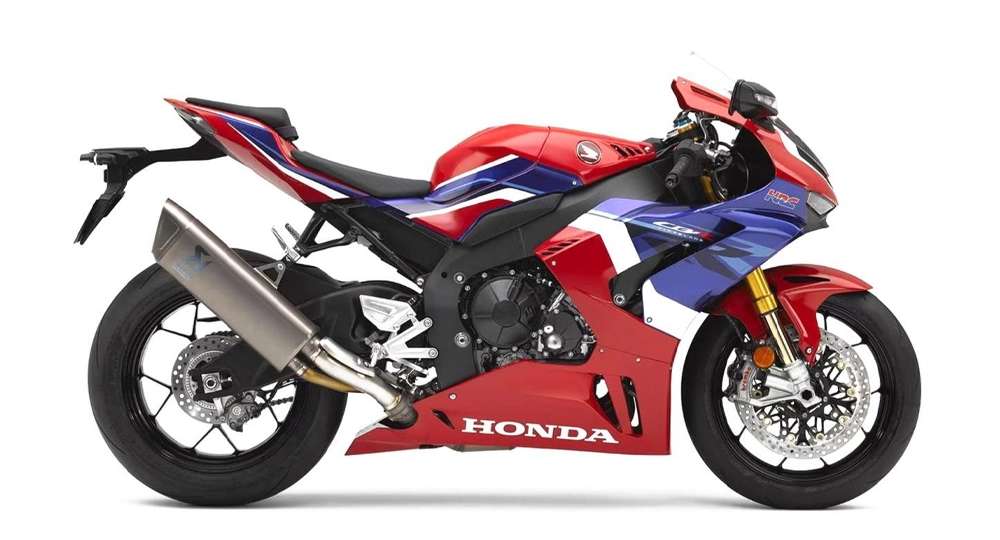
New arrivals of Honda CBR1000RR-R!
For Products
Are you parts have UV protected?
Absolutely! We use multiple layers of premium quality automotive clear (or matt) coats on our products, which ensure that they will remain super pretty for years to come.
Which surface could you provide for the carbon parts?
Gloss finish, matte finish, satin finish. Some color coating as the customer needs.
For Customized Service
What can be customized in addition to customized carbon fiber parts?
You can customize your company logo, packaging, even the color of coating and so on.
For After-sales Service
Do you offer the fitting advice?
Of course! If you have any questions, please contact us on info@supreemcarbon.com.
For Facotry
Supreem carbon main competitive advantages.
Rich experience
Over 10 years production experience in carbon fiber industry, providing customers with high quality carbon products.
Excellent service
From new project development to customer finished product delivery, we provide customers with full tracking and timely feedback on project progress.
High-Quality Products
Our carbon fiber products undergo rigorous quality control to ensure customers achieve the high quality and cost-effective product.
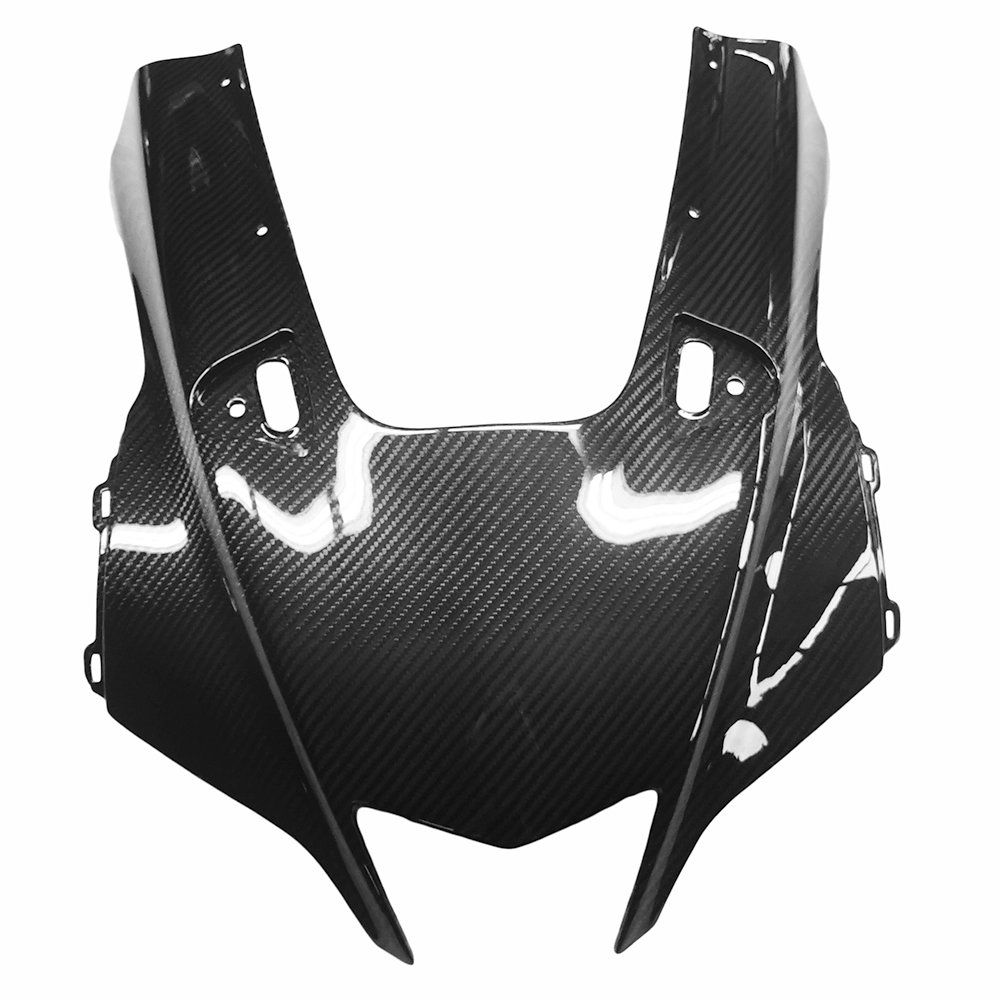
Yamaha R1 R1M Carbon Fiber Front Fairing
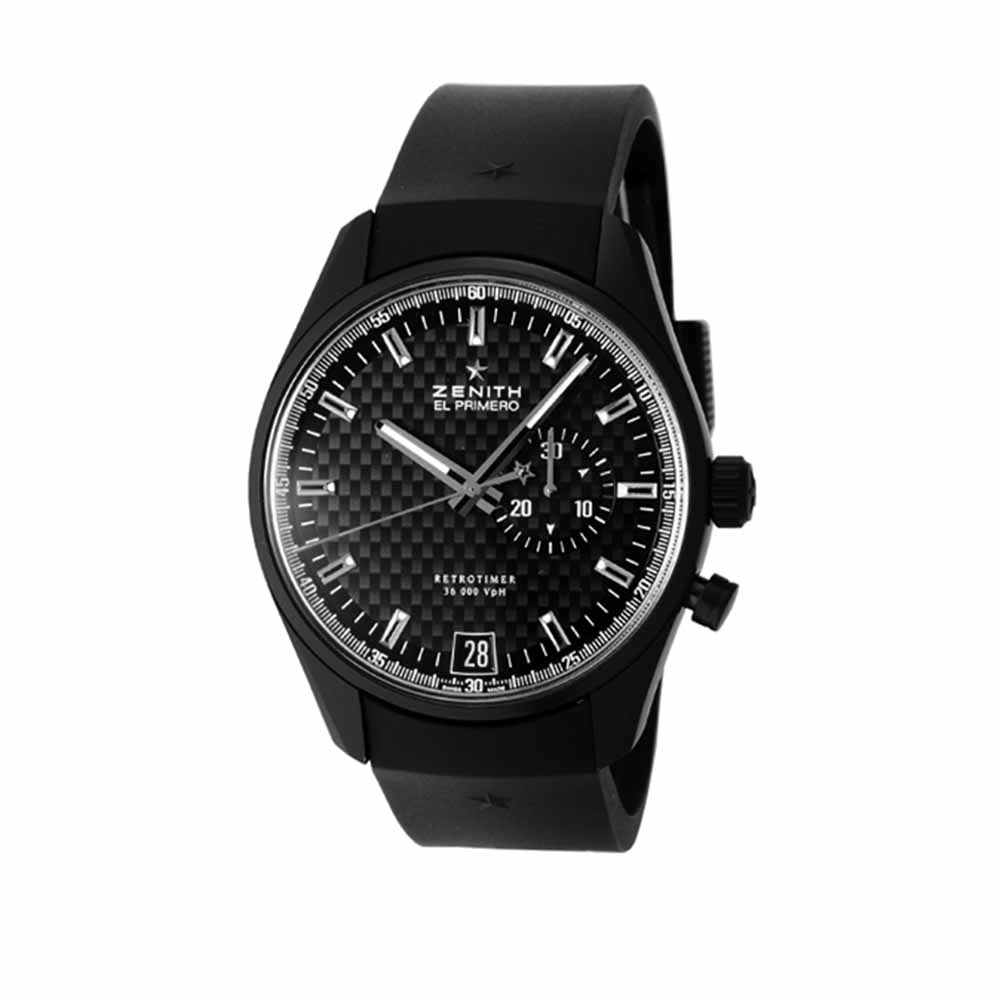
Custom Carbon Fiber Watch
Carbon fiber is becoming a preferred material in the watch industry thanks to its exceptional strength, lightweight structure, and modern aesthetic. Its advanced performance properties make it ideal for producing durable, high-precision watch components.
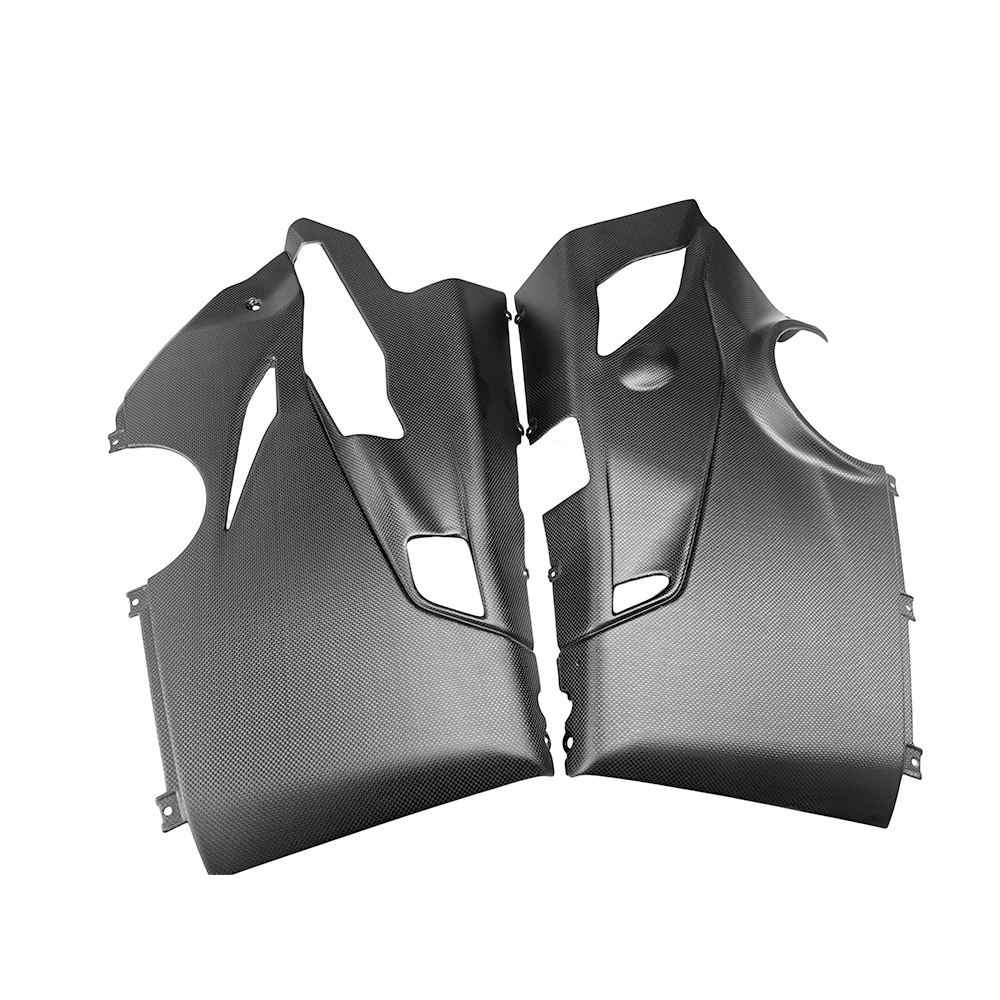
Ducati Panigale V4 Carbon Fiber Belly Pan Custom
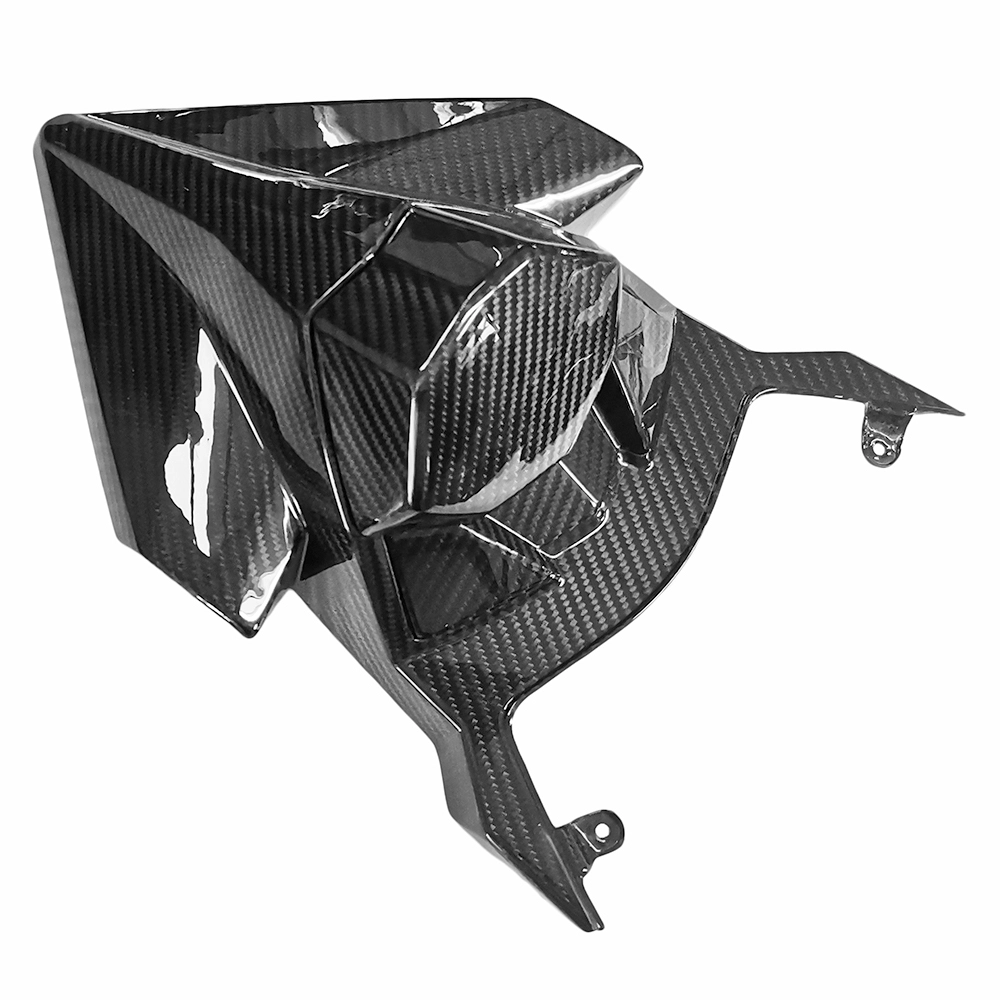
Kawasaki H2/H2R Carbon Fiber Tail Center Fairing
Let’s Bring Your Carbon Fiber Ideas to Life
Have a question or inquiry about our carbon fiber composite products? Leave us a message here, and our team will get back to you promptly.
Whether you're interested in custom orders, technical specifications, or partnership opportunities, we're here to assist you.
Please fill out the fields above with your name, email address, and message.

Supreem Carbon aiming to provide customers with high-performance carbon fiber products and quality services.
Contact Supreem Carbon
Address : Building 1 No.103, Yadi Nan 1st Road, QiaoTou Town, Dongguan City, China.
© 2024 Supreem Carbon All Rights Reserved.
Facebook
Pinterest
LinkedIn
Instagram