

What industries use carbon fiber parts manufacturing?
- Understanding Carbon Fiber Parts Manufacturing: Key Insights for Industry Professionals
- 1. What Are the Key Properties of Carbon Fiber?
- 2. What Are the Common Manufacturing Processes for Carbon Fiber Parts?
- 3. How Do Manufacturers Ensure Quality Control in Carbon Fiber Parts?
- 4. What Are the Cost Considerations in Carbon Fiber Parts Manufacturing?
- 5. Which Industries Utilize Carbon Fiber Parts Manufacturing?
- 6. How Do Manufacturers Address Environmental Concerns in Carbon Fiber Production?
- 7. What Are the Challenges in Scaling Up Carbon Fiber Parts Production?
- 8. How Do Manufacturers Stay Competitive in the Carbon Fiber Parts Market?
- Conclusion: Why Choose Supreem Carbon?
Understanding Carbon Fiber Parts Manufacturing: Key Insights for Industry Professionals
Carbon fiber parts manufacturing has become a cornerstone in various industries due to the material's exceptional strength-to-weight ratio, corrosion resistance, and design flexibility. This article delves into critical aspects of carbon fiber parts manufacturing, providing industry professionals with essential knowledge for informed decision-making.
1. What Are the Key Properties of Carbon Fiber?
Carbon fiber is renowned for its high tensile strength and low weight, making it ideal for applications where performance and efficiency are paramount. Its corrosion resistance ensures longevity in harsh environments, while its stiffness allows for precise structural components. Additionally, carbon fiber's versatility in design enables complex geometries, catering to diverse engineering requirements.
2. What Are the Common Manufacturing Processes for Carbon Fiber Parts?
Several manufacturing processes are employed in carbon fiber parts production:
Prepreg Layup: Involves layering pre-impregnated carbon fiber sheets in a mold, followed by curing under heat and pressure. This method offers high-quality results but is labor-intensive.
Resin Transfer Molding (RTM): Dry carbon fiber is placed into a mold, and resin is injected under pressure. RTM is suitable for complex shapes and offers good surface finishes.
Filament Winding: Continuous carbon fiber filaments are wound onto a mandrel, creating hollow or tubular structures. This process is efficient for producing pipes and tanks.
Compression Molding: A preform is placed into a heated mold, and pressure is applied to form the part. This method is fast and suitable for high-volume production.
Each process has its advantages, and the choice depends on the specific application and production requirements.
3. How Do Manufacturers Ensure Quality Control in Carbon Fiber Parts?
Quality control in carbon fiber manufacturing involves several critical steps:
Material Inspection: Verifying the quality of raw materials, including fiber and resin, to ensure they meet specified standards.
Process Monitoring: Continuous monitoring of manufacturing parameters such as temperature, pressure, and curing time to maintain consistency.
Non-Destructive Testing (NDT): Techniques like ultrasonic testing, X-ray inspection, and thermography are used to detect internal defects without damaging the parts.
Dimensional Inspection: Using precision instruments to measure part dimensions, ensuring they align with design specifications.
Implementing these quality control measures is essential to produce reliable and high-performance carbon fiber components.
4. What Are the Cost Considerations in Carbon Fiber Parts Manufacturing?
The cost of manufacturing carbon fiber parts is influenced by several factors:
Material Costs: High-quality carbon fiber and resin materials can be expensive, impacting the overall cost.
Manufacturing Complexity: Complex geometries and tight tolerances may require more advanced and costly manufacturing processes.
Production Volume: High-volume production can reduce per-unit costs due to economies of scale.
Labor and Equipment: Skilled labor and specialized equipment are necessary, contributing to higher operational expenses.
Balancing these factors is crucial for cost-effective production without compromising quality.
5. Which Industries Utilize Carbon Fiber Parts Manufacturing?
Carbon fiber parts are utilized across various industries, including:
Automotive: For lightweight components that enhance fuel efficiency and performance.
Aerospace: In aircraft structures and components to reduce weight and improve fuel efficiency.
Sports Equipment: In items like bicycles, golf clubs, and tennis rackets for improved performance.
Renewable Energy: In wind turbine blades to increase strength and reduce weight.
Medical Devices: In surgical tools and implants for their strength and biocompatibility.
The versatility of carbon fiber makes it a preferred material in these sectors.
6. How Do Manufacturers Address Environmental Concerns in Carbon Fiber Production?
Environmental considerations in carbon fiber production are addressed through:
Recycling Initiatives: Developing methods to recycle carbon fiber waste and end-of-life products to reduce environmental impact.
Sustainable Practices: Implementing energy-efficient manufacturing processes and reducing emissions.
Material Innovation: Researching bio-based resins and alternative materials to decrease reliance on petroleum-based products.
These efforts aim to make carbon fiber manufacturing more sustainable.
7. What Are the Challenges in Scaling Up Carbon Fiber Parts Production?
Scaling up production presents challenges such as:
Maintaining Quality: Ensuring consistent quality across larger production volumes.
Supply Chain Management: Securing a steady supply of raw materials to meet increased demand.
Technological Limitations: Overcoming limitations in current manufacturing technologies to achieve higher production rates.
Addressing these challenges is vital for successful scaling.
8. How Do Manufacturers Stay Competitive in the Carbon Fiber Parts Market?
Staying competitive involves:
Innovation: Developing new products and applications to meet evolving market needs.
Cost Efficiency: Optimizing manufacturing processes to reduce costs while maintaining quality.
Customer Relationships: Building strong relationships with clients to understand and fulfill their specific requirements.
Sustainability: Adopting environmentally friendly practices to appeal to eco-conscious consumers.
These strategies help manufacturers maintain a competitive edge.
Conclusion: Why Choose Supreem Carbon?
Supreem Carbon stands out in the carbon fiber parts manufacturing industry due to its commitment to quality, innovation, and customer satisfaction. With a focus on precision and customization, Supreem Carbon delivers high-performance components tailored to meet the specific needs of various industries. Their expertise and dedication make them a reliable partner for businesses seeking superior carbon fiber solutions.
((https://www.supreemcarbon.com/article/best-carbon-fiber-parts-manufacturers-in-2026.html))
What are the Applications of Carbon Fiber in BMW Cars

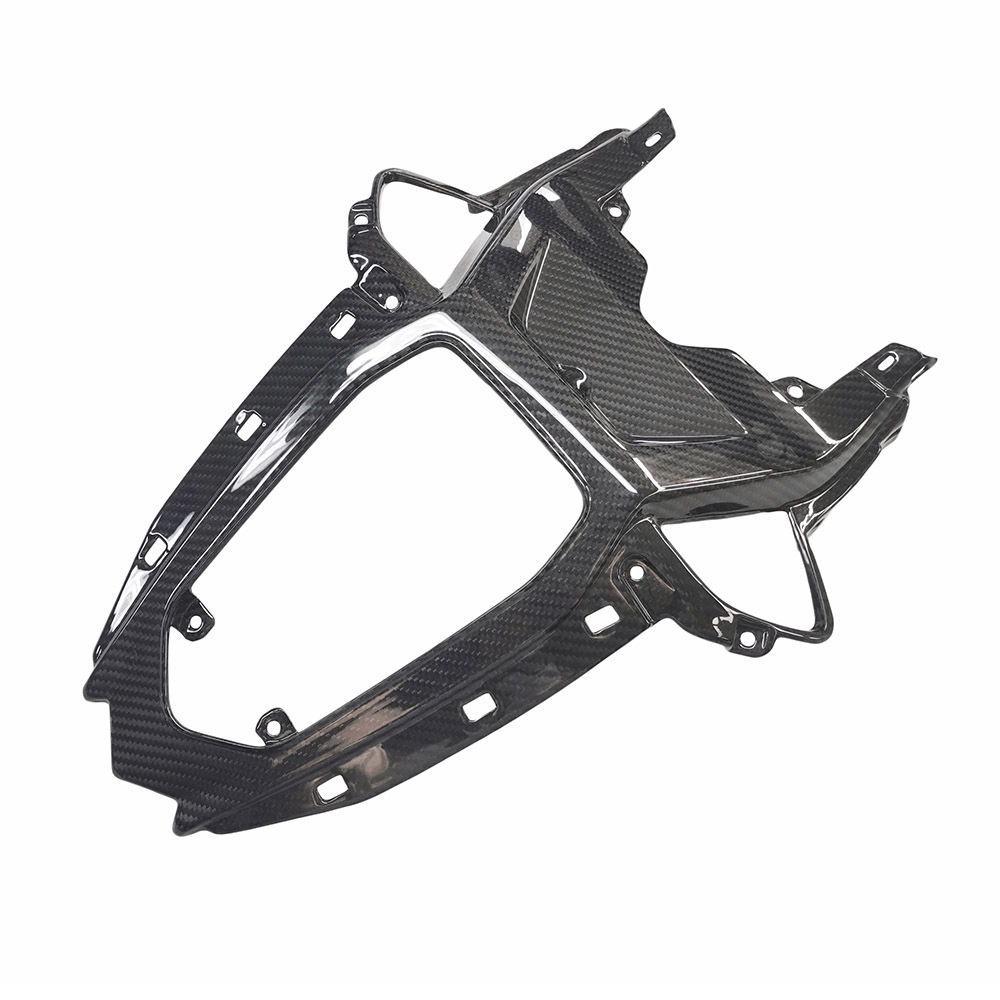
2020+ Toyota Supra A90 Carbon Fiber Engine Cover released!

Supreem carbon Honda-NSX 100% Fiber Door Handle released!
Supreem Carbon New arrivals alert!
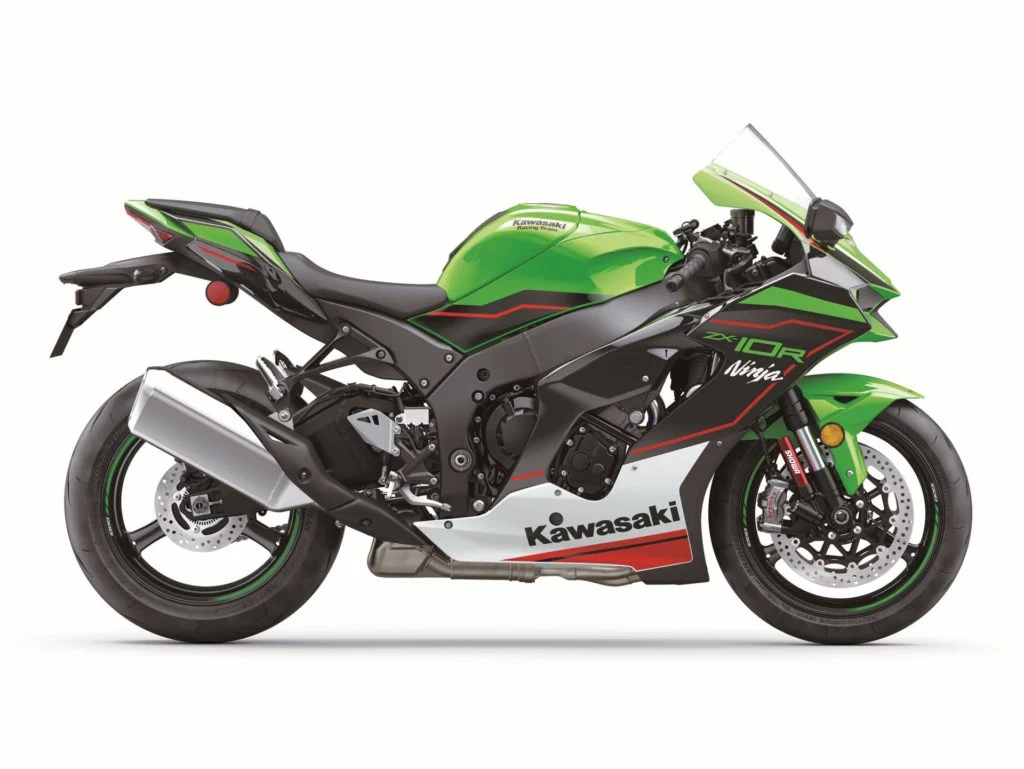
Upgrade Your Ride: Custom Motorcycle Carbon Fiber Parts by Supreem Carbon
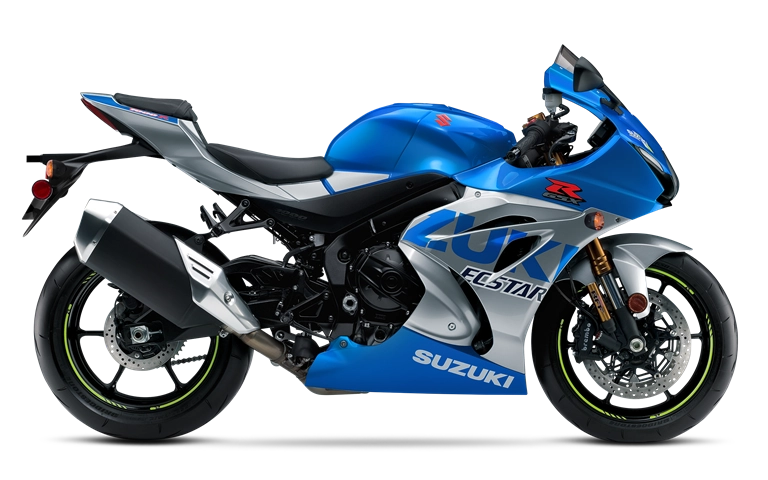
Supreem Carbon new bike carbon fiber parts development plan.
For Customized Service
What is the customization process of carbon fiber products?
1. Customer provide 3D drawing, design requirement or idea
2. Technician evaluate project feasibility and provide a quotation
3. Project confirmation and arrange sample production
4. Delivery and customer feedback
5. Big scale orders production
What custom customer need to prepare?
1. Send Your Design/Idea/3D drawing.
2. Supplier Quotation Confirmation.
3. Firts Sample Feedback.
For Facotry
When is Supreem carbon founded?
Our company formally established in early 2017.
How many monthly production capacity of the factory?
The average monthly production capacity reach 3000 pieces. With the equipment upgrade, it will be increased over 4000 pieces per month.
For After-sales Service
Do you offer a warranty?
Six month standard warranty on all products. Damage due to installation error or natural elements will not be covered.
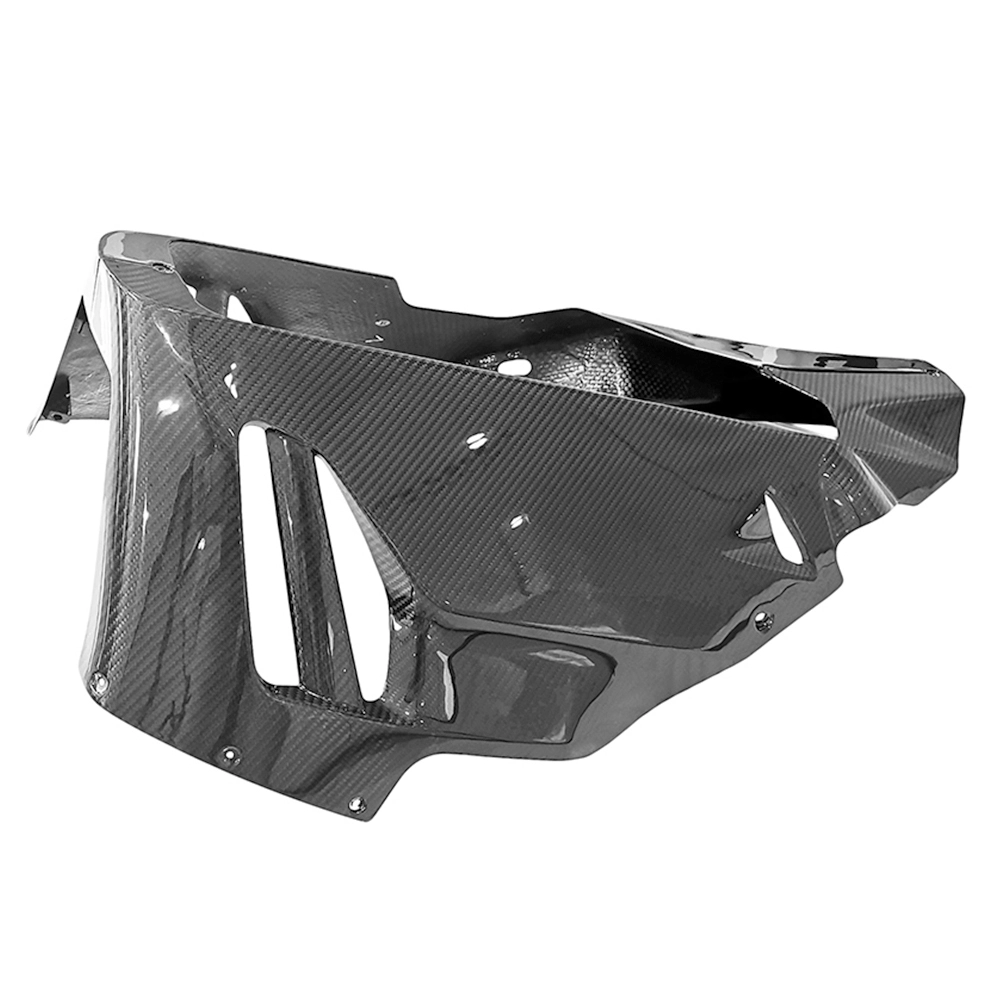
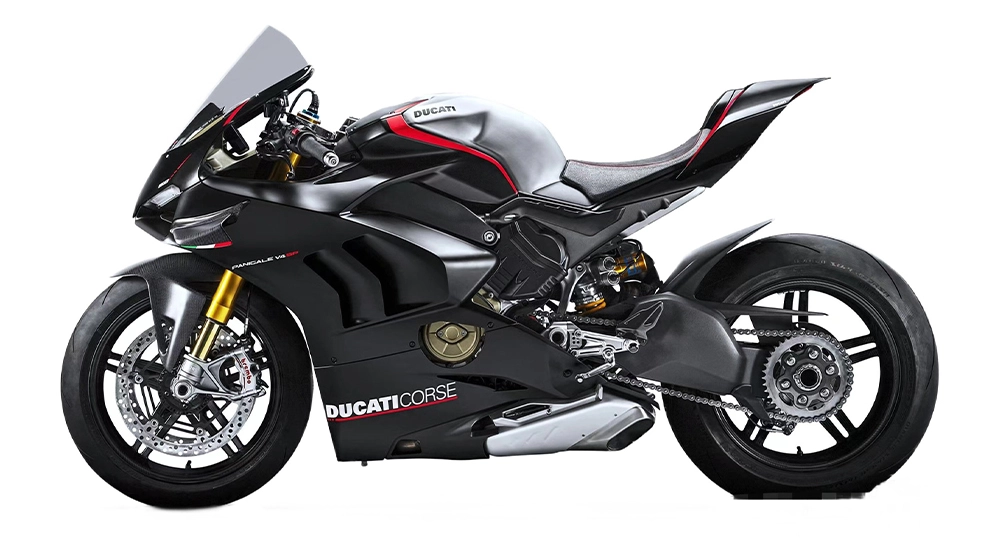
Honda CBR1000RR-R Carbon Fiber Belly Pan Lower Side Fairings
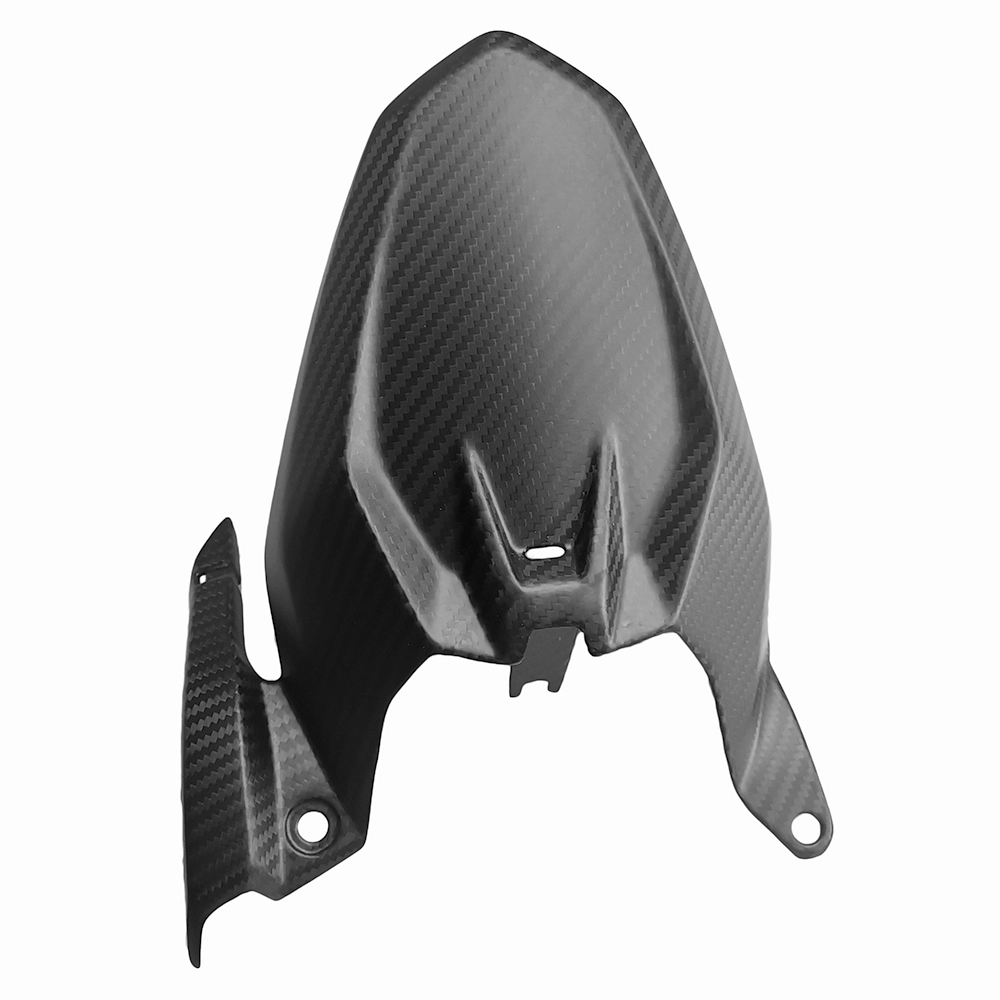
Ducati Monster 937 Carbon Fiber Rear Fender
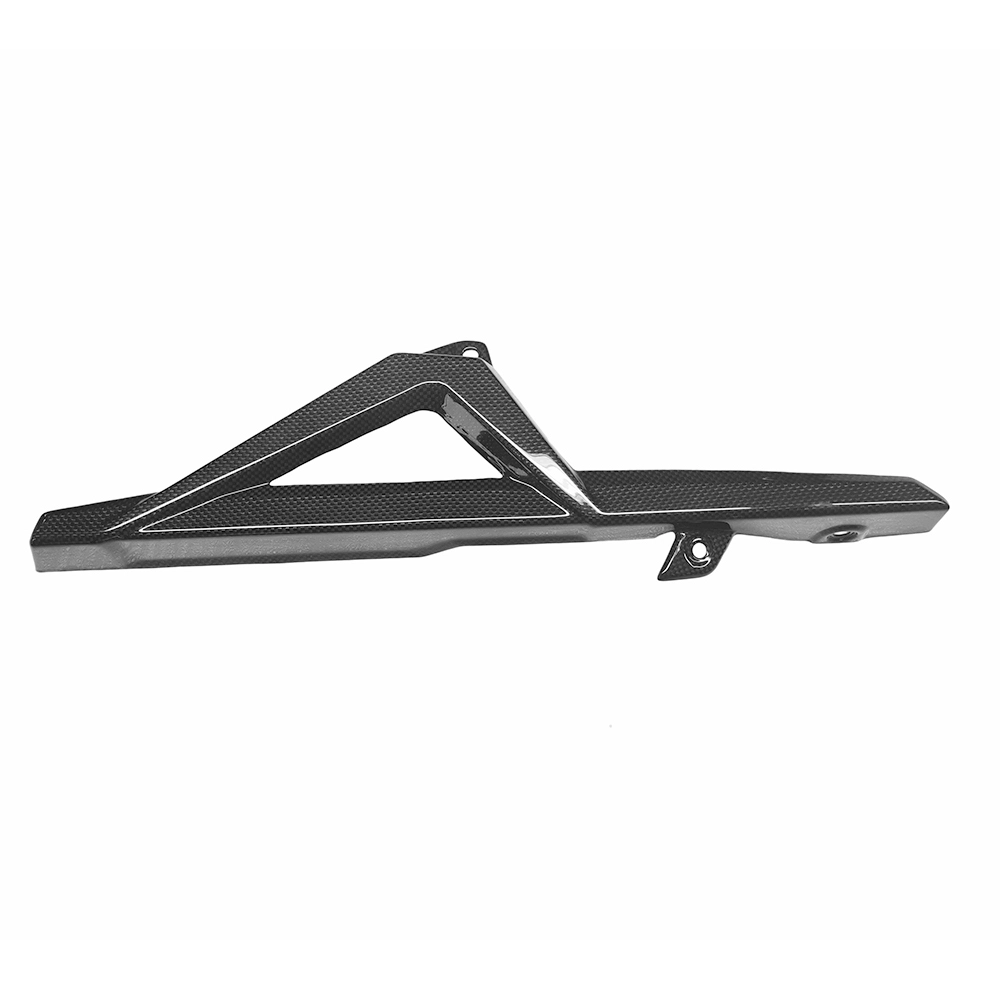
Aprilia Tuono V4 Carbon Fiber Chain Guard
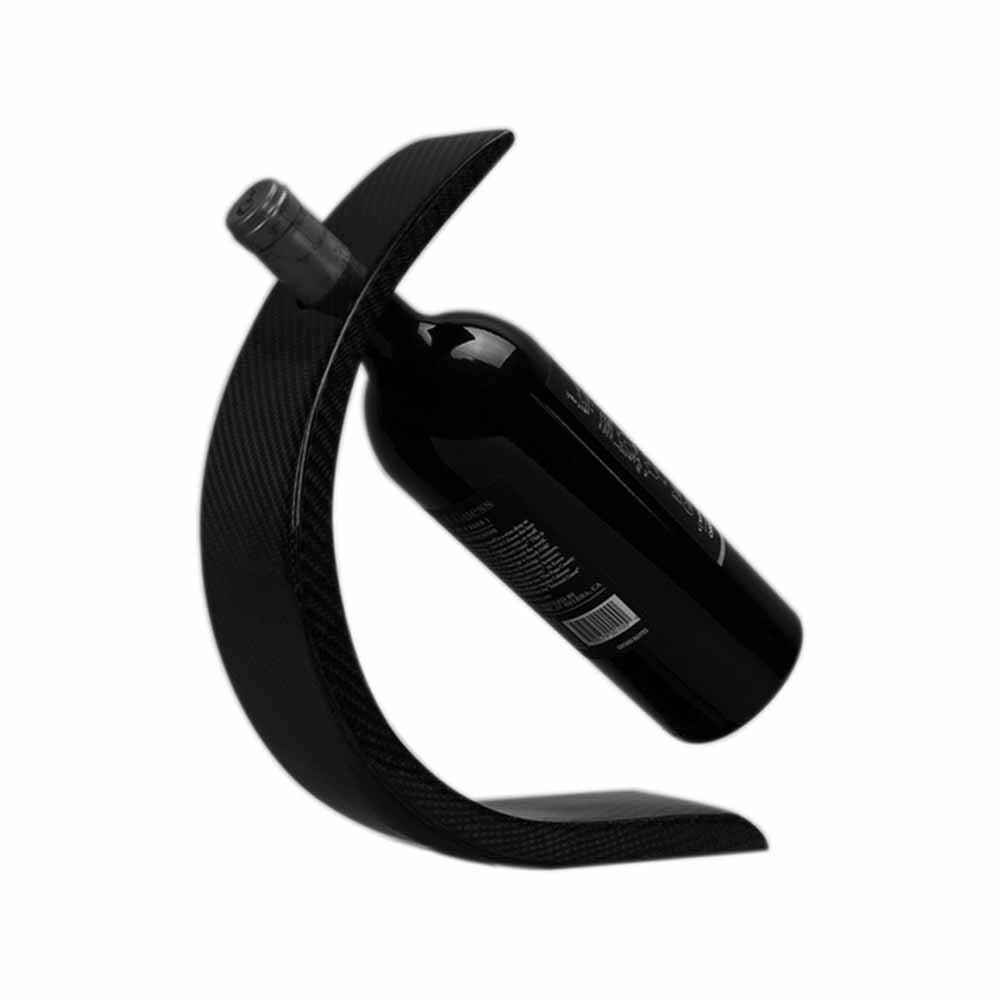
Custom Carbon Fiber Wine Bracket
A carbon fiber wine bracket is a premium display solution engineered to combine modern aesthetics with exceptional structural performance. Manufactured from high-strength carbon fiber composite materials, it offers a lightweight yet rigid support system for securely holding and showcasing wine bottles. Its refined texture, durability, and contemporary design make it ideal for luxury retail environments, custom interior projects, and high-end hospitality applications.
Let’s Bring Your Carbon Fiber Ideas to Life
Have a question or inquiry about our carbon fiber composite products? Leave us a message here, and our team will get back to you promptly.
Whether you're interested in custom orders, technical specifications, or partnership opportunities, we're here to assist you.
Please fill out the fields above with your name, email address, and message.

Supreem Carbon aiming to provide customers with high-performance carbon fiber products and quality services.
Contact Supreem Carbon
Address : Building 1 No.103, Yadi Nan 1st Road, QiaoTou Town, Dongguan City, China.
© 2024 Supreem Carbon All Rights Reserved.
Facebook
Pinterest
LinkedIn
Instagram