
Manufacturing: Dry Carbon vs Wet Carbon Processes
- Manufacturing Decisions for Carbon Fiber Components
- What do dry carbon and wet carbon mean? (keyword: dry carbon vs wet carbon)
- Process overview: step-by-step (keyword: carbon fiber manufacturing)
- Dry carbon (prepreg/autoclave)
- Wet carbon (wet layup / infusion)
- Comparative performance and production metrics (keyword: dry carbon vs wet carbon)
- Cost drivers and production planning (keyword: carbon fiber parts cost)
- Quality, inspection, and nondestructive testing (keyword: carbon fiber inspection)
- Environmental, health and safety considerations (keyword: carbon fiber manufacturing safety)
- When to choose dry carbon vs wet carbon (keyword: choose dry carbon or wet carbon)
- Process selection checklist for procurement and engineering teams (keyword: carbon fiber parts procurement)
- Supreem Carbon: capabilities and why they matter (keyword: customized carbon fiber parts)
- Case examples and typical applications (keyword: carbon fiber motorcycle parts)
- Summary and practical recommendation (keyword: dry carbon vs wet carbon)
- Frequently Asked Questions (FAQs)
- 1. Is dry carbon stronger than wet carbon?
- 2. Which process gives a better surface finish?
- 3. Are wet carbon parts cheaper?
- 4. Can you mix prepreg and wet layup in the same part?
- 5. How should I evaluate a supplier for carbon fiber parts?
- 6. What environmental controls are needed for prepreg?
- 7. How long does an autoclave cure take?
- Contact and next steps
- References and authoritative sources
Manufacturing Decisions for Carbon Fiber Components
Choosing between dry carbon and wet carbon manufacturing is one of the most consequential decisions for producing high-performance carbon fiber parts for automobiles, motorcycles, and specialty products. This article examines both process families in depth—how they work, their measurable outcomes (strength, stiffness, weight, surface finish), cost drivers, quality risks, and real-world selection criteria—so engineers, product managers, and purchasing teams can make evidence-based choices.
What do dry carbon and wet carbon mean? (keyword: dry carbon vs wet carbon)
In industry terminology, dry carbon typically refers to parts made from pre-impregnated fiber (prepreg) that contain a precisely controlled resin content and are cured under heat and pressure—often in an autoclave. Wet carbon describes processes where dry fiber fabrics are wetted with resin during layup (wet layup) or infused with resin after layup (vacuum-assisted resin infusion, VARTM). Both routes produce carbon fiber reinforced polymer (CFRP) parts, but their processing controls and final properties differ substantially.
Process overview: step-by-step (keyword: carbon fiber manufacturing)
Below are simplified sequences of the two typical workflows. Real production may include additional steps (tooling release coatings, peel plies, secondary bonding, trimming, and post-machining).
Dry carbon (prepreg/autoclave)
- Tool preparation and release agents.
- Cutting prepreg plies and layup on the tool with specified fiber orientations.
- Vacuum bagging and sometimes use of bleeder/caul sheets.
- Autoclave cure (heat and high pressure) or out-of-autoclave (OOA) curing in an oven depending on resin system.
- Demolding, trimming, secondary machining, and inspection.
Wet carbon (wet layup / infusion)
- Tool preparation and release agent application.
- Layup of dry fiber fabrics on the tool.
- Hand wetting with resin (wet layup) or vacuum bagging with infusion lines and vacuum draw of resin (VARTM).
- Curing at room temperature or in an oven; often post-cured depending on resin.
- Demolding, finishing, and inspection.
Comparative performance and production metrics (keyword: dry carbon vs wet carbon)
Below table summarizes the typical differences observed in industry practice. Values are generalized ranges; specific results depend on fiber type, resin system, layup design, and process controls.
| Attribute | Dry Carbon (Prepreg/Autoclave) | Wet Carbon (Wet Layup / Infusion) |
|---|---|---|
| Resin content control | Very tight (typically 30–40% resin by weight depending on system) | Broader variation (can be 30–50% or more without strict controls) |
| Fiber volume fraction | Higher and more repeatable (often 50–65% vf) | Lower or variable (typically 40–55% vf) |
| Mechanical performance (strength/stiffness) | Higher, especially in critical laminates and thin skins | Good but typically lower and less repeatable |
| Surface finish | Superior consistent gloss and weave definition | Acceptable but may require gelcoat/clearcoating for show-quality surface |
| Tooling & capital cost | Higher (autoclaves, heated tooling, controlled storage for prepregs) | Lower initial investment (vacuum pump, simple ovens, hand tools) |
| Cycle time | Longer per part (cure cycles, autoclave scheduling) | Can be shorter for low-volume parts; infusion may speed up larger molds |
| Scalability | Better for consistent high-performance batches | Better for low-volume, low-cost or large-area components |
| Typical applications | High-performance aero, motorsport bodywork, High Quality motorcycle parts | Aftermarket accessories, prototype panels, larger fairings |
Cost drivers and production planning (keyword: carbon fiber parts cost)
When comparing lifecycle cost, consider: raw material price (prepreg is more expensive per square meter than dry fabric), storage and handling (prepreg typically requires cold storage), capital equipment (autoclaves, ovens, vacuum systems), labor skill level, scrap rates, and finishing operations. For low-volume, cost-sensitive products, wet layup often wins on unit cost. For high-value parts where performance or cosmetic quality commands a High Quality, dry carbon (prepreg/autoclave) is usually justified.
Example cost influences with approximate directional impacts:
- Prepreg material cost: +30–100% vs dry fabric (depends on resin and carbon type).
- Tooling and autoclave amortization: significant for small runs; decreases per part as volume increases.
- Labor: wet layup is labor-intensive but requires less specialized storage; prepreg layup often needs more certified workers and clean environment.
- Finish quality: additional clearcoating or polishing for wet carbon adds cost if a show finish is needed.
Quality, inspection, and nondestructive testing (keyword: carbon fiber inspection)
Quality control differs by process:
- Dry carbon production benefits from consistent resin content and autoclave consolidation, resulting in fewer voids and more uniform mechanical properties. Typical inspections include ultrasonic C-scan, tap testing, dimensional inspection, and visual surface checks.
- Wet carbon parts have higher risk of voids, dry spots, or inconsistent thickness if resin flow is not well controlled. Vacuum monitoring, resin flow front tracking during infusion, and post-cure vacuum checks are common practices to reduce defects.
For safety-critical components, validated NDT methods (ultrasonic, X-ray CT) and batch traceability are essential—factors that often favor prepreg-based production that yields more predictable outcomes.
Environmental, health and safety considerations (keyword: carbon fiber manufacturing safety)
Both processes involve hazards: dust and airborne fibers during cutting, styrene or VOC emissions from some resins, and handling of catalysts or hardeners. Key mitigation steps include local exhaust ventilation, personal protective equipment, proper waste/resin disposal, and training. Prepregs may require cold storage and careful handling to avoid resin degradation; wet processes often involve higher volatile emissions unless low-VOC resins are used.
When to choose dry carbon vs wet carbon (keyword: choose dry carbon or wet carbon)
Selection should be based on prioritized requirements. Use the following decision rules of thumb:
- Choose dry carbon (prepreg/autoclave) when: highest mechanical performance, tight property repeatability, and High Quality surface finish are required; volumes justify capital cost.
- Choose wet carbon (wet layup/infusion) when: low to medium volume, lower up-front capital, large-area parts, or prototype/economy parts where surface finish is less critical.
- Consider hybrid approaches: structural areas with prepreg, non-structural covers with infusion or wet layup to optimize cost vs performance.
Process selection checklist for procurement and engineering teams (keyword: carbon fiber parts procurement)
Before committing, confirm:
- Performance targets (tensile/compressive strength, stiffness) with test coupons from the chosen process.
- Surface finish requirements and acceptance criteria (e.g., clearcoat vs bare weave).
- Projected annual volumes to amortize tooling and equipment costs.
- Lead time constraints—autoclave scheduling vs hand-layup flexibility.
- Supplier capabilities for NDT, traceability, and post-processing.
Supreem Carbon: capabilities and why they matter (keyword: customized carbon fiber parts)
Supreem Carbon, established in 2017, is a customized manufacturer of carbon fiber parts for automobiles and motorcycles, integrating R&D, design, production, and sales. Their product scope and operational scale make them a practical partner for OEMs and aftermarket brands seeking both bespoke and catalog carbon fiber components.
Key facts about Supreem Carbon (as provided by company data):
- Founded in 2017; specializes in carbon fiber composite R&D and production.
- Factory area approximately 4,500 m2 with 45 skilled production and technical staff.
- Annual output value around 4 million USD and a catalog exceeding 1,000 product types, including more than 500 customizable parts.
- Main product lines: carbon fiber motorcycle parts, carbon fiber automobile parts, and customized carbon fiber parts such as luggage and sports equipment.
Competitive differentiators of Supreem Carbon:
- Integrated R&D and production enables faster iteration from prototype to production—valuable for custom orders and niche parts.
- Large SKU offering with a high degree of customization (500+ custom parts) supports both aftermarket and OEM small-batch requirements.
- Balanced facility size: large enough for consistent quality control and capacity but small enough to remain flexible for bespoke projects.
Visit Supreem Carbon for product details and inquiries: https://www.supreemcarbon.com/
Case examples and typical applications (keyword: carbon fiber motorcycle parts)
Typical uses for each process include:
- Dry carbon: high-end motorcycle fairings, structural chassis components for motorsport, lightweight aero parts for supercars where low weight and repeatability matter.
- Wet carbon: aftermarket body panels, large-area fairings and luggage where cost-efficiency and flexibility are prioritized.
Supreem Carbon's product mix—covering motorcycle parts, automobile parts, and customized components—aligns with this segmentation by offering both show-quality parts and practical aftermarket solutions.
Summary and practical recommendation (keyword: dry carbon vs wet carbon)
Dry carbon (prepreg/autoclave) and wet carbon (wet layup/infusion) are complementary technologies. The correct choice depends on technical requirements (mechanical properties, surface finish), production volume, cost constraints, and time-to-market. For high-performance, repeatable, and cosmetically critical parts choose prepreg/autoclave. For cost-sensitive, large-area, or prototype parts choose wet layup or infusion. Hybrid designs can capture benefits of both.
Frequently Asked Questions (FAQs)
1. Is dry carbon stronger than wet carbon?
Generally yes—due to better resin control and consolidation, dry carbon parts typically achieve higher fiber volume fraction and fewer voids, leading to superior and more consistent strength and stiffness.
2. Which process gives a better surface finish?
Dry carbon (prepreg cured under pressure) usually yields the best visible weave definition and gloss. Wet parts can be made attractive but often need additional gelcoat or clearcoat finishing.
3. Are wet carbon parts cheaper?
For low volumes and simpler tooling, wet layup or infusion often results in lower upfront cost. However, total lifecycle cost depends on scrap rates, post-processing, and performance requirements.
4. Can you mix prepreg and wet layup in the same part?
Yes. Engineers commonly use prepreg for load-bearing or visible areas and wet layup for non-critical backing structures to balance performance and cost. Laminated joints and adhesive bonding must be designed accordingly.
5. How should I evaluate a supplier for carbon fiber parts?
Assess their process capabilities (prepreg/autoclave vs infusion), quality systems (NDT, traceability), sample test data, tooling experience, lead times, and references. For performance-critical parts request coupon test data and process control documentation.
6. What environmental controls are needed for prepreg?
Prepreg materials often require cold storage (refrigeration) and controlled humidity when staging layup. Personnel must follow handling and cure schedules to avoid degraded properties.
7. How long does an autoclave cure take?
Cure cycles vary by resin system but commonly range from 1.5 to 6+ hours including temperature ramp and pressure hold. Out-of-autoclave (OOA) prepregs and ovens can shorten some cycles but require validated processes.
Contact and next steps
If you need guidance selecting a manufacturing route or sourcing customized carbon fiber parts, Supreem Carbon combines R&D, design, and manufacturing capacity to support prototypes and production. Explore their product catalog or request a quote at https://www.supreemcarbon.com/.
References and authoritative sources
- CompositesWorld, Prepregs and the autoclave process — https://www.compositesworld.com/articles/prepregs-and-the-autoclave-process (accessed 2024-06-01)
- AZoM, Carbon Fibre Composite Applications — https://www.azom.com/article.aspx?ArticleID=1271 (accessed 2024-06-01)
- Wikipedia, Carbon fiber — https://en.wikipedia.org/wiki/Carbon_fiber (accessed 2024-06-01)
- Hexcel, Prepreg Materials product information — https://www.hexcel.com (accessed 2024-06-01)
- American Composites Manufacturers Association (ACMA) — https://www.acmanet.org/ (accessed 2024-06-01)
Notes: Numerical ranges and qualitative statements in this article are synthesized from industry technical literature and supplier data; specific project design should verify values with supplier-supplied test coupons and process documentation.
The Ultimate Guide to Engine Cover Carbon Fiber: Benefits, Customization, and Maintenance
Best professional bicycle carbon fiber manufacturers and supplier brands
Best professional carbon fiber licence plate frame manufacturers and supplier brands
Custom carbon fiber producers Manufacturers and suppliers
For Products
How can I get some sample?
Actually we dont provide the free sample to customer, you can place a sample order if need some parts.
For Facotry
When is Supreem carbon founded?
Our company formally established in early 2017.
For After-sales Service
Do you offer the fitting advice?
Of course! If you have any questions, please contact us on info@supreemcarbon.com.
Do you offer a warranty?
Six month standard warranty on all products. Damage due to installation error or natural elements will not be covered.
For Customized Service
What is the customization process of carbon fiber products?
1. Customer provide 3D drawing, design requirement or idea
2. Technician evaluate project feasibility and provide a quotation
3. Project confirmation and arrange sample production
4. Delivery and customer feedback
5. Big scale orders production
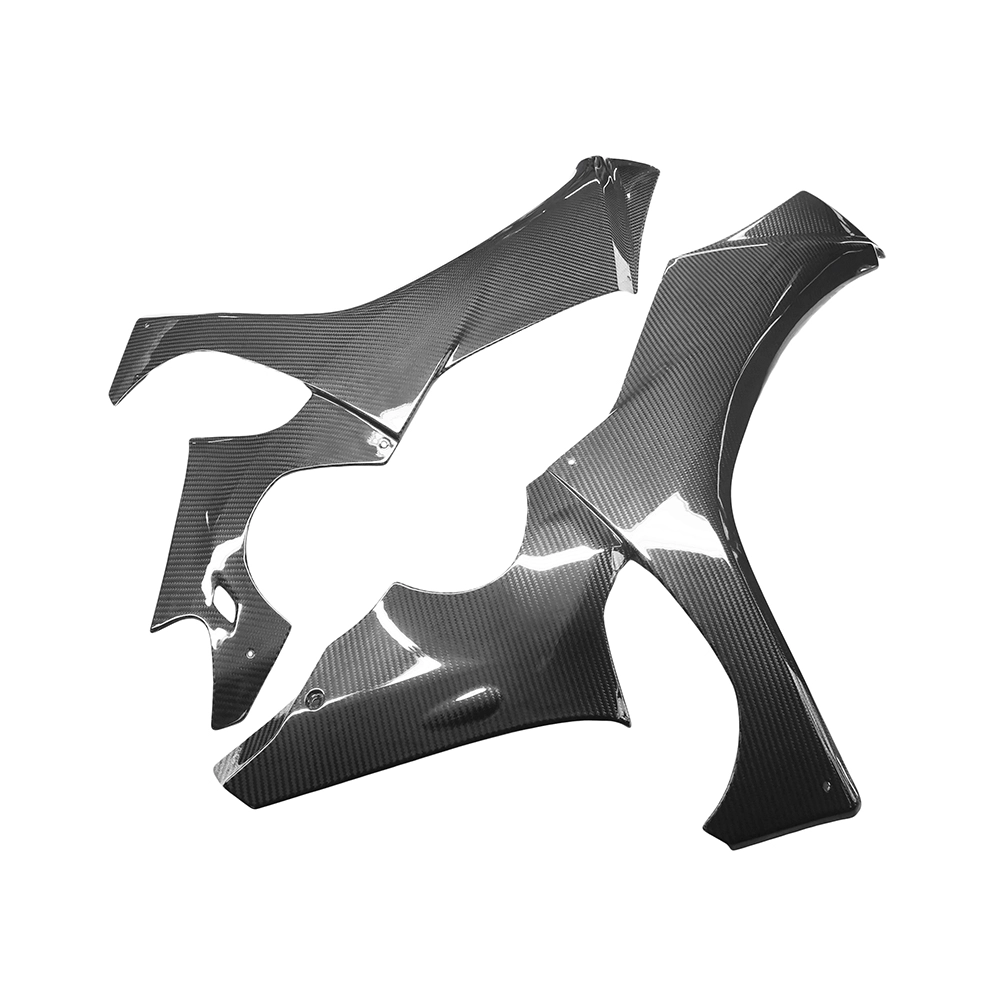
Yamaha R1 Carbon Fiber Side Fairings
Introducing the Supreem Carbon Fiber Long Side Panels for Yamaha R1. Crafted with precision and expertise, this front side fairing is designed to elevate the performance and aesthetics of your R1. Made from high-quality carbon fiber, this fairing is not only lightweight but also incredibly durable, providing optimal protection for your motorcycle.
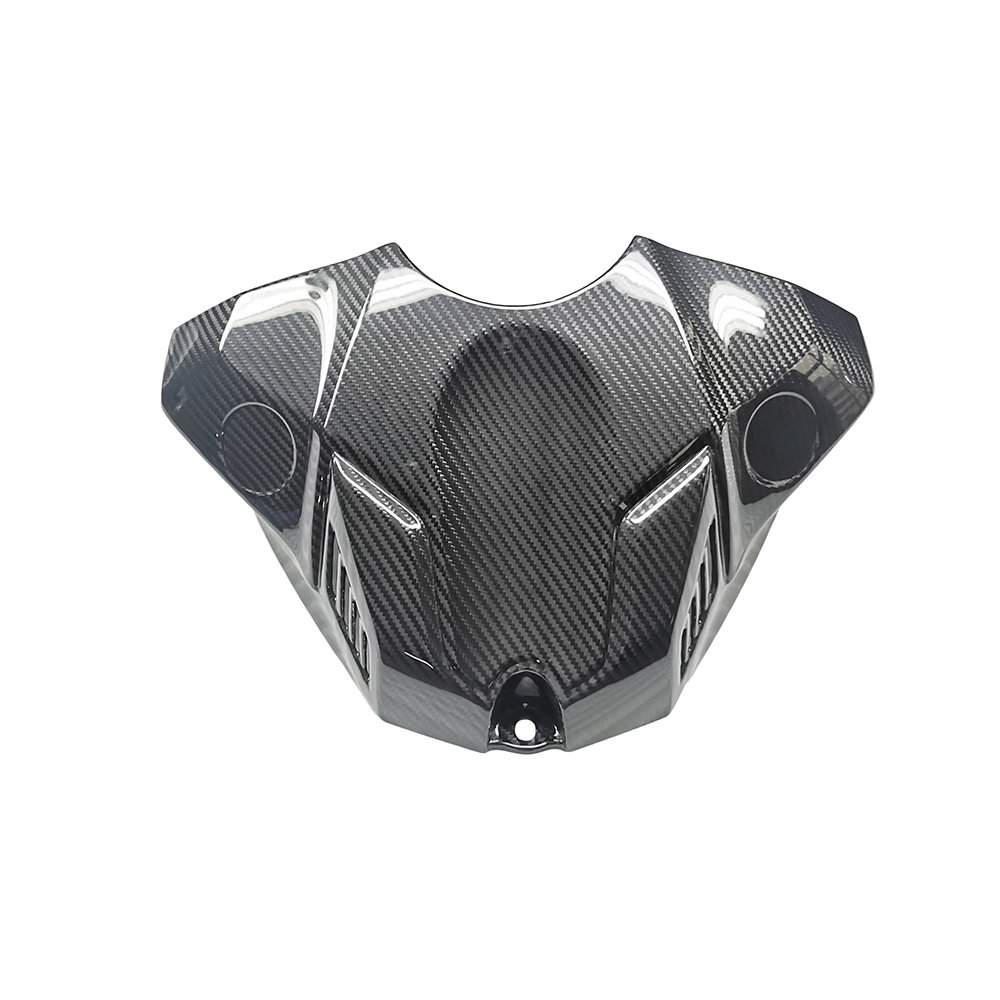
Yamaha R1 Carbon Fiber Airbox Tank Cover
The Supreem Carbon Yamaha R1 Carbon Fiber Airbox Tank Cover provides lightweight, durable protection with a sleek finish. Designed for R1 models, it enhances the style and performance of your bike. Its lightweight structure improves performance while maintaining the premium aesthetics necessary for high-end modification projects. As a dedicated manufacturer of carbon fiber parts, we provide stable production capacity, customization options, and strict quality control to support enterprise-level procurement and OEM/ODM needs.
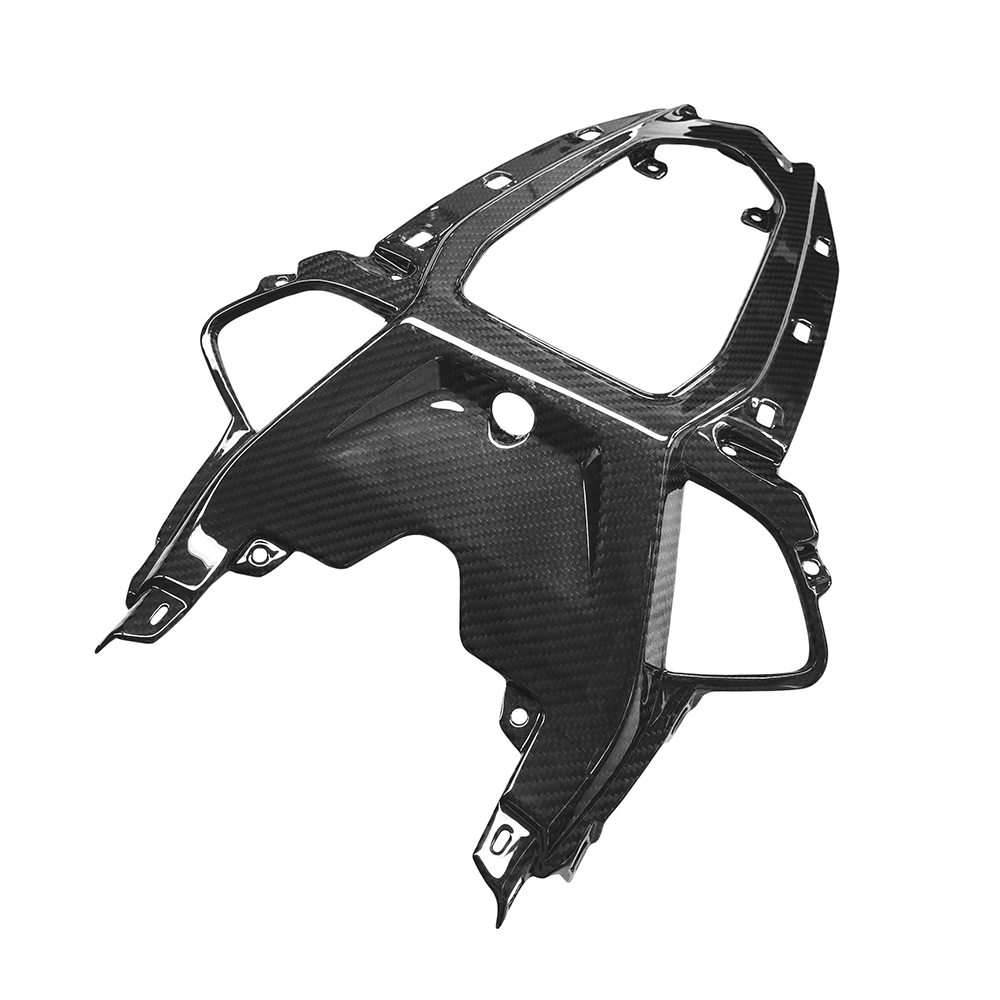
Carbon Fiber Rear Seat Panel for BMW S1000R & M1000RR – Lightweight Performance
This carbon fiber rear seat panel is engineered for the BMW S1000R and M1000RR, offering superior rigidity, reduced weight, and a premium racing finish. Produced with autoclave technology and strict QC standards, the part ensures consistent OEM-level fitment. Supreem Carbon provides wholesale supply, stable bulk production, and customized solutions for global clients.
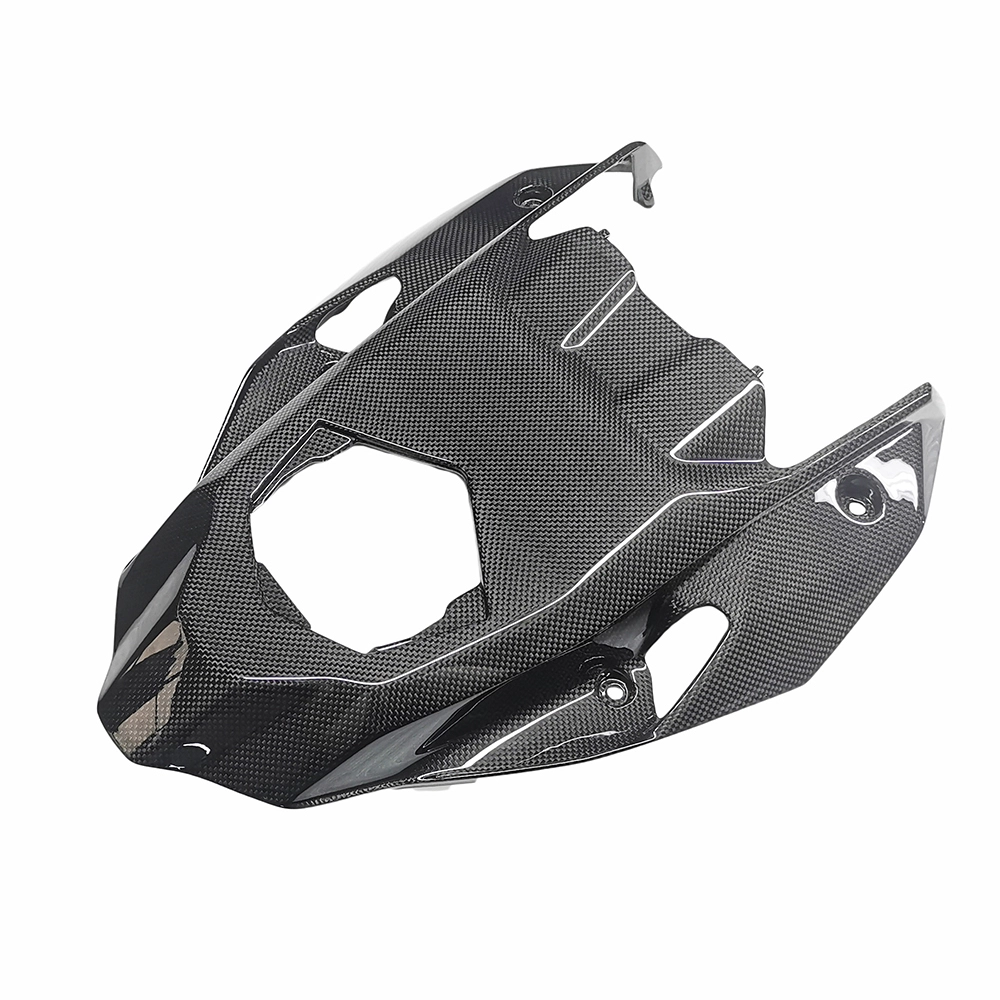
High-Performance Carbon Fiber Rear Undertail for BMW S1000R
Engineered for distributors, tuning brands, and motorcycle accessory businesses, the BMW S1000R Carbon Fiber Rear Undertail is a high-quality, durable, lightweight carbon fiber upgrade for the S1000R platform. This component is manufactured using aerospace-grade carbon fiber and precision molds to deliver superior stiffness, a seamless OEM-level fit, and a premium visual finish suitable for high-end aftermarket applications.

Supreem Carbon aiming to provide customers with high-performance carbon fiber products and quality services.
Contact Supreem Carbon
Address : Building 1 No.103, Yadi Nan 1st Road, QiaoTou Town, Dongguan City, China.
© 2024 Supreem Carbon All Rights Reserved.
Facebook
Pinterest
LinkedIn
Instagram