
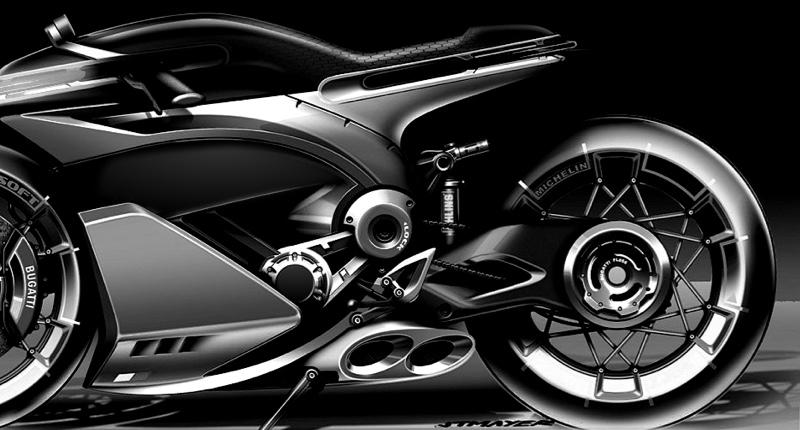
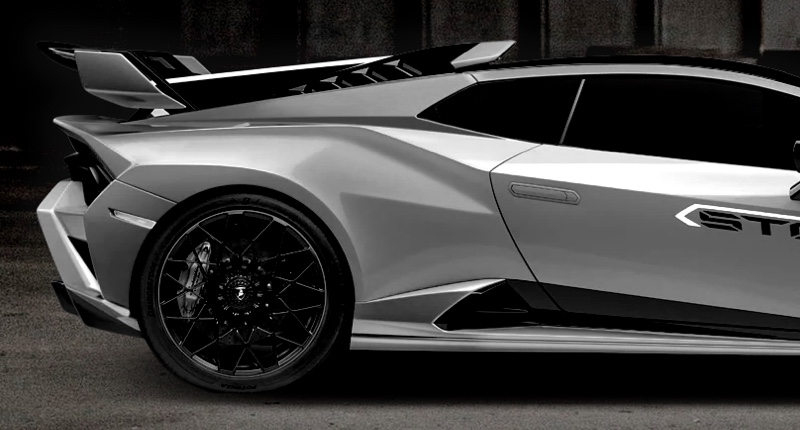

Latest Developments in the Application of Carbon Fiber Materials in the Automotive and Motorcycle Fields
This article explores the latest developments in carbon fiber technology and how it is transforming vehicle performance, safety, and design.
Enhanced Manufacturing Techniques
Recent improvements in manufacturing techniques have made carbon fiber components more accessible and cost-effective. In the automotive sector, automated production processes such as Automated Fiber Placement (AFP) and Automated Tape Laying (ATL) have streamlined the fabrication of carbon fiber parts. These technologies reduce production time and costs, allowing for the incorporation of carbon fiber in a broader range of vehicles, including mass-market models.
In the motorcycle industry, 3D printing technology has been integrated with carbon fiber to produce complex, lightweight structures previously difficult to manufacture. This advancement enables the creation of custom, high-performance parts tailored to specific motorcycle models, enhancing both performance and aesthetic appeal.
Structural Applications
Carbon fiber's superior strength-to-weight ratio makes it ideal for structural applications in vehicles. In the automotive field, carbon fiber is increasingly used for vehicle chassis construction, particularly in high-performance and electric vehicles. For instance, BMW's i3 and i8 models utilize carbon fiber-reinforced plastic (CFRP) for their passenger cells, significantly reducing weight and improving efficiency. Additionally, innovations in carbon fiber composite structures have enhanced crash safety by absorbing more energy during impacts, offering better protection for occupants.
In motorcycles, carbon fiber is commonly used in frames and swingarms, providing increased rigidity and reduced weight. This results in better handling, acceleration, and overall performance. Furthermore, carbon fiber body panels not only reduce weight but also improve the visual appeal, giving motorcycles a more aggressive and premium look.
Aerodynamics and Design Flexibility
Carbon fiber's malleability allows for the creation of more aerodynamic and visually appealing vehicle designs. In the automotive industry, active aerodynamic components made from carbon fiber, such as spoilers, diffusers, and air splitters, dynamically adjust to optimize airflow and vehicle stability at high speeds. This enhances both performance and fuel efficiency.
For motorcycles, carbon fiber wind deflectors and fairings improve aerodynamics by reducing drag and enhancing stability, particularly at high speeds. This not only improves performance but also enhances rider safety and comfort. Custom carbon fiber parts are also becoming popular among motorcycle enthusiasts, allowing for personalized modifications that enhance both aesthetics and performance.
Advancements in Electric Vehicles and Sustainability
Carbon fiber materials are playing a crucial role in the development of electric vehicles (EVs). The lightweight nature of carbon fiber is particularly beneficial for EVs, where weight reduction directly translates to increased range and better performance. Carbon fiber composites are used in battery enclosures, providing superior protection while keeping the weight low. This contributes to extended range and improved efficiency.
Efforts are also underway to develop sustainable carbon fiber production methods. Research into recycling carbon fiber and creating bio-based carbon fiber aims to reduce the environmental impact of its production and disposal, aligning with the automotive industry's move towards greener technologies.
Advanced Coatings and Treatments
The application of nanotechnology to carbon fiber composites has led to significant improvements in surface durability and resistance to environmental factors such as UV radiation and moisture. In the automotive sector, advanced coatings for carbon fiber components enhance scratch resistance and overall durability, ensuring that parts maintain their appearance and structural integrity over time.
In conclusion, the latest developments in carbon fiber applications in the automotive and motorcycle fields have significantly improved vehicle performance, safety, and design flexibility. As technology continues to evolve, carbon fiber will play an increasingly vital role in shaping the future of transportation, driving innovation, and sustainability in the industry.
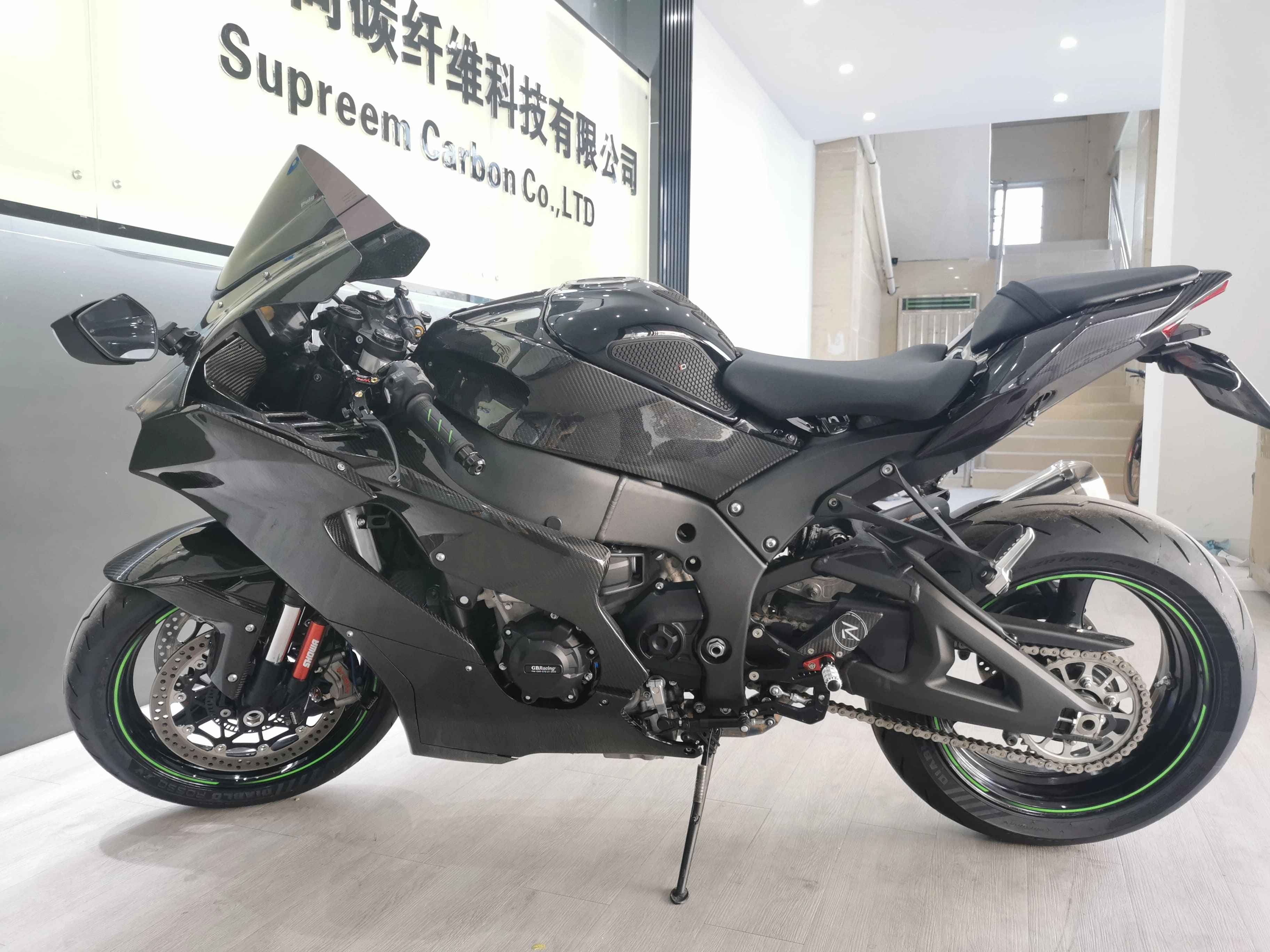
Analysis of Delamination Problems in Carbon Fiber Products and How to Avoid it

Carbon Fiber Hoods: Your Ultimate Guide to Performance, Aesthetics, and Value
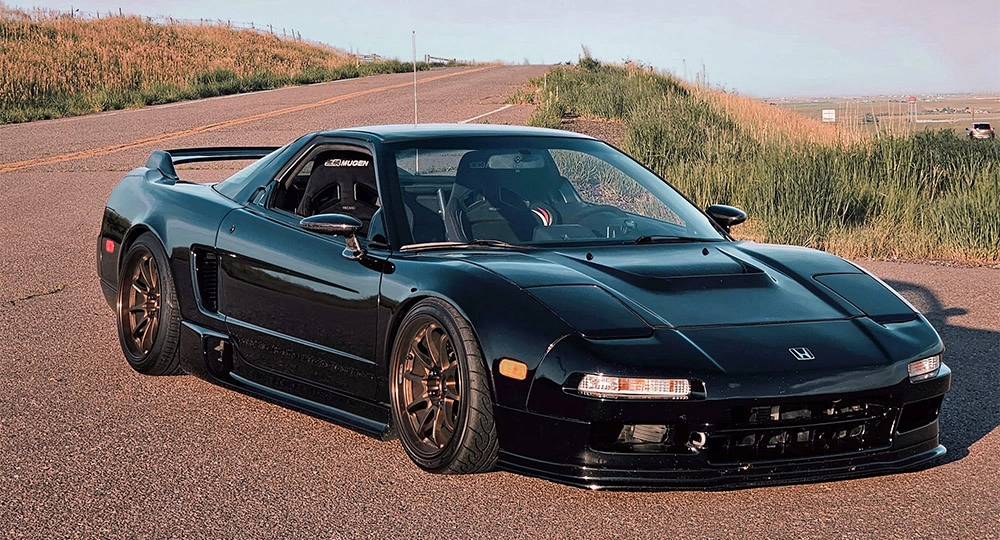
100% Carbon fiber dash panel and window door trims set new arrivals!

The Ultimate Guide to Carbon Fiber in Aerospace Applications
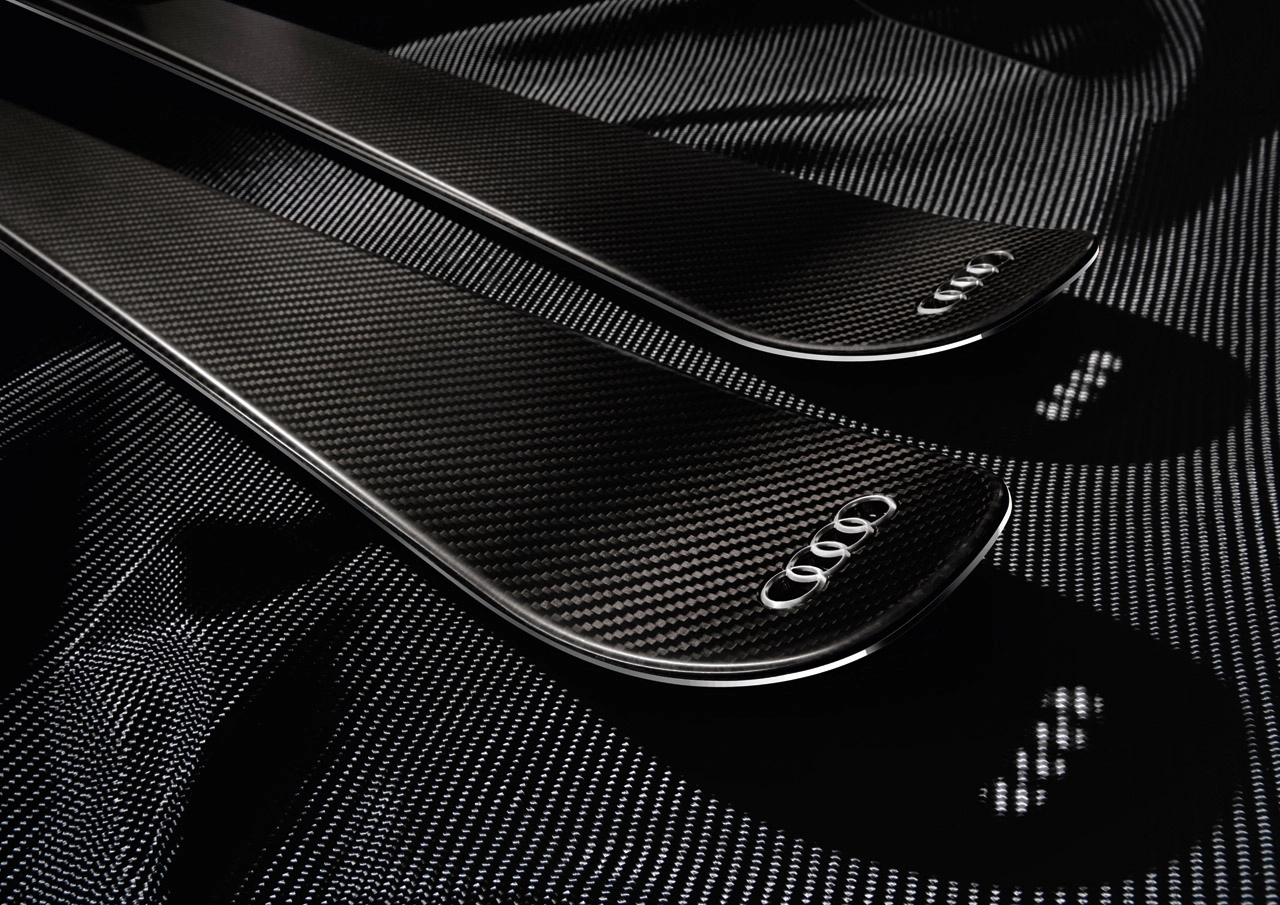
Application of 3D Printing in Carbon Fiber Accessories
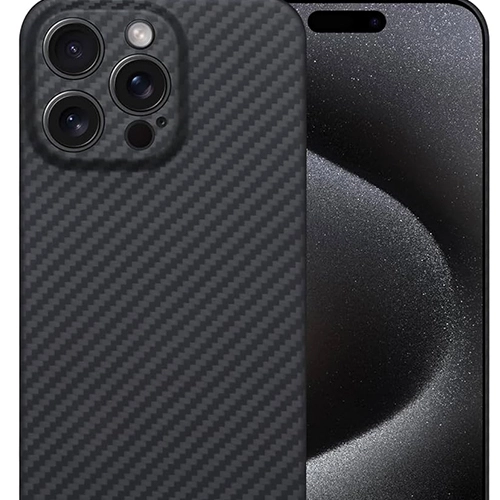
The 5 Questions You've Always Had About Carbon Fiber
For After-sales Service
What can I do if the carbon fiber products arrived is broken?
Please give us feedback as soon as possible and we will send new one to you.
For Order Delivery
What is the shipping time for the different ways?
Express delivery 5-7 days.
20-25 days by sea.
15 days by air.
For Facotry
How many employees of Supreem carbon?
We have over 50 employees, including over 40 skilled workers, 3 R&D designers, and 5 QC professionals and so on.
Supreem carbon main competitive advantages.
Rich experience
Over 10 years production experience in carbon fiber industry, providing customers with high quality carbon products.
Excellent service
From new project development to customer finished product delivery, we provide customers with full tracking and timely feedback on project progress.
High-Quality Products
Our carbon fiber products undergo rigorous quality control to ensure customers achieve the high quality and cost-effective product.
For Products
How can I get some sample?
Actually we dont provide the free sample to customer, you can place a sample order if need some parts.
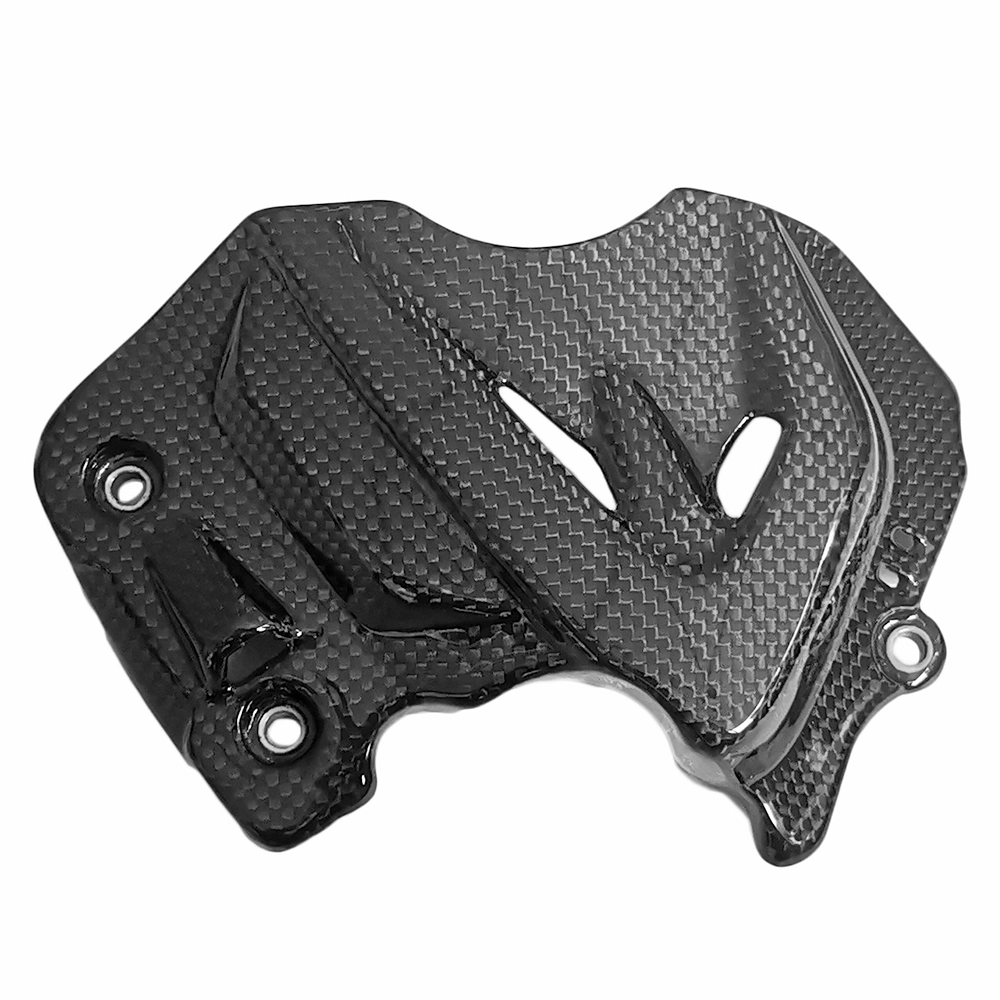
Ducati Desert X Carbon Fiber Sprocket Cover
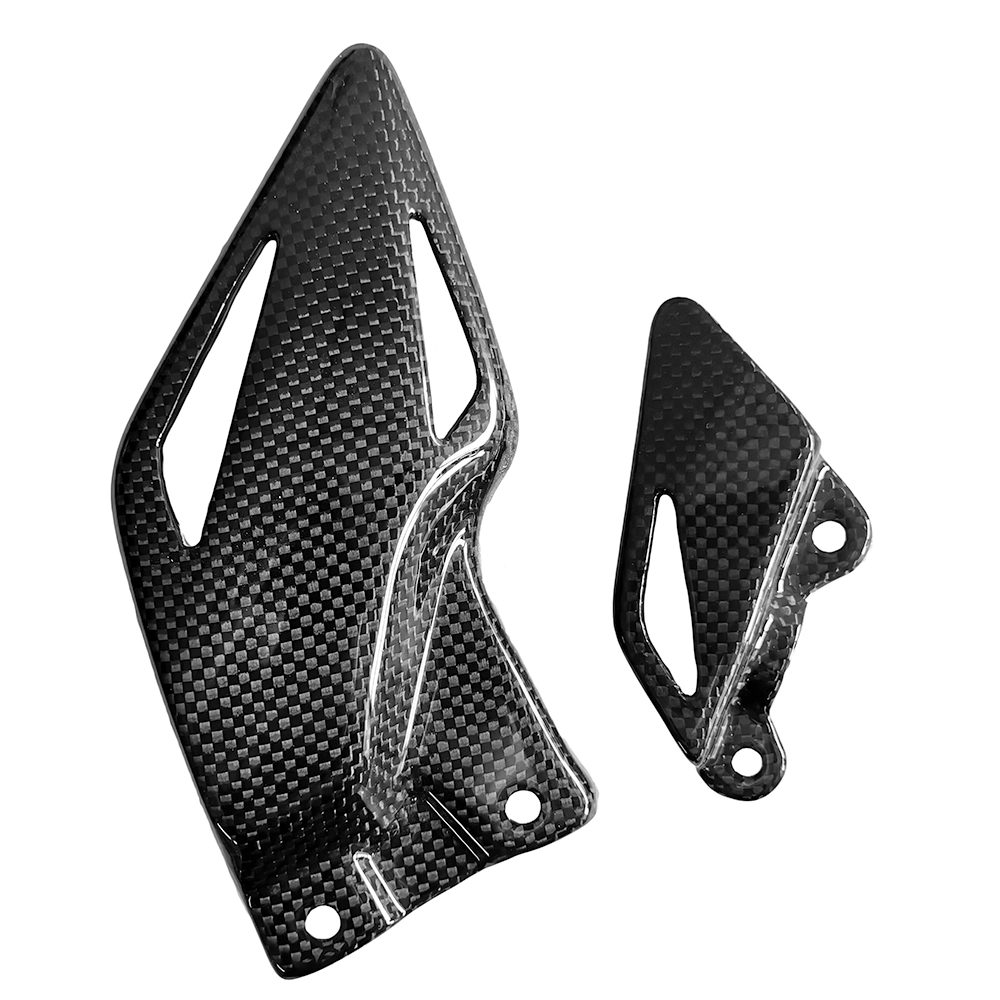
Honda CBR1000RR Carbon Fiber Heel Guards
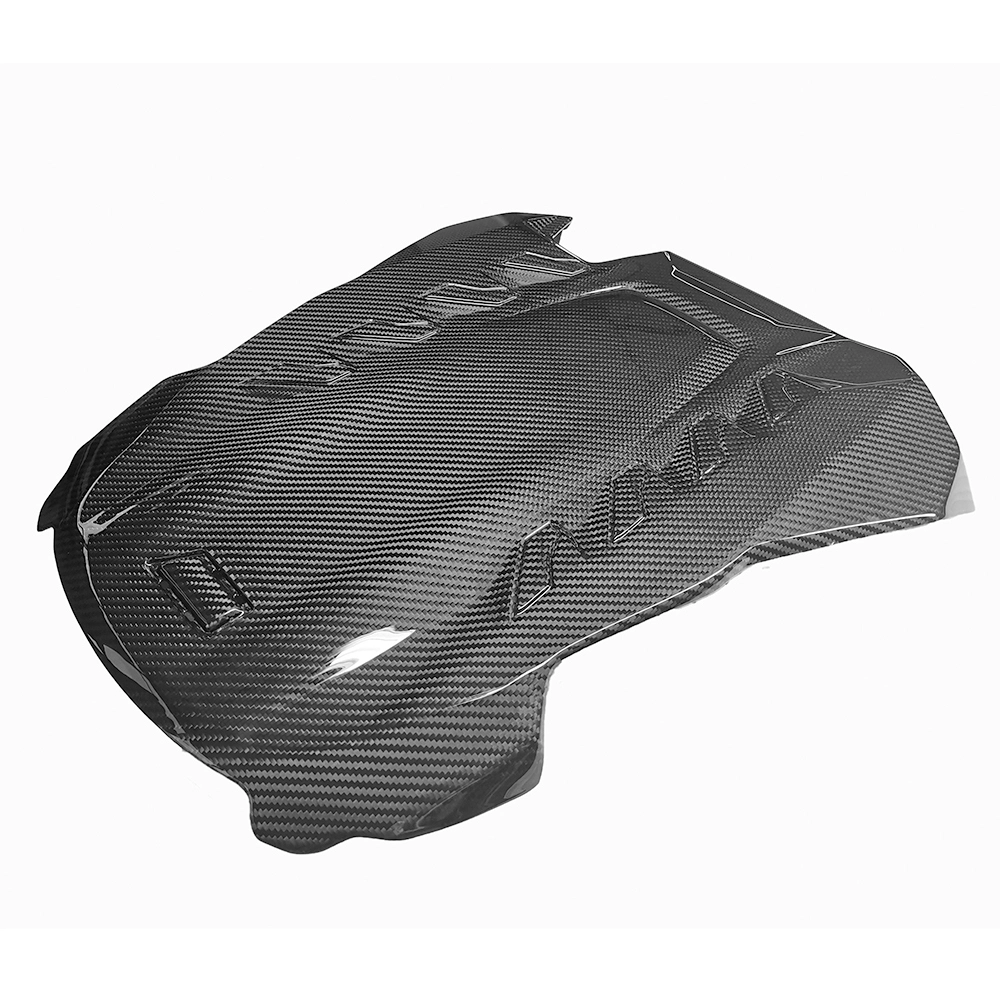
BMW F85/ F86 Carbon Fiber Interior Engine Cover Replacement
Crafted with precision, this BMW carbon fiber accessory combines perfect fitment with superior UV protection and clearcoat finishing. Ideal for OEM-quality upgrades and custom builds.
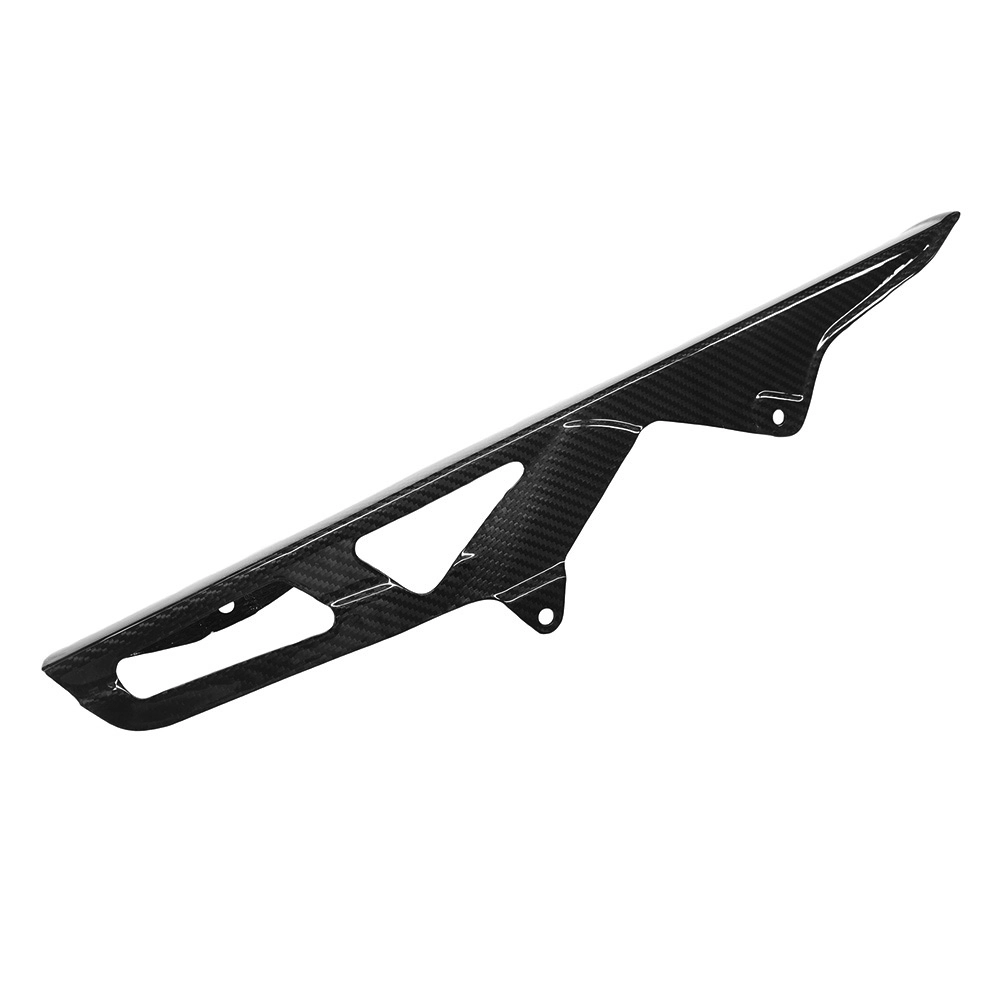
Suzuki GSX-R1000 Carbon Fiber Chain Guard
Let’s Bring Your Carbon Fiber Ideas to Life
Have a question or inquiry about our carbon fiber composite products? Leave us a message here, and our team will get back to you promptly.
Whether you're interested in custom orders, technical specifications, or partnership opportunities, we're here to assist you.
Please fill out the fields above with your name, email address, and message.

Supreem Carbon aiming to provide customers with high-performance carbon fiber products and quality services.
Contact Supreem Carbon
Address : Building 1 No.103, Yadi Nan 1st Road, QiaoTou Town, Dongguan City, China.
© 2024 Supreem Carbon All Rights Reserved.
Facebook
Pinterest
LinkedIn
Instagram