

Carbon Fiber in Cars: Benefits & Applications - Supreem Carbon
- Why Carbon Fiber is Used in Cars? Exploring the Advantages of This High-Tech Material - Supreem Carbon
- Why is carbon fiber used in cars instead of other materials?
- What are the advantages of using carbon fiber in cars?
- What parts of a car are made of carbon fiber?
- Is carbon fiber expensive to use in cars?
- What are the disadvantages of using carbon fiber in cars?
Why Carbon Fiber is Used in Cars? Exploring the Advantages of This High-Tech Material - Supreem Carbon
This blog post addresses the question, Why Carbon Fiber is Used in Cars?, along with related questions frequently asked on Google.
Why is carbon fiber used in cars instead of other materials?
Carbon fiber's popularity in automotive manufacturing stems from its unique combination of properties unmatched by traditional materials like steel or aluminum. Specifically:
* Lightweight: Carbon fiber boasts an incredibly high strength-to-weight ratio. This means it's significantly stronger than steel for the same weight, or lighter than steel for the same strength. This reduced weight directly translates to improved fuel economy, enhanced acceleration, and better braking performance.
* High Strength and Stiffness: Carbon fiber composites possess exceptional tensile strength and stiffness. This translates to a more rigid vehicle structure, enhancing crash safety and handling. The chassis remains stable even under extreme stress, improving ride quality and preventing unwanted flex.
* Design Flexibility: Carbon fiber's versatility allows for complex and intricate shapes that are difficult or impossible to achieve with other materials. This opens up possibilities for innovative and aerodynamic vehicle designs, improving both aesthetics and performance.
* Durability: While not indestructible, carbon fiber composites exhibit excellent resistance to fatigue and corrosion. This translates to a longer lifespan compared to some metals, particularly in harsh environments.
What are the advantages of using carbon fiber in cars?
The advantages go beyond the core material properties. Using carbon fiber brings several benefits to car manufacturers and consumers alike:
* Improved Fuel Efficiency: The lighter weight directly contributes to lower fuel consumption, reducing running costs and minimizing the vehicle's environmental impact.
* Enhanced Performance: Reduced weight leads to better acceleration, handling, and braking. The car becomes more responsive and agile.
* Increased Safety: The high strength and stiffness of carbon fiber provide superior protection in collisions, minimizing damage and improving occupant safety.
* Aesthetic Appeal: The ability to create complex shapes enables car manufacturers to create more visually striking and modern designs.
What parts of a car are made of carbon fiber?
Carbon fiber is used in a variety of car components, depending on the vehicle's design and target market. Common applications include:
* Body Panels: Hoods, doors, and roofs are frequently made of carbon fiber to reduce weight and improve aerodynamics.
* Chassis and Structural Components: Carbon fiber reinforced polymers (CFRP) are increasingly used in the chassis and other structural components, enhancing overall rigidity and safety.
* Interior Trim: Certain interior elements like dashboards, center consoles, and seat components can also incorporate carbon fiber for weight reduction and an upscale aesthetic.
* Drivetrain Components: Some high-performance vehicles utilize carbon fiber in drivetrain components like drive shafts to reduce rotating mass and improve acceleration.
Is carbon fiber expensive to use in cars?
Yes, carbon fiber is currently more expensive than traditional materials like steel or aluminum. The manufacturing process is more complex and requires specialized equipment and expertise. However, the benefits in terms of performance and efficiency are often considered worth the higher initial cost, particularly in high-performance and luxury vehicles. The cost is gradually decreasing as production techniques improve and demand increases.
What are the disadvantages of using carbon fiber in cars?
While the advantages are significant, it's important to note some limitations:
* High Cost: As mentioned earlier, the material and manufacturing process are expensive.
* Repair Complexity: Repairing damaged carbon fiber components can be more challenging and costly than repairing steel or aluminum parts. Specialized tools and expertise are needed.
* Manufacturing Complexity: The production process demands specialized equipment and skilled labor, which can be a barrier to widespread adoption.
In conclusion, carbon fiber's exceptional strength-to-weight ratio, stiffness, and design flexibility make it an increasingly popular choice in automotive manufacturing. While cost and repairability remain challenges, the benefits in terms of performance, fuel efficiency, and safety continue to drive its adoption in both high-performance and mainstream vehicles. Supreem Carbon is committed to providing high-quality carbon fiber solutions for the automotive industry.
China Carbon Fiber Parts Experts | Supreem Carbon
Best professional carbon fiber motorcycle helmet manufacturers and supplier brands
The Ultimate Guide to Carbon Fiber Motorcycle Accessories: Customization, Modification, and More
Dry Carbon vs Wet Carbon: Key Differences Explained
For Order Delivery
What is the shipping time for the different ways?
Express delivery 5-7 days.
20-25 days by sea.
15 days by air.
For Products
Which carbon fiber material you can provide in production?
1*1 plain /2*2 twill / forged carbon / honeycomb / kevlar and so on.
How can I get some sample?
Actually we dont provide the free sample to customer, you can place a sample order if need some parts.
For After-sales Service
What can I do if the carbon fiber products arrived is broken?
Please give us feedback as soon as possible and we will send new one to you.
For Facotry
When is Supreem carbon founded?
Our company formally established in early 2017.
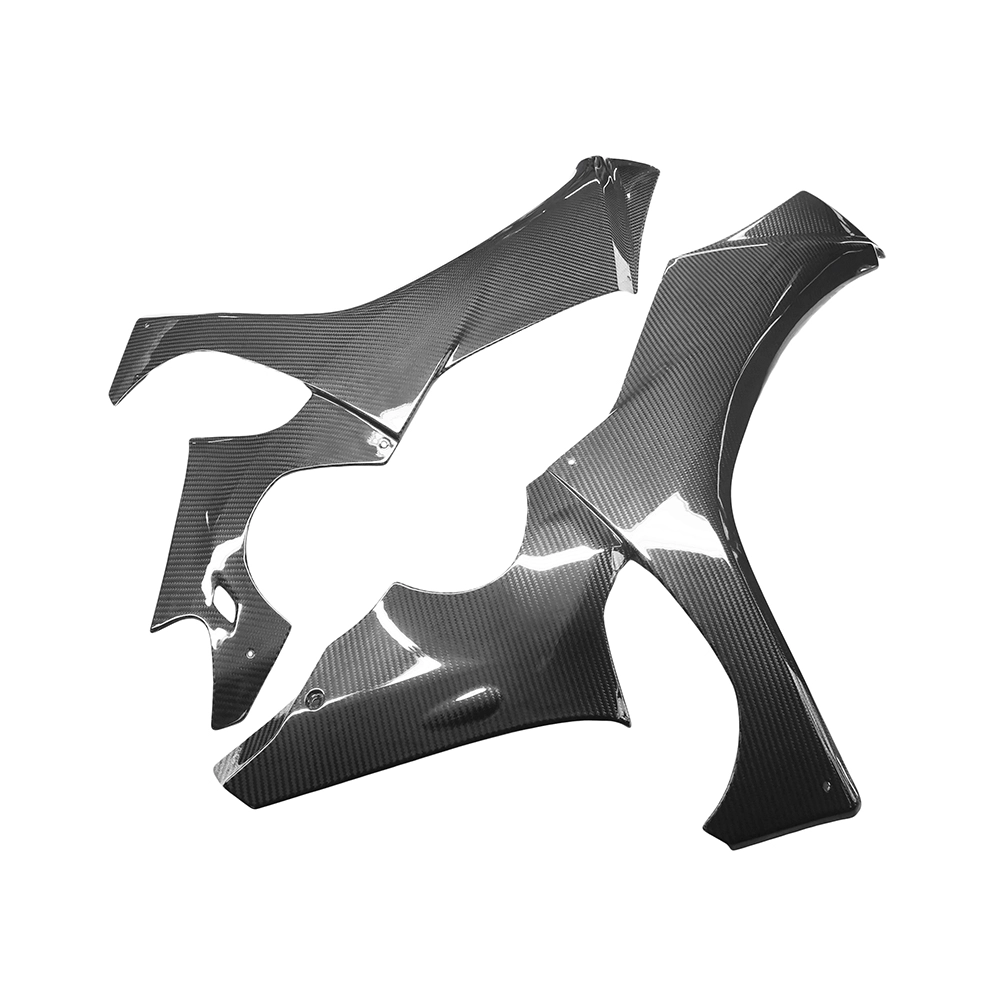
Yamaha R1 Carbon Fiber Side Fairings
Introducing the Supreem Carbon Fiber Long Side Panels for Yamaha R1. Crafted with precision and expertise, this front side fairing is designed to elevate the performance and aesthetics of your R1. Made from high-quality carbon fiber, this fairing is not only lightweight but also incredibly durable, providing optimal protection for your motorcycle.
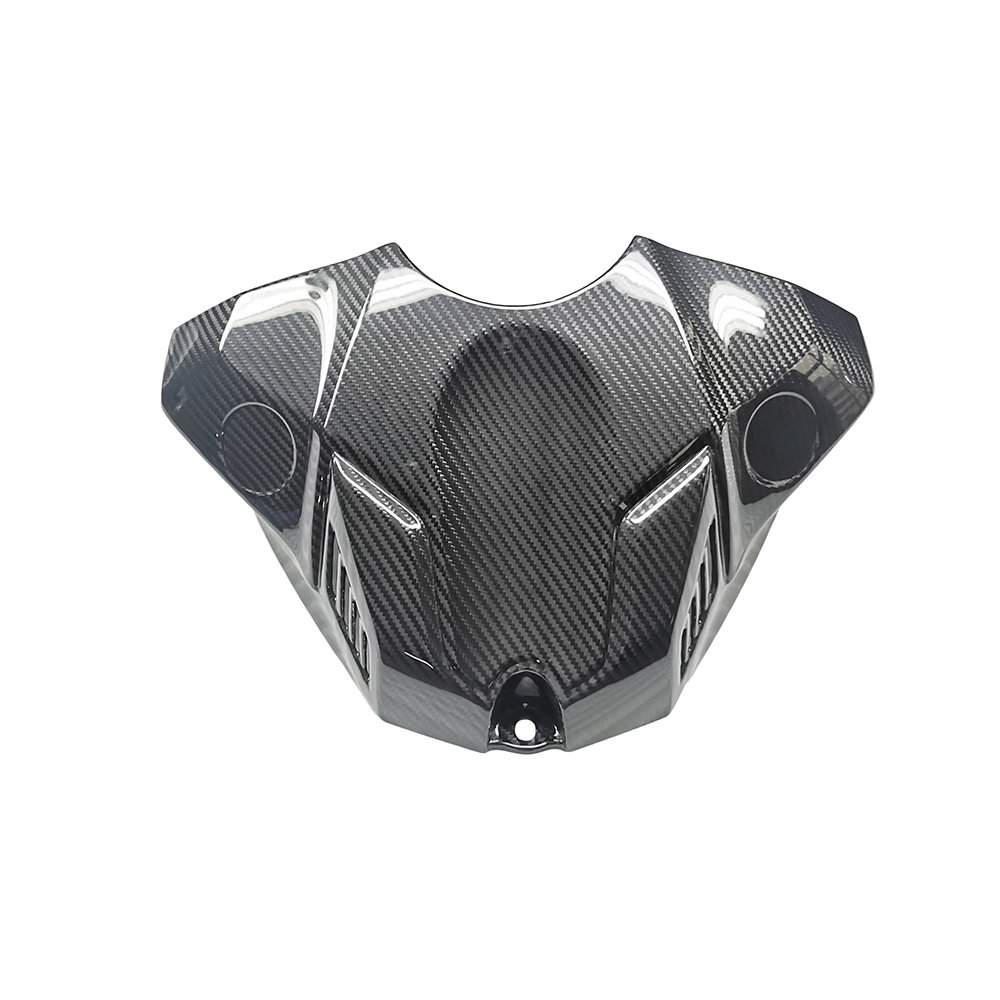
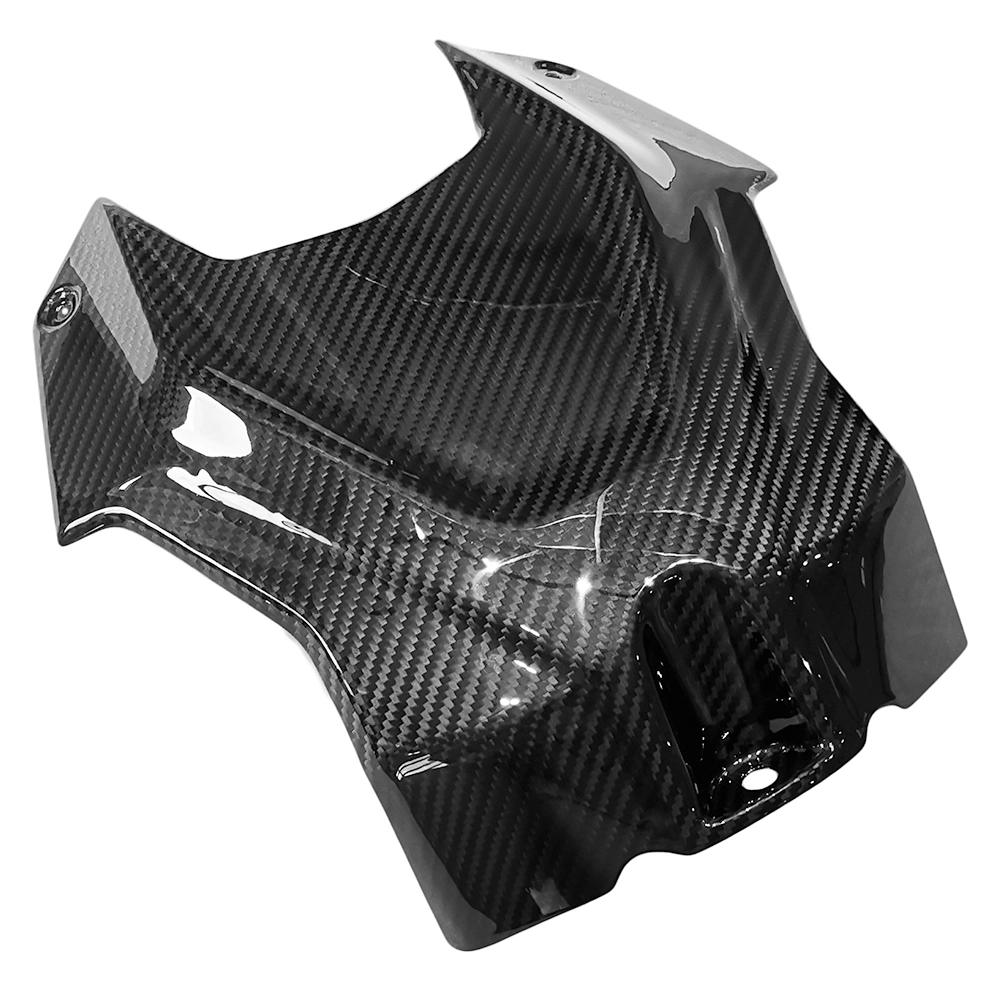
Yamaha R1 Carbon Fiber Airbox Tank Cover
The Supreem Carbon Yamaha R1 Carbon Fiber Airbox Tank Cover provides lightweight, durable protection with a sleek finish. Designed for R1 models, it enhances the style and performance of your bike. Its lightweight structure improves performance while maintaining the premium aesthetics necessary for high-end modification projects. As a dedicated manufacturer of carbon fiber parts, we provide stable production capacity, customization options, and strict quality control to support enterprise-level procurement and OEM/ODM needs.
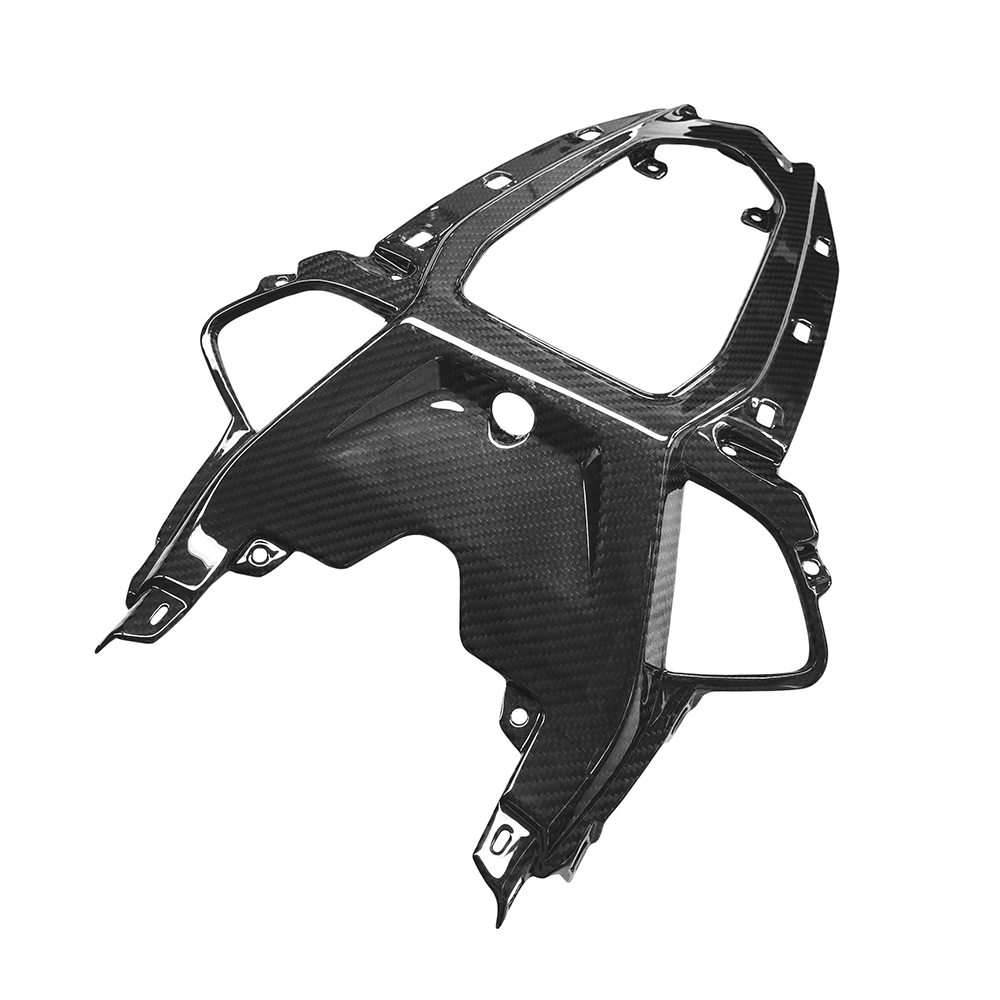
Carbon Fiber Rear Seat Panel for BMW S1000R & M1000RR – Lightweight Performance
This carbon fiber rear seat panel is engineered for the BMW S1000R and M1000RR, offering superior rigidity, reduced weight, and a premium racing finish. Produced with autoclave technology and strict QC standards, the part ensures consistent OEM-level fitment. Supreem Carbon provides wholesale supply, stable bulk production, and customized solutions for global clients.
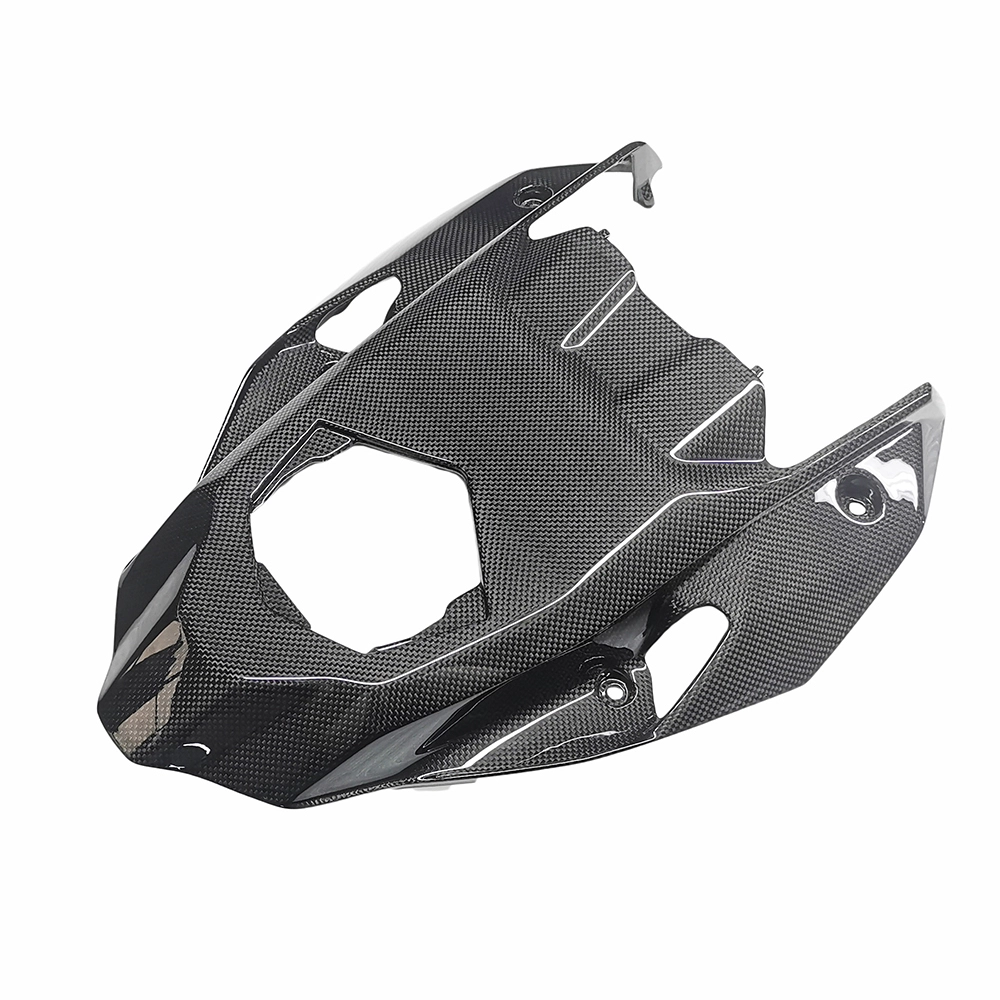
High-Performance Carbon Fiber Rear Undertail for BMW S1000R
Engineered for distributors, tuning brands, and motorcycle accessory businesses, the BMW S1000R Carbon Fiber Rear Undertail is a high-quality, durable, lightweight carbon fiber upgrade for the S1000R platform. This component is manufactured using aerospace-grade carbon fiber and precision molds to deliver superior stiffness, a seamless OEM-level fit, and a premium visual finish suitable for high-end aftermarket applications.

Supreem Carbon aiming to provide customers with high-performance carbon fiber products and quality services.
Contact Supreem Carbon
Address : Building 1 No.103, Yadi Nan 1st Road, QiaoTou Town, Dongguan City, China.
© 2024 Supreem Carbon All Rights Reserved.
Facebook
Pinterest
LinkedIn
Instagram