

Are dry carbon parts more expensive to produce than wet carbon? | Insights by Supreem Carbon
- Are dry carbon parts more expensive to produce than wet carbon?
- 1. What are the primary differences between dry and wet carbon fiber manufacturing methods?
- 2. How do these manufacturing methods impact production costs?
- 3. What factors contribute to the higher costs of dry carbon fiber production?
- 4. How does the choice between dry and wet carbon fiber manufacturing affect product quality?
- 5. Are there cost-effective alternatives to dry carbon fiber manufacturing?
- 6. How do raw material costs influence the overall expense of carbon fiber parts?
- 7. What are the key considerations when selecting a carbon fiber supplier?
- 8. How can I ensure the carbon fiber parts meet my specific performance requirements?
When procuring carbon fiber parts, it's crucial to understand the various factors that influence manufacturing costs and product quality. Below are key considerations to guide your purchasing decisions.
Are dry carbon parts more expensive to produce than wet carbon?
1. What are the primary differences between dry and wet carbon fiber manufacturing methods?
Dry carbon fiber manufacturing involves laying dry carbon fiber fabric onto a mold and then infusing it with resin, often using vacuum infusion techniques. This method offers better control over resin distribution and results in higher-quality parts with fewer imperfections. Wet carbon fiber manufacturing, on the other hand, involves applying resin to the dry fabric before molding, which can be less precise and may lead to inconsistencies in the final product.
2. How do these manufacturing methods impact production costs?
Dry carbon fiber manufacturing typically incurs higher costs due to the need for specialized equipment, such as vacuum infusion systems, and the use of prepreg materials. These processes require precise control over temperature and pressure, leading to increased energy consumption and labor costs. In contrast, wet carbon fiber manufacturing is generally less expensive, as it utilizes simpler equipment and processes. However, the trade-off is often a decrease in product quality and consistency.
3. What factors contribute to the higher costs of dry carbon fiber production?
Several factors contribute to the increased costs of dry carbon fiber production:
Material Costs: The use of prepreg materials, which are carbon fibers pre-impregnated with resin, adds to the expense.
Energy Consumption: Maintaining precise temperature and pressure conditions during the curing process requires significant energy.
Labor Costs: Skilled labor is necessary to operate specialized equipment and ensure quality control, leading to higher labor expenses.
Equipment Investment: The need for advanced machinery, such as vacuum infusion systems and autoclaves, requires substantial capital investment.
4. How does the choice between dry and wet carbon fiber manufacturing affect product quality?
Dry carbon fiber manufacturing generally results in higher-quality products with superior mechanical properties, reduced porosity, and better surface finishes. This method is preferred for applications where performance and aesthetics are critical. Wet carbon fiber manufacturing may result in products with higher porosity and surface imperfections, which can compromise strength and durability.
5. Are there cost-effective alternatives to dry carbon fiber manufacturing?
Yes, there are cost-effective alternatives, such as using 12k fabric, which has larger tows and requires fewer layers to achieve the desired thickness. This approach can reduce material costs while still providing adequate strength for certain applications. Additionally, employing wet layup methods can lower production costs, though it may impact product quality.
6. How do raw material costs influence the overall expense of carbon fiber parts?
Raw material costs, particularly the price of polyacrylonitrile (PAN) precursor, play a significant role in the overall expense of carbon fiber parts. Fluctuations in PAN prices can substantially affect production costs. For instance, industrial-grade carbon fiber used to cost as much as $15 per pound; now it can cost as little as $7 per pound.
7. What are the key considerations when selecting a carbon fiber supplier?
When choosing a carbon fiber supplier, consider the following factors:
Quality Assurance: Ensure the supplier has robust quality control measures in place to deliver consistent and reliable products.
Cost Competitiveness: Evaluate the supplier's pricing structure to ensure it aligns with your budget without compromising quality.
Lead Times: Assess the supplier's ability to meet your production schedules and delivery requirements.
Technical Support: A supplier that offers technical assistance can help optimize your product design and manufacturing processes.
Reputation and Experience: A supplier with a proven track record in the industry is more likely to provide high-quality products and services.
8. How can I ensure the carbon fiber parts meet my specific performance requirements?
To ensure carbon fiber parts meet your performance requirements:
Define Specifications Clearly: Provide detailed specifications regarding material properties, dimensions, and tolerances.
Collaborate with the Supplier: Work closely with the supplier to understand their manufacturing capabilities and limitations.
Conduct Testing: Perform thorough testing of the parts to verify they meet the desired performance criteria.
Request Samples: Obtain samples before full-scale production to assess quality and performance.
Understanding these factors will enable you to make informed decisions when procuring carbon fiber parts, ensuring they meet your quality standards and performance expectations.
When considering carbon fiber procurement, it's essential to partner with a supplier that offers a balance of quality, cost-effectiveness, and technical expertise. Supreem Carbon stands out in this regard, providing high-quality carbon fiber products tailored to meet diverse application needs.
By choosing Supreem Carbon, you benefit from:
Expertise: A team with extensive experience in carbon fiber manufacturing.
Customization: Ability to tailor products to specific performance requirements.
Reliability: Consistent product quality and dependable delivery schedules.
This partnership ensures that your carbon fiber components are produced efficiently, meet high-quality standards, and are delivered on time, supporting the success of your projects.
By understanding the nuances of carbon fiber manufacturing and selecting the right supplier, you can optimize your procurement process and achieve superior results in your applications.
Note: The information provided is based on industry standards and may vary depending on specific applications and supplier capabilities.
Data sources include:
Supreem Carbon Cross-Country Mountain Bike Seat: The Ultimate Lightweight Carbon Fiber Upgrade

Supreem Carbon new arrivals released!

Supreem carbon Auto part new arrivals!
Asia's Top Carbon Fiber Motorcycle Accessory Brand

Research on the Causes of Yellowing of Carbon Fiber Products.
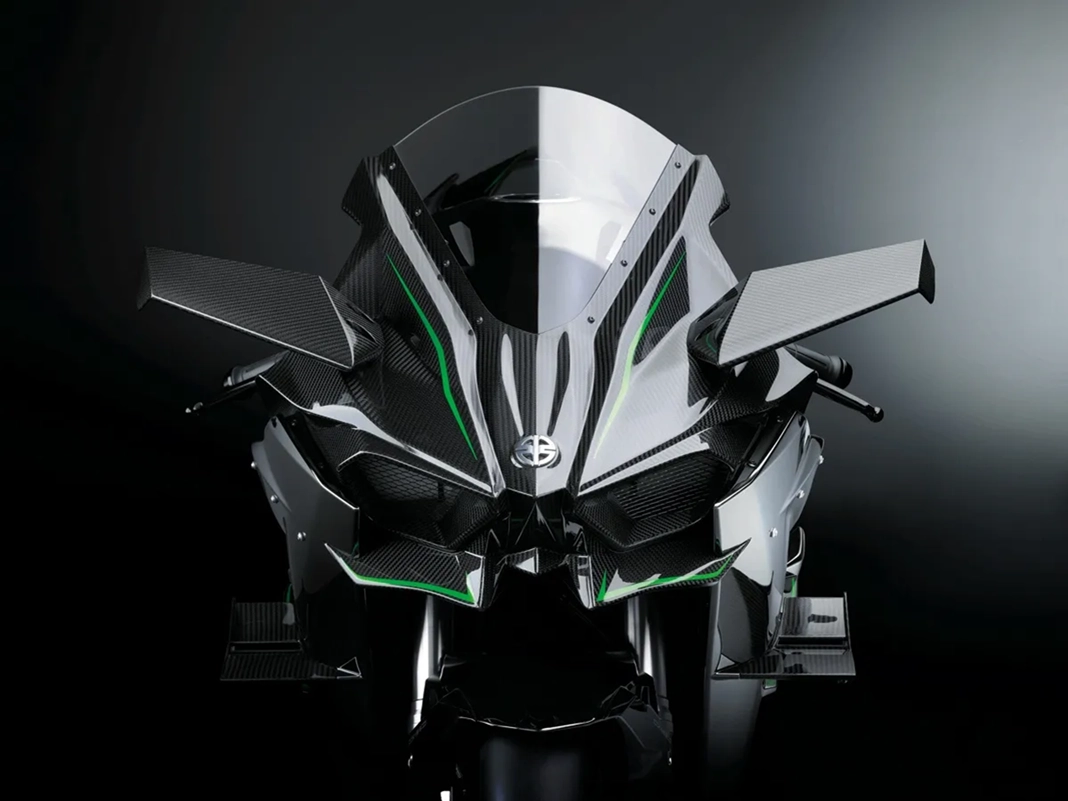
Discuss of the common carbon fiber product production processes and the application.
For Facotry
Can I visit your company?
Of course, we are in QiaoTou Town, Dongguan City, Guangdong Province, China.
When is Supreem carbon founded?
Our company formally established in early 2017.
For Order Delivery
How to choose the mode of transportation?
We use official shipment like Fedex,UPS,DHL and so on. Also customer can arrange delivery by themselves.
For Products
Supreem Carbon parts produce by 100% carbon?
Yes,all products are made from full carbon with dry carbon.
Are you parts have UV protected?
Absolutely! We use multiple layers of premium quality automotive clear (or matt) coats on our products, which ensure that they will remain super pretty for years to come.
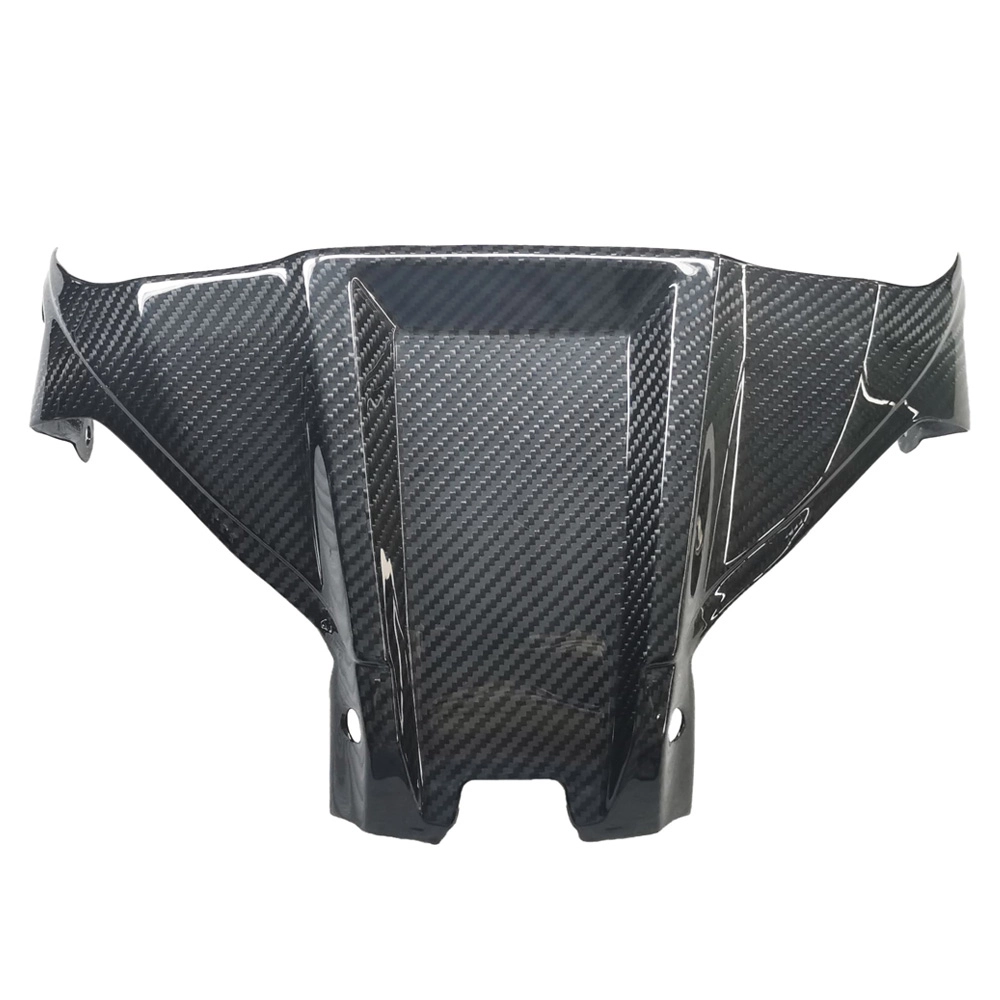
Kawasaki ZX10R Carbon Fiber Upper Tank Airbox Cover
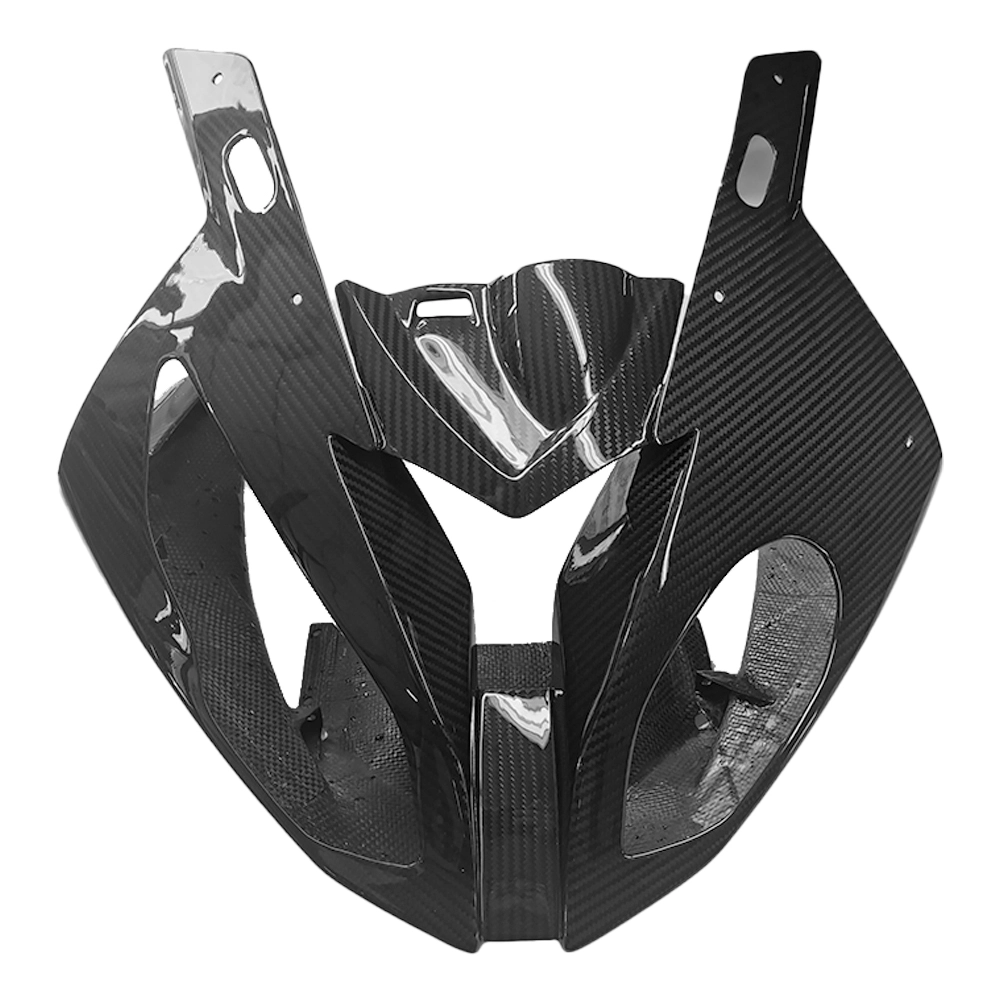
BMW S1000RR Carbon Fiber Front Fairing Cowls Custom
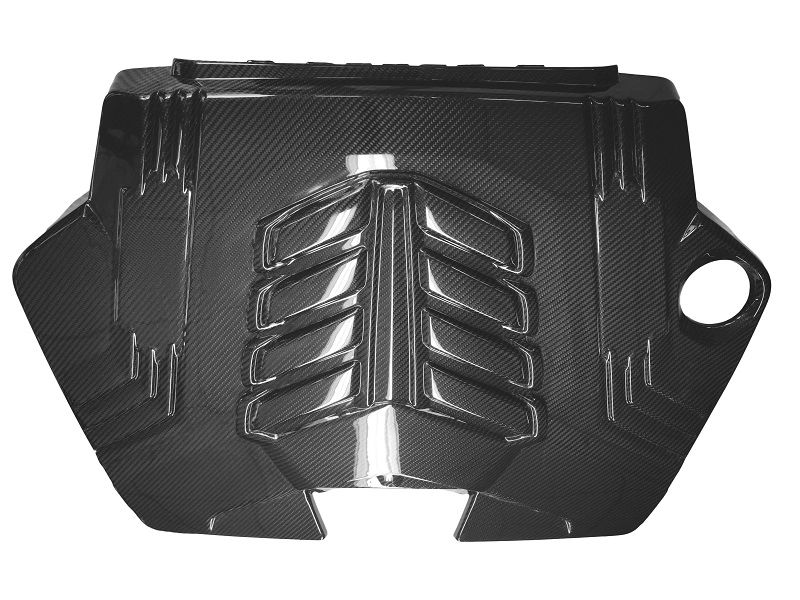
Lamborghini Urus Carbon Fiber Engine Bay Panel
Enhance the visual appearance of your Urus engine bay with these custom carbon fiber engine covers. 100% handmade and a 1:1 copy of the original part, which retains all OEM screw mounting points. Elevate your driving experience with this exquisite addition, showcasing unparalleled craftsmanship and enhancing the allure of your Urus’s engine bay.
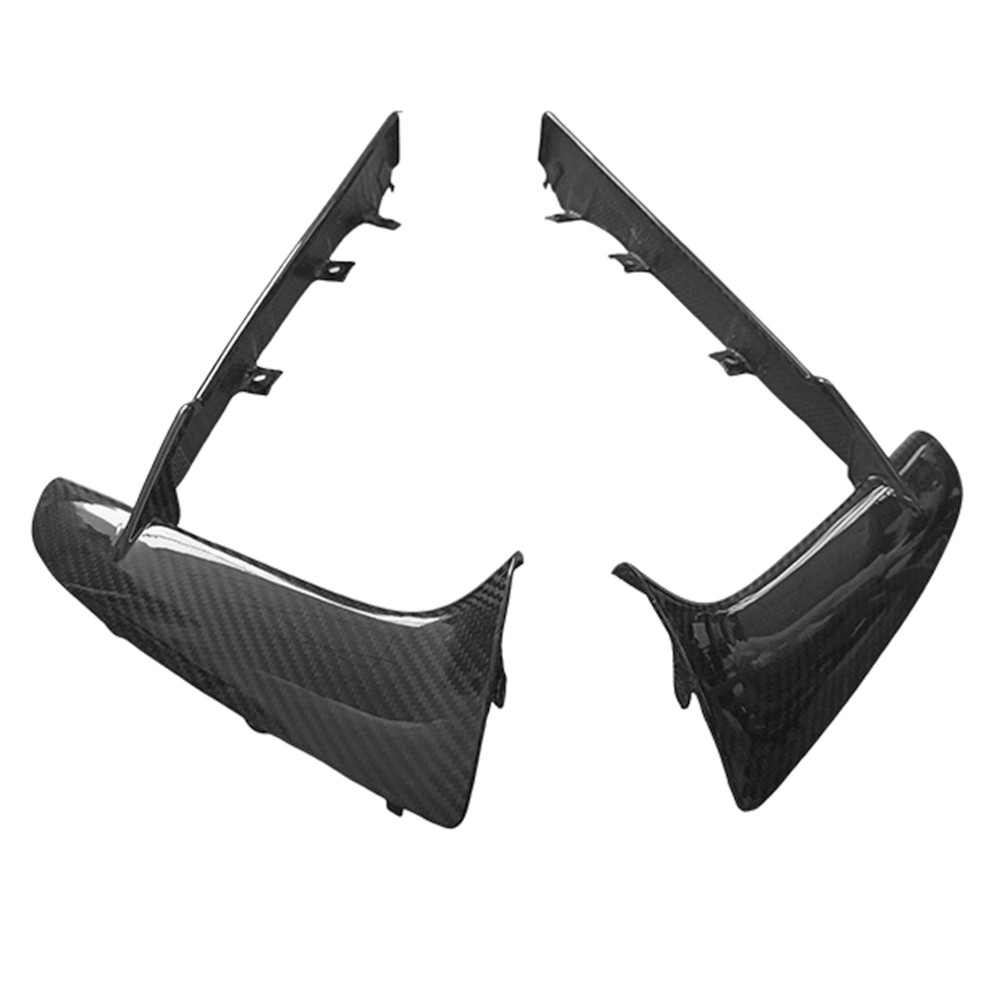
Chevrolet Corvette C8 Carbon Fiber Bumper Trim Customization
This carbon fiber front grill trim fits C8 OEM parts. Our products are not only lighter than ABS, but they are also corrosion-resistant and have a UV-protective coating. 100% handmade, dry-carbon autoclave process. It can directly replace original vehicle parts.
Let’s Bring Your Carbon Fiber Ideas to Life
Have a question or inquiry about our carbon fiber composite products? Leave us a message here, and our team will get back to you promptly.
Whether you're interested in custom orders, technical specifications, or partnership opportunities, we're here to assist you.
Please fill out the fields above with your name, email address, and message.

Supreem Carbon aiming to provide customers with high-performance carbon fiber products and quality services.
Contact Supreem Carbon
Address : Building 1 No.103, Yadi Nan 1st Road, QiaoTou Town, Dongguan City, China.
© 2024 Supreem Carbon All Rights Reserved.
Facebook
Pinterest
LinkedIn
Instagram