
How long do custom carbon fiber car parts typically last? | Insights by Supreem Carbon
- How Long Do Custom Carbon Fiber Car Parts Typically Last?
- 1. What is the Typical Lifespan of Carbon Fiber Car Parts?
- 2. What Factors Most Significantly Affect Carbon Fiber Part Longevity?
- 3. How Does UV Degradation Impact Carbon Fiber, and How Can it Be Prevented?
- 4. What Kind of Maintenance is Required to Extend the Life of Carbon Fiber Parts?
- 5. Is Carbon Fiber More Durable Than Other Materials for Car Parts?
- 6. What are the Signs of Degradation, and Can Carbon Fiber Parts Be Repaired?
- 7. Does the Quality of Custom Manufacturing Significantly Impact Longevity?
- Supreem Carbon: Engineered for Enduring Excellence
- Data Citation Sources:
How Long Do Custom Carbon Fiber Car Parts Typically Last?
Custom carbon fiber car parts are a popular choice for automotive enthusiasts looking to combine lightweight performance with stunning aesthetics. From spoilers and diffusers to interior trims, carbon fiber offers a unique blend of strength and style. However, a common question arises: How long do these parts typically last? The answer isn't a simple number, as several factors contribute to their overall longevity.
1. What is the Typical Lifespan of Carbon Fiber Car Parts?
The structural lifespan of a well-manufactured carbon fiber part can be remarkably long, often extending for several decades (20-30 years or more) if not subjected to severe impact or continuous abuse. The carbon fibers themselves are incredibly stable and do not degrade easily under normal automotive conditions. However, the more common concern for enthusiasts is the cosmetic lifespan. The clear coat finish, which protects the underlying carbon weave, typically dictates the aesthetic longevity. A high-quality, UV-resistant automotive-grade clear coat can maintain its luster and protective qualities for 5-10 years or even longer with proper maintenance. Conversely, cheaper clear coats or those lacking sufficient UV inhibitors might show signs of yellowing, hazing, or cracking within 2-3 years.
2. What Factors Most Significantly Affect Carbon Fiber Part Longevity?
Several critical factors influence how long your custom carbon fiber parts will last:
- Manufacturing Quality: This is perhaps the most crucial factor for custom parts. Parts made using pre-preg carbon fiber and cured in an autoclave generally offer superior strength, fewer voids, and better resin-to-fiber ratios compared to wet layup or vacuum infusion methods. The quality of the resin and clear coat also plays a massive role. Inferior resins can become brittle over time, and poor clear coats degrade quickly.
- UV Exposure: Sunlight's ultraviolet (UV) rays are the primary enemy of carbon fiber parts. Without adequate UV protection in the clear coat, the resin matrix can break down, leading to yellowing, hazing, cracking, and eventual delamination.
- Impact and Abrasions: While strong, carbon fiber can be brittle under sharp, localized impacts. Unlike metal which might dent, carbon fiber can crack, shatter, or delaminate. Road debris, minor collisions, or even scrapes can significantly shorten a part's life.
- Chemical Exposure: Harsh cleaning chemicals, solvents, or acidic substances can degrade the clear coat and potentially the resin matrix, reducing both aesthetic appeal and structural integrity.
- Environmental Conditions: Extreme temperature fluctuations, high humidity, or exposure to road salts can accelerate the degradation of materials, particularly the clear coat and resin.
3. How Does UV Degradation Impact Carbon Fiber, and How Can it Be Prevented?
UV radiation attacks the resin system (epoxy, vinyl ester, or polyester) that binds the carbon fibers together and, more visibly, the clear coat that protects the part. This breakdown results in yellowing, loss of gloss, hazing, micro-cracking, and eventually, the structural integrity of the resin can be compromised, leading to delamination. To prevent this, ensure your parts have a high-quality, automotive-grade clear coat specifically designed with strong UV inhibitors. Additionally, regular application of UV-protective waxes, sealants, or ceramic coatings can add an extra layer of defense, similar to protecting your car's paintwork. Parking in shaded areas or using car covers also helps reduce exposure.
4. What Kind of Maintenance is Required to Extend the Life of Carbon Fiber Parts?
Proper maintenance is key to maximizing both the aesthetic and structural lifespan:
- Regular Cleaning: Wash parts with mild automotive soap and water. Avoid harsh brushes or abrasive cloths.
- Waxing/Sealing: Apply a high-quality automotive wax, sealant, or ceramic coating every few months. These products provide a sacrificial layer against UV rays and environmental contaminants.
- Avoid Harsh Chemicals: Steer clear of strong degreasers, brake dust removers, or aggressive polishing compounds, as these can damage the clear coat.
- Prompt Repair of Damage: Address chips, cracks, or deep scratches quickly to prevent moisture ingress and further delamination.
5. Is Carbon Fiber More Durable Than Other Materials for Car Parts?
Carbon fiber's durability is a complex topic when compared to other materials like aluminum, steel, or plastics. It excels in its strength-to-weight ratio, being significantly lighter than steel (up to 5x lighter for the same strength) and often lighter than aluminum (30-50% lighter for equivalent stiffness). It has excellent fatigue resistance compared to metals, meaning it can withstand repetitive stress cycles better without weakening, given proper design. However, carbon fiber composites are anisotropic, meaning their strength varies with the direction of the load. They are also generally more brittle than metals under impact. While a metal panel might dent, a carbon fiber panel could crack or shatter upon similar impact. For stiffness and weight reduction, carbon fiber is superior, but for impact absorption and ductility, metals often have an advantage.
6. What are the Signs of Degradation, and Can Carbon Fiber Parts Be Repaired?
Signs that your carbon fiber part is degrading or damaged include:
- Yellowing or Hazing: Clear coat degradation due to UV exposure.
- Cracking or Spider-webbing: In the clear coat or deeper into the resin, indicating UV damage, stress, or minor impacts.
- Delamination: Where layers of carbon fiber begin to separate, often appearing as milky or cloudy areas beneath the surface. This is a structural concern.
- Fading or Dullness: Loss of original gloss and depth.
Minor cosmetic damage like clear coat scratches or hazing can often be wet-sanded and re-cleared. More significant damage, such as delamination or structural cracks, can sometimes be repaired by skilled composite technicians. However, the effectiveness of a repair depends heavily on the extent and location of the damage. Often, extensive structural damage may necessitate full replacement to ensure safety and performance, especially for load-bearing components.
7. Does the Quality of Custom Manufacturing Significantly Impact Longevity?
Absolutely. The quality of custom manufacturing is paramount to the longevity of carbon fiber parts. Reputable manufacturers use higher-grade carbon fiber fabrics, aerospace-grade resins, advanced curing processes (like autoclave curing), and multi-layer UV-resistant clear coats. They also adhere to precise engineering standards for fitment and structural integrity. In contrast, cheaper custom parts might use lower-grade materials, have inconsistent resin saturation (leading to voids), improper curing, or a thin, poor-quality clear coat. These deficiencies lead to parts that are more susceptible to UV degradation, delamination, cracking, and premature failure. Investing in high-quality custom parts from a reputable manufacturer ensures not only better aesthetics but also significantly extended durability and safety.
Supreem Carbon: Engineered for Enduring Excellence
At Supreem Carbon, we understand that investing in custom carbon fiber parts is an investment in both performance and appearance. Our commitment to excellence is reflected in our manufacturing processes:
- High Quality Materials: We utilize top-tier carbon fiber fabrics and high-performance, automotive-grade resins engineered for durability and longevity.
- Advanced Manufacturing: Our parts are precision-engineered and often produced using advanced techniques like pre-preg and autoclave curing, ensuring optimal fiber-to-resin ratios, minimal voids, and superior structural integrity.
- Robust UV Protection: We apply multi-layer, high-quality clear coats fortified with potent UV inhibitors to resist yellowing and cracking, maintaining a pristine finish for years.
- Rigorous Quality Control: Every Supreem Carbon part undergoes stringent quality checks to meet the highest standards of fitment, finish, and durability.
Choosing Supreem Carbon means choosing custom carbon fiber parts that are not only visually striking but also built to withstand the elements and the test of time, ensuring your investment delivers lasting satisfaction.
Data Citation Sources:
- Industry estimates for automotive clear coat lifespan with UV protection.
- General properties of carbon fiber composites in automotive applications (e.g., strength-to-weight ratios, fatigue resistance).
- Composite material science literature regarding UV degradation mechanisms in polymer matrices.
- Automotive aftermarket industry standards for high-quality composite manufacturing.
Carbon Fiber in Everyday Products: Modern Applications & Home Uses | Supreem Carbon
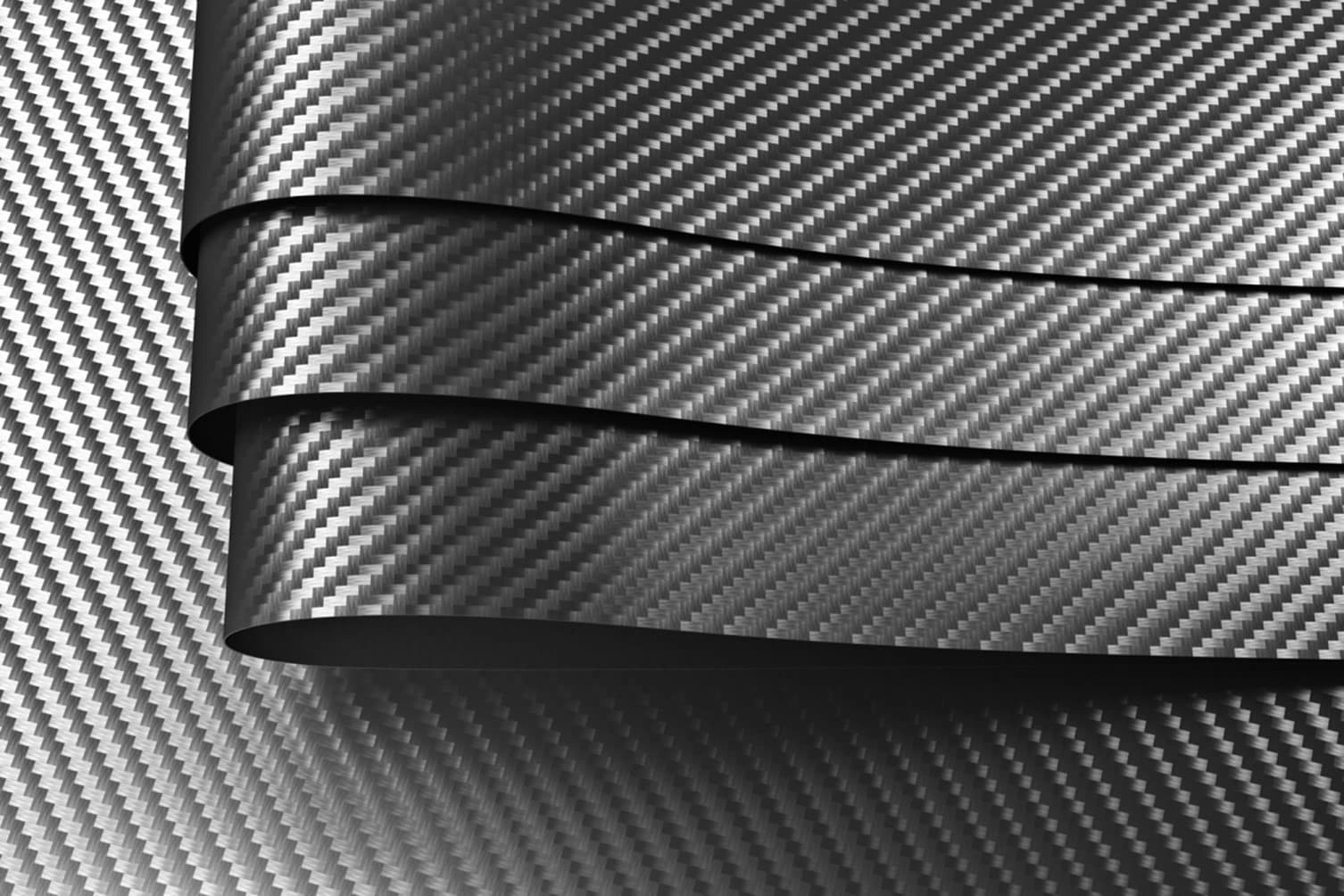
The Advantages of Carbon Fiber Materials—Insights from Industry Experts
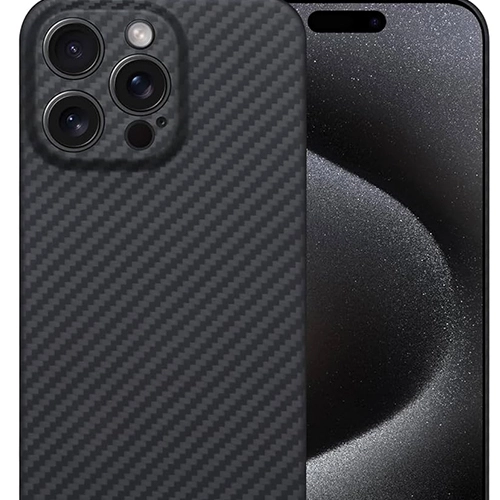
The 5 Questions You've Always Had About Carbon Fiber
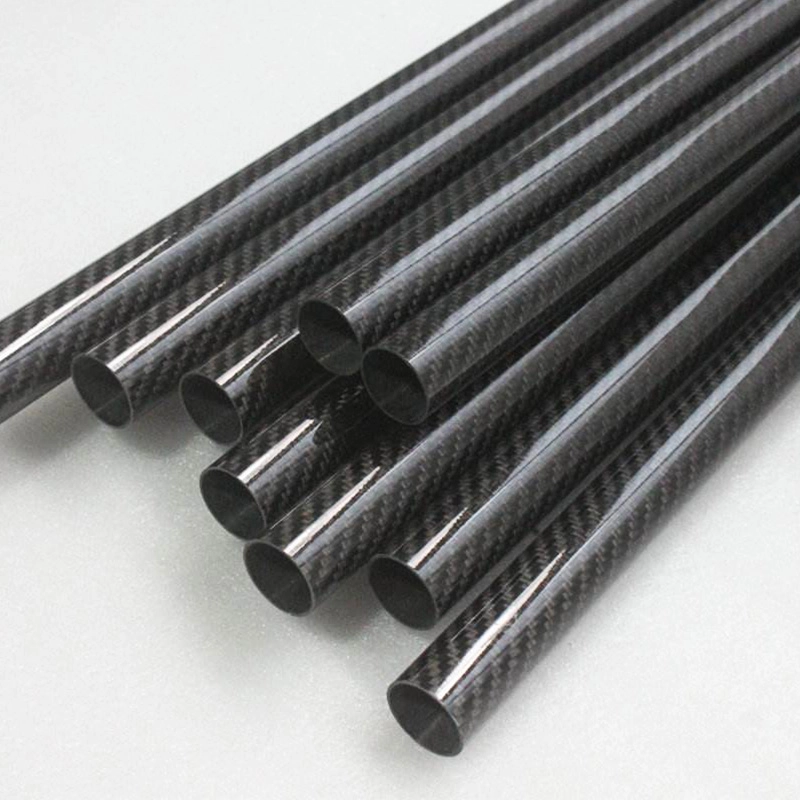
CFRP vs Pre-Preg Carbon Fiber: What’s the Difference and Which Is Better for Your Project?
Research on the Causes of Yellowing of Carbon Fiber Products.
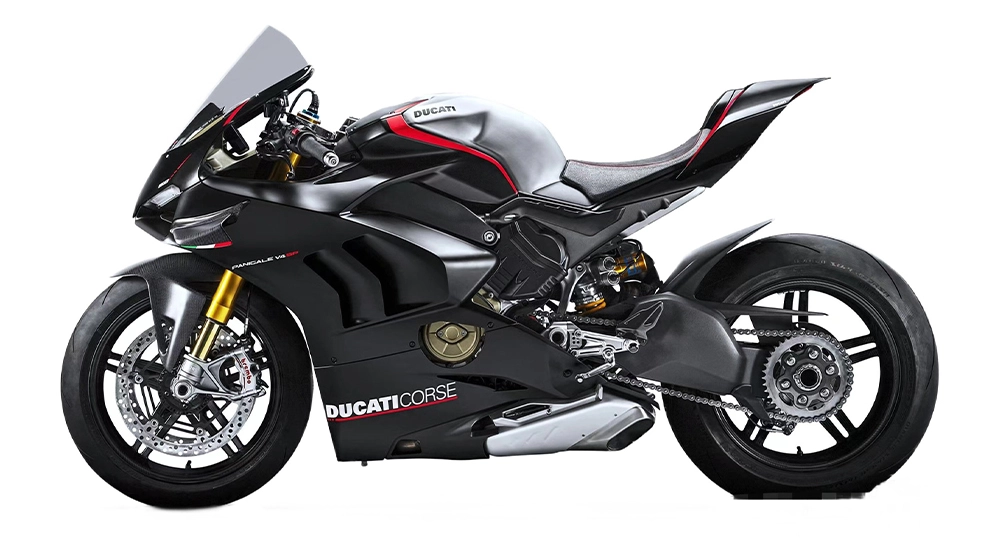
Supreem Carbon New arrivals alert!
For Products
How can I get some sample?
Actually we dont provide the free sample to customer, you can place a sample order if need some parts.
What is main products for factory?
Supreem carbon mainly produce carbon fiber custom products for automobile and motorcycle accessaries, including the design, develop and manufacturing of appearance parts, interior parts, functional parts, etc. Other carbon fiber custom goods also can produce for you.
For Carbon Fiber Material
What are the advantages of carbon fiber?
High Strength-to-Weight Ratio
It is stronger than many traditional materials, such as steel and aluminum.This high strength-to-weight ratio allows for the creation of lightweight components that maintain structural integrity and durability.
Lightweight
One of the most significant advantages of carbon fiber is its low density, contributing to lightweight structures. This property is particularly crucial in industries where weight reduction is a priority, such as aerospace, automotive, and sports equipment.
Resistant to corrosion and chemicals
Carbon fiber is inherently resistant to corrosion, making it an ideal material for applications exposed to harsh environments or corrosive substances. This property contributes to the longevity of components and reduces maintenance requirements. Carbon fiber has good chemical resistance, making it suitable for use in environments where exposure to chemicals or harsh solvents is a concern. This resistance enhances the material's durability in various industrial settings.
Tolerant of high temperature
Carbon fiber exhibits excellent thermal stability and resistance to high temperatures. This makes it suitable for applications where components are exposed to elevated temperatures, such as in the aerospace and automotive industries.
Low thermal expansion
Carbon fiber has a low coefficient of thermal expansion, meaning it expands or contracts minimally with changes in temperature. This property contributes to dimensional stability, making carbon fiber components reliable in varying temperature conditions.
Aesthetic Appeal
Carbon fiber has a modern and high-tech appearance, contributing to its aesthetic appeal. This property is leveraged in consumer goods, automotive components, and sporting equipment where visual appeal is important.
For After-sales Service
Do you offer the fitting advice?
Of course! If you have any questions, please contact us on info@supreemcarbon.com.
For Facotry
Supreem carbon main competitive advantages.
Rich experience
Over 10 years production experience in carbon fiber industry, providing customers with high quality carbon products.
Excellent service
From new project development to customer finished product delivery, we provide customers with full tracking and timely feedback on project progress.
High-Quality Products
Our carbon fiber products undergo rigorous quality control to ensure customers achieve the high quality and cost-effective product.
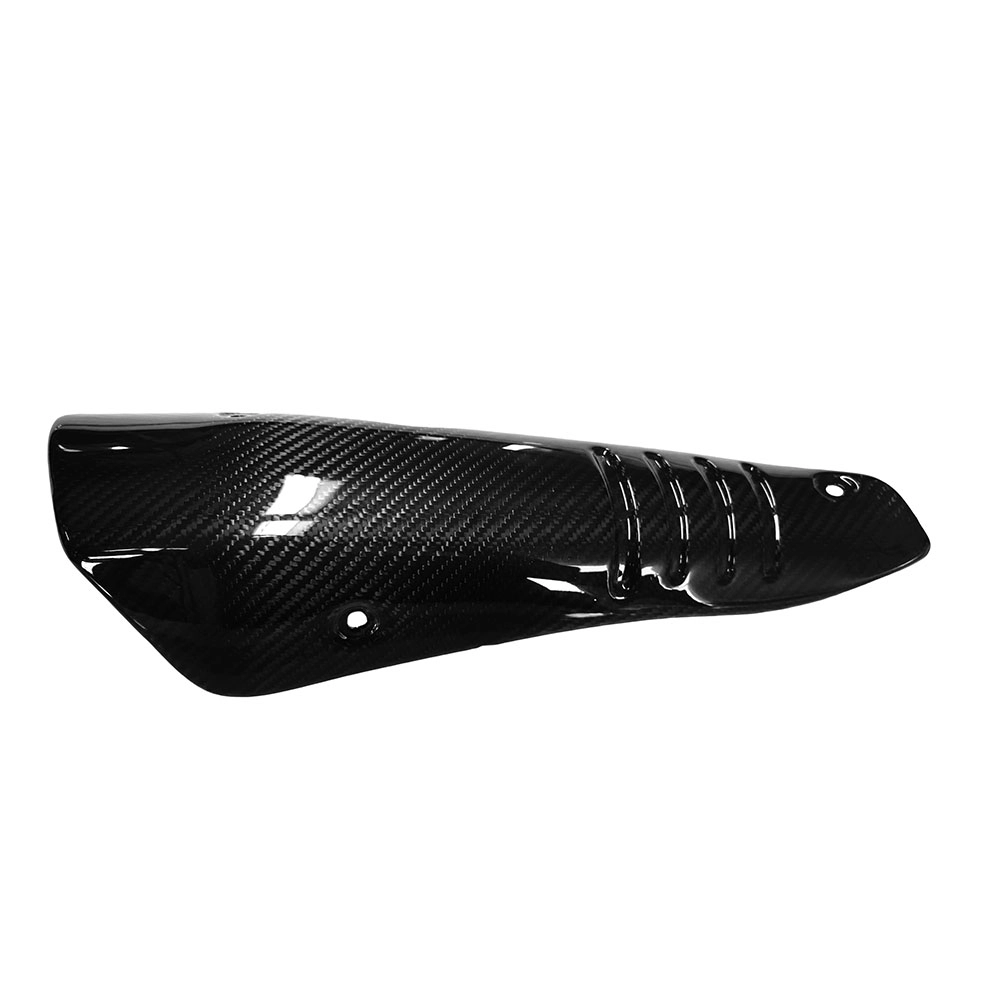
Aprilia Tuono V4 Carbon Fiber Exhaust Cover
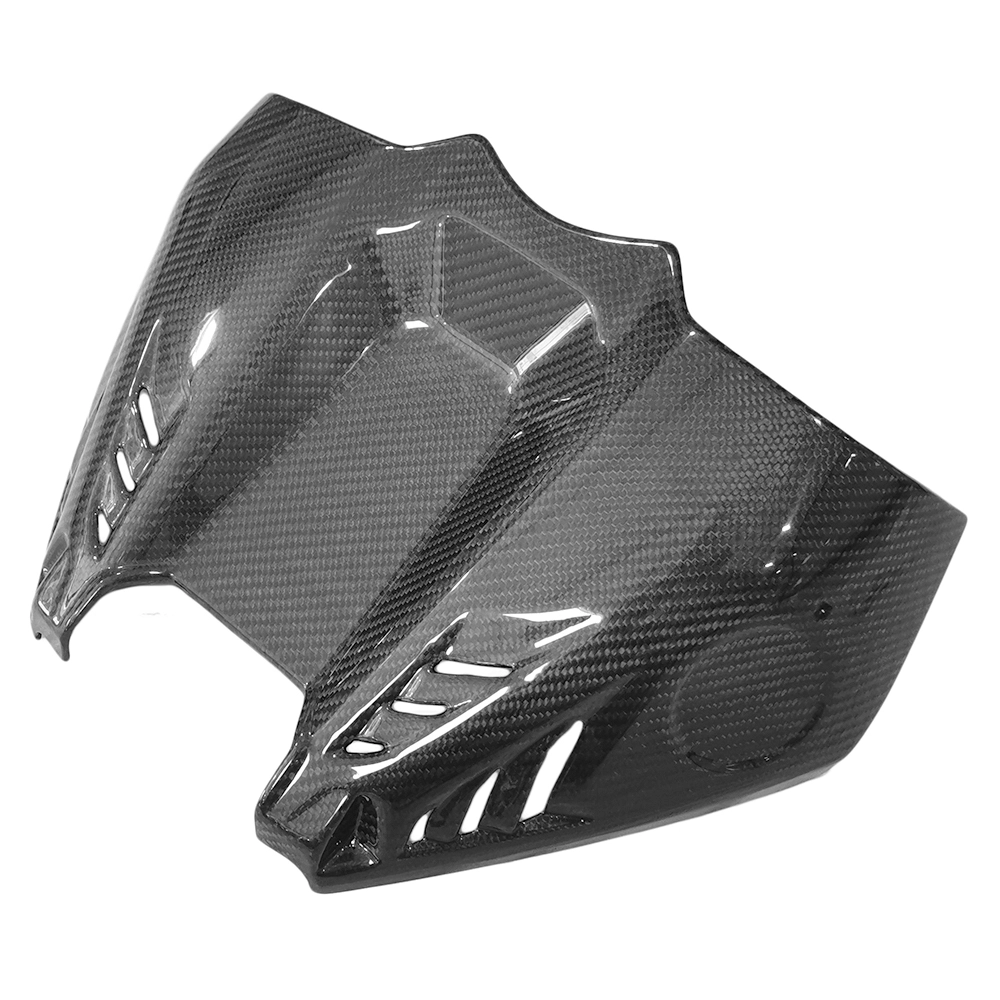
Supreem Carbon Custom Carbon Fiber Airbox Cover for Honda CBR1000RR-R
This carbon fiber tank cover can directly replace the ABS part, giving your CBR1000RR-R a fantastic and unique carbon fiber look.
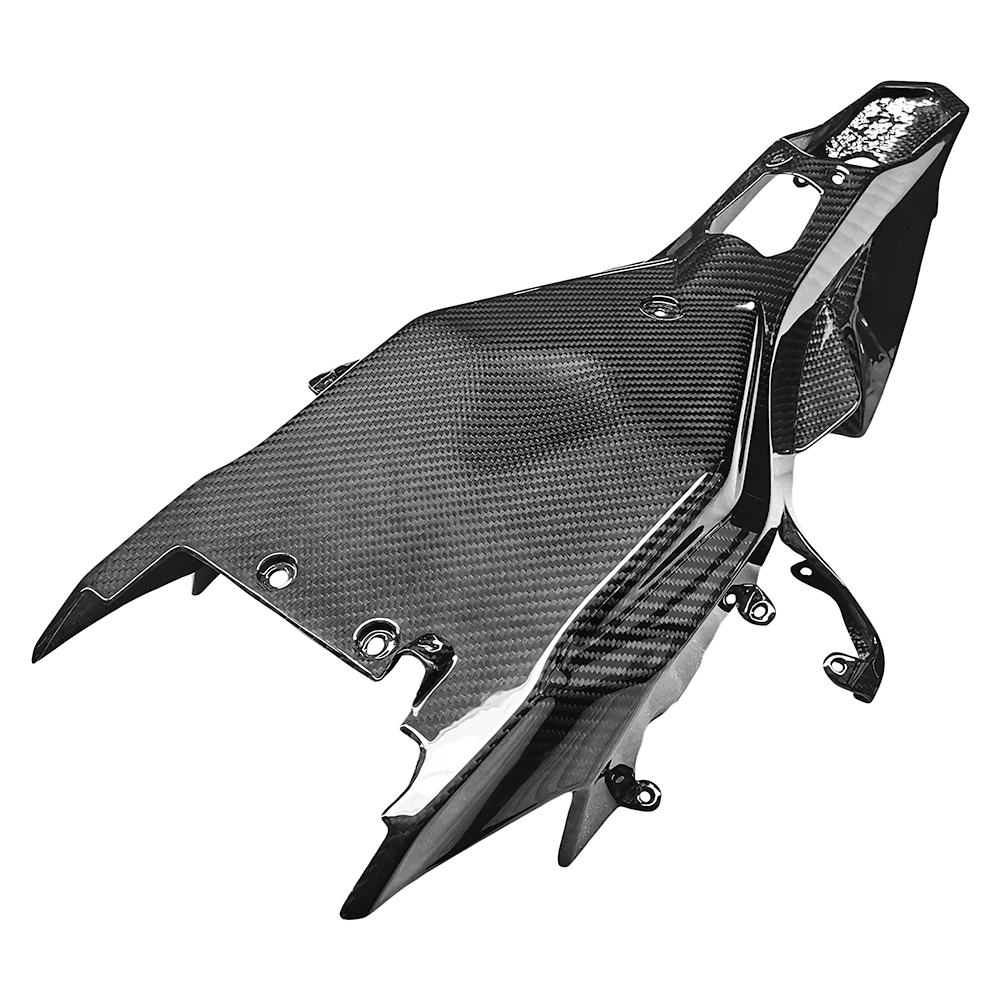
Yamaha R1 R1M Carbon Fiber Undertail
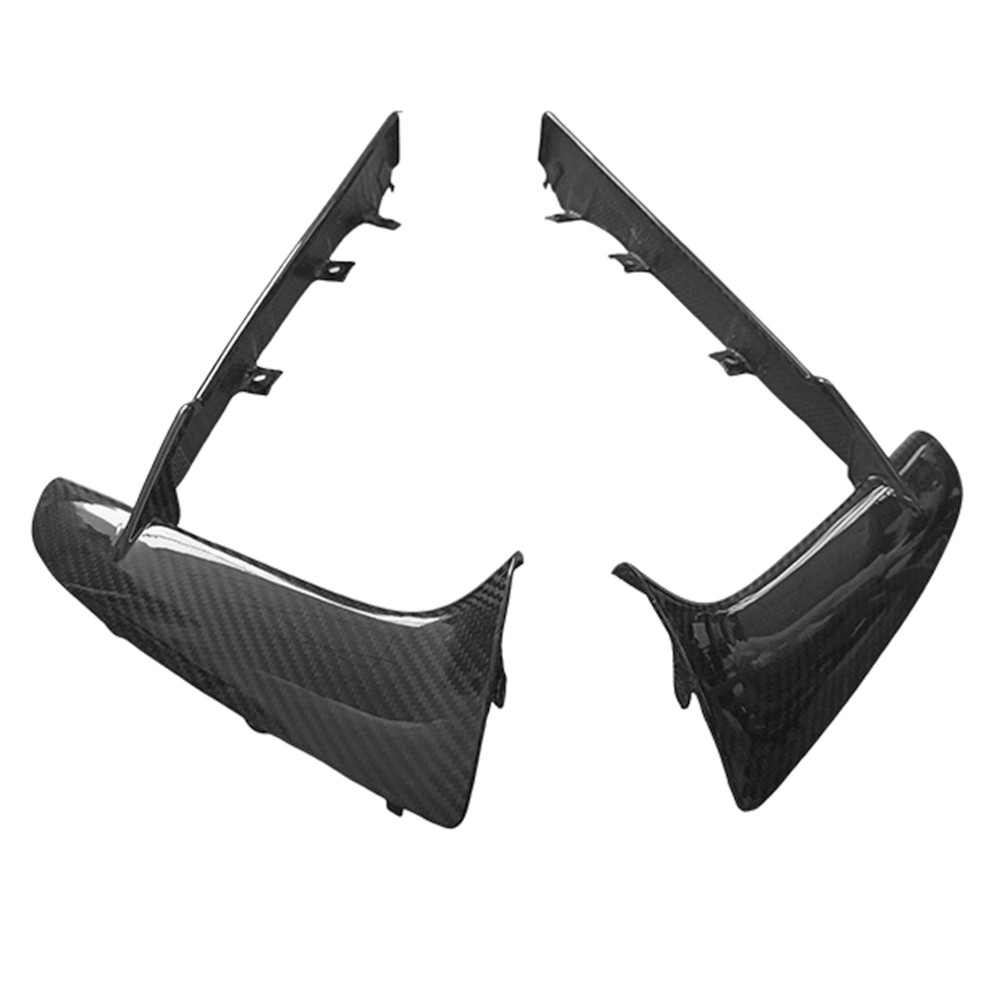
Chevrolet Corvette C8 Carbon Fiber Bumper Trim Customization
This carbon fiber front grill trim fits C8 OEM parts. Our products are not only lighter than ABS, but they are also corrosion-resistant and have a UV-protective coating. 100% handmade, dry-carbon autoclave process. It can directly replace original vehicle parts.
Let’s Bring Your Carbon Fiber Ideas to Life
Have a question or inquiry about our carbon fiber composite products? Leave us a message here, and our team will get back to you promptly.
Whether you're interested in custom orders, technical specifications, or partnership opportunities, we're here to assist you.
Please fill out the fields above with your name, email address, and message.

Supreem Carbon aiming to provide customers with high-performance carbon fiber products and quality services.
Contact Supreem Carbon
Address : Building 1 No.103, Yadi Nan 1st Road, QiaoTou Town, Dongguan City, China.
© 2024 Supreem Carbon All Rights Reserved.
Facebook
Pinterest
LinkedIn
Instagram