
Are dry carbon parts stronger than traditional carbon fiber? | Insights by Supreem Carbon
- Are Dry Carbon Parts Stronger Than Traditional Carbon Fiber?
- What Is Dry Carbon?
- Strength Comparison: Dry Carbon vs. Prepreg Carbon Fiber
- Advantages of Dry Carbon Parts
- Considerations When Choosing Between Dry Carbon and Prepreg Carbon Fiber
- Ensuring Quality in Dry Carbon Parts
- Where to Purchase Quality Carbon Fiber Parts
- Conclusion
When considering carbon fiber parts for your projects, understanding the distinctions between dry carbon and traditional carbon fiber is crucial. This guide addresses common questions to help you make informed purchasing decisions.
Are Dry Carbon Parts Stronger Than Traditional Carbon Fiber?
What Is Dry Carbon?
Dry carbon refers to carbon fiber components that are manufactured without the use of pre-impregnated resin (prepreg). Instead, resin is applied during the manufacturing process, allowing for greater flexibility in design and potential cost savings.
Strength Comparison: Dry Carbon vs. Prepreg Carbon Fiber
The strength of carbon fiber parts depends on several factors, including fiber orientation, resin type, and manufacturing process. Prepreg carbon fiber, which uses pre-impregnated resin, often offers superior mechanical properties due to consistent resin distribution and controlled curing processes. However, dry carbon parts can achieve comparable strength when manufactured with precise techniques and quality materials.
Advantages of Dry Carbon Parts
Cost-Effectiveness: Dry carbon parts can be more economical, especially for low-volume or custom projects, as they eliminate the need for expensive prepreg materials.
Design Flexibility: The ability to apply resin during manufacturing allows for more intricate designs and modifications.
Considerations When Choosing Between Dry Carbon and Prepreg Carbon Fiber
Application Requirements: For applications demanding the highest strength and stiffness, such as aerospace components, prepreg carbon fiber may be more suitable.
Budget Constraints: Dry carbon parts offer a more cost-effective solution for projects with limited budgets.
Production Volume: High-volume production may benefit from the consistency and efficiency of prepreg carbon fiber, while low-volume or custom projects can leverage the flexibility of dry carbon.
Ensuring Quality in Dry Carbon Parts
To achieve optimal strength and durability in dry carbon parts, consider the following:
Material Selection: Choose high-quality carbon fibers and resins that meet your specific performance requirements.
Manufacturing Process: Employ precise techniques, such as controlled resin application and curing, to ensure uniformity and structural integrity.
Quality Control: Implement rigorous testing and inspection protocols to detect and address potential defects.
Where to Purchase Quality Carbon Fiber Parts
When sourcing carbon fiber parts, it's essential to select reputable suppliers who adhere to industry standards and offer comprehensive support. Supreem Carbon, for example, provides high-quality carbon fiber components with a focus on customer satisfaction and technical expertise. ((https://www.supreemcarbon.com/carbon-fiber-parts-wholesale-your-guide-to-quality-and-costs-supreem-carbon.html?utm_source=openai))
Conclusion
Understanding the differences between dry carbon and traditional carbon fiber is vital for selecting the appropriate material for your project. By considering factors such as application requirements, budget, and production volume, you can make informed decisions that align with your objectives. Ensuring quality through meticulous material selection, manufacturing processes, and quality control measures will result in durable and high-performance carbon fiber parts.
For more information on sourcing and manufacturing carbon fiber parts, refer to the comprehensive guide provided by Supreem Carbon. ((https://www.supreemcarbon.com/article/carbon-fiber-parts-manufacturing-processes-procurement-guide.html?utm_source=openai))
By partnering with experienced suppliers like Supreem Carbon, you can access a range of carbon fiber solutions tailored to your specific needs, ensuring optimal performance and value.
Data Sources:
Rev Up Your Ride: Supreem Carbon - China's Finest Custom Motorcycle Carbon Fiber Parts
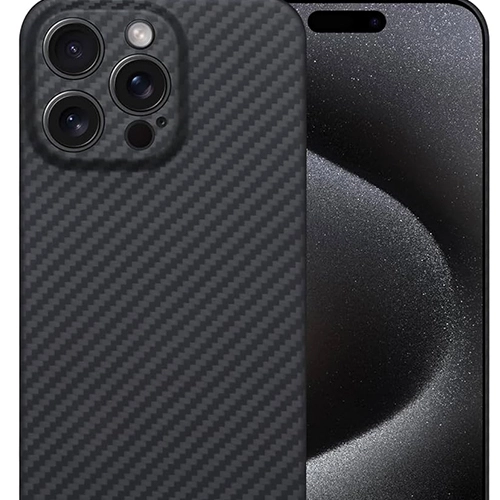
The 5 Questions You've Always Had About Carbon Fiber

Customize Your Ride: Top Makers of Automotive Carbon Fiber Parts
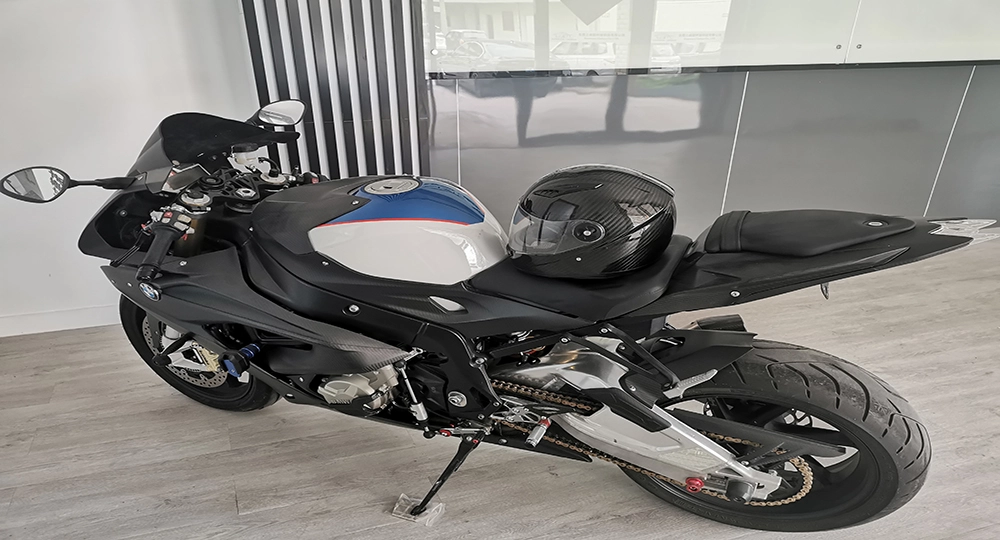
Carbon Fiber Helmet produced by Supreem Carbon.
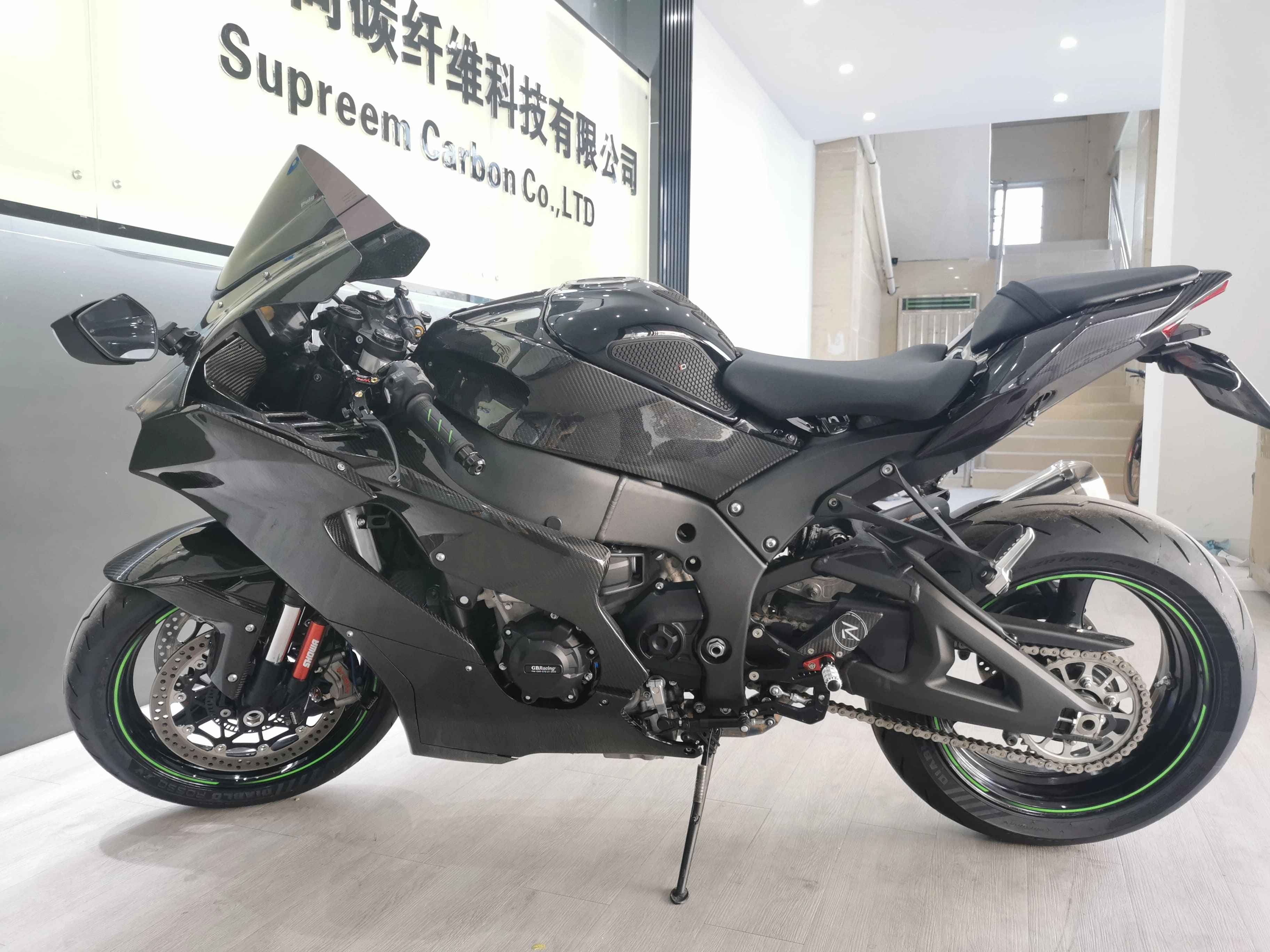
Analysis of Delamination Problems in Carbon Fiber Products and How to Avoid it

The Ultimate Guide to Carbon Fiber in Aerospace Applications
For Products
How can I get some sample?
Actually we dont provide the free sample to customer, you can place a sample order if need some parts.
Are you parts have UV protected?
Absolutely! We use multiple layers of premium quality automotive clear (or matt) coats on our products, which ensure that they will remain super pretty for years to come.
For Facotry
How many monthly production capacity of the factory?
The average monthly production capacity reach 3000 pieces. With the equipment upgrade, it will be increased over 4000 pieces per month.
Supreem carbon main competitive advantages.
Rich experience
Over 10 years production experience in carbon fiber industry, providing customers with high quality carbon products.
Excellent service
From new project development to customer finished product delivery, we provide customers with full tracking and timely feedback on project progress.
High-Quality Products
Our carbon fiber products undergo rigorous quality control to ensure customers achieve the high quality and cost-effective product.
For Customized Service
How long does the customized products order take?
This depends on the complexity and mold production cycle of the product. The first sample will be ready in 2-3 weeks after mold finished.
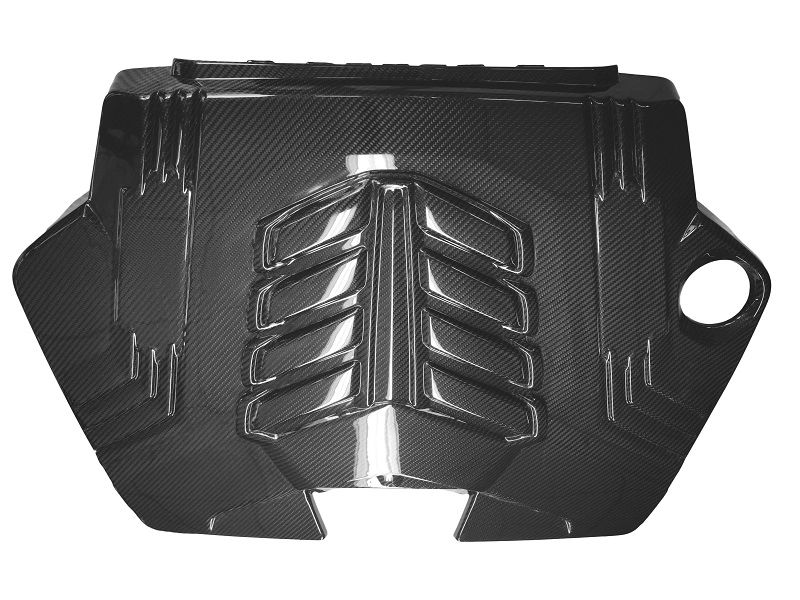
Lamborghini Urus Carbon Fiber Engine Bay Panel
Enhance the visual appearance of your Urus engine bay with these custom carbon fiber engine covers. 100% handmade and a 1:1 copy of the original part, which retains all OEM screw mounting points. Elevate your driving experience with this exquisite addition, showcasing unparalleled craftsmanship and enhancing the allure of your Urus’s engine bay.
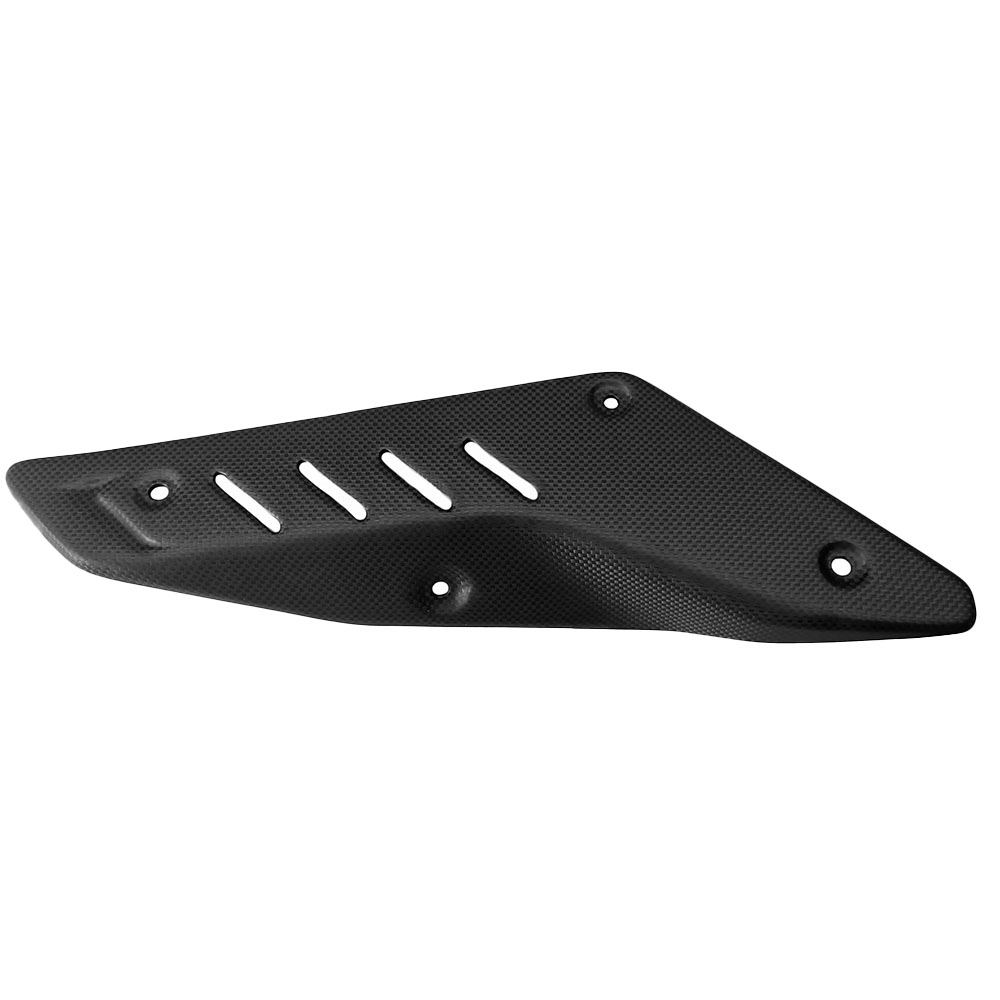
Yamaha MT10 Carbon Fiber Exhaust cover
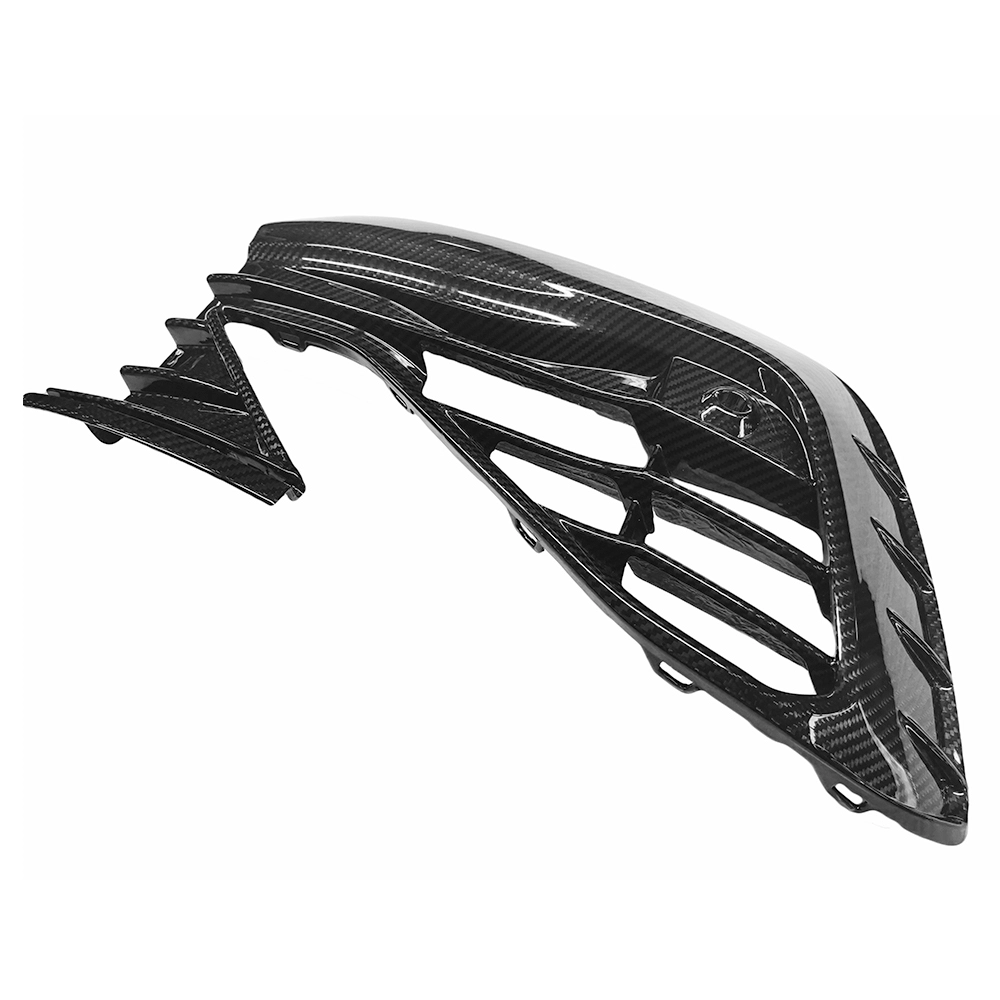
Volkswagen Golf R Mk8 Carbon Fiber Front Bumper Surrounds
We are committed to providing customers with the highest quality aerodynamic kits, just like this Volkswagen front bumper surround, which gives you a different visual experience. Not only are our products lighter than ABS, but they are also corrosion-resistant and have a UV-protective coating. 100% handmade, dry carbon autoclave process. It can directly replace original vehicle parts.
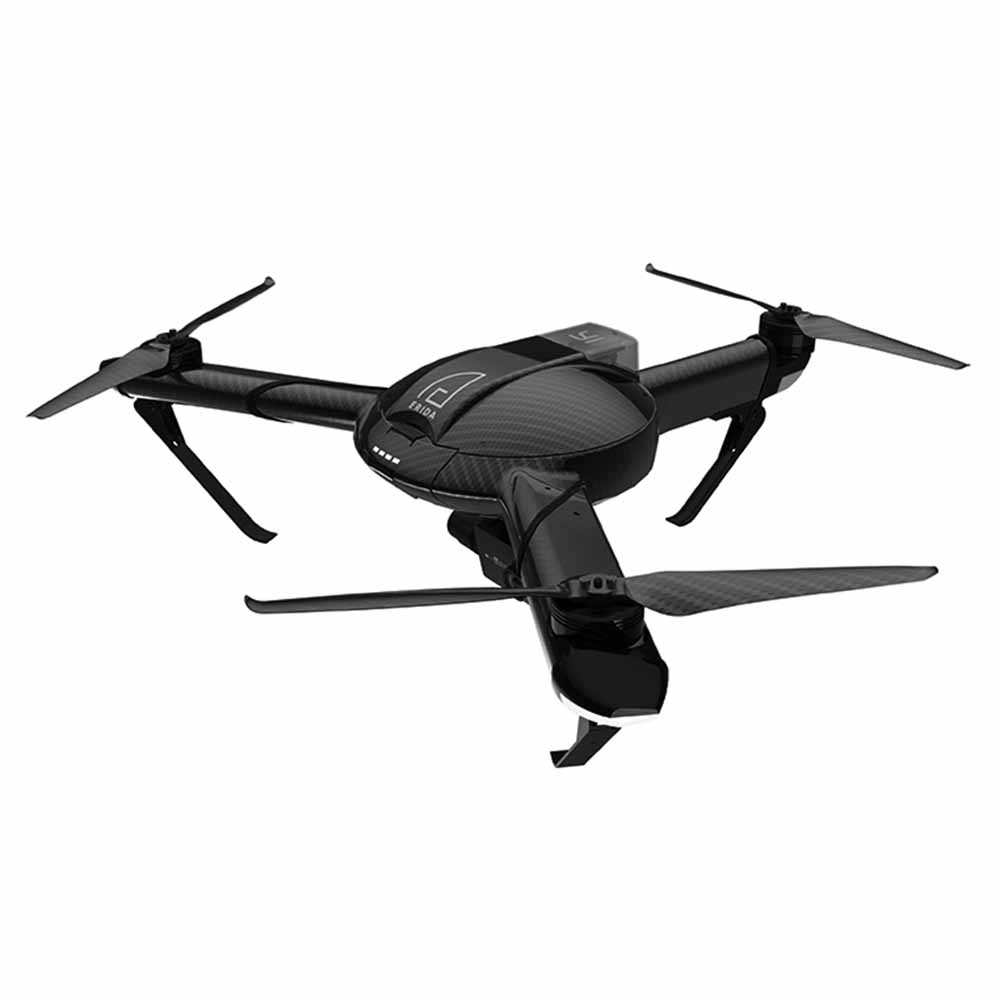
Custom Carbon Fiber Drone
Carbon fiber offers several advantages when used in drones (unmanned aerial vehicles, UAVs) due to its unique properties.
Let’s Bring Your Carbon Fiber Ideas to Life
Have a question or inquiry about our carbon fiber composite products? Leave us a message here, and our team will get back to you promptly.
Whether you're interested in custom orders, technical specifications, or partnership opportunities, we're here to assist you.
Please fill out the fields above with your name, email address, and message.

Supreem Carbon aiming to provide customers with high-performance carbon fiber products and quality services.
Contact Supreem Carbon
Address : Building 1 No.103, Yadi Nan 1st Road, QiaoTou Town, Dongguan City, China.
© 2024 Supreem Carbon All Rights Reserved.
Facebook
Pinterest
LinkedIn
Instagram