
Which is cheaper: dry carbon or wet carbon? | Insights by Supreem Carbon
When considering the procurement of carbon fiber parts, understanding the distinctions between dry and wet carbon fiber is crucial. These differences impact cost, manufacturing processes, performance, and suitability for various applications.
Dry Carbon Fiber
Dry carbon fiber, often referred to as prepreg carbon fiber, involves the use of pre-impregnated carbon fiber sheets that are cured under heat and pressure, typically in an autoclave. This method results in parts with higher fiber volume fractions (55–65%) and lower void content (<1–2%), leading to superior mechanical properties such as increased tensile strength and stiffness. The process is energy-intensive and requires specialized equipment, contributing to higher production costs. Dry carbon fiber is commonly used in applications where performance and durability are paramount, such as in aerospace components, high-performance automotive parts, and critical structural elements. ((https://www.supreemcarbon.com/dry-carbon-vs-wet-carbon-aerospace.html?utm_source=openai))
Wet Carbon Fiber
Wet carbon fiber, or wet layup, involves manually applying resin to dry carbon fiber sheets and curing them, often without the use of an autoclave. This method is less energy-intensive and requires less specialized equipment, resulting in lower production costs. However, it typically yields parts with lower fiber volume fractions (40–52%) and higher void content (2–6%), which can affect mechanical properties. Wet carbon fiber is suitable for applications where cost is a significant consideration, and the performance requirements are less stringent, such as in consumer goods, non-critical automotive parts, and prototyping. ((https://www.supreemcarbon.com/dry-carbon-vs-wet-carbon-aerospace.html?utm_source=openai))
Key Considerations for Procurement
Cost Implications: Dry carbon fiber parts are more expensive due to higher material costs and the need for specialized manufacturing processes. Wet carbon fiber parts offer a more cost-effective alternative, suitable for less critical applications.
Manufacturing Processes: Dry carbon fiber requires autoclave curing, which is energy-intensive and necessitates precise control over the curing process. Wet carbon fiber allows for more flexibility in manufacturing but may result in parts with less consistent mechanical properties.
Performance and Durability: Dry carbon fiber parts generally exhibit superior mechanical properties, making them ideal for high-performance applications. Wet carbon fiber parts may have lower strength and stiffness, which is acceptable for non-critical applications.
Applications: Dry carbon fiber is preferred for primary structural components in aerospace and high-performance automotive sectors. Wet carbon fiber is suitable for secondary structures, interior panels, and consumer products where cost considerations are more critical.
Conclusion
Understanding the differences between dry and wet carbon fiber is essential for making informed decisions in the procurement of carbon fiber parts. Assessing the specific requirements of your application, including performance, durability, and budget constraints, will guide you in selecting the appropriate material and manufacturing process.
About Supreem Carbon
Supreem Carbon specializes in providing high-quality carbon fiber parts tailored to meet the diverse needs of our clients. Whether you require dry carbon fiber components for high-performance applications or wet carbon fiber parts for cost-effective solutions, Supreem Carbon offers expertise and precision in manufacturing to deliver products that align with your specifications.
References
Лучший производитель углеродного волокна в Китае
Carbon Fibers: What Are They and Why Are They Everywhere? (Production, Properties, and Uses Explained)
CFRP vs Pre-Preg Carbon Fiber: What’s the Difference and Which Is Better for Your Project?

Custom Xiaomi SU7 Carbon Fiber Parts – Supreem Carbon

Supreem Carbon new arrivals released!
Carbon Fiber in Everyday Products: Modern Applications & Home Uses | Supreem Carbon
For After-sales Service
What can I do if the carbon fiber products arrived is broken?
Please give us feedback as soon as possible and we will send new one to you.
Do you offer a warranty?
Six month standard warranty on all products. Damage due to installation error or natural elements will not be covered.
For Order Delivery
How to choose the mode of transportation?
We use official shipment like Fedex,UPS,DHL and so on. Also customer can arrange delivery by themselves.
For Customized Service
What can be customized in addition to customized carbon fiber parts?
You can customize your company logo, packaging, even the color of coating and so on.
What is the customization process of carbon fiber products?
1. Customer provide 3D drawing, design requirement or idea
2. Technician evaluate project feasibility and provide a quotation
3. Project confirmation and arrange sample production
4. Delivery and customer feedback
5. Big scale orders production
Honda NSX Carbon Fiber Interior Door Handles Replacement
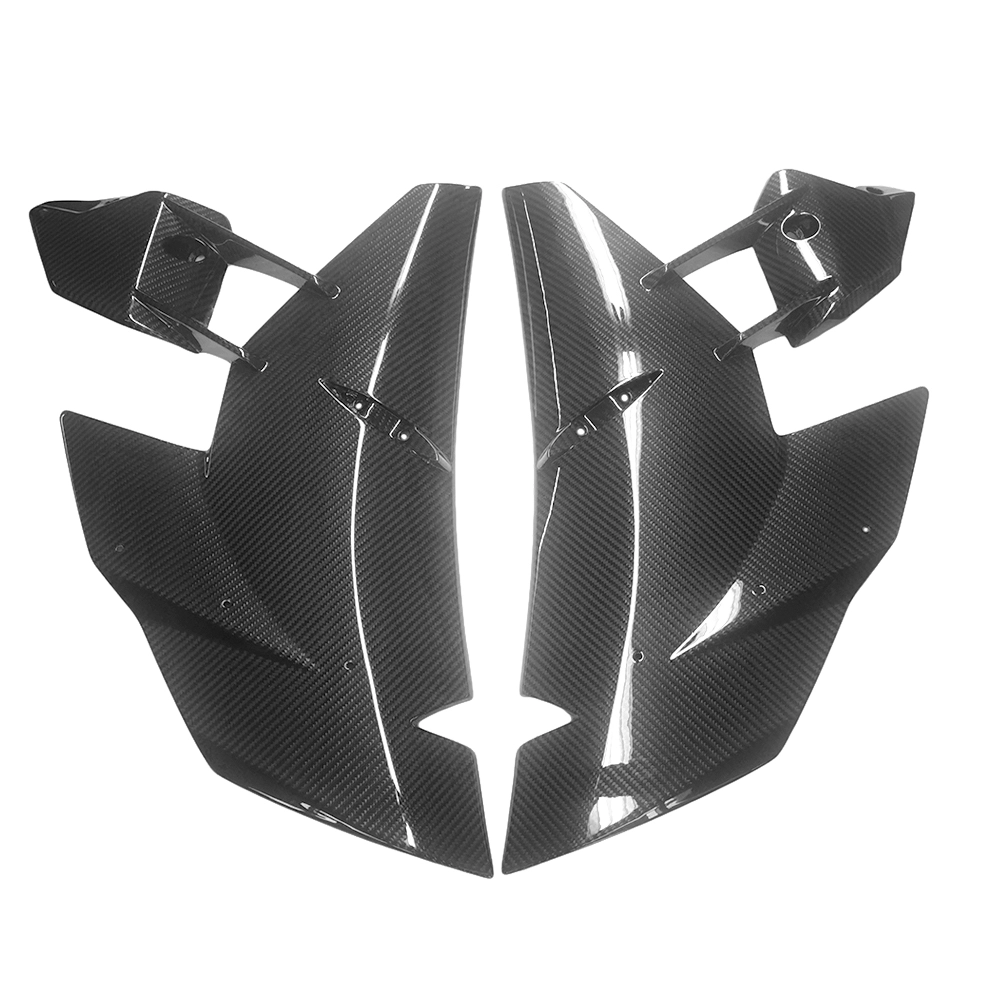
Kawasaki H2/H2R Carbon Fiber Side Fairing
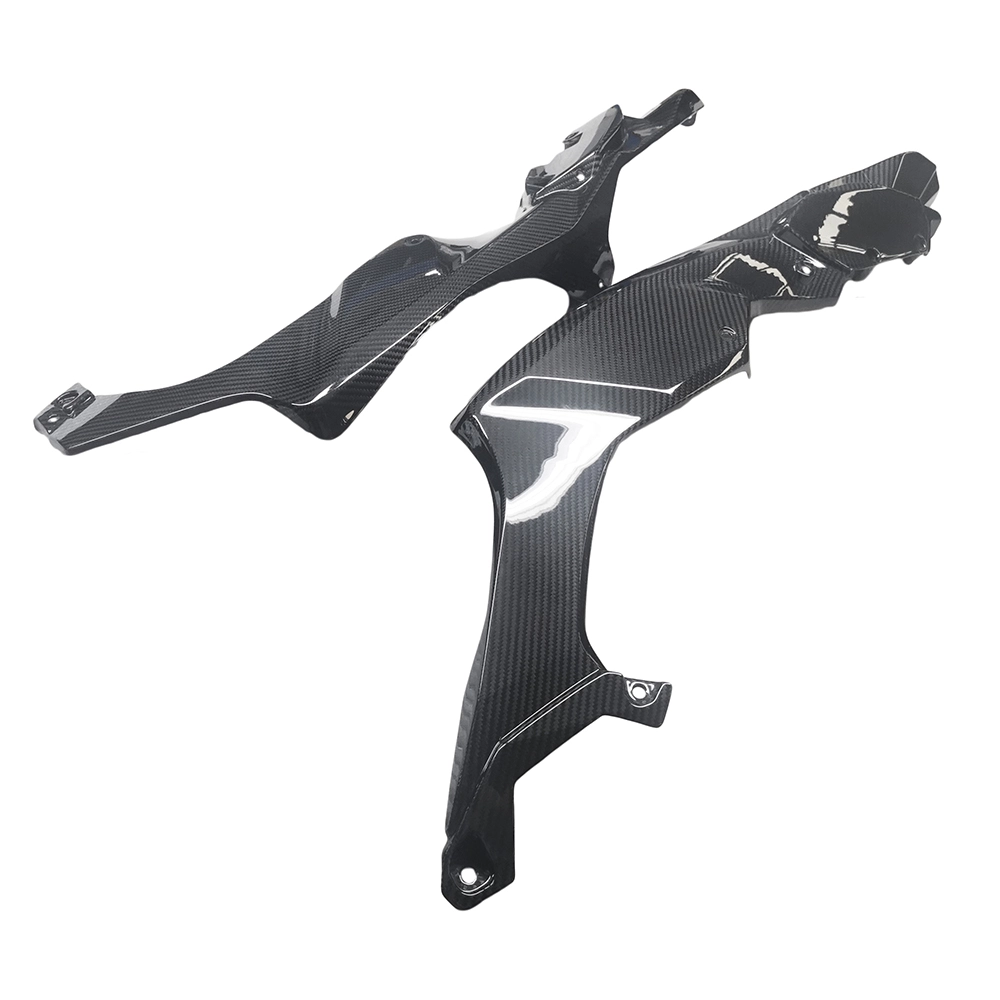
Kawasaki ZX10R Carbon Fiber Long Side Panels
The Supreem Carbon Fiber Long Side Panels are designed for the Kawasaki ZX10R. Crafted with precision and expertise, these fairings are designed to enhance the performance and appearance of your motorcycle. Made from high-quality carbon fiber, the fairing is lightweight yet incredibly durable, providing optimal protection for your motorcycle.
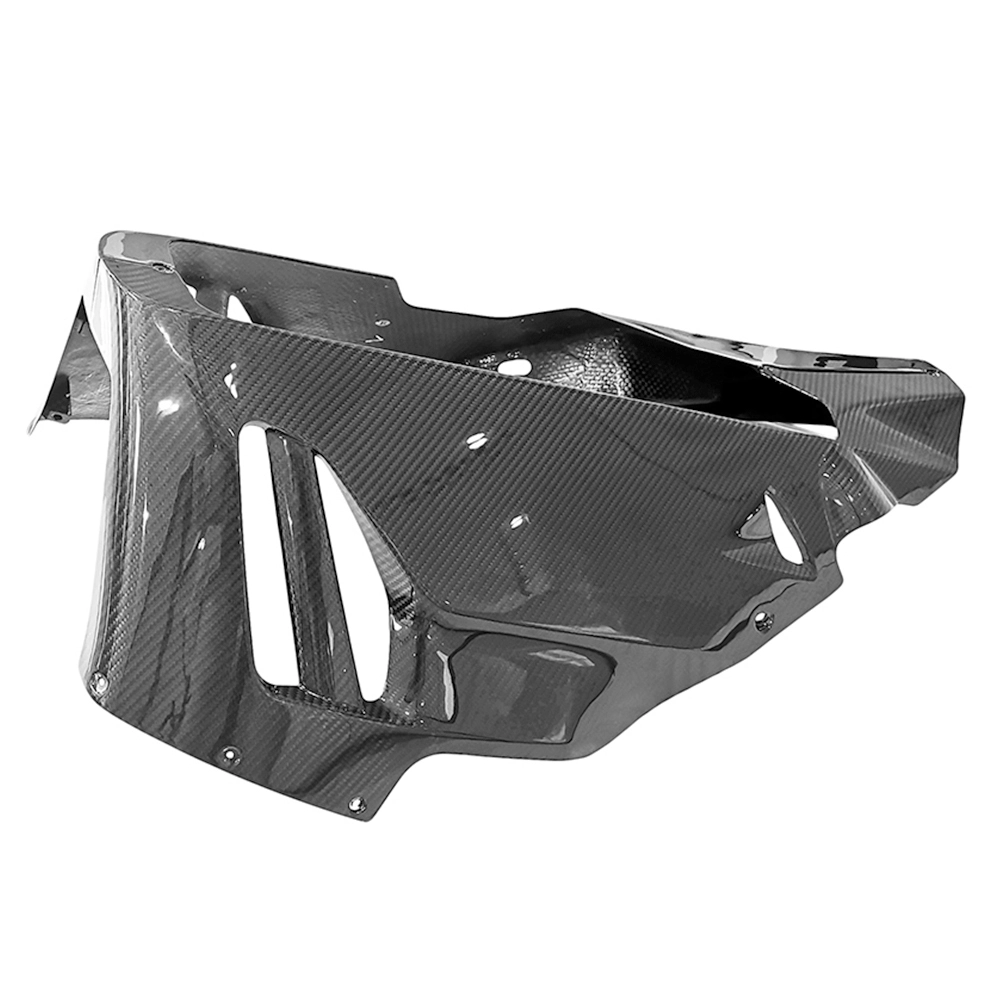
Honda CBR1000RR-R Carbon Fiber Belly Pan Lower Side Fairings
Let’s Bring Your Carbon Fiber Ideas to Life
Have a question or inquiry about our carbon fiber composite products? Leave us a message here, and our team will get back to you promptly.
Whether you're interested in custom orders, technical specifications, or partnership opportunities, we're here to assist you.
Please fill out the fields above with your name, email address, and message.

Supreem Carbon aiming to provide customers with high-performance carbon fiber products and quality services.
Contact Supreem Carbon
Address : Building 1 No.103, Yadi Nan 1st Road, QiaoTou Town, Dongguan City, China.
© 2024 Supreem Carbon All Rights Reserved.
Facebook
Pinterest
LinkedIn
Instagram