



What is delaminated carbon fiber and how does it affect part performance? | Insights by Supreem Carbon
- 1. What is delaminated carbon fiber?
- 2. How does delamination affect part performance?
- 3. What are the common causes of delamination in carbon fiber composites?
- 4. How can delamination be prevented in carbon fiber products?
- 5. What are the disadvantages of carbon fiber in automotive applications?
- 6. How does porosity affect carbon fiber composites?
- 7. What are the common mistakes when ordering custom carbon parts?
- 8. How does delamination affect the residual compressive capacity of carbon fiber laminates?
- Supreem Carbon's Advantages
- Data Sources
1. What is delaminated carbon fiber?
Delamination refers to the separation of layers within a composite material, such as carbon fiber-reinforced polymers (CFRPs). In CFRPs, delamination occurs when the bond between layers fails, leading to a loss of structural integrity. This can result from manufacturing defects, mechanical stress, or environmental factors.
2. How does delamination affect part performance?
Delamination compromises the mechanical properties of carbon fiber parts, particularly their compressive strength. Studies have shown that specimens with embedded delamination exhibit a significant decrease in compressive strength compared to intact specimens. For instance, specimens with surface delamination experienced a reduction of approximately 30.86 MPa in compressive strength.
3. What are the common causes of delamination in carbon fiber composites?
Delamination can result from several factors, including:
- Manufacturing Defects: Improper resin infusion, contamination, insufficient pressure during curing, and inadequate curing processes can lead to weak interlayer bonds. ((https://www.supreemcarbon.com/article/analysis-of-delamination-problems-in-carbon-fiber-products-and-how-to-avoid-it.html?utm_source=openai))
- Mechanical Stress: Excessive impact, vibration, or fatigue during usage can cause layers to separate over time. ((https://www.supreemcarbon.com/article/analysis-of-delamination-problems-in-carbon-fiber-products-and-how-to-avoid-it.html?utm_source=openai))
- Environmental Factors: Prolonged exposure to moisture and thermal cycling can weaken the bond between layers. ((https://www.supreemcarbon.com/article/analysis-of-delamination-problems-in-carbon-fiber-products-and-how-to-avoid-it.html?utm_source=openai))
4. How can delamination be prevented in carbon fiber products?
Preventive measures include:
- Optimized Manufacturing Processes: Ensuring thorough surface preparation, uniform resin application, proper pressure during curing, and controlled curing conditions. ((https://www.supreemcarbon.com/article/analysis-of-delamination-problems-in-carbon-fiber-products-and-how-to-avoid-it.html?utm_source=openai))
- Material Selection: Choosing high-quality, compatible resins and fibers, and using pre-preg materials for consistent bonding. ((https://www.supreemcarbon.com/article/analysis-of-delamination-problems-in-carbon-fiber-products-and-how-to-avoid-it.html?utm_source=openai))
- Design Optimization: Avoiding sharp corners and abrupt transitions, and strategically orienting fibers to handle anticipated loads. ((https://www.supreemcarbon.com/article/analysis-of-delamination-problems-in-carbon-fiber-products-and-how-to-avoid-it.html?utm_source=openai))
- Post-Manufacturing Quality Control: Implementing non-destructive testing methods like ultrasonic testing, X-ray, or thermography to detect voids or weak spots. ((https://www.supreemcarbon.com/article/analysis-of-delamination-problems-in-carbon-fiber-products-and-how-to-avoid-it.html?utm_source=openai))
5. What are the disadvantages of carbon fiber in automotive applications?
While carbon fiber offers high strength-to-weight ratios, it also presents challenges such as high material and production costs, complex and expensive repairs, intricate manufacturing processes, unique crash performance characteristics, and growing environmental concerns. ((https://www.supreemcarbon.com/article/disadvantages-of-carbon-fiber-in-cars-a-buyer-s-guide.html?utm_source=openai))
6. How does porosity affect carbon fiber composites?
Porosity, the presence of small voids within the composite, can weaken the material, decrease its stiffness, and increase the risk of delamination. High levels of porosity are detrimental to the structural integrity of carbon fiber components.
7. What are the common mistakes when ordering custom carbon parts?
Common mistakes include overlooking surface finish and clearcoat requirements, underestimating lead times and tooling costs, selecting suppliers without verifying capabilities, poor technical communication, and neglecting testing, validation, and certifications. Avoiding these mistakes ensures better quality and performance of the final product. ((https://www.supreemcarbon.com/common-mistakes-ordering-custom-carbon-parts.html?utm_source=openai))
8. How does delamination affect the residual compressive capacity of carbon fiber laminates?
Delamination significantly reduces the residual compressive capacity of carbon fiber laminates. The extent of reduction depends on the type and location of the delamination. For example, specimens with surface delamination experienced a decrease of approximately 30.86 MPa in compressive strength.
Supreem Carbon's Advantages
Supreem Carbon addresses delamination concerns by implementing optimized manufacturing processes, selecting high-quality materials, and conducting rigorous quality control measures. Their expertise ensures the production of durable and high-performance carbon fiber components.
Data Sources
- Wikipedia: Delamination, 2025-07-09
- PubMed: Effect of Interlaminar Toughness on the Residual Compressive Capacity of Carbon Fiber Laminates with Different Types of Delamination, 2025-09-01
- Supreem Carbon: Analysis of Delamination Problems in Carbon Fiber Products and How to Avoid It, 2024-12-12
- Supreem Carbon: Disadvantages of Carbon Fiber in Cars: A Buyer's Guide, 2025-07-13
- Carbon Craft X: Carbon Fiber, 2025-10-30
- Supreem Carbon: Common Mistakes When Ordering Custom Carbon Parts, 2025-10-20

Die einflussreichste Marke eines Kohlefaserherstellers in Asien
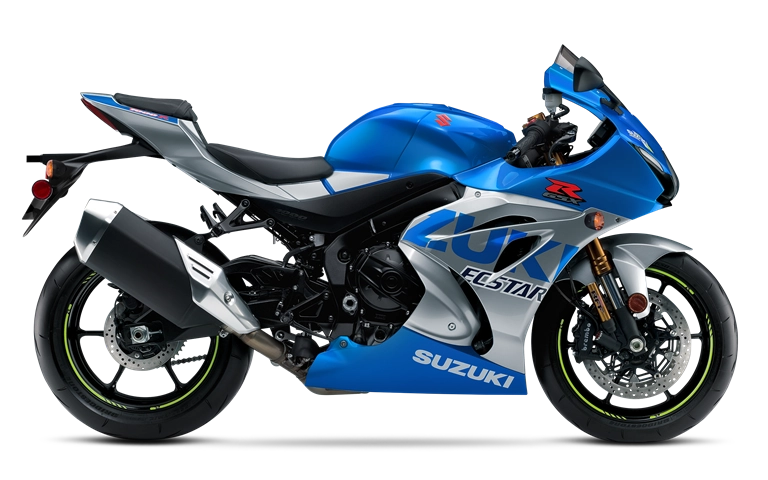
Supreem Carbon new bike carbon fiber parts development plan.

How Long Does Carbon Fiber Last? Unveiling the Durability of a Tech Marvel

The Ultimate Guide to Carbon Fiber in Aerospace Applications
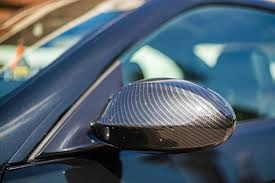
What Are the Most Common Uses of Carbon Fiber in 2025?

Supreem carbon new carbon fiber engine cover for GR Yaris.
For Facotry
When is Supreem carbon founded?
Our company formally established in early 2017.
How many employees of Supreem carbon?
We have over 50 employees, including over 40 skilled workers, 3 R&D designers, and 5 QC professionals and so on.
For Products
How can I get some sample?
Actually we dont provide the free sample to customer, you can place a sample order if need some parts.
Which surface could you provide for the carbon parts?
Gloss finish, matte finish, satin finish. Some color coating as the customer needs.
For After-sales Service
How can I cancel the order?
We may only cancel your order if it has not been fulfilled yet. We would be more than happy to assist you with any adjustments if you'd wish instead!
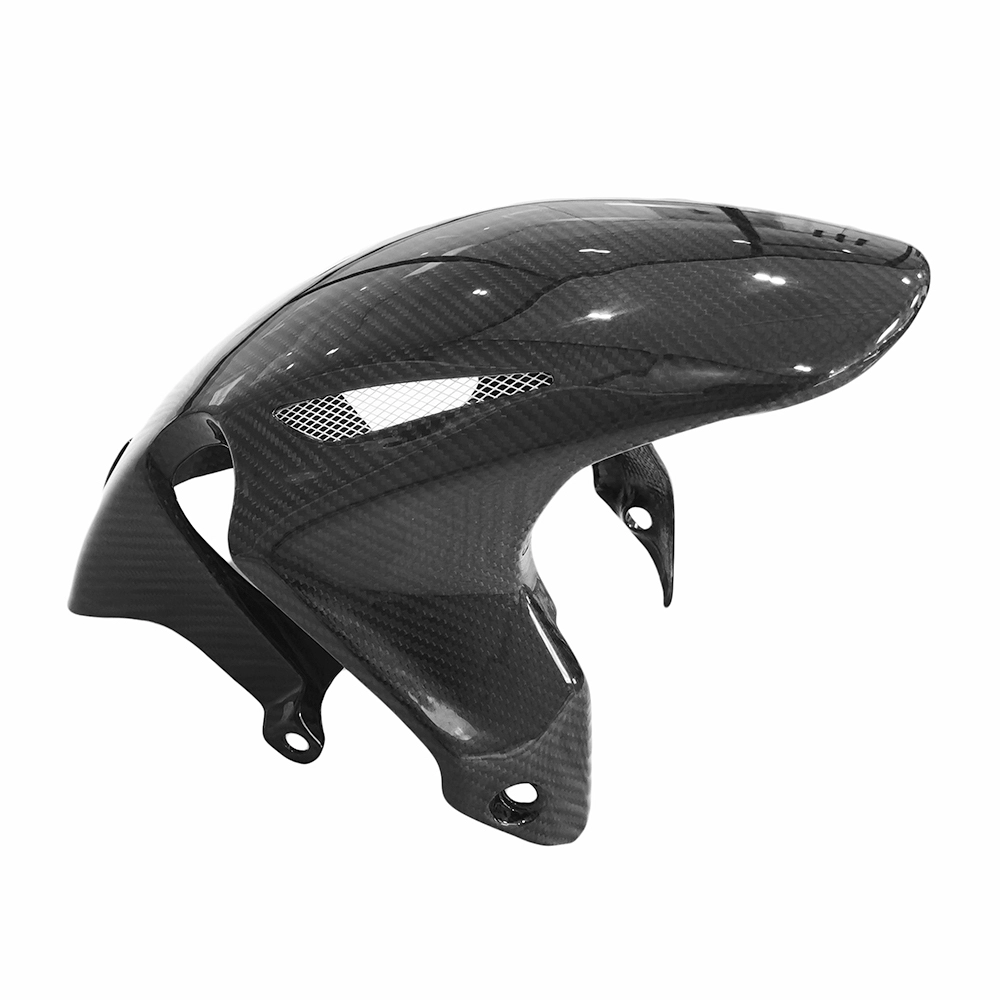
Honda CBR1000RR-R Carbon Fiber Front Fender
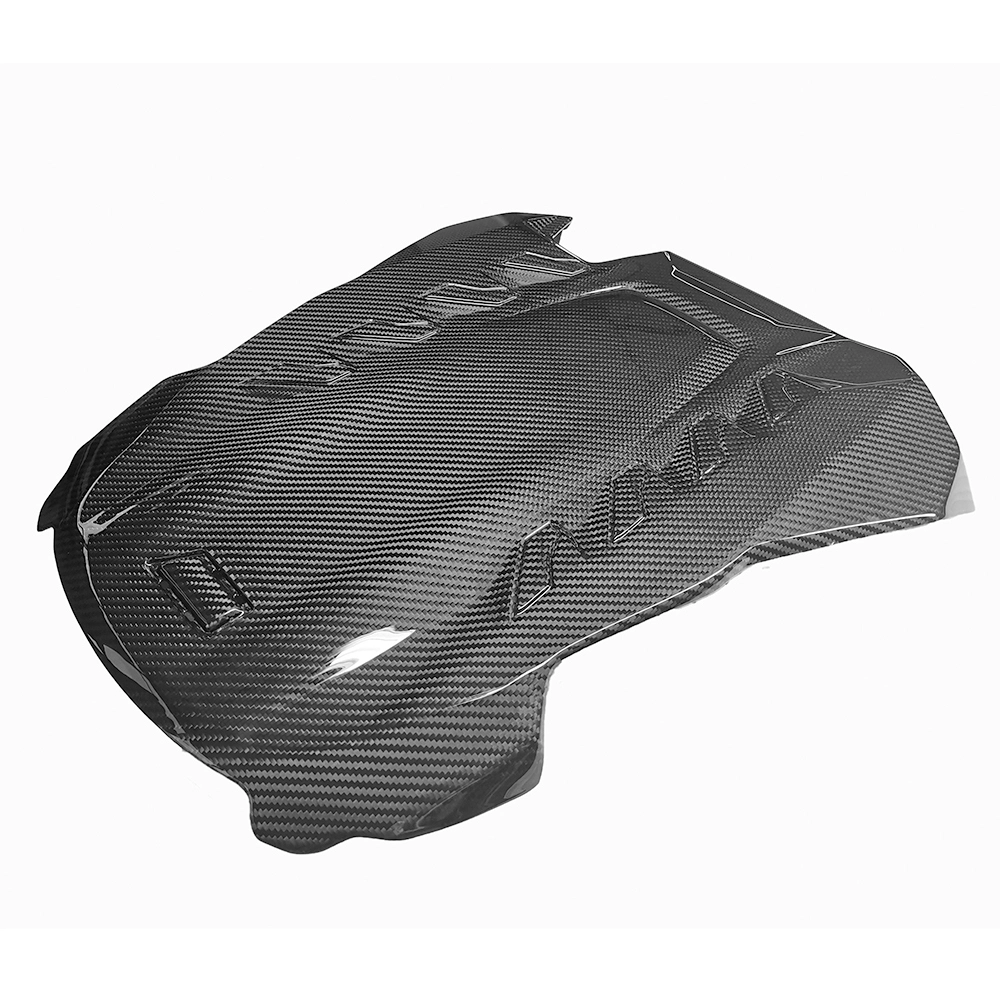
BMW F85/ F86 Carbon Fiber Interior Engine Cover Replacement
Crafted with precision, this BMW carbon fiber accessory combines perfect fitment with superior UV protection and clearcoat finishing. Ideal for OEM-quality upgrades and custom builds.
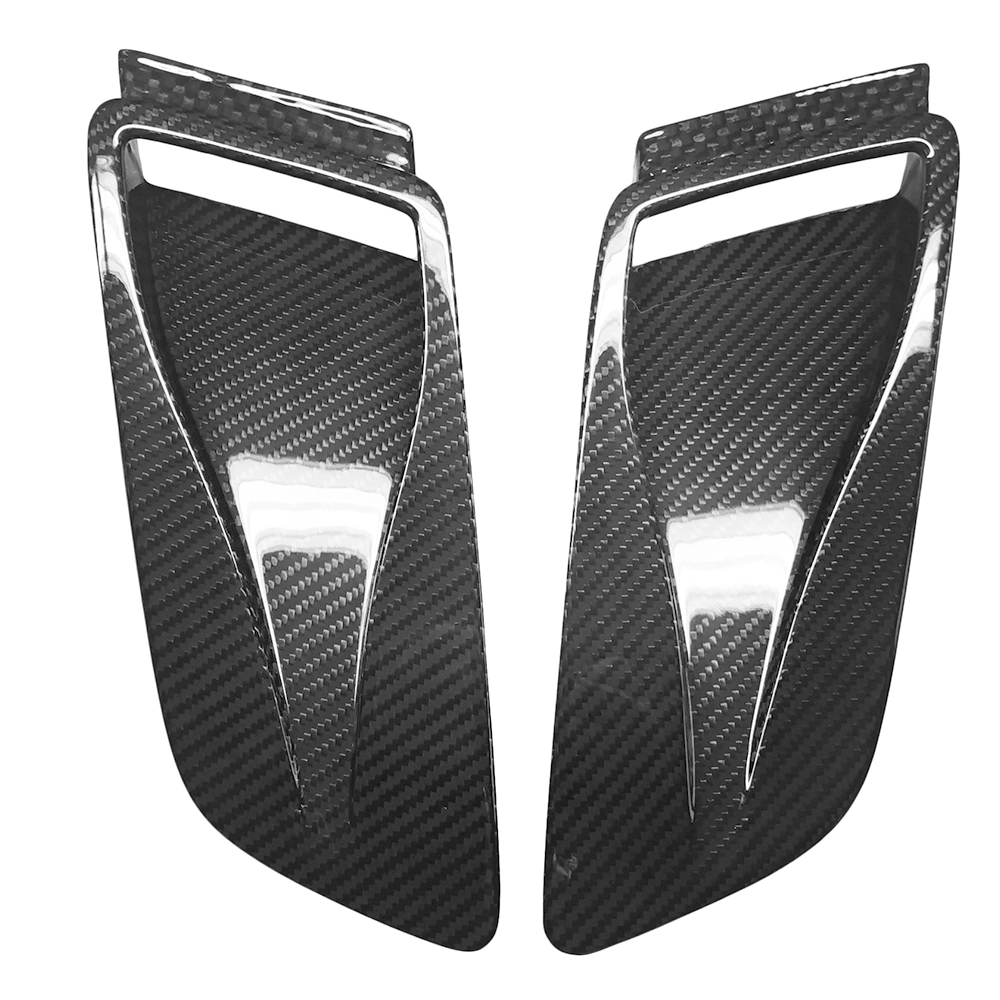
Porsche GT3RS Carbon Fiber Full Sets Aerodynamics Kits
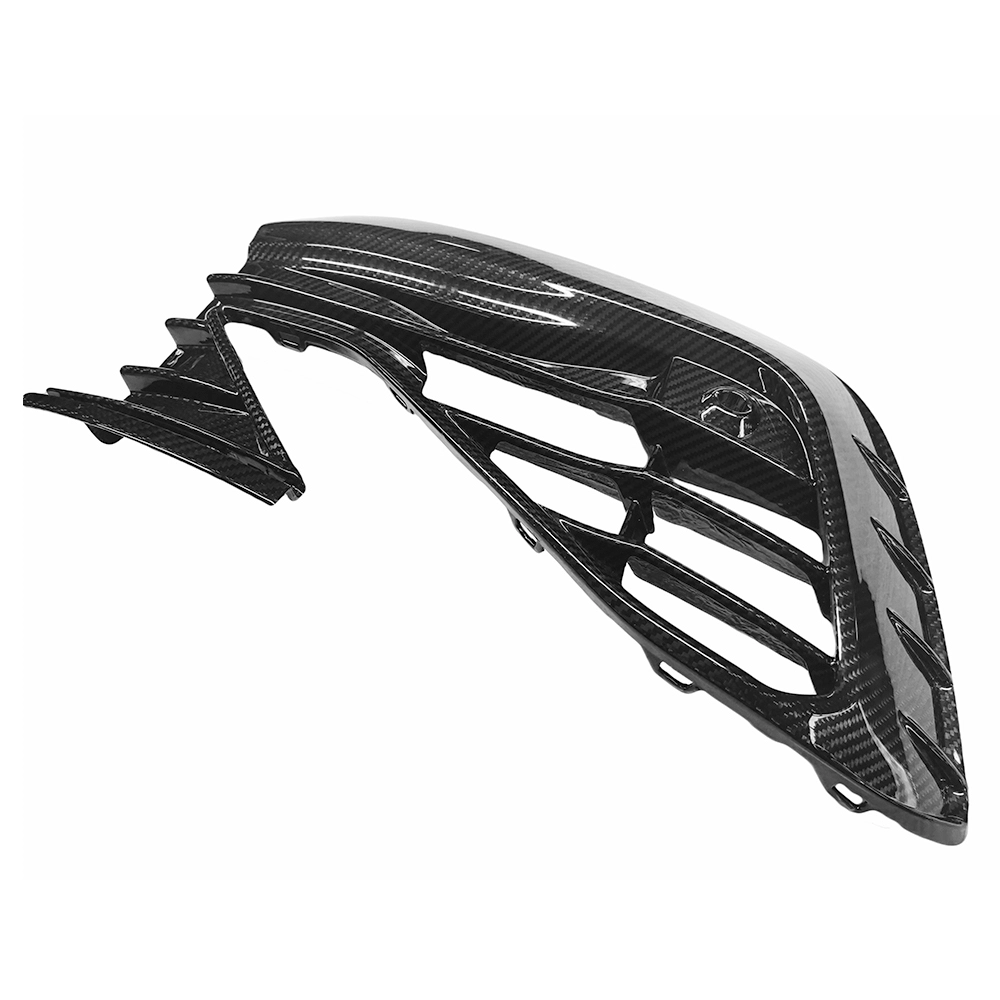
Volkswagen Golf R Mk8 Carbon Fiber Front Bumper Surrounds
We are committed to providing customers with the highest quality aerodynamic kits, just like this Volkswagen front bumper surround, which gives you a different visual experience. Not only are our products lighter than ABS, but they are also corrosion-resistant and have a UV-protective coating. 100% handmade, dry carbon autoclave process. It can directly replace original vehicle parts.
Let’s Bring Your Carbon Fiber Ideas to Life
Have a question or inquiry about our carbon fiber composite products? Leave us a message here, and our team will get back to you promptly.
Whether you're interested in custom orders, technical specifications, or partnership opportunities, we're here to assist you.
Please fill out the fields above with your name, email address, and message.

Supreem Carbon aiming to provide customers with high-performance carbon fiber products and quality services.
Contact Supreem Carbon
Address : Building 1 No.103, Yadi Nan 1st Road, QiaoTou Town, Dongguan City, China.
© 2024 Supreem Carbon All Rights Reserved.
Facebook
Pinterest
LinkedIn
Instagram