


Can high temperatures trigger carbon fiber delamination?
- What Causes Carbon Fiber Delamination in Composite Parts?
- How Can Delamination Be Prevented During the Production of Carbon Fiber Composites?
- Can High Temperatures Trigger Carbon Fiber Delamination?
- How Can Delamination Be Detected in Carbon Fiber Parts?
- What Are the Repair Options for Delaminated Carbon Fiber Parts?
- How Can High Temperatures Affect the Performance of Carbon Fiber Composites?
- Conclusion
Carbon fiber composites are renowned for their exceptional strength-to-weight ratio and versatility, making them a preferred choice in industries such as aerospace, automotive, and sporting goods. However, one of the critical challenges associated with carbon fiber components is delamination—the separation of layers within the composite material. Delamination can compromise the structural integrity and performance of carbon fiber parts, leading to potential failures if not properly addressed.
In this article, we will delve into the common causes of carbon fiber delamination, effective prevention strategies, and essential maintenance practices to ensure the longevity and reliability of your carbon fiber components.
What Causes Carbon Fiber Delamination in Composite Parts?
Delamination in carbon fiber composites can result from various factors, including:
Manufacturing Defects: Improper resin infusion, contamination during the layup process, insufficient pressure during curing, and inadequate curing conditions can lead to weak interlayer bonds, resulting in delamination. ((https://www.supreemcarbon.com/guides/understanding-carbon-fiber-delamination.html))
Material Incompatibility: Using resins and fibers with differing thermal expansion properties can induce internal stresses, leading to delamination over time. ((https://www.supreemcarbon.com/guides/understanding-carbon-fiber-delamination.html))
Mechanical Stress: Excessive impact, vibration, or fatigue from usage can cause layers to separate, especially if the component is subjected to loads beyond its design specifications. ((https://www.supreemcarbon.com/guides/understanding-carbon-fiber-delamination.html))
Environmental Factors: Exposure to moisture, thermal cycling, and UV radiation can degrade the resin matrix, weakening the bond between layers and promoting delamination. ((https://www.supreemcarbon.com/guides/understanding-carbon-fiber-delamination.html))
Design and Fabrication Issues: Sharp corners, abrupt thickness transitions, or improper fiber orientation can create stress concentration points, increasing the risk of delamination. ((https://www.supreemcarbon.com/guides/understanding-carbon-fiber-delamination.html))
How Can Delamination Be Prevented During the Production of Carbon Fiber Composites?
Implementing the following strategies can significantly reduce the risk of delamination:
Optimized Manufacturing Processes: Ensuring thorough surface preparation, uniform resin application, proper pressure during curing, and controlled curing conditions. ((https://www.supreemcarbon.com/preventing-delamination-carbon-fiber-composites.html))
Material Selection: Choosing high-quality, compatible resins and fibers, and using pre-preg materials for consistent bonding. ((https://www.supreemcarbon.com/preventing-delamination-carbon-fiber-composites.html))
Design Optimization: Avoiding sharp corners and abrupt transitions, and strategically orienting fibers to handle anticipated loads. ((https://www.supreemcarbon.com/preventing-delamination-carbon-fiber-composites.html))
Post-Manufacturing Quality Control: Implementing non-destructive testing methods like ultrasonic testing, X-ray, or thermography to detect voids or weak spots. ((https://www.supreemcarbon.com/preventing-delamination-carbon-fiber-composites.html))
Can High Temperatures Trigger Carbon Fiber Delamination?
Yes, high temperatures can indeed trigger carbon fiber delamination. The polymer matrix in carbon fiber composites is sensitive to temperature variations. When exposed to temperatures exceeding the glass transition temperature (Tg) of the resin, the matrix softens, leading to a reduction in interlaminar shear strength and potentially causing delamination. Studies have shown that the tensile strength of carbon fiber-reinforced polymers decreases significantly as the exposure temperature exceeds the Tg of the resin.
How Can Delamination Be Detected in Carbon Fiber Parts?
Detecting delamination in carbon fiber components is crucial for maintaining their structural integrity. Common non-destructive testing methods include:
Ultrasonic Testing: Utilizes high-frequency sound waves to detect internal flaws.
X-ray Inspection: Provides detailed images of the internal structure to identify delaminations.
Thermography: Employs infrared cameras to detect temperature variations caused by delaminations.
Regular inspections using these methods can help in early detection and maintenance of carbon fiber components.
What Are the Repair Options for Delaminated Carbon Fiber Parts?
Repairing delaminated carbon fiber components depends on the severity of the damage:
Minor Delamination: For small, superficial delaminations, the repair process involves:
Surface Preparation: Clean and sand the damaged area to expose intact fibers.
Resin Application: Apply compatible epoxy resin to the prepared surface.
Re-lamination: Lay new carbon fiber layers matching the original orientation.
Curing: Allow the resin to cure as per manufacturer's recommendations.
Significant Delamination: For extensive delamination, professional repair services may be required, involving techniques like vacuum bagging and autoclave curing to ensure proper bonding and restore strength. ((https://www.supreemcarbon.com/guides/carbon-fiber-delamination-repair-prevention.html))
How Can High Temperatures Affect the Performance of Carbon Fiber Composites?
High temperatures can significantly impact the mechanical properties of carbon fiber composites. Exposure to elevated temperatures can lead to:
Reduced Tensile Strength: The tensile strength of carbon fiber-reinforced polymers decreases as the exposure temperature exceeds the Tg of the resin.
Decreased Stiffness: The stiffness of carbon fiber composites diminishes with increasing temperature, affecting their load-bearing capacity.
Potential Delamination: High temperatures can soften the resin matrix, leading to delamination and reduced structural integrity.
Conclusion
Understanding the causes and repair methods for carbon fiber delamination is crucial for maintaining the performance and longevity of carbon fiber components. By implementing effective repair techniques and preventive measures, you can ensure the reliability and durability of your carbon fiber products.
Supreem Carbon offers high-quality carbon fiber components designed to withstand various operational conditions, including high temperatures. Our products are engineered with advanced manufacturing processes and materials to minimize the risk of delamination, ensuring optimal performance and longevity.
For more information on our products and services, visit our website.
What Are the Most Common Uses of Carbon Fiber in 2026?
The 5 Questions You've Always Had About Carbon Fiber

Supreem carbon new carbon fiber engine cover for GR Yaris.

Die einflussreichste Marke eines Kohlefaserherstellers in Asien

Is carbon fiber good for cars?
New arrivals- BMW CSL style carbon fiber front grille released by Supreem carbon!!
For After-sales Service
Do you offer a warranty?
Six month standard warranty on all products. Damage due to installation error or natural elements will not be covered.
For Facotry
When is Supreem carbon founded?
Our company formally established in early 2017.
How many monthly production capacity of the factory?
The average monthly production capacity reach 3000 pieces. With the equipment upgrade, it will be increased over 4000 pieces per month.
For Customized Service
What custom customer need to prepare?
1. Send Your Design/Idea/3D drawing.
2. Supplier Quotation Confirmation.
3. Firts Sample Feedback.
How long does the customized products order take?
This depends on the complexity and mold production cycle of the product. The first sample will be ready in 2-3 weeks after mold finished.
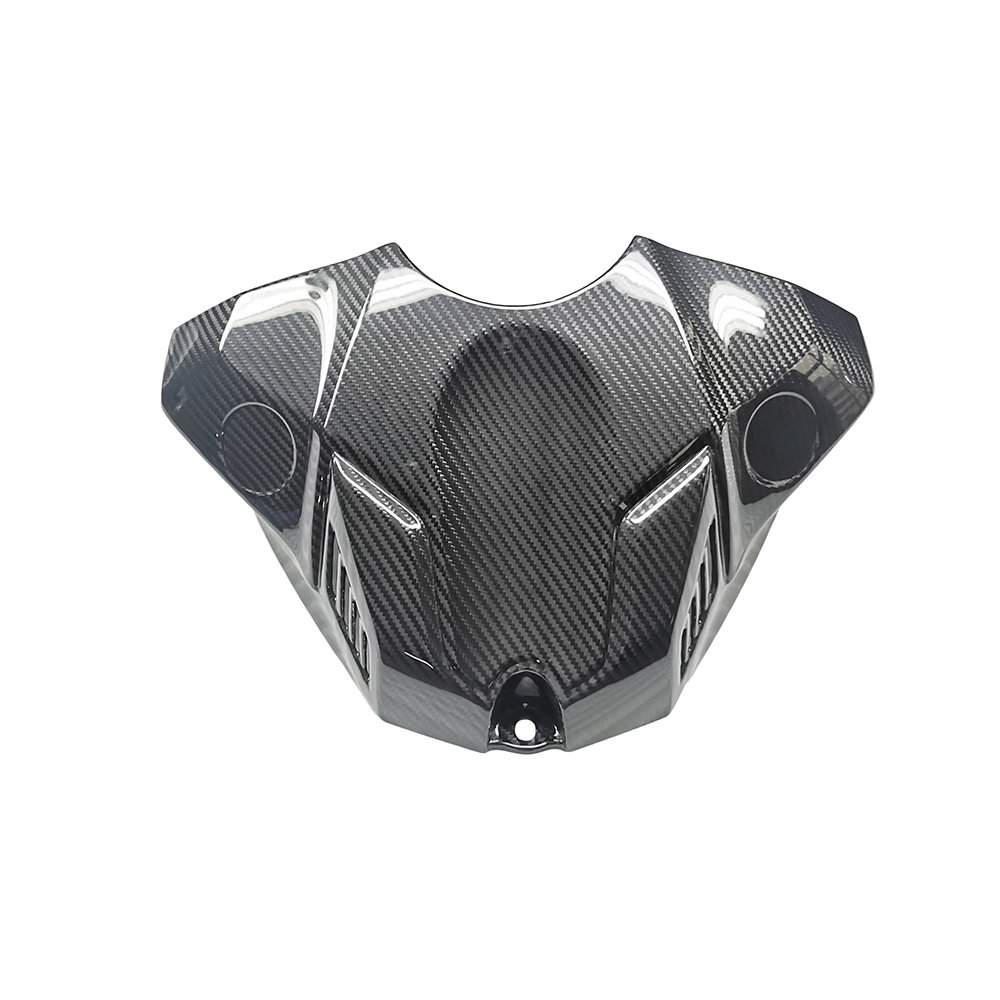
Yamaha R1 Carbon Fiber Airbox Tank Cover
The Supreem Carbon Yamaha R1 Carbon Fiber Airbox Tank Cover provides lightweight, durable protection with a sleek finish. Designed for R1 models, it enhances the style and performance of your bike. Its lightweight structure improves performance while maintaining the premium aesthetics necessary for high-end modification projects. As a dedicated manufacturer of carbon fiber parts, we provide stable production capacity, customization options, and strict quality control to support enterprise-level procurement and OEM/ODM needs.
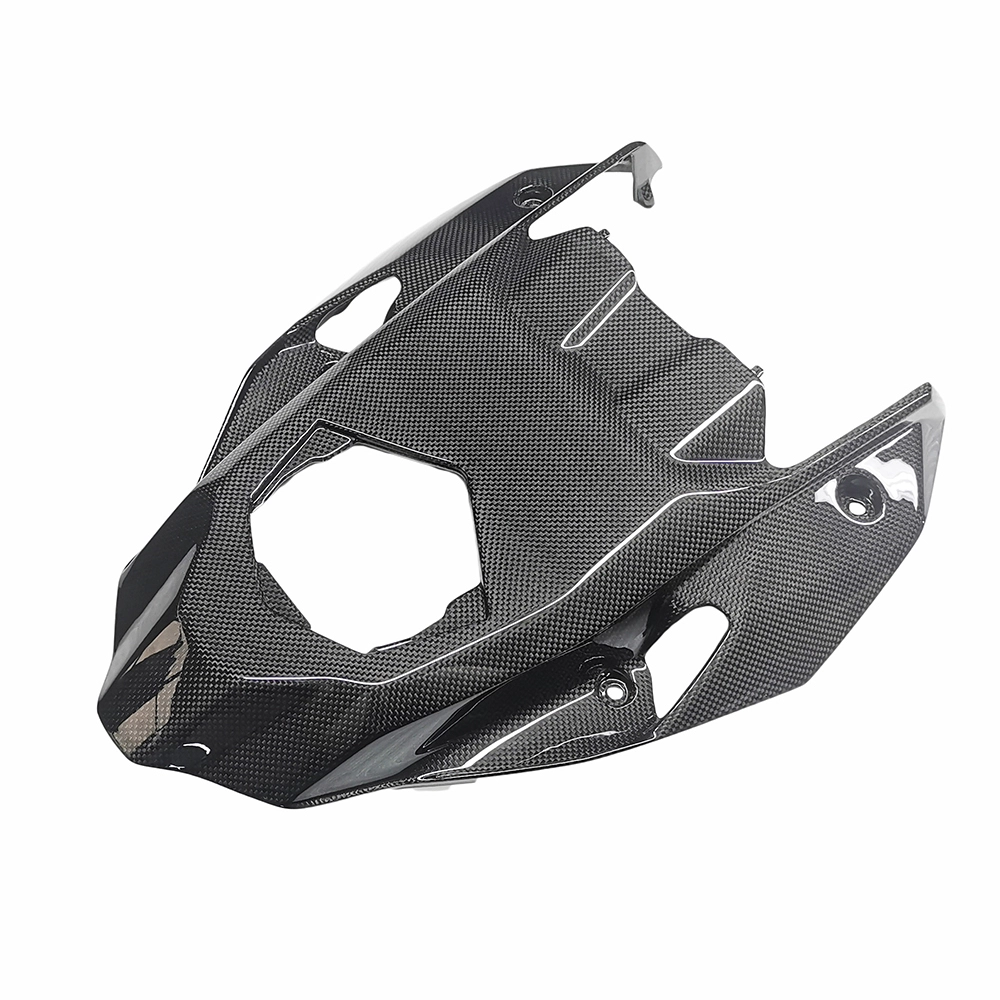
High-Performance Carbon Fiber Rear Undertail for BMW S1000R
Engineered for distributors, tuning brands, and motorcycle accessory businesses, the BMW S1000R Carbon Fiber Rear Undertail is a high-quality, durable, lightweight carbon fiber upgrade for the S1000R platform. This component is manufactured using aerospace-grade carbon fiber and precision molds to deliver superior stiffness, a seamless OEM-level fit, and a premium visual finish suitable for high-end aftermarket applications.
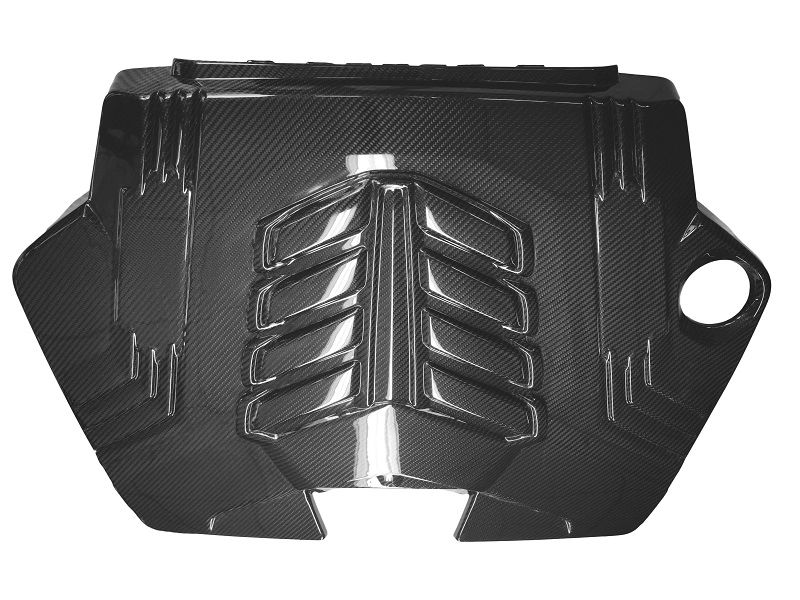
Lamborghini Urus Carbon Fiber Engine Bay Panel
Enhance the visual appearance of your Urus engine bay with these custom carbon fiber engine covers. 100% handmade and a 1:1 copy of the original part, which retains all OEM screw mounting points. Elevate your driving experience with this exquisite addition, showcasing unparalleled craftsmanship and enhancing the allure of your Urus’s engine bay.
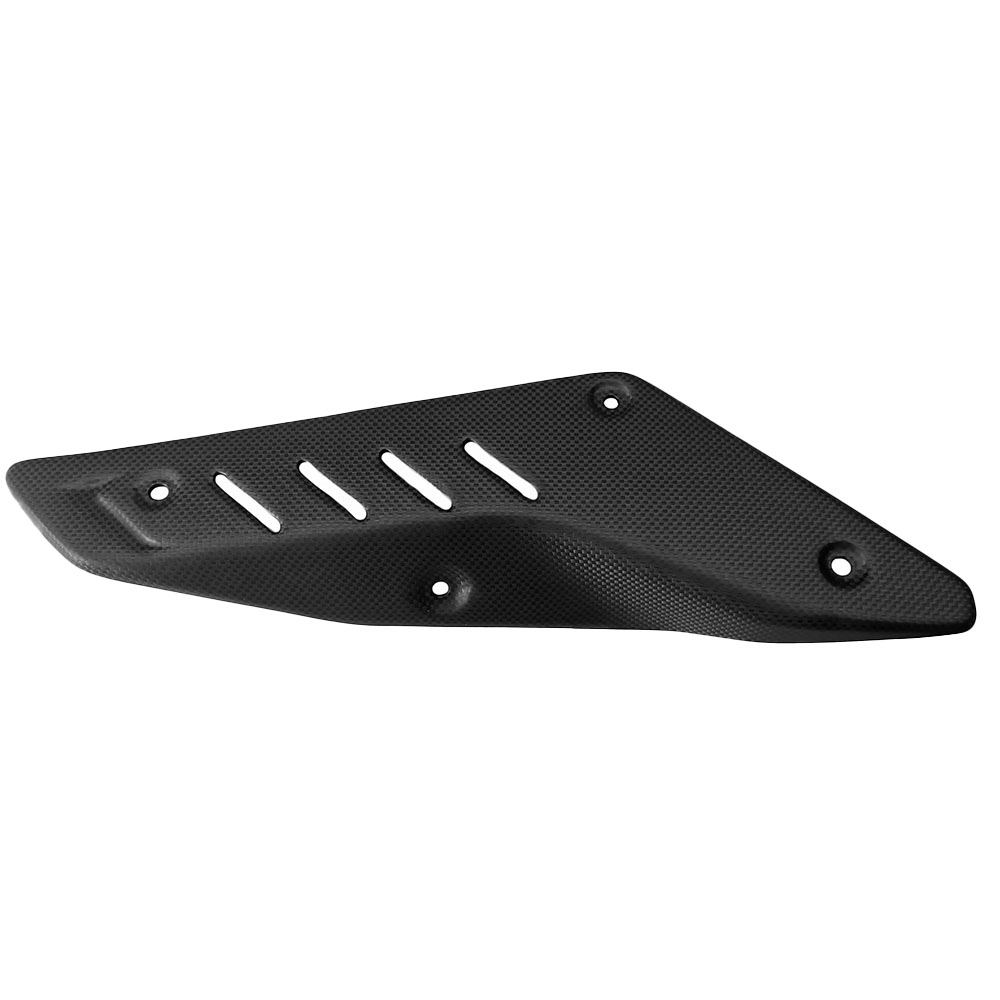
Yamaha MT10 Carbon Fiber Exhaust cover
Let’s Bring Your Carbon Fiber Ideas to Life
Have a question or inquiry about our carbon fiber composite products? Leave us a message here, and our team will get back to you promptly.
Whether you're interested in custom orders, technical specifications, or partnership opportunities, we're here to assist you.
Please fill out the fields above with your name, email address, and message.

Supreem Carbon aiming to provide customers with high-performance carbon fiber products and quality services.
Contact Supreem Carbon
Address : Building 1 No.103, Yadi Nan 1st Road, QiaoTou Town, Dongguan City, China.
© 2024 Supreem Carbon All Rights Reserved.
Facebook
Pinterest
LinkedIn
Instagram